
The Philosophy of Sumie: Brushwork and the Mind in Feudal Japan

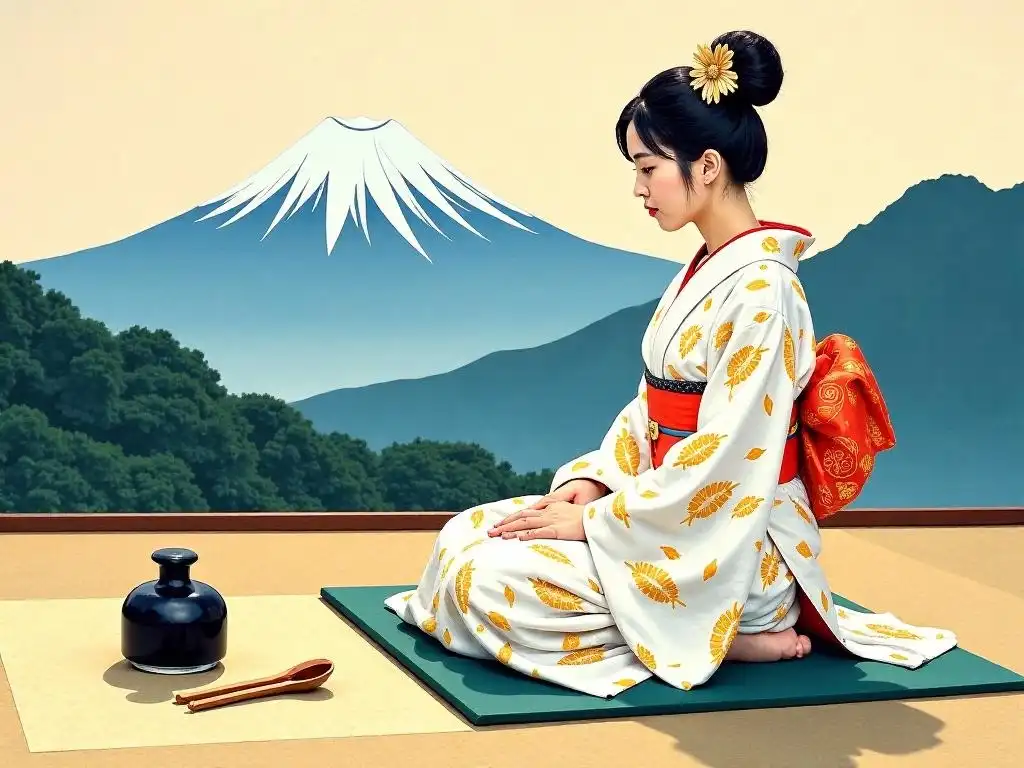
Welcome to Feudal Japan History, where the echoes of a captivating past resonate through every article. Here, we invite you to embark on a journey into the heart of Japan’s feudal era, exploring its rich historical, cultural, and societal landscapes. Our featured article, “The Philosophy of Sumie: Brushwork and the Mind in Feudal Japan,” delves into the profound connection between art and thought during this transformative period.
Discover how the delicate strokes of Sumie not only shaped aesthetic expressions but also reflected the philosophical undercurrents of an entire civilization. Are you ready to uncover the secrets that lie behind each brushstroke? Let your exploration begin!
- Introduction to Sumie Philosophy in Feudal Japan
- Historical Context of Sumie in Feudal Japan
- Core Principles of Sumie Philosophy
- Techniques and Practices in Sumie Brushwork
- The Influence of Nature on Sumie Philosophy
- Sumie Philosophy's Impact on Japanese Culture
- Contemporary Relevance of Sumie Philosophy
- Conclusion: The Enduring Legacy of Sumie Philosophy in Feudal Japan
- Frequently Asked Questions
- Final Reflection: The Enduring Wisdom of Sumie Philosophy in Feudal Japan
- Unveil the Beauty of Sumie: Take Your First Brushstroke!
Introduction to Sumie Philosophy in Feudal Japan
The philosophy of Sumie, or ink wash painting, serves as a profound reflection of the cultural and spiritual ethos of Feudal Japan. This art form transcends mere aesthetics, encapsulating a holistic approach that intertwines brushwork with the artist's inner state of mind.
Sumie philosophy in feudal Japan is not just about creating beautiful images; it is an exploration of simplicity, spontaneity, and the intrinsic connection between nature and the human spirit. As we delve into this intricate relationship, we will uncover how Sumie emerged as a philosophical school of thought that influenced not only art but also the broader societal values of the time.
Overview of Sumie Art Form
Sumie, originating from Chinese ink wash painting, became a prominent art form during the Muromachi period (1336-1573) and flourished throughout the subsequent Edo period (1603-1868). Characterized by its fluid brushstrokes and minimalistic style, Sumie focuses on the use of varying shades of black ink on paper or silk. The techniques involved in this art form are deeply rooted in the philosophical ideas of Zen Buddhism, which emphasize mindfulness, meditation, and the essence of simplicity.
- Key Characteristics of Sumie:
- Spontaneity: The brushwork in Sumie is often spontaneous, reflecting the artist's immediate feelings and thoughts.
- Simplicity: The use of minimal elements is a hallmark, allowing the viewer to find beauty in the essence of the subject rather than in intricate details.
- Connection with Nature: Sumie often depicts landscapes, flora, and fauna, signifying a deep appreciation for the natural world.
The practice of Sumie requires not only artistic skill but also a disciplined mind, as artists must cultivate a state of tranquility to achieve the desired flow of ink on the canvas. This practice is seen as a form of meditation, where the act of painting becomes a pathway to self-awareness and enlightenment.
Importance of Philosophy in Art
The philosophical underpinnings of Sumie are integral to understanding its significance in Feudal Japan. Art during this era was not merely a form of expression but a means of conveying deeper truths about existence, society, and the cosmos. The following aspects illustrate the importance of philosophy in art:
- Mindfulness and Presence: Artists engaged in Sumie practice mindfulness, allowing them to be fully present in the moment. This mental state is essential for producing authentic and resonant works.
- Zen Influence: The principles of Zen Buddhism permeate Sumie, promoting ideas of impermanence and the beauty of simplicity, which are reflected in the artworks' aesthetic.
- Cultural Reflection: Sumie serves as a mirror of the societal values of Feudal Japan, emphasizing harmony, balance, and the interconnectedness of life.
Through the lens of Sumie philosophy, we can appreciate how the interplay of mind, technique, and spirituality shapes not only the art form itself but also the cultural identity of Japan during its feudal era. This exploration will further illuminate how Sumie has evolved and continues to influence contemporary artistic practices.
Historical Context of Sumie in Feudal Japan
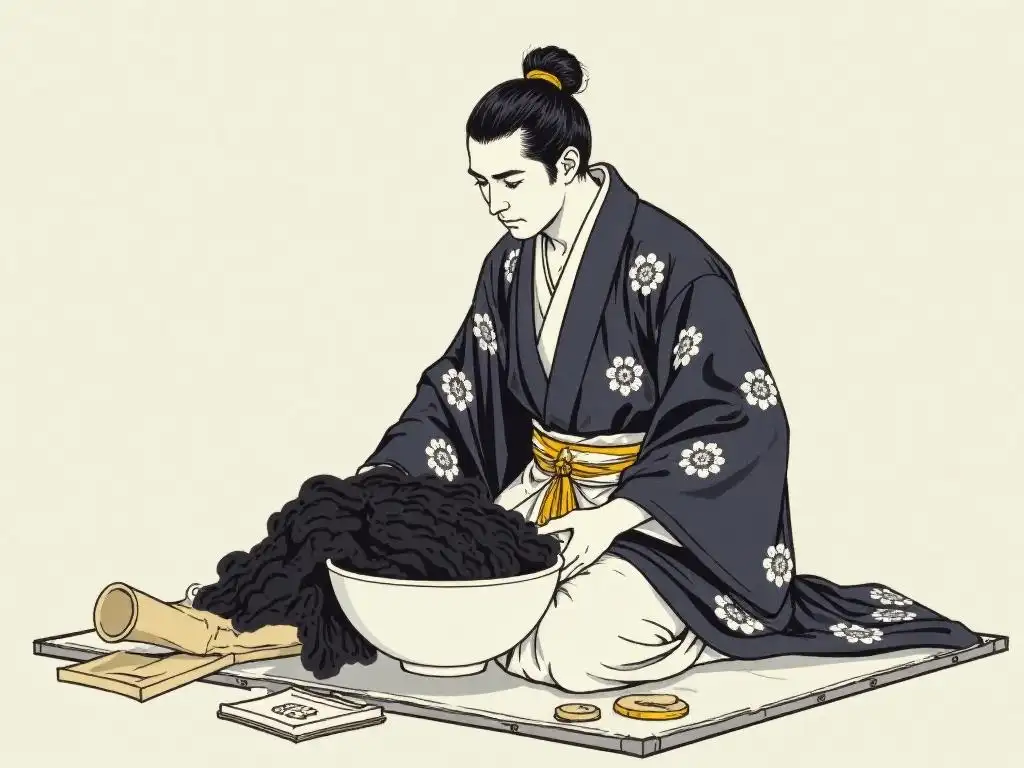
The art of Sumie, or ink wash painting, holds a significant place within the cultural tapestry of feudal Japan. Originating from Chinese ink painting, Sumie was introduced to Japan during the Kamakura period (1185-1333) and flourished particularly during the Muromachi period (1336-1573). This period was marked by political upheaval and the rise of the samurai class, which contributed to a unique cultural milieu that nurtured artistic expression.
The Muromachi period saw the establishment of a new aesthetic that was closely tied to the samurai ethos and the principles of Zen Buddhism. As the samurai class sought to cultivate a refined identity, they turned to artistic pursuits such as Sumie as a means of self-expression and philosophical exploration. This cultural shift emphasized simplicity, spontaneity, and the intrinsic beauty found in nature, which resonated deeply with the principles of Sumie.
Development of Sumie During the Feudal Era
The evolution of Sumie during the feudal era can be traced through several pivotal developments:
- Early Influences: Initially, Sumie was influenced significantly by the ink paintings of the Song Dynasty in China. Early Japanese artists adopted and adapted these techniques, integrating them into local traditions and aesthetics.
- Rise of Samurai Patronage: As the samurai class emerged as a dominant force, their patronage played a vital role in the development of Sumie. Samurai warriors not only commissioned works but also engaged in the practice themselves, seeing it as a means to refine their character and express their philosophical beliefs.
- Integration with Tea Ceremony: The practice of Sumie became intertwined with the Japanese tea ceremony (chanoyu), which emphasized harmony, respect, purity, and tranquility. The aesthetics of Sumie painting complemented the spiritual experience of the tea ceremony, creating an environment where both art forms flourished together.
- Schools of Sumie: Various schools of Sumie emerged during this era, each with its distinct style and philosophy. The two most notable schools were the Higashi and Nishi schools, which emphasized differing techniques and approaches to ink wash painting, further diversifying the art form.
- The Role of Masters: Prominent figures such as Sesshū Tōyō and Shūbun became instrumental in shaping the style of Sumie. Their works showcased not only technical prowess but also deep philosophical underpinnings, merging art with the contemplative practices of Zen.
Through these developments, Sumie evolved from a foreign import to a distinctly Japanese art form, deeply embedded in the cultural and philosophical landscape of feudal Japan.
Influence of Zen Buddhism on Sumie Practice
Zen Buddhism had a profound impact on the philosophy and practice of Sumie, shaping its aesthetic and spiritual dimensions. Key aspects of this influence include:
- Concept of Wabi-Sabi: Central to Zen philosophy, the concept of wabi-sabi emphasizes the beauty in imperfection and transience. This perspective encouraged Sumie artists to embrace spontaneity and simplicity in their brushwork, leading to striking compositions that reflect the natural world’s inherent beauty.
- Meditative Practice: The act of painting in Sumie is often regarded as a form of meditation. Artists engage in a mindful process where each brushstroke is deliberate and reflective, embodying the Zen principle of being present. This connection between art and meditation fosters a deeper awareness of the self and the surrounding environment.
- Emphasis on Nature: Zen Buddhism teaches an appreciation for nature, which is a recurring theme in Sumie. Artists often depicted landscapes, flora, and fauna, capturing the essence of nature while invoking a sense of tranquility and harmony. This connection underscores the importance of nature in both Zen practice and Sumie artistry.
- The Role of the Brush: In Sumie, the brush is not merely a tool but an extension of the artist’s mind and spirit. The brushstrokes convey emotions and thoughts, reflecting the Zen belief that art is a manifestation of the inner self. This philosophy encourages artists to develop a deep bond with their materials, enhancing the authenticity of their expression.
- Spiritual Symbolism: Many Sumie artworks carry spiritual significance, often depicting Zen symbols such as bamboo, rocks, and water. These elements serve as reminders of Zen teachings, encouraging viewers to contemplate the deeper truths of existence.
The philosophy of Sumie in feudal Japan is inextricably linked to the principles of Zen Buddhism, resulting in a rich and profound artistic tradition that continues to resonate in contemporary practices. Through the lens of Zen, Sumie transcends mere aesthetics, becoming a pathway for spiritual exploration and self-discovery.
Core Principles of Sumie Philosophy
Sumie, the traditional Japanese ink wash painting, is deeply intertwined with philosophical notions that permeated feudal Japan. At its core, Sumie philosophy emphasizes the relationship between the artist's mind and the brushwork, reflecting a broader understanding of life and existence. This philosophy is not merely about creating aesthetically pleasing images but rather about expressing the inner state of the artist through each stroke.
The Relationship Between Brushwork and Mindfulness
In Sumie, the act of painting transcends mere technique; it becomes a form of meditation. The artist must cultivate a state of mindfulness, where every brushstroke is a reflection of their thoughts and emotions at that moment. This connection is crucial as it allows the artist to embody the principles of Zen Buddhism, which advocate for presence and awareness in every action.
To illustrate this connection, consider the following elements that characterize the relationship between brushwork and mindfulness:
- Focus on the Present: The artist must concentrate on each stroke, letting go of distractions to achieve a flow state akin to Zen meditation.
- Emotional Expression: Each brushstroke serves as a vessel for emotions, allowing feelings of tranquility, chaos, or joy to manifest visually.
- Intuition and Flow: Rather than rigid planning, artists often rely on intuition, allowing their movements to be guided by their current state of mind.
This dynamic interplay between brushwork and mindfulness fosters a deeper understanding of oneself and the surrounding world, embodying the essence of Sumie philosophy.
Emphasis on Simplicity and Spontaneity in Art
Sumie philosophy champions the principles of simplicity and spontaneity, celebrating the beauty found in unrefined, natural expressions. This approach is rooted in the belief that complexity can detract from the essence of the subject. The following aspects highlight the significance of simplicity and spontaneity in Sumie:
- Minimalism: Sumie often employs a limited color palette and simple forms, emphasizing that less is more. This minimalist approach encourages viewers to engage with the artwork on a deeper level.
- Spontaneous Creation: Artists are encouraged to embrace spontaneity, allowing their brush to move freely across the canvas. This unpredictability often yields unique results that resonate with the viewer's emotions.
- Naturalness: The philosophy promotes a harmonious relationship with nature, urging artists to capture the essence of their subjects rather than merely replicating them. This leads to works that feel alive and authentic.
By embracing simplicity and spontaneity, Sumie artists create works that invite contemplation and introspection, aligning with the broader philosophical ideals present in feudal Japan.
The Concept of Wabi-Sabi in Sumie Philosophy
Central to Sumie philosophy is the concept of Wabi-Sabi, which embodies the appreciation of imperfection and transience. This aesthetic philosophy resonates deeply within Sumie practice, influencing how artists perceive their work and the world around them. Key aspects of Wabi-Sabi include:
- Impermanence: Wabi-Sabi teaches that all things are in a state of flux. Sumie artists often reflect this by allowing their brushwork to exhibit flaws and variations, creating a sense of beauty in imperfection.
- Authenticity: The philosophy celebrates the genuine, often finding beauty in the weathered and worn. This is reflected in the use of natural materials and techniques that embrace the organic qualities of ink and paper.
- Connection to Nature: Wabi-Sabi encourages a deep connection to nature, where the artist seeks to capture the essence of fleeting moments, such as a falling leaf or a blooming flower.
Through the lens of Wabi-Sabi, Sumie becomes more than just a form of artistic expression; it transforms into a philosophical inquiry into the nature of existence, beauty, and the human experience in the ephemeral world of feudal Japan.
Techniques and Practices in Sumie Brushwork
Sumie, or ink wash painting, is a profound art form that encapsulates not only the visual aesthetics of feudal Japan but also the philosophical underpinnings that guide its practice. The techniques and practices of Sumie brushwork are rooted in a deep understanding of the relationship between the artist's mind and the brush, making it a unique intersection of art and philosophy. Here, we delve into the essential tools, basic brush techniques, and the meditative aspects that enhance the Sumie practice.
Essential Tools and Materials for Sumie
To embark on the journey of Sumie, one must first understand the essential tools and materials that are integral to this art form. The primary tools include:
- Brushes (Fude):
- Types: The most common brushes are made from animal hair such as goat, wolf, or weasel. Each type offers different qualities in terms of softness, flexibility, and ink retention.
- Sizes: Brushes come in various sizes, allowing artists to create fine details or broad strokes.
- Ink Stick and Ink Stone (Suzuri):
- Ink Stick: Made from soot and animal glue, the ink stick is ground on the ink stone with water to create the desired ink consistency.
- Ink Stone: The surface of the ink stone is essential for achieving the right texture and fluidity of the ink.
- Rice Paper (Washi):
- Types: Different types of rice paper are used, each affecting the final outcome of the artwork. Some papers absorb ink better, while others allow for more vibrant colors.
- Preparation: Properly preparing the paper is crucial for optimal ink absorption and brush performance.
- Seal and Red Ink Paste (Shu):
- A personal stamp is often used to authenticate and add a final touch to the artwork. The red ink paste contrasts beautifully with the black ink of the brushwork.
- Mounting and Presentation Materials:
- Traditional Sumie artworks are often mounted on scrolls or framed, requiring additional materials for presentation.
Understanding these tools is fundamental for any practitioner of Sumie, as they significantly influence the technique and expression of the artwork.
Step-by-Step Guide to Basic Brush Techniques
The mastery of Sumie brushwork lies in practicing specific techniques that reflect the artist's state of mind. Here’s a step-by-step guide to some fundamental brush techniques:
- Holding the Brush:
- Hold the brush vertically with a relaxed grip, allowing flexibility and control. The position of your wrist will greatly influence the stroke.
- Basic Strokes:
- Dot (Ten): A simple dot is the foundation of Sumie. Practice creating dots of varying pressure and size.
- Line (Sen): Experiment with straight and curved lines, varying speed and pressure to achieve different effects.
- Washes (Nierai): Create gradients by layering strokes, adjusting the amount of water mixed with ink.
- Combining Strokes:
- Practice combining basic strokes to create shapes and forms, such as leaves, flowers, or mountains. This exercise enhances fluidity and encourages creative exploration.
- Expressive Techniques:
- Dry Brush: Use minimal ink for a textured effect that captures the essence of the subject.
- Wet on Wet: Apply ink onto wet paper to create soft, blended effects. This technique is often used in depicting landscapes.
- Final Touches:
- Use a light touch to add details and highlights, allowing the artwork to develop depth and character.
Regular practice of these techniques not only improves your skill but also deepens your understanding of the Sumie philosophy, where every stroke carries intentionality and mindfulness.
The Role of Meditation in Developing Brushwork Skills
Meditation plays a crucial role in the practice of Sumie, as it fosters a deep connection between the artist's mind and the brush. This meditative approach enhances both the technical and philosophical aspects of brushwork.
- Mindfulness: Practicing mindfulness helps artists focus entirely on the present moment, allowing for a clearer mental state and more intuitive brushwork. This state of being is essential for creating art that resonates on a deeper level.
- Breath Control: Synchronizing breath with brush movement promotes relaxation and fluidity. Artists often engage in deep breathing exercises prior to painting, which helps in calming the mind and sharpening focus.
- Visualization: Before applying ink to paper, artists may visualize their intended strokes and forms. This mental preparation allows for a more intentional execution of brushwork.
- Emotional Expression: Meditation encourages artists to tap into their emotions, translating feelings into brush strokes. The resulting artwork becomes a reflection of the artist’s inner world, embodying the Sumie philosophy of simplicity and depth.
Incorporating meditation into the practice of Sumie not only hones technical skills but also enriches the spiritual and philosophical experience of creating art, making each piece a unique expression of the artist’s journey.
The Influence of Nature on Sumie Philosophy
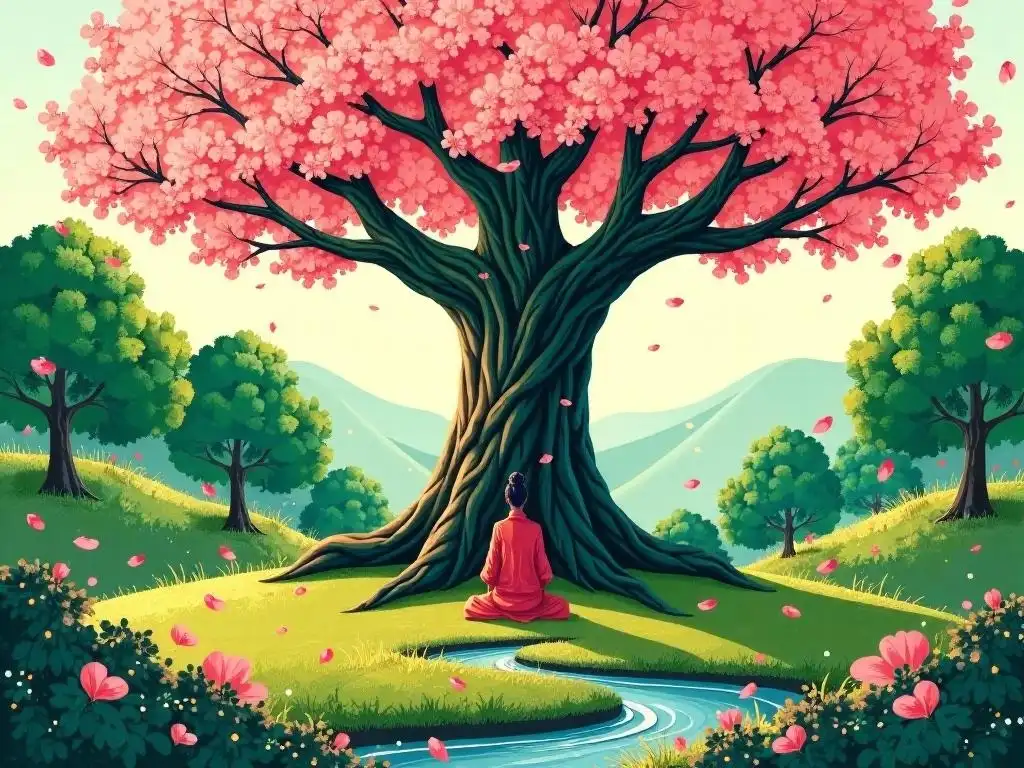
The philosophy of Sumie, characterized by its minimalist brushwork and profound depth, is deeply intertwined with the natural world. In feudal Japan, artists and philosophers alike drew inspiration from nature, viewing it as a reflection of the human experience. This connection not only shaped the aesthetics of Sumie but also its underlying philosophy, emphasizing harmony, simplicity, and the ephemeral nature of life.
Nature as a Source of Inspiration in Feudal Japan
In feudal Japan, nature was not merely a backdrop for artistic expression; it was a vital source of inspiration and a teacher in itself. Artists engaged with the environment, observing the intricate details of flora and fauna, and translating these observations into their works. The philosophy underpinning Sumie art emphasizes that the brushwork should resonate with the essence of the subject, capturing the spirit rather than merely the form.
- Philosophical Reflection: Artists often pondered the transient beauty of nature, which is encapsulated in the concept of mono no aware—the awareness of the impermanence of things. This philosophical perspective reinforced the notion that beauty lies in the fleeting moments of life, encouraging artists to express these sentiments through their brushstrokes.
- Practice of Mindfulness: The act of painting in Sumie is often meditative. Artists immerse themselves in the moment, allowing their brush to flow freely, mirroring the natural movements found in nature. This practice promotes a deep connection to the environment, fostering a sense of tranquility and awareness that is central to the Sumie philosophy.
Symbolism of Natural Elements in Sumie Art
Natural elements in Sumie art carry significant symbolic meanings, often reflecting broader philosophical themes that resonate throughout feudal Japan. The careful selection of subjects and the manner in which they are portrayed speak volumes about the artist's intent and worldview.
| Natural Element | Symbolic Meaning |
|---|---|
| Bamboo | Resilience and flexibility, symbolizing strength in adversity. |
| Cherry Blossoms | The beauty of transience, reminding viewers of the fleeting nature of life. |
| Mountains | Stability and permanence, often representing the eternal aspects of existence. |
| Water | Fluidity and change, embodying the cycle of life and the importance of adaptability. |
Artists utilized these symbols to convey complex ideas succinctly. For example, a single stroke representing a mountain might not just depict a physical landscape but also suggest a philosophical stance on life’s challenges.
Moreover, the use of negative space in Sumie reflects the idea that what is not painted is as significant as what is. This approach encourages viewers to contemplate the relationship between the seen and the unseen, further enriching the philosophical discourse surrounding Sumie.
The Sumie philosophy in feudal Japan is a harmonious blend of art and nature, inviting a reflective engagement with the world. Through the careful articulation of natural elements, artists not only captured beauty but also conveyed profound philosophical insights that continue to resonate today.
Sumie Philosophy's Impact on Japanese Culture
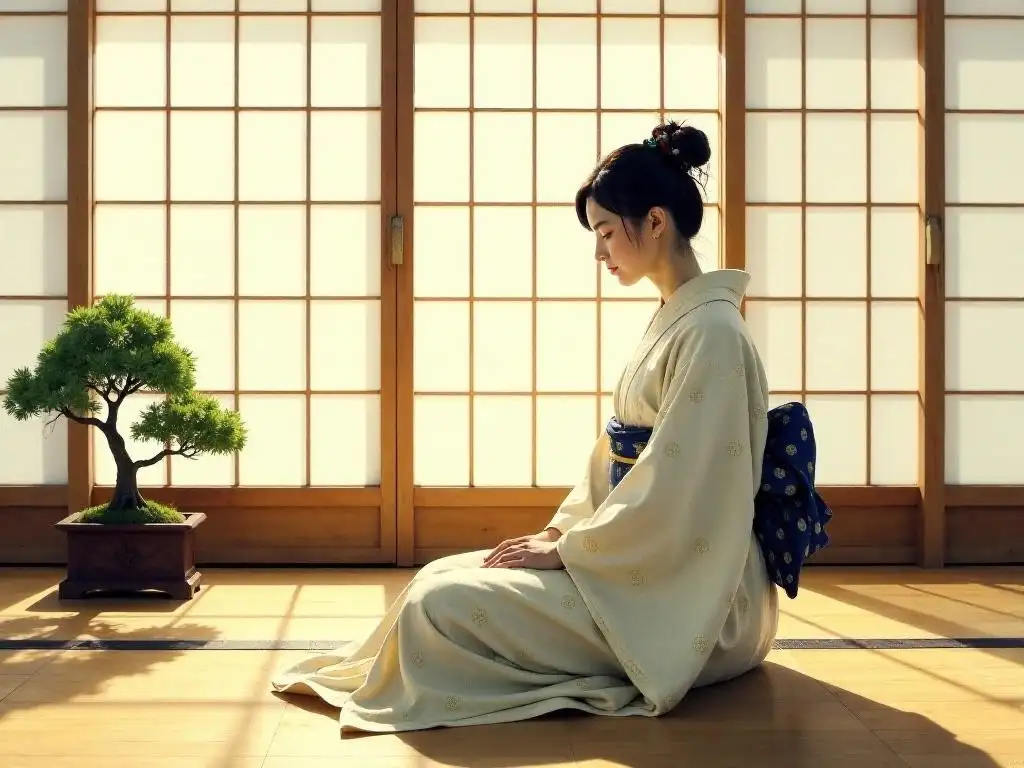
The philosophy of Sumie, often referred to as "ink painting," transcends mere artistic expression, deeply influencing various aspects of Japanese culture during the feudal era. It embodies a unique interplay between aesthetics and spirituality, where the act of painting becomes a meditative practice, reflecting the artist's inner state and understanding of nature. This philosophy not only shaped the visual arts but also permeated the ethos of Japanese society, establishing a foundation for values such as simplicity, impermanence, and the pursuit of harmony.
The Integration of Sumie Philosophy in Daily Life
Sumie philosophy deeply influenced daily life in feudal Japan, manifesting in several key areas:
- Mindfulness and Meditation: Practitioners of Sumie often engaged in the painting process as a form of meditation. The focus required to master brushwork encouraged a state of mindfulness, allowing artists to connect with their inner selves and the surrounding world. This practice of mindfulness resonated with Zen Buddhism, which emphasized awareness and presence in the moment.
- Aesthetic Principles in Home Decor: The simplicity and elegance of Sumie art influenced the decor of Japanese homes. Traditional tea houses and living spaces often featured Sumie paintings, which served not only as decoration but also as a reminder of the philosophical ideals of nature and tranquility. The placement of these artworks was intentional, fostering a serene environment conducive to meditation and reflection.
- Ceremonial Practices: Sumie philosophy also found its place in ceremonial contexts, particularly in tea ceremonies, where the aesthetics of simplicity and natural beauty were paramount. The integration of Sumie art into these practices highlighted the importance of harmony, respect, and purity, central tenets of both the tea ceremony and Sumie philosophy.
Contributions of Sumie to Other Japanese Art Forms
The influence of Sumie philosophy extended beyond painting, significantly impacting various Japanese art forms:
- Calligraphy: The brush techniques and aesthetic principles of Sumie heavily influenced Japanese calligraphy (shodō). The fluidity and expression evident in brush strokes reflected the same philosophical ideals found in Sumie, where each stroke conveyed emotion and character. Calligraphers embraced these principles, creating works that were not only legible but also artistically profound.
- Poetry and Literature: The themes explored in Sumie, such as nature, transience, and introspection, found a voice in Japanese literature and poetry. Haiku, a traditional form of Japanese poetry, often mirrored the imagery and feelings evoked in Sumie paintings, emphasizing simplicity and depth. The interplay between visual and literary arts enriched the cultural tapestry of feudal Japan.
- Theater and Performance Arts: The aesthetics of Sumie also influenced traditional Japanese theater forms, such as Noh and Kabuki. The minimalist staging and use of symbolic props in these performances echoed the philosophy of Sumie, where less often conveyed more. The emphasis on conveying emotion and narrative through simplicity connected the visual art form with the performing arts, fostering a holistic approach to cultural expression.
The philosophy of Sumie in feudal Japan not only shaped the world of painting but also interwove itself into the very fabric of daily life and various art forms, underscoring its profound impact on Japanese culture. Its principles continue to resonate, offering insights into the relationship between art, mindfulness, and the human experience.
Contemporary Relevance of Sumie Philosophy
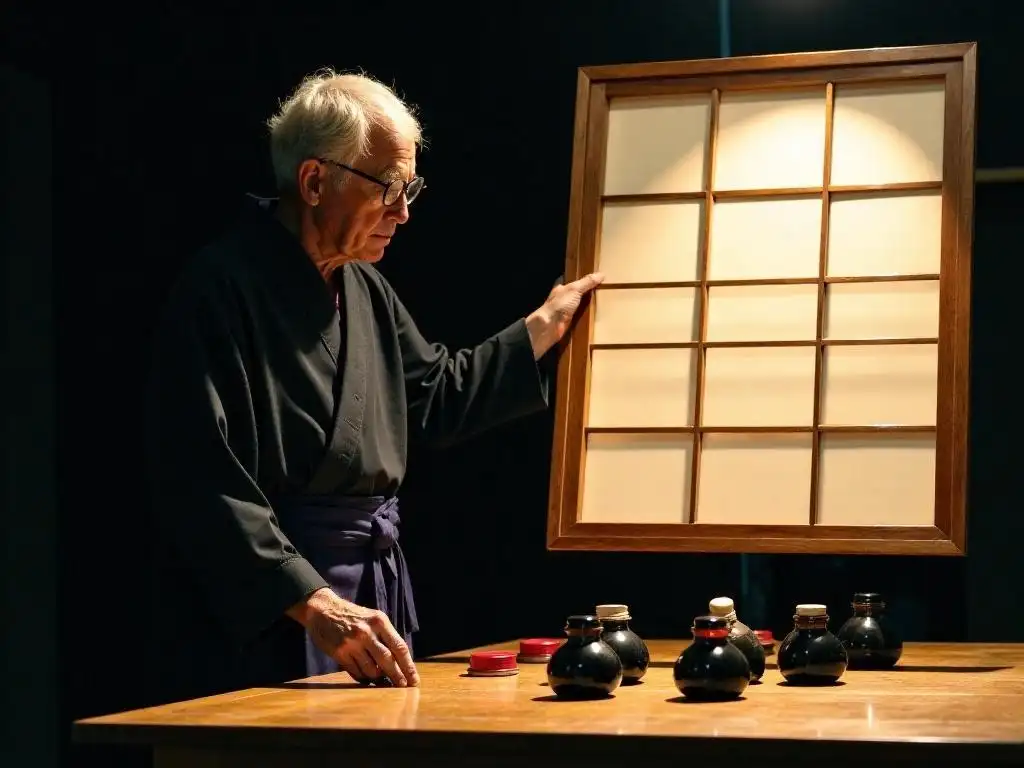
Reviving Traditional Sumie Practices in Modern Japan
In recent years, there has been a notable resurgence of interest in traditional Sumie practices within Japan. This revival can be attributed to several factors, including a growing appreciation for cultural heritage and the therapeutic benefits associated with the art form. Many contemporary artists and enthusiasts are seeking to reconnect with the foundational principles of Sumie, emphasizing mindfulness, patience, and the profound relationship between the artist and the medium.
- Workshops and Classes: Numerous art schools and community centers across Japan now offer workshops dedicated to traditional Sumie techniques. These classes often attract participants of all ages, from children to elderly individuals, fostering a sense of community and shared learning. By engaging in these practices, students not only learn the technical aspects of brushwork but also the philosophical underpinnings that accompany the art.
- Art Exhibitions: Art galleries have begun to showcase exhibitions specifically focused on Sumie, highlighting both historical and contemporary works. These exhibitions provide a platform for artists to explore the interplay between traditional aesthetics and modern themes, demonstrating how Sumie philosophy remains relevant in today’s context.
- Integration with Other Art Forms: Many contemporary artists are integrating Sumie techniques into various artistic expressions, such as installation art, graphic design, and digital media. This fusion allows for innovative interpretations of traditional concepts, reaching broader audiences and inviting dialogue about the relevance of Sumie philosophy in contemporary society.
The Global Influence of Sumie Philosophy Today
The philosophy of Sumie has transcended its Japanese origins, influencing art and culture worldwide. As globalization fosters greater cultural exchange, the principles of Sumie are being embraced by artists and enthusiasts across the globe. This international interest highlights the universal themes of simplicity, nature, and the inner self that are integral to Sumie philosophy.
- Artistic Influence: International artists are increasingly incorporating Sumie techniques into their work, exploring the philosophy’s emphasis on spontaneity and the beauty of imperfection. This has led to the emergence of new art movements that celebrate the fluidity and expressiveness of brushwork, resonating with contemporary audiences.
- Mindfulness and Well-being: The meditative aspects of Sumie have attracted attention in wellness and mindfulness circles. Workshops and retreats that focus on Sumie practice as a form of stress relief and self-expression are gaining popularity, as individuals seek to cultivate a deeper connection with themselves and their surroundings.
- Cultural Exchange Programs: Numerous cultural exchange initiatives are promoting Sumie philosophy through international collaborations, exhibitions, and educational programs. These efforts not only preserve the traditional practices of Sumie but also adapt them to fit diverse cultural contexts, enriching the global understanding of this profound art form.
The relevance of Sumie philosophy in contemporary society is evident through its revival in Japan and its global influence. As it continues to inspire new generations of artists and thinkers, the essence of Sumie remains a testament to the enduring power of art to bridge cultural divides and foster a deeper understanding of the human experience.
Conclusion: The Enduring Legacy of Sumie Philosophy in Feudal Japan
The legacy of Sumie philosophy in feudal Japan is one that resonates through the ages, influencing various aspects of art, culture, and thought. This unique approach to brushwork, characterized by its emphasis on spontaneity and the interplay between the artist's mind and hand, embodies a profound philosophical inquiry into the nature of existence and expression. Sumie engages not just the physical act of painting, but also the psychological and spiritual dimensions of the artist, making it a holistic representation of feudal Japanese philosophy.
The simplicity and elegance of Sumie reflect Zen Buddhist principles, emphasizing mindfulness and the importance of being present in the moment. Artists were taught to empty their minds to allow the essence of the subject to manifest on paper, leading to a deeper understanding of both the self and the world. This connection between mind and brushwork not only produced aesthetically pleasing works but also served as a meditative practice that nurtured personal growth and enlightenment.
Reflection on the Mind and Brushwork Connection
The interplay between the mind and brushwork in Sumie philosophy is a pivotal concept that is worth exploring in depth. At its core, Sumie teaches that the act of painting is not merely a technical endeavor but a reflection of one's inner state. The philosophy posits that the artist's mental clarity and emotional balance directly influence the outcome of the artwork.
In practical terms, this means that successful Sumie artists often engage in practices such as meditation and mindfulness to prepare themselves for painting. The brushwork itself becomes a form of meditation, where the flow of ink on paper mirrors the flow of thoughts in the mind. As the artist moves the brush, they embody a physical manifestation of their thoughts, emotions, and energy, culminating in a piece that is both a visual representation and an expression of their inner world.
This connection can be summarized in the following points:
- Mindfulness: The artist must be fully present, allowing the brush to act as an extension of their psyche.
- Spontaneity: Each stroke is a reflection of the artist's current state; thus, no two pieces are identical.
- Expression of Self: The artwork serves as a window into the artist's thoughts and emotions, creating a personal narrative through brushwork.
In the practice of Sumie, the brush does not simply create; it reveals.
Future Perspectives on Sumie and Its Philosophical Roots
As we look to the future, the philosophy of Sumie continues to hold relevance in contemporary society, transcending cultural and temporal boundaries. The principles of mindfulness and presence that underpin Sumie philosophy are increasingly embraced in modern wellness practices, art therapy, and personal development.
In educational contexts, Sumie can be integrated into art curriculums not just as a skill but as a philosophical framework that encourages students to explore their inner selves through creative expression. As globalization continues to merge cultural practices, Sumie’s philosophical roots may inspire new interpretations and adaptations in various art forms around the world.
Moreover, as the contemporary world grapples with the challenges of stress and distraction, the meditative aspects of Sumie offer valuable insights. Future artists and thinkers may draw from its principles to cultivate their creativity, mental well-being, and spiritual insight.
Sumie philosophy in feudal Japan not only shaped the artistic landscape of its time but also laid the groundwork for a continuing dialogue about the relationship between art and the human experience. The enduring legacy of this unique brushwork philosophy speaks to the timeless quest for understanding oneself through creative expression.
Frequently Asked Questions
What is Sumie philosophy in feudal Japan?
Sumie philosophy combines the art of brushwork with spiritual and mental discipline, reflecting the artist's inner thoughts and emotions through ink and paper.
How did Sumie influence other art forms in Japan?
Sumie significantly impacted various art forms, including painting, calligraphy, and even poetry, by emphasizing the importance of simplicity and natural beauty.
What are the key principles of Sumie techniques?
The key principles of Sumie include spontaneity, balance, and harmony, which guide artists in expressing their feelings and understanding the essence of nature through their brushwork.
How was Sumie philosophy perceived in feudal society?
In feudal Japan, Sumie philosophy was associated with the samurai ethos, embodying values of discipline, perseverance, and meditative practice, which were essential for personal and artistic growth.
Can anyone practice Sumie art and philosophy?
Yes, Sumie art and philosophy can be practiced by anyone interested in self-expression and mindfulness, regardless of their skill level, making it an accessible form of art for all.
Final Reflection: The Enduring Wisdom of Sumie Philosophy in Feudal Japan
The philosophy of Sumie transcends mere brushwork; it embodies a profound connection between the mind and the canvas that remains relevant today. In a world increasingly dominated by technology and fast-paced living, the principles of mindfulness and intentionality found in Sumie offer a refreshing perspective on creativity and self-expression. The delicate balance between spontaneity and control in this art form serves as a powerful reminder of the beauty that can emerge from the harmony of thought and action.
Culturally, the influence of Sumie philosophy continues to resonate, shaping not only artistic practices but also broader societal values. The meditative quality of this art encourages individuals to slow down, reflect, and engage deeply with their surroundings. As we navigate the complexities of modern life, the teachings of Sumie remind us of the importance of presence and authenticity. Art is not what you see, but what you make others see.
– Edgar Degas. This quote encapsulates the essence of Sumie, urging us to look beyond the surface and appreciate the deeper meanings that art can convey.
As we conclude our exploration of Sumie philosophy, I invite you to reflect on how you can incorporate its principles into your own life. Consider the ways in which you can cultivate mindfulness in your daily activities, whether through art, work, or personal relationships. Embrace the idea that every stroke, every moment, is an opportunity for expression and connection. Let the spirit of Sumie inspire you to find beauty in simplicity and depth in your experiences, fostering a greater understanding of yourself and the world around you.
Unveil the Beauty of Sumie: Take Your First Brushstroke!
Thank you for delving into the captivating world of Sumie and its profound connection to the mind in feudal Japan. You've just explored a unique art form that not only captivates the eye but also invites introspection. Now, it’s time to bring that inspiration into your own life and creativity!
Here are a few actionable steps to help you engage further with the philosophy of Sumie:
- Begin your Sumie journey by practicing your first brushstroke. Gather some basic materials like brushes, ink, and paper, and let your creativity flow!
- Participate in workshops at your local art center or enroll in online classes to deepen your understanding of this beautiful technique and its meditative qualities.
- Share your experiences with friends or on social media. Inspire others by posting your artwork and discussing the mental clarity that comes from engaging with this art form.
What unique perspective do you think Sumie art can bring to your everyday life? We invite you to share your thoughts in the comments below!