
From Battlefield to Dojo: The Evolution of Japanese Martial Arts

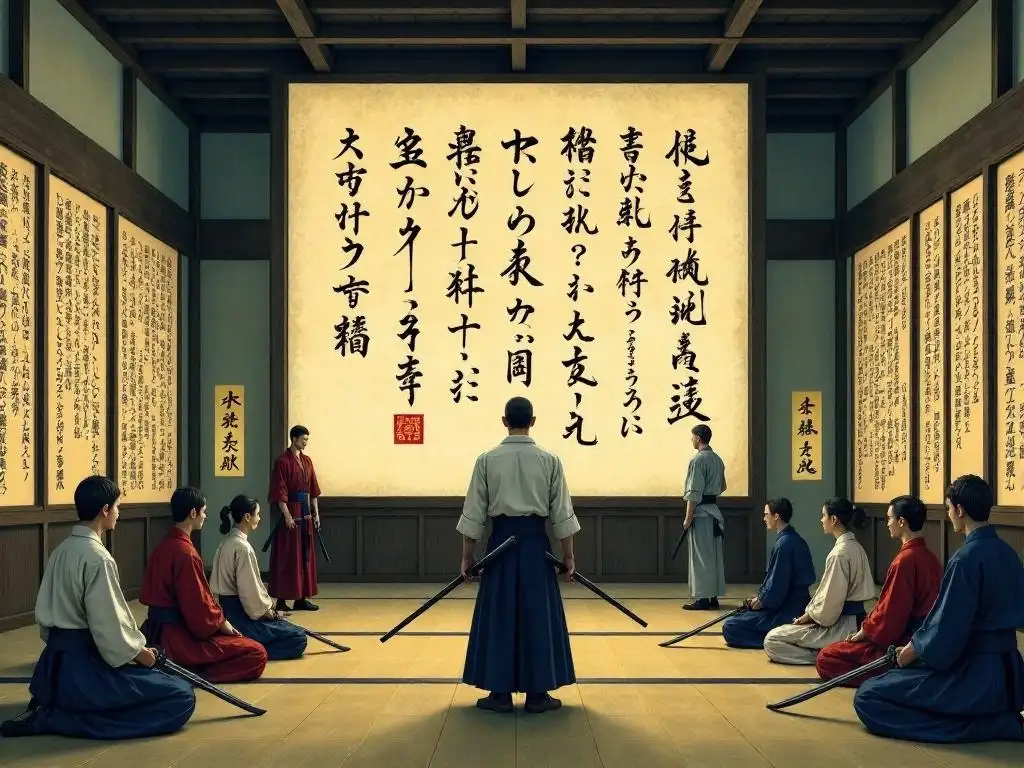
Welcome to Feudal Japan History, where we embark on a fascinating journey through the intricate tapestry of Japan's feudal era. Here, you'll uncover the rich history of Japanese martial arts, a compelling narrative that weaves together the valor of warriors, the discipline of the dojo, and the cultural significance that transcends generations. As you delve into our latest article, "From Battlefield to Dojo: The Evolution of Japanese Martial Arts," prepare to be captivated by the transformation of combat techniques into a revered art form.
What secrets lie behind the moves that shaped a nation? Join us as we explore this dynamic evolution and inspire your curiosity to uncover more!
Introduction to the History of Japanese Martial Arts
The history of Japanese martial arts is a fascinating journey that reflects the complex interplay between warfare, culture, and philosophy throughout Japan’s feudal era. Rooted in the realities of battle, these martial disciplines evolved over centuries, transforming from practical combat techniques employed on the battlefield to sophisticated arts practiced in dojos across the nation.
This comprehensive exploration delves into the origins, influences, and societal roles of martial arts in feudal Japan, highlighting their significance in shaping both historical narratives and cultural identities. As we navigate through this evolution, we will uncover how these practices not only served as methods of defense but also fostered a sense of discipline, honor, and community among practitioners.
Overview of Japanese Martial Arts in Feudal Japan
In feudal Japan, martial arts were deeply entwined with the social and political fabric of the time. The samurai class, as the ruling military elite, became the primary custodians and practitioners of these arts. Key aspects to consider include:
- Diverse Techniques: Various styles emerged, each with unique techniques, philosophies, and training methods. Prominent forms included kenjutsu (swordsmanship), iaijutsu (the art of drawing the sword), and sojutsu (spear techniques).
- Training Grounds: Dojos became centers for learning and mastery, where individuals honed their skills under the guidance of seasoned instructors. These spaces facilitated not only physical training but also philosophical discussions regarding the samurai code, known as bushido.
- Cultural Significance: Martial arts were more than mere combat skills; they were rituals that embodied the values of discipline, respect, and honor, deeply ingrained in Japanese culture.
Importance of Martial Arts in Japanese Culture and Society
The relevance of martial arts transcended mere self-defense and battlefield prowess. They played a crucial role in:
- Preservation of Traditions: Martial arts helped preserve historical techniques and philosophies that were passed down through generations, keeping the spirit of the samurai alive.
- Mental Discipline: Practicing martial arts instilled a sense of mental fortitude and focus, qualities that were essential not only in combat but also in daily life.
- Community Building: The dojo served as a communal hub, fostering bonds among practitioners and reinforcing societal norms of respect and camaraderie.
The Origins of Japanese Martial Arts
The roots of Japanese martial arts can be traced back to a variety of influences that shaped their initial development.
Early Influences: Indigenous Fighting Techniques
Before the formalization of martial arts, Japan had its indigenous fighting techniques, which were often practical and utilitarian. These early forms included:
- Sumo Wrestling: A traditional combat sport that emphasizes strength, balance, and technique, dating back to ancient rituals.
- Wrestling Techniques: Various indigenous wrestling styles contributed to the foundational techniques that would later be integrated into more formalized martial arts.
The Impact of Chinese Martial Arts on Japan
The introduction of Chinese martial arts in the early centuries significantly influenced the evolution of Japanese martial arts. Key points include:
- Cultural Exchange: Through trade and the spread of Buddhism, Chinese martial arts brought new techniques and philosophies to Japan.
- Adaptation and Transformation: Japanese practitioners adapted these techniques to fit their cultural context, leading to unique developments that distinguished Japanese martial arts from their Chinese counterparts.
The Development of Samurai Warfare and Combat Skills
As the samurai class rose to prominence, their need for effective combat skills led to significant advancements in martial arts. Important developments included:
- Formalization of Training: The establishment of structured training regimens and schools (koryu) that codified techniques and philosophies.
- Integration of Weaponry: The focus on weapon-based combat, particularly the katana, became central to samurai training, leading to the refinement of techniques that emphasized precision and efficiency.
This exploration of the evolution of Japanese martial arts will provide a deeper understanding of how these practices were shaped and how they continue to influence modern martial arts today.
The Feudal Era: Transformation of Martial Arts
The feudal era of Japan, spanning from the late 12th century to the mid-19th century, marked a significant transformation in the practice and philosophy of martial arts. As Japan transitioned into a society dominated by samurai warriors, martial arts evolved from purely battlefield techniques to more structured forms of combat training and philosophical practice. This period saw the integration of weaponry, strategy, and ethics, leading to a more refined approach to martial arts.
During this time, the emphasis shifted from survival in warfare to the cultivation of discipline, honor, and skill. Various martial arts began to incorporate spiritual and ethical dimensions, influencing not just the physical training but also the mental and emotional states of practitioners. The importance of lineage, tradition, and the transmission of knowledge became paramount, setting the stage for the establishment of formal schools and structured training regimens that would define Japanese martial arts as we know them today.
The Role of the Samurai Class in Shaping Martial Arts
The samurai class played a pivotal role in the development of Japanese martial arts throughout the feudal period. As the ruling military elite, samurai were not only warriors but also cultural figures who upheld the values of bushido, the way of the warrior. This code of conduct emphasized loyalty, honor, and self-discipline, which were integral to their martial training.
Samurai were trained in a variety of weapons, including the katana, naginata, and yumi (bow), leading to the evolution of distinct martial arts styles. The rigorous training they underwent was not solely focused on combat effectiveness; it also sought to cultivate the mind and spirit. The teachings of renowned samurai, such as Miyamoto Musashi, who authored "The Book of Five Rings," further contributed to the philosophical underpinnings of martial arts, emphasizing strategy, mental clarity, and adaptability in combat.
Key Battles and Their Influence on Martial Techniques
Throughout the feudal era, significant battles and conflicts influenced the development of martial techniques in Japan. The Genpei War (1180-1185) and subsequent conflicts, such as the Sengoku period (1467-1603), were instrumental in shaping combat styles and strategies.
These battles led to the refinement of techniques that were practical in real combat scenarios. For instance, the use of horseback archery was perfected during the Genpei War, and many schools of martial arts began to incorporate elements derived from these experiences. The aftermath of battles also encouraged the sharing of tactics and techniques among different samurai clans, leading to a cross-pollination of ideas that enriched various martial arts forms.
Moreover, the development of battlefield formations and strategies forced martial artists to adapt their techniques to both individual and group combat scenarios, further diversifying the arsenal of martial arts practiced during this time.
The Emergence of Formal Martial Arts Schools (Koryu)
As martial arts evolved, the emergence of formal schools, known as koryu, became a defining characteristic of the feudal era. These schools, established by master instructors, offered structured training in specific martial arts disciplines. Koryu not only focused on combat techniques but also on the philosophical and ethical teachings associated with martial practice.
Each koryu typically had its unique curriculum, emphasizing different weapons, strategies, and training methods. Prominent examples include the Tenshin Shoden Katori Shinto-ryu, which is considered one of the oldest martial arts schools in Japan, and the Yagyu Shinkage-ryu, known for its teachings on swordsmanship and strategy. The establishment of these schools ensured the preservation and transmission of martial arts knowledge across generations, solidifying their place in Japanese culture.
The Shift from Battlefield to Dojo
As Japan moved towards a period of relative peace, particularly following the unification under the Tokugawa shogunate in the early 17th century, martial arts began to transition from a focus on warfare to a practice centered around personal development and discipline. This shift marked the beginning of a new era where dojos—formal training halls—became the primary venue for martial arts practice.
The Decline of Warfare and the Rise of Peaceful Practices
With the establishment of peace in Japan, the necessity for martial arts on the battlefield diminished. As a result, many samurai turned to martial arts as a means of maintaining their skills and discipline without the pressures of warfare. This led to the rise of peaceful practices that emphasized self-discipline, physical fitness, and mental focus.
The decline of warfare allowed martial arts to be viewed not just as a means of survival but as an art form. Techniques were refined, and the cultural aspects of martial arts flourished, leading to the development of various styles that focused on kata (forms), sparring, and personal growth rather than combat effectiveness alone.
The Establishment of Dojos and Training Methods
The establishment of dojos marked a significant shift in how martial arts were taught and practiced. Dojos became centers for learning, where practitioners could engage in structured training and community practice. The physical environment of the dojo, often characterized by wooden floors and minimalist aesthetics, fostered a sense of discipline and focus, essential for martial arts training.
Training methods evolved to include repetitive practice of forms (kata), partner drills, and sparring. The dojo environment encouraged both individual improvement and camaraderie among practitioners, creating a supportive community that valued progression and mutual respect. Furthermore, the introduction of ranking systems helped to formalize the path of progression in martial arts, motivating students to enhance their skills and knowledge.
The Role of Zen Buddhism in Martial Arts Philosophy
Zen Buddhism played a crucial role in shaping the philosophy underlying Japanese martial arts during the peaceful era. The emphasis on mindfulness, meditation, and the pursuit of spiritual enlightenment resonated deeply with martial artists, transforming their practice into a holistic discipline that encompassed not only physical training but also mental and spiritual growth.
The integration of Zen principles encouraged martial artists to cultivate a calm mind, focus, and awareness in their practice. This philosophical approach led to the development of techniques that prioritized timing, precision, and intuition rather than brute strength. As a result, many martial arts styles began to adopt Zen practices, influencing the way martial arts were taught and experienced in dojos across Japan.
The evolution of Japanese martial arts from the battlefield to the dojo encapsulates a rich history that intertwines combat effectiveness with philosophical depth. The historical transformations during the feudal era laid the groundwork for the diverse practices we recognize today, creating a legacy that continues to influence martial arts around the world.
Key Styles and Their Historical Development
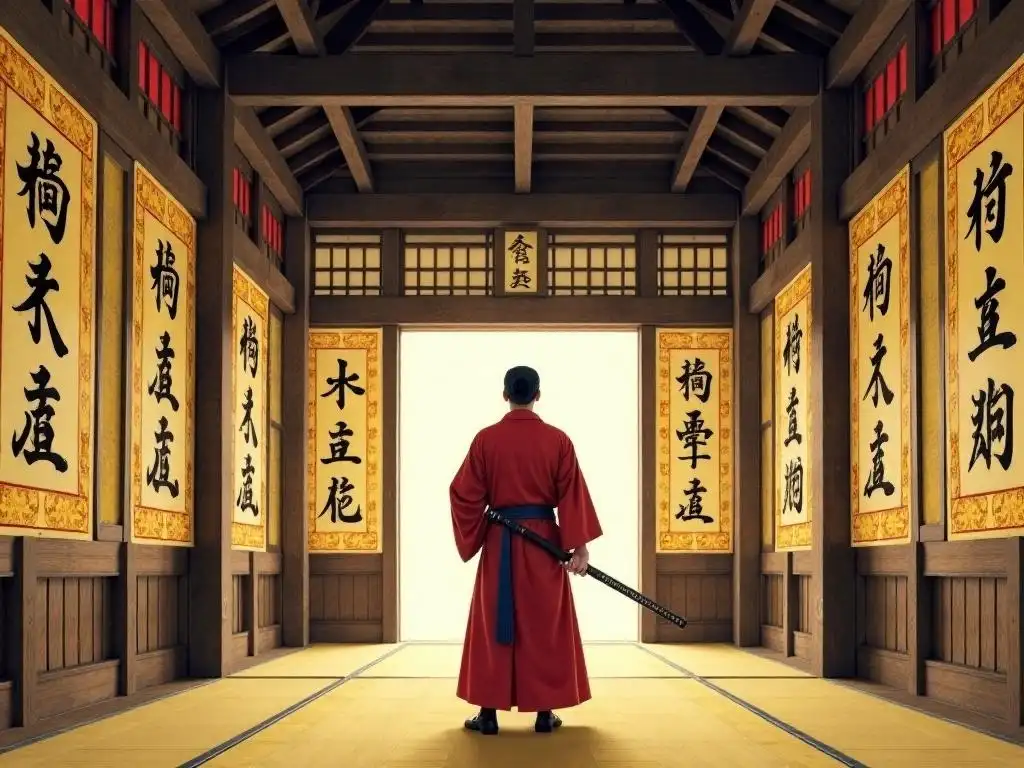
The history of Japanese martial arts is rich and varied, characterized by a multitude of styles that have evolved in response to the needs of warriors and society. Each martial art has a unique trajectory, often influenced by the historical context in which it developed. Understanding these key styles provides insight into the broader narrative of Japan's feudal era and its cultural practices.
Kenjutsu: The Art of the Sword
Kenjutsu, the traditional art of the Japanese sword, has its roots deeply embedded in the samurai culture of feudal Japan. Originating in the late Heian period (794-1185), this martial art was initially developed for battlefield combat. Samurai warriors trained rigorously in various techniques of drawing, striking, and parrying with the katana, the iconic Japanese sword.
The techniques of kenjutsu were formalized into different schools, or ryuha, each boasting unique philosophies and methods. Notable schools include the Kashima Shinto-ryu and the Itto-ryu, which influenced modern kendo—a sport that emphasizes the same principles but in a more structured, competitive environment. As Japan transitioned from a warring state to more peaceful relations during the Edo period (1603-1868), kenjutsu evolved from a practical combat skill to a disciplined art form, focusing on personal development and spiritual training.
Jujutsu: The Gentle Art of Unarmed Combat
Jujutsu emerged as a versatile system of unarmed combat designed for the samurai class, allowing them to defend themselves even when disarmed. This martial art emphasizes techniques such as joint locks, throws, and grappling, making it effective against armed opponents.
The origins of jujutsu can be traced back to the late 16th century, with various schools developing distinct techniques and philosophies. Schools like the Tenshin Shoden Katori Shinto-ryu and the Yoshin-ryu contributed to its evolution. Over time, jujutsu laid the foundation for modern martial arts such as judo and Brazilian jiu-jitsu, which focus on sport and self-defense applications.
Iaido: The Way of Drawing the Sword
Iaido is a modern martial art that emphasizes the smooth, controlled movements of drawing and cutting with a sword, particularly the katana. Its origins can be linked to the samurai's need for quick and efficient responses in life-threatening situations, especially during the Edo period when dueling became less common.
Practitioners of iaido learn kata, which are pre-arranged forms that simulate combat scenarios. This practice not only hones technical skills but also cultivates mental focus and discipline. Various styles, such as Muso Jikiden Eishin-ryu, have emerged, each with its own approach to techniques and philosophy. Iaido remains popular today, symbolizing the connection between martial discipline and personal development.
Other Notable Martial Arts Styles in Japanese History
In addition to kenjutsu, jujutsu, and iaido, several other martial arts have played significant roles in Japan's martial history. Notable among these are:
- Bojutsu: The art of the staff, emphasizing long-range combat techniques.
- Naginatajutsu: Focused on the use of the naginata, a pole weapon that combines cutting and thrusting techniques.
- Sojutsu: The art of spear fighting, which was vital on the battlefield.
- Kendo: A modern sport derived from kenjutsu, emphasizing the spirit and discipline of the samurai.
These martial arts reflect the diverse needs of warriors throughout Japan's history, adapting to the changing landscape of combat and societal values.
Modernization and Globalization of Japanese Martial Arts
The modernization and globalization of Japanese martial arts have significantly transformed how these practices are perceived and engaged with worldwide. As Japan entered the modern era, particularly during the Meiji Restoration in the late 19th century, martial arts began to evolve beyond their traditional roots.
The Influence of Western Martial Arts and Sports
The introduction of Western martial arts and sports during the Meiji period led to a fundamental shift in how Japanese martial arts were practiced and taught. This influence prompted the codification of techniques, the establishment of standardized practices, and the introduction of competitions, making martial arts more accessible to the broader public.
Additionally, Western interest in martial arts spurred the development of various schools and organizations, which sought to promote Japanese martial arts both domestically and internationally. This cross-cultural exchange enriched the practices, leading to a blend of traditional techniques with modern training methodologies.
The Global Spread of Japanese Martial Arts
The global spread of Japanese martial arts began in the early 20th century, with pioneers such as Jigoro Kano (founder of judo) and Morihei Ueshiba (founder of aikido) traveling internationally to teach their arts. This movement coincided with the rise of cultural interest in Eastern philosophies and practices, contributing to the popularity of martial arts in the West.
Today, martial arts like judo, karate, and kendo are practiced worldwide, often incorporated into physical education programs and competitive sports. This global presence has also led to the establishment of numerous federations and organizations dedicated to promoting these arts, further solidifying their place on the international stage.
Contemporary Practices and Their Historical Roots
Contemporary practices of Japanese martial arts remain deeply connected to their historical roots, emphasizing the values of discipline, respect, and self-improvement. While modern adaptations may focus on sport and competition, many schools continue to teach the original philosophies and techniques that have been passed down through generations.
Martial arts today serve various purposes, including self-defense, physical fitness, and personal development. The historical context of these practices enriches the modern experience, reminding practitioners of the legacy and traditions that shaped their art. As martial arts continue to evolve, they remain a testament to Japan's rich cultural heritage and the enduring spirit of the samurai.
Conclusion: The Legacy of Japanese Martial Arts
The history of Japanese martial arts is rich and multifaceted, reflecting the complex interplay between warfare, philosophy, and cultural evolution. From their origins on the battlefield, where combat was a matter of survival, to the serene confines of the dojo, where martial arts have transformed into disciplines of self-improvement and spiritual growth, these practices have left an indelible mark on both Japanese culture and the wider world.
The legacy of these arts is not merely found in the techniques or forms practiced but also in the values they instill—discipline, respect, and perseverance. As we continue to study and engage with these martial arts, we not only preserve their history but also adapt their teachings to meet contemporary needs.
The Enduring Influence of the History of Japanese Martial Arts
The history of Japanese martial arts has transcended geographical boundaries and cultural barriers, influencing martial practices globally. Various styles, such as Kendo, Judo, and Aikido, have gained international recognition and popularity, introducing practitioners to the underlying philosophies of Japanese culture. This influence is evident in the way martial arts are integrated into modern self-defense training and physical fitness programs, emphasizing both physical prowess and mental discipline.
Moreover, the historical narratives of these martial arts continue to inspire numerous films, literature, and even video games, which portray the warrior ethos and the spiritual journey associated with martial practice. Events such as tournaments and exhibitions further showcase these arts, allowing for cultural exchange and appreciation across nations. As such, the history of Japanese martial arts remains a vital component of not only Japan's cultural identity but also a shared heritage that resonates with practitioners around the world.
Future Directions in the Study and Practice of Martial Arts
Looking ahead, the study and practice of Japanese martial arts are poised to evolve in several significant ways. First, increased globalization will likely lead to the fusion of traditional techniques with modern martial arts forms, creating hybrid styles that reflect a blend of cultural influences. This evolution may also involve the incorporation of technology, such as virtual reality training environments, to enhance learning and accessibility.
Additionally, there is growing interest in the mental and emotional aspects of martial arts training, including mindfulness and meditation practices that can improve overall well-being. This trend aligns with contemporary shifts in health and fitness, where holistic approaches are becoming increasingly valued.
Research into the historical contexts of these martial arts will also deepen, with scholars examining their roles in social dynamics, gender perspectives, and the impact of globalization. As educational institutions begin to recognize the significance of martial arts in cultural studies, we can expect a more nuanced understanding of their history and practice.
References
Key Texts on the History of Japanese Martial Arts
- "Hagakure: The Book of the Samurai" by Yamamoto Tsunetomo: - This classic text offers insights into the samurai code and the philosophy underpinning Japanese martial arts.
- "The Art of War" by Sun Tzu - While originally Chinese, this text has greatly influenced Japanese martial arts philosophy and strategy.
- "The Book of Five Rings" by Miyamoto Musashi - An essential read for understanding the mindset of one of Japan's most famous swordsmen and martial artists.
- "A History of Japanese Martial Arts" by Donn F. Draeger - This comprehensive work provides an in-depth exploration of the evolution of martial arts in Japan.
Notable Scholars and Practitioners in the Field
- Donn F. Draeger - A prominent historian and martial artist known for his extensive research on the history of Japanese martial arts.
- Masaaki Hatsumi - A renowned practitioner and teacher of Ninjutsu, who has contributed significantly to the understanding and popularization of Japanese martial arts.
- Tetsuzan Kuroda - A leading figure in the study of classical Japanese martial arts, known for his work in preserving and teaching traditional techniques.
- Shihan Robert W. Smith - An influential martial artist and author, recognized for his writings on the philosophy and practice of Japanese martial arts.
- Introduction to the History of Japanese Martial Arts
- The Origins of Japanese Martial Arts
- The Feudal Era: Transformation of Martial Arts
- The Shift from Battlefield to Dojo
- Key Styles and Their Historical Development
- Modernization and Globalization of Japanese Martial Arts
- Conclusion: The Legacy of Japanese Martial Arts
- References
Frequently Asked Questions
What is the history of Japanese martial arts?
The history of Japanese martial arts spans several centuries, evolving from battlefield techniques to formalized practices in dojos. This transformation reflects the changing social and cultural dynamics of feudal Japan.
How did feudal Japan influence martial arts?
During feudal Japan, martial arts were essential for samurai training, focusing on combat skills and discipline. This era established the foundational principles and techniques that still influence modern practices.
What are the main types of Japanese martial arts?
Key types include Kendo, Judo, Karate, and Aikido. Each style emphasizes different techniques and philosophies, reflecting the diverse nature of Japanese martial arts and their historical contexts.
How are Japanese martial arts practiced today?
Today, Japanese martial arts are practiced globally, often as a means of self-discipline, physical fitness, and cultural appreciation. Many schools still adhere to traditional methods while also integrating modern training techniques.
What role do dojos play in martial arts training?
Dojos serve as training spaces where practitioners learn and refine their skills under the guidance of skilled instructors. They are essential for fostering a sense of community and preserving the tradition of Japanese martial arts.
Final Reflection: The Enduring Legacy of Japanese Martial Arts
The evolution of Japanese martial arts from the battlefield to the dojo is not just a historical journey; it is a testament to the resilience and adaptability of human spirit. Today, as we navigate a world filled with conflict and uncertainty, the principles and philosophies embedded in these martial arts offer profound insights into discipline, respect, and personal growth. The journey of these practices reflects a broader narrative of transformation, where the chaos of war gives way to the harmony of self-improvement.
Culturally, the history of Japanese martial arts continues to resonate deeply within society, influencing not only practitioners but also the broader community. The values of honor, perseverance, and mindfulness that are central to these arts have permeated various aspects of life, from education to personal development. As the renowned martial artist Morihei Ueshiba once said, The purpose of training is to tighten up the slack, toughen the body, and polish the spirit.
This sentiment encapsulates the ongoing relevance of martial arts as a means of cultivating inner strength and resilience in the face of modern challenges.
As you reflect on the rich history of Japanese martial arts, consider how their teachings can inspire your own journey. Embrace the opportunity to cultivate discipline and mindfulness in your daily life, and let the lessons of the dojo guide you toward personal growth and harmony. Whether you are a seasoned practitioner or a curious newcomer, the path of martial arts invites you to explore the depths of your potential and to carry forward the legacy of these ancient traditions into the future.
Unleash Your Inner Warrior – Join the Journey!
Thank you for diving into the fascinating world of Japanese martial arts! We hope you discovered the rich history and profound transformation of these ancient practices. Now, it’s time to make that knowledge actionable and connect with your own martial arts journey.
Here are some ways you can embrace the spirit of the dojo:
- Take your first class: Find a local dojo and enroll in a beginner class. Experience the discipline and community firsthand!
- Share your passion: Discuss this article with friends or family who are interested in martial arts. Start a conversation about what inspires you regarding this practice!
- Dive deeper: Read books or watch documentaries about the history and philosophy of martial arts to enhance your understanding beyond the dojo.
What aspect of martial arts will you explore next? Will you focus on the physical training, delve into the historical context, or perhaps engage with the community spirit? We invite you to share your thoughts below!