
Disrupting Tradition: The Impact of Foreign Influence on Local Markets

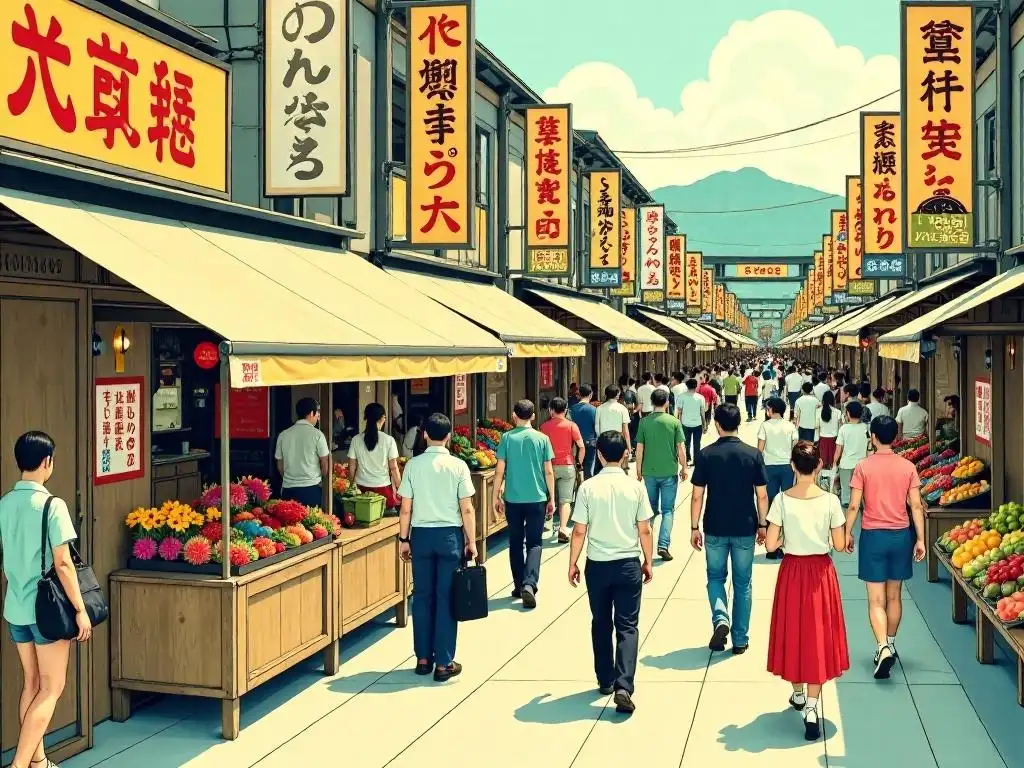
Welcome to Feudal Japan History, where we embark on a captivating journey through the intricate tapestry of Japan's feudal era. Here, we delve deep into the historical, cultural, and societal aspects that shaped a nation. In our featured article, "Disrupting Tradition: The Impact of Foreign Influence on Local Markets," we explore the profound economic shifts that occurred as foreign elements began to permeate traditional Japanese markets. What forces were at play? How did these influences reshape local customs and practices? Join us as we unravel these compelling narratives and discover the fascinating interplay between tradition and change.
Introduction to Foreign Influence on Japanese Markets
The history of Japan's feudal era is rife with complex interactions between local traditions and external forces, particularly in the arena of trade and commerce. This article delves into the impact of foreign influence on Japanese markets, highlighting how these interactions disrupted established practices and contributed to economic transformation. By examining the nuances of foreign engagement during this period, we can gain a deeper understanding of how Japan navigated the challenges and opportunities presented by outside traders, ultimately shaping its economic landscape for generations to come.
Definition of Foreign Influence in Economic Context
In the context of economics, foreign influence refers to the effects that external entities—such as countries, traders, and foreign markets—have on a nation’s local economies. This influence can manifest in various ways, including:
- Trade policies: Changes in tariffs and trade agreements.
- Market competition: Introduction of foreign goods and services that alter consumer behavior.
- Cultural shifts: Adoption of foreign practices and innovations that impact local production and consumption.
Understanding these dynamics is essential to grasp how feudal Japan reacted to, and shaped, its economic policies and practices in the face of foreign engagement.
Overview of Feudal Japan's Economic Landscape
Feudal Japan, spanning from the late 12th century to the mid-19th century, was characterized by a decentralized political structure where power was held by regional lords, or daimyōs. The economy during this era was primarily agrarian, with rice serving as both a staple food and a medium of exchange. Key elements of this economic landscape included:
- Self-sufficient communities: Villages produced their own goods, relying less on external trade.
- Local currencies: Various regions developed their own currencies, complicating trade.
- Limited international trade: Prior to the late 16th century, Japan maintained a largely isolationist stance, limiting foreign influence.
However, as foreign engagement increased, especially with the arrival of European traders and missionaries, Japan's economic landscape began to evolve significantly, challenging traditional practices and introducing new commodities and practices.
Historical Context of Trade in Feudal Japan
Trade Routes and Their Significance
Trade routes played a pivotal role in facilitating the exchange of goods, ideas, and cultures during feudal Japan. The establishment of maritime routes, particularly in the late 16th century, allowed for increased interaction between Japan and foreign nations, such as the Portuguese and Dutch. Key factors regarding these trade routes included:
- Maritime trade: Coastal regions became bustling hubs for the exchange of goods.
- Cultural exchanges: Interaction with foreign traders led to the introduction of new technologies and practices.
- Strategic ports: Certain ports, such as Nagasaki, became focal points for foreign trade and influence.
The significance of these trade routes cannot be understated, as they were instrumental in intertwining Japan's economy with global markets, setting the stage for profound changes.
Key Commodities Involved in International Trade
During the feudal era, several key commodities were central to Japan's international trade, significantly influenced by foreign demand. Notable examples include:
- Silk: Highly sought after by foreign markets, leading to increased production and trade.
- Porcelain: Japanese ceramics gained international acclaim, becoming a major export.
- Spices: The demand for Japanese spices opened new avenues for trade.
The presence of these commodities not only enriched Japan's economy but also invited foreign influence that would ultimately challenge traditional market practices and norms. Understanding the dynamics of these commodities provides crucial insight into the broader impact of foreign influence on Japanese markets during this transformative period.
The Arrival of Foreign Traders
The arrival of foreign traders in Japan during the 16th century marked a significant turning point in the country's economic history. Prior to this period, Japan had been largely isolated from the outside world, adhering to a policy of sakoku, or national seclusion, which limited foreign interaction. However, with the advent of European exploration and trade, particularly by the Portuguese and Dutch, Japan began to open its doors to foreign influences.
The first recorded contact occurred in 1543 when Portuguese traders landed on Tanegashima Island, introducing firearms and new trade dynamics to the island nation. This encounter not only altered Japan's military strategies but also initiated a complex relationship that would shape its economic landscape.
As foreign traders established routes and trading posts, particularly in the port cities like Nagasaki and Hirado, they facilitated the exchange of goods, ideas, and technology. The influx of new commodities such as sugar, tobacco, and textiles began to influence local markets, creating a ripple effect on existing trade practices. The Japanese samurai class, initially resistant to foreign influences, gradually recognized the potential benefits of engaging with these traders, leading to the rise of a vibrant merchant class that thrived on the new opportunities presented by foreign commerce.
The Role of European Powers in Japanese Markets
European powers played a crucial role in shaping Japanese markets during the feudal era. The Portuguese were the pioneers, introducing not only goods but also new trading practices and religious ideologies. Their trade in silk, spices, and firearms proved to be lucrative, and they established a significant presence in Japan, particularly through the Jesuit missionaries who sought to convert the Japanese populace to Christianity. This religious influence intertwined with trade, leading to both cultural exchange and conflict, particularly with the ruling Tokugawa shogunate, which viewed the spread of Christianity as a threat to its power.
The Dutch, arriving shortly after the Portuguese, adopted a more pragmatic approach to trade. They established a single trading post on Dejima, an artificial island in Nagasaki Bay, where they were allowed to conduct business under strict regulations. The Dutch focused on trade rather than conversion, which allowed them to maintain a stable relationship with Japanese authorities.
Their influence introduced a wealth of knowledge and technology, particularly in navigation and shipbuilding, which further integrated Japan into the global trading network. The competition between the Portuguese and Dutch not only enriched local markets but also forced Japanese merchants to adapt and innovate to remain competitive.
Impact of Dutch and Portuguese Trade Relations
The trade relations established by the Dutch and Portuguese fundamentally transformed Japanese commerce. The Portuguese introduced firearms, which revolutionized warfare in Japan, while the Dutch brought in advanced shipbuilding techniques and navigational tools that helped improve maritime trade efficiency. This exchange of technology contributed to Japan's ability to engage in expanded trade both domestically and internationally.
Moreover, the trade agreements negotiated with these European powers often had significant economic implications. The influx of gold and silver from trade with the Portuguese, for instance, stimulated local economies and led to the growth of cities such as Nagasaki. This economic boom, however, came with its challenges, including inflation and the displacement of traditional industries. As foreign goods flooded the market, local artisans and producers were compelled to adapt their offerings to compete with imported products, leading to a dynamic but often volatile market environment.
Cultural Exchange and Its Economic Implications
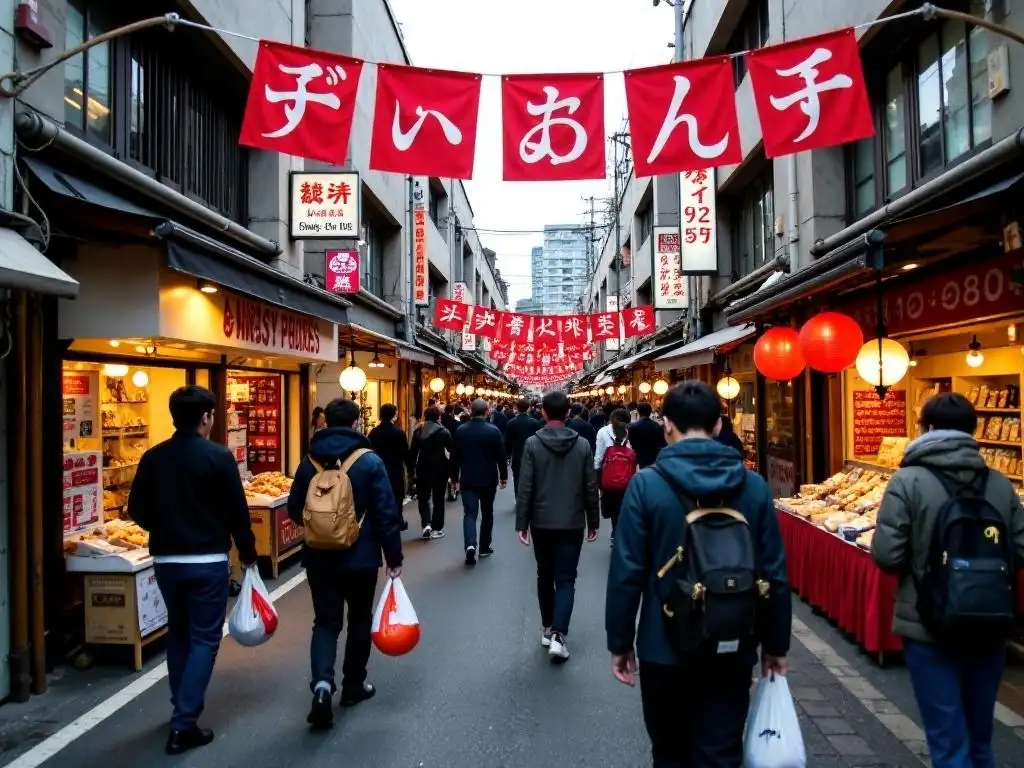
Cultural exchange during this period was not merely incidental; it had profound economic implications that reshaped Japanese society. The interaction with foreign traders facilitated the introduction of new cultural practices, culinary traditions, and artistic influences that permeated Japanese life. This exchange fostered a blend of local and foreign styles, creating unique Japanese adaptations that resonated with the populace.
Introduction of New Goods and Technologies
The introduction of new goods through foreign trade significantly altered consumer behavior and market dynamics in Japan. Commodities such as sweet potatoes, tomatoes, and tobacco, introduced by the Portuguese and Dutch, diversified the Japanese diet and agricultural practices. These new crops not only enhanced food security but also stimulated agricultural innovation, as farmers sought to cultivate these foreign products alongside traditional staples.
In addition to food, technologies such as Western-style shipbuilding and firearms had lasting impacts on Japanese industries. The availability of Western tools and techniques encouraged local craftsmen to improve their methods, leading to higher-quality production and greater efficiency. This technological exchange laid the groundwork for future industrial advancements, setting Japan on a path toward modernization.
The Influence of Foreign Ideas on Local Practices
The influence of foreign ideas extended beyond tangible goods; it permeated social and economic practices as well. The adoption of Western business practices, including accounting and inventory management, transformed the way Japanese merchants operated. This shift was particularly evident in the rise of the merchant class, which began to wield considerable economic power, challenging the traditional feudal structure that had dominated Japanese society.
Additionally, foreign philosophies and ideas about governance, trade, and economy began to seep into Japanese intellectual circles. These concepts prompted debates among scholars and policymakers about Japan's future direction, leading to a gradual reevaluation of isolationist policies. This intellectual exchange laid the groundwork for the Meiji Restoration, where Japan would ultimately embrace modernization and Westernization on a broader scale. The seeds planted during the era of foreign influence dramatically altered the landscape of Japanese markets, paving the way for a new economic order.
The Shift in Local Markets Due to Foreign Influence
The arrival of foreign traders and their goods during Japan's feudal era brought about significant shifts in local markets. This transformation was driven primarily by increased exposure to foreign commodities, leading to a gradual erosion of traditional market practices. As foreign influences permeated Japanese society, local artisans and merchants began to adapt to new demands, often reshaping their production methods and market strategies to compete effectively.
One of the most notable changes was the introduction of Western goods, which created a dual market system. Traditional Japanese products coexisted with imported items, leading to a diversification of available goods. This period also saw the rise of a consumer culture, where preferences began to shift towards foreign items, not just because of their novelty but also due to perceived quality and craftsmanship. Consequently, local markets had to evolve rapidly, balancing the preservation of traditional practices with the integration of foreign influences.
Changes in Consumer Behavior and Preferences
The influx of foreign goods significantly altered consumer behavior and preferences among the Japanese populace. Initially, many Japanese were resistant to foreign imports, viewing them as inferior to locally produced items. However, as foreign trade expanded, so did the allure of Western products, especially textiles, ceramics, and luxury items. This shift was fueled by exposure to Western culture and the prestige associated with owning foreign goods.
Consumers began to prioritize variety and quality over traditional craftsmanship. The introduction of new materials and manufacturing techniques led to a demand for products that were not only functional but also aesthetically pleasing. For example, the vibrant colors and intricate designs of imported textiles captivated many, leading to a decline in the popularity of traditional kimonos made from local fabrics. Moreover, this shift in consumer preferences pressured local artisans to innovate and incorporate foreign styles into their work, resulting in a unique blend of traditional and modern aesthetics.
The Emergence of New Market Structures
As foreign influence permeated Japan's local markets, new market structures began to emerge. Traditional feudal economics, characterized by a rigid caste system and localized trade, gave way to more fluid and dynamic market relations. The introduction of foreign trade routes and the establishment of foreign trading posts created a more interconnected economy, enabling the flow of goods and ideas across regions.
Furthermore, the rise of merchant classes, especially in urban centers like Edo (modern-day Tokyo) and Osaka, facilitated this transformation. These merchants, often involved in both domestic and international trade, played a crucial role in the integration of foreign goods into local markets. They not only distributed imported commodities but also adapted their business practices to accommodate a growing consumer base. The emergence of specialized markets, such as those for imported textiles or firearms, illustrated the changing landscape of commerce in feudal Japan, fostering competition and innovation among local producers.
Case Studies of Foreign Influence on Japanese Markets
To illustrate the profound impact of foreign influence on Japanese markets, two significant case studies provide insight into how specific industries adapted and transformed in response to external pressures.
Case Study 1: The Silk Trade and European Demand
The silk trade serves as a prime example of foreign influence reshaping local markets in Japan. During the 16th and 17th centuries, European demand for Japanese silk skyrocketed, driven by fashion trends in places like Europe. This led to an increase in silk production in Japan, particularly in regions like Nishijin, which became known for high-quality silk fabrics.
Japanese merchants began to cater to European tastes, often altering traditional designs to meet the preferences of foreign buyers. As a result, the silk trade not only boosted the local economy but also prompted innovations in weaving techniques and dyeing processes. This transformation had lasting effects, as Japanese silk became a prestigious item in international markets, further integrating Japan into global trade networks.
Case Study 2: Introduction of Firearms and Its Economic Impact
The introduction of firearms into Japan during the 16th century by Portuguese traders marked another pivotal moment in the country’s economic history. Firearms quickly gained popularity among samurai and feudal lords, leading to changes in military strategies and power dynamics during the Sengoku period (Warring States period).
The demand for firearms created a new market for both imported and locally manufactured weapons. Japanese smiths began to adopt foreign techniques in gun-making, resulting in the emergence of a specialized weapons industry. This not only transformed the economy by creating jobs and stimulating local production but also shifted the balance of power among feudal lords, as access to advanced weaponry became a crucial factor in territorial disputes. The economic impact of firearms extended beyond military applications; it fostered trade relationships with European powers and influenced Japan's interactions with the outside world.
Resistance to Foreign Influence

The arrival of foreign traders and their goods in Japan during the feudal era was met with considerable resistance from various segments of society. This resistance stemmed from a deep-seated desire to preserve traditional Japanese culture, values, and economic practices. Traditionalists, including samurai, religious leaders, and local merchants, viewed foreign influence as a threat to their way of life. They feared that the introduction of foreign goods would undermine local industries and alter social hierarchies that had been established over centuries.
Additionally, the political landscape played a crucial role in shaping attitudes toward foreign influence. The Tokugawa shogunate, which ruled Japan from 1603 to 1868, implemented strict policies to control foreign interactions, further complicating the relationship between foreign traders and Japanese society. These policies were designed not only to protect local economies but also to maintain social order and ensure the dominance of the ruling class.
Traditionalists vs. Innovators in Feudal Japan
The tension between traditionalists and innovators in feudal Japan created a dynamic environment where new ideas and practices were often at odds with established customs. Traditionalists sought to uphold the status quo, advocating for local products and traditional methods of commerce. They viewed foreign influence as a potential catalyst for social upheaval and a dilution of Japanese identity. This faction often mobilized public opinion against foreign merchants, claiming that their presence undermined the artisanal craftsmanship that Japan was renowned for.
Conversely, innovators recognized the potential benefits that foreign influence could bring, particularly in terms of economic growth and technological advancement. These individuals were often associated with the merchant class, which began to see the advantages of engaging with foreign markets. Innovators argued that adopting foreign practices and goods could enhance Japan's competitiveness and lead to a modernized economy. This clash between preserving tradition and embracing innovation became a defining feature of Japan's response to foreign influence during the feudal period.
Government Policies and Restrictions on Foreign Trade
The Tokugawa shogunate implemented a series of policies aimed at restricting foreign trade and minimizing the flow of foreign influence. One of the most significant policies was the sakoku, or "closed country," policy, which effectively isolated Japan from the outside world from the early 17th century until the mid-19th century. This policy limited foreign trade to a select few ports, notably Nagasaki, where only Dutch and Chinese traders were allowed to conduct business.
The government's restrictions were rooted in a desire to maintain control over the economy and prevent the spread of foreign ideas that could destabilize the social order. These measures included bans on foreign books and the regulation of trade practices to ensure that Japanese products remained dominant in local markets.
Furthermore, the shogunate imposed heavy taxes on foreign goods and limited their availability, making it difficult for the local populace to access these products. While these restrictions were initially successful in curbing foreign influence, they also stifled economic innovation and contributed to a growing sense of frustration among merchants and innovators.
The Long-Term Effects of Foreign Influence on Japanese Markets
The foreign influences that permeated Japanese markets during the feudal era had profound long-term effects, particularly as Japan transitioned into the modern age. Although the initial response to foreign influence was largely one of resistance, over time, aspects of foreign trade and commerce began to integrate into the Japanese economy. This integration ultimately laid the groundwork for significant economic transformations.
Economic Transformation in the Edo Period
During the Edo period (1603-1868), Japan experienced a remarkable transformation in its economic landscape. Despite the shogunate's isolationist policies, the limited interactions with foreign traders played a crucial role in stimulating domestic commerce. The increase in demand for foreign goods, such as textiles, firearms, and precious metals, created new opportunities for local merchants. This demand encouraged the development of more sophisticated trade networks and the rise of a merchant class that became increasingly influential in shaping Japan's economy.
Moreover, the Edo period saw the emergence of new economic practices, including the establishment of credit systems and the growth of urban centers. These changes facilitated greater mobility within the economy and set the stage for Japan's eventual industrialization. Even as traditional practices continued to dominate, the seeds of modernization were sown through the introduction of foreign concepts and goods.
Lasting Impacts on Modern Japanese Trade Practices
The legacy of foreign influence on Japanese markets during the feudal period can still be seen in modern Japanese trade practices. The adaptability and resilience demonstrated by local merchants in response to foreign competition laid the foundation for Japan's contemporary economic prowess. Today, Japan is known for its ability to blend traditional craftsmanship with modern technology, a principle that echoes the historical interactions between foreign traders and Japanese society.
Additionally, the historical resistance to foreign influence has informed Japan's approach to international trade in the present day. While Japan has embraced globalization, it maintains a cautious stance, ensuring that its cultural identity and traditional practices are preserved amidst the influx of foreign goods and ideas. This balance between tradition and innovation continues to shape Japan's role in the global economy, reflecting a complex legacy rooted in the feudal era's engagement with foreign influence.
Conclusion: Balancing Tradition and Foreign Influence in Markets
The intersection of foreign influence and local markets during Japan’s feudal era presents a complex narrative of adaptation and resistance. As foreign traders and ideas infiltrated Japanese society, they disrupted longstanding traditions, challenging the established norms of trade and commerce. This disruption was not merely a matter of economic transactions; it was a cultural exchange that forced Japan to reevaluate its identity in the face of outside pressures. The ability to strike a balance between embracing innovations from abroad while preserving local customs was crucial for Japan as it navigated these tumultuous waters.
In this context, the influence of foreign markets led to the emergence of new economic practices and the diversification of goods available to the Japanese populace. While some traditional crafts and local markets faced decline, others flourished by adapting to the changing landscape. This delicate balance allowed Japan to integrate beneficial elements of foreign influence without completely forsaking its rich cultural heritage. Ultimately, the legacy of these interactions is a testament to Japan's resilience and creativity in the face of globalization.
Reflection on the Historical Impact of Foreign Influence
The historical impact of foreign influence on Japanese markets is multifaceted, encompassing economic, social, and cultural dimensions. Initially, foreign contact introduced new commodities, such as silk and spices, which transformed consumption patterns and market dynamics. As trade routes expanded, Japan experienced an influx of foreign goods that not only enriched local markets but also stimulated competition among Japanese producers.
However, this influx was met with apprehension. Many traditionalists feared that foreign influences would erode Japanese customs and economic practices. Notable instances, such as the arrival of Portuguese traders in the 16th century and the subsequent introduction of firearms, exemplified the tension between innovation and tradition. These interactions forced Japan to confront the implications of foreign influence on its economic sovereignty and cultural integrity.
Moreover, the foreign influence led to significant shifts in social structures. New classes of merchants emerged, challenging the feudal hierarchy that had long dominated Japanese society. This shift prompted a reevaluation of status and power within local markets, leading to rising tensions between traditional samurai class and the burgeoning merchant class. Thus, the historical impact of foreign influence reveals a dynamic interplay of adaptation and resistance that shaped Japan's economic landscape.
Future Implications for Understanding Economic History in Japan
Understanding the ramifications of foreign influence on Japanese markets has profound implications for the study of Japan's economic history. Analyzing these interactions provides insights into how Japan navigated the challenges of globalization while maintaining its unique cultural identity. Future research can delve deeper into the specific sectors most affected by foreign trade, exploring how these sectors adapted and evolved over time.
Additionally, the lessons learned from Japan's historical experiences with foreign influence can inform contemporary discussions on globalization and economic policy. As nations today grapple with similar challenges of balancing tradition and modernity, Japan's historical context serves as a valuable case study. By examining the past, we can glean insights into the processes of adaptation and resilience that characterize societies facing foreign encroachment.
The impact of foreign influence on Japanese markets is a critical aspect of the nation’s economic history. It highlights the complexities of cultural exchange, the evolution of market practices, and the ongoing struggle to balance tradition with modernity. Future explorations into this topic will undoubtedly enrich our understanding of Japan’s economic trajectory and its interactions with the world.
- Introduction to Foreign Influence on Japanese Markets
- Historical Context of Trade in Feudal Japan
- The Arrival of Foreign Traders
- Cultural Exchange and Its Economic Implications
- The Shift in Local Markets Due to Foreign Influence
- Case Studies of Foreign Influence on Japanese Markets
- Resistance to Foreign Influence
- The Long-Term Effects of Foreign Influence on Japanese Markets
- Conclusion: Balancing Tradition and Foreign Influence in Markets
- What was the primary impact of foreign influence on Japanese markets during the feudal era?
- How did foreign trade affect the social structure in feudal Japan?
- What role did foreign missionaries play in shaping Japanese markets?
- Were there any negative consequences of foreign influence on Japanese markets?
- How did Japan respond to the challenges posed by foreign influences?
Frequently Asked Questions
What was the primary impact of foreign influence on Japanese markets during the feudal era?
Foreign influence introduced new goods and ideas, leading to significant changes in local trade practices and market dynamics, often disrupting traditional methods.
Foreign trade contributed to the rise of a merchant class, challenging the existing samurai and peasant hierarchy, and altering societal roles and economic power.
What role did foreign missionaries play in shaping Japanese markets?
Foreign missionaries not only spread religion but also introduced Western goods and technologies, influencing consumer preferences and market trends in Japan.
Were there any negative consequences of foreign influence on Japanese markets?
Yes, the disruption of traditional markets led to economic instability, resistance from local traders, and sometimes cultural clashes as Western practices were adopted.
How did Japan respond to the challenges posed by foreign influences?
Japan implemented policies to control and adapt to foreign influences, leading to a mix of acceptance and rejection of foreign ideas, ultimately shaping its unique market identity.
Final Reflection: Embracing Change Amidst Tradition
The intersection of foreign influence and local markets is more relevant today than ever, as globalization reshapes our economic landscapes. The dynamics of Japanese markets, steeped in tradition, are now being challenged by external forces that introduce new ideas, products, and practices. This disruption is not merely a threat to cultural identity; it is a catalyst for innovation and growth, urging us to reconsider what tradition means in a rapidly evolving world.
The impact of foreign influence on Japanese markets extends beyond mere economics; it resonates deeply within the cultural fabric of society. As we witness the blending of global and local practices, we are reminded of the importance of adaptability in preserving our heritage while embracing new possibilities. Tradition is not the worship of ashes, but the preservation of fire.
This quote encapsulates the essence of our journey—recognizing that while we honor our past, we must also ignite the flames of progress to foster a vibrant future.
As you reflect on the themes presented in this article, consider how you can embrace change in your own life. Challenge the status quo, seek out diverse perspectives, and allow foreign influences to enrich your understanding and experiences. By doing so, you not only contribute to a more dynamic marketplace but also cultivate a mindset that values growth and resilience. The future is a tapestry woven from both tradition and innovation—let's be active participants in this exciting evolution.
Embrace Change: Shape the Future of Our Local Markets!
Thank you for taking the time to explore the fascinating dynamics of foreign influence on local markets throughout history. Your interest in understanding these pivotal changes highlights the importance of adapting to new ideas while honoring tradition. Now, it’s time to take meaningful steps that contribute to preserving the essence of our markets while embracing innovation.
Here’s how you can get involved and make a difference:
- Start a dialogue in your community about the benefits and challenges of integrating foreign influences into our local markets. Consider hosting a discussion forum or a workshop to foster engagement!
- Research and share stories of local businesses that have successfully adapted unique techniques from other cultures. Utilize social media or local platforms to promote their inspiring journeys.
- Support local artisans who are blending traditional crafts with contemporary ideas. Attend local fairs or workshops to witness their creativity firsthand!
What innovative approaches can you think of to merge tradition with modern influences in our local markets? Share your thoughts and join the conversation!