
The Evolution of Artisan Techniques: Traditions Passed Down Through Generations

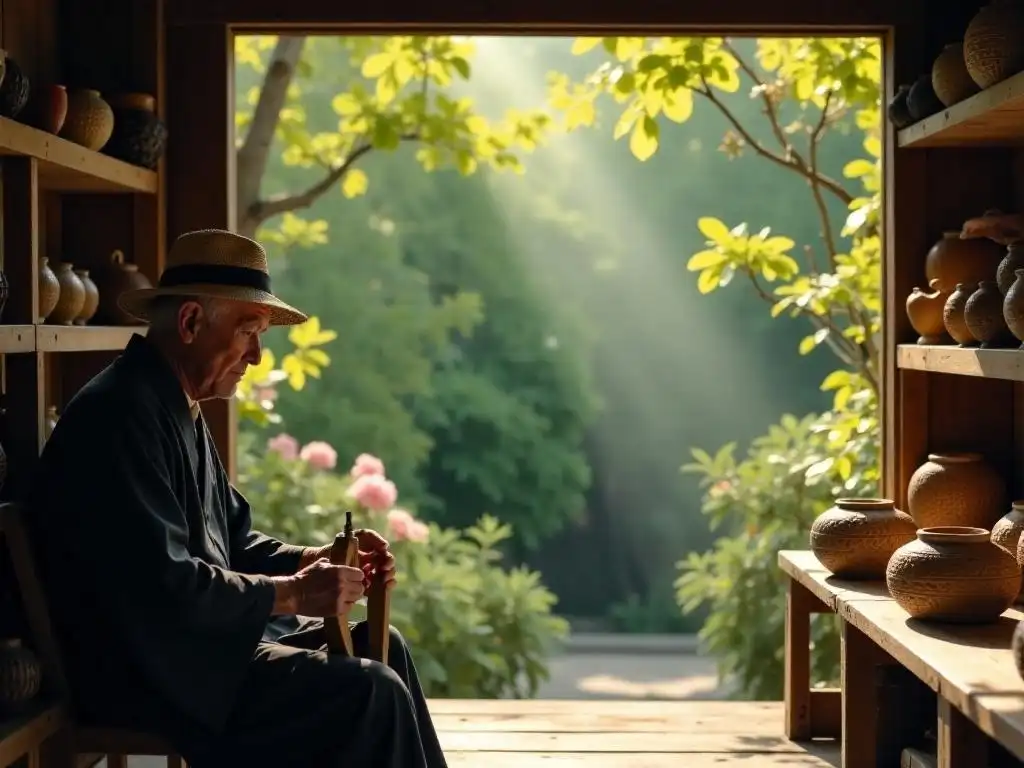
Welcome to Feudal Japan History! Immerse yourself in the captivating world of Japan's feudal era, where history, culture, and intricate societal dynamics intertwine. In our featured article, "The Evolution of Artisan Techniques: Traditions Passed Down Through Generations," we delve into the rich tapestry of Japanese artisan techniques history. Discover how these time-honored practices not only shaped the craftsmanship of the past but continue to influence the present. Ready to uncover the secrets of artisans who have preserved their legacies through the ages? Join us as we explore this fascinating journey!
Introduction to Japanese Artisan Techniques History
The history of Japanese artisan techniques is a rich tapestry woven from centuries of tradition, skill, and cultural significance. During the feudal era, artisans played a vital role not only in the production of goods but also in the preservation of cultural heritage and identity. As we explore the evolution of these techniques, we uncover how craftsmanship has been meticulously handed down through generations, reflecting both the societal structures and aesthetic values of the time. This article delves into the intricate world of Japanese artisans, examining their contributions to society and the enduring legacy of their skills.
Overview of Japanese Artisans in Feudal Era
In feudal Japan, artisans occupied a distinctive social class, often revered for their expertise and creativity. These craftsmen specialized in various fields, including textiles, ceramics, metalwork, and woodworking. They were essential contributors to the economy and culture, producing not only functional items but also artworks that embodied the spirit of the era. The artisan's guild system fostered collaboration and innovation, allowing techniques to evolve while maintaining traditional practices.
- Key Artisan Roles:
- Potters: Renowned for their ceramics, particularly in regions like Arita and Kutani.
- Weavers: Skilled in creating textiles such as silk and hemp, often used in garments for the samurai class.
- Woodworkers: Masters of constructing intricate wooden structures, from temples to household items.
Importance of Craftsmanship in Japanese Society
Craftsmanship in Japan has always been more than just a means of production; it is a manifestation of cultural values and aesthetics. The principles of wabi-sabi, which celebrate the beauty of imperfection, and mono no aware, the appreciation of transience, are deeply rooted in artisan practices. These philosophies influenced not only the techniques but also the materials used, shaping a unique approach to creation that emphasizes harmony with nature and the human experience.
Historical Context of Artisan Techniques in Japan
Understanding the history of Japanese artisan techniques requires an exploration of the broader historical context that shaped these practices. Various factors, including social structures, political changes, and external influences, played significant roles in the development and refinement of artisan skills.
The Origins of Artisan Practices in Japan
The roots of Japanese artisan techniques can be traced back to ancient times when the introduction of agriculture and settled life allowed for the development of specialized skills. Early artisans were influenced by the technologies brought by immigrant cultures, including pottery and metallurgy techniques from the Asian mainland. Over time, these practices evolved, leading to the establishment of distinct regional styles and innovations.
Influences of Geography on Artisan Techniques
Japan's diverse geography has significantly influenced artisan techniques. The availability of resources such as clay, timber, and minerals determined the materials artisans used, while the varying climates and landscapes shaped their methods. For example, the mountainous regions produced skilled woodworkers who crafted intricate wooden structures, while the coastal areas thrived in fishing and salt production, leading to unique fisheries and related craftsmanship.
Key Historical Periods Impacting Artisan Development
Several historical periods mark significant shifts in artisan practices in Japan:
- Heian Period (794-1185): A time of cultural flourishing, where crafts became intertwined with the aristocracy, leading to the refinement of techniques.
- Kamakura Period (1185-1333): Marked by the rise of the samurai class, which emphasized functional craftsmanship in weapons and armor.
- Edo Period (1603-1868): Characterized by urbanization and trade, artisans flourished in cities, leading to a boom in consumer goods and artistic expression.
Through these periods, the evolution of artisan techniques reflects a dynamic interplay between tradition and innovation, illustrating the profound impact of societal changes on craftsmanship in Japan.
Major Artisan Techniques and Crafts
The feudal era of Japan witnessed the flourishing of various artisan techniques that were meticulously honed and passed down through generations. These crafts not only reflected the aesthetic values of the time but also played a crucial role in the economy and social structure of feudal Japan. From pottery to textiles, metalworking to woodcraft, each discipline held its unique significance and embodied the spirit of Japanese craftsmanship.
Japanese artisans often specialized in a specific craft, dedicating their lives to mastering the techniques and artistic expressions associated with it. This specialization fostered a rich cultural tapestry, where each craft contributed to the overall identity of Japanese society. The techniques developed during this period were not merely functional; they were imbued with symbolism and philosophical meaning, often reflecting the natural world and spiritual beliefs of the artisans.
Traditional Japanese Pottery Techniques
Traditional Japanese pottery is characterized by its diverse regional styles and techniques, each with its unique history and cultural significance. Notable examples include Raku, known for its hand-shaped forms and unique firing process that results in rich, unpredictable glazing effects, often associated with the tea ceremony. Another significant style is Imari, distinguished by its vibrant colors and intricate designs, which were highly sought after in both domestic and international markets.
The process of creating pottery in Japan often involved multiple stages, including clay preparation, shaping, glazing, and firing. Artisans utilized local materials, which influenced the texture and appearance of the finished products. The Shigaraki and Bizen styles, for instance, are renowned for their earthy tones and natural finishes, showcasing the beauty of the clay.
Furthermore, traditional pottery techniques were deeply intertwined with local customs and rituals, elevating the craft beyond mere utility to an art form that represented community identity and continuity. The preservation of these techniques has been vital in maintaining cultural heritage, demonstrating the importance of artisan practices in Japan's history.
Textile Arts: Weaving and Dyeing
The textile arts in Japan, including weaving and dyeing, reveal a profound connection to nature and cultural identity. Techniques such as kimono weaving and indigo dyeing (aizome) have been integral to the fabric of Japanese society. The art of weaving, particularly through methods like kasuri and chirimen, showcases intricate patterns that often symbolize natural elements, reflecting a deep appreciation for the environment.
Dyeing techniques, on the other hand, have evolved over centuries. The use of natural dyes from plants and minerals highlights the artisans' intimate knowledge of their surroundings. The Shibori technique, which involves binding, stitching, or folding fabric before dyeing, creates unique patterns that tell a story of craftsmanship and creativity.
In the feudal era, textiles were not only clothing but also symbols of status and cultural significance. The intricate artistry involved in producing these textiles required years of training and was often a family tradition, passed down through generations, ensuring that these techniques were preserved and celebrated.
Metalworking and Swordsmithing Traditions
Metalworking in Japan encompasses a variety of crafts, with swordsmithing being the most renowned. The creation of the Japanese sword, or katana, is considered a high art form, embodying spiritual and cultural significance. Swordsmiths like Masamune and Muramasa are legendary figures, known for their exceptional craftsmanship and the distinctive qualities of their blades.
The process of forging a katana is labor-intensive, involving multiple stages of heating, folding, and tempering the steel to create a blade that is both resilient and flexible. This meticulous attention to detail ensures each sword is not just a weapon but a work of art, often adorned with intricate tsuba (hand guards) and signature engravings.
Beyond swordsmithing, metalworking in feudal Japan included the production of tools, household items, and ornamental pieces. Techniques such as nanban tetsu (Southern barbarian iron) and the use of alloys were developed to enhance durability and aesthetic appeal. These metalworking traditions contributed significantly to Japan's cultural legacy, emphasizing the artisans' role in shaping both everyday life and ceremonial practices.
The Role of Family and Guilds in Preserving Techniques
The preservation of artisan techniques during Japan's feudal era was heavily influenced by family traditions and guild systems. The familial and communal structures established a framework for passing down knowledge and skills, ensuring that craftsmanship remained a vital part of Japanese society.
The Importance of Family Lineages in Artisan Practices
In many artisan families, the practice of a craft was passed down through generations, often starting from a young age. The concept of "ie" (family lineage) played a crucial role in this transmission, as artisans were expected to continue the family tradition and uphold the reputation established by their ancestors. This familial connection not only preserved techniques but also fostered a sense of pride and responsibility among artisans.
Family lineages often held specific secrets and practices that were closely guarded, ensuring that the unique qualities of their craft were maintained. This reliance on familial knowledge created a strong bond within the community, reinforcing the importance of heritage and craftsmanship as integral components of Japanese identity.
Artisan Guilds: Structure and Influence on Craftsmanship
Artisan guilds, known as za, emerged as powerful entities in feudal Japan, providing a structured environment for artisans to collaborate and protect their interests. These guilds regulated trade practices, set standards for craftsmanship, and offered training and support to members. They played a vital role in maintaining the quality of goods produced and ensuring that traditional techniques were upheld.
Guilds often established apprenticeship systems, where young artisans would train under experienced masters, further solidifying the connection between generations. This collective approach to craftsmanship allowed for the sharing of knowledge and techniques, leading to innovations while still respecting traditional practices.
Transmission of Knowledge: Apprenticeship Systems
The apprenticeship system in feudal Japan was a cornerstone of artisan education, enabling the transmission of specialized skills and techniques from master to apprentice. Young apprentices typically began their training in their early teens, often living with their masters to immerse themselves in the craft.
The apprenticeship process involved rigorous training, where apprentices learned not only the technical aspects of their craft but also the philosophical underpinnings and cultural significance associated with it. This holistic approach ensured that artisans were not just skilled laborers but also custodians of their craft's heritage.
As apprentices progressed in their training, they were gradually given more responsibilities, eventually leading to the creation of their own works. This system not only sustained the continuity of artisan techniques but also fostered a deep respect for tradition and creativity within the artisan community.
The Impact of Modernization on Traditional Techniques
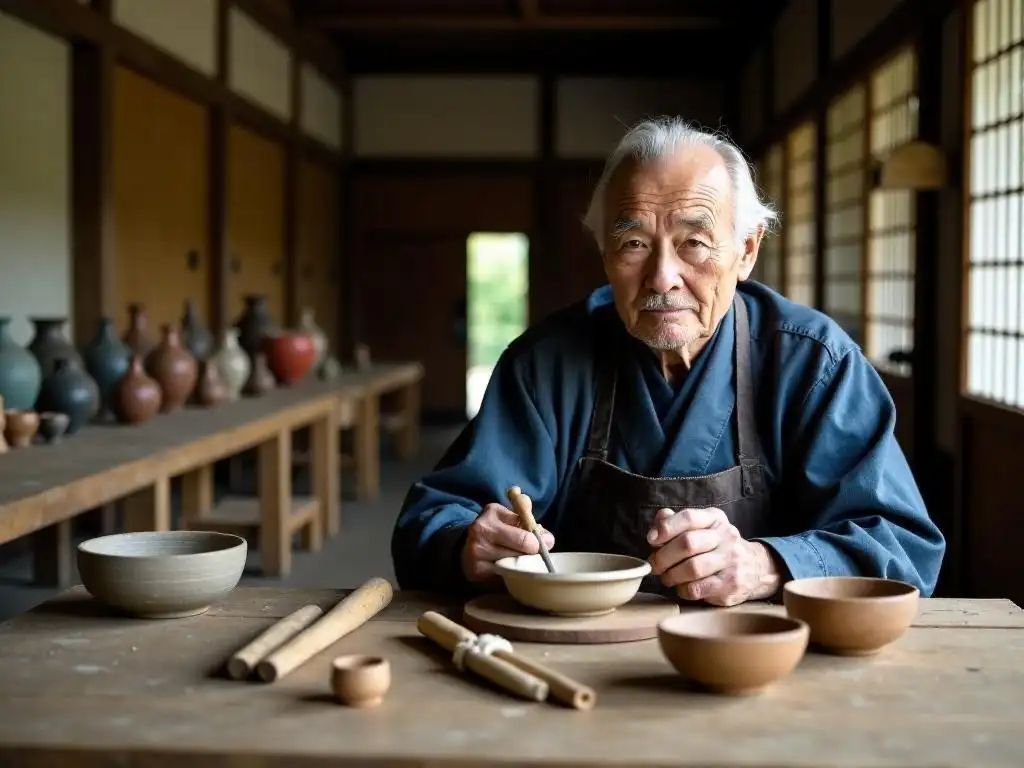
The evolution of artisan techniques in Japan has been significantly influenced by modernization. As the country transitioned from the feudal era to a more industrialized society, traditional crafting methods faced both challenges and opportunities. The influx of Western technologies and practices during the Meiji Restoration (1868-1912) led to a shift in production methods.
Many artisans found themselves at a crossroads, needing to adapt to new market demands while preserving their ancestral skills. This tension between tradition and modernity has shaped the landscape of Japanese artisan techniques, leading to both the decline of some practices and the evolution of others into contemporary forms.
How Industrialization Affected Artisan Crafts
Industrialization brought about profound changes in the artisan world. Mass production techniques made goods more accessible and affordable, which undermined the demand for handcrafted items. As factories began to dominate the marketplace, many artisans struggled to compete. This resulted in the loss of certain traditional crafts as artisans either abandoned their trades or were forced to streamline their methods for survival. However, the impact was not entirely negative; some artisans embraced new technologies to enhance their craft, incorporating innovative techniques while maintaining traditional aesthetics.
The introduction of machines allowed for a faster production rate, yet many artisans sought to find a balance, maintaining the essence of their work by combining traditional methodologies with modern tools. This hybrid approach has led to a renaissance of sorts, where artisans can produce high-quality goods that resonate with both historical significance and contemporary relevance.
Revivals and Resurgence of Traditional Techniques in Contemporary Japan
In recent decades, there has been a notable resurgence in the appreciation for traditional artisan techniques in Japan. As global consumers increasingly value authenticity and craftsmanship, many artisans have seized the opportunity to revive their practices. Movements aimed at preserving traditional crafts have gained momentum, with initiatives to educate younger generations about these skills. Programs and workshops dedicated to training new artisans have emerged, often supported by local governments and cultural organizations.
Additionally, the rise of niche markets for handmade and artisanal products has encouraged a new generation of artisans to explore and innovate within traditional frameworks. Collaborations between artisans and contemporary designers have also helped to merge old and new, resulting in products that are both functional and beautiful, appealing to modern sensibilities while honoring age-old traditions.
Cultural Significance of Artisan Techniques
Artisan techniques in Japan are deeply intertwined with the country’s cultural identity. Each craft embodies unique historical narratives and regional characteristics, reflecting the local environment, resources, and cultural practices. These techniques are not just methods of production; they represent a way of life and a connection to heritage. The skills necessary for these crafts are often passed down through generations, fostering a sense of community and continuity.
Artisan Techniques as a Reflection of Japanese Culture
The intricacies of artisan techniques in Japan serve as a mirror to its cultural values. Many crafts emphasize principles such as harmony, balance, and respect for nature. For instance, the art of pottery often involves using locally sourced clay and glazes that reflect the surrounding landscape, creating pieces that resonate with their origins. Similarly, textiles like kimono fabrics showcase intricate patterns and dyes that tell stories of the seasons and local lore.
Moreover, the meticulous attention to detail and the pursuit of perfection found in Japanese craftsmanship reveal a broader cultural appreciation for aesthetics and quality. This cultural heritage is not merely about the end product but also about the processes involved, deeply rooted in the philosophy of wabi-sabi, which finds beauty in imperfection and transience.
Festivals and Events Celebrating Artisan Crafts
Throughout Japan, numerous festivals and events celebrate the rich heritage of artisan crafts, showcasing the skills of local artisans and promoting cultural awareness. These gatherings often feature demonstrations, workshops, and exhibitions, allowing participants to experience traditional techniques firsthand. Events such as the Kamakura Matsuri and Takayama Matsuri not only honor the crafts but also foster community pride and encourage the preservation of local traditions.
Additionally, markets dedicated to handmade goods provide a platform for artisans to connect with consumers who appreciate the value of craftsmanship. Through these festivals, local artisans can share their knowledge and skills, ensuring that the techniques remain vibrant and relevant, bridging the gap between past and present, and ensuring that the legacy of Japanese artisan techniques continues to thrive for generations to come.
Conclusion: The Legacy of Japanese Artisan Techniques
The legacy of Japanese artisan techniques is a testament to the rich cultural heritage and the profound respect for craftsmanship that characterizes Japan's social history. These techniques, developed over centuries, reflect not only the aesthetic sensibilities of different periods but also the socio-economic conditions that influenced their evolution. From intricate textiles to delicate pottery, each artisan craft embodies a unique story that intertwines with Japan's historical narrative. This legacy is not merely about the products created; it is about the knowledge, skills, and values passed down through generations, fostering a sense of identity and continuity within communities.
As we look back on the history of Japanese artisan techniques, we see how these practices have adapted to changing times while maintaining their core essence. The artisans have always been at the forefront of innovation, combining traditional methods with modern influences, ensuring that their crafts remain relevant in today's world. This adaptability is crucial for the survival of these techniques, as they continue to inspire new generations of artisans who are committed to preserving the cultural heritage of Japan.
The Importance of Preserving Artisan Techniques for Future Generations
Preserving artisan techniques is vital for several reasons. Firstly, these techniques represent a unique cultural identity that distinguishes Japan from other nations. As globalization continues to impact local traditions, safeguarding these skills is essential to maintaining cultural diversity. The knowledge embedded in these techniques—often passed down from master to apprentice—carries with it centuries of wisdom, creativity, and tradition that would otherwise be lost.
Secondly, artisan techniques contribute to the local economy. Many artisans rely on their crafts for livelihood, and by preserving these skills, communities can sustain themselves economically. Artisanal products often command higher prices due to their quality and the labor-intensive processes behind them, which supports not only the artisans but also the local supply chains that depend on traditional materials and methods.
Lastly, the preservation of these techniques fosters a greater appreciation for craftsmanship among the wider public. As more people become aware of the intricate processes involved in traditional crafts, there is a growing demand for authentic, handmade products. This shift encourages a culture of sustainability, where consumers value quality over quantity, and artisans can thrive by sharing their heritage.
Final Thoughts on the Evolution of Japanese Artisan Techniques History
The evolution of Japanese artisan techniques is a fascinating journey that encapsulates the interplay between tradition and innovation. As we reflect on this history, it becomes evident that these techniques are not stagnant; they are dynamic, continually reshaped by the influences of society, technology, and culture. This ongoing evolution highlights the resilience of artisans who adapt their methods while staying true to their roots.
Understanding the history of Japanese artisan techniques is crucial for appreciating the depth of Japan's cultural legacy. By recognizing the importance of these crafts, we can advocate for their preservation and support the artisans who dedicate their lives to these timeless practices. Embracing the evolution of these techniques not only honors the past but also inspires future generations to continue the tradition of excellence and creativity that defines Japanese craftsmanship. As we move forward, the challenge lies in balancing modernization with the preservation of these invaluable skills, ensuring that the legacy of Japanese artisan techniques remains vibrant and influential for years to come.
- Introduction to Japanese Artisan Techniques History
- Historical Context of Artisan Techniques in Japan
- Major Artisan Techniques and Crafts
- The Role of Family and Guilds in Preserving Techniques
- The Impact of Modernization on Traditional Techniques
- Cultural Significance of Artisan Techniques
- Conclusion: The Legacy of Japanese Artisan Techniques
Frequently Asked Questions
What are Japanese artisan techniques?
Japanese artisan techniques refer to the traditional skills and crafts developed over centuries, encompassing areas such as pottery, textiles, and woodworking, which reflect Japan's rich cultural heritage.
How have artisan techniques evolved throughout history?
The evolution of artisan techniques in Japan has been shaped by cultural exchanges, technological advancements, and the influence of regional variations, allowing crafts to adapt while preserving traditional methods.
What is the significance of traditions passed down through generations?
These traditions are crucial for maintaining the identity and heritage of Japanese artisans, as they ensure the survival of unique skills and foster a sense of community and continuity.
How do modern artisans incorporate traditional techniques?
Modern artisans often blend traditional techniques with contemporary design and materials, creating a dialogue between the past and present that appeals to both local and global markets.
Where can one learn about the history of Japanese artisan techniques?
To explore the history of Japanese artisan techniques, one can refer to specialized literature, attend workshops, or visit museums and cultural centers dedicated to showcasing these crafts and traditions.
Final Reflection: Embracing the Legacy of Japanese Artisan Techniques
The evolution of artisan techniques is not merely a historical account; it is a living testament to the resilience and creativity of cultures around the world. Today, as we navigate an era dominated by mass production and digital innovation, the significance of preserving these traditional crafts becomes increasingly vital. The intricate skills honed over generations are not just relics of the past; they are vibrant expressions of identity and cultural heritage that continue to inspire contemporary artisans and consumers alike.
The impact of Japanese artisan techniques extends far beyond the realm of craftsmanship; it shapes our understanding of community, sustainability, and the value of hand-made goods. As we witness a resurgence in appreciation for artisanal products, we are reminded of the profound connection between the maker and the material. This connection fosters a sense of belonging and continuity in an ever-changing world. Tradition is not the worship of ashes, but the preservation of fire.
– Gustav Mahler. This quote encapsulates the essence of our journey through the history of Japanese artisan techniques, highlighting the importance of keeping the flame of tradition alive.
As we reflect on the rich tapestry of artisan techniques that have been passed down through generations, I invite you to consider how you can incorporate these values into your own life. Whether it’s supporting local artisans, learning a craft, or simply appreciating the stories behind handmade items, every action contributes to the preservation of these invaluable traditions. Let us honor the legacy of Japanese artisan techniques by becoming active participants in this ongoing narrative, ensuring that the artistry and wisdom of the past continue to illuminate our future.
Embrace the Craft: Begin Your Artisan Journey Today!
Thank you for exploring the fascinating world of artisan techniques and the rich traditions of Feudal Japan. You’ve gained insight into the beauty and importance of preserving these skills that connect us to our past. Now, let’s turn that newfound knowledge into action!
Here’s how you can dive deeper into the world of artisan craftsmanship:
- Start Your Own Craft Project: Select a traditional Japanese craft that captivates you and dedicate time to mastering the techniques needed to create your own unique piece.
- Research Local Artisans: Engage with artisans in your community or online who specialize in historical methods, and consider attending workshops to learn directly from these skilled creators.
- Share Your Journey: Document and share your experiences on social media or contribute to community forums to inspire others and foster a discussion about the significance of craftsmanship.
What artisan technique captivates your interest the most, and how do you intend to weave it into your creative journey?