
The Role of Poetry in Samurai Rituals and Ceremonies

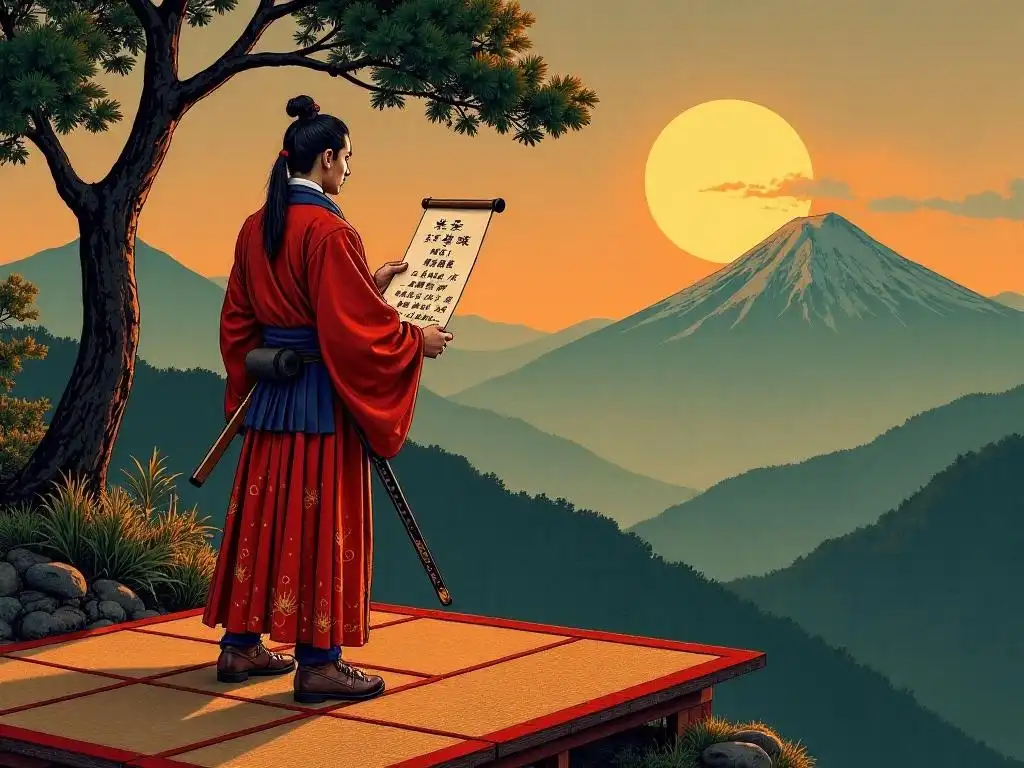
Welcome to Feudal Japan History, where we embark on a captivating journey through the intricate tapestry of Japan’s feudal era. Delve into the rich cultural heritage that shaped a nation, beginning with our exploration of “Samurai Poetry Rituals History.” Uncover how the art of poetry intertwined with the solemnity of samurai ceremonies, revealing a profound connection between words and warrior spirit. Join us as we unveil the hidden layers of this fascinating topic, encouraging you to dive deeper into the rituals that defined an era. Your adventure into the heart of samurai culture starts here!
Introduction to Samurai Poetry Rituals
The intricate tapestry of Japan's feudal era is woven with threads of honor, loyalty, and artistry, particularly evident in the realm of Samurai poetry rituals. During this period, samurai were not merely warriors; they were also cultured individuals who embraced the arts as a means of expressing their ideals and emotions. Poetry played a pivotal role in samurai rituals, serving as both a reflection of their inner lives and a vital element in ceremonial practices.
This article delves into the historical significance of these rituals, exploring how poetry intertwined with the samurai's code of conduct and their societal roles. Understanding the nuances of samurai poetry rituals history allows us to appreciate the depth of cultural expression that flourished alongside the martial prowess of these iconic figures.
Understanding the Historical Context of Samurai Poetry
To grasp the role of poetry in samurai rituals, it's essential to examine the historical backdrop of feudal Japan. The samurai class emerged during the Heian period (794-1185) and solidified its influence throughout the Kamakura (1185-1333) and Muromachi (1336-1573) periods. During these times, the samurai were expected to embody the principles of Bushido, the way of the warrior, which emphasized virtues such as loyalty, honor, and courage.
Poetry became a medium for expressing these ideals, with forms such as haiku, tanka, and choka being employed to convey emotions, reflect on nature, and capture the fleeting moments of life. The Noh and Kabuki theater also incorporated poetic elements, enriching the cultural landscape and allowing samurai to engage with the arts in a manner that complemented their martial identity.
The Significance of Rituals in Samurai Culture
Rituals were fundamental in samurai culture, serving to reinforce social hierarchies, convey respect, and maintain the spiritual connection with their ancestors and the divine. These ceremonies often included formal gatherings, religious observances, and rites of passage, where poetry played a significant role.
Through the recitation of verses, samurai could express their thoughts and feelings, invoke the spirits of past warriors, and honor their commitments to their lords and families. The act of creating and sharing poetry during these rituals not only showcased their artistic talents but also solidified their identities within the rigid structure of feudal society.
The Interconnection Between Poetry and Samurai Ceremonies
Defining Samurai Ceremonies and Their Importance
Samurai ceremonies encompassed a wide range of events, from initiation rites and weddings to funerals and seasonal festivals. Each ceremony was steeped in tradition and imbued with specific meanings, often accompanied by elaborate customs and codes of conduct.
The importance of these ceremonies extended beyond mere formality; they served as a means of unifying the samurai community, reinforcing social bonds, and affirming loyalty to their lords. In this context, poetry emerged as a vital component, enhancing the emotional and spiritual resonance of the rituals.
How Poetry Enhances Samurai Rituals
Poetry enriched samurai rituals by providing a profound layer of expression that transcended mere words. The carefully chosen verses could evoke powerful imagery and emotion, allowing participants to connect with their experiences on a deeper level.
During ceremonies, reciting poetry could serve various purposes:
- Commemoration: Honoring deceased warriors and ancestors.
- Reflection: Contemplating personal values and experiences.
- Inspiration: Encouraging bravery and resolve among peers.
The integration of poetry into these rituals not only elevated the ceremonies but also ensured that the samurai's legacy would be remembered through the art of words. This symbiotic relationship between poetry and samurai rituals illustrates the complexity of their culture and highlights the enduring significance of the written word in shaping their identity.
Types of Samurai Poetry in Rituals
Samurai poetry played a pivotal role in the rituals and ceremonies of the samurai class in feudal Japan. Different poetic forms were utilized, each carrying its unique significance and cultural weight. The primary types of poetry that emerged during this period include haiku, waka, and other poetic forms, all of which contributed to the samurai's expression of emotions, philosophy, and social values.
Haiku and Its Role in Samurai Practices
Haiku, a concise poetic form consisting of three lines with a 5-7-5 syllable structure, became a significant means of expression among samurai. Although it gained prominence later in the Edo period, its roots can be traced back to earlier samurai practices.
In samurai rituals, haiku often served as a form of meditation and reflection, allowing warriors to articulate their thoughts and emotions succinctly. The simplicity of haiku made it accessible, enabling samurai to express profound sentiments about life, nature, and their experiences on the battlefield. It was not uncommon for samurai to compose haiku during tea ceremonies, while observing nature, or in moments of introspection, as a way to connect with their inner selves and the world around them.
Waka: The Traditional Form of Samurai Poetry
Waka, a traditional form of Japanese poetry consisting of 31 syllables, was highly revered among samurai. This poetic style is divided into two main forms: tanka (five lines) and choka (long-form). Waka was often employed in formal settings, such as court ceremonies and official communications, reflecting the samurai's education and refinement.
In samurai culture, waka was not just a means of artistic expression; it was also a way to convey deep emotions and philosophical insights. Many samurai wrote waka as part of their training, using it to explore themes of love, loyalty, and the transient nature of life. This form of poetry allowed samurai to articulate their inner thoughts as they navigated the complexities of honor and duty.
Other Poetic Forms Used in Samurai Ceremonies
In addition to haiku and waka, various other poetic forms were employed during samurai rituals. These included choka, a longer form of poetry that allowed for a more elaborate expression of ideas and emotions, and renga, a collaborative linked-verse poetry that involved multiple poets creating alternating stanzas.
The use of these forms enhanced the ceremonial aspects of samurai culture, often performed in social gatherings or during significant events. The intricate nature of these poetic expressions fostered a sense of camaraderie among samurai, as they engaged in the art of poetry as a means of bonding and reflection on their shared values and experiences.
Themes and Motifs in Samurai Poetry
Samurai poetry is rich with themes and motifs that reflect the values and beliefs of the samurai class. These recurring elements not only provide insight into the samurai mindset but also highlight the cultural context in which they lived. Key themes include honor, valor, nature, and spirituality, each contributing to the overall understanding of samurai rituals and ceremonies.
Honor and Valor in Samurai Poetry
Honor and valor are central themes in samurai poetry, reflecting the bushido code, which emphasized loyalty, courage, and moral integrity. Poems often celebrated heroic deeds, the noble sacrifices of warriors, and the importance of maintaining one's honor in life and death.
This theme is particularly evident in works that recount battles, the loyalty to one's lord, and the emotional turmoil faced by samurai when confronted with dishonor. Through poetry, samurai could immortalize their struggles and triumphs, creating a legacy that resonated with future generations.
Nature and Its Reflection in Samurai Rituals
Nature played a crucial role in samurai poetry, often serving as a metaphor for the samurai's inner life and their connection to the world. The beauty and transience of nature were frequently explored, mirroring the samurai's beliefs about life and death.
Samurai poetry often draws upon seasonal imagery, such as cherry blossoms in spring or the changing colors of autumn, to evoke emotions and philosophical reflections. This connection to nature not only enhanced the aesthetic quality of their poetry but also grounded their rituals in the natural world, reinforcing the idea of harmony between human existence and the environment.
The Spiritual Dimensions of Samurai Poetry
The spiritual dimensions of samurai poetry reveal a deep philosophical undercurrent that informed their rituals and ceremonies. Many samurai integrated elements of Zen Buddhism and Shinto beliefs into their poetic expressions, allowing for a contemplation of life's impermanence and the search for enlightenment.
Poems often explored themes of meditation, self-awareness, and the quest for inner peace, reflecting the samurai's pursuit of a deeper understanding of themselves and their place in the universe. This spiritual aspect of poetry not only enriched samurai rituals but also provided a framework for personal growth and the cultivation of virtue.
The Influence of Zen Buddhism on Samurai Poetry and Rituals
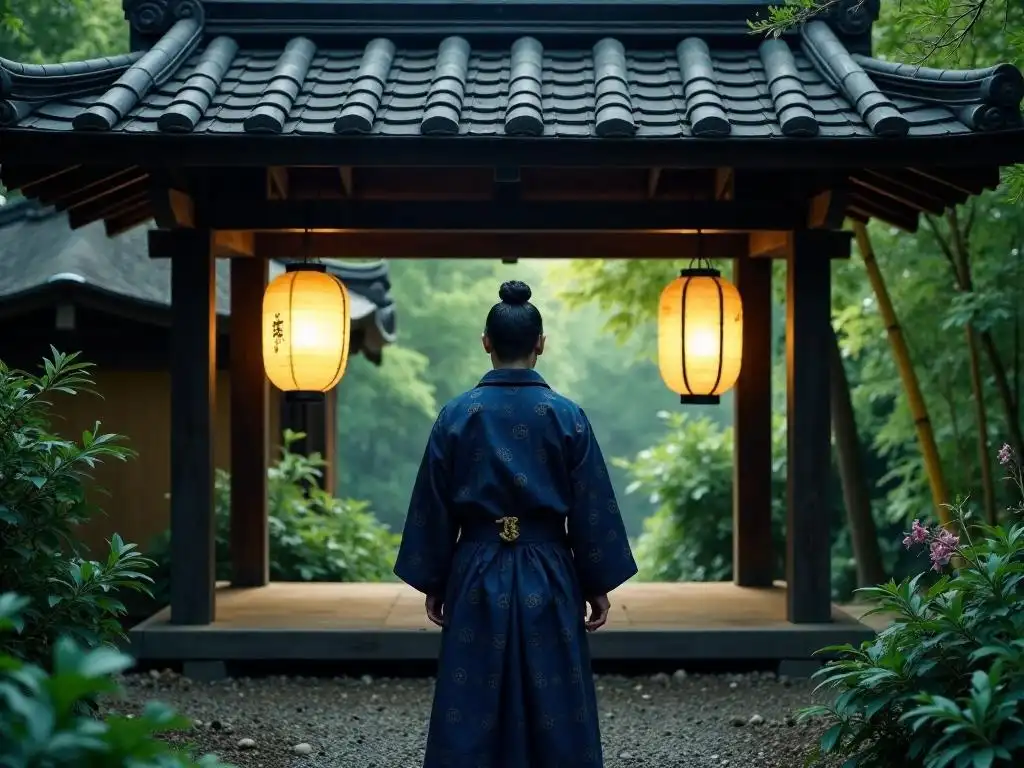
The intersection of Zen Buddhism and samurai culture is a fascinating aspect of Japan's feudal history. Zen principles not only shaped the philosophical outlook of samurai warriors but also profoundly influenced their artistic expressions, particularly in poetry. The samurai's commitment to discipline, simplicity, and the pursuit of enlightenment resonated deeply with Zen teachings, leading to the creation of a unique form of poetry that reflected their values and experiences.
Zen Philosophy and Its Impact on Samurai Culture
Zen Buddhism, introduced to Japan from China in the 12th century, emphasized direct experience, mindfulness, and the importance of the present moment. These teachings found fertile ground among the samurai, who sought ways to cultivate mental clarity and emotional resilience amidst the chaos of warfare. The samurai's code of conduct, known as bushido, aligned with Zen principles, advocating for loyalty, honor, and self-discipline.
The integration of Zen philosophy into samurai culture manifested in various ways, including martial arts, calligraphy, and poetry. The meditative practices of Zen encouraged samurai to reflect on their emotions and experiences, allowing them to express their inner thoughts through poetry. This creative outlet became a means of exploring themes such as nature, mortality, and the transient nature of life.
The Integration of Zen Principles in Poetic Expressions
Samurai poetry often employed the principles of Zen to convey profound thoughts with simplicity and brevity. Haiku, a poetic form characterized by its three lines and 17 syllables, became particularly popular among samurai poets. This structure allowed for a distilled expression of emotions, capturing fleeting moments in nature that mirrored the samurai's own experiences.
In addition to haiku, other forms of poetry, such as renga (linked-verse poetry), also flourished within samurai circles. These poetic forms were often composed in collaborative settings, reflecting the communal nature of samurai life. The emphasis on spontaneity and directness in Zen philosophy inspired poets to capture their immediate feelings and observations without overthinking, resulting in vivid and resonant works.
Case Studies of Notable Samurai Poetry Rituals
The role of poetry in samurai rituals and ceremonies can be illuminated through various notable case studies. These instances reveal how poetry served not only as an art form but also as a means of reinforcing social bonds, expressing emotions, and marking significant life events.
The Poetry of Matsuo Bashō in Samurai Ceremonies
Matsuo Bashō, one of Japan's most celebrated haiku masters, was deeply intertwined with samurai culture. His poems often reflected the aesthetic sensibilities and philosophical underpinnings of Zen Buddhism, making them especially resonant within samurai ceremonies. Bashō's works captured the essence of nature, transience, and the emotional states of individuals, aligning perfectly with the samurai's introspective nature.
During samurai ceremonies, Bashō's poetry was frequently recited to evoke a sense of mindfulness and connection to the moment. His haikus, characterized by their simplicity and depth, served as meditative reflections that encouraged samurai to contemplate their lives and values. The integration of Bashō's poetry into these rituals enhanced the spiritual experience, transforming ordinary events into profound moments of introspection.
The Role of Poetry in the Tea Ceremony (Chanoyu)
The tea ceremony, or chanoyu, is another vital cultural practice where poetry played a significant role. Rooted in Zen principles, the tea ceremony emphasized harmony, respect, purity, and tranquility. Poetry, particularly haiku, was often incorporated into the ceremony as a means of enhancing the aesthetic experience and deepening participants' appreciation for the moment.
During the tea ceremony, hosts would sometimes compose or recite poetry that reflected the season or the specific emotions evoked by the gathering. This poetic expression not only added a layer of artistry but also invited participants to engage more fully with their surroundings and each other. The combination of tea, Zen philosophy, and poetry created a unique atmosphere that encouraged reflection and mindfulness, embodying the samurai's connection to both martial and artistic pursuits.
The Legacy of Samurai Poetry in Modern Japan
The legacy of samurai poetry is profound and continues to resonate throughout contemporary Japanese culture. Poetry in the samurai tradition, particularly in forms such as haiku and tanka, was not merely an art form; it was a means of expressing the samurai ethos—values such as honor, loyalty, and the transient nature of life. This poetic heritage has been preserved and revered in modern Japan, where the principles of bushido (the way of the warrior) inform various aspects of life and art.
In today’s Japan, the influence of samurai poetry is evident in literature, theater, and even popular culture. Many modern authors draw inspiration from samurai themes, exploring concepts of bravery, sacrifice, and the fleeting beauty of existence. The aesthetic of mono no aware, which emphasizes the beauty in impermanence, remains a significant part of Japanese artistic expression, echoing the sentiments found in samurai poetry.
How Samurai Poetry Influences Contemporary Japanese Literature
Samurai poetry has deeply influenced contemporary Japanese literature, establishing a foundation that modern writers often return to for inspiration. The themes of nature, mortality, and existential reflection found in classical samurai works have been adapted and reinterpreted in various genres. Notably, the haiku, a poetic form popularized during the Edo period, continues to thrive, with contemporary poets utilizing its structure to encapsulate profound insights into daily life and nature.
Furthermore, the narrative techniques employed by samurai poets have permeated modern storytelling. The use of symbolism and metaphorical language in samurai poetry can be seen in the works of contemporary authors who explore complex emotional landscapes through concise and evocative language. This connection fosters a literary dialogue between the past and present, allowing new generations to engage with the samurai legacy in innovative ways.
The Enduring Nature of Samurai Rituals in Today’s Society
The rituals associated with the samurai have not completely faded; instead, they have evolved and found new expressions in modern society. Traditional ceremonies, such as tea ceremonies and martial arts practices, still incorporate elements of samurai rituals, emphasizing discipline, respect, and harmony. These practices serve as a reminder of Japan’s historical roots and the cultural values that the samurai embodied.
Moreover, commemorative events and festivals often celebrate samurai history, drawing crowds who wish to experience the grandeur of the past. Such events often include performances of Noh and Kabuki theater, which frequently depict samurai tales, thereby preserving the narratives and rituals associated with this warrior class. The enduring nature of these rituals highlights a collective memory that continues to shape Japanese identity and culture.
Conclusion: The Lasting Impact of Samurai Poetry Rituals on Japanese Culture
The impact of samurai poetry rituals on Japanese culture is both profound and multifaceted. These rituals not only shaped the aesthetic sensibilities of historical Japan but also laid the groundwork for cultural practices that persist today. The integration of samurai poetry into various aspects of life—from literature to ceremonial practices—demonstrates the resilience of these traditions.
Reflecting on the Historical Importance of Samurai Poetry
Reflecting on the historical importance of samurai poetry reveals its role as a cultural touchstone that articulated the values and struggles of a bygone era. The samurai were not merely warriors; they were also philosophers and artists whose reflections on life and death continue to inspire. These poetic expressions provided a voice to their experiences and aspirations, creating a rich tapestry of Japan’s literary heritage that is still celebrated today.
Future Perspectives on Samurai Poetry and Rituals
Looking forward, the future of samurai poetry and rituals holds exciting possibilities. As Japan continues to navigate a rapidly changing world, there is a growing interest in re-examining traditional practices through a contemporary lens. This resurgence may lead to innovative adaptations of samurai poetry, incorporating modern themes while honoring the essence of the past. Additionally, educational initiatives that focus on the historical significance of samurai culture could foster a deeper appreciation among younger generations, ensuring that the legacy of samurai poetry and rituals remains a vibrant part of Japan’s cultural narrative.
References and Further Reading
The intricate relationship between samurai poetry and rituals is documented across various scholarly texts and resources. To gain a deeper understanding of this fascinating aspect of feudal Japan, readers can explore a selection of key texts and recommended resources that delve into the historical, cultural, and literary significance of samurai poetry in rituals and ceremonies.
Key Texts on Samurai Poetry and Rituals
-
"The Tale of the Heike"
A classic work that reflects the ethos of the samurai, this epic narrative intertwines poetry and prose, showcasing the samurai's values and the importance of honor and loyalty in their culture. The poetic passages are particularly noteworthy for their emotional depth and historical context.
-
"The Samurai: A Military History" by John M. Merriman
This comprehensive study provides insights into the samurai's role in Japanese society, including their engagement with poetry as a means of self-expression and ritual. The book examines how poetry served as a tool for reflection and discipline among the warrior class.
-
"Poems of the Samurai" by William Scott Wilson
This anthology presents a collection of samurai poetry, highlighting key figures and their works. Wilson provides context for each poem, illustrating the rituals and traditions that influenced their creation and performance.
-
"Waka and the World: A Study of Classical Japanese Poetry"
This scholarly work delves into the traditional form of Japanese poetry known as waka, which was often employed in samurai rituals. The book explores the historical development of waka and its role in samurai culture, offering a nuanced understanding of its significance.
-
"The Essence of Shinto: Japan's Spiritual Heart" by John B. Harvey
While focusing on Shinto, this book discusses the intersection of spirituality, ritual, and poetry in samurai practices. The exploration of Shinto rituals provides a broader context for understanding the spiritual dimensions of samurai poetry.
Recommended Resources for Exploring Feudal Japan Literature
-
Online Archives
Websites like the National Diet Library Digital Collections offer access to primary sources, including samurai poetry manuscripts and historical documents that detail the rituals and ceremonies of the samurai class.
-
Documentaries and Lectures
Numerous documentaries and online lectures provide visual and auditory resources on the cultural history of feudal Japan. These can enrich the understanding of the role of poetry in samurai rituals.
-
Academic Journals
Journals such as "Japanese Studies" and "The Journal of Asian Studies" frequently publish articles that analyze the intersection of samurai culture and literature, including poetry. Subscribing to or browsing these journals can provide ongoing insights into the evolving discourse on samurai poetry.
-
Local Libraries and University Collections
Many libraries, especially those with strong Asian studies programs, have extensive collections of books, articles, and primary sources related to samurai poetry and rituals. Engaging with these resources can lead to valuable discoveries.
By exploring these texts and resources, readers can deepen their understanding of how poetry influenced samurai rituals and ceremonies, shedding light on a rich cultural heritage that continues to inspire interest and study today.
- Introduction to Samurai Poetry Rituals
- The Interconnection Between Poetry and Samurai Ceremonies
- Types of Samurai Poetry in Rituals
- Themes and Motifs in Samurai Poetry
- The Influence of Zen Buddhism on Samurai Poetry and Rituals
- Case Studies of Notable Samurai Poetry Rituals
- The Legacy of Samurai Poetry in Modern Japan
- How Samurai Poetry Influences Contemporary Japanese Literature
- The Enduring Nature of Samurai Rituals in Today’s Society
- Conclusion: The Lasting Impact of Samurai Poetry Rituals on Japanese Culture
- References and Further Reading
Frequently Asked Questions
What is the significance of poetry in Samurai rituals?
Poetry played a crucial role in Samurai rituals, serving as a means to express honor, loyalty, and martial spirit. It was often recited during ceremonies to enhance the spiritual atmosphere.
How did Samurai poetry reflect their cultural values?
Samurai poetry encapsulated the cultural values of honor, discipline, and philosophy. It provided insight into their emotional landscape and helped convey the depth of their experiences.
What types of poetry were commonly used in Samurai ceremonies?
In Samurai ceremonies, Haiku and Tanka were popular forms of poetry. These styles allowed for brevity and depth, capturing the essence of emotions and experiences in a few lines.
How did Samurai poetry influence Japanese literature?
Samurai poetry significantly influenced Japanese literature, setting the stage for lyrical expression and aesthetic values. It inspired future writers and poets to explore themes of nature, war, and philosophy.
Are there any famous Samurai poets in history?
Yes, notable Samurai poets include Miyamoto Musashi and Yamamoto Tsunetomo, both of whom contributed to the literary tradition with their philosophical and martial insights through poetry, enriching the Samurai culture.
Final Reflection: The Enduring Legacy of Samurai Poetry in Rituals
The intricate relationship between samurai poetry and rituals reveals a profound connection to honor, discipline, and the human experience. In today's fast-paced world, where the essence of tradition often seems overshadowed by modernity, the exploration of samurai poetry rituals serves as a poignant reminder of the values that shaped a warrior's life. The beauty and depth of these poetic expressions not only reflect the samurai's inner world but also resonate with our contemporary quest for meaning and connection in a fragmented society.
Cultural practices rooted in history continue to influence our social landscape, reminding us of the power of words and the significance of ritual. The samurai's use of poetry as a form of expression during ceremonies illustrates how art can serve as a bridge between the past and present. As the poet Matsuo Bashō once said, "> Poetry is a way of seeing the world, a way of understanding it." This insight underscores the timeless relevance of samurai poetry, inviting us to embrace the beauty of language and the rituals that enrich our lives.
As you reflect on the themes presented in this article, consider how you can incorporate the lessons of samurai poetry into your own life. Embrace the power of words, honor your traditions, and find your own rituals that connect you to your values and heritage. Let the legacy of the samurai inspire you to cultivate a deeper appreciation for the art of expression and the significance of the ceremonies that shape our identities. In doing so, you not only honor the past but also pave the way for a more meaningful future.
Awaken Your Spirit: Explore the Art of Samurai Poetry
Thank you for taking the time to delve into the profound connection between poetry and samurai rituals. You’ve gained insight into how these art forms not only enriched individual lives but also shaped the cultural fabric of feudal Japan. Now, it’s your turn to engage and explore further!
Here are a few impactful steps you can take:
- Write your own haiku or poem inspired by the themes of honor and mindfulness that resonate within samurai culture. Share it with your friends or on social media to ignite meaningful discussions!
- Dive deeper into Japanese literature by exploring the works of renowned poet-samurai, such as Matsuo Bashō and Yosa Buson. Consider picking up a collection of their poems or finding online readings to enrich your understanding.
- Connect with others who appreciate Japanese culture by joining online forums or participating in local workshops. Engaging in discussions about poetic forms can enhance your appreciation and deepen cultural connections.
What aspect of samurai poetry inspires you the most, and how do you envision it influencing your life today?