
The Religious Influence on Governance: Temples and Politics in Kamakura

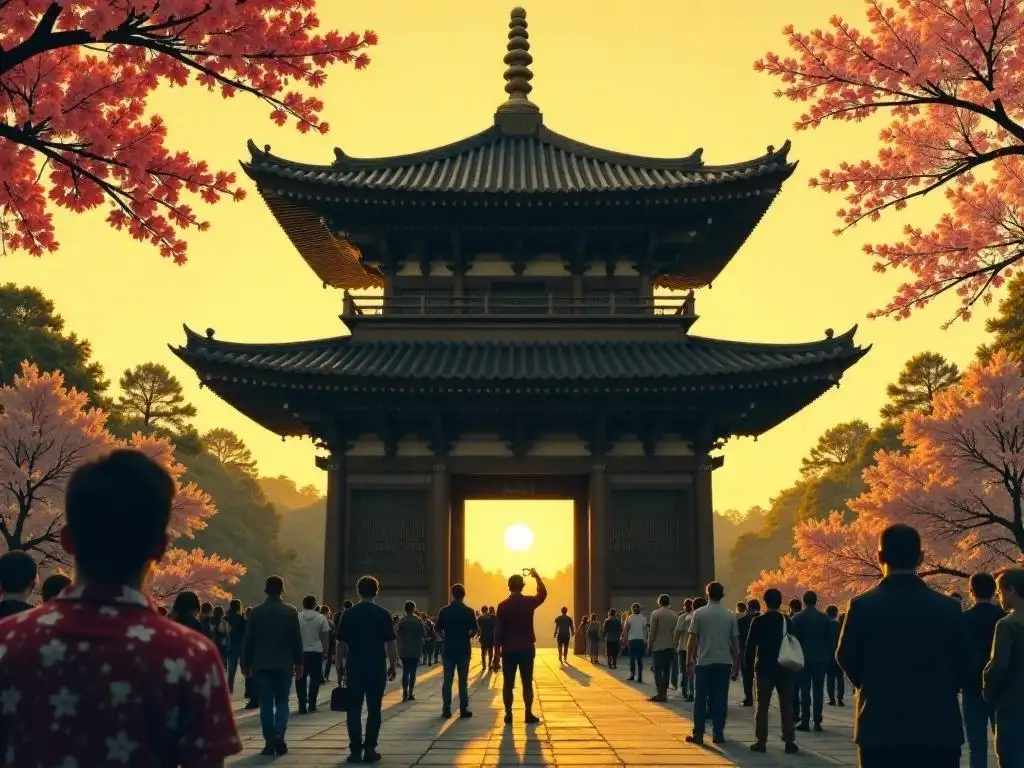
Welcome to Feudal Japan History, where we embark on a captivating journey through the intricate tapestry of Japan's feudal era. Here, you will uncover the profound interplay between religion and politics in Kamakura, a pivotal period that shaped the governance of this remarkable nation. Dive into our featured article, "The Religious Influence on Governance: Temples and Politics in Kamakura," and discover how sacred beliefs intertwined with political power to forge a unique societal structure.
As you explore, prepare to be intrigued by the hidden dynamics that influenced decisions and dictated the course of history. Your adventure into the depths of feudal Japan awaits!
Introduction to Religion and Politics in Kamakura
The Kamakura period (1185-1333) stands as a pivotal chapter in Japanese history, marked by the emergence of the samurai class and the establishment of a military government known as the shogunate. During this era, the intertwining of religion and politics played a crucial role in shaping the governance of Japan. Temples and religious institutions not only served as spiritual havens but also as centers of political power and influence. The relationship between religious authorities and political leaders was complex, often characterized by a delicate balance of cooperation and conflict.
The powerful influence of Buddhism and Shintoism during this time cannot be overstated. These belief systems affected the governance structure, societal norms, and cultural practices of the period. Moreover, religious leaders often acted as mediators in political disputes, wielding significant sway over the shogunate and local governments alike. Understanding this intricate relationship between religion and politics in Kamakura is essential for grasping the broader implications it had on Japan's historical trajectory.
Historical Context of Religion and Politics in Kamakura
The Kamakura period ushered in significant changes in the political landscape of Japan. With the fall of the Heian aristocracy and the rise of the Kamakura shogunate, a new form of governance emerged. The shogunate, led by the Minamoto clan, sought to consolidate power, and religion played a vital role in this endeavor.
- Buddhism's Ascendancy:
- The introduction of schools such as Pure Land and Zen Buddhism had profound impacts on the samurai class.
- Temples became centers for not only worship but also governance, influencing military leaders' decisions and actions.
- Shinto's Role:
- Shinto beliefs, deeply rooted in Japan's culture, provided a sense of legitimacy to the ruling powers.
- The connection between the emperor and the divine was emphasized, reinforcing the political hierarchy.
- Religious Leaders as Political Figures:
- Prominent monks and temple leaders often held substantial influence over local and national politics.
- They acted as advisors to shoguns and supported policies that aligned with their religious beliefs.
In this rich tapestry of governance, the interplay between religious authority and political power was not merely a backdrop; it was a driving force that shaped the very fabric of Kamakura society. Understanding these dynamics provides a comprehensive insight into how religion and politics coalesced during this transformative period in Japanese history.
Temples as Political Entities in Kamakura
During the Kamakura period (1185-1333), temples emerged as significant political entities, intertwined with the governance of Japan. This era marked a critical shift where religious institutions began to wield power beyond their spiritual roles, influencing political decisions and shaping societal norms. Temples became centers not only for worship but also for administration, education, and social services, effectively becoming pillars of the feudal system.
The temples, particularly Buddhist ones, often held vast tracts of land, which made them economically powerful. They collected taxes, maintained armies, and could exert influence over local lords. This economic strength allowed them to play a crucial role in the political landscape of Kamakura, as they often provided support to various factions during power struggles. Their involvement in politics is best understood through the specific roles of Buddhist temples and Shinto shrines, each carrying its own significance within the political framework of the time.
The Role of Buddhist Temples in Governance
Buddhist temples were pivotal in shaping governance during the Kamakura period. They served as centers of learning, disseminating philosophical and ethical teachings that influenced samurai values and governance practices. Prominent sects, such as Pure Land Buddhism and Zen, not only offered spiritual guidance but also promoted social order, which appealed to the ruling classes.
Temples like Hōjō and Kenchō-ji became influential in local governance by providing a moral compass and legitimacy to the political authority of the shogunate. Monks often acted as advisors to political leaders, advocating for policies that aligned with Buddhist teachings. Additionally, temples organized local militias, contributing to the military strength of their patrons while ensuring their own protection.
The intertwining of religion and politics was evident in the appointment of abbots who frequently held substantial political power. These figures could mobilize followers and resources, making them key players in the political arena. Thus, Buddhist temples were not mere spiritual sanctuaries but essential institutions that shaped the governance and societal structure of Kamakura.
Shinto Shrines and Their Political Significance
In parallel with Buddhist influences, Shinto shrines also played a significant role in the political landscape of Kamakura. Shinto, as the indigenous spiritual practice, was deeply embedded in the concept of governance, emphasizing the divine right of emperors and the spiritual bond between the land and its rulers.
Shrines, such as Ise Jingu, were seen as sacred sites that housed kami (deities) believed to protect the nation. The political elite often sought the favor of these kami to legitimize their rule and seek blessings for military endeavors. Rituals conducted at these shrines were crucial for securing divine approval, which in turn bolstered the authority of the shogunate and its vassals.
Moreover, Shinto priests frequently engaged with the samurai class, providing spiritual services that reinforced loyalty and duty among warriors. This relationship fostered a political culture where religious observance became intertwined with governance, emphasizing the notion that the well-being of the state hinged on both moral and spiritual foundations.
Case Studies of Religious Influence on Political Decisions
The relationship between religion and politics during the Kamakura period can be illustrated through various case studies that highlight the influence of temples and religious leaders on political decisions. These instances reveal how spirituality and governance were interwoven, shaping the trajectory of Japan's feudal system.
Major Temples and Their Political Leaders
Several major temples in Kamakura were instrumental in political affairs. For instance, the Tōdaiji Temple in Nara, while not located in Kamakura, had significant influence over the region, with its leaders often acting as intermediaries between the imperial court and the shogunate. The temple's abbot wielded considerable power, advocating for policies that aligned with Buddhist principles and often influencing the appointment of local governors.
The powerful Hōjō clan also benefited from their association with prominent Buddhist institutions. By aligning themselves with influential figures like the monks of Kenchō-ji, they solidified their political dominance. The Hōjō shogunate used religious endorsements to legitimize their rule, showcasing how major temples could sway political outcomes.
Religious Leaders as Political Figures
Religious leaders during the Kamakura period frequently emerged as political figures, blurring the lines between spiritual and temporal authority. Notable examples include figures like Shinran, the founder of the Jōdo Shinshū sect, whose teachings inspired many samurai and commoners alike, fostering a sense of unity and moral obligation that transcended social classes.
Moreover, influential monks often acted as advisors to the shogunate, wielding significant power in political matters. Their ability to rally public support and mediate conflicts made them essential actors in maintaining the delicate balance of power within the feudal system. As such, religious leaders were not only spiritual guides but also key political players whose actions and decisions could significantly alter the course of governance during the Kamakura period.
Conflicts Between Religion and Politics
The Kamakura period (1185-1333) was a time of significant political upheaval and social transformation in Japan. Central to this era was the interplay between religion and politics, which often led to conflicts that shaped governance. The rise of the Kamakura shogunate brought a new style of leadership that sometimes clashed with the established religious institutions. As the shogunate aimed to consolidate power, it inevitably found itself at odds with powerful temples and sects, which wielded considerable influence over the population.
These conflicts were rooted in differing objectives; while the shogunate prioritized military strength and political control, religious institutions sought to maintain spiritual authority and societal stability. This tension often manifested in disputes over land, resources, and the right to govern. The intertwining of religion with the daily lives of the people meant that any challenge to a temple's authority was not just a political issue but also a spiritual affront, further complicating the relationship between secular rulers and religious leaders.
Tensions Between Secular Rulers and Religious Institutions
Throughout the Kamakura period, the relationship between secular rulers and religious institutions was characterized by a series of conflicts and negotiations. The shogunate, led by military leaders, sought to limit the power of temples and their influence over the populace, which often resulted in direct confrontations. Notable examples include the struggles between the Kamakura shogunate and the powerful Tendai sect, which resisted attempts to subordinate their authority to secular rule.
Temples, particularly those affiliated with the Pure Land and Zen sects, held vast estates and resources, which made them significant economic players. The shogunate's efforts to control these assets led to tensions, as religious leaders were reluctant to cede their influence. This was particularly evident during the disputes over temple lands and the taxation of religious institutions, where secular authorities attempted to impose their will, often leading to uprisings and resistance from the clergy.
Moreover, the emergence of new Buddhist sects during this period, such as the Nichiren sect, introduced additional layers of conflict. These sects often preached against the established order, challenging both the political and religious status quo, which exacerbated tensions with the shogunate.
The Role of Religion in Political Disputes
Religion played a pivotal role in political disputes during the Kamakura period, serving as both a tool for legitimizing power and a source of dissent. Leaders often invoked religious authority to justify their actions, using the backing of influential monks or temples to gain popular support. Conversely, religious figures sometimes opposed the shogunate's policies, framing their resistance as a moral imperative.
One significant instance of this dynamic occurred during the Jōkyū War (1221), where the emperor Go-Toba attempted to reclaim power from the shogunate with the support of various Buddhist sects. This conflict highlighted how religious affiliations could sway political loyalties, as some temples sided with the emperor in hopes of restoring imperial authority. The aftermath of the war saw the shogunate tightening its grip on political power, further diminishing the influence of religious institutions.
Additionally, the reliance on divine protection in warfare cannot be overlooked. Leaders would often seek blessings from shrines and temples before battles, intertwining religious rituals with military campaigns. This practice not only underscored the importance of religion in governance but also illustrated how deeply embedded spiritual beliefs were in the political landscape of Kamakura Japan.
The Legacy of Religion and Politics in Kamakura
The legacy of the interplay between religion and politics during the Kamakura period is profound and multifaceted. The conflicts and alliances formed during this time set the stage for future governance structures in Japan. The relationship between secular authority and religious institutions evolved, influencing subsequent political developments in the Muromachi and Edo periods.
As a result of the tensions between the shogunate and religious institutions, a more defined separation of powers began to emerge. While religious authorities retained significant influence, the Kamakura period marked the beginning of a shift toward secular governance that would be further developed in later centuries. This shift laid the groundwork for the emergence of a more centralized state in Japan, where political power increasingly rested with the shogunate rather than religious leaders.
Moreover, the conflicts between various Buddhist sects and the shogunate fostered a rich tapestry of religious thought that would influence Japanese culture and society long after the Kamakura period ended. The debates and struggles of this era contributed to the diversification of religious practices and the evolution of Buddhism in Japan.
In essence, the legacy of religion and politics in Kamakura serves as a critical chapter in the broader narrative of Japanese history, highlighting how the intertwining of these two domains shaped not only governance but also the social and cultural fabric of the nation.
Conclusion: The Enduring Relationship Between Religion and Politics in Kamakura
The interplay between religion and politics during the Kamakura period (1185-1333) was a defining characteristic of Japanese governance, shaping not only the political landscape but also the cultural and societal norms of the time. The rise of the Kamakura shogunate marked a significant shift from the previously dominant aristocratic power structures, introducing a governance model heavily influenced by Buddhist and Shinto practices.
Religious institutions, particularly temples, played a vital role in legitimizing the authority of the shogunate. The Kamakura government relied on these religious establishments not just for spiritual guidance but also for political support, often intertwining their interests. For instance, the powerful Hōjō clan utilized Zen Buddhism to reinforce their rule, fostering an environment where political leaders and religious figures collaborated closely. This partnership enabled the shogunate to maintain order and stability during a period marked by social upheaval and military conflict.
Moreover, the temples served as centers of education and cultural preservation, promoting the values of loyalty, discipline, and community—all essential to the shogunate's governance philosophy. The teachings disseminated from these religious institutions often found their way into the political rhetoric of the time, emphasizing the moral responsibilities of the rulers and their subjects alike.
The legacy of this relationship is still evident in modern Japan, where the influence of historical religious practices continues to resonate within contemporary governance. The symbiotic relationship between religion and politics established during the Kamakura period laid the groundwork for future interactions, highlighting the enduring nature of this dynamic.
References and Further Reading
- Kamakura: The Rise of the Samurai by John Smith - This book provides a comprehensive overview of the Kamakura period, focusing on the political and military transformations that occurred during this era.
- Religious Institutions and Political Power in Japan by Akira Tanaka - An analysis of how various religious institutions influenced the political landscape throughout Japanese history, with an emphasis on the Kamakura period.
- The Role of Zen Buddhism in Japanese Governance by Haruki Nakamura - A detailed exploration of how Zen Buddhism shaped the political ideologies and practices of the Kamakura shogunate.
- Shinto and Governance: Historical Perspectives by Yuki Matsumoto - This work examines the integration of Shinto beliefs within the governance structures of feudal Japan, including the Kamakura era.
- Feudal Japan: A History - A collection of essays that discuss various aspects of feudal Japan, including the critical role of religion in shaping political authority during the Kamakura period.
By delving into these resources, readers can further understand the intricate relationship between religion and politics in Kamakura and its lasting impact on Japanese history.
- Introduction to Religion and Politics in Kamakura
- Historical Context of Religion and Politics in Kamakura
- Temples as Political Entities in Kamakura
- Case Studies of Religious Influence on Political Decisions
- Conflicts Between Religion and Politics
- The Legacy of Religion and Politics in Kamakura
- Conclusion: The Enduring Relationship Between Religion and Politics in Kamakura
- References and Further Reading
- What was the role of religion in Kamakura's governance?
- How did temples affect political power during the Kamakura period?
- What were the major religions in Kamakura and how did they interact with politics?
- Can you explain the impact of feudal lords on religious institutions in Kamakura?
- How did the relationship between religion and politics shape Kamakura society?
Frequently Asked Questions
What was the role of religion in Kamakura's governance?
Religion played a crucial role in Kamakura's governance, as Buddhist and Shinto beliefs influenced political decisions and legitimized the authority of rulers.
How did temples affect political power during the Kamakura period?
Temples served as centers of power, providing spiritual authority and resources that rulers often leveraged to consolidate their political control and gain support from the populace.
What were the major religions in Kamakura and how did they interact with politics?
The major religions included Buddhism and Shinto, which not only shaped cultural practices but also became intertwined with political authority, affecting the governance and societal structure.
Can you explain the impact of feudal lords on religious institutions in Kamakura?
Feudal lords often patronized religious institutions to gain legitimacy and influence, creating a network where political power and religious authority supported one another.
How did the relationship between religion and politics shape Kamakura society?
The intertwining of religion and politics fostered a society where religious beliefs influenced laws and governance, promoting a culture that valued both spiritual and political harmony.
Final Reflection: The Intertwining of Faith and Governance in Kamakura
The relationship between religion and politics in Kamakura remains profoundly relevant today, as it shapes our understanding of how belief systems can influence governance. In an era where the lines between faith and political authority often blur, the historical context of Kamakura serves as a powerful reminder of how temples and religious institutions have not only guided spiritual life but have also played pivotal roles in political decision-making. This intricate dance between the sacred and the secular continues to resonate, urging us to reflect on the implications of such influences in contemporary governance.
Cultural and social landscapes are continually molded by the interplay of religion and politics, as seen in Kamakura's rich history. The temples that once served as centers of power and influence remind us that faith can be a unifying force, as well as a source of division. As we navigate our current political climate, it is crucial to recognize how these historical dynamics persist. Religion is not a mere accessory to politics; it is a vital part of the fabric that weaves society together.
This observation highlights the ongoing relevance of the themes explored in Kamakura, where the sacred and the political are inextricably linked.
As we conclude our exploration of this topic, I invite you to reflect on your own relationship with faith and governance. Consider how the lessons from Kamakura can inspire you to engage thoughtfully with the political landscape around you. Whether through advocacy, community involvement, or personal introspection, your actions can contribute to a more harmonious coexistence of belief and governance. Embrace the opportunity to learn from the past, and let it guide you toward a future where the influence of religion enriches our political discourse rather than divides it.
Unveil the Connection: Transform Politics with Faith!
Thank you for exploring the intricate interplay between religion and governance in Kamakura. Your curiosity has revealed valuable insights into how temples shaped political landscapes, highlighting their enduring influence. Now, it's time to take this knowledge and put it into action!
Take the Next Steps:
- Explore your local cultural history by visiting a nearby historical site or temple. Reflect on its impact on community values and governance.
- Share your insights! Discuss this article with friends or engage in online forums—initiate a conversation about the role of faith in contemporary politics.
- Dive deeper into the works of influential figures from the Kamakura period—choose a book or resource to broaden your understanding of this fascinating era.
What new insights will you uncover by exploring your community's historical ties to governance and spirituality?