
Festivals of the Gods: Celebrating Shinto Matsuri and Their Significance

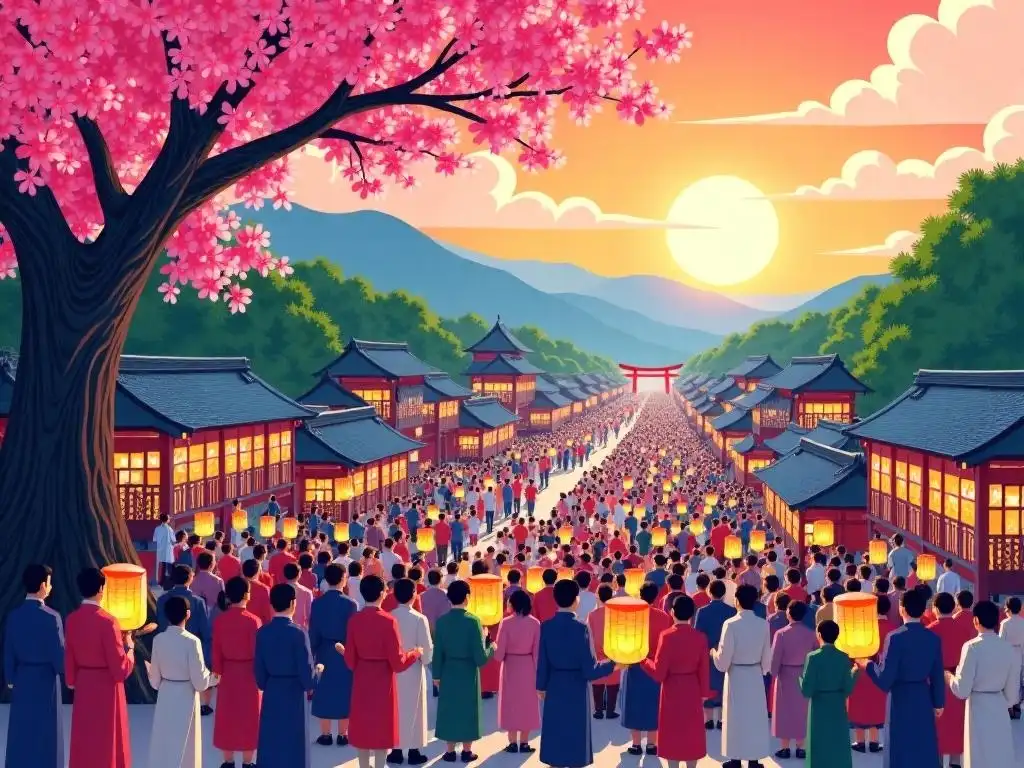
Welcome to Feudal Japan History, where we embark on a fascinating journey through the rich tapestry of Japan's feudal era. Here, you'll uncover the intricate layers of history, culture, and society that have shaped this remarkable period. In our featured article, "Festivals of the Gods: Celebrating Shinto Matsuri and Their Significance," we delve into the vibrant world of Shinto Matsuri festivals, exploring their profound meanings and the rituals that celebrate the divine.
Prepare to be captivated as we unveil the spiritual heart of these traditions and their enduring impact on Japanese culture. Discover the stories that await you, and let your curiosity lead the way!
Shinto Matsuri, or festivals, are vibrant celebrations deeply rooted in the spiritual and cultural fabric of Japan. These festivals honor the kami, or deities, that are central to Shinto beliefs, reflecting a profound connection between the Japanese people and their natural environment. The significance of Shinto Matsuri festivals extends beyond mere celebration; they serve as a means of community bonding, cultural expression, and spiritual renewal.
In this article, we will explore the multifaceted nature of Shinto Matsuri, delving into their historical context, key elements, and the evolving significance they hold in contemporary Japan. By understanding these festivals, we gain insight into the rich tapestry of beliefs and traditions that have shaped Japanese society throughout the ages.
Introduction to Shinto Matsuri Festivals
Overview of Shinto and Its Practices
Shinto, Japan's indigenous spirituality, is characterized by its reverence for kami, the spirits or gods believed to inhabit all aspects of the natural world. Unlike organized religions with a single founder or holy book, Shinto is an amalgamation of traditions, rituals, and beliefs passed down through generations. Central to Shinto are its practices, which include purification rituals, offerings, and prayers, all aimed at maintaining harmony between humans and the kami. Festivals, or Matsuri, play a crucial role in this faith, acting as communal gatherings that celebrate the divine presence in everyday life.
Definition of Matsuri: The Festivals of the Gods
The term "Matsuri" derives from the Japanese word meaning "to serve" or "to worship," reflecting the festivals' purpose of honoring the kami. Typically held at shrines, these festivals often involve processions, traditional music and dance, and various rituals that showcase the community's devotion to their deities. Matsuri can vary in scale and significance, from local harvest festivals to grand celebrations that attract thousands of participants and spectators.
Key Elements of Shinto Matsuri
Several elements are integral to the Shinto Matsuri experience:
- Mikoshi: Portable shrines that carry the kami during the procession, symbolizing their presence among the people.
- Costumes: Participants often wear traditional attire, enhancing the cultural atmosphere of the festival.
- Offerings: Food, sake, and other items are presented to the kami as tokens of gratitude and respect.
- Performances: Traditional dances and music, such as Kagura, are performed to entertain the kami and the attendees.
Historical Context of Shinto Matsuri
Origins of Matsuri in Feudal Japan
The origins of Matsuri can be traced back to ancient agricultural practices in Japan, where rituals were performed to ensure good harvests and appease the spirits of nature. During the feudal era, these festivals evolved into more structured events, often associated with local deities and celebrated by specific communities. The intertwining of agricultural cycles and spiritual observance laid the foundation for the diverse array of Matsuri that would emerge across the archipelago.
Evolution of Shinto Festivals through the Ages
As Japan transitioned through different historical periods, including the Heian, Kamakura, and Edo periods, the nature and significance of Matsuri also transformed. Influences from court culture, samurai traditions, and urbanization shaped the festivals, leading to the incorporation of new rituals and performances. Matsuri became not only a means of religious expression but also an opportunity for social and economic interaction among communities.
Influence of Buddhism and Other Religions
The arrival of Buddhism in Japan in the 6th century brought about significant changes to Shinto practices, including Matsuri. While the two religions maintained distinct identities, they also influenced each other, leading to the syncretism known as Shinbutsu shugo. This blending of beliefs resulted in various festivals that celebrated both Shinto and Buddhist deities, enriching the cultural landscape of Japan and expanding the significance of Matsuri within the broader context of Japanese spirituality and tradition.
The Cultural Significance of Shinto Matsuri
Shinto Matsuri, or festivals, hold profound cultural significance in Japan, acting as a bridge between the divine and the human realm. These celebrations are not merely events; they encapsulate the essence of community life, spirituality, and the rhythms of nature. Central to these festivals is the belief in kami, the spirits that inhabit everything from mountains to rivers. Through rituals and celebrations, participants seek to honor these kami, ensuring their blessings for health, prosperity, and harmony within the community.
The cultural layers embedded in Shinto Matsuri reflect Japan's rich history and traditions. Festivals often feature traditional music, dance, and art forms that have been passed down through generations. This continuity of practice fosters a deep sense of cultural identity and belonging among participants, linking them with their ancestors and the historical context of their region. Furthermore, Matsuri serve as a platform for educational experiences, where younger generations learn about their heritage, customs, and the spiritual significance of their practices.
Role of Matsuri in Japanese Society
Matsuri play a multifaceted role in Japanese society, functioning as both religious observances and social gatherings. They provide an avenue for communities to come together, reinforcing social bonds and collective identity. During these festivals, people set aside their daily routines, engaging in communal activities that foster cooperation and solidarity.
The organization of a Matsuri often involves the entire community, from planning and preparation to participation in the events. This collective effort strengthens local ties and encourages civic pride. Moreover, Matsuri serve as occasions for local businesses and artisans, drawing visitors and stimulating economic growth. The combination of spirituality, community engagement, and economic activity makes Matsuri a vital component of societal fabric in Japan.
Matsuri as an Expression of Community Identity
Each Matsuri is unique, reflecting the specific cultural and historical context of its local community. This diversity allows Matsuri to act as a canvas for expressing local identity and pride. For example, certain festivals may highlight specific agricultural products or historical events significant to the region, showcasing the unique attributes of the community.
In many cases, Matsuri can even serve as a means of resistance against homogenization, preserving distinct cultural practices that may otherwise be overshadowed in modern society. Through elaborate costumes, traditional music, and unique rituals, communities assert their identity and heritage, fostering a sense of belonging and continuity. As such, these festivals are not only celebrations but also affirmations of the community's cultural narrative.
Festivals and Their Connection to Nature and Agriculture
Shinto Matsuri are deeply intertwined with the cycles of nature and agriculture, reflecting the agricultural roots of Japanese society. Many Matsuri are timed to coincide with seasonal changes, such as planting and harvest periods, symbolizing gratitude to the kami for their blessings on crops and the land.
The rituals performed during these festivals often include offerings of rice, sake, and seasonal produce to the kami, highlighting the significance of agriculture in sustaining community life. This connection to nature also emphasizes the Shinto belief in kami residing within natural elements, reinforcing the importance of respecting and nurturing the environment. Through these celebrations, communities celebrate not only their agricultural heritage but also their bond with the natural world.
Types of Shinto Matsuri
Shinto Matsuri can be broadly categorized into various types, each reflecting different aspects of Japanese culture and spirituality. Understanding these types provides insight into the diverse practices that characterize Shinto and its role in society.
Major Festivals Celebrated Across Japan
Across the archipelago, several major Matsuri stand out for their scale and historical significance. Among these, the Gion Matsuri in Kyoto, celebrated in July, is one of the most famous. It features grand parades of beautifully decorated floats, symbolizing the community's devotion to the kami, particularly in seeking protection from disease.
Another notable festival is the Nebuta Matsuri in Aomori, held in August, where vibrant illuminated floats depicting mythological figures are paraded through the streets. These major festivals attract visitors from around the world, showcasing Japan's rich cultural heritage and the vitality of its Shinto practices.
Local Matsuri: Celebrations Unique to Regions
In addition to major festivals, countless local Matsuri enrich Japan's cultural landscape. Each region boasts its unique celebrations that often incorporate local legends, agricultural practices, and seasonal changes. For instance, the Takayama Matsuri in Gifu Prefecture features ornate floats and traditional performances, reflecting the area's craftsmanship and history.
Local Matsuri not only celebrate community identity but also foster regional pride, promoting tourism and preserving traditions specific to the area. These festivals provide a glimpse into the diverse tapestry of Japanese culture, highlighting how local customs and beliefs shape the celebration of Shinto Matsuri across the nation.
Rituals and Practices Associated with Matsuri
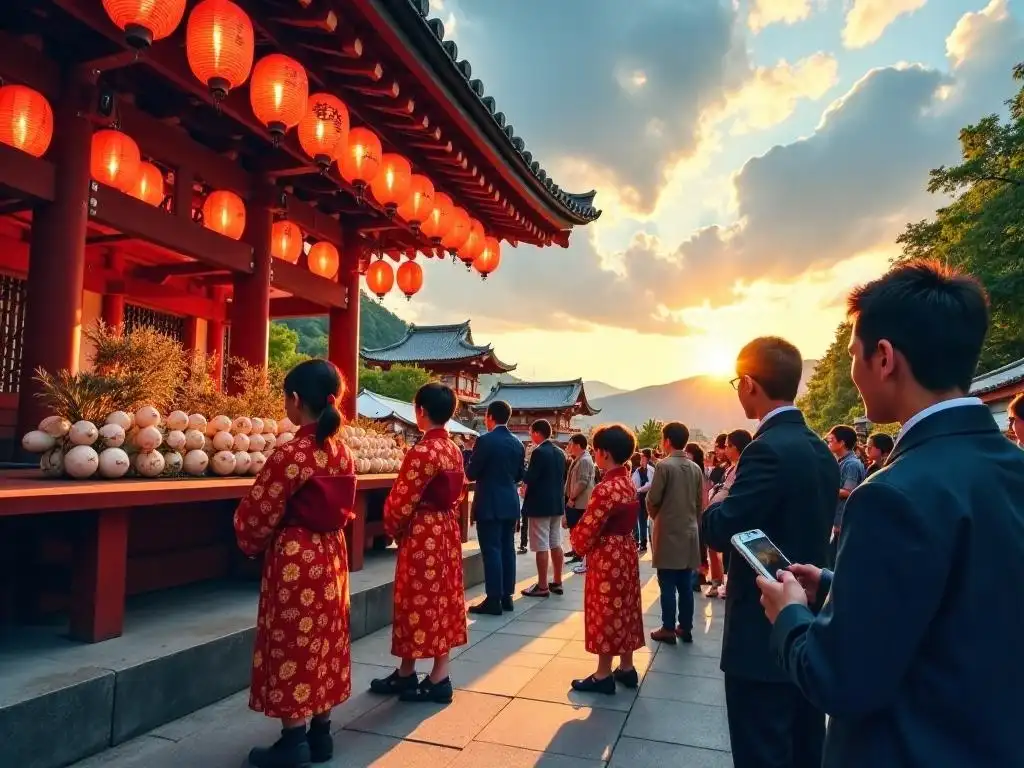
Shinto Matsuri, or festivals, are deeply rooted in Japan's cultural and spiritual heritage, showcasing a vibrant tapestry of rituals and practices that connect the community with the divine. Central to these celebrations is the idea of kami, or gods, which are honored through various traditional activities and offerings. Each matsuri is unique, reflecting local customs, seasonal changes, and agricultural cycles.
The rituals associated with Shinto Matsuri often include purification rites, processions, and communal prayers. These activities are designed to cultivate a sense of community, foster gratitude, and invite blessings for the future. The participation of local residents, often dressed in traditional attire, adds to the sense of unity and shared purpose during these events.
In addition to religious observances, matsuri also serve as an opportunity for cultural expression. Traditional music, dance, and art forms often accompany the festivals, allowing communities to showcase their heritage and creativity. As a result, matsuri play a crucial role in preserving cultural identity while reinforcing social bonds among participants.
Preparations for Matsuri: Ritual Purification
Before any matsuri can commence, a significant focus is placed on ritual purification, known as misogi. This practice is essential to cleanse both the physical space and the participants, ensuring that they are spiritually prepared to engage with the kami.
Typically, purification involves washing hands and rinsing the mouth at a temizuya, or purification fountain, located at the entrance of a shrine. This act symbolizes the removal of impurities and the preparation of the self to interact with the divine. In some cases, larger purification rituals may involve the use of water from sacred sources or the performance of harai, a broader purification ceremony that can include the use of salt, rice, or sacred shide (paper streamers).
The significance of purification rituals extends beyond mere tradition; they embody the Shinto belief in maintaining harmony and balance with nature. These practices ensure that participants approach the festival with respect for the spiritual realm, enhancing the overall significance of the matsuri.
Processions and Parades in Matsuri Celebrations
One of the most visually striking aspects of Shinto Matsuri are the colorful processions and parades that often take place. These events feature elaborate floats, known as mikoshi, which are portable shrines carried by a group of participants. Each mikoshi is believed to house a kami during the festival, allowing the divine presence to be physically carried through the community.
Processions typically involve traditional music played on drums and flutes, accompanied by dancers performing ancient rites that honor the gods. Participants often wear traditional clothing, such as yukata or happi, which adds to the festive atmosphere and cultural authenticity of the celebration.
The parades not only serve as a means of honoring the kami but also strengthen community ties as residents come together to celebrate their shared heritage. Spectators often line the streets to witness the vibrant display, fostering a sense of pride and connection to their local culture.
Offerings and Prayers at Shinto Shrines
At the heart of each matsuri are offerings and prayers made at Shinto shrines. These offerings, known as shinsen, typically include food items such as rice, sake, fruits, and vegetables, symbolizing gratitude to the kami for their blessings.
Participants will often approach the shrine, perform a ritual bow, and make their prayers for health, prosperity, and protection. The act of offering is not only a sign of respect but also a way to invite the kami to partake in the festivities. Shrines may also host specific rituals, such as shinji, where priests perform sacred rites to invoke the presence of the kami and bless the community.
The significance of these offerings extends beyond the matsuri itself; they serve as a reminder of the interconnectedness of the community with the spiritual world, reinforcing the values of gratitude and humility in the practice of Shinto.
The Significance of Shinto Matsuri Today
Today, Shinto Matsuri continue to hold immense significance in both local and national contexts. These festivals are not merely relics of the past; they are living traditions that adapt and evolve while maintaining their core spiritual values.
The ongoing relevance of matsuri can be seen in their ability to foster community spirit and cultural pride. They serve as a platform for younger generations to learn about their heritage, ensuring that traditional practices are passed down and preserved. Additionally, matsuri often contribute to local economies through tourism, drawing visitors who are eager to experience Japan's rich cultural tapestry.
Contemporary Relevance of Shinto Matsuri
In contemporary society, Shinto Matsuri have adapted to reflect modern values while retaining their historical roots. Many festivals now incorporate elements that resonate with younger audiences, such as music festivals, food stalls, and artistic performances. This blending of tradition with contemporary culture helps to engage a wider audience, ensuring that the significance of these festivals is not lost in the rapidly changing social landscape.
Moreover, matsuri often serve as a space for social commentary, allowing communities to address current issues while celebrating their heritage. Whether it is promoting environmental sustainability or addressing social challenges, these festivals have become a medium for collective expression and community resilience.
Matsuri in Modern Japanese Culture
The role of matsuri in modern Japanese culture is multifaceted. They are not only significant religious observances but also vibrant cultural events that celebrate the diversity of local traditions. Each matsuri reflects the unique character of the community, showcasing regional differences in music, dance, and cuisine.
Additionally, with the rise of globalization, matsuri are increasingly being recognized and celebrated beyond Japan's borders. This international appreciation not only enhances cultural exchange but also reinforces the significance of Shinto Matsuri as a vital aspect of Japan's identity.
Global Influence of Shinto Festivals
The influence of Shinto Matsuri extends beyond Japan, contributing to a growing interest in Japanese culture worldwide. As global awareness of Shinto practices increases, many international communities have begun to adopt elements of these festivals, incorporating them into their own cultural celebrations.
Through cultural festivals, art exhibitions, and academic discussions, the significance of Shinto Matsuri is being shared with a broader audience. This exchange not only fosters greater understanding of Japanese spirituality but also encourages a global appreciation for the rich traditions that define Shinto practices.
Shinto Matsuri remain a vital aspect of both the spiritual and cultural landscape of Japan, embodying a rich history that continues to resonate in contemporary society and beyond.
Conclusion
Shinto Matsuri, or festivals, hold profound significance in Japanese culture and spirituality. These vibrant celebrations are not merely events; they play a crucial role in preserving the essence of Shinto beliefs and community identity. With their roots deep in agricultural traditions and seasonal changes, Shinto Matsuri foster a connection between the divine and the everyday life of the people. They emphasize gratitude, renewal, and the communal spirit, ensuring that these traditions are passed down through generations.
Recap of the Importance of Shinto Matsuri
The significance of Shinto Matsuri extends far beyond the festivities themselves. They serve as a means of honoring Kami (gods) and ancestors, reinforcing the spiritual relationship between humans and the divine. Each Matsuri is unique, reflecting the local culture and history, and is a celebration of gratitude for blessings received. These festivals also act as a reminder of the cyclical nature of life and the importance of harmony within the community.
Through rituals, parades, and traditional performances, participants engage in a shared experience that strengthens social bonds and cultivates a sense of belonging. The vibrant costumes, music, and dance symbolize not just celebration but also reverence for nature and its cycles, demonstrating the interconnectedness of humanity and the spiritual world.
Final Thoughts on the Festival's Role in Preserving Japanese Heritage
Shinto Matsuri are vital to the preservation of Japanese heritage. They encapsulate centuries of tradition, folklore, and community values, acting as living history lessons for both participants and spectators. As modern society evolves, these festivals offer a glimpse into the past and serve as a reminder of the cultural practices that define Japanese identity.
Moreover, as globalization continues to influence contemporary Japan, Shinto Matsuri stand as a beacon of cultural resilience. They foster a sense of pride and continuity, ensuring that the teachings and values of Shinto are not only remembered but actively practiced. Engaging with these festivals allows individuals to connect with their roots and appreciate the rich tapestry of Japanese culture.
Further Reading and Resources
Recommended Books on Shinto Practices and Festivals
-
"Shinto: The Kami Way" by Sokyo Ono
This book provides an insightful overview of Shinto beliefs, practices, and the significance of Matsuri within the tradition.
-
"The Essence of Shinto: Japan's Spiritual Heart" by Nobutaka Inoue
A comprehensive exploration of Shinto as a living religion, with emphasis on the role of festivals in its practice.
-
"Festivals of Japan" by John McClain
This work details various Japanese festivals, including Matsuri, and discusses their cultural and historical contexts.
-
"Shinto: A History" by Kuroda Toshio
A scholarly examination of Shinto's evolution, including the development and significance of Matsuri over time.
Online Resources for Learning More about Matsuri
-
National Association of Japan's Festivals
A resourceful site that provides information on various Matsuri celebrated across Japan, including their history and significance.
-
Shinto and Matsuri Websites
Multiple online platforms dedicated to exploring Shinto practices, featuring articles, videos, and community insights on Matsuri.
-
YouTube Channels Featuring Matsuri Celebrations
Various channels offer visual content showcasing Matsuri, allowing viewers to experience the vibrancy and spirituality of these festivals firsthand.
These resources will enrich your understanding of Shinto Matsuri and their enduring significance within Japanese culture and spirituality.
- Introduction to Shinto Matsuri Festivals
- Historical Context of Shinto Matsuri
- The Cultural Significance of Shinto Matsuri
- Types of Shinto Matsuri
- Rituals and Practices Associated with Matsuri
- The Significance of Shinto Matsuri Today
- Conclusion
- Further Reading and Resources
Frequently Asked Questions
What is the Shinto Matsuri festival?
The Shinto Matsuri festival is a traditional Japanese celebration that honors kami, or gods, through rituals, dances, and offerings, reflecting deep cultural and spiritual values.
How does the Shinto Matsuri reflect Japanese culture?
The Shinto Matsuri embodies the essence of Japanese culture, showcasing community bonds, agricultural gratitude, and the spiritual connection between the people and nature.
What are the key rituals associated with Shinto Matsuri?
Key rituals in Shinto Matsuri include processions, purification rites, and various offerings to the kami, all designed to foster a connection between the divine and the community.
Why are Shinto Matsuri festivals significant today?
Today, Shinto Matsuri festivals are significant as they promote cultural heritage, strengthen community ties, and offer a sense of continuity with Japan’s rich historical traditions.
How can one participate in a Shinto Matsuri festival?
Participation in a Shinto Matsuri festival often involves joining processions, engaging in traditional dances, and making offerings at shrines, allowing individuals to immerse themselves in the vibrant festivities.
Final Reflection: The Enduring Significance of Shinto Matsuri Festivals
The vibrant celebrations of Shinto Matsuri are not just events of cultural heritage; they are living expressions of spirituality and community that resonate deeply in today's world. As we navigate an increasingly fast-paced and disconnected society, the significance of these festivals reminds us of the importance of connection—to our history, our community, and the divine. The Shinto Matsuri festivals serve as a powerful testament to the enduring human spirit, inviting us to pause, reflect, and celebrate the cycles of life and nature.
Celebrating Shinto Matsuri is more than just a cultural observance; it is a profound reminder of our shared humanity and the values that bind us together. These festivals foster a sense of belonging and continuity, allowing individuals to connect with their roots and each other. As noted by cultural anthropologist Yujiro Nakamura, Matsuri are the heartbeat of Japanese culture, echoing the rhythms of nature and the spirit of community.
This ongoing influence of Shinto Matsuri in contemporary society highlights the vital role that tradition plays in shaping our identities and fostering social cohesion.
As you reflect on the significance of Shinto Matsuri in your own life, consider how you can incorporate the lessons of these festivals into your daily existence. Embrace the spirit of celebration, connection, and gratitude that these events embody. Whether through participating in local traditions, honoring your own heritage, or simply taking a moment to appreciate the beauty of nature, let the essence of Shinto Matsuri inspire you to cultivate a deeper sense of community and spirituality in your life. Together, we can ensure that the significance of these festivals continues to thrive for generations to come.
Thank you for diving deep into the vibrant world of Shinto Matsuri with us! We hope you gained valuable insights into their profound significance and the rich traditions they uphold. Now, let’s take that inspiration a step further!
Here are some exciting ways you can connect with the spirit of Matsuri and share it with others:
- Attend a local festival: Seek out nearby Japanese cultural events or Matsuri celebrations and immerse yourself in the experience.
- Share your knowledge: Start a conversation about Shinto traditions with friends or on social media—spread the word about the beauty of Matsuri!
- Create your own celebration: Gather your family and friends to host a small gathering inspired by Matsuri, complete with traditional food, music, and games.
As you reflect on the dynamic role of Matsuri in cultural identity, what aspect of these festivals resonates most with you? How would you integrate their spirit into your own life or community?