
Exploring the Peasant Life: Books That Highlight the Everyday in Feudal Japan

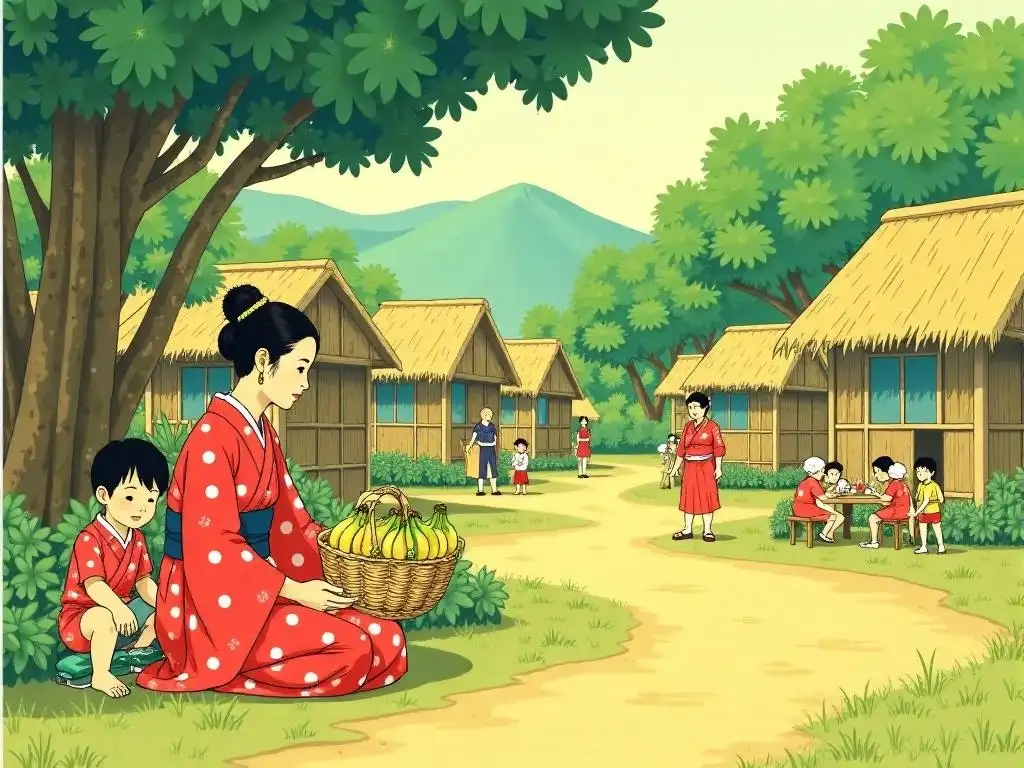
Welcome to Feudal Japan History, where we invite you to embark on a fascinating journey through the intricate tapestry of Japan’s feudal era. Here, you will uncover the rich historical, cultural, and societal layers that shaped this remarkable time. In our featured article, "Exploring the Peasant Life: Books That Highlight the Everyday in Feudal Japan," we delve into the often-overlooked experiences of the common people, revealing the struggles, traditions, and resilience of the peasant class.
Curious about what life was truly like for these individuals? Join us as we explore compelling narratives and expert insights that promise to illuminate the everyday realities of feudal Japan. Your adventure into the past starts now!
Exploring the intricate tapestry of peasant life in feudal Japan offers a unique glimpse into the daily struggles, customs, and resilience of a social class that formed the backbone of Japanese society during this era. While much of the historical narrative often focuses on the samurai and the ruling elite, the experiences of farmers, laborers, and their families reveal a rich and complex world shaped by agricultural cycles, local traditions, and communal ties.
This article delves into various literary works that illuminate the everyday realities of peasant life, providing readers with valuable insights into the social dynamics, cultural practices, and economic conditions that defined this period in Japanese history.
Introduction to Peasant Life in Feudal Japan
Peasant life in feudal Japan, spanning from the 12th to the 19th centuries, was characterized by a deep connection to the land and a lifestyle heavily influenced by the seasons. The majority of the population, approximately 80%, comprised peasants who engaged in agriculture, primarily rice farming, which was central to the economy and culture. The hierarchical structure of feudal society placed these individuals at the bottom, often subject to the demands of landowners and the samurai class.
Life for these peasants was marked by:
- Agricultural Labor: The seasonal nature of farming dictated daily routines, with planting and harvest times being pivotal in their lives.
- Community Engagement: Many peasants lived in close-knit villages, relying on communal efforts for irrigation, harvesting, and festivals.
- Cultural Traditions: Festivals and rituals connected to agricultural practices were crucial in maintaining social cohesion and spiritual beliefs.
The literature stemming from this era captures these experiences, serving as both historical records and reflections of the societal norms that governed peasant life.
Key Characteristics of Peasant Life in Feudal Japan
The everyday existence of peasants in feudal Japan can be understood through several defining characteristics that shaped their experiences:
- Economic Dependence: Peasants were often bound to a system of land tenancy, where they worked the land owned by samurai or feudal lords. This created a cycle of dependency and limited social mobility.
- Cultural Practices: Festivals, rituals, and seasonal celebrations were integral to village life. These events not only provided respite from labor but also reinforced cultural identity and community bonds.
- Social Hierarchy: The peasant class was stratified, with wealthier farmers (known as
kome) enjoying slightly better living conditions compared to poorer laborers. Yet, all peasants faced exploitation and harsh conditions under the feudal system. - Resilience and Adaptation: Despite the challenges, peasants demonstrated remarkable resilience, adapting their farming techniques and communal practices to cope with natural disasters like floods or droughts.
- Literary Reflection: A variety of literary works from this period, including poetry, folk tales, and historical accounts, provide rich narratives that highlight the struggles, joys, and daily lives of these individuals.
In exploring the peasant life in feudal Japan through literature, one can gain a nuanced understanding of this often-overlooked segment of society, revealing how their existence was interwoven with the broader historical and cultural fabric of Japan.
Best Books on Peasant Life in Feudal Japan
Exploring the nuances of peasant life in feudal Japan requires delving into literature that captures the essence of their daily struggles and societal roles. Here are some of the best books that shed light on this often-overlooked aspect of Japanese history.
1. "The Tale of the Heike"
"The Tale of the Heike" is an epic account that illustrates the struggles between the Taira and Minamoto clans during the late Heian period. While primarily a tale of warriors, the narrative intricately weaves in the lives of peasants who were deeply affected by the conflicts. The text provides vivid descriptions of the hardships endured by farmers and laborers caught in the turbulent socio-political landscape.
Their resilience and tenacity are highlighted, offering readers insights into the peasant mindset during tumultuous times. The poem serves as a cultural artifact, showcasing how the fate of the common people was intertwined with the struggles of the samurai class.
2. "The Life of the Samurai" by Inazō Nitobe
Inazō Nitobe’s "The Life of the Samurai" goes beyond the romanticized image of the samurai to explore the societal structures of feudal Japan. Nitobe emphasizes the relationships between the samurai and the peasantry, illustrating how the samurai relied on the labor and productivity of farmers. This book serves as a crucial resource for understanding the hierarchical nature of feudal society, where peasants played a vital role in sustaining the economy. Nitobe’s reflections on the moral and ethical responsibilities of the samurai towards their peasant subjects provide a nuanced perspective on the dynamics of feudal life.
3. "Feudal Japan: A History of Peasants and Lords"
"Feudal Japan: A History of Peasants and Lords" is an academic exploration that focuses on the socio-economic relationships between lords and their peasant tenants. The author meticulously examines the agricultural practices, land ownership, and taxation systems that defined peasant life in this era. By analyzing historical records and documents, the book presents a comprehensive view of the daily lives of peasants, their struggles for autonomy, and their contributions to the feudal economy. It is an essential read for anyone interested in understanding the complexities of the feudal system and the pivotal role of the peasantry within it.
4. "Rice, Land, and the Peasantry: The Economy of Feudal Japan"
In "Rice, Land, and the Peasantry: The Economy of Feudal Japan," the author delves into the agricultural foundation of feudal society, highlighting the significance of rice cultivation. This book provides an in-depth look at how land ownership and agricultural practices shaped the lives of peasants. Through detailed analyses of economic structures, the author discusses the impact of rice as both a staple food and a currency within the feudal system. The exploration of land tenure, crop rotation, and harvest cycles paints a vivid picture of the interconnectedness of agriculture and the peasant lifestyle during feudal Japan.
The Impact of Literature on Understanding Peasant Life
Literature has played a crucial role in illuminating the often-marginalized experiences of peasants in feudal Japan. Through storytelling, poetry, and historical accounts, readers gain insights into the daily lives, struggles, and cultural practices of the peasant class. These texts serve not only as historical records but also as reflections of societal values and norms of the time.
By analyzing these literary works, scholars and enthusiasts can better understand the complexities of peasant life, including their relationships with the ruling classes, economic realities, and cultural expressions. The narratives provide a deeper appreciation for the resilience of the peasant class, showcasing their contributions to Japan’s rich cultural tapestry. Ultimately, literature serves as a powerful tool in bridging the gap between the past and present, fostering a greater understanding of the historical context that shaped modern Japan.
Common Misconceptions About Peasant Life in Feudal Japan

Understanding the complexities of peasant life in feudal Japan is crucial for grasping the broader societal structure of the era. However, many misconceptions persist about the daily experiences and social dynamics of these individuals. Here, we explore two prevalent misconceptions that can distort our understanding of peasant life.
1. Misconception: Peasants Were Essentially Slaves
One of the most enduring myths is that peasants in feudal Japan were akin to slaves, bound to the land and devoid of rights. While it is true that peasants were often subject to the demands of landowners and samurai, their status was more nuanced. Peasants had a degree of autonomy and ownership over their land, often participating in local governance through village assemblies. They could negotiate rents and had certain legal rights, especially concerning their production and labor.
In contrast to slavery, which involves total subjugation, the peasant system in Japan was rooted in a complex hierarchy of obligations and rights. Peasants could own property, take part in local festivals, and even engage in trade. Their contributions were vital to the agrarian economy, granting them a measure of respect within their communities. This distinction is important for recognizing the agency that peasants possessed, despite the hardships they faced.
2. Misconception: Peasants Led Simple, Unchanging Lives
Another common misconception is that peasant life was monotonous and unvarying, characterized solely by agricultural labor. In reality, peasant life was marked by a rich tapestry of experiences, influenced by geography, local customs, and social conditions. While agriculture was the backbone of their existence, peasants participated in diverse activities, including crafts, trade, and local festivals, which enriched their cultural lives.
Seasonal changes brought variations in work and social activities, from planting and harvesting to celebrating festivals like the rice planting rituals. Additionally, regional differences led to unique customs and practices, contributing to the vibrant cultural landscape of feudal Japan. Peasants were not merely passive laborers; they actively shaped their communities and traditions, making their lives far more dynamic than often perceived.
Conclusion: Why Understanding Peasant Life is Essential in Feudal Japan Studies
To truly appreciate the complexities of feudal Japan, it is essential to examine peasant life beyond the surface. Understanding the realities of peasant existence helps illuminate the societal structures, cultural practices, and economic systems that defined the era. By recognizing the misconceptions that cloud our understanding, scholars and enthusiasts alike can gain a more accurate perspective on the significant role peasants played in shaping Japan's history.
Incorporating insights from literature that accurately reflects these experiences contributes to a richer understanding of the feudal period. By exploring the everyday lives of peasants, we not only honor their contributions but also gain valuable insights into the broader cultural and historical context of feudal Japan.
References and Further Reading
When delving into the complexities of peasant life in feudal Japan, a variety of texts offer valuable insights into this often-overlooked segment of society. Below is a curated list of recommended readings that explore the daily lives, struggles, and cultural contexts of peasants during this historical period.
1. "The Tale of the Heike"
- This epic account provides a vivid portrayal of the samurai class but also reflects the societal conditions affecting the peasantry during the Genpei War. It offers insights into the struggles faced by common people amidst the turmoil of feudal conflicts.
2. "Everyday Life in Traditional Japan" by Charles J. Dunn
- This book paints a detailed picture of the daily activities, customs, and social structures of ordinary people in Japan. It highlights how peasants contributed to the agrarian economy and the cultural practices that defined their existence.
3. "Peasants, Rebels, and Outcastes: The Underside of Modern Japan" by John W. Dower
- Dower explores the lives of the marginalized groups in Japan, including peasants. This work sheds light on the socio-economic challenges they faced and the cultural ramifications of their status.
4. "The History of Japan: From the Earliest Times to the Present" by William Elliot Griffis
- A comprehensive overview that includes chapters focused on the feudal era, this text contextualizes the lives of peasants within the broader historical narrative of Japan.
5. "The World of the Shining Prince: Court Life in Ancient Japan" by Ivan Morris
- Although primarily focused on court life, Morris’s work provides a juxtaposition to peasant life, illustrating the differences in lifestyle and societal roles during the Heian period, setting a foundation for understanding the changes in the following feudal era.
6. "Japanese Peasant Society: A Historical Perspective" by Takashi Fujitani
- This scholarly work examines the evolution of peasant society through different historical phases, offering insights into the social dynamics and agricultural practices that defined peasant life in feudal Japan.
7. "The Making of Modern Japan" by John W. Dower
- Dower’s analysis extends beyond the feudal era but includes crucial discussions on the impact of feudal structures on peasant life, providing a broader context to understanding the transition into modern Japan.
Online Resources
- The Japan Times: Articles and essays that often explore cultural aspects, including the lives of peasants in historical contexts.
- Online archives of Japanese historical documents: Many universities and institutions provide access to digitized primary sources that can offer firsthand accounts of peasant life.
These resources collectively offer a rich tapestry of information about peasant life in feudal Japan, helping readers appreciate the everyday experiences of those who formed the backbone of Japanese society during this era. Whether through literary, historical, or sociological lenses, these texts illuminate the significant yet often underrepresented narratives of Japan's peasant population.
- Introduction to Peasant Life in Feudal Japan
- Key Characteristics of Peasant Life in Feudal Japan
- Best Books on Peasant Life in Feudal Japan
- The Impact of Literature on Understanding Peasant Life
- Common Misconceptions About Peasant Life in Feudal Japan
- Conclusion: Why Understanding Peasant Life is Essential in Feudal Japan Studies
- References and Further Reading
- Online Resources
- What was the role of peasants in feudal Japan?
- How did peasant life vary across different regions of Japan?
- What challenges did peasants face during the feudal era?
- Are there any notable books that explore peasant life in feudal Japan?
- How did the status of peasants change over time in feudal Japan?
Frequently Asked Questions
What was the role of peasants in feudal Japan?
Peasants were the backbone of the agrarian economy, primarily responsible for rice cultivation and food production. Their labor supported the entire feudal system, feeding both the samurai class and the nobility.
How did peasant life vary across different regions of Japan?
Peasant life in feudal Japan could differ significantly based on geography and climate. Regions with fertile land enjoyed better living conditions, while those in harsher environments faced greater hardships.
What challenges did peasants face during the feudal era?
Peasants dealt with numerous challenges, including heavy taxation, natural disasters, and social hierarchies that limited their mobility and rights. These issues often led to uprisings and discontent.
Are there any notable books that explore peasant life in feudal Japan?
Yes, several historical texts and novels delve into the daily experiences of peasants, capturing their struggles and cultural practices. These works provide vital insights into their everyday lives.
How did the status of peasants change over time in feudal Japan?
The status of peasants evolved, particularly during the Edo period when the government implemented policies that aimed to stabilize agriculture. However, they remained largely subservient to the samurai class throughout the feudal era.
Final Reflection: Embracing the Essence of Peasant Life in Feudal Japan
The exploration of peasant life in feudal Japan reveals a rich tapestry of resilience and simplicity that resonates profoundly in today's world. As we navigate our fast-paced, technology-driven lives, the stories of these humble individuals remind us of the value of community, hard work, and the connection to nature. The lessons learned from their experiences are not just historical anecdotes; they are timeless principles that can guide us in our quest for authenticity and fulfillment.
Cultural narratives surrounding peasant life continue to shape our understanding of social structures and human perseverance. The literature that highlights these everyday experiences serves as a bridge connecting us to our past, fostering empathy and appreciation for the struggles and triumphs of those who came before us. As the author Ken Liu poignantly stated, Stories are the way we make sense of our lives, and the lives of those who lived before us.
This sentiment underscores the importance of remembering and honoring the lives of peasants, whose stories often go untold yet are vital to the fabric of history.
As you reflect on the insights gained from exploring the peasant life in feudal Japan, consider how these lessons can inspire your own journey. Embrace the simplicity and authenticity that characterized their existence, and let it guide you in cultivating meaningful connections in your own life. Take a moment to appreciate the beauty of the everyday, and allow the stories of the past to inform your present and future. In doing so, you not only honor the legacy of those who lived in feudal Japan but also enrich your own life with purpose and depth.
Embrace the Wisdom of the Past
Thank you for diving into the rich tapestry of peasant life in feudal Japan! You've uncovered the essential narratives that shape our understanding of everyday experiences during this fascinating era. Now, it's time to take your newfound knowledge further and make a lasting impact.
Here are a few steps you can take to deepen your exploration and share your passion:
- Start your own reading journey by selecting a book on historical themes and immersing yourself in its world. You might discover insights that resonate with you!
- Join a local or online book club dedicated to historical literature to discuss and share insights. Engaging with others can enrich your understanding and bring fresh perspectives.
- Share what you’ve learned! Post a review or your thoughts on social media, using a unique hashtag to connect with fellow history enthusiasts.
What aspect of peasant life in feudal Japan do you find most intriguing, and how can it inspire your own journey today?