
Japanese Cuisine
Explore Japanese cuisine through the flavors, rituals, and culinary traditions shaped by feudal Japan. Discover the history of sushi and sake, recreate authentic era-inspired dishes at home, and learn about the refined ingredients, utensils, and customs of the traditional tea ceremony. 🍣🍶🍵 Immerse yourself in the cultural heritage of Japan’s foodways with expert insights, historical context, and timeless recipes that bring the samurai era to life.
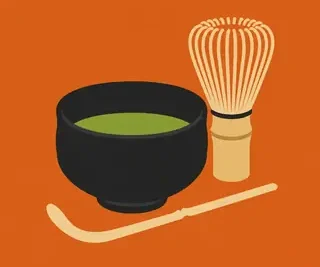 Traditional Tea Ceremony Essentials
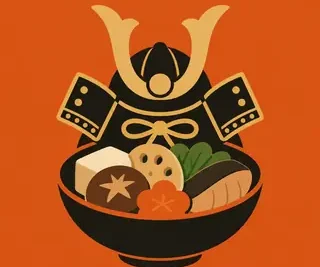 Feudal Era Dishes You Can Cook Today
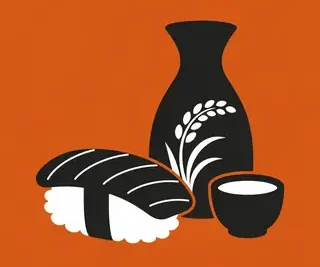 The History of Sushi and Sake
Japanese Cuisine: Food, Culture, and Culinary Traditions of Feudal Japan
Explore the rich world of Japanese cuisine through the history, customs, ingredients, and cooking methods that shaped food culture during Japan’s feudal era. From the development of sushi and sake to seasonal dishes prepared by samurai households, Buddhist temples, merchants, and farmers, this category reveals how food reflected social status, religion, trade, geography, and everyday life.
Readers will discover how traditional Japanese ingredients such as rice, miso, soy sauce, green tea, seafood, tofu, vegetables, and fermented foods became central to Japan’s culinary identity. Our expert-driven articles connect historical Japanese food traditions with practical guidance, helping you understand both the origins of classic dishes and how to recreate selected recipes at home.
Whether you are researching Japanese food history, learning about samurai-era dining, exploring the origins of sushi and sake, or preparing for a traditional tea ceremony, this guide offers reliable historical context and useful culinary insights. Discover how Japanese cuisine developed into a balance of flavor, seasonality, presentation, ritual, and mindful hospitality.
🍣 The History of Sushi and Sake
This subcategory examines the long history of sushi and sake in Japan, tracing their development from early preservation and fermentation techniques to the refined culinary traditions associated with urban centers such as Edo. Learn how rice, fish, vinegar, and fermentation shaped Japanese foodways, and how sushi changed from a practical preservation method into a celebrated cuisine.
Articles also explore sake brewing, rice cultivation, Shinto traditions, religious offerings, regional varieties, and the role of alcoholic beverages in feudal Japanese society. Readers can expect clear explanations of traditional sushi types, sake production, historical dining customs, and the cultural importance of Japanese rice wine.
🍱 Feudal Era Dishes You Can Cook Today
Discover historically inspired recipes based on the ingredients, techniques, and eating habits of Japan’s feudal period. This section explores dishes associated with samurai households, temple cuisine, rural communities, castle towns, and merchant families, while adapting them for modern kitchens.
Expect practical information about Japanese cooking methods such as simmering, grilling, steaming, pickling, and fermentation. Recipes and food guides explain ingredient substitutions, preparation techniques, seasonal produce, and the historical background of dishes such as miso soup, grilled fish, soba, tofu preparations, rice dishes, and shōjin ryōri-inspired meals.
🍵 Traditional Tea Ceremony Essentials
Learn about the ingredients, utensils, etiquette, architecture, and philosophy behind the Japanese tea ceremony. This subcategory introduces the principles of chanoyu and sadō, including harmony, respect, purity, and tranquility, while explaining how tea gatherings developed within the cultural world of feudal Japan.
Readers can explore the history of matcha, the significance of the tea room, seasonal decorations, tea bowls, bamboo utensils, wagashi sweets, and the formal procedures used by hosts and guests. These articles provide a practical foundation for understanding traditional Japanese tea ceremony customs and their continuing influence on Japanese culture.
❓ Frequently Asked Questions About Japanese Cuisine
What foods were commonly eaten in feudal Japan?
Rice was a central staple, accompanied by miso soup, pickled vegetables, seafood, tofu, seasonal plants, millet, soba, and other grains. Diet varied according to region, wealth, occupation, and religious practice. Buddhist communities often emphasized vegetarian temple cuisine, while coastal communities relied more heavily on fish and shellfish.
Did sushi exist during the feudal era?
Yes. Early forms of sushi developed from fermented fish preserved with rice. Over time, Japanese cooks introduced new methods involving vinegar-seasoned rice and fresh ingredients. By the Edo period, styles resembling modern sushi became increasingly popular, especially in the growing city of Edo, now Tokyo.
What is the difference between sake and Japanese rice wine?
Sake is a fermented beverage made primarily from rice, water, yeast, and koji mold. Although it is often called Japanese rice wine, its brewing process is distinct from winemaking. Historical sake production was closely connected to agriculture, religious ceremonies, local breweries, and regional traditions.
What is served during a traditional Japanese tea ceremony?
A tea ceremony commonly includes matcha and a small seasonal sweet known as wagashi. The emphasis is placed on presentation, hospitality, utensils, and the atmosphere of the gathering rather than on a large meal. Some formal occasions may also include a carefully arranged meal called kaiseki.
Can feudal Japanese dishes be prepared with modern ingredients?
Many historically inspired Japanese dishes can be prepared today using ingredients available in modern supermarkets. Rice, miso, tofu, soy sauce, mushrooms, seasonal vegetables, fish, and green tea remain accessible in many regions. When substitutions are necessary, the recipes should explain how to preserve the original balance of texture, seasoning, and seasonality.