
The Role of Emperors in a Shogunate: A Clash of Authority during the Kamakura Period

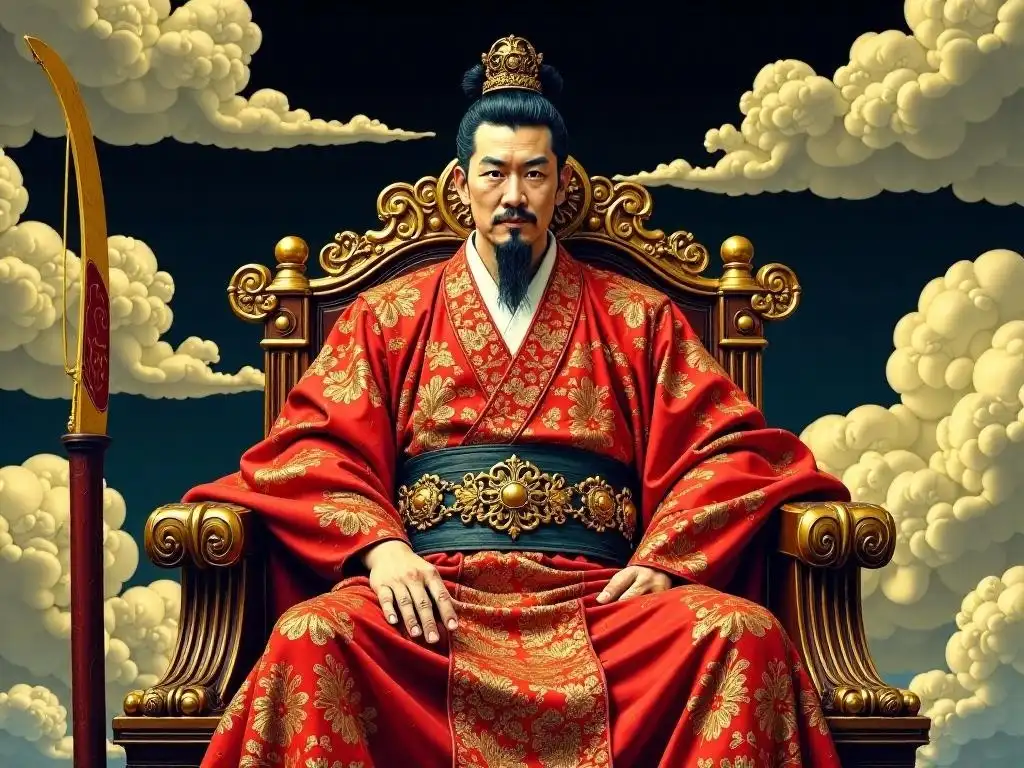
Welcome to Feudal Japan History, where the past comes alive with every click. Dive into the intricate tapestry of Japan’s feudal era, where the clash of authority between Emperors and Shoguns during the Kamakura Period shaped the nation's destiny. In our featured article, “The Role of Emperors in a Shogunate: A Clash of Authority during the Kamakura Period,” we unravel the complex dynamics that defined this pivotal time in history.
Prepare to explore the delicate balance of power, political intrigue, and the cultural shifts that arose as we guide you through an era that continues to captivate historians and enthusiasts alike. Join us on this journey and discover the stories that echo through time.
Introduction to the Kamakura Period
The Kamakura Period (1185-1333) marks a significant transformation in Japanese political history, characterized by the emergence of the shogunate—a military government that effectively altered the trajectory of imperial authority. During this era, the balance of power shifted dramatically from the emperors, who had long been considered the supreme rulers of Japan, to the shoguns, military leaders who wielded actual governance.
This article delves into the intricate and often contentious relationship between emperors and shoguns during the Kamakura Period, exploring how their conflicting claims to authority shaped the political landscape of feudal Japan. By examining the complexities of governance and the interplay of power dynamics, we can gain a deeper understanding of this pivotal chapter in Japanese history.
Overview of the Kamakura Period in Japanese History
The Kamakura Period is notable for its establishment of the first shogunate, led by Minamoto no Yoritomo after his victory in the Genpei War. This military government, based in Kamakura, marked a turning point where the samurai class rose to prominence. Socially and politically, the period was characterized by the consolidation of feudal structures, where land was held by warrior families in exchange for loyalty and military service.
Key features of the Kamakura Period include:
- Emergence of the Samurai Class: The samurai became the ruling class, with their ideals of loyalty and honor becoming central to Japanese culture.
- Establishment of the Shogunate: The shogunate system represented a departure from the previous aristocratic governance centered around the imperial court.
- Cultural Developments: The period also saw significant cultural advancements, including the spread of Zen Buddhism and the flourishing of literature and art.
Historical Context: Rise of Shogunates and Decline of Imperial Power
The rise of the shogunate during the Kamakura Period can be traced back to the decline of the imperial court's influence. Various factors contributed to this decline:
- Political Instability: The late Heian period was marked by power struggles among noble families, leading to a loss of centralized control.
- Military Conflicts: The Genpei War showcased the power of military clans, ultimately resulting in the Minamoto clan's dominance.
- Shift in Loyalty: As local power dynamics evolved, samurai began to pledge their allegiance to individual warlords (shoguns) rather than the emperor, contributing to the fragmentation of imperial authority.
Understanding the role of emperors and shoguns during the Kamakura Period requires a close examination of the concept of authority itself. This dual system of governance, where the emperor retained ceremonial significance while the shogun held practical power, created a complex political landscape.
Definition of Authority in the Kamakura Period
Authority during this period can be defined through several lenses:
- Ceremonial Authority of the Emperor: The emperor was viewed as a divine figure, holding spiritual and cultural significance, yet lacking real political power.
- Military Authority of the Shogun: The shogun exercised military and administrative control, effectively managing the country's affairs while sidelining the emperor’s role in governance.
This duality led to a unique system where authority was both shared and contested, often resulting in tensions between the two power holders.
The Dual Authority System: Emperors vs. Shoguns
The dual authority system of the Kamakura Period is best understood through their distinct roles and responsibilities:
- Emperors:
- Maintained a symbolic position as the head of state and the divine ruler.
- Engaged in religious rituals and cultural patronage, embodying the continuity of Japanese civilization.
- Shoguns:
- Governed the realm through military might, establishing laws and managing land.
- Engaged in diplomatic relations and military campaigns, with a focus on consolidating power.
This intricate relationship often led to conflict, as shoguns sought to expand their control while emperors attempted to reclaim their lost authority, setting the stage for a dramatic interplay of power that defined the Kamakura Period.
The Role of Emperors in the Kamakura Shogunate
The Kamakura Period (1185-1333) marked a significant transformation in the governance of Japan, characterized by the rise of military leaders known as shoguns. During this period, the emperors' roles evolved from being the central authority to becoming primarily symbolic figures. This shift created a unique power dynamic, where the shogunate held actual governing power while the imperial court retained ceremonial significance. Understanding the emperors' role during this time provides insight into the broader political landscape of feudal Japan.
The Emperor’s Position: Symbolism and Ceremonial Functions
In the Kamakura Period, the emperor's position was largely symbolic, serving as a figurehead rather than a ruler with direct control over the government. The emperor, residing in Kyoto, was seen as the legitimate sovereign, with divine ancestry tracing back to the sun goddess Amaterasu. Although the shogunate exercised real power, the emperor's role was crucial for maintaining the legitimacy of this authority.
Ceremonial functions remained a vital aspect of the emperor's responsibilities. Key rituals, such as the enthronement ceremony and various Shinto rituals, reinforced the emperor's sacred status within Japanese society. The emperor would perform these rites, signifying the connection between the divine and the state. However, political decisions were largely made by the shogunate, which led to a gradual erosion of the emperor's influence in governance.
Influence of the Imperial Court on Governance
While the shogunate held the reins of power, the imperial court in Kyoto continued to play a role in governance, albeit a diminished one. Members of the court often engaged in political maneuvering, attempting to influence decisions made by the shogunate. The court retained some administrative functions, particularly in matters of culture and religion.
Moreover, the imperial court's endorsement was often sought by shoguns to legitimize their rule. For example, the granting of titles and ranks to powerful samurai clans by the emperor served to solidify the shogunate's authority. This relationship was complex, as it demonstrated how the imperial court could still exert influence, even if indirectly, on the political landscape of the time.
The Rise of Shoguns: A Shift in Power Dynamics
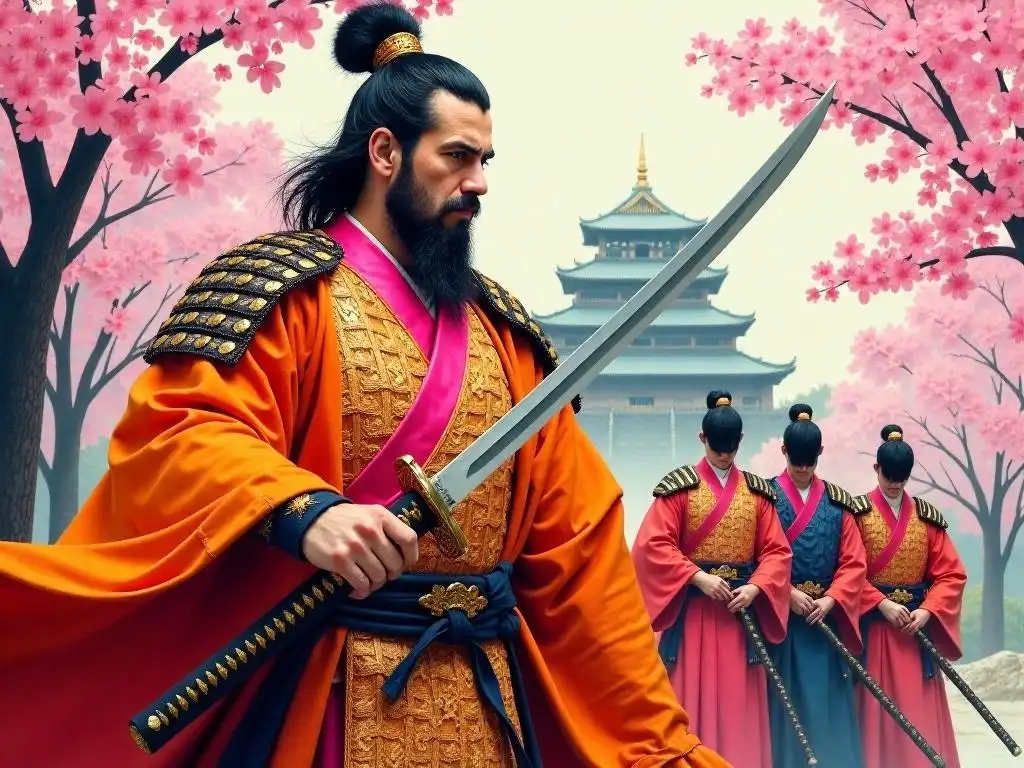
The emergence of the shogunate marked a pivotal shift in Japan's political structure. The Minamoto clan, victorious in the Genpei War, established the Kamakura Shogunate, fundamentally altering the dynamics between the emperor and military leaders. This new governance model centralized military power under the shogun, relegating the emperor to a ceremonial role.
As the shogunate took control, the balance of power shifted dramatically. The shogun, typically a powerful military leader, became the de facto ruler of Japan, exercising authority over military, administrative, and judicial matters. This change led to a new political reality where the shogun's decisions often overshadowed the emperor's will, raising questions about the legitimacy of imperial authority.
The Emergence of the Shogunate and its Impact on Imperial Authority
The establishment of the Kamakura Shogunate heralded a decline in the emperor's political power. The shogunate's rise was marked by the implementation of a feudal system, where land was granted to vassals in exchange for military service. This system created a network of loyalty that favored the shogun and his samurai over the traditional aristocracy tied to the imperial court.
The shogunate's governance structure also led to the creation of new administrative practices, further diminishing the emperor's authority. The Kamakura bakufu (shogunate) implemented laws and regulations that were largely independent of imperial oversight. Although the emperor retained a degree of authority in religious and cultural affairs, his political influence dwindled as the shogunate cemented its power.
Key Figures: Notable Shoguns and Their Relationship with the Emperor
Several shoguns during the Kamakura Period exemplified the relationship between the military and the imperial court. Minamoto no Yoritomo, the first shogun, established the foundations for shogunal rule and sought imperial legitimacy through ceremonies and titles. His administration marked the beginning of a new era where military leaders wielded power while maintaining a façade of reverence towards the emperor.
Other notable figures include Hōjō Masako and Hōjō Tokimune, who played significant roles in the governance of the shogunate. The Hōjō clan, acting as regents for the shogun, further entrenched the shogunate's authority while navigating the delicate relationship with the imperial court. Their ability to manage this dynamic showcased the balance of power that existed, where the shogunate's military might was tempered by the need for imperial legitimacy.
The Kamakura Period illustrates a fascinating interplay between emperors and shoguns, highlighting the shift in authority and the roles each played in shaping Japan's political landscape. The emperors became symbols of tradition and legitimacy, while the shoguns emerged as the true wielders of power, leading to a complex governance structure that would define feudal Japan for centuries to come.
During the Kamakura Period (1185-1333), the relationship between the emperors and shoguns was characterized by a significant clash of authority. While the emperor was seen as the ceremonial figurehead of Japan, the shogunate held the real political power. This divergence created tensions that manifested in various conflicts and resolutions throughout the period.
The most notable conflict arose from the shogunate’s usurpation of power. The emperor's authority was rooted in divine right and historical precedence, yet the shoguns, particularly Minamoto no Yoritomo, began to assert military and political dominance, which led to a struggle for legitimacy. This conflict often resulted in direct confrontations, as well as political maneuvering by both sides to consolidate their power.
Key Conflicts between Emperors and Shoguns during the Kamakura Period
Several key conflicts exemplify the tension between emperors and shoguns:
- The Kamakura Shogunate's Establishment (1185): After the Genpei War, Minamoto no Yoritomo established the Kamakura Shogunate, effectively sidelining the emperor. This marked the beginning of military governance, which conflicted with the traditional authority of the imperial court.
- The Go-Toba Incident (1221): Emperor Go-Toba attempted to reclaim power by instigating the Jokyu War against the shogunate. The conflict ended with a decisive victory for the shogunate, further solidifying its power and diminishing the emperor's influence.
- Imperial Exile (1221): Following the Jokyu War, Go-Toba was exiled, symbolizing the shogunate's complete control over political affairs. This event highlighted the fragile nature of the emperor’s authority and the lengths to which the shoguns would go to maintain dominance.
- The Restoration Attempts: Throughout the period, there were several attempts by emperors to reclaim authority, but these were consistently thwarted by the military strength and political savvy of the shogunate, illustrating a persistent cycle of conflict.
Methods of Negotiation and Compromise
Despite the ongoing conflicts, there were also instances of negotiation and compromise between emperors and shoguns. Some methods included:
- Diplomatic Marriages: Alliances through marriages between imperial and shogunal families were common strategies to secure peace and mutual respect. These alliances often helped to stabilize relations, albeit temporarily.
- Ceremonial Recognition: The shoguns would often seek the emperor's formal recognition of their authority, which, while largely ceremonial, lent legitimacy to shogunal rule. This recognition was crucial for maintaining the shogunate's image of authority.
- Shared Governance: In certain instances, the shogunate allowed the emperor to maintain ceremonial roles within the court, creating a facade of imperial authority while the shoguns exercised real power. This arrangement was a pragmatic approach that sought to minimize conflict.
The emergence of the shogunate not only shifted political dynamics but also had profound cultural implications for imperial authority. This period saw a transformation in how power was perceived and exercised.
Changes in Governance and Cultural Practices
The Kamakura Period brought about notable changes in governance and cultural practices that affected the imperial court:
- Decline of Court Culture: The emperor's court became less influential as the military class rose to prominence. The focus shifted from aristocratic culture to samurai ideals, leading to a decline in traditional courtly arts and practices.
- Emergence of Bushido: The samurai code of conduct, known as Bushido, began to shape societal values. This code emphasized loyalty, honor, and martial prowess, which contrasted with the previous Confucian ideals that had underpinned imperial governance.
- Cultural Synthesis: While the shogunate dominated, it also facilitated the blending of various cultural influences, leading to new forms of art, literature, and religious practices that often drew from both samurai and imperial traditions.
The Role of Religion and Spiritual Leadership
Religion played a crucial role in the relationship between emperors and shoguns during the Kamakura Period:
- Buddhism's Ascendancy: The rise of new Buddhist sects, such as Pure Land Buddhism, mirrored the shifts in power dynamics. These sects gained popularity among the samurai class, who sought spiritual guidance amidst the chaos of military governance.
- Shinto and Imperial Authority: The shogunate recognized the importance of Shinto as a means to maintain the emperor's divine status. Shinto rituals continued to be practiced, reinforcing the idea that the emperor retained a connection to the divine, even if his political power was diminished.
- Spiritual Legitimacy: Both emperors and shoguns leveraged religious authority to legitimize their rule. The emperor’s role as a spiritual leader was often highlighted, while shoguns would seek blessings from the imperial family to strengthen their claim to power.
The Kamakura Period was marked by a complex interplay of authority between emperors and shoguns, characterized by conflict, negotiation, cultural transformation, and the significant role of religion. These dynamics shaped not only the political landscape but also the cultural fabric of feudal Japan.
The Decline of Imperial Power in the Kamakura Period

The Kamakura Period (1185-1333) marked a significant transformation in the political landscape of Japan, where the role of the emperor shifted dramatically in favor of the emerging shogunate. This era witnessed a gradual decline in imperial authority, as the power dynamics between the emperor and the shoguns evolved. The emperor, traditionally seen as the divine ruler and the ultimate source of authority, found himself increasingly marginalized. This shift was not only a result of military dominance but also of changing societal structures and governance practices that favored the samurai class.
As the Kamakura Shogunate took control, the emperors became more symbolic figures, with their powers largely ceremonial. The shoguns, as military leaders, wielded actual political power and governance, effectively sidelining the imperial court. This transition highlighted the growing importance of military leadership in the context of feudal Japan, where loyalty and martial strength dictated authority over the traditional courtly virtues of the imperial household.
Factors Leading to the Erosion of Imperial Authority
Several key factors contributed to the erosion of imperial authority during the Kamakura Period:
- Rise of the Samurai Class: The samurai, or warrior class, emerged as a dominant force in Japanese society. With their military prowess and loyalty to their lords, they became the backbone of the shogunate, diminishing the relevance of the imperial court.
- Establishment of the Shogunate: The Kamakura Shogunate, established by Minamoto no Yoritomo, created a new political structure that centralized power in the hands of military leaders. This shift fundamentally altered the governance system, as the shoguns held real power over the emperor.
- Political Instability: The period was marked by numerous conflicts, including the Genpei War, which further destabilized the imperial court. The need for strong military leadership during these turbulent times led to a reliance on the shogunate for order and governance.
- Cultural Shifts: The feudal system that emerged emphasized loyalty and service among the samurai, which led to a cultural shift away from the divine right of the emperor. The samurai's code of conduct and their role in society overshadowed the traditional reverence for the emperor.
These factors collectively contributed to a landscape in which the emperor's political power diminished, leaving him as a figurehead rather than an active ruler.
The Legacy of the Kamakura Shogunate on Future Governance
The legacy of the Kamakura Shogunate had lasting implications for the governance of Japan. It set a precedent for future shogunates, influencing the political structure and the relationship between military and imperial authority. The establishment of the shogunate introduced a model of governance that prioritized military rule over imperial sovereignty, a theme that would recur in later periods such as the Ashikaga and Tokugawa shogunates.
Additionally, the Kamakura Period's emphasis on local governance through the system of vassalage and fiefdoms laid the groundwork for the decentralized feudal system that characterized much of Japan's history. The shogunate's reliance on loyal samurai for territorial control created a political framework that allowed for regional autonomy while maintaining allegiance to the shogunate.
The Kamakura Shogunate also influenced the cultural aspects of governance, fostering a samurai ethos that valued loyalty, honor, and martial skills. This cultural shift would resonate through subsequent generations, shaping not only political but also social and cultural norms in Japan.
Conclusion
Summary of the Relationship between Emperors and Shoguns in the Kamakura Period
The relationship between emperors and shoguns during the Kamakura Period was characterized by a complex interplay of authority and power. Initially, the emperor held a position of reverence and authority, but as the shogunate established itself, this dynamic shifted dramatically. The shoguns became the de facto rulers of Japan, while the emperors were relegated to symbolic roles. This transformation marked a pivotal point in Japanese history, as it signaled the decline of imperial power and the rise of military governance.
Reflection on the Impact of This Dynamic on Japanese Political History
The dynamic between emperors and shoguns during the Kamakura Period had profound implications for Japanese political history. It not only redefined the nature of authority and governance in Japan but also set the stage for future conflicts and power struggles between different factions.
The enduring impact of this era can be seen in the continued tension between the imperial court and military leaders throughout Japan's history, influencing political structures up to the modern era. The Kamakura Period serves as a critical chapter in understanding the evolution of governance in Japan, illustrating how shifts in power can reshape a nation's political landscape.
Further Reading and Resources
To gain a comprehensive understanding of the role of emperors and shoguns during the Kamakura Period, it is essential to explore both historical texts and contemporary analyses. The following resources provide valuable insights into the political dynamics, cultural shifts, and social changes that characterized this pivotal era in Japanese history.
Suggested Books and Articles on Emperors and Shoguns during the Kamakura Period
- "The Kamakura Period: A Historical Overview" by William Wayne Farris
- This book presents a detailed examination of the Kamakura Period, emphasizing the political structure and the relationship between the imperial court and the shogunate. Farris’ work is notable for its clear narrative style and thorough research.
- "Emperors and Shoguns: The Role of the Imperial Family in Japanese Governance" by John W. Hall
- Hall’s book delves into the intricacies of power dynamics between emperors and shoguns, with particular focus on the Kamakura Period. It provides a well-rounded view of how the emperor's authority was perceived and often undermined by the rising military leaders.
- "The Origins of the Samurai: The Kamakura Period and Beyond" by Stephen Turnbull
- This text explores the military transformations during the Kamakura Period, discussing the emergence of the samurai class and their impact on governance. Turnbull contextualizes the role of the emperor within the changing landscape of power.
- "Kamakura: A History of the Shogunate and the Emperor" by David J. Lu
- An insightful narrative that covers the dual authority of emperors and shoguns, offering a chronological account of events and decisions that shaped their interactions.
- "The Shogun's Shadow: Power and Authority in Kamakura Japan" by Richard Storry
- A critical analysis that looks into how the shogunate operated under the guise of imperial authority, this book provides a nuanced understanding of the political fabric of the time.
Online Resources for In-Depth Research on Feudal Japan
- National Diet Library of Japan Digital Collections
- This repository offers access to a wealth of primary source documents, including historical texts, manuscripts, and records from the Kamakura Period. Researchers can explore original records that highlight both imperial and shogunal perspectives.
- The Japan Times: History Section
- The Japan Times provides articles and essays that cover various aspects of Japanese history, including the Kamakura Period. This resource is beneficial for contemporary analyses and interpretations of historical events.
- Internet Archive: Historical Texts on Feudal Japan
- A vast collection of digitized books and documents related to Japanese history, the Internet Archive is an excellent resource for those looking for rare texts or out-of-print works covering the Kamakura Period.
- Kamakura Museum of National Treasures: Online Exhibitions
- This museum offers virtual tours and exhibitions focused on the Kamakura Period, showcasing artifacts that illuminate the era’s culture, governance, and societal structure.
- ResearchGate: Scholarly Articles on Japanese History
- A platform for academic papers and studies, ResearchGate features scholarly articles that provide in-depth analyses on the governance during the Kamakura Period, including the roles of emperors and shoguns.
By utilizing these resources, readers can deepen their understanding of the complex relationship between emperors and shoguns during the Kamakura Period, revealing the nuances of authority and governance in feudal Japan.
- Introduction to the Kamakura Period
- The Concept of Authority in Feudal Japan
- The Role of Emperors in the Kamakura Shogunate
- The Rise of Shoguns: A Shift in Power Dynamics
- The Clash of Authority: Conflicts and Resolutions
- The Cultural Impact of the Shogunate on Imperial Authority
- The Decline of Imperial Power in the Kamakura Period
- Conclusion
- Further Reading and Resources
- What was the significance of the Kamakura Period in Japanese history?
- Who were the main Emperors during the Kamakura Period?
- How did the shoguns influence the authority of the Emperors?
- What role did the samurai play in the dynamics between Emperors and shoguns?
- What were the cultural implications of the power struggle between Emperors and shoguns?
Frequently Asked Questions
What was the significance of the Kamakura Period in Japanese history?
The Kamakura Period (1185-1333) marked the rise of the shogunate system, where military leaders, or shoguns, gained power, leading to a shift in control from the Emperor to the warriors.
Who were the main Emperors during the Kamakura Period?
During the Kamakura Period, notable emperors included Emperor Go-Toba and Emperor Go-Daigo, whose reigns were marked by struggles for power against the shogunate.
The shoguns established a military government that often overshadowed the Emperors, leading to a clash of authority as they exercised real political power while the Emperors remained largely ceremonial figures.
What role did the samurai play in the dynamics between Emperors and shoguns?
The samurai were crucial in supporting the shogunate, maintaining the shogun's power and enforcing their authority, which diminished the Emperor's influence during the Kamakura Period.
What were the cultural implications of the power struggle between Emperors and shoguns?
The power struggle led to significant cultural shifts, including the development of samurai culture and the emergence of Zen Buddhism, which were influenced by the new social structure under the shogunate.
The intricate relationship between emperors and shoguns during the Kamakura Period remains profoundly relevant today, as it illustrates the complexities of power dynamics in governance. The struggle for authority between these two figures not only shaped Japan's medieval history but also serves as a mirror reflecting the ongoing tensions between different power structures in contemporary society. Understanding this historical clash allows us to appreciate how leadership and legitimacy are negotiated, a theme that resonates in various political landscapes around the world.
Cultural and social influences from the Kamakura Period continue to permeate modern Japan, reminding us of the delicate balance between tradition and authority. The legacy of shogunate rule and the emperor's symbolic presence still evoke discussions about leadership and identity in Japanese society. As historian John W. Hall once noted, The history of Japan is a history of power struggles, where the lines between authority and legitimacy are constantly redrawn.
This observation underscores the ongoing relevance of the emperor-shogun dynamic, as it reflects broader themes of governance and societal values that continue to evolve.
As we reflect on the lessons from the Kamakura Period, let us consider how the balance of power influences our own lives and communities. I invite you to explore your understanding of authority—whether in your personal relationships, workplaces, or civic engagements. By recognizing the historical precedents set during this pivotal time, we can better navigate our own roles within the structures of power that shape our world today. Embrace the complexities of authority and strive for a deeper understanding of how we can contribute to a more equitable and harmonious society.
Unveil the Secrets of Power in Feudal Japan!
Thank you for diving into the fascinating dynamics of authority during the Kamakura Period! Your interest in the clash between emperors and shoguns is a vital step in unraveling the complexities of feudal society. Now that you’ve explored the pivotal roles they played, it’s time to take action!
Here are some engaging ways to deepen your understanding and connect with others who share your passion:
- Join a discussion group focused on feudal Japanese history to exchange insights and theories about the influence of emperors and shoguns.
- Share this article with friends or fellow history enthusiasts to spark conversations about how power struggles shape societies today.
- Explore additional articles on our site to broaden your knowledge of various periods in Japanese history.
What aspect of the emperors' authority intrigues you the most, and how do you think it compares to modern governance?