
The World of the Geisha: Ebooks that Dive into the Lives of Feudal Japan's Icons

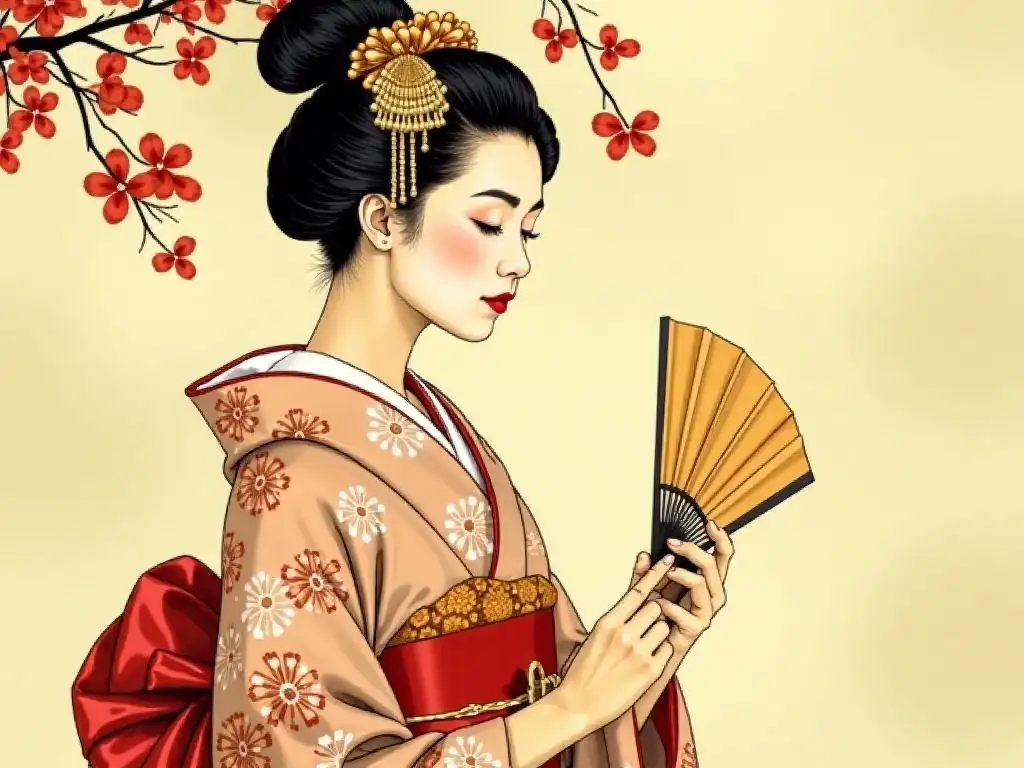
Welcome to Feudal Japan History, where we invite you to embark on an intriguing journey through the fascinating tapestry of Japan's feudal era. Our focus today is on the “Geisha history in feudal Japan,” a captivating subject that unveils the lives of these iconic figures who blended art, elegance, and cultural significance amidst the complexities of their time. Dive into our expertly curated ebooks that illuminate the enchanting world of the geisha, and discover how they shaped and reflected the societal norms of their era. Curiosity awaits—read on to uncover the secrets and stories behind these remarkable women!
Japan’s feudal era is a captivating period marked by social hierarchy, cultural richness, and the intriguing lives of its inhabitants. Among these iconic figures are the geishas, whose grace, artistry, and mystique have fascinated people for centuries.
This article aims to explore the profound history of geishas during feudal Japan through a curated selection of ebooks that delve into their unique roles in society, the arts they mastered, and the cultural significance they held. By understanding the geisha history in feudal Japan, readers can gain insight into a world where tradition and artistry thrived, despite the rigid social structures of the time.
Introduction to Geisha History in Feudal Japan
The term "geisha" literally means "artist" in Japanese, and these women were trained to entertain through various traditional arts, such as music, dance, and tea ceremonies. The origins of geisha can be traced back to the Edo period (1603-1868), a time characterized by peace and stability that allowed culture to flourish. Initially, geishas were male entertainers, known as "taikomochi", but as the demand for female performers grew, the landscape began to change.
Geishas played a vital role in the entertainment districts, particularly in cities like Kyoto and Edo (modern-day Tokyo). These districts were centers of culture and commerce, where wealthy patrons sought not only companionship but also cultural enrichment. The geisha's training was rigorous, often beginning at a young age, and included learning various art forms, etiquette, and even the subtle nuances of conversation.
As the role of the geisha evolved, they became symbols of refinement and sophistication. Their distinct attire, characterized by elaborate kimono and intricate hairstyles, further cemented their status in the cultural fabric of feudal Japan.
The Evolution of Geisha: A Historical Perspective
The historical trajectory of the geisha is marked by significant changes that reflect broader societal shifts in feudal Japan.
- Early Beginnings:
- The first known geishas appeared in the Edo period, emerging from the ranks of courtesans and entertainers.
- They initially gained popularity for their performances in teahouses, captivating audiences with their skills.
- The Golden Age:
- The late Edo period saw the rise of geishas as cultural icons, with a focus on the arts such as shamisen playing, dancing, and singing.
- Notable figures like Yoshinaga and Kikuhana became celebrated names, marking a high point in geisha culture.
- Decline and Resurgence:
- The advent of modernity in the Meiji era (1868-1912) brought challenges, as Western influences began to reshape Japanese society.
- Despite the decline in traditional practices, efforts were made to preserve the geisha's legacy, leading to a resurgence in interest during the 20th century.
- Contemporary Relevance:
- Today, geishas continue to be revered as custodians of Japanese culture, embodying the spirit of feudal Japan's artistic heritage.
- Modern interpretations in literature, film, and digital products, including ebooks, allow new generations to explore their fascinating history.
The world of geishas in feudal Japan is a tapestry woven with artistry, tradition, and resilience. Through the exploration of dedicated ebooks, readers can embark on a journey that illuminates the lives and contributions of these remarkable women, gaining a deeper appreciation for their enduring legacy in Japanese culture.
Exploring the Lives of Geisha through Ebooks
Ebooks have transformed the way we access and engage with history, offering a convenient and immersive platform to explore the intricate world of geisha in feudal Japan. These digital resources provide readers with a range of perspectives, from historical accounts to personal narratives, allowing for a more nuanced understanding of the lives of these iconic figures.
The narrative of a geisha is not just one of art and entertainment; it intertwines with the socio-political fabric of Japan during the feudal era. Ebooks dedicated to geisha history often delve into topics such as the rigorous training that young girls underwent in okiya (geisha houses), the cultural rituals they practiced, and the complex relationships they maintained with patrons and society at large. Through well-researched content, these ebooks illuminate how geisha navigated their roles within a patriarchal society while simultaneously becoming symbols of beauty and grace.
Moreover, ebooks also incorporate visual elements, such as illustrations and photographs, which enhance the storytelling experience. This multi-faceted approach helps readers to better appreciate the aesthetic and cultural significance of the geisha, providing an immersive learning experience that traditional print books may lack.
Recommended Ebooks on Geisha History in Feudal Japan
-
"Geisha: A Life" by Mineko Iwasaki
This autobiography offers an insider's perspective on the life of one of Japan's most famous geishas. Iwasaki shares her experiences, shedding light on the traditions, challenges, and triumphs faced by geisha.
-
"The Geisha of Gion" by John D. W. Wakan
This ebook explores the historical context of Gion, one of the most famous geisha districts in Kyoto. It delves into the cultural practices, economic factors, and personal stories of geisha that have shaped this iconic area.
-
"Geisha: The Secret History of Japan's Female Artists" by Liza Dalby
Liza Dalby, an anthropologist who lived as a geisha, provides a scholarly yet accessible look at the evolution of geisha culture, examining the artistic forms they mastered and their roles in Japanese society.
-
"The World of Geisha" by Richard S. A. Hinton
This ebook offers a comprehensive overview of the geisha phenomenon, including the various styles of geisha, their performances, and their impact on Japanese culture throughout history.
-
"Geisha: The Art of Beauty" by Yuki Arai
Focusing on the aesthetic aspect of geisha life, this ebook showcases the art of makeup, kimono dressing, and the overall presentation of geisha, revealing how these elements contribute to their allure.
The Cultural Significance of Geisha in Feudal Japan
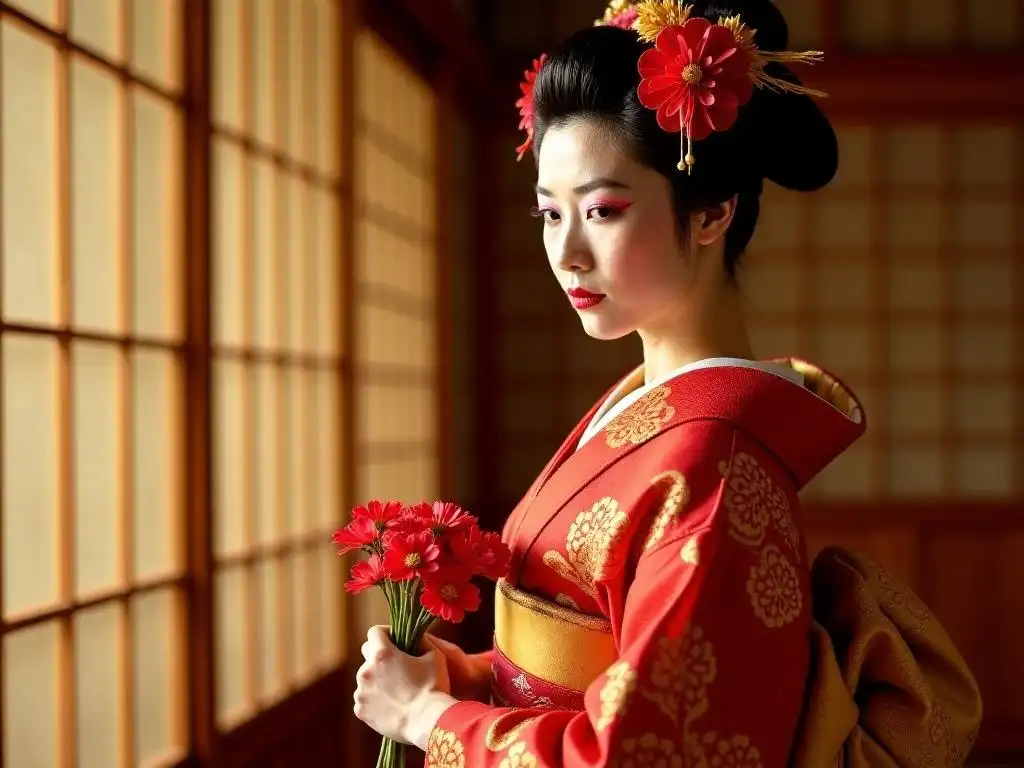
The geisha holds a unique position in the cultural history of feudal Japan, representing not only artistic sophistication but also the intersection of tradition and modernity. Originating from the late 18th century, geisha emerged as entertainers who provided companionship through conversation, music, and dance. Their influence transcended mere entertainment; they became cultural icons, embodying the values of grace, refinement, and social etiquette that were paramount in feudal society.
Geisha were skilled in various traditional arts, including shamisen (a three-stringed musical instrument), calligraphy, and tea ceremony, making them vital contributors to Japan’s cultural heritage. They played a prominent role in the flourishing arts scene of the time, and their performances were often intertwined with the seasonal festivals and local traditions, thus enriching the cultural tapestry of their communities.
Furthermore, the geisha's relationship with their patrons—often wealthy merchants and aristocrats—reflected the social hierarchies of feudal Japan. While they occupied a position that was inherently subordinate, their allure and the respect they commanded within their artistic domains allowed them to wield a unique form of influence. This duality of vulnerability and power makes the study of geisha a fascinating exploration of gender dynamics in historical Japan.
Understanding the Art Forms Associated with Geisha
The art forms associated with geisha are integral to understanding their cultural significance. These skilled women are not merely entertainers; they are artists who devote years to perfecting their crafts. The primary art forms include:
- Dance (Odori): Geisha performances often feature traditional Japanese dance, which is characterized by graceful movements and elaborate gestures that tell a story. Each dance has specific meanings and is often tied to seasonal themes or historical narratives.
- Music: Mastery of the shamisen is crucial for geisha, as they accompany their dances with this traditional instrument. The music serves to enhance the mood of performances and is a reflection of the emotional nuances of the stories being told.
- Tea Ceremony (Chanoyu): The tea ceremony is a significant part of a geisha's training. This ritual emphasizes the art of hospitality, aesthetic appreciation, and mindfulness. Geisha are trained to perform this delicate art form, which highlights their attention to detail and grace.
- Kimono Dressing: The ability to wear and style a kimono is an art in itself. The choice of fabric, colors, and accessories reflects not only personal style but also social status and occasion, making it a vital aspect of a geisha's identity.
Understanding these art forms provides deeper insight into the lives of geisha, revealing how they contribute to and preserve Japan's rich cultural heritage while navigating the complexities of their roles in society.
Myths and Realities of Geisha in Feudal Japan
The world of geisha in feudal Japan is often shrouded in myths and misconceptions that have persisted through the ages. A common myth is that geisha were courtesans or prostitutes; however, this is far from the truth. Geisha, or "geiko" in Kyoto dialect, were skilled entertainers trained in the arts of music, dance, and conversation. Their primary role was to entertain guests in teahouses and at social gatherings, showcasing their talents rather than providing sexual services.
Another prevalent myth is that all geisha wore the same style of kimono and makeup. In reality, the attire and appearance of a geisha varied significantly depending on their age, experience, and the season. Younger geisha, for instance, would typically wear more vibrant colors and elaborate styles, while more experienced ones favored subtler hues and simpler designs. The iconic white makeup, characterized by its starkness, was not a uniform but rather a reflection of a geisha's individual style and the expectations of her particular clientele.
Furthermore, many believe that geisha lived in isolation, detached from the modern world. In truth, while their profession required a certain level of seclusion, many geisha were well-educated and engaged with the cultural and social currents of their time. They were often seen as cultural ambassadors, participating in various traditional arts and preserving Japan's rich heritage.
How to Choose the Best Ebooks on Geisha History
Selecting the right ebooks on geisha history can significantly enhance your understanding of these fascinating figures in feudal Japan. With a plethora of resources available, readers should consider several key aspects to ensure they choose quality material that accurately reflects the complexities of geisha life and culture.
Key Factors to Consider
- Author Credentials: Look for ebooks written by authors who specialize in Japanese history, culture, or the arts. Expertise in the subject matter can lend credibility to the insights and narratives presented within the book.
- Research and Sources: Assess the bibliography or references cited in the ebook. A well-researched book should draw from historical documents, interviews, and other credible sources to provide a comprehensive view of geisha history.
- Cultural Context: Choose ebooks that place geisha within the broader context of Japanese society and culture during the feudal era. Understanding the societal norms and historical events of the time can provide valuable insights into the lives of geisha.
- Narrative Style: Consider whether you prefer a scholarly approach or a more narrative-driven style. Some ebooks may focus on academic analysis, while others might tell the stories of individual geisha, making the subject matter more relatable and engaging.
- Reader Reviews and Ratings: Before purchasing an ebook, check reader reviews and ratings. Feedback from previous readers can provide a sense of the book's quality, readability, and overall value.
By considering these factors, readers can navigate the vast landscape of ebooks on geisha history and select those that will enrich their understanding of these iconic figures in feudal Japan.
The Impact of Geisha on Modern Japanese Culture
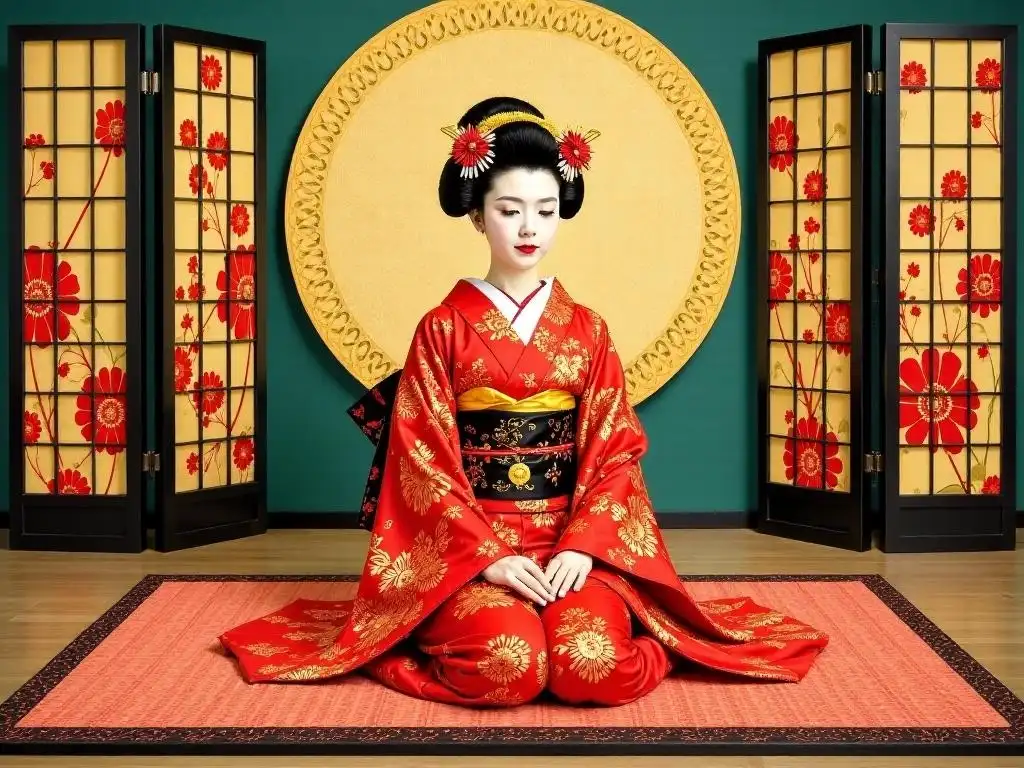
The influence of geisha on modern Japanese culture is profound and multifaceted. While the traditional role of geisha as entertainers has evolved, their legacy persists in various forms of Japanese art, fashion, and societal norms. Today, geisha are often viewed as cultural icons, symbolizing grace, beauty, and the intricate arts of Japan.
One significant aspect of their impact is seen in the realm of popular culture. Geisha have inspired numerous films, novels, and television shows, showcasing their unique lifestyle and artistic talents. Works like "Memoirs of a Geisha" have brought global attention to the art of geisha, sparking interest in their history and cultural significance. This representation has led to a resurgence of interest in traditional Japanese arts such as tea ceremonies, ikebana (flower arranging), and traditional music, all of which are integral to the geisha experience.
Moreover, the aesthetic elements associated with geisha—such as kimono styles, elaborate hairstyles, and the art of makeup—continue to influence contemporary fashion designers. Events like kimono fashion shows often draw inspiration from geisha attire, blending tradition with modern trends. This interplay between the past and present not only preserves the cultural heritage but also adapts it for future generations.
Additionally, geisha have played a role in promoting tourism in Japan. Cities like Kyoto, where traditional geisha districts still thrive, attract visitors eager to experience this unique aspect of Japanese culture. The preservation of geisha traditions has become a point of pride for many Japanese people, fostering a deeper appreciation for their cultural identity.
Conclusion: Embracing the Rich History of Geisha
The history of geisha in feudal Japan is a tapestry woven with artistry, resilience, and cultural significance. From their origins in the 18th century as entertainers to their status today as revered cultural symbols, geisha have navigated the tides of change while preserving their unique traditions. Understanding their history invites us to explore the complexities of Japanese society, gender roles, and the evolution of cultural practices.
Embracing the rich history of geisha allows us to appreciate not just the aesthetic beauty they embody but also the stories and struggles behind their lives. The art forms they practice, such as music, dance, and conversation, are not merely entertainment; they are reflections of the cultural values and societal norms of their time. By studying these elements, we gain insights into the broader historical context of Japan, enriching our understanding of its feudal era.
As we look towards the future, the legacy of geisha continues to inspire new generations. Through literature, art, and cultural discourse, the tales of their lives serve as a bridge connecting the past with the present. This ongoing dialogue ensures that the essence of geisha culture will endure, captivating hearts and minds for years to come.
Call to Action: Start Your Journey into Geisha History
Are you ready to delve deeper into the mesmerizing world of geisha? Whether you're a history enthusiast or simply curious about one of Japan's most iconic cultural figures, there are numerous ebooks available that provide in-depth insights into their lives, traditions, and impact on society.
- Explore the lives of prominent geisha: Discover personal stories that highlight their artistry and influence.
- Understand the cultural significance: Learn about the rituals and practices that define geisha culture.
- Engage with expert analyses: Read works that contextualize geisha within the broader historical narrative of Japan.
Take the first step on your journey into the rich tapestry of geisha history in feudal Japan. Start exploring today! Your adventure into this captivating world awaits, offering a unique perspective on a timeless aspect of Japanese culture.
- Introduction to Geisha History in Feudal Japan
- The Evolution of Geisha: A Historical Perspective
- Exploring the Lives of Geisha through Ebooks
- The Cultural Significance of Geisha in Feudal Japan
- Myths and Realities of Geisha in Feudal Japan
- How to Choose the Best Ebooks on Geisha History
- The Impact of Geisha on Modern Japanese Culture
- Conclusion: Embracing the Rich History of Geisha
- Call to Action: Start Your Journey into Geisha History
- What is the historical significance of geishas in feudal Japan?
- How did the geisha profession evolve over time?
- What are some common misconceptions about geishas?
- How can one learn more about the lives of geishas in feudal Japan?
- What aspects of geisha culture are explored in the recommended ebooks?
Frequently Asked Questions
What is the historical significance of geishas in feudal Japan?
Geishas played a crucial role in entertaining and preserving cultural traditions during feudal Japan, serving as artists, musicians, and conversationalists in high society.
How did the geisha profession evolve over time?
The geisha profession evolved from the earlier "ojiya" entertainers in the 18th century, developing into a unique cultural institution by the late 19th century, emphasizing artistry and refinement.
What are some common misconceptions about geishas?
Many people mistakenly believe that geishas are synonymous with prostitution; however, they are primarily trained in performing arts and cultural entertainment, emphasizing sophistication and skill.
How can one learn more about the lives of geishas in feudal Japan?
Books and ebooks focusing on geisha history in feudal Japan offer valuable insights, exploring their daily lives, training, and cultural impact during this era.
What aspects of geisha culture are explored in the recommended ebooks?
The recommended ebooks delve into various aspects of geisha culture, including their training, performances, attire, and the societal role they played in Japan's feudal society.
Final Reflection: Embracing the Legacy of Geisha History in Feudal Japan
The intricate world of the geisha continues to resonate with us today, as it embodies a unique blend of artistry, cultural heritage, and resilience. In an era where globalization often overshadows local traditions, the stories of these iconic figures remind us of the importance of preserving cultural identities. The geisha's journey through feudal Japan is not just a historical account; it serves as a powerful testament to the enduring spirit of women who navigated societal constraints with grace and creativity.
Cultural narratives surrounding the geisha have significantly shaped our understanding of gender roles and artistry in society. Their lives, filled with both beauty and struggle, reflect a broader commentary on the complexities of tradition and modernity. As we delve into their stories, we uncover layers of meaning that challenge our perceptions and inspire us to appreciate the richness of diverse cultures. The geisha is not just a performer; she is a keeper of history and a symbol of cultural resilience.
As we reflect on the lessons from the geisha's world, let us be inspired to seek out and celebrate the stories that define our own cultures. I invite you to explore the depths of your heritage, to engage with the narratives that shape your identity, and to honor the artistry that surrounds you. In doing so, we not only preserve the legacies of the past but also empower ourselves to create a future that values diversity and creativity. Embrace the spirit of the geisha, and let it guide you in your journey of cultural exploration and personal growth.
Unveil the Enigmatic World of Geishas!
Thank you for taking the time to explore the captivating lives of geishas in feudal Japan! You've discovered the unique blend of art, culture, and history that allows us to connect with these remarkable icons. Now, it’s time to immerse yourself even deeper into their world.
Here’s how you can continue your journey:
- Dive into literature: Explore insightful books about geishas that deepen your understanding of this fascinating culture.
- Share your discoveries: Discuss your newfound knowledge with friends or engage with online communities focused on Japanese history—your insights could spark meaningful conversations!
- Join a local or online workshop: Engage with traditional Japanese arts by participating in classes that teach skills such as calligraphy, tea ceremonies, or kimono wearing.
What aspect of the geisha's life intrigues you the most, and how do you think it reflects the rich culture of feudal Japan?