
From Brush to Canvas: Essential Tools for Japanese Calligraphy

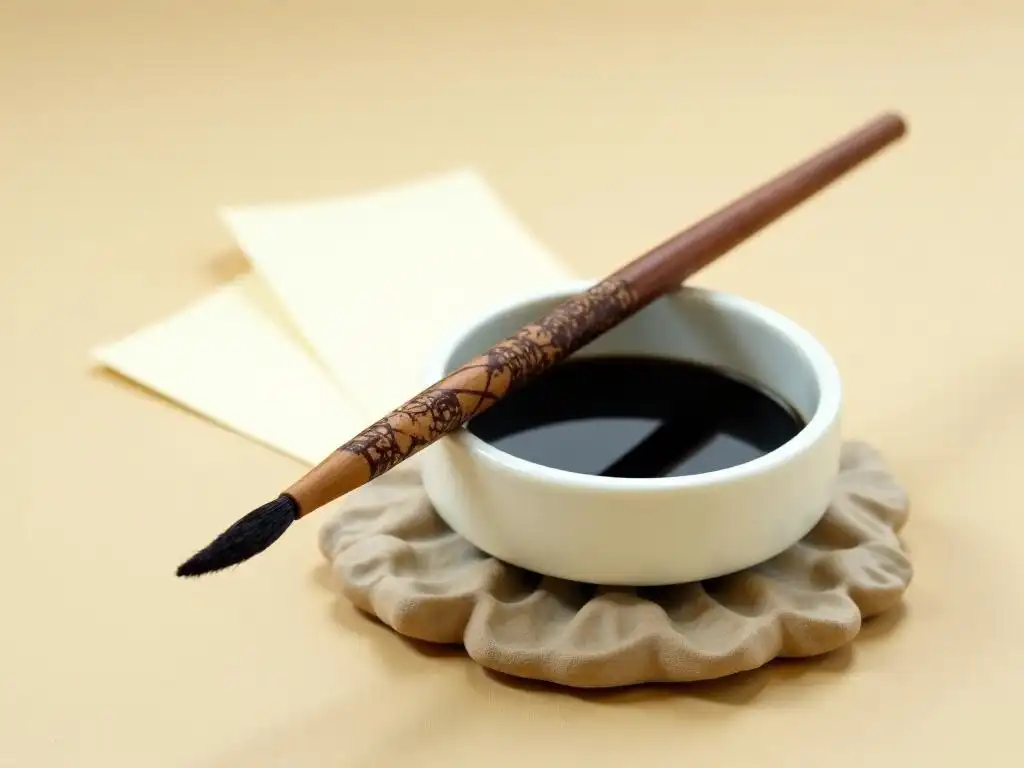
Welcome to Feudal Japan History, where we invite you to embark on a captivating journey through the rich tapestry of Japan's feudal era. Our in-depth exploration shines a spotlight on the intricate art of Japanese calligraphy, guiding you through the essential tools that breathe life into this timeless craft. Are you ready to discover the brushes, inks, and papers that have shaped generations of artists? Dive into our article, "From Brush to Canvas: Essential Tools for Japanese Calligraphy," and unlock the secrets behind each stroke. The world of Japanese calligraphy awaits—let your curiosity lead the way!
- Introduction to Japanese Calligraphy Tools Guide
- Essential Tools for Japanese Calligraphy
- Understanding the Uses of Each Tool
- Additional Tools for Japanese Calligraphy
- Maintenance and Care for Japanese Calligraphy Tools
- Conclusion: Mastering Japanese Calligraphy with the Right Tools
- Call-to-Action: Where to Buy Japanese Calligraphy Tools
- Frequently Asked Questions
- Final Reflection: Embracing the Art of Japanese Calligraphy
- Unleash Your Inner Artist Today!
Introduction to Japanese Calligraphy Tools Guide
Japanese calligraphy, known as Shodo, is an ancient art form that transcends mere writing; it is a profound expression of culture, philosophy, and aesthetics. Within the realm of Feudal Japan, this elegant discipline flourished, with artists meticulously crafting characters that not only conveyed meaning but also embodied beauty and emotion. In this comprehensive guide, we will delve into the essential tools that define the practice of Japanese calligraphy.
Understanding these tools is crucial for both beginners and seasoned calligraphers, as they directly influence the quality and style of the work produced. Whether you aspire to create delicate characters or bold strokes, having the right equipment is foundational to your artistic journey. Join us as we explore the intricacies of these tools and their significance in the enchanting world of Japanese calligraphy.
Understanding the Art of Japanese Calligraphy
Japanese calligraphy is more than just an artistic endeavor; it is a spiritual practice that emphasizes mindfulness and discipline. The art form has evolved over centuries, drawing influences from Chinese calligraphy while developing its unique characteristics. At the core of Shodo lies the balance of line, form, and space, which together create a harmonious composition.
Here are key aspects to understand about this art form:
- Character Forms: Each brushstroke is a representation of the calligrapher's inner self, with the flow and style reflecting their emotions and intentions.
- Historical Significance: During the feudal era, calligraphy was not only a means of communication but also a reflection of one's social status and education. Mastery of this art was esteemed among samurai and scholars alike.
- Philosophical Depth: Calligraphy often incorporates Zen principles, encouraging practitioners to find tranquility and focus through the rhythmic motions of the brush.
Importance of Quality Tools in Calligraphy
The tools used in Japanese calligraphy are as vital as the techniques themselves, as they significantly impact the outcome of the artwork. High-quality materials can enhance the calligrapher's ability to express their vision effectively. Here are some reasons why investing in quality tools is essential:
- Precision and Control: Quality brushes, inks, and papers allow for greater precision in stroke creation. A well-crafted brush can hold ink better and provide a smoother application.
- Durability: Investing in durable tools means they can withstand the rigors of practice without degrading in performance. This longevity is particularly important for artists who practice frequently.
- Aesthetic Appeal: The right tools can produce more vibrant and consistent results, contributing to the overall beauty of the finished piece. The texture and color of the ink, combined with the type of paper, play crucial roles in the visual impact of the calligraphy.
Understanding the essential tools of Japanese calligraphy is foundational for anyone looking to delve into this exquisite art form. Quality tools not only enhance the technical aspects of calligraphy but also enrich the artistic experience, allowing for deeper expression and connection to the craft. Embrace the journey of mastering Shodo with the right equipment at your side.
Essential Tools for Japanese Calligraphy
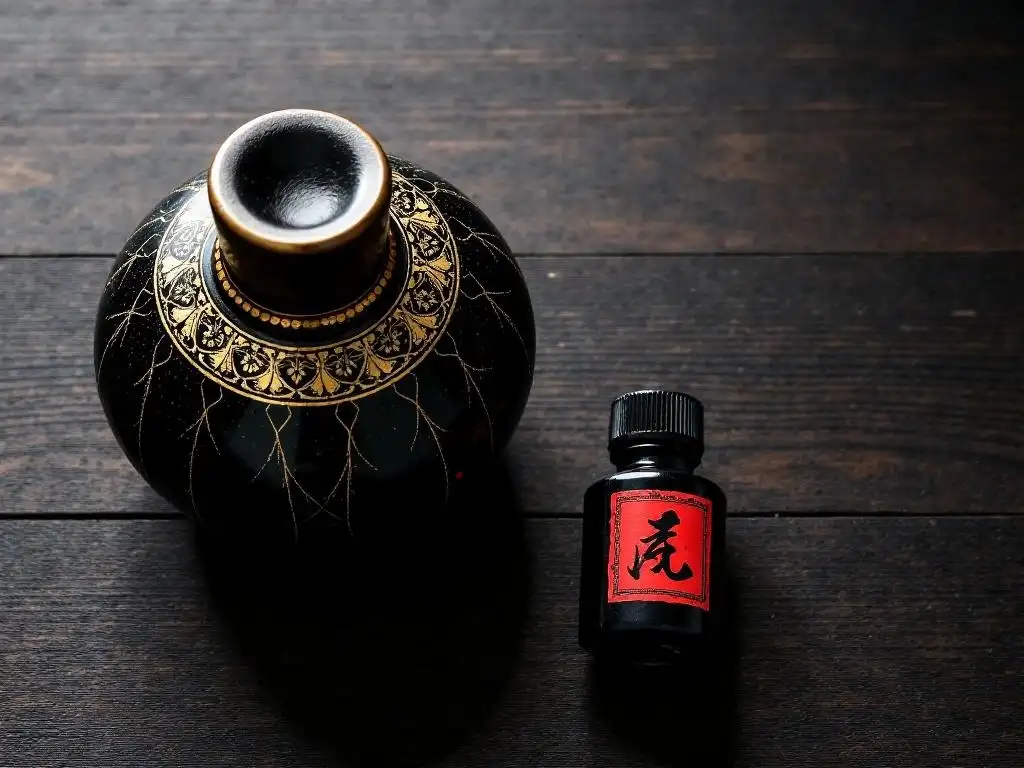
1. Calligraphy Brushes (Fude)
Calligraphy brushes, known as fude (筆), are fundamental tools in the art of Japanese calligraphy. These brushes are crafted with precision to allow for various strokes and styles, making them indispensable for both beginners and experienced calligraphers. The quality and type of brush can significantly affect the outcome of the artwork, thus understanding the distinctions among them is crucial.
Types of Fude: Soft vs. Hard Brushes
When selecting a fude, one of the primary considerations is the brush's softness or hardness, which influences the brush's flexibility and the type of lines it produces:
- Soft Brushes: These brushes are made with softer bristles, such as weasel or goat hair, and are ideal for creating fluid, expressive strokes. They hold more ink and can produce broader lines, making them suitable for larger characters and more dynamic expressions.
- Hard Brushes: Hard brushes typically use stiff fibers, such as horsehair. They are excellent for precision work, allowing for fine lines and detailed characters. These brushes are favored for smaller, intricate writings and can produce sharp, defined edges.
Choosing between soft and hard brushes depends on the desired style and technique of the calligrapher.
Recommended Brands: Kuretake and Pentel
For those looking to invest in high-quality calligraphy brushes, two brands stand out:
- Kuretake: Known for their professional-grade brushes, Kuretake offers a range of fude that caters to various skill levels. Their brushes are celebrated for their durability and ability to hold ink effectively, making them a favorite among seasoned calligraphers.
- Pentel: Pentel has also made a name for itself with its innovative brush products. The Pentel Arts Fude Brush is particularly popular for its unique design that allows for both fine and bold strokes, catering to diverse artistic expressions.
Both brands provide excellent options to explore the nuances of Japanese calligraphy.
2. Japanese Ink (Sumi)
The ink used in Japanese calligraphy, known as sumi (墨), is another critical tool that contributes to the art's beauty and expressiveness. The choice between different types of ink can affect the overall aesthetic and feel of the calligraphy.
Types of Sumi: Liquid vs. Solid Ink
There are primarily two forms of sumi that artists can choose from:
- Liquid Ink: This type of ink is ready to use straight from the bottle, making it a convenient option for those who want to start calligraphy without the preparation associated with solid ink. Liquid inks can vary in viscosity and richness, allowing artists to select based on their desired outcomes.
- Solid Ink: Traditionally, solid sumi comes in ink sticks that must be ground on an ink stone with water to produce the desired consistency. This process is not only a ritual but also allows for greater control over the ink's thickness and opacity, enhancing the calligrapher's connection to the art form.
Best Ink Choices: Aitoh and Yasutomo
For quality sumi, consider these reputable brands:
- Aitoh: Aitoh's ink products are known for their smooth application and rich black color. They offer both liquid and solid options, catering to various preferences and techniques.
- Yasutomo: Yasutomo is renowned for its traditional sumi sticks, which are favored by many calligraphy artists for their exceptional quality. The brand also provides liquid inks that maintain the depth and richness of traditional sumi.
These brands ensure that artists have access to high-quality materials that will elevate their calligraphy practice.
3. Rice Paper (Washi)
Washi, or Japanese rice paper, plays a pivotal role in the art of Japanese calligraphy. Renowned for its unique texture and durability, washi is crafted from the fibers of the mulberry tree and other plants, providing an ideal surface for brush strokes. The delicate yet resilient nature of washi allows ink to absorb beautifully, enhancing the overall aesthetic of the calligraphy. Whether you are a beginner or an expert, selecting the right type of washi paper can significantly impact your calligraphy experience.
Characteristics of Quality Washi Paper
When choosing washi paper for calligraphy, several key characteristics come into play:
- Texture: High-quality washi features a subtle texture that allows for smooth ink flow. The texture should provide enough grip for the brush, allowing for control while still enabling fluid brush movements.
- Absorbency: A good washi paper absorbs ink without bleeding, ensuring that the strokes remain crisp and well-defined. This property is crucial for achieving the delicate lines that characterize traditional Japanese calligraphy.
- Thickness: The thickness of washi can vary, but for calligraphy, a medium weight is generally preferred. This balance helps prevent tearing while still being thin enough to showcase the beauty of the strokes.
- Color: While traditional washi is often white or off-white, the color of the paper can affect the overall look of the finished piece. Higher-quality washi maintains its color integrity when ink is applied.
- Durability: Quality washi is not only designed for one-time use; it can be preserved for longer periods without significant degradation, making it suitable for artworks meant to be displayed.
Top Picks for Calligraphy Paper: Tsubaki and Awagami
For those looking to find the best rice paper for their calligraphy projects, two standout options are Tsubaki and Awagami.
- Tsubaki Washi
- Description: Made from 100% mulberry fibers, Tsubaki washi features a fine texture that complements various ink types. It is known for its excellent absorbency and ability to showcase intricate brushwork.
- Ideal for: Beginners and professionals alike, particularly for projects requiring fine detail and precision.
- Awagami Washi
- Description: Awagami is celebrated for its high quality and variety. This paper comes in multiple weights and textures, making it versatile for different calligraphy styles. Its smooth finish allows for a seamless flow of ink, resulting in elegant strokes.
- Ideal for: Advanced calligraphers who wish to experiment with different techniques and styles, as well as for creating more elaborate works.
By selecting the right washi paper, calligraphers can enhance their artistry and bring their creative visions to life. Each type of paper offers unique benefits, so it's worth exploring different options to find the one that best fits your personal style and technique.
Understanding the Uses of Each Tool
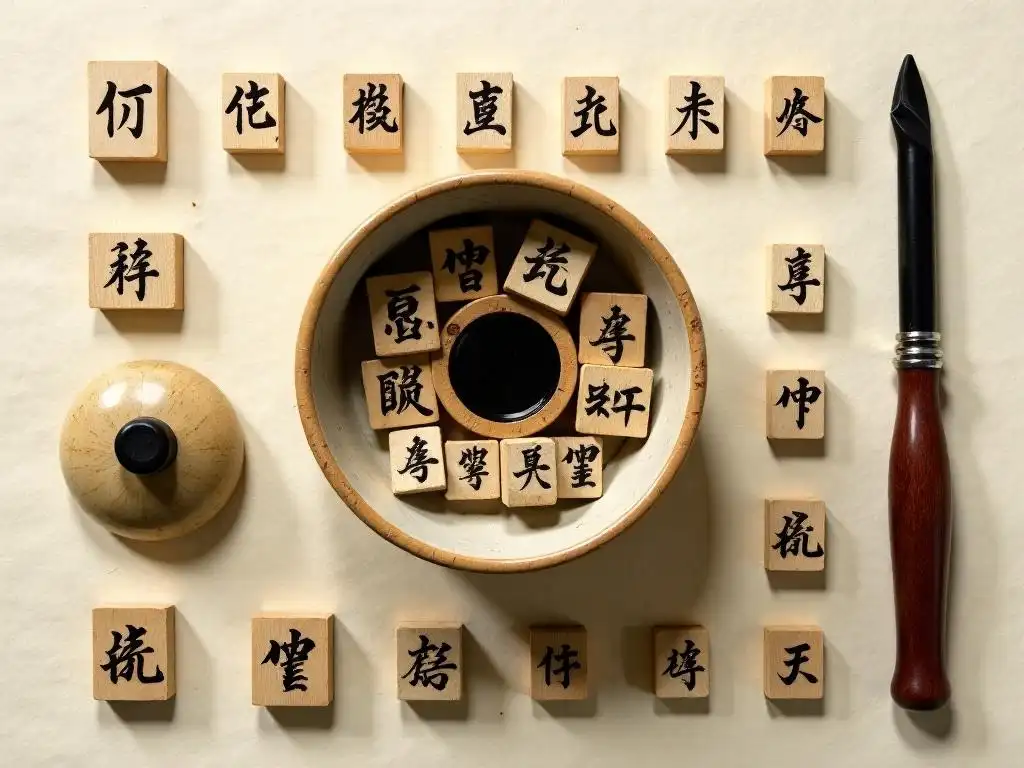
In Japanese calligraphy, also known as "shodo," the tools used play a pivotal role in defining both the technique and the outcome of the artwork. Understanding the specific uses of each tool can greatly enhance the quality of your calligraphy practice and result in more aesthetically pleasing pieces.
How to Choose the Right Brush for Your Style
Selecting the appropriate brush is crucial for achieving the desired style in Japanese calligraphy. Brushes come in various shapes, sizes, and materials, each influencing the strokes you can create. Here’s a guide to help you choose:
- Types of Brushes:
- Fude: Traditional calligraphy brushes made from animal hair (e.g., weasel, goat) or synthetic fibers. Fude are versatile, allowing for both fine and broad strokes.
- Sumi-e Brushes: Specifically designed for ink wash painting, these brushes can also be used in calligraphy for softer lines and gradients.
- Sizes:
- Small Brushes: Ideal for intricate characters or detailed work.
- Medium Brushes: Versatile for general calligraphy use.
- Large Brushes: Best for bold strokes and larger characters.
- Hair Types:
- Soft Hair: Provides flexibility and is suitable for expressive strokes.
- Stiff Hair: Offers precision and is better for controlled, sharp lines.
When selecting a brush, consider your personal style and the characters you wish to practice. For example, if you lean towards more expressive styles, a softer brush may suit you better, while a stiffer brush might be ideal for more structured forms.
Ink Selection: How It Affects Your Calligraphy
Ink is another essential element in the realm of Japanese calligraphy. The choice of ink can dramatically influence the texture, depth, and overall appearance of your work.
- Types of Ink:
- Sumi Ink: Traditional and made from soot, offering rich black tones and a range of textures. It can be purchased in liquid form or as ink sticks, which require grinding on an ink stone.
- Colored Inks: Available for those looking to create vibrant pieces, colored inks can add a unique flair but may require different techniques.
- Ink Consistency:
- Thicker Ink: Produces bold, dark lines but may require more pressure.
- Thinner Ink: Allows for delicate strokes and variations in line thickness.
When selecting ink, consider the effect you want to achieve. For classic pieces, sumi ink is often preferred due to its depth and richness. However, experimenting with different inks can lead to exciting results and a personal touch in your calligraphy practice.
Paper Matters: Why Washi Is Preferred
The choice of paper is equally important in Japanese calligraphy, as it can significantly impact the flow of ink and the final appearance of your work. Washi is the traditional paper of choice, known for its unique qualities.
- Characteristics of Washi:
- Texture: Washi has a distinctive texture that allows ink to flow smoothly, creating beautiful strokes without bleeding.
- Absorbency: It absorbs ink well, allowing for sharp lines and preventing smudging.
- Durability: Washi is typically stronger and more resistant to tearing, making it ideal for calligraphy practice and finished pieces.
- Types of Washi:
- Kozo: Made from mulberry bark, known for its strength and flexibility.
- Gampi: A more delicate paper that offers a unique finish, ideal for finer calligraphy.
When engaging in Japanese calligraphy, using the right paper can elevate your work from ordinary to extraordinary. Experimenting with various types of washi can help you discover which best suits your style and technique.
Understanding the specific uses and characteristics of each tool in Japanese calligraphy is fundamental. By carefully selecting your brush, ink, and paper, you can enhance your skills and create stunning works of art that reflect the beauty and tradition of shodo.
Additional Tools for Japanese Calligraphy
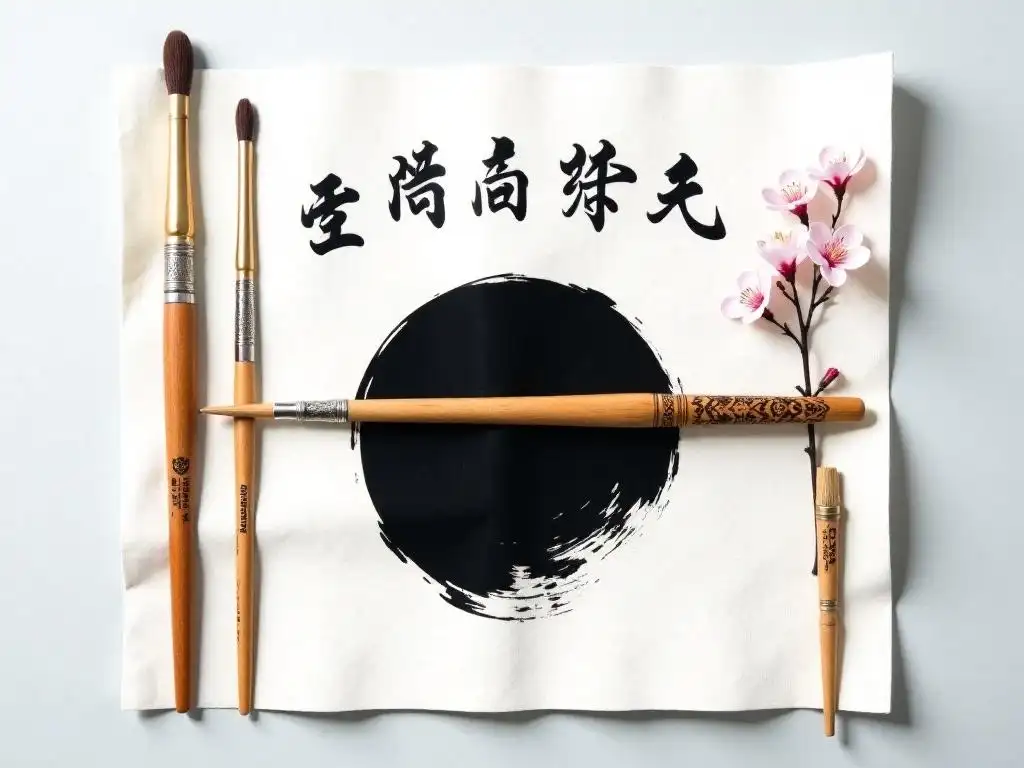
Japanese calligraphy is an intricate art form that requires not only skill and practice but also the right tools to achieve the desired results. While brushes and ink are often highlighted, there are several additional tools that play crucial roles in the process. This section will explore two essential tools: calligraphy stones (suzuri) and calligraphy holders (fudeoki), detailing their functionalities and benefits.
1. Calligraphy Stones (Suzuri)
Functionality and Importance in Calligraphy
Calligraphy stones, known as suzuri, are flat stones used to grind and prepare ink for Japanese calligraphy. Traditionally made from a variety of materials such as granite or slate, these stones are integral to the calligraphy process for several reasons:
- Ink Preparation: The primary function of a suzuri is to provide a surface for grinding solid ink sticks (sumi) into liquid ink. This process is essential as it allows the calligrapher to control the consistency and intensity of the ink.
- Surface Texture: The texture of the stone influences the quality of the ink produced. A finely textured suzuri can create a smoother ink, while a coarser surface may yield a thicker consistency.
- Durability: Suzuri are designed to withstand the wear and tear of repeated grinding, making them a long-lasting investment for calligraphers.
Using a suzuri not only enhances the quality of the ink but also adds a tactile dimension to the calligraphy process. The act of grinding ink can be meditative, allowing the artist to connect with the materials and prepare mentally for the artwork.
2. Calligraphy Holders (Fudeoki)
Benefits of Using Holders for Stability
Calligraphy holders, or fudeoki, are essential tools that provide stability and comfort during the writing process. These holders come in various designs and materials, each offering unique advantages:
- Improved Control: Fudeoki allows for better grip and control of the brush, which is especially important for achieving precision in strokes. This stability is crucial for executing delicate and intricate characters.
- Reduced Hand Fatigue: Traditional calligraphy can be physically demanding. Using a holder helps to alleviate stress on the hand, allowing artists to write for longer periods without discomfort.
- Variety of Designs: Holders are available in numerous styles, ranging from simple to ornate, allowing artists to select a tool that not only feels comfortable but also complements their personal aesthetic.
Incorporating a calligraphy holder into the practice can significantly enhance the overall experience and results of Japanese calligraphy. By providing the necessary support and reducing fatigue, fudeoki enables artists to focus on their creativity and technique.
While brushes and ink are fundamental to Japanese calligraphy, tools like calligraphy stones (suzuri) and calligraphy holders (fudeoki) play pivotal roles in enhancing the quality of the work and the artist's experience. By understanding and utilizing these additional tools, practitioners of Japanese calligraphy can elevate their craft to new heights.
3. Practice Books and Resources
When diving into the world of Japanese calligraphy, practice books and resources can significantly enhance your skills. These materials not only provide foundational techniques but also inspire creativity through various styles and examples. Below are some essential guides that every aspiring calligrapher should consider adding to their collection.
Recommended Guides: "The Art of Japanese Calligraphy" and "Japanese Calligraphy: The Art of Line and Form"
-
The Art of Japanese Calligraphy
This comprehensive guide explores the historical and cultural significance of Japanese calligraphy, offering insights into its evolution over time. The book features:
- Detailed Illustrations: Each section contains high-quality images that demonstrate various strokes and styles, helping readers visualize the techniques.
- Step-by-Step Exercises: Designed for all skill levels, this book includes practice exercises that gradually increase in complexity, allowing learners to build confidence and proficiency.
- Cultural Context: Understanding the cultural nuances behind calligraphy can deepen one's appreciation for the art. This book provides context, explaining how different calligraphic styles reflect historical and social changes.
-
Japanese Calligraphy: The Art of Line and Form
This title focuses on the aesthetic principles of Japanese calligraphy, emphasizing the importance of line and form. Key features include:
- In-Depth Analysis of Styles: The book covers various calligraphic styles, from traditional to modern, offering insights into the techniques and philosophies behind each.
- Practical Tips for Improvement: Readers will find valuable advice on posture, grip, and ink application, which are crucial for mastering the art.
- Inspiring Examples: The guide showcases works from renowned calligraphers, providing inspiration and showcasing the beauty of the craft.
Both of these resources are invaluable for anyone looking to deepen their understanding and practice of Japanese calligraphy. By investing time in these books, practitioners can cultivate their skills and develop a richer appreciation for this exquisite art form.
Maintenance and Care for Japanese Calligraphy Tools
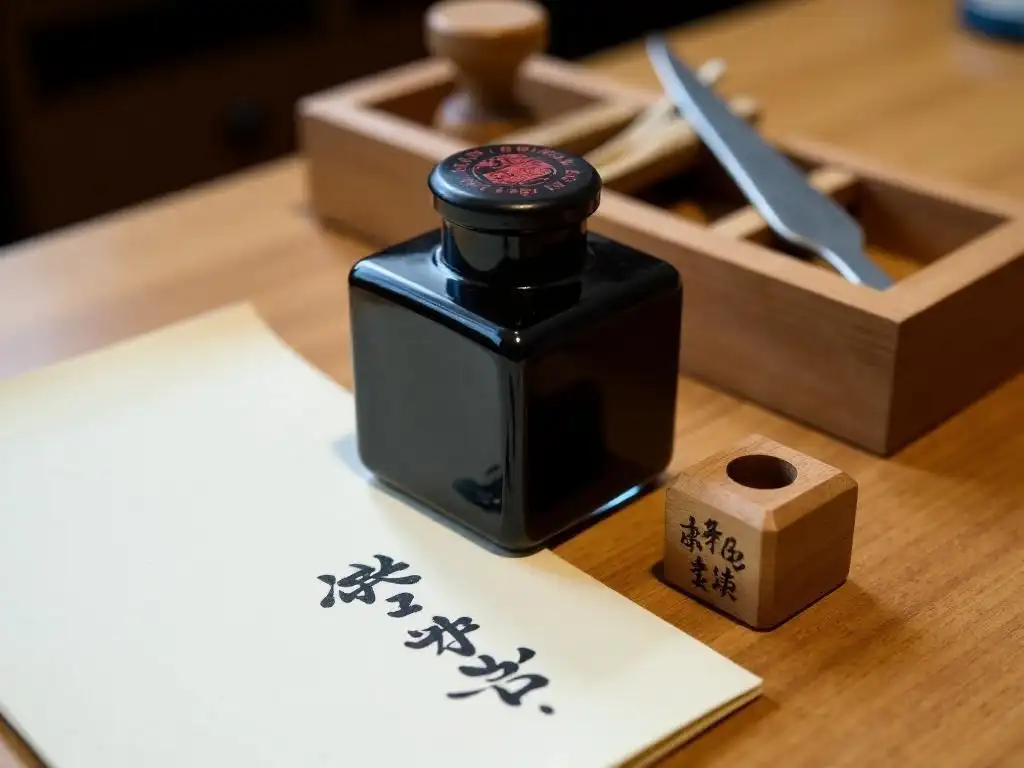
Maintaining and caring for your Japanese calligraphy tools is essential for preserving their quality and longevity. Proper care not only enhances the performance of your tools but also ensures that your calligraphy practice remains enjoyable and productive. Below, we explore key practices for keeping your brushes, ink, and paper in optimal condition.
Tips for Cleaning Your Brushes
Cleaning your brushes after each use is crucial to maintaining their shape and flexibility. Here are some effective tips to ensure your brushes last longer:
- Immediate Rinse: After using your brush, rinse it immediately in clean water. This prevents ink from drying and hardening on the bristles.
- Gentle Cleaning: Use a soft cloth or your fingers to gently clean the bristles. Avoid using harsh detergents, as they can damage the delicate fibers.
- Shape Retention: After rinsing, reshape the bristles to their original form. This helps maintain their precision for future use.
- Drying Techniques:
- Hanging Dry: Hang your brushes vertically with the bristles pointing down to avoid water pooling in the ferrule.
- Flat Drying: Alternatively, lay them flat on a clean towel to dry.
- Regular Deep Cleaning: Every few weeks, perform a deeper clean using a mixture of mild soap and water. Rinse thoroughly and reshape before drying.
By following these steps, you can ensure that your brushes remain in excellent condition, allowing for smooth and precise strokes in your calligraphy work.
Storing Your Ink and Paper Properly
Proper storage of your ink and paper is just as important as maintaining your brushes. Here are some guidelines to keep your materials in top shape:
- Ink Storage:
- Sealed Containers: Always store your ink in tightly sealed containers to prevent evaporation and contamination.
- Cool Environment: Keep your ink in a cool, dark place, away from direct sunlight, which can alter its consistency and color.
- Paper Care:
- Flat Storage: Store your calligraphy paper flat to avoid creases and wrinkles. Use a protective folder or a drawer to keep it safe.
- Humidity Control: Ensure that your storage area has a stable humidity level, as excessive moisture can cause paper to warp or mold.
- Avoiding Contamination:
- Clean Hands: Always handle your ink and paper with clean hands to prevent smudges and stains.
- Separate Sections: If possible, store different types of ink and paper separately to avoid cross-contamination of materials.
By adopting these maintenance and storage practices, you will extend the life of your Japanese calligraphy tools, allowing you to create beautiful works of art for years to come.
Conclusion: Mastering Japanese Calligraphy with the Right Tools
Mastering Japanese calligraphy is an intricate journey that deeply intertwines the artist's skill with the quality of the tools used. To fully realize the beauty and elegance of this ancient art form, one must invest time not only in learning the techniques but also in understanding the essential tools that shape the outcome. The proper selection of brushes, inks, and paper can significantly enhance the fluidity and precision of strokes, leading to a more fulfilling and aesthetically pleasing result.
The Impact of Quality Tools on Your Calligraphy Journey
The quality of your Japanese calligraphy tools can drastically influence your artistic expression. Here are some key points to consider:
- Brushes: The type of brush you choose will affect the texture and flow of your writing. Traditional brushes, made from animal hair, offer varying levels of stiffness and absorbency. For instance:
- Horse Hair Brushes: Great for fluid strokes and soft lines.
- Wolf Hair Brushes: Ideal for precision and detailed work.
- Weasel Hair Brushes: Known for their resilience and ability to hold ink.
- Inks: Sumi ink, a staple in Japanese calligraphy, comes in various grades. The richness of the ink will impact your work significantly. Quality sumi ink can provide deeper blacks and a more vibrant finish, enhancing the visual impact of your characters.
- Paper: The texture and absorbency of the paper are vital. Traditional washi paper is favored for its unique texture, which can respond beautifully to ink, allowing for varied stroke thicknesses and graceful transitions. Different types of washi, such as Kozo or Gampi, can yield distinct effects on your calligraphy.
Choosing high-quality tools not only elevates the craftsmanship of your work but also nurtures your growth as an artist. The better your tools, the more effortlessly you can express your creativity, allowing you to focus on mastering the techniques of Japanese calligraphy.
Encouragement to Explore and Practice
As you delve deeper into the world of Japanese calligraphy, remember that the journey is as important as the destination. Each stroke is an opportunity to express your thoughts and emotions, and the tools you use can help facilitate that expression.
- Practice Regularly: Consistency is key in developing your skills. Set aside time each day to practice, experimenting with different brushes and techniques.
- Join a Community: Engaging with fellow calligraphy enthusiasts can provide motivation and inspiration. Sharing your work and receiving feedback can significantly enhance your learning experience.
- Explore Different Styles: Japanese calligraphy encompasses various styles, from Kaisho (block style) to Gyosho (semi-cursive) and Sosho (cursive). Experimenting with these styles can broaden your skillset and enrich your artistic expression.
Ultimately, the path to mastering Japanese calligraphy is a personal and rewarding journey. Embrace the process, invest in quality tools, and allow your creativity to flourish as you explore this beautiful art form. 🌸
Call-to-Action: Where to Buy Japanese Calligraphy Tools
To embark on your journey into the art of Japanese calligraphy, having the right tools at your disposal is essential. Below, we provide information on where to purchase high-quality Japanese calligraphy tools, ensuring you have everything you need to create beautiful works of art.
Links to Purchase Recommended Tools
Online Stores: JetPens and Amazon
When it comes to acquiring Japanese calligraphy tools, two highly recommended online retailers stand out:
-
JetPens
JetPens is well-known for its extensive selection of Japanese stationery and art supplies. They offer a variety of calligraphy tools, including:
- Brush Pens: A range of brush pens that mimic traditional calligraphy brushes.
- Inks: Specialized calligraphy inks that are ideal for various styles.
- Paper: High-quality rice and calligraphy paper that enhances the writing experience.
To explore their offerings, visit JetPens .
-
Amazon
Amazon provides a vast marketplace for all types of Japanese calligraphy tools. Here, you can find:
- Traditional Brushes: Authentic brushes made from natural materials.
- Calligraphy Sets: Comprehensive sets that include brushes, inks, and paper.
- Accessories: Items like ink stones and brush holders to complete your setup.
Browse through the selection at Amazon .
By sourcing your tools from these reputable online stores, you can be assured of the quality and authenticity needed to master the art of Japanese calligraphy. Happy writing!
Frequently Asked Questions
What are the essential tools for Japanese calligraphy?
The essential tools for Japanese calligraphy include a brush, ink stone, ink, paper, and seal. Each tool plays a significant role in mastering the art form.
How does the quality of tools affect calligraphy?
The quality of tools significantly influences the final outcome of the artwork. Using high-quality brushes and paper enhances the flow and precision of strokes.
Can beginners start with basic tools for Japanese calligraphy?
Yes, beginners can start with basic tools. It is recommended to choose affordable options before investing in higher-end materials as skills develop.
What is the importance of the ink stone in calligraphy?
The ink stone is crucial for grinding ink sticks to produce a smooth, rich ink. This ensures the ink consistency needed for a fluid writing experience.
Where can I learn more about Japanese calligraphy techniques?
For more detailed information, consider exploring in-depth articles on Japanese calligraphy techniques, available in the Feudal Japan History website.
Final Reflection: Embracing the Art of Japanese Calligraphy
In a world increasingly dominated by technology and rapid communication, the art of Japanese calligraphy remains a profound reminder of the beauty found in patience and precision. The tools we explored in this article—each brush, ink, and paper—are not merely instruments; they are gateways to a rich cultural heritage that invites us to slow down and appreciate the artistry in every stroke. As we navigate our fast-paced lives, the practice of Japanese calligraphy offers a unique opportunity to reconnect with our creativity and mindfulness.
The influence of Japanese calligraphy extends beyond the confines of art; it permeates our cultural and social landscapes, fostering a deeper appreciation for tradition and craftsmanship. This ancient practice encourages us to embrace the imperfections that come with learning and growth. Art is not what you see, but what you make others see.
– Edgar Degas. This quote encapsulates the essence of calligraphy, reminding us that through our own artistic expressions, we can evoke emotions and thoughts in others, bridging gaps between generations and cultures.
As you reflect on the insights shared in this article, I invite you to pick up a brush and immerse yourself in the world of Japanese calligraphy. Consider how this practice can enrich your life, offering a moment of tranquility amidst chaos. Whether you are a seasoned artist or a curious beginner, let the tools of calligraphy guide you on a journey of self-discovery and expression. Embrace the art, and allow it to inspire you to create your own narrative, one stroke at a time.
Unleash Your Inner Artist Today!
Thank you for immersing yourself in the art of Japanese calligraphy with us! We hope you’ve found inspiration and valuable insights into the essential tools that can elevate your practice. Now, it's time to put that knowledge into action!
Here are some ways to get started on your calligraphy journey:
- Purchase your own calligraphy tools: Invest in quality brushes, ink, and paper—explore local art supply stores or reputable online retailers that focus on traditional Japanese calligraphy.
- Join a local class or community group: Connect with other enthusiasts who share your passion for calligraphy, and learn from experienced artists in a collaborative environment.
- Share your progress: Post pictures of your calligraphy creations on social media and engage with others in the community by using relevant hashtags.
As you embark on this journey, consider this: What unique style or character do you want to express through your calligraphy? We can’t wait to hear your thoughts and see your creations!