
The Rise and Fall of the Samurai Class: A Journey Through Feudal Japan's Elite

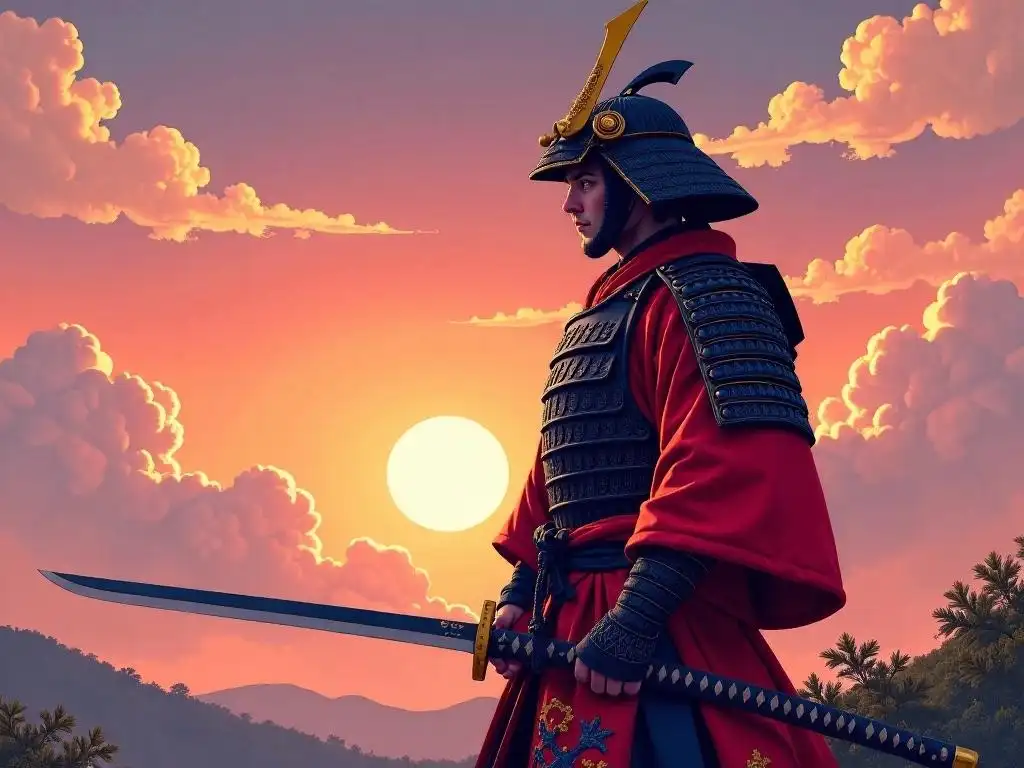
Welcome to Feudal Japan History, where we invite you to embark on a captivating journey through the rich tapestry of Japan's feudal era. In our featured article, “The Rise and Fall of the Samurai Class: A Journey Through Feudal Japan's Elite,” we delve into the intriguing dynamics of the samurai class in feudal Japan—a story of honor, power, and societal transformation. What led these elite warriors to both rise to unmatched heights and ultimately face their decline?
As you explore the depths of our content, prepare to uncover the complex layers of history, culture, and society that shaped this remarkable period. Your adventure into the heart of feudal Japan begins now!
-
The Rise and Fall of the Samurai Class in Feudal Japan: A Journey Through Feudal Japan's Elite
- Introduction to the Samurai Class in Feudal Japan
- The Rise of the Samurai Class
- The Cultural Significance of the Samurai Class
- The Political Power of the Samurai
- The Decline of the Samurai Class
- The Legacy of the Samurai Class in Modern Japan
- Conclusion: The Enduring Impact of the Samurai Class in Feudal Japan
- Reflection on the Samurai's Role in Social History
- The Importance of Understanding the Samurai Legacy
- References and Further Reading on the Samurai Class in Feudal Japan
- Frequently Asked Questions
- Final Reflection: The Enduring Legacy of the Samurai Class
- Embark on Your Own Samurai Journey Today!
The Rise and Fall of the Samurai Class in Feudal Japan: A Journey Through Feudal Japan's Elite
The samurai class, one of the most iconic symbols of Japan's feudal era, represents a profound shift in the nation's social structure, culture, and military organization. This elite warrior class not only shaped Japan’s historical narrative but also influenced its cultural identity, values, and societal norms. Their rise marked the beginning of a new social hierarchy in the Heian period, while their eventual decline signaled significant changes in Japan’s political landscape.
In this article, we will delve into the intricate world of the samurai, exploring their origins, their ascent to power, and the factors that led to their eventual fall. By understanding the samurai class in feudal Japan, we gain a clearer view of how their legacy continues to resonate in contemporary Japanese culture.
Introduction to the Samurai Class in Feudal Japan
The samurai class was not merely a group of warriors; they embodied a complex social structure intertwined with the political and cultural fabric of Japan. Originally emerging from the need for local defense during the Heian period, samurai evolved into a formidable military elite, serving powerful feudal lords known as daimyōs. Their existence was marked by a strict code of conduct known as Bushidō, which emphasized loyalty, honor, and martial prowess. This code not only governed their behavior on the battlefield but also shaped their interactions with society, reinforcing their status as noble warriors.
Definition and Origins of the Samurai Class
The term "samurai" translates to "those who serve," reflecting their role as retainers to powerful lords. The genesis of the samurai can be traced back to the Heian period (794-1185), a time characterized by a mix of aristocratic culture and emerging warrior classes. As political instability grew, local landowners began to hire armed retainers to protect their interests, thus laying the groundwork for the samurai class. Over time, these warriors developed a distinct identity, adopting unique customs and philosophies that would define their way of life.
Historical Context of Feudal Japan
The backdrop of feudal Japan was one of constant conflict and power struggles. Following the Heian period, the country experienced a series of civil wars and regional conflicts, culminating in the Genpei War (1180-1185) between the Taira and Minamoto clans. This period of unrest created fertile ground for the samurai to rise to prominence, as they became instrumental in the military strategies of the emerging shogunates. Understanding this historical context is vital to comprehending the evolution of the samurai class and their role in shaping Japan's socio-political landscape.
The Rise of the Samurai Class
The ascent of the samurai class can be seen through various pivotal moments in Japanese history, reflecting their growing influence and the consolidation of power among feudal lords.
Early Beginnings of the Samurai in the Heian Period
During the early Heian period, the samurai class began to take shape, primarily as local warriors defending their territories. As the imperial court became increasingly detached from the realities of provincial governance, the samurai filled the power vacuum, gaining control over local affairs. This era saw the establishment of the first warrior families, who would later dominate the political landscape of Japan.
The Role of Samurai in the Kamakura Shogunate
The establishment of the Kamakura Shogunate in 1192 marked a turning point for the samurai class. Under the leadership of Minamoto no Yoritomo, the samurai were not only recognized as the ruling elite but also tasked with maintaining order and governance throughout Japan. This period solidified the samurai's role as both warriors and administrators, as they were granted land and the authority to rule over their domains, reinforcing their status in the feudal hierarchy.
Feudal Loyalties: Samurai and Their Lords
The relationship between samurai and their lords was built on mutual obligation and loyalty. Samurai pledged their service to a daimyō in exchange for land, protection, and status. This feudal loyalty was paramount, as it defined the samurai's purpose and identity. The bonds formed were often deeply personal, leading to a culture of loyalty that would become legendary, with stories of samurai sacrificing their lives for their lords becoming central to Japan's historical narrative.
By examining these aspects, we can gain insight into the complexities of the samurai class in feudal Japan and how their influence shaped the course of Japanese history.
The Cultural Significance of the Samurai Class
The samurai class in feudal Japan holds a prominent place not only in the annals of history but also in the cultural identity of Japan. As the warrior elite, samurai were not merely soldiers; they embodied a complex set of ideals, values, and cultural practices that influenced many aspects of Japanese life. Their significance extends beyond the battlefield and into the realms of art, philosophy, and social structure.
The samurai's role was deeply intertwined with the concept of honor, loyalty, and duty, which permeated Japanese culture. This cultural significance is seen in various forms of art, literature, and even in the traditional practices that continue to influence Japanese society today. The samurai's legacy is preserved in theater, such as Noh and Kabuki, and in literature through the tales of their heroism, moral dilemmas, and the tragic elements of their existence.
Additionally, the samurai class contributed to the development of specific cultural practices, such as the tea ceremony and flower arranging, which reflected their aesthetic sensibilities and philosophical beliefs. Overall, the samurai class serves as a cornerstone of Japan's cultural heritage, symbolizing a unique blend of martial prowess and artistic refinement.
Code of Bushido: Principles and Values
At the heart of the samurai's identity was the Code of Bushido, a set of ethical principles that guided their behavior and decisions. The term "Bushido" translates to "the way of the warrior," encapsulating the samurai's commitment to virtues such as loyalty, honor, bravery, and self-discipline. This code was not merely a guideline for combat but an entire way of life that shaped the samurai's relationships with their lords, peers, and society at large.
The principles of Bushido emphasized loyalty to one's lord, which often required personal sacrifice and unwavering support, even in the face of death. Honor was paramount, leading samurai to uphold their reputation and that of their family. The value of bravery was also central; samurai were expected to face danger without fear.
Moreover, Bushido incorporated elements of Zen Buddhism, which introduced a focus on mindfulness and the acceptance of death. This blend of martial and spiritual values created a unique warrior ethos that defined the samurai experience in feudal Japan. The enduring influence of Bushido is evident in modern Japanese culture, as its principles continue to resonate in various aspects of life, including business ethics and personal conduct.
The Samurai's Role in Arts and Culture
The samurai's influence extended well beyond the battlefield, significantly shaping Japan's arts and culture. As patrons of the arts, samurai supported various cultural expressions such as painting, poetry, and theater, leading to a rich cultural landscape during the feudal era. Their engagement with the arts was often driven by the same values they upheld in warfare, such as discipline and dedication.
One notable aspect of this cultural influence is the development of Japanese calligraphy and ink painting. Samurai often practiced these art forms, viewing them as a means of self-expression and a way to cultivate inner peace. The aesthetics of simplicity and nature in these artworks reflect the samurai's appreciation for beauty and the transience of life.
Additionally, samurai played a significant role in the tea ceremony, a ritual that embodied principles of mindfulness and harmony. The ceremony became a space for samurai to demonstrate their social status and cultural sophistication while fostering connections with others.
The samurai's contributions to literature are also noteworthy, with the creation of epic tales that celebrated their valor and moral complexities. This literary legacy has had a lasting impact on Japanese storytelling traditions, influencing contemporary literature and film.
Influence of Zen Buddhism on Samurai Ideals
Zen Buddhism's impact on the samurai class cannot be overstated. Introduced to Japan in the 12th century, Zen philosophy resonated deeply with samurai ideals, offering a framework for understanding life, death, and the nature of existence. The emphasis on mindfulness, meditation, and the acceptance of impermanence aligned closely with the samurai's experiences on the battlefield.
Through Zen practices, samurai learned to cultivate mental clarity and emotional resilience, enabling them to face combat with composure and focus. This mental discipline was crucial in a society where the stakes of battle were often life or death. The principles of Zen encouraged samurai to detach from the fear of dying, thereby enhancing their effectiveness as warriors.
Moreover, Zen's influence is evident in the arts, particularly in the aforementioned tea ceremony, where the focus on simplicity and presence mirrors Zen teachings. The spiritual aspects of Zen also contributed to the samurai's pursuit of personal growth and self-understanding, framing their martial training as a path toward spiritual enlightenment.
The Political Power of the Samurai
The samurai class was not only a military power but also a significant political force in feudal Japan. As the country evolved through various periods of turmoil and change, samurai wielded considerable influence over governance and societal structures. Their political power was manifested through their roles in shogunal governance and regional administration.
Samurai in Shogunal Governance
The samurai's political power was epitomized in their involvement in the shogunate, the military government that ruled Japan during much of the feudal period. Shoguns, who were often the most powerful samurai leaders, effectively controlled the country, while the emperor remained a symbolic figure. The samurai served as the backbone of the shogunate, holding positions as military commanders, administrators, and local leaders.
The relationship between samurai and the shogunate was characterized by a feudal system where loyalty and service were exchanged for land and status. Samurai were granted stewardships over territories, allowing them to manage resources and collect taxes, which further solidified their political influence. Through this governance structure, samurai could enforce laws, maintain order, and exert control over the peasantry.
This political framework also led to the establishment of a hierarchy within the samurai class, with higher-ranking samurai enjoying privileges and authority over their lower-ranked counterparts. The intricate network of alliances and loyalties among samurai further shaped the political landscape of feudal Japan, leading to both cooperation and conflict among rival factions.
Military Strategies and Their Impact on Feudal Society
The samurai's military prowess significantly impacted feudal society, shaping not only warfare but also the social structure and governance of Japan. As skilled warriors, samurai employed various military strategies that transformed the nature of combat during feudal conflicts.
With the rise of mounted warfare and the use of archery, samurai developed tactics that emphasized mobility and precision. The integration of these strategies allowed them to dominate the battlefield, leading to victories that secured their political power and territorial control. The samurai's ability to organize troops effectively and execute complex maneuvers set them apart from other military forces of the time.
Moreover, the samurai's role in warfare fostered a culture of militarism that permeated Japanese society. The constant need for readiness and training shaped the values of discipline and honor that characterized the samurai ethos. This militaristic culture also influenced the broader societal norms, leading to a hierarchy where martial skills were celebrated and rewarded.
The consequences of these military strategies extended beyond individual battles; they contributed to the consolidation of power among the samurai class and the establishment of stable governance systems within their territories. The samurai's military success ultimately played a crucial role in shaping the political landscape of feudal Japan.
The Role of Samurai in Regional Conflicts and Clashes
Throughout the feudal era, samurai engaged in numerous regional conflicts and clashes that defined the period's historical narrative. These conflicts often arose from power struggles among rival clans, with samurai acting as both warriors and political actors in the tumultuous landscape of feudal Japan.
Key battles, such as the Genpei War (1180-1185) and the Sengoku period (1467-1603), showcased the samurai's central role in shaping the outcome of conflicts. During the Genpei War, for example, the samurai class played a pivotal role in the rise of the Minamoto clan, which ultimately led to the establishment of the Kamakura shogunate.
The Sengoku period, characterized by intense civil strife and political fragmentation, further exemplified the samurai's involvement in regional power dynamics. Clans vied for dominance, and samurai were instrumental in both offensive and defensive strategies, employing guerrilla tactics and forming alliances to achieve their objectives.
These regional conflicts not only influenced the political landscape but also had lasting effects on social structures, as defeated clans often faced displacement and loss of status. The samurai's participation in these clashes reinforced their identity as warriors and solidified their position within the feudal hierarchy.
The samurai class in feudal Japan was a multifaceted entity whose cultural, political, and military roles defined the era. Their legacy continues to resonate in modern Japan, reflecting a rich history that shaped the nation's identity and values.
The Decline of the Samurai Class
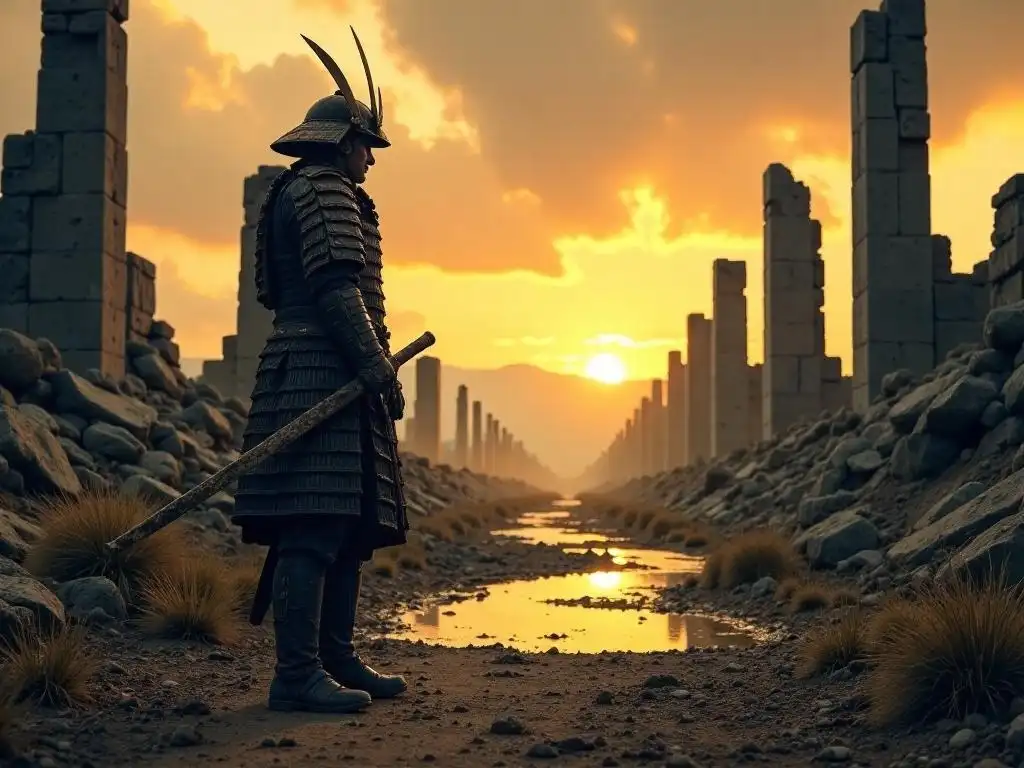
The samurai class, once revered as the elite warrior class of feudal Japan, began to experience a significant decline by the late Edo period (1603-1868). This shift was influenced by various socio-political, economic, and cultural factors that altered the very fabric of Japanese society. As Japan transitioned from a feudal system to a more centralized government, the traditional roles and privileges of the samurai were challenged, leading to their eventual decline.
Factors Leading to the Decline in the Edo Period
Several key factors contributed to the decline of the samurai class during the Edo period.
- Peace and Stability: The Tokugawa shogunate established a long-lasting period of peace, known as the Pax Tokugawa. With the absence of warfare, the samurai's role as warriors diminished significantly. Many samurai found themselves without purpose, leading to discontent and a shift in identity.
- Economic Changes: The Edo period saw significant economic growth, which led to the rise of a wealthy merchant class. As commerce flourished, the samurai, who were primarily landowners reliant on stipends, found their status increasingly challenged by the prosperous merchants, who began to wield considerable influence and wealth.
- Declining Stipends: As the shogunate's finances weakened, samurai stipends were often reduced or delayed, leading to financial distress among many samurai families. This economic strain forced some samurai to seek alternative livelihoods, further eroding their traditional status.
- Educational Reforms and New Ideologies: The period also saw an increase in education and the spread of new ideas, including Confucianism and Western philosophies. These ideologies questioned the hereditary privileges of the samurai and promoted meritocracy, thereby undermining the samurai's societal standing.
The Impact of Western Influence on Samurai Society
The arrival of Western powers in the mid-19th century brought about significant changes to Japanese society, further accelerating the decline of the samurai class.
- Commodore Perry's Expedition: The forced opening of Japan to international trade by Commodore Matthew Perry in 1853 highlighted Japan's technological and military weaknesses. This realization prompted a wave of modernization within Japan, which the samurai found challenging to adapt to.
- Western Military Models: As Japan began to adopt Western military practices and technologies, the traditional samurai fighting techniques became less relevant. The introduction of conscription in the 1870s further diminished the samurai's role as the sole military class, as common citizens were now drafted into the army.
- Cultural Exchange: The influx of Western ideas also led to a reevaluation of the samurai's values and traditions. Many samurai began to question the relevance of bushido (the way of the warrior) in a rapidly modernizing society, leading to a loss of identity and purpose.
The Meiji Restoration and the End of the Samurai Era
The Meiji Restoration in 1868 marked the definitive end of the samurai class as a distinct social group.
- Abolition of the Samurai Class: The newly established Meiji government sought to modernize Japan and eliminate the feudal structure. This led to the formal abolition of the samurai class and the disbanding of their privileges.
- Land Reforms: The government implemented land reforms that redistributed land from samurai to common citizens, undermining the economic base that had supported the samurai elite.
- Cultural Transition: The samurai's traditional values were replaced by a focus on nationalism and modernity. The samurai's once-cherished ideals were reinterpreted to fit the new national identity, leading to a transformation of their legacy rather than the preservation of their class structure.
The Legacy of the Samurai Class in Modern Japan
Despite the decline and eventual dissolution of the samurai class, their legacy continues to resonate in modern Japanese society.
Cultural Remnants of the Samurai in Contemporary Society
The cultural influence of the samurai endures in various aspects of contemporary Japanese life:
- Martial Arts: Traditional martial arts such as kendo, judo, and iaido retain the samurai's emphasis on discipline, respect, and honor. These practices not only serve as physical training but also as a means of preserving samurai philosophy.
- Cultural Festivals: Many regions in Japan celebrate festivals that honor samurai history, showcasing traditional costumes, performances, and reenactments that keep the memory of the samurai alive.
- Philosophical Influence: Concepts derived from bushido continue to be integrated into modern Japanese values, emphasizing loyalty, duty, and perseverance in both personal and professional spheres.
The Samurai Image in Popular Culture and Media
The romanticized image of the samurai has found a prominent place in Japanese popular culture and media:
- Film and Literature: Samurai films, known as jidaigeki, and literature have portrayed samurai as noble figures, often engaging in epic battles for honor and justice. Works like Akira Kurosawa's "Seven Samurai" have become iconic representations of samurai culture.
- Anime and Manga: The samurai archetype is frequently featured in anime and manga, appealing to a global audience. Titles such as "Rurouni Kenshin" and "Samurai Champloo" blend historical elements with fictional narratives, celebrating the samurai's legacy.
- Video Games: The representation of samurai in video games, such as "Ghost of Tsushima," has allowed players to immerse themselves in the samurai experience, further popularizing their story and ideals.
Lessons from the Samurai Class for Modern Leadership
The samurai class offers valuable lessons for contemporary leadership and personal development:
- Discipline and Honor: The samurai's commitment to discipline and honor serves as a model for effective leadership, emphasizing integrity, accountability, and ethical behavior.
- Adaptability: The decline of the samurai illustrates the importance of adaptability in the face of change. Leaders today can learn from the samurai's struggle to navigate modernization, underscoring the need for flexibility and openness to new ideas.
- Community and Loyalty: The samurai's dedication to their lords and communities highlights the significance of loyalty and service in leadership. A strong leader fosters a sense of community and encourages collaboration, drawing on the values once held by the samurai.
The story of the samurai class in feudal Japan encapsulates a rich history of honor, conflict, and transformation, leaving an indelible mark on Japanese culture and serving as a source of inspiration for future generations.
Conclusion: The Enduring Impact of the Samurai Class in Feudal Japan
The legacy of the samurai class in feudal Japan is profound and multifaceted, influencing not only the social structure of the time but also the cultural and political landscapes that followed. The samurai were not merely warriors; they were also custodians of a unique set of values, including honor, loyalty, and discipline. These principles, rooted in bushido—the way of the warrior—continue to resonate in modern Japanese society and culture. The samurai's commitment to their lords and their communities helped shape the notion of loyalty and duty that persists in various aspects of Japanese life today.
Moreover, the samurai class played a pivotal role in the development of Japanese arts, literature, and philosophy. Their patronage of the arts facilitated the emergence of iconic cultural expressions, such as the tea ceremony, ink painting, and Noh theater, which reflect the aesthetic sensibilities of the samurai. As Japan transitioned from feudalism to modernization during the Meiji Restoration, the samurai's legacy transformed but did not vanish. Their ideals were integrated into the new national identity, influencing military, political, and educational institutions.
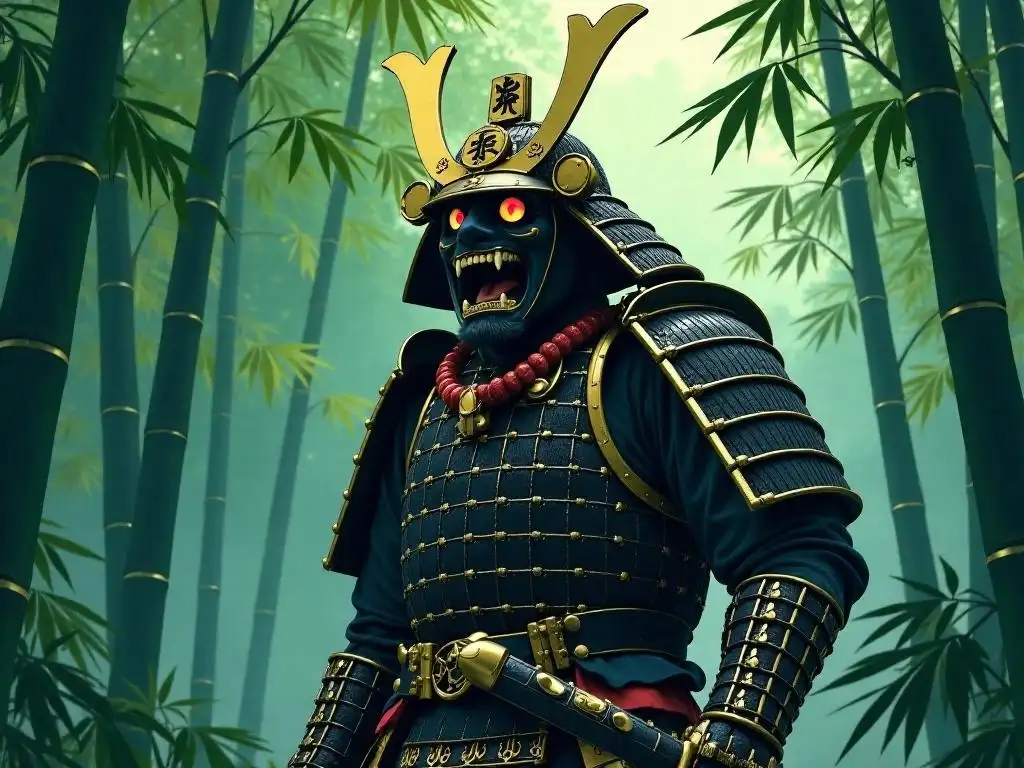
The samurai class served as a cornerstone of Japan's feudal society, embodying the intricate relationship between social hierarchy and governance. They were part of a strict class system that included farmers, artisans, and merchants, each with designated roles and responsibilities. The samurai's position at the top of this hierarchy allowed them to wield significant power and influence, both in warfare and in governance. Their role extended beyond mere military prowess; they were also involved in local administration and justice, reinforcing the societal structure that characterized the period.
Understanding the samurai's role in social history invites a deeper examination of the complexities of feudal Japan. It prompts us to consider how their values and actions shaped societal norms, influenced conflicts, and contributed to the eventual unification of Japan under the Tokugawa shogunate. The samurai's dual identity as both warrior and bureaucrat reveals the nuanced interplay between power and responsibility, which is critical for comprehending the dynamics of feudal Japan.
The Importance of Understanding the Samurai Legacy
Understanding the legacy of the samurai is crucial for a comprehensive grasp of Japanese history. The samurai class not only influenced the course of historical events but also laid the foundations for modern Japanese identity. Their emphasis on honor and duty continues to inform contemporary Japanese culture, from business ethics to interpersonal relationships.
Additionally, the samurai's legacy has been romanticized and mythologized in various forms of media, including literature, film, and art. This ongoing fascination with the samurai reflects a broader interest in Japan's cultural heritage and the values that shaped its society. By studying the samurai, we gain insights into the historical context that produced them, as well as the enduring themes of honor, sacrifice, and loyalty that remain relevant today.
References and Further Reading on the Samurai Class in Feudal Japan
Recommended Books and Articles
- "Bushido: The Soul of Japan" by Inazo Nitobe: - A classic text that explores the ethical code of the samurai, providing insights into their values and motivations.
- "Samurai: The World of the Warrior" by Stephen Turnbull: - This book offers a comprehensive overview of the samurai's history, culture, and impact on Japanese society.
- "The Samurai: A Military History" by John M. Merriman: - An in-depth examination of the military strategies and battles involving the samurai throughout Japan's feudal period.
- "The Tale of the Heike" - A historical epic that chronicles the struggles between the Taira and Minamoto clans, highlighting the role of samurai in these conflicts.
Documentaries and Visual Media on Samurai History
- "The Last Samurai" (2003) - A film that, while fictionalized, captures the essence of the samurai ethos and the clash between traditional values and modernization.
- "Samurai: Behind the Sword" (2009): - A documentary that delves into the daily lives of samurai, their training, and the cultural significance of their role in Japanese society.
- "The Samurai" (BBC Documentary Series) - This series provides a detailed exploration of the samurai class, examining their influence on Japanese history and culture.
- YouTube Channels - Channels like "History Time" and "The Armchair Historian" often feature videos dedicated to samurai history, providing engaging visual content for understanding this elite class.
By engaging with these resources, readers can deepen their knowledge of the samurai class in feudal Japan, gaining a more nuanced perspective on their impact on both historical and contemporary Japanese society.
Frequently Asked Questions
What was the role of the samurai class in feudal Japan?
The samurai class served as the military nobility, providing protection and service to their lords while adhering to the Bushido code, which emphasized honor and loyalty.
How did the samurai class influence Japanese culture?
The samurai class significantly shaped Japanese culture through their art, literature, and philosophy, promoting values of discipline and respect that are still evident today.
What led to the decline of the samurai class in Japan?
The decline of the samurai class was primarily due to the Meiji Restoration, which abolished the feudal system and integrated samurai into a modern military framework, diminishing their traditional roles.
Were all samurai members of the elite class?
While many samurai belonged to the elite class, the term also encompassed lower-ranking warriors who served in various capacities, illustrating a hierarchical structure within the samurai class.
What legacy did the samurai class leave on modern Japan?
The samurai class left a profound legacy on modern Japan, influencing its military traditions, cultural values, and even aspects of governance, highlighting the enduring impact of this historic warrior class.
Final Reflection: The Enduring Legacy of the Samurai Class
The story of the samurai class in feudal Japan is not just a historical account; it serves as a powerful reminder of the complexities of honor, loyalty, and societal structure. As we navigate a world that often feels chaotic and fragmented, the principles that guided the samurai—discipline, respect, and a sense of duty—remain profoundly relevant. The rise and fall of this elite class illustrate how societal values can shift dramatically over time, leaving us to ponder the implications of such changes in our own lives.
Culturally, the samurai class has left an indelible mark on Japanese society and beyond, influencing everything from literature and film to modern martial arts. The samurai ethos continues to resonate, inspiring individuals to seek balance between strength and compassion. As the renowned philosopher Yamamoto Tsunetomo once said, The way of the samurai is found in death.
This quote encapsulates the samurai's unwavering commitment to their principles, reminding us that true honor often requires sacrifice. In a world where the lines between right and wrong can blur, the samurai's legacy challenges us to reflect on our own values and the legacies we wish to leave behind.
As you contemplate the lessons of the samurai class, I invite you to consider how their principles can be woven into your own life. What does honor mean to you? How can you embody the spirit of the samurai in your daily actions? Reflect on your own journey and the values that guide you, and let the story of the samurai inspire you to forge a path of integrity and purpose. In doing so, you not only honor their legacy but also contribute to a world that values the timeless virtues they exemplified.
Embark on Your Own Samurai Journey Today!
Thank you for delving into the captivating story of the Samurai class and their extraordinary legacy in feudal Japan. By exploring their rise and fall, you've uncovered the complexities of honor, power, and tradition that shaped a nation. Now, it's time to keep this journey alive!
Here are some actionable steps you can take:
- Dive deeper into history: Check out our detailed articles on key Samurai battles and the cultural practices that defined their era.
- Join the conversation: Share your thoughts on the impact of the Samurai class on modern Japan in the comments below or on our social media platforms.
- Explore related themes: Consider starting a book club or discussion group focused on historical accounts and their relevance to today's world.
What insights have you gained from the story of the Samurai that could inspire your own journey in life?