
The End of Isolation: How External Pressures Transformed Japan’s Economy

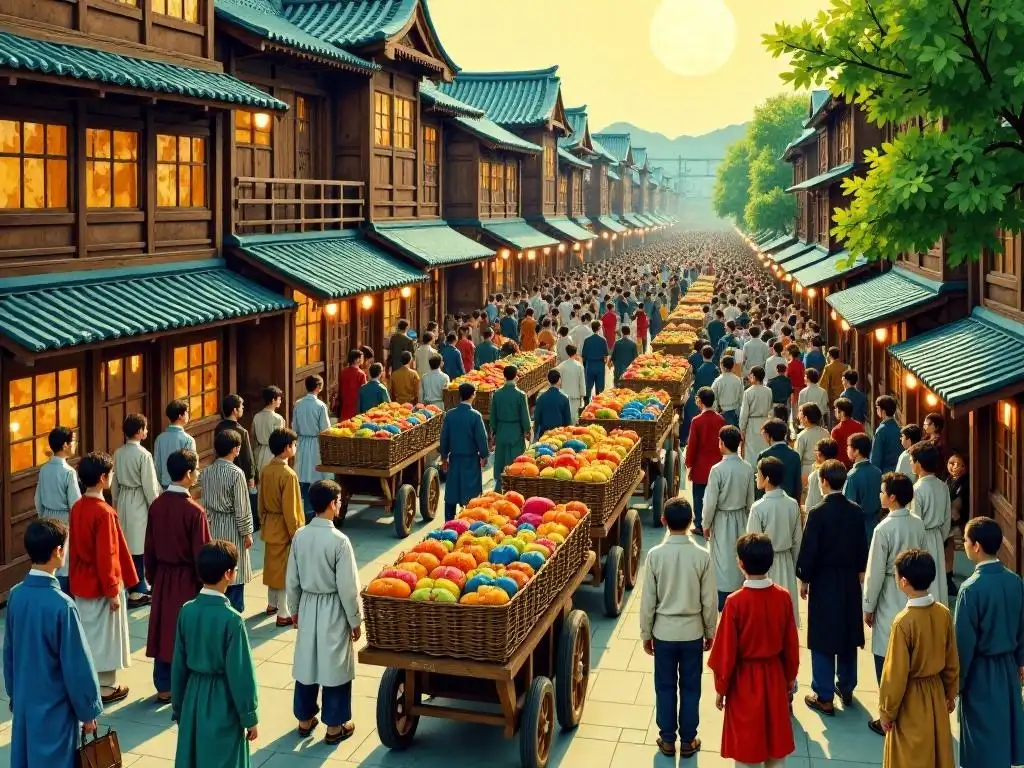
Welcome to Feudal Japan History, where we invite you to embark on a captivating journey through one of the most intriguing eras of Japan's past. In our featured article, "The End of Isolation: How External Pressures Transformed Japan’s Economy," we delve into the profound changes that reshaped the Japan feudal economy transformation. Discover how external influences disrupted centuries of tradition and sparked a revolution in trade, agriculture, and society.
Prepare to unlock the secrets of feudal Japan, as we guide you through the layers of history that have defined this rich cultural tapestry. Dive in and let your curiosity guide you through our expert-driven insights!
Introduction to Japan’s Feudal Economy Transformation
Japan's feudal era, marked by a rigid class structure and isolationist policies, experienced significant transformation as external pressures began to reshape its economy. The intersection of internal dynamics and foreign influences not only altered the economic landscape but also initiated profound societal changes. This article delves into the intricate details of how Japan's feudal economy underwent a transformation during a pivotal time in its history, ultimately leading to the end of isolation and the emergence of a more globalized economy.
Overview of Japan’s Isolationist Policies
For more than two centuries, from the early 17th century to the mid-19th century, Japan enforced a strict policy of isolation known as sakoku. This policy was designed to minimize foreign influence, maintain social order, and preserve the cultural integrity of the nation. Under the Tokugawa Shogunate, foreign trade was restricted, with only a few designated ports, such as Nagasaki, allowing limited contact with the outside world.
The ramifications of these isolationist policies were profound:
- Limited Trade: Interaction with foreign merchants was highly regulated, leading to a stagnant economy reliant on domestic production.
- Cultural Insularity: The absence of foreign ideas stunted technological and cultural advancements.
- Social Stratification: The rigid class system prevented mobility, creating economic disparities that would later be challenged.
Importance of Understanding Economic Changes
Understanding the transformation of Japan's feudal economy is crucial for several reasons:
- Historical Insight: It provides a lens through which to view the interplay of domestic policies and external pressures.
- Cultural Evolution: Analyzing these economic shifts reveals how Japan adapted to changing global dynamics while striving to maintain its identity.
- Foundation for Modernization: The transition from isolation to engagement with the world set the stage for Japan's modernization efforts in the late 19th century.
Historical Context of Japan’s Feudal Economy
The Rise of the Tokugawa Shogunate
The Tokugawa Shogunate, established in 1603, marked a period of relative peace and stability known as the Edo Period. This era was characterized by the consolidation of power under the shogunate, which implemented policies that affected the economy profoundly. The shogunate's structure facilitated a system of governance that prioritized agricultural productivity and controlled trade.
Prominent features included:
- Daimyo Control: Local lords (daimyo) wielded power over their domains, influencing local economies.
- Samurai Class: The samurai, while often serving as military leaders, also played a significant role in governance and economic management, affecting land use and taxation.
Economic Structures During the Edo Period
During the Edo Period, Japan's economy was primarily agrarian, with rice serving as the cornerstone of wealth and trade. The economic structures that emerged included:
- Rice as Currency: The koku, a measure of rice, was used to assess wealth and taxation.
- Market Development: Urban centers began to flourish, leading to the growth of merchant classes and the establishment of markets.
- Craft Production: The rise of specialized crafts and goods contributed to local economies and trade networks.
The Role of Agriculture in Feudal Japan
Agriculture was the bedrock of Japan's feudal economy. The agricultural practices of the time were sophisticated and varied, with rice cultivation dominating the landscape. Key aspects included:
- Irrigation Techniques: Innovations in irrigation enhanced productivity, allowing for surplus production.
- Seasonal Festivals: Agricultural cycles were celebrated through festivals, reinforcing community ties and economic stability.
- Land Ownership: The distribution of land was heavily influenced by the samurai class, with land often tied to social status and power.
As Japan began to face external pressures towards the mid-19th century, these economic structures would be challenged, leading to significant transformations that would redefine the nation’s economic landscape.
External Pressures Leading to Economic Transformation
Japan's feudal economy underwent profound transformations during the late 19th century, largely due to a combination of external pressures that catalyzed change. The isolationist policies that had governed Japan for over two centuries began to weaken under the force of international relations, leading to significant economic shifts. This section delves into the various external pressures that played a pivotal role in Japan's economic transformation.
Encounters with Western Powers
The arrival of Commodore Matthew Perry and his fleet in 1853 marked a crucial turning point in Japan's isolationist stance. Perry's mission to open Japan to trade with the United States forced Japanese leaders to confront the reality of Western imperialism. The subsequent signing of the Treaty of Kanagawa in 1854 established limited trade relations and set a precedent for further Western encroachments.
This initial encounter with Western powers led to a series of unequal treaties with other nations, including Britain, France, and Russia. These treaties often favored foreign interests at the expense of Japan's sovereignty, prompting a national crisis that spurred discussions on modernization and reform. As Japan opened its ports to foreign goods and ideas, it began to experience an influx of Western technology and knowledge, which led to significant changes in its economic structure.
Influence of Global Trade Dynamics
As Japan integrated into the global economy, it faced new challenges and opportunities that were essential for its economic transformation. The mid-19th century saw the rise of global trade networks, driven by industrialization in Western countries. Japan's strategic geographic location allowed it to become a critical player in these networks.
The demand for Japanese goods, such as silk, increased significantly in Western markets. This shift not only stimulated domestic production but also encouraged the development of new industries. As Japan began to export more products, it gradually shifted from a feudal economy based on agrarian outputs to a more diversified economy that embraced industrialization. The influence of global trade dynamics thus played a significant role in reshaping Japan's economic landscape.
Internal Factors Contributing to Economic Change
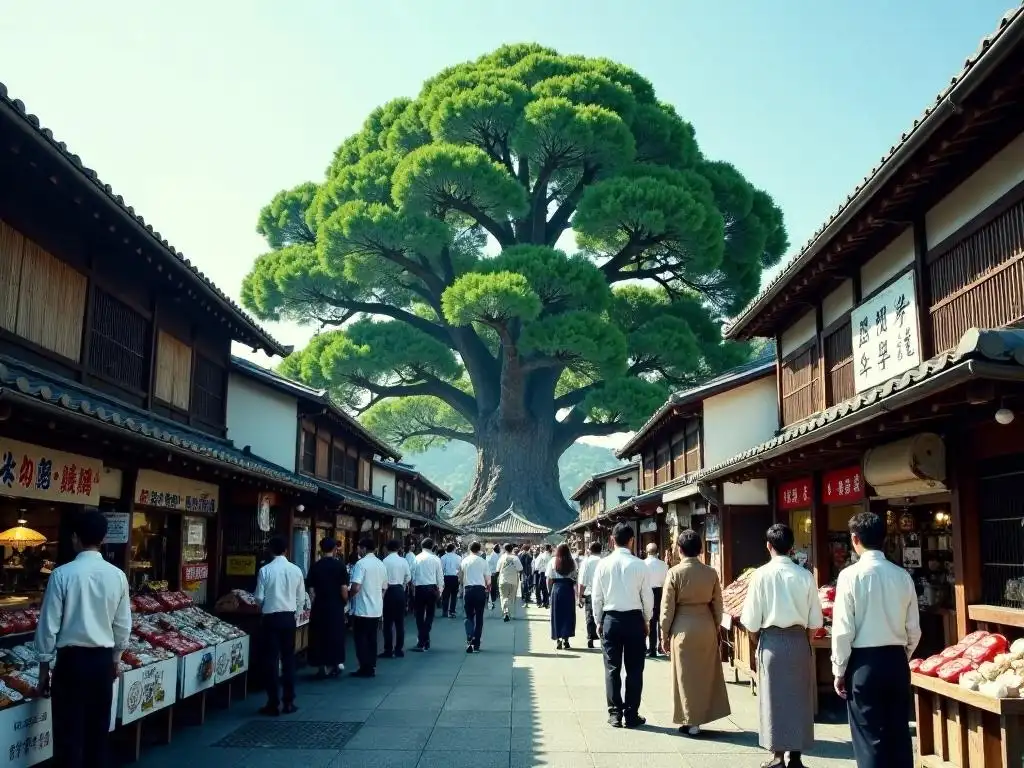
While external pressures were significant, internal factors also contributed to the transformation of Japan's economy during this period. The interplay of social structure, class dynamics, and technological innovations created an environment conducive to change.
Social Structure and Class Dynamics
Japan's rigid feudal social structure began to dissolve as the country opened up to new ideas and influences. The samurai class, traditionally at the top of the social hierarchy, faced diminishing power and relevance as the government sought to modernize. The Meiji Restoration in 1868 marked a decisive break from feudalism, leading to the abolition of the samurai's privileges and the establishment of a more meritocratic society.
This shift allowed for the rise of a new merchant class, which became instrumental in driving economic progress. As merchants gained wealth and influence, they began to invest in new industries and technologies. The reorganization of social classes fostered a more dynamic economic environment, enabling the rapid development of commerce and industry.
Technological Innovations and Their Impact
Technological advancements played a crucial role in Japan's economic transformation. The influx of Western technology, particularly in sectors such as textiles, transportation, and manufacturing, paved the way for industrial growth. The establishment of railways and telegraph systems facilitated trade and communication, enabling a more interconnected economy.
Moreover, the Japanese government actively promoted industrialization by investing in infrastructure and education. The introduction of Western-style education systems helped cultivate a skilled workforce capable of adapting to new technologies. This focus on technological innovation not only modernized traditional industries but also spurred the growth of entirely new sectors, further solidifying the transformation of Japan's economy from a feudal system to a modern industrial state.
Key Transformations in Japan’s Economy
The transformation of Japan's economy during the late 19th century marked a pivotal shift from an isolationist stance to one of global engagement. This period saw significant changes in various sectors, driven by both internal reforms and external pressures. The opening of Japan to foreign trade and ideas not only reshaped its economic landscape but also laid the foundation for its emergence as a modern nation-state. Key transformations included the industrialization of the economy, the modernization of agricultural practices, and the establishment of a new consumer culture that embraced foreign goods and ideas.
Shift from Isolation to Global Engagement
The end of Japan's isolationist policies, particularly following Commodore Perry's arrival in 1853, catalyzed a profound transformation in its economy. The Treaty of Kanagawa in 1854 marked the beginning of formal relations with the West, leading to increased trade and the influx of foreign technology and ideas. This shift prompted the Meiji Restoration in 1868, wherein the government initiated a series of reforms aimed at modernizing Japan.
Economically, the transition from a feudal economy to a more market-oriented system involved the dismantling of the samurai class's privileges and the reallocation of resources towards industrial development. Japan invested heavily in infrastructure, including railroads and telegraph systems, which facilitated trade and communication. The establishment of a banking system and the adoption of Western financial practices further integrated Japan into the global economy. By the turn of the century, Japan was not only exporting goods such as silk and tea but was also emerging as a competitive industrial power on the world stage.
Changes in Agricultural Practices
The transformation of Japan's economy also encompassed significant changes in agricultural practices. Under the feudal system, agriculture was primarily subsistence-based, with local lords controlling land and production. However, as Japan opened to global markets, agricultural reforms became necessary to increase productivity and meet the demands of both domestic and international markets.
The Meiji government implemented land reforms that redistributed land from feudal lords to individual farmers, promoting a more efficient farming system. This shift encouraged the adoption of modern agricultural techniques, including the use of fertilizers and improved irrigation methods. Crop diversification became common, with farmers growing cash crops for export, which helped increase their income and support local economies. By integrating Western agricultural practices, Japan was able to enhance food production and establish itself as a significant player in global agricultural markets.
Cultural Implications of Economic Transformation
The economic transformation of Japan during this period extended beyond mere financial and agricultural changes; it also had profound cultural implications. As Japan engaged more with the outside world, cultural exchanges influenced societal values, norms, and lifestyles. The infusion of Western ideas and practices reshaped Japanese culture in various ways, leading to a dynamic interplay between tradition and modernity.
Changes in Consumer Culture
With the rise of a new industrial economy, Japan experienced a notable shift in consumer culture. As the availability of goods increased, a burgeoning middle class emerged, eager to embrace new products and lifestyles. Western goods flooded the market, and consumption patterns began to reflect a blend of traditional Japanese practices and modern Western influences.
The growth of department stores and the introduction of advertising transformed how people shopped and consumed. There was a newfound emphasis on materialism, with items such as clothing, household goods, and luxury items becoming symbols of status and modernity. This shift not only altered individual purchasing behaviors but also fostered a sense of national identity, as consumers began to navigate the complexities of tradition and modernity in a rapidly changing society.
Influence of Western Ideologies on Japanese Society
The exposure to Western ideologies significantly impacted Japanese society during this transformative era. Concepts such as individualism, democracy, and capitalism began to permeate Japanese thought, challenging traditional Confucian values that had dominated for centuries. The introduction of Western education systems encouraged critical thinking and scientific inquiry, fostering a generation of thinkers and reformers who sought to modernize Japan further.
Moreover, the influence of Western ideologies prompted discussions around social issues, including gender roles, labor rights, and political participation. Women began to advocate for their rights, inspired by the suffrage movements in the West, while labor movements emerged as industrialization created new classes of workers facing challenging conditions. These changes not only transformed the socioeconomic landscape but also laid the groundwork for future social reforms and movements, ultimately shaping the trajectory of modern Japan.
Case Studies of Economic Transformation

The transformation of Japan’s economy during the end of its isolationist policies is exemplified through various case studies that highlight the interplay between external pressures and internal adaptations. These case studies illustrate how Japan transitioned from a feudal economy, heavily reliant on agriculture and localized trade, to a more diversified and globally integrated market system. The influences of foreign trade, technological advancements, and shifts in societal structures played crucial roles in this evolution. By examining specific industries and financial systems, we can better understand the comprehensive changes that characterized this pivotal period in Japanese history.
The Silk Industry and Global Markets
The silk industry stands as a prime example of Japan's economic transformation in the 19th century. As international demand for silk surged, particularly from Europe and the United States, Japan began to focus more on this lucrative export. The Meiji Restoration (1868) marked a significant shift, as the government actively supported the silk industry through modernization efforts and infrastructure improvements.
Key developments included:
- Technological Innovation: Introduction of Western spinning and weaving techniques led to increased production efficiency. The adoption of modern machinery not only boosted output but also enhanced the quality of silk products.
- Export Strategies: Japan established trade relationships with Western nations, leading to the establishment of export channels that made Japanese silk a sought-after product worldwide. By the late 19th century, Japan became one of the leading silk producers globally.
- Economic Impact: The silk industry generated substantial revenue, which contributed to the overall economic growth of Japan. It also facilitated the rise of a merchant class, challenging the traditional social hierarchy and encouraging urbanization as many people moved to cities for work in the silk factories.
This case study illustrates how external market forces catalyzed significant changes within Japan's economy, demonstrating a shift from insularity to engagement with global markets.
The Rise of Modern Banking in Japan
The transformation of Japan’s banking system during the transition from feudalism to modernity also illustrates significant economic changes. Prior to the Meiji era, Japan’s financial system was rudimentary, characterized by local moneylenders and a lack of standardized currency. However, the pressures of modernization and the need for a more complex economy propelled the development of modern banking.
Key elements of this transformation included:
- Establishment of Central Banking: The Bank of Japan was founded in 1882, serving as a central bank to regulate the currency and provide stability in the financial system. This institution became crucial in managing Japan's monetary policy and facilitating economic growth.
- Commercial Banks: The rise of commercial banks in the late 19th century provided businesses with access to credit, which was essential for investment and expansion. This access to financial resources enabled greater industrialization and supported the burgeoning factory system.
- Integration into Global Finance: As part of its economic transformation, Japan sought to engage with international financial systems. Japanese banks began to establish overseas branches, facilitating trade and investment, and integrating Japan into the global economy.
The rise of modern banking not only helped stabilize Japan's economy but also provided the necessary financial infrastructure to support industrialization and economic expansion.
Conclusion: The Legacy of Economic Transformation in Japan
The economic transformations experienced during the end of Japan's isolation had far-reaching implications, shaping the trajectory of the nation's economy well into the modern era. The shift from a feudal economy to a more dynamic, market-oriented system laid the groundwork for Japan’s later economic successes.
Lasting Effects on Modern Japanese Economy
The legacy of these transformations is evident in today's Japanese economy. The foundations laid during this period have influenced contemporary practices in various sectors:
- Industrialization: The emphasis on technology and manufacturing established Japan as a global leader in industrial production, particularly in automobiles and electronics.
- Global Trade: Japan's integration into global markets during the 19th century set the stage for its current position as one of the world's largest exporters.
- Financial Systems: The modern banking system that emerged has continued to evolve, playing a critical role in Japan's economic management and development.
The adaptability and resilience demonstrated during this transformative period remain characteristics of Japan's economy today.
Reflections on the Feudal Economy’s Evolution
The evolution from a feudal economy to a modern economic powerhouse reflects a significant historical shift characterized by adaptability and resilience. The pressures exerted by external forces during this period forced Japan to rethink its economic structures and engage with the world in new ways. This transformation not only altered the economic landscape but also had profound implications for Japanese society and culture.
The interplay of tradition and modernity continues to influence contemporary Japan, as the country balances its rich historical legacy with the demands of globalization. These reflections remind us of the importance of adaptability in the face of change, a lesson that resonates through Japan's ongoing evolution.
Future Perspectives on Japan’s Economic History
The transformation of Japan's economy during the feudal era sets a significant precedent for understanding contemporary economic policies and challenges in Japan. As Japan continues to grapple with its global economic positioning, the lessons gleaned from its feudal past provide a framework for navigating future challenges. Increased globalization, technological advancements, and demographic shifts are reshaping the economic landscape, and the historical context is vital for crafting effective policies.
In the decades following Japan's opening to the West, the nation experienced rapid industrialization, which was rooted in the economic practices that evolved during its feudal period. Understanding how the samurai class, merchants, and peasantry interacted economically can offer insights into current issues such as income inequality and regional economic disparities. The historical stratification of society and the resultant economic structures can inform modern approaches to social welfare and economic reform.
Furthermore, Japan's ability to adapt to external pressures—be it through the Meiji Restoration or post-World War II recovery—highlights a resilience that could be harnessed in facing modern economic challenges. As Japan contemplates its role in a post-pandemic world, the lessons from its feudal economy transformation remain relevant, underscoring the importance of adaptability and innovation in policy-making.
Continuing Influence of Historical Economic Policies
The historical economic policies established during Japan’s feudal era still resonate in modern economic practices. The Tokugawa shogunate's policies, which emphasized agrarian stability and trade regulation, laid the groundwork for Japan's later economic frameworks. This period saw the rise of merchant classes and the establishment of trade routes that fostered economic interdependence, which is echoed in today’s global trade networks.
Moreover, the emphasis on a hierarchical society during the feudal period influences contemporary labor relations and corporate structures. The concept of "lifetime employment" in Japan can be traced back to the stability sought during feudal times, where loyalty and social obligation were paramount. This cultural legacy continues to affect employer-employee relationships and expectations in the modern workforce.
Economic policies that prioritize regional development can also be seen as a continuation of feudal practices, where local resources were managed for the benefit of the local populace. This reflects a broader trend towards decentralized economic strategies that seek to empower local economies while promoting sustainable practices. Thus, the historical lens provides essential context for evaluating current economic policies and their long-term impact on Japan’s socioeconomic fabric.
Lessons Learned from Japan’s Feudal Economy Transformation
Japan's feudal economy transformation offers several critical lessons relevant to both historical study and modern economic practice. One of the foremost lessons is the importance of adaptability in economic policy. The transition from a closed, agrarian economy to one open to international trade demonstrates how responsiveness to external pressures can catalyze significant economic growth. This principle remains applicable as countries today face rapid globalization and technological change.
Another lesson is the significance of social structures in shaping economic outcomes. The interplay between the samurai class, merchants, and peasants created a complex economic environment that influenced trade practices, resource allocation, and wealth distribution. Understanding these dynamics informs current discussions on social equity, economic development, and policy-making that takes into account diverse societal needs.
Additionally, the concept of fostering innovation remains crucial. Japan's ability to assimilate and adapt foreign technologies during the Meiji Restoration illustrates how embracing change can lead to substantial advancements. This spirit of innovation is vital for modern economies seeking to thrive amidst competitive global landscapes.
The transformation of Japan's feudal economy not only redefined its historical trajectory but also provides valuable insights for contemporary economic challenges. By understanding these lessons, policymakers and economists can better navigate the complexities of today’s global economy while honoring the rich legacy of Japan's past.
- Introduction to Japan’s Feudal Economy Transformation
- Historical Context of Japan’s Feudal Economy
- External Pressures Leading to Economic Transformation
- Internal Factors Contributing to Economic Change
- Key Transformations in Japan’s Economy
- Cultural Implications of Economic Transformation
- Case Studies of Economic Transformation
- Conclusion: The Legacy of Economic Transformation in Japan
- Future Perspectives on Japan’s Economic History
- What were the key factors in Japan's feudal economy transformation?
- How did external pressures affect Japan's isolationist policies?
- What role did the samurai class play in the economic transformation?
- What were the consequences of the economic transformation on Japanese society?
- How did Japan's feudal economy compare to other nations during this period?
Frequently Asked Questions
What were the key factors in Japan's feudal economy transformation?
The transformation of Japan's feudal economy was primarily influenced by external pressures such as trade, foreign relations, and cultural exchanges that challenged traditional practices.
How did external pressures affect Japan's isolationist policies?
External pressures, particularly from Western powers, forced Japan to reconsider its isolationist policies, leading to increased trade and economic reforms that contributed to modernization.
What role did the samurai class play in the economic transformation?
The samurai class, traditionally focused on military and governance, began to adapt to new economic realities by engaging in trade and commerce, which significantly influenced the feudal economy.
What were the consequences of the economic transformation on Japanese society?
The economic transformation led to a shift in social structures, diminishing the power of the feudal lords and enabling the rise of a more merchant-focused society.
How did Japan's feudal economy compare to other nations during this period?
Japan's feudal economy, while unique, shared similarities with other nations facing external pressures; however, its rapid transformation set it apart as it embraced modernization and industrialization earlier than many.
Final Reflection: Embracing Change in Japan's Economic Transformation
The transformation of Japan's feudal economy into a modern powerhouse is not just a historical narrative; it is a testament to the resilience and adaptability of a nation. Today, as we witness rapid globalization and technological advancements, the lessons from Japan's past resonate more than ever. The pressures that once compelled Japan to open its doors to the world serve as a reminder that embracing change can lead to unprecedented growth and innovation.
Culturally and socially, the shift from isolation to engagement has had profound implications, shaping Japan's identity and its role on the global stage. The echoes of this transformation can be felt in contemporary discussions about economic policy, international relations, and cultural exchange. As we reflect on this journey, we are reminded of the words of Japanese philosopher Daisaku Ikeda: The future belongs to those who believe in the beauty of their dreams.
This belief in the potential for growth and transformation continues to inspire not only Japan but also nations around the world facing their own challenges.
As you consider the lessons from Japan's economic evolution, I invite you to reflect on your own life and the changes you face. What external pressures are influencing your path, and how can you harness them to foster your own growth? Embrace the idea that transformation, while often daunting, can lead to remarkable opportunities. Let Japan's journey inspire you to confront your challenges with courage and creativity, paving the way for a brighter future.
Embrace Connection: Transform Your Understanding of Japan’s Economic Evolution!
Thank you for diving deep into the fascinating world of Japan's economic transformation! You’ve uncovered the pivotal role of external pressures and how they have reshaped the landscape of this vibrant nation. Now, let’s turn that newfound knowledge into action!
Here are a few steps you can take to further explore and engage with this topic:
- Join a local or online community focused on Japanese history to share your insights and learn from others’ perspectives.
- Read more about Japan’s economic history through recommended books or documentaries to gain a more nuanced understanding.
- Consider starting a discussion on social media or within your network about how historical challenges have informed modern economic strategies.
What aspect of Japan's economic evolution intrigues you the most, and how do you think it resonates with today's global economy?