
From Swords to Shrines: The Best Samurai Tours for History Buffs


Welcome to Feudal Japan History, where we invite you to embark on an extraordinary journey through the captivating tales of Japan’s feudal era. Dive deep into the intricate tapestry of historical, cultural, and societal aspects that shaped this fascinating period. In our featured article, “From Swords to Shrines: The Best Samurai Tours for History Buffs,” we unveil the secret paths where warriors once tread, offering you a unique opportunity to explore the legacy of the samurai. Are you ready to uncover the hidden gems of Japan's past? Continue reading to discover the ultimate tours that bring history to life!
- Introduction to Samurai Tours in Japan
- The Best Samurai Tours in Japan
- Comparison of Top Samurai Tours
- Tips for Maximizing Your Samurai Tour Experience
- Conclusion: Choosing the Best Samurai Tour for Your Interests
- Additional Resources for History Buffs
- Call to Action: Book Your Tour Now!
- Frequently Asked Questions
- Final Reflection: Embracing the Legacy of the Samurai
- Embark on Your Samurai Adventure Today!
Introduction to Samurai Tours in Japan
Exploring the rich tapestry of Japan's feudal era offers a unique glimpse into the lives of the legendary samurai, who have fascinated historians and tourists alike for centuries. Samurai tours are designed to immerse visitors in the historical and cultural significance of these iconic warriors, allowing them to walk the same paths as the noble class of feudal Japan.
Whether it's visiting ancient battlefields, majestic castles, or serene shrines, these tours provide an unparalleled opportunity to connect with Japan's storied past. In this article, we will delve into the best samurai tours in Japan, uncovering the most enriching experiences for history enthusiasts eager to learn about the samurai's enduring legacy.
Understanding the Appeal of Samurai History
The allure of samurai history lies not only in their martial prowess but also in the intricate code of ethics and honor known as Bushido. This code shaped the samurai's way of life, emphasizing virtues such as loyalty, courage, and discipline. Many travelers are drawn to the samurai's romanticized image, further amplified by popular culture in films, literature, and video games.
- Cultural Significance: Samurai represent a unique blend of warrior spirit and artistic sensibility. They were not just fighters; they were also poets, calligraphers, and tea ceremony masters.
- Historical Influence: Understanding the samurai's role in shaping Japan's history provides insight into the nation's development, governance, and social structure during the feudal period.
- Experiential Learning: Engaging in samurai tours allows participants to experience hands-on activities such as sword fighting lessons, wearing traditional armor, and learning about the martial arts that defined their legacy.
The Importance of Samurai Culture in Feudal Japan
In feudal Japan, the samurai were the ruling class, serving as both warriors and administrators. Their influence extended beyond the battlefield, deeply impacting Japanese culture, politics, and society.
- Social Structure: The samurai occupied a prestigious position in the social hierarchy, often acting as retainers for feudal lords. Their responsibilities included governance, land management, and military leadership.
- Cultural Contributions: The samurai's influence permeated various aspects of Japanese life, contributing to the development of arts, philosophy, and religion. They played a significant role in the promotion of Zen Buddhism, which emphasized discipline and mindfulness.
- Legacy and Preservation: Today, the values and traditions of the samurai continue to resonate in modern Japan. Many cultural practices, such as martial arts and tea ceremonies, trace their origins back to the samurai era, highlighting the lasting impact of this warrior class on Japanese identity.
By understanding the importance of samurai culture in feudal Japan, travelers can appreciate the depth and richness of the experiences offered through samurai-themed tours. These journeys not only celebrate the past but also foster a deeper connection to Japan's enduring spirit and traditions.
The Best Samurai Tours in Japan
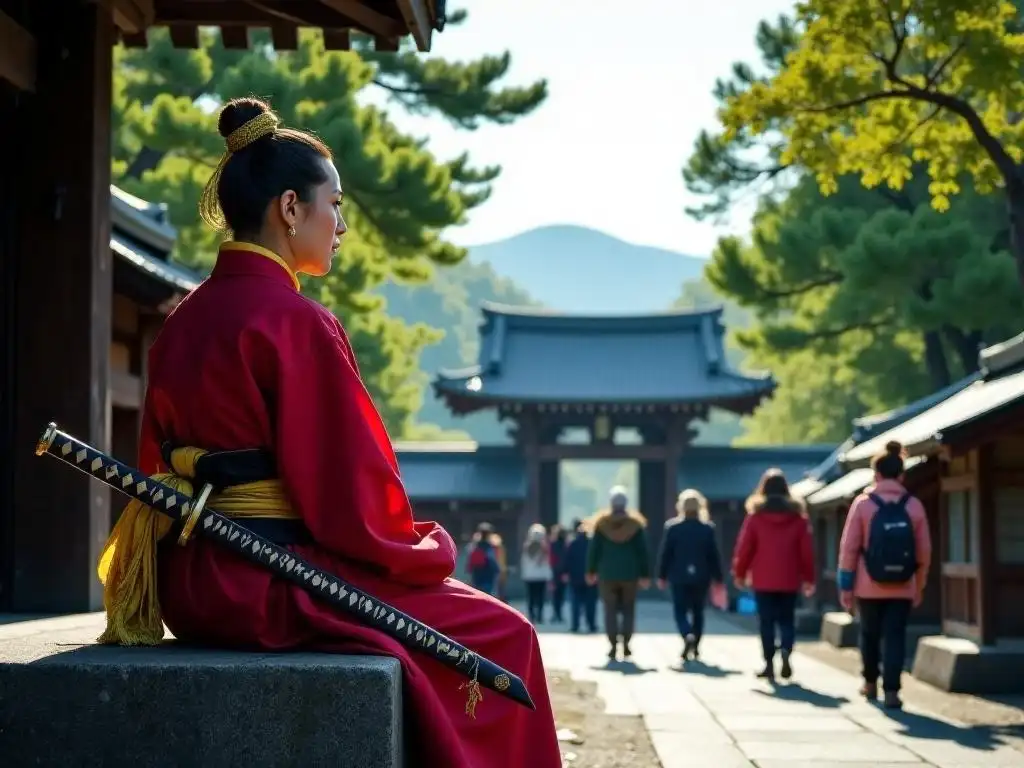
1. Kyoto Samurai Experience: A Journey Through History
Overview of the Tour
The Kyoto Samurai Experience offers an immersive journey into the heart of Japan's feudal past, allowing participants to step into the shoes of a samurai. This tour combines historical education with hands-on activities, such as swordsmanship training and kimono wearing. Participants can expect to learn about the samurai code of conduct, known as Bushido, while engaging with skilled instructors who share insights into the life and values of these legendary warriors.
Key Attractions and Historical Sites
During the Kyoto Samurai Experience, guests will visit notable sites that played a crucial role in samurai history, including:
- Nijo Castle: A UNESCO World Heritage Site, this castle showcases the architectural grandeur of the Edo Period and was used as the residence of the shogunate.
- Kinkaku-ji (The Golden Pavilion): Although primarily known for its stunning beauty, this site also reflects the wealth and power of samurai families during its construction.
- The Samurai and Ninja Museum with Matsumoto Yagyu: This museum provides an interactive experience, featuring weapon displays, period costumes, and live demonstrations.
Pricing and Booking Information
The cost of the Kyoto Samurai Experience typically ranges from ¥8,000 to ¥15,000 per person, depending on the inclusions and duration of the tour. Discounts may be available for groups or early bookings. Reservations can be made directly through the tour operator’s website, and it’s advisable to book at least two weeks in advance, especially during peak tourist seasons.
2. Edo Period Experience in Tokyo
Discovering the Heart of Samurai Culture
The Edo Period Experience in Tokyo immerses participants in the vibrant culture of the samurai during Japan's Edo Period (1603-1868). This tour highlights the significance of the samurai class in shaping modern Japan, providing insights into their social structure, martial arts, and contributions to Japanese arts and culture.
Unique Features of the Tour
Tour highlights include:
- Samurai Sword Fighting Classes: Participants can learn basic sword techniques from trained instructors, gaining a deeper appreciation for the skill and discipline required in samurai combat.
- Visit to the Edo-Tokyo Museum: This museum offers a comprehensive overview of Tokyo's transformation from a small fishing village to a bustling metropolis, emphasizing the influence of the samurai.
- Traditional Tea Ceremony: Experience the elegance of a traditional tea ceremony, an art form that reflects the samurai's appreciation for aesthetics and tranquility.
Recommended Time to Visit
The best time to participate in the Edo Period Experience is during the spring (March to May) or autumn (September to November) when the weather is mild, and the city’s parks and gardens are at their most beautiful. This timing allows visitors to enjoy Tokyo’s seasonal beauty while delving into its rich samurai heritage. Additionally, weekends tend to be more crowded, so weekdays are recommended for a more intimate experience.
3. The Samurai and Ninja Museum with Experience in Kyoto
The Samurai and Ninja Museum with Experience in Kyoto is a unique destination that provides visitors with an immersive dive into the world of these iconic figures of Japanese history. This museum not only showcases artifacts and exhibits related to samurai and ninja, but also offers hands-on experiences that allow participants to engage with the culture in a meaningful way.
Immersive Learning about Samurai and Ninja
At the museum, learning is brought to life through various interactive exhibits and demonstrations. Visitors can witness live performances that illustrate the skills and techniques of ninjutsu, the art of the ninja, and the combat strategies of the samurai. Additionally, the museum houses a collection of authentic weapons, armor, and historical documents, providing context and depth to the experiences offered.
One of the standout features is the chance to dress up in traditional samurai or ninja attire. This unique opportunity allows guests to step into the shoes of these historical figures, enhancing their understanding and appreciation of the roles they played in Japan's feudal society. Guided tours led by knowledgeable staff further enrich the experience, offering insights into the historical significance of each exhibit.
Highlights of the Experience
- Ninja Shows: Regularly scheduled performances that showcase the stealth and agility of ninjas, complete with throwing stars and acrobatics.
- Samurai Sword Experience: Participants can try their hand at sword techniques under the guidance of skilled instructors, providing a taste of the discipline required for samurai combat.
- Cultural Workshops: The museum offers workshops on calligraphy, tea ceremonies, and other traditional practices, allowing for a deeper connection with Japanese culture.
- Multimedia Presentations: Engaging videos and interactive displays that narrate the history of the samurai and ninja, making the learning experience dynamic and memorable.
Visitor Reviews and Recommendations
Visitor feedback highlights the museum as a must-visit for anyone interested in samurai and ninja culture. Many praise the friendly and informative staff, who enhance the experience with their passion for the subject. Reviewers often note the value for money, especially with the range of activities included in the ticket price.
Recommendations:
- Timing Your Visit: To fully enjoy the activities, it's advisable to arrive early in the day or check the schedule for shows and workshops.
- Family-Friendly: The museum is well-suited for families, with many activities designed to engage children and adults alike.
- Photography: Visitors are encouraged to take photos, particularly during the costume experience, to capture the moment.
4. Himeji Castle Samurai Guided Tours

Himeji Castle, a UNESCO World Heritage Site, is one of Japan's most iconic landmarks and a prime location for those interested in samurai history. Known as the "White Heron Castle" due to its elegant, white exterior, this castle played a significant role during the feudal era and is an essential stop for anyone exploring samurai culture.
Exploring Japan’s Most Historic Castle
The guided tours of Himeji Castle allow visitors to delve into its rich history, which dates back to the 14th century. The castle has been meticulously preserved and offers a glimpse into the architectural prowess of the samurai era. As you walk through the castle grounds, knowledgeable guides share fascinating stories about the castle's construction, its strategic significance during battles, and the samurai who once called it home.
The tour typically includes access to various parts of the castle, including the main keep, where visitors can enjoy panoramic views of the surrounding area. The intricate design and defensive features of the castle, such as its moats and walls, are highlights that reflect the ingenuity of samurai architecture.
Benefits of a Guided Tour
Opting for a guided tour of Himeji Castle offers several advantages:
- Expert Insights: Guides provide in-depth historical context that self-guided visitors may miss, enriching the overall experience.
- Avoiding Crowds: Guided tours often have timed entries, allowing for a more relaxed visit during peak tourist seasons.
- Cultural Context: Guides often share anecdotes and lesser-known facts about samurai life, warfare, and the significance of Himeji Castle in Japan's feudal history.
- Interactive Experience: Many tours include opportunities for Q&A, allowing visitors to engage with the guide and deepen their understanding of the topics discussed.
Cost and Availability
Himeji Castle guided tours are reasonably priced, with costs typically ranging from ¥1,500 to ¥3,000 depending on the length and inclusions of the tour. It's advisable to book in advance, especially during the cherry blossom season or national holidays when visitor numbers surge.
Availability:
- Tour Frequency: Tours are generally available multiple times a day, but it's best to check the official schedule for precise timings.
- Language Options: Many tours are offered in English, and some may even provide multilingual options, catering to a diverse range of visitors.
- Special Events: Keep an eye out for seasonal events or special guided tours that focus on specific aspects of samurai history or castle architecture.
5. The Samurai Village in Nagasaki
The Samurai Village in Nagasaki is a hidden gem that offers an immersive experience into the life and culture of the samurai. Nestled against the backdrop of beautiful landscapes, this historical site showcases the unique heritage of the samurai and their significance in Japan's feudal history. Visitors can explore authentic reconstructed buildings, participate in cultural activities, and gain insight into the daily lives of these legendary warriors.
A Unique Cultural Experience
At the Samurai Village, guests are transported back in time to the Edo period, where they can witness the rich traditions that defined samurai culture. The village features meticulously restored houses and gardens, reflecting the architectural style of the era. Guided tours often include storytelling sessions, where knowledgeable guides share fascinating tales of samurai legends and their influence on Japanese society.
One of the standout aspects of the Samurai Village is the opportunity to dress in traditional samurai attire. Visitors can don armor and kimono, allowing them to feel like a part of history. This hands-on experience is not only fun but also educational, fostering a deeper appreciation for the samurai's role in shaping Japan's past.
Activities Included in the Tour
The Samurai Village tour offers a variety of engaging activities that cater to history enthusiasts. Some of the highlights include:
- Guided Historical Tours: Expert guides lead visitors through the village, explaining the significance of various structures and artifacts.
- Martial Arts Demonstrations: Witness live demonstrations of traditional samurai martial arts, showcasing the skill and discipline that defined these warriors.
- Archery Sessions: Participants can try their hand at kyudo (Japanese archery) under the guidance of experienced instructors, gaining a unique perspective on this ancient skill.
- Tea Ceremony Participation: Learn about the traditional Japanese tea ceremony, an art form that embodies the samurai philosophy of harmony and respect.
- Craft Workshops: Engage in workshops where you can create samurai-themed crafts, such as drawing or calligraphy, deepening your connection to this historical period.
These activities not only provide entertainment but also foster a genuine understanding of the samurai's influence on Japanese culture and values.
Booking Your Experience
Booking a tour to the Samurai Village in Nagasaki is a straightforward process. Visitors can choose from various packages available through the village's official website or through authorized travel agencies. It's advisable to book in advance, especially during peak tourist seasons, to secure a spot for popular activities.
- Tour Options: Different tour packages are available, including half-day and full-day experiences. Some tours may also include transportation from central Nagasaki.
- Group Discounts: Families or groups can often benefit from special pricing, making it an excellent option for those traveling together.
- Special Events: Keep an eye out for seasonal events or festivals that may enhance your experience, as these often include unique performances or themed activities.
Ultimately, a visit to the Samurai Village in Nagasaki is not just a tour; it’s an opportunity to step into the shoes of a samurai and explore the rich tapestry of Japan’s feudal history. Whether you are a history buff or simply curious about samurai culture, this tour promises a memorable experience.
Comparison of Top Samurai Tours
Key Features to Consider When Choosing Samurai Tours
When selecting the best samurai tours in Japan, it's essential to consider several key features that can significantly enhance the experience for history buffs. These features not only contribute to the overall enjoyment of the tour but also ensure that participants gain a deeper understanding of Japan’s feudal past.
Duration and Itinerary Flexibility
The duration of samurai tours can vary widely, typically ranging from half-day experiences to multi-day excursions. When choosing a tour, consider:
- Half-Day Tours: Ideal for travelers with limited time, offering a quick yet enriching experience.
- Full-Day Tours: These often include visits to multiple historical sites, providing a more comprehensive understanding of samurai culture.
- Multi-Day Tours: For those seeking an immersive experience, these tours may include overnight stays at historical locations, allowing for a deeper exploration of samurai history.
Flexibility in the itinerary is also crucial. Some tours offer customizable options, allowing participants to choose specific sites or activities, such as:
- Sword demonstrations
- Traditional tea ceremonies
- Visits to samurai residences
Historical Depth and Educational Value
The best samurai tours should prioritize educational content. Look for tours led by knowledgeable guides who provide in-depth commentary on:
- Samurai history and culture: Understanding the role of samurai in feudal Japan.
- Key historical events: Insights into significant battles and political changes impacting samurai society.
- Cultural practices: Learning about the Bushido code, martial arts, and traditional arts associated with samurai.
Tours that include visits to museums, historical reenactments, and expert-led workshops often provide a richer educational experience.
Group Size and Personalization
The size of the group can influence the quality of the tour experience. Smaller groups often allow for:
- Increased interaction: Participants can ask more questions and engage with the guide more personally.
- Personalized experiences: Tailored activities based on the group’s interests enhance the overall enjoyment.
Consider tours that limit group sizes to ensure a more intimate and engaging experience. Some providers even offer private tours for those seeking a customized journey through samurai history.
Price Comparison of the Best Samurai Tours in Japan
Understanding the price range of samurai tours is essential for budget planning. Prices can vary significantly based on the features offered, so it's vital to compare options.
Budget-Friendly Options
For travelers looking to experience samurai culture without breaking the bank, consider the following budget-friendly tours:
- Half-Day Samurai Experience: Priced between $50-$100, these tours often include sword demonstrations and basic historical insights.
- Walking Tours: Many cities offer guided walking tours focusing on samurai districts, usually costing around $30-$70.
These options provide a great introduction to samurai history without a large financial commitment.
Premium Experiences Worth the Cost
For those willing to invest more for an immersive experience, premium tours offer unique features that justify their higher price points:
- Private Guided Tours: Ranging from $200-$500 per day, these tours offer personalized itineraries and exclusive access to historical sites.
- Cultural Workshops: Combining samurai history with hands-on experiences, such as kendo lessons or armor try-ons, often priced between $150-$300.
These premium experiences provide in-depth learning and unforgettable memories, making them well worth the investment for history enthusiasts.
Tips for Maximizing Your Samurai Tour Experience

Exploring Japan's feudal past through samurai tours can be an enriching experience, but maximizing that experience requires some preparation. Here are several tips to help you gain the most from your journey into the world of samurai.
Best Times to Visit for Samurai Tours
Timing can significantly enhance your samurai tour experience. Here are some of the best times to consider:
- Spring (March to May): This season features beautiful cherry blossoms, particularly around historic sites like Kyoto. The delicate beauty of the sakura adds a picturesque backdrop to your samurai exploration.
- Autumn (September to November): As the leaves change color, the historic landscapes transform into vibrant shades of red and gold. Autumn is not only a visual delight but also a less crowded time to visit popular sites.
- Winter (December to February): While many prefer warmer months, winter offers a unique serenity. Snow-capped temples and shrines create a mystical atmosphere, perfect for reflective samurai-themed tours.
- Summer Festivals: Participating in summer festivals, such as Gion Matsuri in Kyoto or Aoi Matsuri, can provide unique insights into samurai culture through parades and traditional performances.
Essential Items to Bring on Your Tour
Packing the right items can drastically improve your experience. Here’s a list of essentials:
- Comfortable Footwear: Many samurai tours involve walking through historical sites. Opt for sturdy, comfortable shoes to navigate both urban and rural settings.
- Camera or Smartphone: Capture the beauty and history of the landscapes, architecture, and reenactments. Remember to check local regulations regarding photography.
- Portable Charger: Keep your devices charged, especially if you plan to take plenty of photos or use navigation apps.
- Lightweight Backpack: A small, comfortable backpack can help carry your essentials without weighing you down.
- Rain Gear: Depending on the season, a lightweight raincoat or umbrella can be invaluable, especially during unexpected showers.
- Local Currency: While many places accept credit cards, having cash for smaller vendors or off-the-beaten-path locations is advisable.
Cultural Etiquette to Keep in Mind
Understanding and respecting local customs is crucial when participating in samurai tours. Here are important etiquette tips:
- Respect Sacred Spaces: Temples and shrines are places of worship. Always be mindful of your surroundings and maintain a respectful demeanor.
- Dress Modestly: While exploring, it's best to wear modest clothing, especially when visiting religious sites. Avoid overly revealing outfits.
- Photography Etiquette: Always ask permission before taking photos of people or in certain areas, especially in sacred locations. Look for signs indicating photography restrictions.
- Participate Respectfully: If the tour includes demonstrations or reenactments, observe quietly and participate only when invited to do so.
- Learn Basic Japanese Phrases: Even a few words of Japanese can go a long way in showing respect and appreciation for the culture. Simple phrases like "arigato" (thank you) can enhance interactions.
By following these tips, you can ensure a more fulfilling and respectful experience on your samurai tour in Japan, allowing you to fully immerse yourself in the rich history and culture of the samurai era.
Conclusion: Choosing the Best Samurai Tour for Your Interests

When selecting the best samurai tours in Japan, it's important to consider various factors that align with your interests and preferences. The diversity of offerings—from immersive experiences to historical explorations—ensures that there's something for everyone. Here are a few elements to contemplate while making your decision:
- Type of Experience:
- Cultural Immersion: Look for tours that offer hands-on experiences, such as sword-fighting lessons or traditional tea ceremonies.
- Historical Insights: Some tours focus on historical sites, providing context about the samurai era and its impact on modern Japan.
- Nature and Scenery: Consider tours that also allow you to explore beautiful landscapes, temples, and shrines associated with samurai lore.
- Duration and Depth:
- Half-day vs. full-day tours can greatly affect how much you learn and experience. If you’re a history buff, a full-day tour might provide a more comprehensive understanding.
- Specialized tours that delve deep into specific aspects of samurai culture, such as armor-making or martial arts, may be more suitable for enthusiasts.
- Guidance Quality:
- The expertise of the guide can significantly enhance your experience. Look for tours led by historians or practitioners of samurai traditions who can provide rich narratives and insights.
Final Thoughts on Experiencing Samurai Culture
Experiencing samurai culture through well-curated tours offers a unique window into Japan's feudal past. These tours not only bring history to life but also allow you to appreciate the artistry, discipline, and philosophy that defined the samurai way of life. From learning about the Bushido code to witnessing live demonstrations of ancient martial arts, each tour provides a distinct perspective on this fascinating era.
To truly appreciate the depth of samurai culture, consider engaging with local artisans, visiting historic castles, and participating in traditional practices. These elements will enrich your understanding and provide lasting memories of your journey through Japan's samurai heritage.
Encouragement to Book Your Samurai Tour Today
Don't miss out on the chance to explore the rich tapestry of samurai history in Japan! Whether you're a seasoned traveler or a first-time visitor, booking a samurai tour can offer you an unparalleled experience.
- Act Now: Many of the best samurai tours fill up quickly, especially during peak travel seasons.
- Plan Ahead: Research and book in advance to secure your spot and ensure you get the tour that best matches your interests.
- Explore Options: Use platforms and local guides to find the best samurai tours in Japan that fit your schedule and budget.
Embark on your journey today, and immerse yourself in the legendary world of the samurai! 🗡️
Additional Resources for History Buffs
Recommended Reading on Samurai History
For those interested in delving deeper into the fascinating world of samurai history, several books provide rich insights into their culture, philosophy, and impact on Japanese society. Here are some highly recommended titles:
-
"Hagakure: The Book of the Samurai" by Yamamoto Tsunetomo
This classic text, written in the early 18th century, offers a unique perspective on the samurai code of honor known as Bushido. It combines philosophical reflections with practical advice for samurai.
-
"Samurai: The Last Warrior" by John Man
This book chronicles the life of Saigo Takamori, a prominent samurai during the Meiji Restoration. It explores the transition from feudal Japan to modernization and the struggles faced by the samurai class.
-
"The Samurai: A New History of the Warrior Elite" by Stephen Turnbull
Turnbull, a renowned expert on Japanese military history, provides a comprehensive overview of the samurai's rise and fall, detailing their military exploits and cultural significance.
-
"The Book of Five Rings" by Miyamoto Musashi
Written by one of Japan's most famous swordsmen, this text delves into martial arts philosophy and strategy, offering timeless lessons that extend beyond the battlefield.
-
"Bushido: The Soul of Japan" by Inazo Nitobe
This work describes the samurai's ethical code and how it shaped Japanese culture and identity. Nitobe's writing brings to light the values of loyalty, honor, and self-discipline.
These readings not only enhance understanding of samurai history but also provide context for the cultural experiences offered in various samurai-themed tours across Japan.
Other Cultural Tours in Japan to Consider
While samurai tours offer a unique glimpse into Japan's feudal past, there are numerous other cultural tours that history buffs might find equally captivating. Here are some noteworthy options:
-
Zen Temple Tours
Explore the serene beauty of Japan’s Zen temples, such as Ryoan-ji in Kyoto or Daitoku-ji in Osaka. These tours often include meditation sessions and discussions on Zen philosophy.
-
Historic Castle Tours
Visit iconic castles like Himeji Castle or Matsumoto Castle, which showcase the architectural grandeur and strategic importance of these structures during the samurai era.
-
Geisha Experience Tours
Discover the world of geishas in Kyoto, where guided experiences can include tea ceremonies, traditional performances, and insights into this unique cultural phenomenon.
-
Traditional Craft Workshops
Engage in hands-on experiences with artisans specializing in traditional crafts such as pottery, calligraphy, or kimono making. These workshops provide a deeper appreciation for Japan's artistic heritage.
-
Pilgrimage Routes
Experience the spiritual side of Japan by walking historic pilgrimage routes, such as the Kumano Kodo or the Shikoku Pilgrimage. These journeys offer a blend of natural beauty and cultural heritage.
Each of these tours complements the samurai experience by providing a broader understanding of Japan's rich history and diverse cultural practices. Whether exploring ancient temples or engaging in traditional crafts, visitors can immerse themselves in the many facets of Japan's past.
Call to Action: Book Your Tour Now!
Experience the rich history of the samurai in Japan by booking one of the best samurai tours available. Whether you are a history enthusiast or just looking to immerse yourself in the culture of feudal Japan, these tours offer unique insights into the lives of these legendary warriors.
Imagine walking through ancient castles, practicing traditional martial arts, and learning about the code of Bushido that guided the samurai. Don't miss this opportunity to delve into the past and gain a deeper understanding of Japan's feudal era.
Links to Booking Platforms and Affiliate Opportunities
To help you get started on your journey, here are some recommended platforms where you can find and book the best samurai tours in Japan:
- Viator
- Offers a range of samurai-themed experiences, including guided tours of historic sites and interactive workshops.
- Visit Viator
- GetYourGuide
- Features various samurai tours that include visits to famous castles, sword demonstrations, and more.
- Visit GetYourGuide
- Klook
- Provides options for samurai experiences in cities like Kyoto and Tokyo, including private tours and group packages.
- Visit Klook
- Japanican
- Focuses on cultural tours, often including samurai experiences that are tailored to history buffs.
- Visit Japanican
- TourRadar
- Lists multi-day tours that incorporate samurai history along with other cultural experiences across Japan.
- Visit TourRadar
By booking through these platforms, you can secure a spot on one of the best samurai tours in Japan and enrich your understanding of this fascinating era. Don't wait—explore the options and book your adventure today!
Frequently Asked Questions
What are the best samurai tours in Japan?
The best samurai tours typically include experiences in historical cities like Kyoto and Kamakura, where you can learn about samurai culture and even participate in swordsmanship workshops.
How do these tours enhance the understanding of feudal Japan?
These tours provide a hands-on experience with expert guides, offering insights into the societal and cultural aspects of feudal Japan, making them perfect for history buffs.
Are samurai tours suitable for families?
Yes, many samurai tours are designed to be family-friendly, featuring interactive activities that cater to both adults and children, allowing everyone to enjoy the rich history of Japan.
What should I wear for a samurai tour?
It is recommended to wear comfortable clothing and shoes, as many tours involve walking and exploring historical sites where you can learn about the samurai lifestyle.
How can I find the most authentic samurai experiences?
Look for tours that are led by local experts or are affiliated with historical sites, ensuring an authentic experience that truly reflects the essence of samurai culture in Japan.
Final Reflection: Embracing the Legacy of the Samurai
The journey through Japan's rich samurai history is not just a trip down memory lane; it is a profound exploration of honor, discipline, and cultural heritage that resonates deeply in today's world. As we navigate through modernity, the values embodied by the samurai—courage, loyalty, and respect—remain relevant, reminding us of the importance of understanding our past to shape a better future. The best samurai tours in Japan offer more than just sightseeing; they provide an opportunity to connect with a legacy that has shaped the very fabric of Japanese society.
Cultural appreciation is a powerful tool that fosters understanding and respect among diverse communities. The stories of the samurai, their struggles, and their triumphs continue to inspire not only historians but also individuals seeking purpose and direction in their lives. As we delve into these narratives, we find echoes of our own challenges and aspirations. The past is never dead. It's not even past.
— William Faulkner. This quote encapsulates the idea that history is a living entity, influencing our present and guiding our future.
As you consider embarking on one of the best samurai tours in Japan, I invite you to reflect on what these experiences can teach you about resilience and honor in your own life. Take a moment to ponder how the lessons of the samurai can inspire you to face your own battles with grace and integrity.
Whether you are a history buff or simply curious about Japan's cultural heritage, let this journey be a catalyst for personal growth and a deeper appreciation of the values that transcend time. Embrace the spirit of the samurai, and carry their legacy forward in your own unique way.
Embark on Your Samurai Adventure Today!
Thank you for diving into our exploration of the best samurai tours! We hope you’ve discovered fascinating insights and inspiration about Japan’s rich history. Now it’s time to take action and immerse yourself in these incredible experiences.
Here’s how you can start your journey:
- Book a tour that excites you—choose one from our curated selection and secure your spot to follow in the footsteps of legendary samurai warriors!
- Explore the wealth of resources available on our website about samurai culture and historic sites to deepen your understanding before your visit.
- Share your thoughts and plans with friends and family who might be interested—turn it into a memorable group adventure!
As you consider planning your trip, reflect on this: Which historical site are you most eager to visit, and what makes it special to you?