
From Leaves to Rituals: The Historical Evolution of Japanese Tea Ceremonies

Welcome to Feudal Japan History, where we invite you to embark on a captivating journey through the rich tapestry of Japan’s feudal era. In our featured article, "From Leaves to Rituals: The Historical Evolution of Japanese Tea Ceremonies," we delve into the intricate world of Japanese tea ceremony history, revealing the profound cultural significance and societal rituals that have shaped this timeless tradition. Prepare to uncover the layers of history and artistry that define this exquisite practice, and let your curiosity guide you as you explore the depths of Japan's fascinating past.
What secrets do these ceremonies hold? Join us to find out!
- Introduction to Japanese Tea Ceremony History
- Origins of the Japanese Tea Ceremony
- The Evolution of Japanese Tea Ceremonies
- The Elements of Japanese Tea Ceremonies
- Rituals and Aesthetics in Japanese Tea Ceremony
- Regional Variations in Japanese Tea Ceremonies
- The Modern Adaptation of Japanese Tea Ceremony
- Conclusion: The Legacy of Japanese Tea Ceremony History
- References
-
Frequently Asked Questions
- What is the significance of the Japanese tea ceremony in history?
- How did the Japanese tea ceremony evolve over time?
- What are the key elements of a Japanese tea ceremony?
- Who were the main figures in the development of the Japanese tea ceremony?
- How does the Japanese tea ceremony reflect Japanese culture?
- Final Reflection: The Timeless Essence of Japanese Tea Ceremony History
- Embrace the Art of Tea: Start Your Journey Today!
Introduction to Japanese Tea Ceremony History
The history of the Japanese tea ceremony, known as "Chanoyu" or "Sadō," is a profound reflection of Japan's cultural and spiritual evolution. Spanning centuries, this intricate practice not only emphasizes the art of tea preparation but also embodies a deep appreciation for aesthetics, harmony, and mindfulness.
From its roots in the Tang Dynasty of China to the refined rituals of modern Japan, the journey of the tea ceremony reveals significant transformations influenced by various historical, social, and cultural factors. This article delves into the fascinating Japanese tea ceremony history, exploring its origins, development, and the rich symbolism embedded within its rituals.
Overview of Japanese Tea Ceremonies
The Japanese tea ceremony is much more than a simple act of drinking tea; it is a complex ritual that blends art, philosophy, and tradition. The basic structure of the ceremony involves the preparation and serving of matcha, a powdered green tea, in a serene setting that emphasizes tranquility and respect. Key elements of the ceremony include:
- Chaji: A full-length tea ceremony that can last several hours, featuring a multi-course meal.
- Chakai: A shorter gathering, typically lasting around 90 minutes, where guests are served tea and sweets.
The tea ceremony is deeply rooted in Zen Buddhism, reflecting principles such as simplicity and the beauty of imperfection (known as Wabi-Sabi). Over time, various schools of thought, such as the Urasenke, Omotesenke, and Muso Soseki, have emerged, each contributing unique interpretations and styles to the practice.
Importance of Tea in Japanese Culture
Tea holds a revered place in Japanese culture, symbolizing more than just a beverage. It represents:
- Social Connection: The act of sharing tea fosters relationships and community bonds, highlighting the importance of hospitality and respect for others.
- Cultural Identity: The tea ceremony encapsulates various aspects of Japanese aesthetics, philosophy, and tradition, reinforcing a sense of national identity.
- Mindfulness and Meditation: The meticulous preparation and consumption of tea encourage mindfulness, allowing participants to immerse themselves in the moment and appreciate the subtleties of life.
Throughout history, tea has played a pivotal role in shaping social customs and artistic expressions in Japan, making it an essential element of the nation's cultural heritage. By understanding the historical evolution of Japanese tea ceremonies, we gain insight into the values and beliefs that continue to influence Japanese society today.
Origins of the Japanese Tea Ceremony
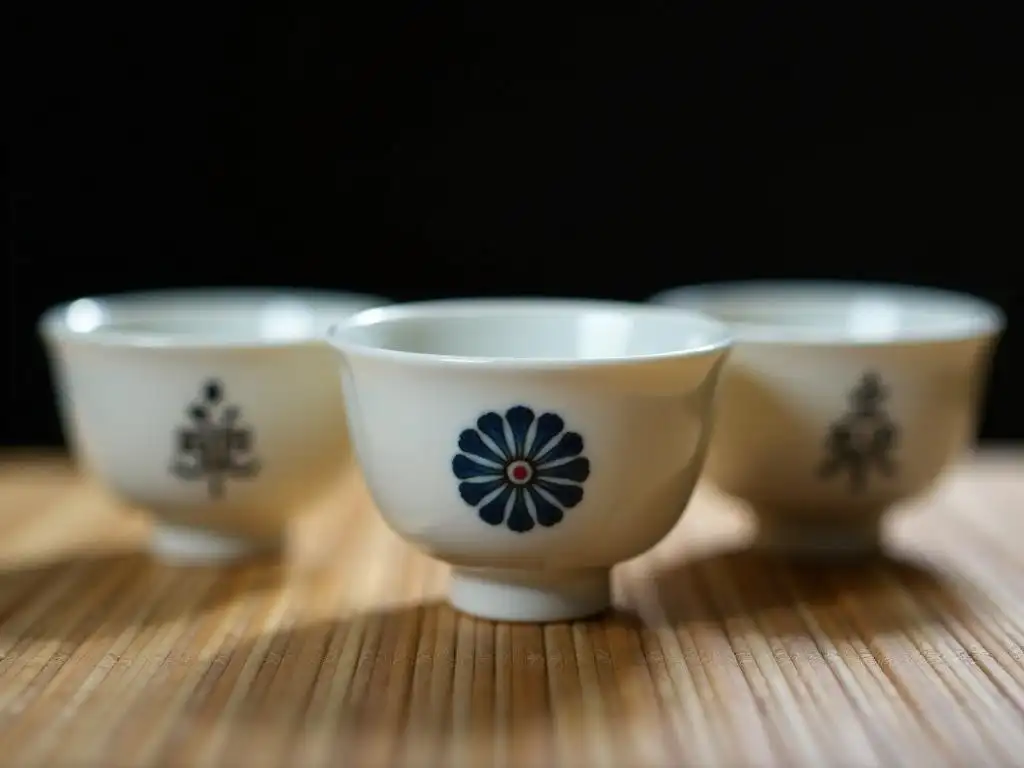
The origins of the Japanese tea ceremony are deeply rooted in the cultural and historical context of Japan, intertwining with various practices and philosophies that shaped its evolution. This section delves into the intricate details surrounding the inception of the tea ceremony, exploring its historical context, early practices, and the significant influence of Zen Buddhism.
Historical Context of Tea Introduction to Japan
Tea was first introduced to Japan in the early 9th century through Buddhist monks who traveled to China. The T’ang Dynasty (618–907) in China was pivotal in the development of tea culture, and the monks returned with seeds and knowledge about tea cultivation and brewing techniques. By the late 8th century, the first documented mention of tea in Japan appears in the writings of Saichō, a monk who brought back tea seeds from China to plant on the sacred Mount Hiei.
As tea gained popularity among the elite, it became associated with Buddhist meditation practices, serving as a stimulant that aided in prolonged meditation sessions. During the Heian Period (794–1185), tea started to spread among the aristocracy, becoming a symbol of sophistication and cultural refinement.
Early Tea Practices in Japan
In the beginning, tea was consumed in a casual manner, primarily as a brewed beverage rather than as part of a structured ceremony. However, by the Kamakura Period (1185–1333), the practices began to formalize.
- Sencha (tea brewed by pouring hot water over the leaves) was the initial method of preparation, focusing on the simplicity of the drink.
- Matcha (powdered tea) emerged as a favored variety, particularly among Zen monks who appreciated its convenience and energizing properties.
During this period, the simple act of drinking tea started to evolve into a more communal and ritualistic practice, paving the way for what would later become the Japanese tea ceremony.
The Influence of Zen Buddhism on Tea
The profound impact of Zen Buddhism on the Japanese tea ceremony cannot be overstated. Zen philosophy emphasizes simplicity, mindfulness, and the appreciation of the present moment, qualities that resonate deeply within the tea ceremony's framework.
- Tea Masters: Figures such as Sen no Rikyū played a crucial role in refining the tea ceremony into an art form that encapsulated Zen principles. Rikyū’s teachings emphasized the importance of aesthetics, harmony, and the spirit of hospitality, leading to the development of the rituals that define the tea ceremony today.
- Wabi-Sabi Aesthetic: This philosophy, which finds beauty in imperfection and transience, shaped the materials used in tea utensils and the overall ambiance of tea gatherings. Elements such as rustic tea bowls and asymmetrical designs became emblematic of the ceremony, highlighting the importance of simplicity and authenticity.
- Mindfulness and Presence: The ritual of preparing and serving tea became an expression of mindfulness, where each movement is deliberate and every element is significant. This meditative aspect is central to the experience, allowing participants to connect with one another and their surroundings.
The origins of the Japanese tea ceremony are a rich tapestry of historical influences, evolving practices, and philosophical underpinnings. Understanding these elements is essential for appreciating the depth and significance of the tea ceremony within Japanese culture.
The Evolution of Japanese Tea Ceremonies
Japanese tea ceremonies, known as chanoyu or sado, are a profound cultural practice that has evolved over centuries, reflecting the intricate relationship between tea, art, and spirituality in Japanese society. This evolution is not merely a change in practice but a transformation of ideology, aesthetics, and social interaction surrounding tea consumption.
The origins of the Japanese tea ceremony can be traced back to the Tang Dynasty (618–907) in China, where tea drinking began to gain popularity. However, it wasn't until the 9th century, during the Heian period (794–1185), that tea was introduced to Japan. Initially, it was consumed primarily by the aristocracy and Buddhist monks for its stimulating properties and its role in meditation.
As we delve deeper into the history of the Japanese tea ceremony, we uncover a timeline rich with cultural significance, aesthetic evolution, and philosophical underpinnings that shaped its practices and rituals.
Key Historical Milestones in Tea Ceremony Development
- Introduction of Tea to Japan (9th Century)
- The first recorded instance of tea in Japan is attributed to the Buddhist monk Saicho, who brought tea seeds from China. Initially, tea was consumed in powdered form, similar to the Chinese practice.
- Establishment of the Tea Culture (12th-15th Century)
- The Kamakura period (1185–1333) saw the emergence of tea as a popular beverage among the samurai class. The Ashikaga shogunate (1336–1573) further popularized tea drinking, leading to the establishment of tea houses.
- The Zen Influence and Formalization (15th-16th Century)
- The tea ceremony began to adopt a more formal structure, influenced by Zen Buddhism. The concept of simplicity and mindfulness became central, leading to the establishment of the wabi-sabi aesthetic, which values imperfection and transience.
- The Development of the Chanoyu (16th Century)
- Sen no Rikyū, the most influential figure in tea culture, perfected the tea ceremony, emphasizing the spiritual and meditative aspects. His teachings led to the creation of the four principles of tea: harmony, respect, purity, and tranquility (和敬清寂).
- Modernization and Global Influence (20th Century to Present)
- The tea ceremony has continued to evolve, adapting to contemporary practices while maintaining its historical significance. Today, it serves as a cultural ambassador for Japan, gaining international recognition and appreciation.
Transformation of Tea Practices through the Ages
The transformation of tea practices in Japan is a reflection of broader social and cultural changes. Throughout history, the tea ceremony has undergone several notable shifts:
-
From Medicinal to Social Ritual
Initially regarded as a medicinal beverage, tea transitioned to a social activity among the elite, where it became a means of fostering relationships and cultural exchange.
-
Integration of Art and Aesthetics
The tea ceremony incorporates various art forms, including calligraphy, flower arrangement ( ikebana), and ceramics. The choice of utensils and the arrangement of the tea room reflect the host's artistic sensibility and attention to detail.
-
Philosophical Underpinnings
The evolution of the tea ceremony parallels the development of Zen philosophy in Japan, emphasizing mindfulness and the importance of the present moment. Each aspect of the ceremony, from the preparation of tea to the movement of the participants, embodies a meditative practice.
-
Adaptation and Globalization
In recent years, the Japanese tea ceremony has adapted to modern contexts, with variations emerging that cater to diverse audiences. Workshops and demonstrations are increasingly popular around the world, promoting cultural understanding and appreciation.
The Role of Notable Figures in Shaping Tea Ceremony
Throughout its history, several notable figures have played pivotal roles in shaping the practices and philosophies of the Japanese tea ceremony:
-
Kōbō Daishi (774–835)
A prominent Buddhist monk, Kōbō Daishi is credited with introducing tea drinking to Japanese temples. His influence laid the groundwork for tea's spiritual associations in Japan.
-
Sen no Rikyū (1522–1591)
Often regarded as the father of the Japanese tea ceremony, Rikyū's teachings emphasized the importance of simplicity, humility, and a connection to nature. His legacy is evident in the aesthetics and rituals that define the tea ceremony today.
-
Miyamoto Musashi (1584–1645)
The famed swordsman and philosopher Musashi incorporated tea practices into his own philosophy of combat and strategy, seeing the tea ceremony as a reflection of discipline and mastery.
-
Okakura Kakuzō (1862–1913)
An influential art historian and philosopher, Kakuzō was instrumental in promoting the Japanese tea ceremony to a global audience. His book, The Book of Tea, explores the cultural significance of tea and its role in Japanese aesthetics.
The historical evolution of Japanese tea ceremonies reflects a complex interplay of cultural, spiritual, and social factors. Each milestone in its history contributes to the rich tapestry of practices we see today, making the tea ceremony an enduring symbol of Japanese heritage. The ongoing appreciation and adaptation of these rituals signify their relevance in contemporary society, bridging the past with the present.
The Elements of Japanese Tea Ceremonies
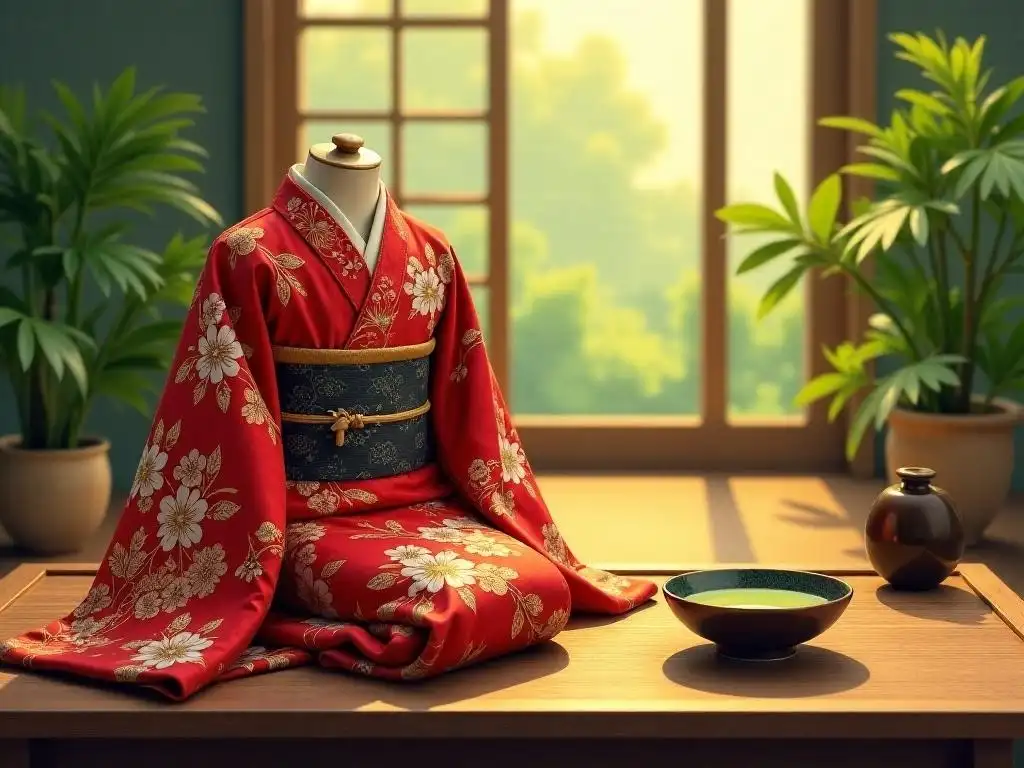
Japanese tea ceremonies, known as chanoyu or sado, are intricate rituals that blend aesthetics, spirituality, and history. These ceremonies are defined not only by the tea consumed but also by various elements that contribute to the overall experience. Understanding these elements is crucial to appreciating the depth of the Japanese tea ceremony history.
Tea Types and Their Historical Significance
The type of tea used in Japanese tea ceremonies plays a pivotal role in defining the experience and its historical context. Primarily, the two types of tea featured are matcha and sencha.
- Matcha: This powdered green tea has its origins in the Tang dynasty of China but gained prominence in Japan during the 12th century. With the rise of Zen Buddhism, matcha became favored for its health benefits and energizing properties. The preparation of matcha involves whisking the powder with hot water, creating a frothy drink that symbolizes harmony and tranquility.
- Sencha: Unlike matcha, sencha is brewed from whole tea leaves. Its introduction in the 17th century marked a significant shift in tea consumption in Japan. Sencha is often served in less formal settings and reflects the everyday culture of tea drinking. The choice between matcha and sencha often depends on the occasion, with matcha being reserved for more formal tea ceremonies.
The historical significance of these teas is profound, as they reflect the evolution of Japanese society and its relationship with nature. The cultivation and preparation methods have been passed down through generations, making each cup a testament to Japan's agricultural practices and aesthetic values.
Utensils and Their Symbolism in Tea Rituals
The utensils used in Japanese tea ceremonies are not mere tools; they are imbued with deep symbolism and reflect the philosophy of wabi-sabi, which appreciates the beauty in imperfection and transience. Key utensils include:
- Chawan (Tea Bowl): The tea bowl is central to the tea ceremony, symbolizing respect for the guest. Each chawan is unique, often crafted by artisans to reflect the season or occasion. The act of holding the bowl signifies gratitude and humility.
- Chasen (Bamboo Whisk): This tool is essential for preparing matcha. The chasen, made from a single piece of bamboo, represents the harmony between nature and craftsmanship. The whisking process itself embodies the concept of movement and stillness, crucial elements in tea rituals.
- Kensui (Waste Water Container): This vessel collects excess water and used tea, symbolizing the importance of cleanliness and purity in the ceremony. It reminds participants of the cycle of consumption and waste, urging mindfulness in daily life.
These utensils not only facilitate the tea-making process but also serve as conduits for expressing respect, mindfulness, and aesthetic appreciation, which are core principles in the practice of Japanese tea ceremonies.
The Setting: Tea Rooms and Their Aesthetic
The environment in which a tea ceremony takes place is meticulously curated to enhance the overall experience. The tea room, or chashitsu, is designed with simplicity and elegance in mind, reflecting the principles of Zen aesthetics.
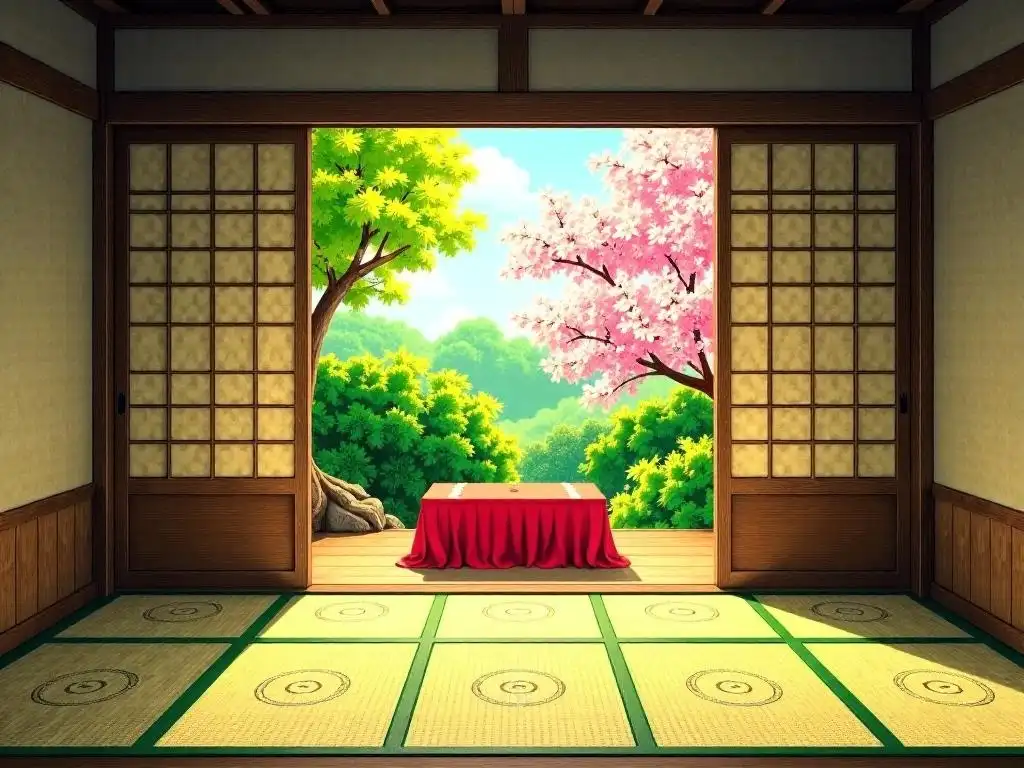
- Design and Architecture: Traditional tea rooms are characterized by tatami mat flooring, shoji screens, and minimalistic decor. The use of natural materials fosters a connection to the outdoors, emphasizing harmony with nature. The layout often includes a tokonoma, or alcove, where seasonal flowers or calligraphy are displayed to set the mood.
- Seasonal Elements: The aesthetic of the tea room changes according to the seasons, incorporating elements that reflect the natural world. For example, cherry blossoms in spring, colorful leaves in autumn, and snow in winter all influence the decor and atmosphere of the ceremony.
- Mindful Space: The tea room is not just a physical space but a sanctuary for mindfulness. Participants are encouraged to leave behind the distractions of the outside world, engaging fully in the moment. The design fosters a sense of tranquility, allowing for introspection and appreciation of the present.
The elements of Japanese tea ceremonies—including the types of tea, utensils, and the setting—are deeply intertwined with the historical and cultural narratives of Japan. Each aspect contributes to the rich tapestry of chanoyu, making it a profound reflection of Japanese values and aesthetics.
Rituals and Aesthetics in Japanese Tea Ceremony
The Structure of a Traditional Tea Ceremony
The traditional Japanese tea ceremony, known as Chanoyu (茶の湯), consists of a series of meticulously choreographed steps that emphasize harmony, respect, purity, and tranquility. The ceremony generally unfolds in the following structured manner:
- Preparation:
- Tea Room Setup: The tea room, or chashitsu, is prepared with great care. This includes cleaning the space, arranging utensils, and ensuring that decorations reflect the season.
- Gathering of Guests: Guests are invited to enter the tea room, usually after washing their hands and rinsing their mouths, symbolizing purification.
- Welcome Ritual:
- The host bows to the guests, acknowledging their presence and creating a respectful atmosphere. The initial greeting sets the tone for the entire ceremony.
- Presentation of Utensils:
- The host presents the tea utensils, including the chawan (tea bowl), chashaku (tea scoop), and chasen (whisk). Each item is handled with care, emphasizing the importance of each part of the ceremony.
- Tea Preparation:
- The host prepares the matcha (powdered green tea) in the chawan. The process involves precise movements that reflect the aesthetics of the ceremony, with an emphasis on smooth and deliberate actions.
- Serving the Tea:
- Once the tea is prepared, it is served to the guests, who receive it with both hands, showing respect for the host's efforts. Guests then admire the tea bowl before drinking, a practice that highlights appreciation for craftsmanship.
- Concluding Rituals:
- After the tea is consumed, guests may express their gratitude, and the host cleans up the utensils with reverence, marking the end of the ceremony.
The entire structure is designed to foster a unique connection between the host and guests, creating an atmosphere of tranquility and mindfulness.
Aesthetic Principles: Wabi-Sabi and Simplicity
The aesthetic philosophy underlying the Japanese tea ceremony is deeply rooted in the concepts of wabi-sabi and simplicity.
- Wabi-Sabi: This principle celebrates the beauty of imperfection and transience. In the context of the tea ceremony, wabi-sabi is reflected in the use of rustic ceramics, asymmetrical designs, and natural materials. For example, a handmade tea bowl might exhibit irregularities that enhance its character, inviting guests to appreciate the uniqueness of each piece.
- Simplicity: The tea ceremony emphasizes minimalism, stripping away unnecessary elements to focus on the essence of the moment. The decor is often understated, using seasonal flowers or simple scrolls to create a serene environment. This simplicity encourages mindfulness and contemplation, allowing participants to fully engage with the experience.
Together, these aesthetic principles contribute to a profound appreciation of nature and the fleeting moments of life, characteristics that are central to the Japanese tea ceremony.
The Spiritual Significance of the Ceremony
The Japanese tea ceremony is not merely a social event; it embodies significant spiritual dimensions that reflect Zen Buddhism's influence on Japanese culture. The following aspects highlight its spiritual significance:
- Mindfulness and Presence: The ritualistic nature of the ceremony encourages participants to be fully present in the moment. Each action, from the preparation of the tea to the serving, is performed with intention, fostering a meditative state that promotes inner peace.
- Connection with Nature: The use of natural materials and seasonal elements in the ceremony serves as a reminder of the interconnectedness of life. This connection to nature is pivotal in cultivating a sense of gratitude and appreciation for the world around us.
- Community and Harmony: The ceremony fosters a sense of community among participants, emphasizing respect, trust, and harmony. This communal aspect reflects the broader societal values of cooperation and mutual understanding, transcending individual differences.
- Symbol of Enlightenment: For many practitioners, the tea ceremony represents a path to enlightenment, where the act of making and sharing tea becomes a form of spiritual practice. This journey toward understanding oneself and the universe is at the heart of the tea ceremony's enduring legacy.
The Japanese tea ceremony encapsulates a rich tapestry of rituals and aesthetics that serve both cultural and spiritual purposes, making it a profound expression of Japanese heritage.
Regional Variations in Japanese Tea Ceremonies
Japanese tea ceremonies, or chanoyu, vary significantly across different regions of Japan, reflecting the unique cultural, historical, and environmental influences of each area. These regional variations not only showcase the diversity of tea practices but also highlight the deep-rooted connections between tea and local traditions.
Differences in Tea Ceremonies Across Japan
Across the archipelago, each region has developed its own distinctive style of tea ceremony, influenced by local customs and the availability of resources. Here are some notable regional variations:
-
Kyoto Style
The tea ceremonies in Kyoto are known for their elegance and refinement, deeply rooted in the aesthetics of the Wabi-Sabi philosophy. The use of seasonal flowers, delicate ceramics, and minimalist decor is prevalent. The tea served is often matcha, a powdered green tea that emphasizes quality and flavor.
-
Kanto Style
In the Kanto region, particularly in Tokyo, tea ceremonies tend to be more modern and less formal than their Kyoto counterparts. This style often incorporates contemporary elements and a more relaxed atmosphere, making it accessible to a broader audience. The focus is on creating an enjoyable experience rather than strict adherence to traditional protocols.
-
Kansai Style
The Kansai region, which includes Osaka and Kobe, blends the formal traditions of Kyoto with the more casual approach of the Kanto area. The ceremonies here often feature elaborate sweets ( wagashi) that accompany the tea, which adds a layer of sensory experience to the ritual.
-
Okinawa Style
In Okinawa, tea ceremonies are influenced by the region's tropical climate and unique cultural heritage. Instead of matcha, Okinawa tea (often made from local herbs) is used, and the rituals may incorporate elements of local spirituality and community gatherings, reflecting the importance of hospitality.
-
Hokkaido Style
The northernmost region of Hokkaido has a unique approach to tea ceremonies, often focusing on herbal teas or locally sourced ingredients. The ceremonies are usually held outdoors, embracing the natural beauty of the landscape and promoting a sense of tranquility and connection to nature.
Influences of Local Culture on Tea Practices
Local culture plays a crucial role in shaping the practices surrounding tea ceremonies in Japan. Here are several ways in which cultural influences manifest in different regions:
-
Historical Context
The historical background of each region influences its tea practices. For instance, areas that experienced significant trade or cultural exchange, such as Nagasaki, have incorporated elements from other cultures, leading to unique adaptations of traditional tea ceremonies.
-
Environmental Factors
The natural environment affects not only the types of tea used but also the settings of tea ceremonies. Regions with abundant greenery may favor outdoor ceremonies that celebrate the beauty of nature, while urban areas might conduct ceremonies in more enclosed settings.
-
Religious and Spiritual Influences
Many tea ceremonies incorporate local spiritual beliefs and practices. For example, in regions where Shinto traditions are prevalent, ceremonies might include offerings or prayers that reflect the local spiritual landscape.
-
Community and Social Structure
The social dynamics of a region can also dictate the style of tea ceremonies. In rural areas, ceremonies may serve as community gatherings, focusing on inclusivity and shared experiences, while in urban settings, they might be more exclusive and formal.
By understanding these regional variations and cultural influences, one gains a richer perspective on the historical evolution of Japanese tea ceremonies. This complexity not only enriches the chanoyu experience but also underscores the importance of tea in Japanese society as a whole.
The Modern Adaptation of Japanese Tea Ceremony
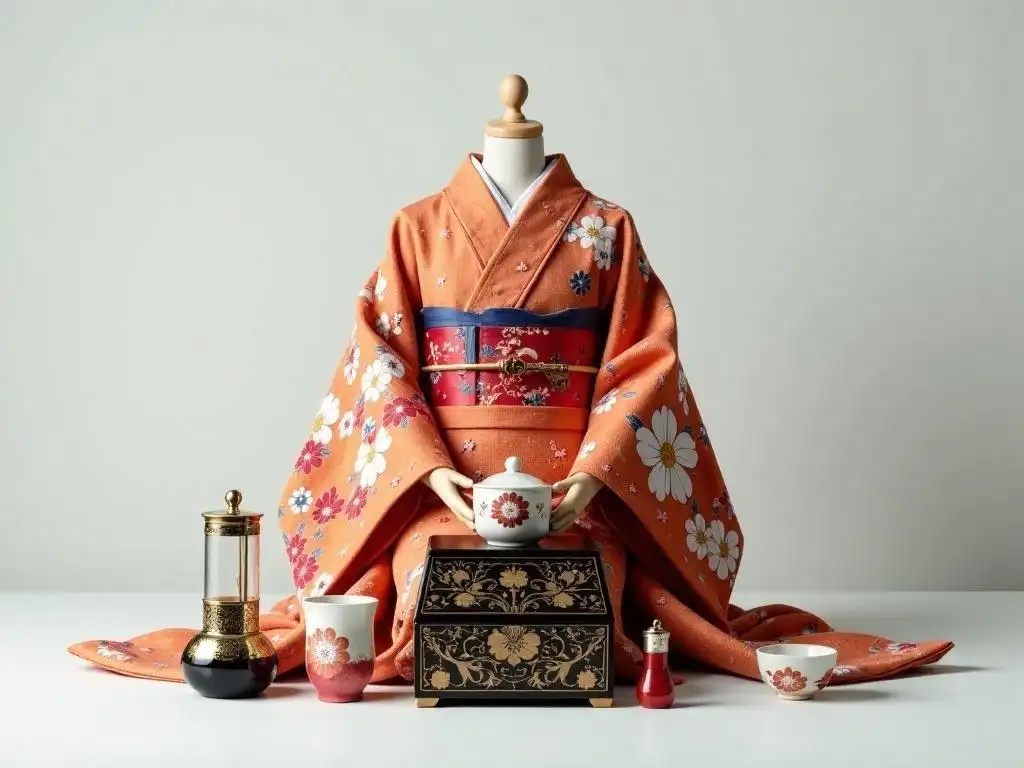
As Japan continues to evolve culturally and socially, the Japanese tea ceremony, or chanoyu, has adapted to reflect contemporary values and lifestyles. This evolution is characterized by a blend of traditional practices with modern influences, allowing the tea ceremony to remain relevant while still honoring its rich heritage.
Contemporary Practices and Innovations
In recent years, many aspects of the Japanese tea ceremony have seen innovative changes that cater to the tastes and expectations of a modern audience. Here are some notable contemporary practices and innovations:
-
Casual Tea Gatherings:
Many people now host informal tea gatherings, departing from the rigid formalities of traditional ceremonies. This approach focuses on the enjoyment of tea rather than adherence to strict protocols, making the experience more accessible.
-
Fusion with Modern Beverages:
Contemporary tea ceremonies often incorporate various teas from around the world, such as herbal teas and fruit-infused blends. This fusion allows for a diverse palette, appealing to both traditionalists and modern tea enthusiasts.
-
Artistic Presentation:
Modern practitioners are emphasizing aesthetic presentation, using creative serving ware and unique arrangements that reflect personal style. This shift promotes individual creativity while still respecting the principles of harmony and beauty inherent in the traditional tea ceremony.
-
Themed Events:
Many tea ceremonies today are organized around specific themes or occasions, such as seasonal changes or cultural festivals. This thematic approach encourages community engagement and attracts a wider audience, including those unfamiliar with traditional practices.
Preservation of Tradition in Modern Society
Despite the adaptations, the core values of the Japanese tea ceremony remain preserved, ensuring that the essence of chanoyu is not lost in translation. Here are key aspects of how tradition is maintained in a modern context:
-
Educational Workshops:
Institutions and tea masters are increasingly offering workshops aimed at educating new generations about the historical significance and techniques of the tea ceremony. These educational initiatives help cultivate appreciation and understanding of traditional practices.
-
Cultural Festivals:
Local and national festivals often feature tea ceremony demonstrations, providing opportunities for the public to experience traditional practices firsthand. These events serve as a bridge between the past and present, showcasing the enduring value of the tea ceremony.
-
Digital Preservation:
With the advent of technology, many tea masters and enthusiasts are utilizing digital platforms to share knowledge and techniques related to the tea ceremony. Online tutorials, virtual ceremonies, and social media engagement help to preserve and promote the rich history of the practice globally.
-
Community Involvement:
Many tea practitioners are fostering community involvement by hosting open tea ceremonies, inviting participants to engage in the process. This inclusivity not only enhances the communal experience but also encourages the transmission of traditional values and practices to a broader audience.
The modern adaptation of the Japanese tea ceremony reflects a harmonious blend of tradition and innovation. As it evolves to meet contemporary needs, the essence of its historical roots continues to thrive, ensuring that the rich heritage of Japanese tea ceremony history remains alive and relevant in today’s society.
Conclusion: The Legacy of Japanese Tea Ceremony History
Reflection on the Cultural Significance of Tea Ceremonies
The Japanese tea ceremony, or chanoyu, transcends mere beverage preparation; it embodies centuries of cultural evolution and spiritual philosophy. Rooted in Zen Buddhism, this ritual is a profound expression of harmony, respect, purity, and tranquility. Each element—from the meticulously chosen tea utensils to the aesthetics of the tea room—serves a purpose, reflecting the deep connection between nature, art, and human interaction.
The wabi-sabi aesthetic, which finds beauty in imperfection and transience, plays a pivotal role in the tea ceremony. The simplicity and minimalism of the environment, alongside the seasonal variations in decor, remind participants to appreciate the present moment and the ephemeral nature of life. This philosophy resonates with the broader Japanese cultural ethos, where the integration of nature into daily life is paramount.
Moreover, the tea ceremony is a social event that fosters relationships and community bonding. It serves as a platform for dialogue, allowing participants to engage in meaningful conversation. The act of serving tea is laden with symbolism—an offering of hospitality that emphasizes mutual respect and connection. As such, the tea ceremony has been a conduit for cultural exchange, both within Japan and with the outside world, illustrating the importance of shared human experiences.
The Future of Japanese Tea Ceremonies in a Global Context
As the world becomes increasingly interconnected, the Japanese tea ceremony faces both challenges and opportunities. In a global context, the ritual has garnered international interest, inspiring adaptations and new interpretations. While maintaining its traditional roots, contemporary tea ceremonies now incorporate diverse cultural elements, creating a hybrid experience that appeals to a broader audience.
The rise of matcha—a key component in many tea ceremonies—has contributed significantly to this global fascination. Its versatility in culinary practices and wellness trends has sparked interest in the cultural practices surrounding it. As a result, many cafes and wellness centers outside Japan are adopting chanoyu-inspired ceremonies, albeit with regional twists. This evolution prompts a dialogue about authenticity and adaptation, posing questions about how traditional practices can coexist with modern influences.
Furthermore, the digital age has facilitated the sharing of tea ceremony knowledge through online platforms and virtual workshops. This has made the art of Japanese tea ceremonies more accessible to people worldwide, fostering an appreciation for its rich history and cultural significance.
While the essence of Japanese tea ceremony history remains rooted in its traditional practices, its future is likely to be marked by a dynamic interplay of cultural exchange and adaptation, ensuring that this ancient ritual continues to thrive in a contemporary global landscape.
References
Suggested Readings on Japanese Tea Ceremony History
-
"The Book of Tea" by Okakura Kakuzō
This classic text delves into the philosophical underpinnings and aesthetic principles of the Japanese tea ceremony. It explores how tea transcends mere drink to become a spiritual and cultural experience.
-
"Tea Life, Tea Mind" by Soshitsu Sen XV
This book provides insights into the practice of the tea ceremony, emphasizing the importance of mindfulness and the concept of "ichi-go ichi-e" (one time, one meeting) in the experience of serving and enjoying tea.
-
"The Tea Ceremony" by Sen Sōshitsu
This comprehensive guide offers a detailed overview of the formal tea ceremony, its historical evolution, and various types of ceremonies that exist within Japanese culture.
-
"Japanese Tea Culture: Arts of the Tea Ceremony" by G. M. H. S. Shobun
This work presents a cultural history of tea in Japan, detailing its journey from China to Japan and its integration into Japanese society, including the development of various tea schools.
-
"The Zen of Tea" by H. S. Hoshino
Focusing on the connection between Zen Buddhism and the tea ceremony, this book discusses how the principles of Zen influence the practices and rituals surrounding tea.
Academic Sources for Further Research
| Author | Title | Publisher | Year |
|---|---|---|---|
| Ueda, S. | "The History of Japanese Tea" | Kyoto University Press | 2005 |
| Kato, T. | "Tea and the Japanese Way of Life" | Routledge | 2010 |
| Takagi, Y. | "Aesthetic Principles of the Japanese Tea Ceremony" | Japan Foundation | 2012 |
| Yamamoto, H. | "Cultural Significance of Tea in Japan" | University of Tokyo Press | 2018 |
| Ishikawa, R. | "The Transformation of Tea Practices in Japan" | Asian Studies Review | 2021 |
These academic resources provide a scholarly view on various aspects of Japanese tea ceremony history, from its cultural significance to its aesthetic evolution. Researchers and enthusiasts alike can utilize these works for a deeper understanding of how tea rituals have shaped and been shaped by Japanese society over the centuries.
Frequently Asked Questions
What is the significance of the Japanese tea ceremony in history?
The Japanese tea ceremony is significant as it embodies cultural values such as harmony, respect, purity, and tranquility, reflecting the spiritual connection between the host and guests.
How did the Japanese tea ceremony evolve over time?
The Japanese tea ceremony evolved from simple tea-drinking practices in the 9th century into a structured ritual influenced by Zen Buddhism and the aesthetics of Wabi-sabi during the 16th century.
What are the key elements of a Japanese tea ceremony?
Key elements include the tea utensils, the tea type used (usually matcha), and the environment, which is often a serene setting that fosters mindfulness and aesthetic appreciation.
Who were the main figures in the development of the Japanese tea ceremony?
Notable figures include Sen no Rikyū, who is credited with systematizing the ceremony and emphasizing its philosophical aspects during the 16th century, greatly influencing its practice.
How does the Japanese tea ceremony reflect Japanese culture?
The Japanese tea ceremony reflects Japanese culture through its emphasis on aesthetics, ritual, and the importance of hospitality, showcasing a deep appreciation for nature and simplicity.
Final Reflection: The Timeless Essence of Japanese Tea Ceremony History
The journey through the history of the Japanese tea ceremony reveals not only its aesthetic beauty but also its profound cultural significance. In today's fast-paced world, where rituals often take a backseat to efficiency, the Japanese tea ceremony stands as a poignant reminder of the importance of mindfulness and connection. This ancient practice invites us to slow down, appreciate the present moment, and engage with our surroundings in a deeply meaningful way.
Culture is a living tapestry, woven from the threads of our histories and traditions. The evolution of the Japanese tea ceremony reflects a broader narrative of social cohesion, artistic expression, and spiritual growth. As we witness its continued influence in contemporary society, we are reminded of the words of Sen no Rikyū, the revered tea master: The way of tea is a way of harmony.
This sentiment resonates today, as the tea ceremony fosters a sense of community and tranquility amidst the chaos of modern life, encouraging us to cultivate relationships and embrace simplicity.
As you reflect on the lessons embedded within the history of the Japanese tea ceremony, consider how you might incorporate its principles into your own life. Take a moment to pause, breathe, and engage in a ritual that brings you joy and connection, whether through a cup of tea or another meaningful practice. Let the essence of this tradition inspire you to create spaces of calm and reflection in your daily routine, nurturing both your spirit and your relationships with others.
Embrace the Art of Tea: Start Your Journey Today!
Thank you for delving into the fascinating evolution of Japanese tea ceremonies with us! You’ve uncovered the rich history and profound significance behind this exquisite ritual. Now, it’s time to take that appreciation further and engage with the art of tea in your own life.
Here are some exciting steps you can take to deepen your connection with this timeless tradition:
- Host your own tea ceremony at home; gather friends and share the experience of mindfulness while appreciating the nuances in flavors.
- Explore local tea shops or specialty stores to discover unique teas that you’ve never tried before; each blend offers a new story to experience!
- Join a community or online forum— discuss the significance of tea ceremonies with fellow enthusiasts and share your personal experiences.
Which tea traditions resonate with you the most, and how might you incorporate them into your daily life? Let’s start a conversation!