
Religion and Diplomacy: The Influence of Western Missionaries in Japan

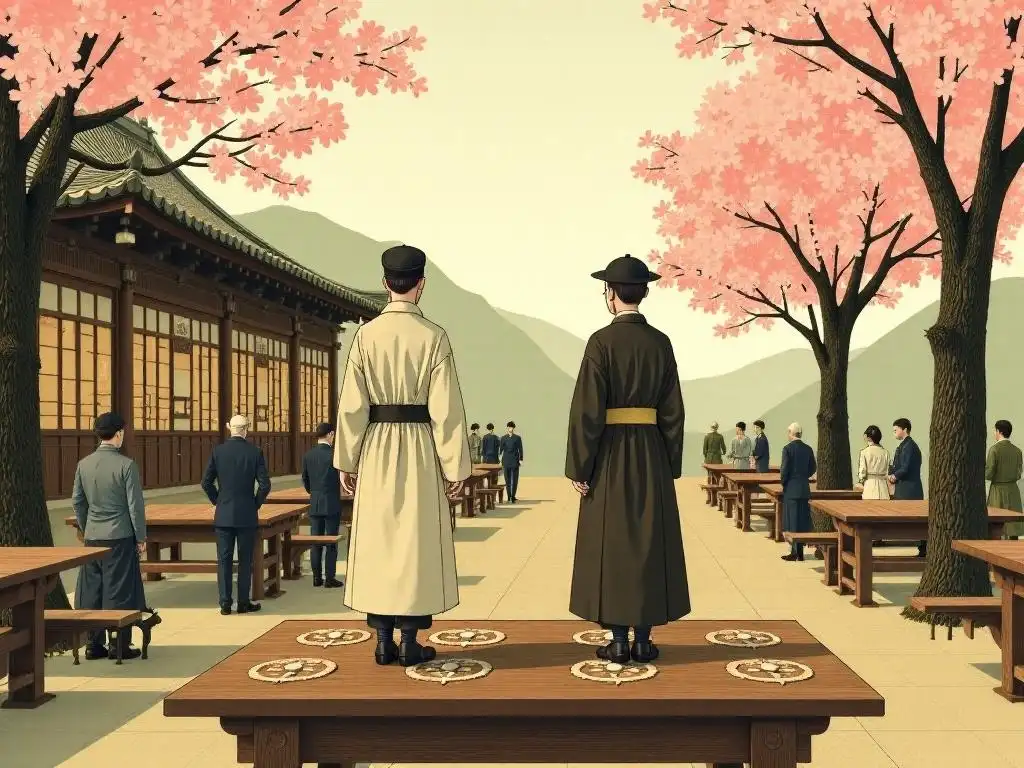
Welcome to Feudal Japan History, where we embark on a fascinating journey through the intricate tapestry of Japan’s feudal era. In our featured article, "Religion and Diplomacy: The Influence of Western Missionaries in Japan," we delve into the profound impact that these early emissaries had on Japanese society, culture, and foreign relations. What drove these missionaries to Japan, and how did their presence reshape the landscape of diplomacy during this pivotal time?
Prepare to uncover the layers of intrigue and influence as you explore the nuanced relationships that defined an era. Your adventure into the depths of history starts here!
- Introduction to Western Missionaries in Japan
- The Arrival of Western Missionaries in Japan
- The Influence of Western Missionaries on Japanese Society
- Western Missionaries and Japanese Diplomacy
- Resistance and Challenges Faced by Western Missionaries
- The Legacy of Western Missionaries in Japan
- Conclusion: The Lasting Impact of Western Missionaries in Japan
-
Frequently Asked Questions
- What was the role of Western missionaries in Japan during the feudal era?
- How did Western missionaries impact Japanese society?
- What challenges did Western missionaries face in Japan?
- How did the relationship between Western missionaries and the Japanese government evolve?
- What legacy did Western missionaries leave in Japan?
- Final Reflection: The Enduring Legacy of Western Missionaries in Japan
- Unveil the Impact of Religion on Diplomacy Today!
Introduction to Western Missionaries in Japan
The arrival of Western missionaries in Japan marked a significant turning point in the nation’s history, intertwining the realms of religion and diplomacy in a complex narrative that has shaped Japan's cultural and societal landscape. These missionaries, primarily from European countries, brought with them not only religious beliefs but also new ideas, technologies, and diplomatic relations that would have lasting effects on Japanese society.
As Japan transitioned from its traditional feudal system to a more modern state, the influence of these missionaries became evident, impacting everything from governance to education and social reforms. This exploration delves into the intricate role that Western missionaries played in Japan, highlighting their contributions, challenges, and the intricate dance between faith and international relations.
Overview of the Historical Context
The historical backdrop of Western missionaries in Japan dates back to the 16th century, during the age of exploration and colonial expansion. Initially, Portuguese traders arrived in Japan, introducing European goods and ideas. It was not long before Jesuit missionaries followed, with figures like Francisco Xavier leading the charge. The missionaries aimed to spread Christianity and convert the Japanese populace.
Key points to consider include:
- Initial Reception: The early encounters with missionaries were met with a mix of curiosity and acceptance. Many Japanese, intrigued by foreign ideas, embraced the teachings of Christianity.
- Cultural Exchange: The missionaries facilitated a significant exchange of knowledge, introducing Western science, medicine, and education to Japan. This cultural interaction had profound implications for Japanese society.
- Political Dynamics: The growing influence of Christianity alarmed some Japanese leaders, leading to periods of persecution and the eventual expulsion of missionaries during the Tokugawa shogunate.
Importance of Religion in Diplomacy
Religion played a pivotal role in shaping diplomatic relations between Japan and Western nations. The introduction of Christianity was not merely a religious endeavor; it intertwined with political and economic interests.
Consider the following aspects:
- Diplomatic Leverage: The presence of missionaries often provided a means for Western powers to exert influence over Japan. Their connections with foreign governments enabled diplomatic negotiations that would otherwise be challenging.
- Cultural Diplomacy: Western missionaries acted as cultural ambassadors, fostering understanding and cooperation between Japan and the West. They translated texts, shared knowledge, and advocated for Japan’s interests abroad.
- Conflict and Resolution: The clash between traditional Japanese beliefs and Western ideologies frequently led to tensions. However, the resolution of these conflicts often involved diplomatic negotiations influenced by the missionary presence.
The role of Western missionaries in Japan serves as a compelling case study of how religion can influence diplomatic relations and societal transformation. Their legacy continues to be felt in Japan's historical narrative, contributing to the ongoing dialogue about faith, culture, and international relations.
The Arrival of Western Missionaries in Japan
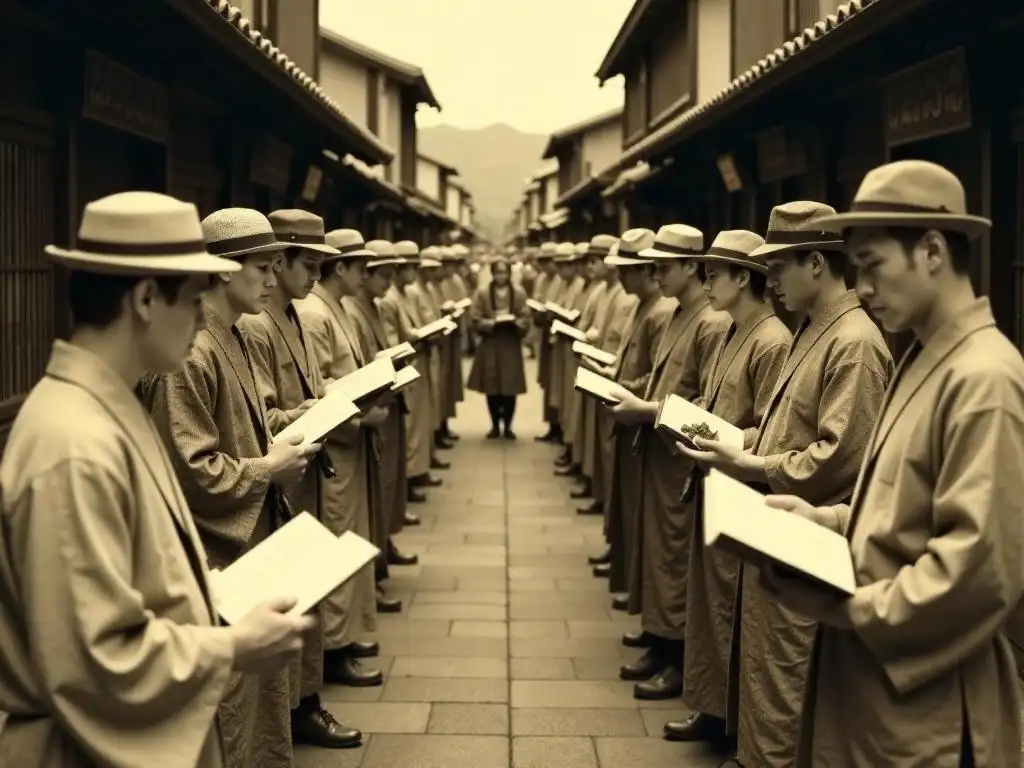
The arrival of Western missionaries in Japan marked a significant turning point in the nation's history, intertwining religious and diplomatic dynamics that would shape Japan's interactions with the West. The initial contacts began in the mid-16th century, primarily instigated by Portuguese explorers and traders who navigated the seas to establish trade routes. This era saw the birth of a unique cultural exchange that brought not only goods but also new ideas and beliefs to Japan.
Early Encounters with Portuguese Missionaries
The first recorded arrival of a Western missionary in Japan was in 1549 when Francis Xavier, a Jesuit priest, landed in Kagoshima. His presence heralded the beginning of a series of missionary activities that would extend across the archipelago. The Portuguese missionaries, often accompanied by traders, found a receptive audience among the Japanese, particularly among the daimyō (feudal lords) who were intrigued by the potential for trade and alliances with European powers.
- Cultural Exchange: The missionaries introduced Western concepts, including education, science, and technology. They taught the Japanese about European cartography, astronomy, and even medicine, which intrigued many local leaders.
- Religious Conversion: The initial reception of Christianity was met with enthusiasm, leading to rapid conversions. By the early 17th century, it is estimated that there were approximately 300,000 Christians in Japan, largely thanks to the efforts of the early Portuguese missionaries.
However, the relationship was not without its challenges. As missionaries gained influence, they often faced resistance from Buddhist and Shinto establishments, leading to a complex interplay of religious and political tensions.
The Role of Jesuit Missionaries in Japan
The Jesuit missionaries played a pivotal role in establishing Christianity in Japan, focusing on a strategy of adaptation and integration into Japanese society. They were not only religious figures but also cultural intermediaries who sought to understand and respect local customs.
- Education and Scholarship: Jesuits established schools and seminaries, promoting literacy and education among the Japanese. They translated religious texts into Japanese, making Christian teachings more accessible. Notable works include the "Miyako no Koto," a Japanese translation of the "Catechism."
- Diplomatic Engagement: Jesuits acted as diplomats, facilitating discussions between Japanese leaders and European powers. They played a significant role in negotiations that involved trade agreements and military alliances, thus intertwining religious missions with political objectives.
Despite their efforts, the Jesuits faced increasing scrutiny and eventual persecution under the Tokugawa shogunate, which sought to maintain political stability and suppress foreign influence. This led to a significant decline in Jesuit activities by the early 17th century.
Key Figures in Western Missionary Efforts
Several key figures emerged during the Western missionary movement in Japan, each contributing uniquely to the spread of Christianity and the complex socio-political landscape.
- Francis Xavier: As the first Jesuit missionary to arrive in Japan, Xavier's foundational work set the stage for future missionary efforts. His approach of building relationships with local leaders proved effective in establishing the initial foothold of Christianity in Japan.
- Alfonso de Mena: Another influential Jesuit, de Mena contributed to the spread of Christianity through his extensive travels across Japan. He documented his experiences and interactions, providing valuable insights into the cultural and religious dynamics of the time.
- William Adams: An English navigator and the first Western samurai, Adams played a crucial role in Japan’s early interactions with Europe. Although not a missionary in the traditional sense, his influence as a trader and diplomat helped bridge the gap between Japan and the West, affecting the perception of Western missionaries.
The influence of these figures and their respective missions laid the groundwork for understanding the complexities of Japan's interactions with Western powers, ultimately shaping the future of foreign relations in the region. The legacy of Western missionaries in Japan is a testament to the intricate blend of religion, culture, and diplomacy that characterized this pivotal era.
The Influence of Western Missionaries on Japanese Society
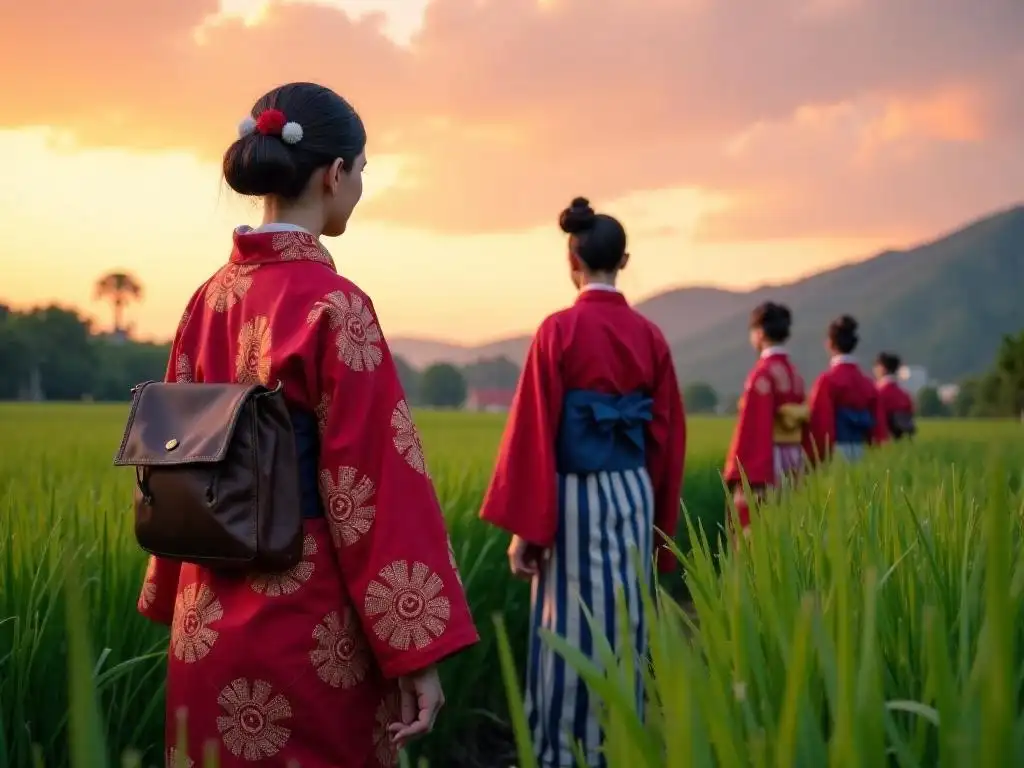
Cultural Exchange between Japan and Western Nations
The arrival of Western missionaries in Japan during the 16th century marked a significant turning point in the cultural landscape of the country. These missionaries, primarily from Portugal and Spain, brought with them not only religious teachings but also various elements of Western culture, technology, and ideologies. This exchange fostered a unique interaction between Japanese traditions and foreign influences.
- Art and Literature: The missionaries introduced new artistic techniques and materials. For instance, oil painting and Western-style printmaking began to influence local artists. Additionally, the incorporation of Western themes in Japanese literature became evident, as seen in the works of authors who started to explore narratives that reflected foreign experiences and ideas.
- Cuisine: The introduction of Western food items and cooking techniques also influenced Japanese cuisine. Ingredients such as potatoes, corn, and tomatoes were brought to Japan, enriching local diets and culinary practices. The concept of using dairy products was another significant change, leading to the emergence of fusion dishes that blended Western and Japanese flavors.
- Fashion and Lifestyle: The missionaries' attire and lifestyle choices sparked curiosity among the Japanese. Some samurai and wealthy merchants began to adopt Western clothing styles, integrating them into their wardrobes, which led to a gradual shift in fashion norms.
Education and Language: Missionaries as Educators
Western missionaries played a crucial role in the education sector of Japan. Their efforts in establishing schools and translating texts facilitated the spread of knowledge and language.
- Establishment of Schools: Missionaries founded several educational institutions aimed at both religious instruction and secular education. For instance, the Jesuits established schools that not only taught Christianity but also mathematics, astronomy, and science. This contributed to a more educated populace, particularly among the samurai class.
- Language Translation: The missionaries were instrumental in introducing the Latin alphabet and Western languages to Japan. They translated religious texts into Japanese, which not only made Christian teachings accessible but also sparked interest in learning foreign languages. This laid the groundwork for future language studies and interactions with Western nations.
- Printing Press: The introduction of the printing press by missionaries allowed for the widespread dissemination of educational materials. This innovation helped in the production of bilingual texts, enabling Japanese students to learn both their native language and Western languages simultaneously.
The Impact of Christianity on Japanese Spiritual Beliefs
The arrival of Western missionaries significantly impacted the spiritual beliefs of the Japanese populace. While the primary aim of these missionaries was to convert the Japanese to Christianity, their presence also encouraged a broader examination of existing religious practices.
- Introduction of Christian Concepts: The missionaries introduced key Christian concepts such as salvation, grace, and eternal life. These ideas challenged traditional Shinto and Buddhist beliefs, prompting discussions about the nature of divinity and the afterlife.
- Syncretism: In some cases, a syncretic relationship emerged where elements of Christianity began to blend with existing Japanese spiritual practices. This was particularly evident in regions where local beliefs and practices were modified to incorporate Christian teachings, leading to unique forms of worship.
- Persecution and Resilience: The initial enthusiasm for Christianity was met with resistance and persecution, especially during the Edo period. Despite this, the enduring influence of the missionaries can still be seen in modern Japanese society, where Christian festivals and traditions have found a place among other cultural practices.
The influence of Western missionaries in Japan was multifaceted, affecting cultural, educational, and spiritual dimensions of Japanese society. Their legacy is evident in numerous aspects of modern Japanese life, demonstrating the profound impact of these early interactions.
Western Missionaries and Japanese Diplomacy

Western missionaries in Japan played a crucial role in shaping not only religious landscapes but also diplomatic relations during the feudal era. Arriving in Japan in the 16th century, these missionaries were primarily driven by the goal of evangelism; however, their influence extended far beyond mere conversion efforts. They acted as cultural bridges, facilitating communication and understanding between Japan and Western nations. Their unique position allowed them to navigate complex sociopolitical terrains, making them valuable intermediaries in Japan's foreign relations.
Missionaries as Intermediaries in Foreign Relations
The arrival of Western missionaries in Japan coincided with a period of significant change and interaction with foreign powers. These missionaries, predominantly from the Jesuit and Franciscan orders, found themselves in a unique position to mediate between Japan and the West. Their linguistic skills and cultural knowledge allowed them to translate and interpret not only religious texts but also diplomatic communications.
- Cultural Exchange: Missionaries introduced Western concepts, values, and technologies, which were sometimes embraced by Japanese leaders seeking to modernize their society.
- Political Influence: Many missionaries gained the trust of influential daimyo (feudal lords) and were often consulted on matters of trade and diplomacy. Their insights were invaluable in understanding Western political dynamics.
- Information Networks: By establishing schools and churches, missionaries created networks that facilitated the flow of information between Japan and Europe, which was crucial for negotiating treaties and trade agreements.
The missionaries' dual identity as both religious figures and diplomats positioned them as key players in Japan's engagement with the outside world.
The Role of Missionaries in Treaties and Trade Deals
Western missionaries in Japan were instrumental in the negotiation of several important treaties and trade deals during the 16th and 17th centuries. Their understanding of both Western legal frameworks and Japanese customs enabled them to act as effective negotiators.
- Treaty of Nagasaki (1854):
- The Treaty of Nagasaki marked Japan’s formal opening to Western trade. Missionaries helped facilitate discussions between Japanese officials and American traders, easing tensions and promoting mutual understanding.
- They provided critical insights into Western legal practices, which were vital for drafting fair agreements.
- Trade with the Portuguese:
- The Portuguese were among the first Europeans to establish trade relations with Japan, and missionaries played a pivotal role in these early interactions.
- They not only introduced Portuguese technologies and goods but also acted as cultural intermediaries, promoting acceptance and fostering trade.
- Diplomatic Missions to Europe:
- Some missionaries, like Francisco de Xavier, undertook diplomatic missions themselves, travelling back to Europe to advocate for Japan's interests and secure favorable trade conditions.
- Their firsthand accounts of Japanese society and culture influenced European perceptions and policies towards Japan, often easing diplomatic tensions.
These instances highlight how Western missionaries were not merely religious figures but also vital actors in shaping Japan's diplomatic landscape.
Case Studies: Successful Diplomatic Missions Led by Missionaries
The influence of Western missionaries in Japan can be further illustrated through specific case studies that demonstrate their effectiveness in diplomatic missions.
- Francisco de Xavier (1549):
- As one of the first Jesuit missionaries to arrive in Japan, Xavier established critical connections with local lords. His respectful approach to Japanese culture and language earned him the trust of influential figures, which laid the groundwork for future diplomatic relations.
- William Adams (1600):
- An English navigator and pilot who became the first Western samurai, Adams worked closely with Tokugawa Ieyasu, the founder of the Tokugawa shogunate. Though not a missionary in the traditional sense, his close ties with Jesuit missionaries allowed him to facilitate important negotiations between the English and Japanese governments.
- The Dutch East India Company (1600s):
- Jesuit missionaries played a significant role in negotiating trade privileges for the Dutch in Japan, especially after the expulsion of the Portuguese. Their expertise in local customs and languages helped the Dutch establish a profitable trading post in Nagasaki, which became a key point for Western trade in Asia.
Through these case studies, it is evident that Western missionaries in Japan were not only crucial in the spread of Christianity but also in fostering diplomatic relations and trade between Japan and the West, demonstrating their multifaceted influence during the feudal era.
Resistance and Challenges Faced by Western Missionaries
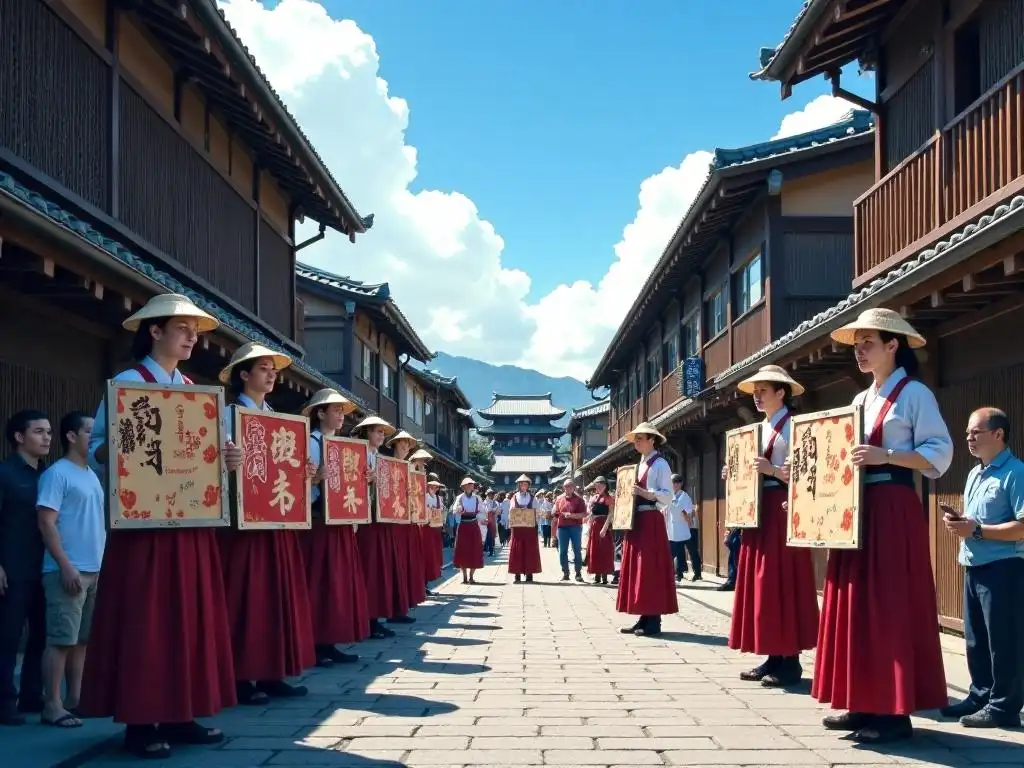
Japanese Response to Western Religious Influence
The arrival of Western missionaries in Japan during the 16th century marked a significant cultural and religious shift. While some Japanese were intrigued by the foreign faiths introduced by these missionaries, others reacted with skepticism and outright resistance. This duality was largely shaped by Japan's existing belief systems, such as Shinto and Buddhism, which had deep roots in Japanese society.
- Curiosity and Acceptance: Initially, certain factions within Japan, particularly among the ruling elite and urban merchants, expressed curiosity about Christianity. The Jesuits, for instance, were adept at adapting their messages to resonate with Japanese culture, leading to some conversions. Historical records indicate that by the late 1500s, there were approximately 300,000 Christians in Japan, highlighting a brief period of acceptance.
- Skepticism and Rejection: Despite initial curiosity, many Japanese viewed the missionaries with suspicion. The concept of a single, omnipotent God contradicted the polytheistic traditions prevalent in Japan. Moreover, the missionaries’ insistence on exclusive adherence to Christianity threatened the established social order, inciting fears of cultural imperialism.
The Japanese response was not uniform but rather a complex interplay of acceptance and resistance, ultimately influenced by broader sociopolitical dynamics.
Government Policies Against Missionary Activities
As Christianity began to spread, the Tokugawa shogunate implemented a series of policies aimed at curbing the influence of Western missionaries. These policies were motivated by a desire to maintain political stability and social order within Japan.
- Prohibition of Christianity: By the early 17th century, the shogunate had adopted a strict prohibition on Christianity. In 1612, the Tokugawa regime issued an edict banning the practice of Christianity, which marked the beginning of a systematic crackdown on both missionaries and converts. This led to violent persecutions, with many Christians facing execution or forced renunciation of their faith.
- Isolationist Policies: The sakoku (closed country) policy, enacted in the 1630s, further reinforced this prohibition. Under sakoku, foreign influence was severely restricted, and the only European presence allowed in Japan was the Dutch at Dejima. This isolationist approach effectively cut off the flow of new ideas and religious influences, thereby stifling the growth of Christianity in Japan.
Through these measures, the Tokugawa shogunate sought to eliminate foreign religious influence and reinforce traditional Japanese values, shaping the landscape of Japanese society for centuries to come.
The Decline of Missionary Influence in the Edo Period
The decline of missionary influence during the Edo period (1603-1868) can be attributed to a confluence of governmental repression, cultural resistance, and the evolving sociopolitical landscape in Japan.
- Persecution and Martyrdom: The Tokugawa regime's relentless persecution of Christians led to a significant decline in the number of practicing Christians. Many converts were forced to renounce their faith or faced execution. The martyrdom of key figures, such as the 26 Christians executed in Nagasaki in 1597, served to instill fear and deter potential converts.
- Cultural Reassertion: As the shogunate reinforced traditional Japanese religions, such as Shinto and Buddhism, the cultural narrative increasingly positioned these belief systems as essential to Japanese identity. This cultural reassertion diminished the appeal of the missionaries' teachings, as they were often perceived as foreign intrusions rather than viable alternatives.
- End of Isolation: The eventual opening of Japan to the West in the mid-19th century would later facilitate the reintroduction of Christianity, but by that time, the influence of Western missionaries had waned significantly. The legacy of their earlier efforts, however, laid the groundwork for the complex interactions between Western religions and traditional Japanese beliefs that would unfold in the years to come.
The resistance and challenges faced by Western missionaries in Japan illustrate the intricate dynamics of cultural and religious interactions during the feudal era, underscoring the profound impact of governmental policies and societal responses on the spread of Christianity in Japan.
The Legacy of Western Missionaries in Japan
Transformations in Japanese Society Post-Missionary Era
The arrival of Western missionaries in Japan during the 16th century marked a significant turning point in Japanese society. These missionaries, primarily from the Jesuit and Franciscan orders, introduced not only Christianity but also Western education, science, and cultural practices.
- Educational Reforms:
- Missionaries established schools that emphasized literacy and critical thinking. For instance, the Yokohama School founded by the Dutch began offering Western-style education, which profoundly impacted the literacy rates in Japan.
- The introduction of subjects like mathematics, science, and philosophy broadened the intellectual horizons of Japanese students, leading to a more informed populace.
- Cultural Exchange:
- Western missionaries brought new artistic styles and ideas, influencing local art and literature. The Nihonga style emerged, blending traditional Japanese techniques with Western perspectives.
- Culinary practices also transformed; Western food items and cooking methods were adopted, leading to the creation of unique Japanese dishes influenced by Western cuisine.
- Social Changes:
- The missionaries' emphasis on individual dignity and moral responsibility introduced new social dynamics. This was particularly evident in the treatment of women and the restructuring of family roles, as Christian values promoted greater respect for personal rights.
- The concept of community service and charity became ingrained in Japanese society, leading to the establishment of various social welfare programs.
Long-term Effects on Japan's Foreign Relations
The influence of Western missionaries has had lasting implications for Japan's foreign relations, shaping its interactions with Western powers and neighboring countries.
- Diplomatic Engagement:
- The presence of missionaries facilitated early diplomatic efforts between Japan and Western nations. Their understanding of both cultures allowed them to act as intermediaries, smoothing tensions and fostering negotiations.
- The Treaty of Kanagawa in 1854, which opened Japan to Western trade, can be traced back to the groundwork laid by missionaries who advocated for better relations.
- Cultural Diplomacy:
- Western missionaries played a vital role in cultural diplomacy by introducing elements of Western culture that were later embraced by Japanese elites. This included art, literature, and political philosophies that influenced Japan's modernization efforts.
- The legacy of these missionaries can be seen in Japan's adoption of Western-style governance, education systems, and legal frameworks, which facilitated smoother interactions with foreign powers.
- Religious Diplomacy:
- The establishment of Christianity as a recognized religion in Japan also impacted diplomatic relations. As Japan opened up in the late 19th century, it sought to present itself as a modern nation capable of engaging with Western powers on equal footing.
- This led to Japan becoming a member of the international community and participating in various global forums, showcasing its evolution from a secluded nation to an active player on the world stage.
The Ongoing Influence of Christianity in Modern Japan
Despite the challenges faced by Christianity in Japan, the influence of Western missionaries continues to be felt in various aspects of contemporary Japanese society.
- Cultural Integration:
- Christian festivals such as Christmas and Easter have been adopted by Japanese culture, often celebrated in a secular manner that blends traditional Japanese customs with Western practices.
- Contemporary literature and media often reflect themes rooted in Christian philosophy, indicating a nuanced integration of these ideas within Japanese cultural narratives.
- Social Movements:
- Many social welfare organizations in Japan have Christian roots, promoting values of charity and community service. These organizations continue to address social issues such as poverty, education, and health care.
- The influence of missionary-driven education is evident in universities that maintain Christian affiliations, promoting ethical leadership and social responsibility among students.
- Interfaith Dialogue:
- In modern Japan, there is an ongoing dialogue between various religious groups, including Buddhism, Shinto, and Christianity. This interfaith movement promotes mutual understanding and cooperation in addressing societal challenges.
- Events and forums that explore the contributions of Christianity to Japanese society highlight the enduring legacy of Western missionaries, fostering a more inclusive approach to religious and cultural diversity.
The influence of Western missionaries in Japan during the feudal era laid a foundation for transformative changes within society, shaped diplomatic relations, and continues to impact modern Japan in various ways. The legacy of these missionaries is a testament to the complex interplay between cultures and the enduring effects of intercultural exchange.
Conclusion: The Lasting Impact of Western Missionaries in Japan
Summary of Key Contributions to Japanese Society and Diplomacy
The presence of Western missionaries in Japan during the 16th to 19th centuries marked a transformative period in the nation’s history. These missionaries, primarily from Portugal, Spain, and later, France and the United States, introduced not only Christianity but also various Western cultural, educational, and diplomatic practices. Their contributions can be summarized in several key areas:
- Educational Reforms: Missionaries established schools and universities that emphasized Western sciences and humanities. Institutions like the Yokohama School for Foreign Languages and the Doshisha University were pivotal in educating Japanese leaders and commoners alike. This educational framework laid the groundwork for modern education in Japan.
- Medical Advancements: Western missionaries brought with them medical knowledge and practices, establishing hospitals and clinics. For instance, Dr. James C. Hepburn played a significant role in introducing Western medicine and public health practices, which improved healthcare in Japan.
- Cultural Exchange: The missionaries acted as cultural ambassadors, facilitating the exchange of ideas between the East and West. They translated Western literature and philosophy into Japanese, influencing local thought and introducing concepts such as democracy and individual rights.
- Diplomatic Relations: The efforts of missionaries often paved the way for formal diplomatic relations between Japan and Western nations. Their understanding of both cultures helped negotiate treaties, such as the Treaty of Kanagawa in 1854, which opened Japan to foreign trade.
Reflections on Religion and Diplomacy in Historical Context
The interplay of religion and diplomacy during the era of Western missionaries in Japan is a compelling narrative that illustrates the complexities of cultural exchange. Initially, the arrival of missionaries was met with curiosity and some acceptance, particularly in the context of the Nanban trade period. However, as Christianity began to gain followers, it also faced backlash, leading to the eventual persecution of Christians in the early 17th century.
The dual role of missionaries as both spiritual leaders and informal diplomats highlights a significant historical irony. While they sought to spread Christianity, their presence inadvertently influenced Japanese diplomacy, pushing the country towards modernization and engagement with Western powers. This complex relationship raises important questions about the role of religion in international relations and how cultural diplomacy can shape national identity.
The legacy of Western missionaries in Japan extends beyond mere religious conversion; it significantly impacted Japanese society, education, and diplomatic relations. Their contributions not only transformed Japan’s cultural landscape but also set the stage for a new era of international engagement, reflecting the intricate interplay of faith and diplomacy in shaping history.
Frequently Asked Questions
What was the role of Western missionaries in Japan during the feudal era?
Western missionaries played a crucial role in introducing Christianity and Western education, significantly influencing Japanese culture and society during the 16th and 17th centuries.
How did Western missionaries impact Japanese society?
The influence of Western missionaries led to the establishment of schools, hospitals, and churches, contributing to advancements in education and healthcare in Japan.
What challenges did Western missionaries face in Japan?
Western missionaries encountered significant challenges, including government resistance and the eventual persecution of Christians, particularly after the Sakoku policy was enacted.
How did the relationship between Western missionaries and the Japanese government evolve?
Initially, there was a degree of tolerance towards Western missionaries, but as Christianity grew, the relationship soured, leading to increased restrictions and the expulsion of missionaries.
What legacy did Western missionaries leave in Japan?
The legacy of Western missionaries includes not only the spread of Christianity but also the introduction of Western philosophical ideas, which influenced Japan’s modernization in the 19th century.
Final Reflection: The Enduring Legacy of Western Missionaries in Japan
The influence of Western missionaries in Japan remains a pivotal chapter in the narrative of cultural exchange and diplomacy. As we navigate the complexities of globalization today, understanding how these early interactions shaped societal values, religious beliefs, and diplomatic relations is crucial. The legacy of these missionaries is not merely a historical footnote; it is a testament to the power of dialogue and understanding across cultures.
Clearly, the impact of Western missionaries in Japan extends beyond their initial religious endeavors, influencing social structures and cultural perceptions. Their efforts laid the groundwork for a unique blend of Eastern and Western ideologies that continue to resonate in contemporary society. The greatest missionary is not the one who preaches the loudest, but the one who lives the most authentically.
This quote encapsulates the essence of their mission, highlighting the importance of genuine connection and mutual respect in fostering lasting relationships between cultures.
As we reflect on the lessons from this historical narrative, I invite you to consider how you can embody the spirit of these missionaries in your own life. How can you engage with different cultures and beliefs in a way that promotes understanding and respect? Let this exploration inspire you to build bridges in your community, fostering a world where diplomacy thrives through empathy and shared values. The journey of Western missionaries in Japan teaches us that every interaction holds the potential to transform lives and societies, urging us to be active participants in this ongoing dialogue.
Unveil the Impact of Religion on Diplomacy Today!
Thank you for taking the time to explore the fascinating interplay between religion and diplomacy in Japan's history. Understanding the influence of Western missionaries not only enriches our knowledge but also inspires us to reflect on how past interactions shape present relationships.
Now, it's your turn to take action! Here are some steps you can take to further your exploration and engage with this significant topic:
- Dive deeper by reading additional articles on Japan's feudal society and its cultural exchanges to gain a more comprehensive understanding.
- Share your thoughts with friends or on social media about the ongoing relevance of missionaries' influence in today's diplomatic relationships.
- Join a discussion group or forum focused on the historical influences in diplomacy, and contribute your insights!
What aspect of the influence of Western missionaries intrigues you the most, and how do you think it shapes contemporary diplomacy?