
The Flow of Ideas: How Trade with China and Korea Enriched Japanese Culture

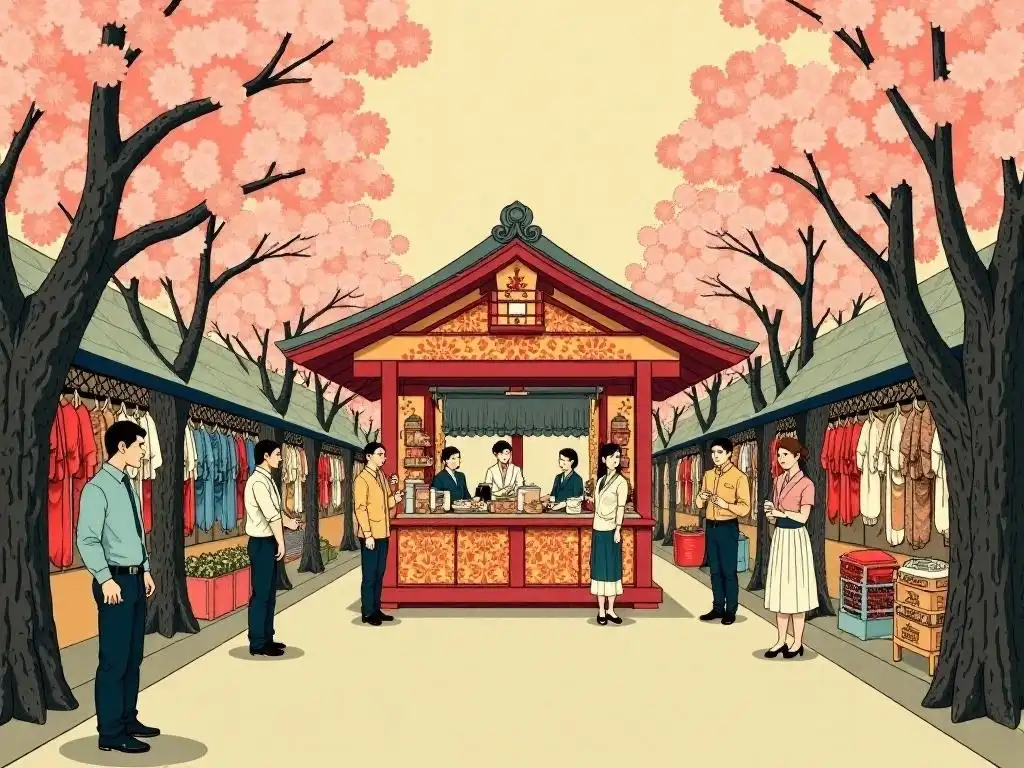
Welcome to Feudal Japan History, where we embark on a captivating journey through the intricate tapestry of Japan’s feudal era. Here, we delve into the profound trade influences that shaped Japanese culture, particularly how interactions with China and Korea enriched the archipelago's artistic and societal landscapes. Are you ready to uncover the hidden gems of this fascinating period? Join us as we explore the dynamic flow of ideas that transformed Japan, inviting you to discover the interconnectedness of cultures in a time long past.
Introduction to Japanese Culture Trade Influences
The intricate tapestry of Japanese culture has been profoundly shaped by its interactions with neighboring countries, particularly during the feudal era. As Japan opened its doors to trade with China and Korea, a rich exchange of ideas, beliefs, and artistic expressions began to unfold. This dynamic interplay not only transformed Japan's cultural landscape but also laid the groundwork for its unique identity.
In this article, we will explore how these trade influences contributed to the evolution of Japanese culture, examining both the historical context and the specific elements that were exchanged. By understanding these connections, we can appreciate the complexity and depth of Japan's cultural heritage.
Overview of Trade Relations in Feudal Japan
During the feudal period, Japan's trade relations with China and Korea were pivotal in shaping its cultural and economic development. The era saw the establishment of various maritime routes, particularly through the Seto Inland Sea, which facilitated the movement of goods, ideas, and people. These trade connections were not merely economic ventures; they were conduits for cultural exchange that enriched Japanese society.
- Key Aspects of Trade Relations:
- Maritime Routes: Enabled efficient transportation of goods and ideas.
- Diplomatic Missions: Established governmental relationships that further enhanced trade.
- Cultural Diplomacy: Promoted the sharing of artistic and philosophical ideas.
The intertwining of trade and culture during this period highlights how external influences were absorbed and adapted into the Japanese way of life.
Importance of Cultural Exchange in Historical Context
Cultural exchange played a critical role in Japan's historical development, offering insights into how societies interact and evolve. The exchange of ideas, technology, and artistic styles led to significant advancements in various fields, including literature, religion, and the arts.
- Cultural Exchange Contributions:
- Buddhism: Introduced from China, it profoundly influenced Japanese spirituality and art.
- Chinese Characters: The adoption of kanji transformed the Japanese writing system.
- Artistic Styles: Techniques in painting and pottery were significantly enriched by Korean and Chinese influences.
This cultural blending not only fostered innovation but also helped Japan develop its distinctive cultural identity while maintaining a dialogue with the broader Asian world.
Historical Background of Trade with China and Korea
The historical context of trade with China and Korea reveals a complex network of interactions that shaped Japan's trajectory. By examining the emergence of trade routes, key historical events, and the major goods exchanged, we can better understand the significance of these relationships.
The Emergence of Trade Routes
Trade routes between Japan, China, and Korea began to flourish as early as the 7th century. The establishment of maritime paths allowed for the efficient movement of goods and ideas, paving the way for deeper cultural interactions.
- Notable Trade Routes:
- Nara and Heian Periods: Established connections with the Tang dynasty in China.
- Korean Access: Routes through the Korean Peninsula facilitated direct exchanges.
These routes were crucial in enabling Japan to access a wealth of cultural and material resources.
Key Historical Events Facilitating Trade
Several pivotal events marked the evolution of trade relations between Japan and its neighbors. These events not only boosted economic ties but also opened avenues for cultural exchanges.
- Notable Events:
- Taika Reform (645 AD): Inspired by Chinese governance and culture.
- Mongol Invasions (13th Century): Led to a temporary isolation but also to renewed interest in trade.
These historical milestones illustrate the ebb and flow of relations that significantly impacted Japanese culture.
Major Goods and Ideas Exchanged
The exchange of goods was central to trade relations, but the exchange of ideas proved equally transformative.
- Major Goods Exchanged:
- Silk and Textiles: Sought after for their quality and beauty.
- Ceramics: Influenced Japanese pottery styles and techniques.
- Philosophical Texts: Introduced Confucian and Buddhist ideas.
This exchange of tangible items and intangible ideas laid the foundation for Japan's rich cultural heritage, blending influences from its neighbors into a unique synthesis that defines Japanese culture today.
The Influence of Chinese Culture on Japan
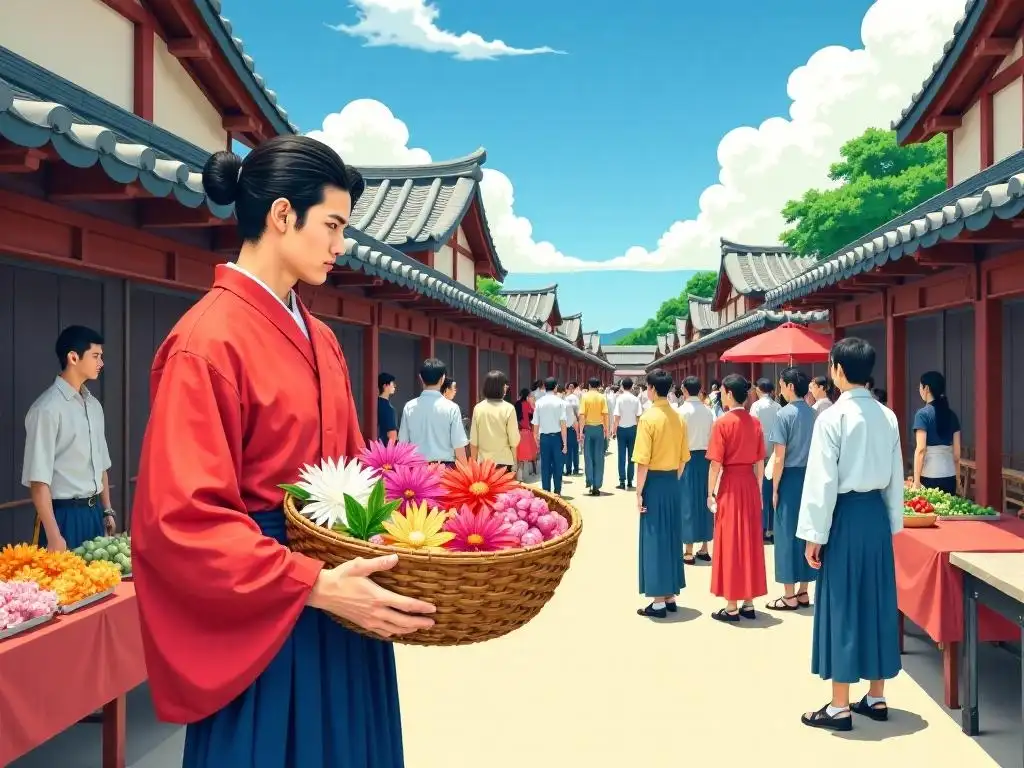
The influence of Chinese culture on Japan is profound and multifaceted, shaping various aspects of Japanese society, from philosophy and religion to art and literature. This cultural exchange began as early as the 6th century and continued to evolve through centuries of trade and diplomatic relations. The adoption of Chinese customs, belief systems, and artistic expressions played a significant role in the development of what we now recognize as Japanese culture.
Japan's initial exposure to Chinese culture was primarily through the importation of Buddhist texts and teachings. As Japanese scholars traveled to China to study, they brought back not just religious teachings but also philosophical ideas and cultural practices that would later be integrated into Japanese life. This resulted in a unique blend of indigenous and foreign influences that defined the Japanese cultural landscape.
Adoption of Chinese Philosophies and Religions
One of the most significant impacts of Chinese culture on Japan was the adoption of Confucianism and Buddhism. Confucian ideals, emphasizing order, hierarchy, and the importance of family, resonated deeply with the Japanese societal structure. These principles influenced governance, education, and social conduct.
Buddhism, introduced from China, brought profound spiritual and philosophical insights. It led to the establishment of numerous temples and monastic communities throughout Japan, where Japanese monks adapted Chinese Buddhist practices to fit local beliefs. This exchange not only enriched Japanese spirituality but also fostered the development of unique Japanese schools of Buddhism, such as Zen.
In addition to these philosophies, Chinese writing systems and literature also made a significant impact. The adoption of kanji (Chinese characters) enriched the Japanese language, allowing for a broader expression of ideas and the documentation of history, philosophy, and poetry.
Chinese Art and Literature Influences
Chinese art and literature profoundly influenced Japanese aesthetics and cultural production. The introduction of Chinese painting techniques, calligraphy, and pottery styles led to the emergence of distinct Japanese forms that retained elements of their Chinese predecessors while incorporating local themes and styles.
Chinese poetry, particularly the forms such as jueju (quatrains) and shi (classical poetry), inspired Japanese poets to adopt similar structures, leading to the creation of waka and haiku. The interplay between these forms reflects a rich dialogue between the two cultures, demonstrating the adaptability of Japanese artists and their capacity to innovate while honoring their Chinese influences.
Moreover, the Chinese practice of landscape painting and garden design influenced Japanese aesthetics, culminating in the creation of serene gardens and the development of the nihon-ga style of painting. These artistic expressions not only enhanced the beauty of Japanese spaces but also embodied philosophical concepts central to both cultures, such as harmony and balance with nature.
The Impact of Korean Trade on Japanese Culture
Korean trade significantly influenced Japanese culture, especially during the periods when Korea served as a conduit for Chinese ideas and innovations. The close proximity of the Korean Peninsula allowed for a dynamic exchange of goods, technologies, and cultural practices, resulting in a rich tapestry of shared influences.
Through trade, Japan acquired various materials, including metals, textiles, and ceramics, which contributed to advancements in local craftsmanship. Moreover, this cultural exchange fostered a deeper understanding of agricultural practices and technological innovations that would later support Japan's economic development.
Korean Innovations in Technology and Agriculture
Korean innovations in technology and agriculture played a crucial role in shaping early Japanese society. The introduction of advanced farming techniques, such as wet rice cultivation, improved agricultural productivity in Japan. This agricultural revolution not only supported population growth but also laid the foundation for the development of more complex social structures.
In addition to agricultural advancements, Korea introduced various technologies, including metalworking and pottery techniques. The Korean art of pottery, particularly the creation of celadon ceramics, inspired Japanese potters to experiment with their techniques, resulting in unique styles such as Imari and Arita. These innovations contributed to the flourishing of the Japanese crafts industry and enhanced the quality and variety of local goods.
The Role of Korean Envoys in Cultural Transmission
Korean envoys were instrumental in facilitating cultural transmission between Korea and Japan. During the periods of active diplomacy, these envoys would bring with them not only goods but also knowledge, stories, and cultural practices that enriched Japanese society.
The arrival of Korean scholars and artisans in Japan introduced new ideas, artistic techniques, and technologies that were previously unknown. This exchange was particularly evident during the Asuka and Nara periods when Japan sought to establish a centralized state and develop its own cultural identity. The insights gained from Korean envoys helped Japan refine its governance structures, military practices, and cultural norms.
The reciprocal relationship between Korea and Japan, characterized by trade and cultural exchange, played a vital role in shaping the development of Japanese culture. The contributions of Korean innovations and the efforts of Korean envoys fostered a rich environment in which Japanese society could grow and evolve, ultimately leading to a unique cultural identity that blended local traditions with influences from its neighbors.
The Synthesis of Chinese and Korean Influences
The cultural exchange between Japan, China, and Korea during the feudal era was marked by a complex interplay of ideas, technologies, and artistic expressions. This synthesis began as early as the 5th century and continued to evolve, significantly shaping Japanese culture. Chinese writing systems, philosophy, and religious practices were particularly influential. Buddhism, which entered Japan from Korea, was one of the most profound cultural imports, bringing with it not only religious teachings but also artistic styles and architectural forms.
Korean influences were equally significant, especially in the realm of pottery and metalwork. The techniques and aesthetics of Korean artisans profoundly impacted Japanese craftsmanship, leading to the development of unique ceramics that became a hallmark of Japanese culture. This fusion of Chinese and Korean elements laid the groundwork for a distinctive Japanese identity, characterized by a blend of imported ideas and indigenous innovation.
Creation of a Unique Japanese Cultural Identity
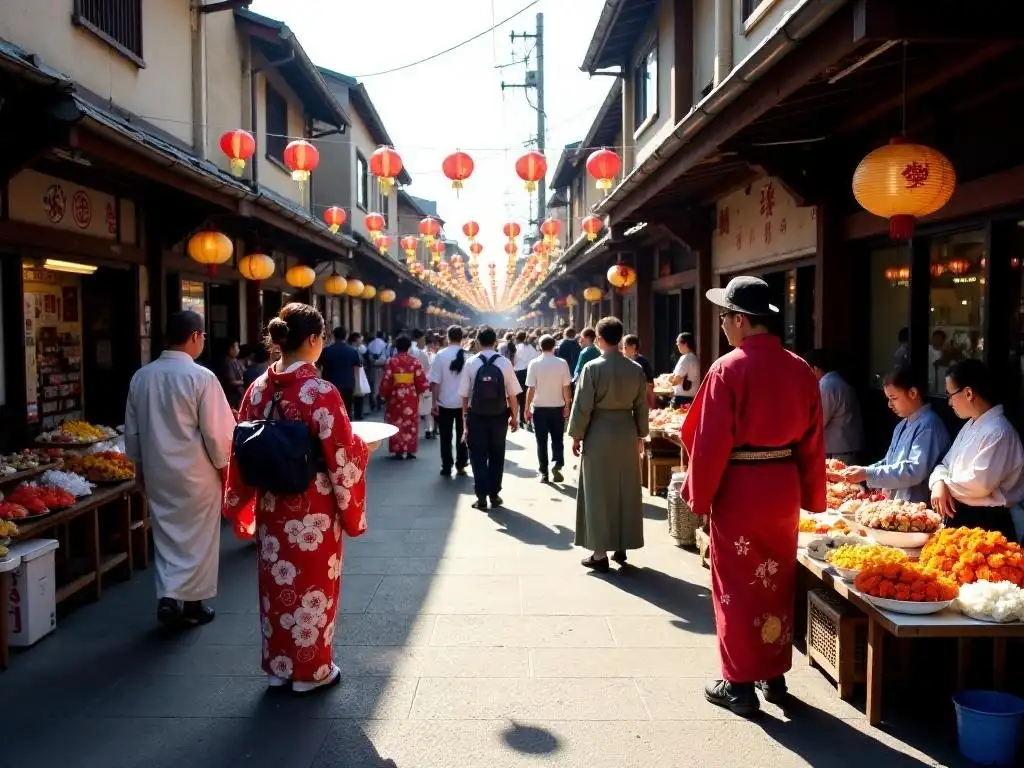
As China and Korea provided a wealth of cultural materials, Japan began to weave these influences into its own social fabric, creating a unique cultural identity. This process was not merely about adoption but transformation. For instance, while the Chinese bureaucratic system inspired the administrative structures in Japan, local customs and practices were integrated to create a system that suited Japanese society.
Japanese literature also reflects this unique identity. The introduction of Chinese characters (kanji) allowed for the development of a rich literary tradition, which eventually led to the creation of kana, a phonetic script that facilitated a distinctly Japanese form of poetry and storytelling. This blending of influences can be seen in the works of notable authors such as Sei Shonagon and Murasaki Shikibu, whose writings echo both Chinese literary forms and Japanese sensibilities.
Case Studies of Cultural Exchange
The impact of trade with China and Korea on Japanese culture can be extensively illustrated through several specific case studies.
- Buddhism: Introduced via Korea in the 6th century, Buddhism not only influenced religious practices but also art, architecture, and philosophy in Japan. The construction of temples like Horyu-ji in Nara represents this cultural exchange.
- Chinese Calligraphy and Painting: The arrival of Chinese calligraphy transformed Japanese writing styles. Artists such as Sesshū Tōyō blended Chinese and Japanese techniques, leading to the development of unique art forms.
- Pottery and Ceramics: The introduction of Korean pottery techniques fostered the creation of distinctive Japanese styles such as Raku ware, which is integral to the Japanese tea ceremony.
Notable Figures in the Exchange of Ideas
Several key figures acted as conduits between these cultures, facilitating the exchange of ideas and practices.
- Prince Shotoku (574-622): A pivotal figure in the promotion of Buddhism and Chinese culture in Japan. His efforts to establish a centralized government based on Chinese models were critical for cultural development.
- Kōbō Daishi (Kūkai, 774-835): The founder of the Shingon school of Buddhism, Kūkai studied in China and brought back various esoteric teachings that enriched Japanese spiritual life.
- Tachibana no Hayanari (circa 735): A scholar who traveled to Tang China and returned with knowledge of Chinese literature and art, contributing to the cultural renaissance in Japan.
Analysis of Specific Trade Goods and Their Cultural Significance
Trade with Korea and China introduced a range of goods that held significant cultural importance in Japan.
| Trade Good | Origin | Cultural Significance |
|---|---|---|
| Silk | China | Symbol of wealth and status; integral to traditional clothing. |
| Ceramics | Korea | Enhanced Japanese pottery techniques; influenced tea culture. |
| Buddhist Texts | China | Essential for the spread of Buddhist philosophy and practices. |
| Paper | China | Revolutionized Japanese writing and art; led to innovations in literature. |
These goods were not simply commodities; they represented the flow of ideas and values that would shape Japanese societal norms, artistic expressions, and spiritual practices. By analyzing these trade goods, we can better understand how cultural exchanges contributed to the rich tapestry of Japanese culture during the feudal era.
Conclusion: The Lasting Legacy of Trade on Japanese Culture
The historical trade relationships between Japan, China, and Korea have left an indelible mark on Japanese culture, shaping various aspects such as philosophy, religion, art, and social structure. These exchanges facilitated not only the flow of goods but also the transfer of ideas, technologies, and cultural practices. The influence of Chinese Confucianism on Japanese governance, the introduction of Buddhism, and the adaptation of Chinese artistic techniques are just a few examples of how trade enriched the cultural tapestry of Japan.
As trade networks expanded during the feudal era, Japan became a melting pot of diverse cultural influences. The assimilation of foreign elements into the Japanese way of life fostered a unique identity that blended tradition with innovation. This legacy is evident today, as modern Japanese culture continues to reflect the historical connections established through trade with its neighbors. The lasting impact of these exchanges can be seen in contemporary art, literature, and even culinary practices, highlighting the enduring nature of cultural influences.
Reflection on Trade's Role in Shaping Modern Japanese Identity
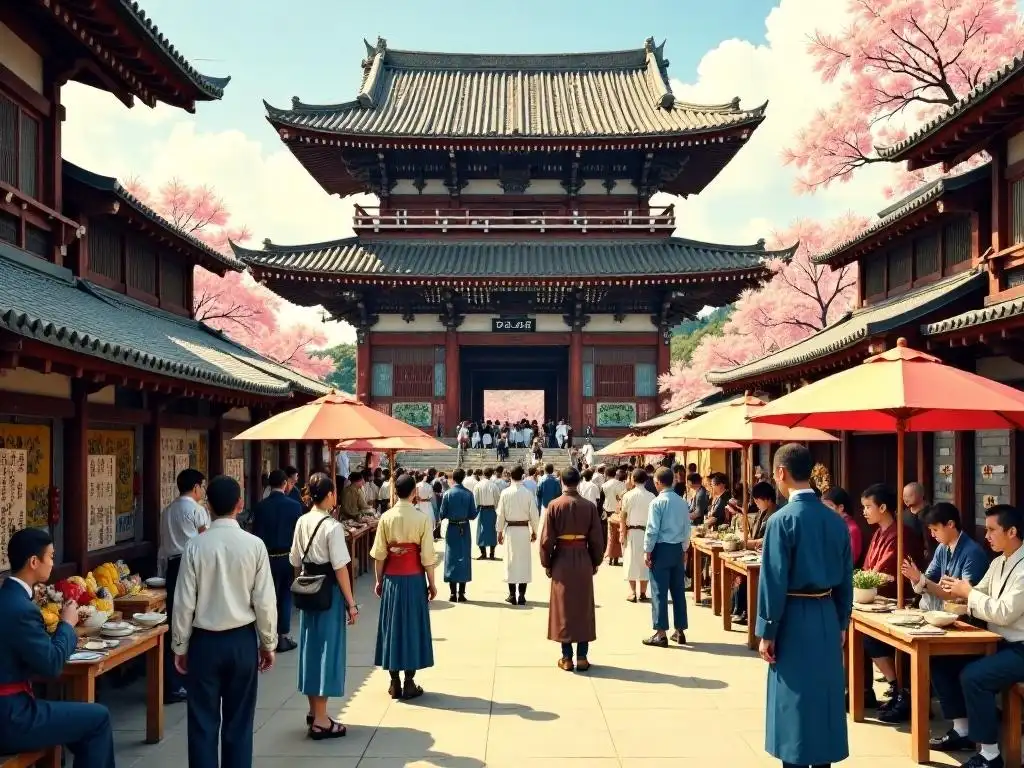
The historical interactions with China and Korea have significantly contributed to the formation of modern Japanese identity. Elements such as language, religious beliefs, and artistic expressions underscore how deeply intertwined Japan is with its neighbors. For instance, kanji, the logographic characters derived from Chinese, forms an essential part of the Japanese writing system, illustrating how trade facilitated linguistic exchange.
Moreover, the philosophical underpinnings of Japanese society, heavily influenced by Chinese Confucianism, continue to resonate in contemporary social values, emphasizing respect for authority and the importance of family. Such cultural foundations have shaped the modern Japanese worldview, creating a society that values harmony, community, and continuity.
As Japan navigates the complexities of globalization, the historical context of its trade relationships serves as a reminder of the importance of cultural exchange. The ability to adapt and integrate influences while maintaining a distinct identity is a crucial aspect of Japan's modern narrative.
Future Perspectives on Cultural Exchange in Japan
Looking ahead, the potential for cultural exchange between Japan and its trading partners remains robust. The rise of digital technology and globalization has transformed how cultures interact, allowing for instantaneous sharing of ideas and practices. Japan's ongoing engagement with China and Korea, particularly in sectors like technology, fashion, and entertainment, suggests that new avenues for cultural enrichment are continually emerging.
Furthermore, as Japan addresses contemporary challenges such as demographic shifts and economic pressures, there is a growing recognition of the value that cultural diversity brings. Future collaborations in art, education, and cultural diplomacy may lead to further deepening of ties with neighboring countries, fostering an environment of mutual respect and understanding.
In this evolving landscape, the lessons learned from historical trade relationships can guide Japan in navigating future exchanges, ensuring that the flow of ideas continues to enrich its cultural heritage while contributing to a vibrant and dynamic society.
References for Further Reading on Japanese Culture Trade Influences
Suggested Books and Articles
-
"The Making of Modern Japan" by Judith B. Tschan
A comprehensive exploration of the historical factors that shaped modern Japan, including trade influences.
-
"Japan and the Culture of the Four Seasons: Nature, Literature, and the Arts" by John S. Brownlee
This book delves into how seasonal changes and cultural exchanges have influenced Japanese art and literature.
-
"Chinese Influence on Japanese Culture" by Christopher G. Rea
An insightful article discussing the various aspects of Chinese cultural influence on Japan throughout history.
Online Resources for Deeper Exploration
-
The National Museum of Japanese History
Offers a wealth of information on Japan’s historical trade relationships and their cultural impacts.
-
Japan Focus: The Asia-Pacific Journal
A platform for scholarly articles on Japanese history, culture, and foreign relations, including trade influences.
-
The Japan Society
A resource for current events and historical context regarding Japanese culture and its connections with other nations.
- Introduction to Japanese Culture Trade Influences
- Overview of Trade Relations in Feudal Japan
- Importance of Cultural Exchange in Historical Context
- Historical Background of Trade with China and Korea
- The Influence of Chinese Culture on Japan
- The Impact of Korean Trade on Japanese Culture
- The Synthesis of Chinese and Korean Influences
- Creation of a Unique Japanese Cultural Identity
- Case Studies of Cultural Exchange
- Conclusion: The Lasting Legacy of Trade on Japanese Culture
- Reflection on Trade's Role in Shaping Modern Japanese Identity
- Future Perspectives on Cultural Exchange in Japan
- References for Further Reading on Japanese Culture Trade Influences
- What were the primary influences of trade with China and Korea on Japanese culture?
- How did the trade routes impact the development of Japanese society?
- What role did Japanese merchants play in cultural exchange during this period?
- How did the influences from China and Korea shape Japanese art and literature?
- What lasting impacts can be seen in modern Japanese culture from this period of trade?
Frequently Asked Questions
What were the primary influences of trade with China and Korea on Japanese culture?
Trade with China and Korea introduced various cultural elements, including Buddhism, literature, and artistic styles, significantly enriching Japanese culture during the feudal era.
How did the trade routes impact the development of Japanese society?
The establishment of trade routes allowed for the exchange of ideas and goods, which fostered a more interconnected society and led to advancements in technology and agriculture in feudal Japan.
What role did Japanese merchants play in cultural exchange during this period?
Japanese merchants were crucial in facilitating trade, serving as intermediaries who not only brought foreign goods but also shared knowledge and cultural practices from China and Korea.
How did the influences from China and Korea shape Japanese art and literature?
The influx of Chinese and Korean artistic traditions inspired Japanese artists and writers, leading to the development of unique forms such as ink painting and poetry, which became hallmarks of Japanese culture.
What lasting impacts can be seen in modern Japanese culture from this period of trade?
Many cultural practices, including tea ceremonies, martial arts, and architectural styles, are rooted in the influences from trade with China and Korea, showcasing the enduring legacy of this era on modern Japanese culture.
Final Reflection: Embracing the Tapestry of Cultural Exchange
The intricate relationship between trade and culture is more relevant today than ever, as globalization continues to weave diverse threads into the fabric of our societies. The historical exchange of ideas and goods between Japan, China, and Korea has not only shaped Japanese culture but also serves as a powerful reminder of how interconnected our world truly is. As we navigate an increasingly complex global landscape, understanding these influences can inspire us to appreciate the richness that diversity brings to our lives.
Cultural exchange is a living testament to the power of collaboration and understanding. The influences from China and Korea have left an indelible mark on Japanese art, philosophy, and social practices, demonstrating that the flow of ideas can transcend borders and foster unity. Cultures are not isolated; they are interconnected, and through trade, we can build bridges that connect us all.
This ongoing dialogue between cultures continues to enrich our global community, reminding us that our shared histories can pave the way for a more harmonious future.
As we reflect on the lessons from the past, let us embrace the spirit of curiosity and openness that trade has fostered throughout history. I invite you to explore the diverse cultures around you and recognize the beauty in their influences. By engaging with different perspectives and ideas, we can contribute to a more inclusive world where cultural exchange thrives, ultimately enriching our own lives and those of future generations.
Embrace the Flow: Take Action to Celebrate Cultural Exchange!
Thank you for exploring the enriching journey of cultural exchange between Japan, China, and Korea! You’ve discovered how these interactions shaped Japan’s history and identity. Now, let's harness that inspiration and take meaningful action together!
Here are a few ways you can dive deeper into this fascinating topic:
- Join a local cultural group or online community to explore East Asian arts, languages, and traditions. Connect with like-minded individuals and share your insights!
- Visit a museum or cultural exhibition focused on artifacts from Japan, China, or Korea to witness the beauty of this cultural exchange firsthand.
- Share your favorite insights from this article on social media or with friends to help raise awareness of the profound impact of cross-cultural interactions.
Which aspect of Japanese culture, influenced by this exchange, resonates most with you, and how do you see it reflected in today’s society?