
Sakoku: The Closed Country Edict that Shaped Japan's Foreign Relations

Welcome to Feudal Japan History! Step back in time and uncover the intricate tapestry of Japan’s feudal era, where each thread tells a story of power, culture, and isolation. In our featured article, we delve into the Sakoku policy impact on Japan, exploring the intriguing Closed Country Edict that not only reshaped Japan's foreign relations but also left an indelible mark on its societal evolution. What were the true consequences of this isolation? Join us on this captivating journey to discover the profound effects of Sakoku—your gateway to understanding a pivotal era in Japan’s rich history awaits!
- Introduction to Sakoku Policy and Its Historical Context
- The Implementation of the Sakoku Edict
- The Impact of Sakoku Policy on Japan's Foreign Relations
- The Societal Effects of Sakoku on Japanese Life
- Comparative Analysis: Sakoku Policy vs. Other Isolationist Policies
- Repercussions of Sakoku: Long-term Effects on Japan
- Conclusion: The Legacy of Sakoku in Japanese History
- References and Further Reading
- Frequently Asked Questions
- Final Reflection: The Enduring Legacy of Sakoku on Japan's Foreign Relations
- Unveil the Secrets of Japan's Isolation!
Introduction to Sakoku Policy and Its Historical Context
The Sakoku policy, enacted in the early 17th century, represents a pivotal moment in Japan’s history, marking a significant shift in its approach to foreign relations. This isolationist edict, which translates to "closed country," was primarily instituted by the Tokugawa shogunate and aimed to restrict foreign influence while maintaining social order and national security.
Understanding the Sakoku policy impact on Japan requires a comprehensive exploration of its definition, historical background, and the context of Japan's prior foreign relations. This article delves into the intricacies of Sakoku, examining how it shaped Japan's interactions with the outside world and influenced its cultural and societal structures during the Edo period.
Definition of Sakoku Policy
The Sakoku policy was formalized in 1635 through a series of edicts that prohibited Japanese citizens from traveling abroad and restricted foreign merchants from entering Japan. Key elements of the policy included:
- Severe Restrictions on Foreign Trade: Only a limited number of Dutch and Chinese traders were allowed to operate in designated areas such as Nagasaki.
- Prohibition of Christianity: The policy aimed to eliminate the influence of Christianity, which was seen as a threat to the shogunate's authority and Japan's traditional beliefs.
- Strict Internal Control: To prevent foreign ideas from permeating Japanese society, the shogunate implemented strict monitoring and control measures.
The overarching goal of the Sakoku policy was to preserve Japan's sovereignty and cultural identity during a time of increasing European imperialism and global trade.
Historical Background of Japan’s Isolationist Policies
Japan's journey towards isolation began long before the Sakoku edict was formalized. Various factors contributed to this shift, including:
- Influence of European Powers: In the 16th century, European powers, particularly the Portuguese and Spanish, arrived in Japan, bringing not only trade but also Christianity. This created a complex dynamic that threatened Japan's traditional values.
- Civil Unrest and Feudal Warfare: The preceding Sengoku period, characterized by internal strife and war among rival daimyo (feudal lords), highlighted the need for a stable governance structure, which the Tokugawa shogunate sought to establish through isolation.
- Past Engagement with Foreign Traders: While Japan engaged with foreign traders in its early interactions, the growing concerns about external influence led to a reevaluation of these relationships.
This historical backdrop set the stage for the implementation of the Sakoku policy, as the Tokugawa shogunate aimed to create a unified nation free from foreign intervention.
Overview of Japan’s Foreign Relations Before Sakoku
Prior to the Sakoku policy, Japan had a diverse range of foreign relations characterized by trade, cultural exchange, and conflict. Notable aspects include:
- Early Trade with the Portuguese and Dutch: In the 1540s, Portuguese traders introduced firearms and Christianity, while the Dutch later emerged as prominent traders due to their non-involvement in missionary activities.
- Cultural Exchange: Alongside trade, Japan experienced an influx of foreign ideas, technologies, and customs, which enriched its culture but also introduced potential challenges to the established order.
- Political Alliances and Conflicts: The Sengoku period saw various alliances forged between Japanese clans and foreign entities, complicating the political landscape.
As these relationships evolved, the Tokugawa shogunate perceived the need for a more controlled approach to foreign interactions, ultimately leading to the adoption of the Sakoku policy and a focus on internal stability over external engagement.
The Implementation of the Sakoku Edict
The Sakoku Edict, formalized in 1635, marked a pivotal shift in Japan's foreign relations. Its implementation was not an isolated event but rather a culmination of various socio-political dynamics that unfolded over decades. The policy effectively isolated Japan from foreign influence, restricting trade and interactions with the outside world. This edict was rooted in previous regulations and was part of a broader strategy to consolidate power and ensure stability within Japan.
Key Dates and Events in the Establishment of Sakoku
- 1543 - Introduction of Firearms: The arrival of Portuguese traders introduced firearms to Japan, significantly altering the landscape of warfare and power dynamics among the feudal lords (daimyō).
- 1587 - Anti-Christian Edict: Toyotomi Hideyoshi issued an edict banning Christianity, reflecting growing concerns over foreign influence and the potential destabilization it posed to Japanese society.
- 1624 - Restriction on Spanish Trade: The Tokugawa shogunate prohibited Spanish trading ships from entering Japanese ports, marking a significant step towards isolation.
- 1635 - Formal Sakoku Edict: This edict restricted foreign travel and mandated that Japanese citizens found abroad be executed upon return. It also limited trade to specific ports and foreign entities, primarily the Dutch and Chinese.
- 1853 - Commodore Perry's Arrival: The arrival of American naval forces led by Commodore Matthew Perry effectively ended the Sakoku period, forcing Japan to open its ports and engage with the world again.
Major Figures Behind the Sakoku Policy
The establishment and enforcement of the Sakoku policy involved several influential figures:
- Tokugawa Ieyasu: The founder of the Tokugawa shogunate, Ieyasu set the stage for isolationist policies through his desire to maintain control over Japan and reduce the influence of Christianity and foreign powers.
- Tokugawa Hidetada: Ieyasu's son, Hidetada, continued his father's legacy, implementing measures that further curtailed foreign relations and solidified the Sakoku policy.
- Mizuno Tadakuni: As a key advisor in the early 19th century, Mizuno attempted to reinforce the isolationist stance against growing external pressures, advocating for strict enforcement of Sakoku regulations.
The actions and ideologies of these figures were instrumental in shaping Japan's isolationist framework and reaction to foreign influence.
Geographic and Political Factors Influencing Sakoku
The implementation of the Sakoku policy was influenced by a combination of geographic and political factors:
- Geographic Isolation: Japan's insular location, surrounded by the Pacific Ocean and the Sea of Japan, provided a natural barrier against foreign invasions and influenced the Tokugawa shogunate's decision to limit contact with the outside world.
- Political Stability: The Tokugawa shogunate sought to maintain political stability by controlling foreign influence, which was perceived as a threat to their power and the social order. The unification of Japan under a centralized feudal system allowed for stricter enforcement of isolationist policies.
- Cultural Homogeneity: The desire to preserve Japanese culture and identity played a significant role in the enforcement of the Sakoku policy. The shogunate aimed to minimize foreign cultural influences that could disrupt traditional Japanese values and practices.
The interplay of these factors created a conducive environment for the enactment and maintenance of the Sakoku policy, profoundly shaping Japan's foreign relations for over two centuries.
The Impact of Sakoku Policy on Japan's Foreign Relations
The Sakoku policy, enacted in the 17th century under the Tokugawa shogunate, profoundly shaped Japan's foreign relations for over two centuries. This isolationist edict aimed to limit foreign influence and prevent the spread of Christianity, which was seen as a threat to the stability of the Tokugawa regime. The implications of this policy were far-reaching, affecting Japan's economy, culture, and diplomatic relations.
Economic Effects of the Sakoku Policy on Trade
The Sakoku policy significantly altered Japan's trade dynamics. While it restricted international commerce, it also fostered a unique economic environment within the country.
- Limited Trade Partners: Japan primarily traded with the Dutch and the Chinese, who were allowed limited access through the port of Nagasaki. This exclusivity meant that Japan had to adapt to the goods and technologies these countries provided, focusing on what was available domestically.
- Domestic Economy Flourishing: With restricted foreign competition, local industries began to flourish. The demand for Japanese goods like textiles and ceramics grew, leading to advancements in craftsmanship and production techniques. The Edo period saw a rise in merchant classes, who became increasingly influential in local economies.
- Impact on Global Trade: Japan's withdrawal from global trade networks meant that it missed out on the benefits of the Industrial Revolution occurring in Europe. Consequently, Japan's economic development lagged compared to other nations that engaged more fully in international trade.
Cultural Consequences of Isolation
The isolation imposed by the Sakoku policy also led to significant cultural developments within Japan.
- Preservation of Japanese Culture: The policy allowed Japan to cultivate its unique cultural identity. Art forms, literature, and traditional practices thrived without the overwhelming influence of foreign ideas. The Ukiyo-e woodblock prints and Kabuki theatre emerged during this period, reflecting the values and aesthetics of Japanese society.
- Limited Foreign Influence: While some foreign knowledge was permitted, such as Dutch studies (Rangaku), the overall cultural exchange was minimal. This isolation helped preserve the Shinto and Buddhist traditions that were central to Japanese identity.
- Impact on Language and Literature: The lack of substantial foreign interaction meant that the Japanese language evolved independently. Literary works from this era, such as "The Tale of Genji," continued to reflect native themes and philosophies, further solidifying a sense of national identity.
Diplomatic Relations During the Sakoku Era
The Sakoku policy necessitated a specific approach to diplomacy, leading to a unique form of international relations.
- Selective Engagement: Japan maintained a strictly controlled diplomatic posture. Relations with foreign powers were limited to a few designated countries, allowing for a controlled exchange of information and goods. This selectivity helped Japan manage external threats while fostering a sense of security.
- Treaties and Agreements: The few treaties Japan entered, such as the Treaty of Nagasaki with the Dutch, were highly regulated. These agreements focused on trade and the exchange of knowledge, emphasizing Japan's desire to maintain sovereignty while engaging with outsiders.
- Impact of Isolation on Future Relations: The Sakoku policy would later influence Japan's response to Western powers in the mid-19th century. The isolationist stance created a reluctance to engage, resulting in a shock when foreign nations demanded trade relations, ultimately leading to the end of Sakoku and the Meiji Restoration.
The Sakoku policy created a complex tapestry of economic, cultural, and diplomatic effects that defined Japan's foreign relations for over 200 years. Its legacy continues to inform Japan's interactions with the world today, illustrating the long-lasting impact of isolationist policies on a nation's trajectory.
The Societal Effects of Sakoku on Japanese Life
The Sakoku policy, which came into full effect in the early 17th century, introduced a period of extensive isolation for Japan, profoundly influencing various aspects of Japanese society. This isolation led to significant changes in the social structure, religious dynamics, and domestic policies, which collectively reshaped life in Japan during the Edo period.
The Sakoku policy reinforced and solidified the existing class system in Japan, which was primarily divided into four main classes: the samurai, farmers, artisans, and merchants. This rigid social hierarchy was crucial for maintaining order and control during the isolationist period.
- Samurai Class: As the ruling class, the samurai were at the top of the social hierarchy. The Sakoku policy allowed them to maintain their status as the elite, tasked with governance and military duties. Their role became more focused on administration and the enforcement of the shogunate’s laws rather than warfare, which diminished the necessity for martial prowess.
- Farmers: Farmers, who formed the backbone of the economy, were relegated to a status just below the samurai. Their importance was recognized in the agrarian society, as they produced the rice that was the primary currency of the time. The isolation limited their exposure to foreign ideas that could disrupt traditional farming practices, leading to a more stable but stagnant agricultural economy.
- Artisans and Merchants: Artisans were vital for producing goods, while merchants, considered the lowest class, gained wealth despite their low status. The isolationist policies restricted trade with foreign nations, limiting the merchants' ability to expand their businesses internationally. Consequently, domestic markets flourished, and the merchant class began to gain influence, albeit slowly, within the confines of the class system.
This rigid structure became increasingly pronounced, as the Sakoku policy curtailed interactions with the outside world, leading to a society predominantly focused on internal dynamics rather than external influences.
Influence on Religion and Philosophy
The Sakoku policy had a profound impact on the religious landscape of Japan. By limiting foreign influence, the policy allowed for the consolidation of native beliefs while suppressing foreign religions such as Christianity.
- Shinto and Buddhism: The Edo period saw a strengthening of Shinto and Buddhism as the primary religions in Japan. The Bakufu (shogunate) promoted these beliefs as a means to cultivate loyalty and obedience among the populace. This duality fostered a unique blend of spiritual practices that reinforced the social order.
- Suppression of Christianity: The Sakoku edicts included severe restrictions against Christianity, which was seen as a threat to the shogunate's authority. The Tokugawa regime persecuted converts and executed missionaries, leading to the near-eradication of Christianity in Japan. This suppression ensured that Japanese religious practices remained distinctly Japanese, with minimal foreign influence.
- Philosophical Developments: The isolationist period also allowed for the development of native philosophical schools, such as Confucianism, which emphasized morality, respect for authority, and social harmony. These philosophies became intertwined with the samurai code of conduct, further entrenching the social hierarchy.
Domestic Policies Under the Sakoku Framework
The Sakoku policy necessitated the implementation of various domestic policies aimed at maintaining stability and control within Japan. These policies were pivotal in shaping the socio-economic landscape of the period.
- Trade Regulations: The shogunate established strict regulations on trade, allowing only limited contact with the Dutch and Chinese, primarily through the port of Nagasaki. This controlled trade environment ensured that foreign influence was minimized, and goods entering Japan were carefully monitored.
- Internal Security Measures: The Bakufu implemented a series of laws to secure internal order. The Sankin-kōtai system, which required feudal lords to spend every other year in the capital, Edo, allowed the shogunate to keep a close watch on potential dissent. This policy not only strengthened the central authority but also fostered a sense of loyalty among the daimyos (feudal lords).
- Censorship and Control of Information: Under the Sakoku policy, censorship was rampant. The government controlled the flow of information, banning books and limiting the dissemination of foreign ideas. This control ensured that the populace remained aligned with the shogunate's ideals and philosophies, further entrenching the societal norms established during this period.
The societal effects of the Sakoku policy on Japanese life were profound, leading to a rigid class structure, a consolidation of native religions, and the implementation of strict domestic policies that shaped the Edo period. The impact of these changes is still felt in various aspects of Japanese culture and society today.
Comparative Analysis: Sakoku Policy vs. Other Isolationist Policies
The Sakoku policy, enacted in the 17th century, was a unique approach to isolationism that significantly influenced Japan's foreign relations. To better understand its implications, we can compare the Sakoku policy with other historical isolationist strategies implemented around the world.
Similarities with Global Isolationist Policies
The Sakoku policy shares several characteristics with other notable isolationist policies throughout history, highlighting common motivations and outcomes:
- Cultural Preservation:
- Like the Chinese Ming Dynasty's isolationism, which aimed to protect traditional culture from foreign influence, the Sakoku policy sought to preserve Japanese customs and societal structure from Western encroachment.
- Both policies emphasized the importance of maintaining national identity by limiting foreign interactions.
- Economic Control:
- Similar to Sweden's policy during the 18th century, where the government limited trade partners to enhance national security, Japan restricted foreign commerce to a select few, notably the Dutch and Chinese at Nagasaki.
- This control allowed for a regulated economy, reducing the risks associated with foreign economic fluctuations.
- Security Concerns:
- The Sakoku policy found parallels in North Korea's isolationist stance, where a fear of external threats leads to stringent control over borders and information. In Japan, the fear of European colonial expansion prompted the need for isolation.
- Both policies were responses to perceived existential threats, prioritizing national security over foreign engagement.
Differences from Other Historical Isolationist Examples
While there are similarities, the Sakoku policy also presents distinct differences when compared to other historical isolationist strategies:
- Duration and Rigor:
- The Sakoku policy lasted over two centuries (1635-1853), making it one of the longest-lasting isolationist policies in history. In contrast, other isolationist policies, such as the U.S. isolationism in the early 20th century, were more transient and often adapted in response to global events.
- Scope of Isolation:
- Unlike Cuba's isolation during the Cold War, which focused primarily on political and economic isolation from the U.S. and its allies, the Sakoku policy included strict regulations on religion, culture, and foreign trade. For instance, the prohibition of Christianity was unique to Japan's isolationist approach, emphasizing a broader cultural isolation.
- Internal vs. External Focus:
- The Sakoku policy was primarily an internal strategy aimed at consolidating power and control over the samurai class and the populace, whereas many other isolationist policies, like post-World War I Germany, were external responses to international pressures and conflicts.
- This focus on internal stability contrasts with policies that arise from external threats or geopolitical maneuvering.
The Sakoku policy's impact on Japan was profound, shaping not only the country's foreign relations but also its cultural and societal frameworks. By comparing it with other historical isolationist policies, we can appreciate the unique aspects of Japan's approach while recognizing the common threads that connect these strategies across different contexts.
Repercussions of Sakoku: Long-term Effects on Japan
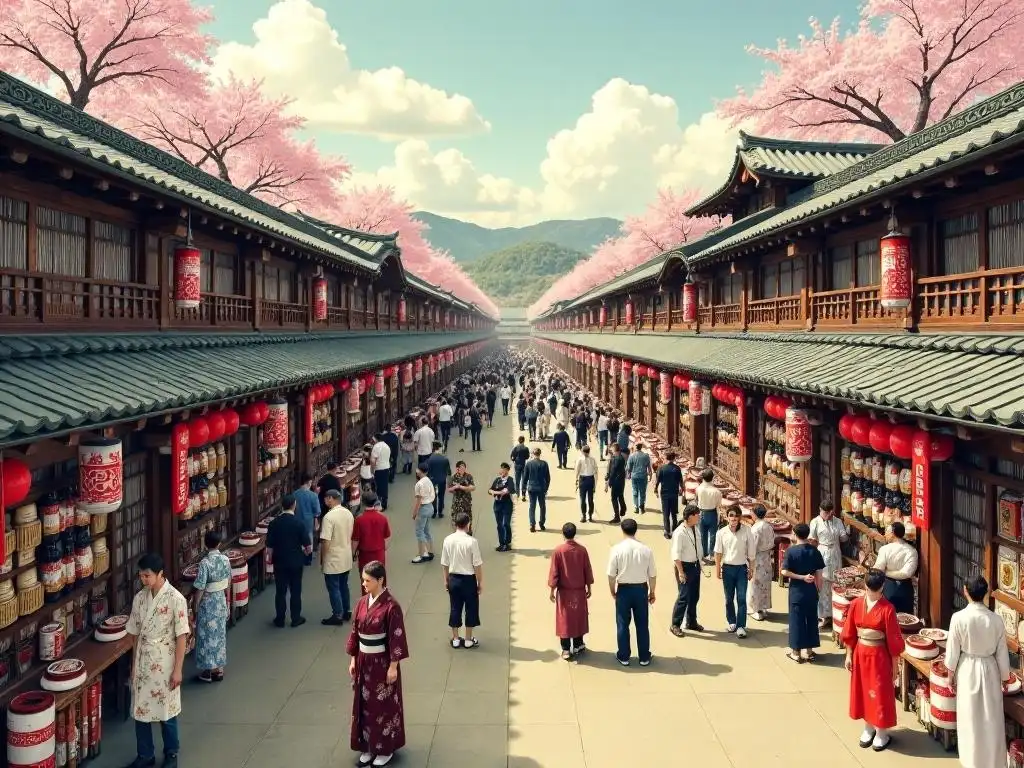
The Sakoku policy, enacted in the 17th century, undeniably left a profound mark on Japan's trajectory, influencing not just the immediate political landscape but also the long-term societal and cultural fabric of the nation. The ramifications of this closed country edict reverberated through centuries, shaping Japan's identity, its interactions with the outside world, and its approach to foreign relations even in the modern era.
The End of Sakoku and Its Aftermath
The formal end of the Sakoku policy began in 1853 when Commodore Matthew Perry of the United States Navy arrived in Tokyo Bay, demanding Japan open its ports to American trade. This pivotal moment marked the beginning of the end for Sakoku. The Treaty of Kanagawa in 1854 officially opened Japanese ports to the United States and set the stage for subsequent treaties with other Western nations.
- Economic Impact: The end of isolation led to a surge in foreign influence in Japan, introducing new technologies, ideas, and trade practices. This influx was crucial in modernizing Japan's economy, paving the way for rapid industrialization during the Meiji Restoration.
- Cultural Exchange: With foreign interactions rekindled, Japan experienced a cultural renaissance. The influx of Western ideas influenced art, literature, and education, blending traditional Japanese culture with new methodologies and perspectives.
- National Identity: The challenge posed by foreign powers compelled Japan to reassess its national identity. This ultimately fostered a sense of nationalism, as the Japanese sought to preserve their cultural heritage while also embracing modernization to compete globally.
How Sakoku Shaped Modern Japanese Foreign Relations
The Sakoku policy laid the groundwork for Japan's contemporary foreign relations. Its legacy is evident in several key aspects:
- Cautious Foreign Engagement: Japan's historical experience with isolation has fostered a cautious yet strategic approach to international diplomacy. The nation often prioritizes stability and security in its foreign policies, reflecting a desire to avoid the vulnerabilities exposed during the Sakoku period.
- Economic Partnerships: Modern Japan has established robust economic partnerships, particularly in Asia and the Pacific, influencing trade policies that emphasize mutual benefit while maintaining a degree of protectionism reminiscent of its isolationist past.
- Cultural Diplomacy: The lessons from Sakoku have encouraged Japan to promote cultural exchange as a means of soft power. Initiatives like the Japan Foundation emphasize cultural diplomacy, nurturing relationships with other nations while learning from their experiences.
Lessons Learned from Sakoku Policy
The Sakoku policy offers several critical lessons for contemporary governance and international relations:
- Balance of Isolation and Engagement: Japan's experience illustrates the delicate balance between isolation and engagement. While isolation can protect national interests, it also risks stagnation and vulnerability to external pressures.
- Adaptability and Resilience: The transition from isolation to engagement required profound adaptability. Modern states can learn from Japan's ability to absorb foreign influences while preserving core cultural values, emphasizing resilience in the face of change.
- Importance of National Sovereignty: The challenges posed by foreign powers during and after Sakoku underscored the significance of national sovereignty. This lesson remains relevant today as nations navigate complex global dynamics while striving to maintain their independence.
The Sakoku policy has had a lasting impact on Japan, shaping its foreign relations and national identity in profound ways. The lessons learned from this period continue to inform Japan's approach to the international community, emphasizing the importance of balance, adaptability, and sovereignty.
Conclusion: The Legacy of Sakoku in Japanese History
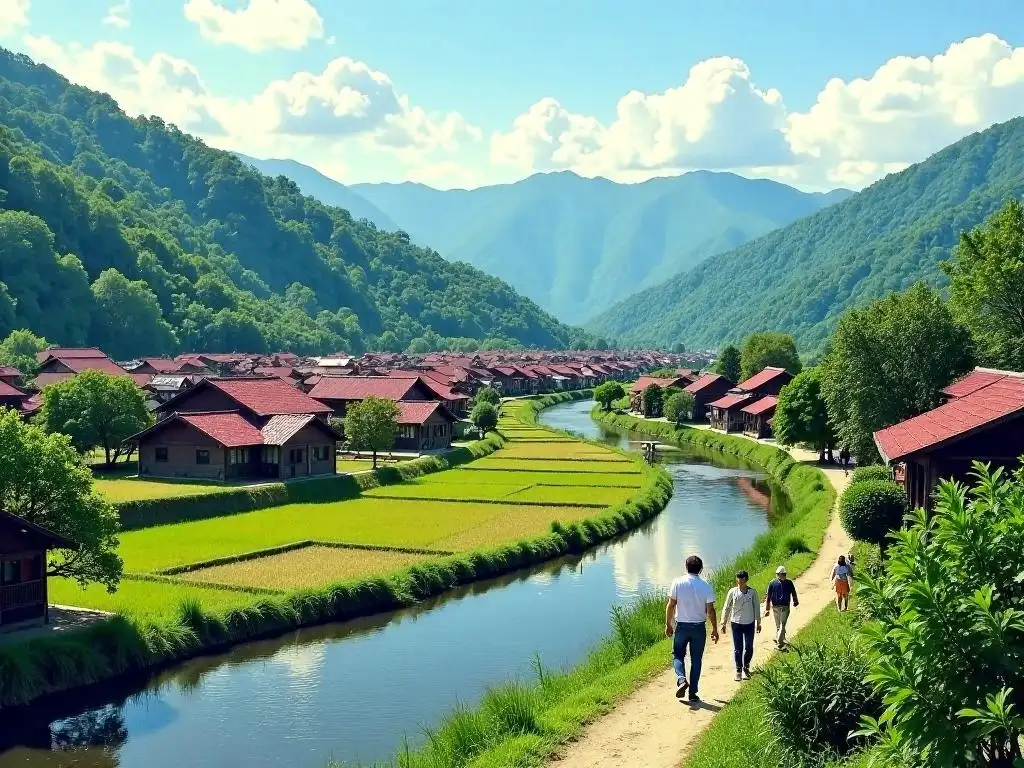
Summary of the Sakoku Policy Impact on Japan
The Sakoku policy, enacted by the Tokugawa shogunate in the 17th century, had profound and lasting effects on Japan's historical trajectory. By closing Japan off from international trade and limiting foreign influence, the policy created a unique socio-political environment that shaped the nation for over two centuries. Key impacts include:
- Cultural Homogeneity: The Sakoku policy facilitated the development of a distinctly Japanese culture by limiting foreign interactions. This resulted in a flourishing of native arts, literature, and philosophy, which were largely insulated from outside influences.
- Economic Self-Sufficiency: Japan's isolation led to a focus on domestic production. The country developed its agricultural practices and crafts, which contributed to economic resilience. However, this self-sufficiency also meant that Japan fell behind in technological advancements compared to Western nations.
- Political Stability: The isolationist stance helped maintain internal stability during a time of potential turmoil. The Tokugawa shogunate was able to consolidate power and prevent the feudal lords from engaging in foreign conflicts, which contributed to the peace known as the Edo period.
- Reduced Foreign Relations: The Sakoku policy restricted contact to a few select nations, notably the Dutch and the Chinese. This limited Japan's engagement in global affairs, shaping a unique perspective on international relations that would later influence Japan's approach after the policy's repeal.
- Legacy of Isolation: The impacts of the Sakoku policy are felt even today. The ethos of self-reliance and caution in foreign relations has roots in this period. Modern Japan's approach to diplomacy and international engagement reflects the historical context of isolationism.
Final Thoughts on Isolationism and Foreign Relations
The Sakoku policy is a testament to the complexities of isolationism in shaping a nation's identity and foreign relations. While it provided Japan with stability and cultural richness, it also sowed the seeds for challenges in adapting to the rapidly changing world of the 19th century. As Japan emerged from isolation in the Meiji Restoration, the lessons learned during the Sakoku era became crucial in informing its modern foreign policy.
- Balancing Tradition and Modernity: The challenge of balancing traditional values with the need to modernize remains relevant in Japan's foreign relations strategy today. The Sakoku legacy serves as a reminder of the importance of cultural preservation amidst global pressures.
- Cautious Engagement: The cautious approach Japan takes in international diplomacy can be traced back to the Sakoku era. The desire to protect national interests while fostering beneficial relationships is a balancing act that continues to define Japan's global stance.
The Sakoku policy's impact on Japan is multi-faceted, influencing not only historical events but also contemporary attitudes towards foreign relations. Understanding this legacy is vital for comprehending Japan's position in today's interconnected world.
References and Further Reading
Recommended Books on Sakoku and Japanese Isolationism
-
"The Sakoku Edict of 1635: A Historical Examination"
This book provides an in-depth analysis of the Sakoku policy, exploring its origins, implementation, and the socio-political context that led to Japan's isolationism. It offers valuable insights into how the policy affected Japan's foreign relations and internal dynamics.
-
"Japan's Isolation: The Sakoku Policy in Historical Perspective"
This comprehensive work examines the broader implications of the Sakoku policy on Japanese society and its eventual impact on modernization. The author draws connections between isolationism and Japan's later engagement with the world.
-
"Shutting the World Out: A Study of Japan's Sakoku Policy"
This detailed study delves into the philosophical and ethical considerations behind Japan's decision to isolate itself. It emphasizes the cultural ramifications of this policy and how it shaped Japan's identity.
-
"The Age of Samurai: Japan's Feudal Era"
While not solely focused on Sakoku, this book provides a contextual background of Japan's feudal society, touching upon the isolationist policies that emerged during this period. It offers a rich narrative that enhances understanding of the era.
Articles and Journals for In-Depth Research
-
"The Effects of the Sakoku Policy on Japanese Society"
This scholarly article examines the societal changes that occurred during Japan's isolation period, highlighting how the Sakoku policy influenced social hierarchies and cultural practices.
-
"Trade and Diplomacy in the Age of Sakoku"
This research paper analyzes Japan's limited foreign trade during the Sakoku period, discussing the impact on economic relations and the eventual shift towards openness in the late 19th century.
-
"Cultural Exchange During the Sakoku Period"
This article explores how even during isolation, Japan maintained selective cultural exchanges, impacting art, literature, and science. It provides a nuanced view of the cultural landscape during this era.
Online Resources for Additional Context
-
National Archives of Japan
The official website hosts a variety of documents and resources related to the Sakoku policy, including primary sources that provide firsthand insight into the government's rationale and public response.
-
Japan Society's Online Exhibits
This platform offers virtual exhibits that include artifacts and written works from the Sakoku period. The curated content provides a visual and textual context to Sakoku's impact on Japanese culture.
-
Digital Library of Japan's Feudal Era
This online resource contains digitized versions of historical texts, maps, and illustrations from the time of Sakoku. Researchers can access a wealth of information that aids in understanding this pivotal period in Japanese history.
Frequently Asked Questions
What was the Sakoku policy?
The Sakoku policy was a closed country edict enacted in the 17th century that restricted foreign relations and trade in Japan, aiming to maintain cultural and political stability.
How did the Sakoku policy impact Japan's economy?
The Sakoku policy limited foreign trade, which initially stabilized Japan's economy but later led to technological and economic isolation, hindering progress compared to other countries.
What were the cultural effects of the Sakoku policy?
During the Sakoku period, Japan experienced a unique cultural development as it limited foreign influences, leading to the growth of distinct Japanese art, literature, and traditions.
How did the Sakoku policy influence Japan's foreign relations?
The Sakoku policy created a isolationist stance, restricting diplomatic relations mainly to the Dutch and Chinese, which significantly shaped Japan’s foreign policy for over two centuries.
When did the Sakoku policy end, and what were the consequences?
The Sakoku policy effectively ended in the mid-19th century with the arrival of Western powers, leading to Japan's rapid modernization and integration into global affairs, profoundly altering its societal structure.
Final Reflection: The Enduring Legacy of Sakoku on Japan's Foreign Relations
The Sakoku policy, a pivotal moment in Japan's history, continues to resonate in today's global landscape. As we explore the intricate web of isolation and engagement that defined Japan's foreign relations during this period, we recognize that the lessons learned from Sakoku are not merely historical footnotes but essential insights into how nations navigate their identities and relationships in an interconnected world. The balance between openness and protectionism remains a pressing issue as countries grapple with globalization and its challenges.
Sakoku has profoundly influenced Japan's cultural and social fabric, shaping its interactions with the world for centuries. The policy's legacy is evident in Japan's unique blend of tradition and modernity, a testament to how isolation can foster a distinct national identity. As we reflect on this, we are reminded of the words of historian John W. Hall: Japan's history is a story of adaptation and resilience, a narrative that reveals the complexities of cultural exchange.
This observation underscores the ongoing relevance of Sakoku, as it invites us to consider how historical policies continue to inform contemporary societal dynamics.
As we conclude, I invite you to reflect on the lessons of Sakoku and consider how they apply to your own life and the world around you. In a time when borders are both physical and ideological, think about how you can foster understanding and connection while respecting your own values and heritage. Embrace the complexity of relationships, both personal and global, and let the story of Sakoku inspire you to navigate the delicate balance between openness and preservation in your own journey.
Unveil the Secrets of Japan's Isolation!
Thank you for diving into the fascinating world of Japan's **Sakoku** period with us! You’ve explored how this pivotal edict shaped the nation’s foreign relations, and now it’s time to take action and deepen your understanding.
Here’s how you can continue your journey:
- Dive Deeper: Read more about the cultural impacts of the Sakoku period on Japanese society. Explore our extensive library of articles to see how isolation influenced various aspects of life, including art, religion, and daily practices.
- Join the Conversation: Share your thoughts! Connect with fellow history enthusiasts in our community forum to discuss how historical events like Sakoku still resonate in contemporary society.
- Test Your Knowledge: Take our interactive quiz on Feudal Japan! It’s a fun way to solidify what you've learned and uncover new fascinating facts.
Now we want to hear from you: How do you think Japan's isolation during the Sakoku period shaped its identity in modern times? Share your insights in the comments below!