
The Role of Language in Trade: Communication Between Japan, Korea, and China

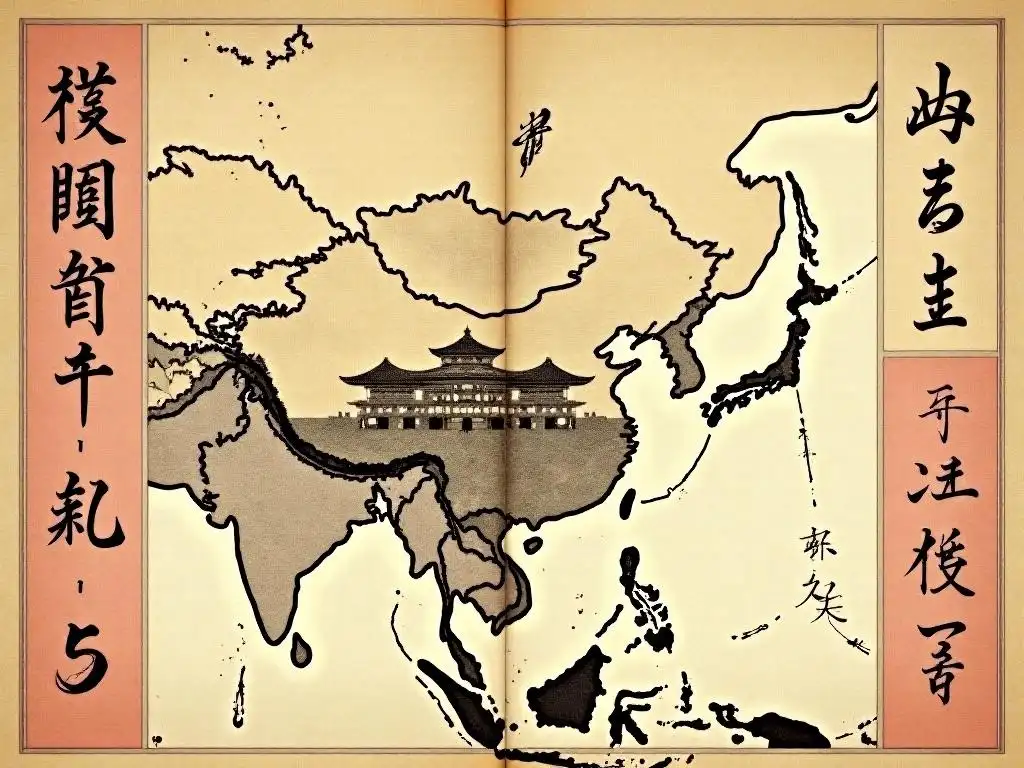
Welcome to Feudal Japan History, where we embark on an intriguing journey through the rich tapestry of Japan’s feudal era! Here, we delve deep into the fascinating dynamics of language trade between Japan, Korea, and China—an essential element that shaped foreign relations and cultural exchanges during this pivotal time. As you explore our expert-driven articles, you’ll uncover the pivotal role that communication played in forging connections across borders.
What secrets lie in the words exchanged? Join us as we unravel the threads of history and discover how language not only facilitated trade but also wove together the identities of these nations. Your adventure begins now!
Introduction to Language Trade in Japan, Korea, and China
In the intricate tapestry of East Asian history, the role of language in facilitating trade between Japan, Korea, and China is both profound and multifaceted. The feudal era marked a significant period where linguistic exchanges not only enabled commerce but also fostered cultural and diplomatic relations among these nations. This article delves into how language served as a vital conduit for trade, shaping the economic landscapes and social dynamics of Japan, Korea, and China. By exploring the historical context, we will uncover the essential functions language played in trade agreements, negotiations, and the dissemination of knowledge across these regions.
Overview of Language's Importance in Historical Trade
Language has always been more than just a means of communication; it is a powerful tool for connection and negotiation. In the realm of trade, especially during the feudal period, language allowed merchants and diplomats to convey needs, establish trust, and navigate complex social hierarchies. The use of specific dialects and terminology was crucial for:
- Facilitating Transactions: Clear communication ensured that trade deals were understood by all parties, minimizing misunderstandings.
- Cultural Exchange: Language enabled the sharing of customs and practices, enriching the trading experience.
- Diplomatic Relations: Language served as a diplomatic tool, helping to forge alliances and resolve conflicts.
The Context of Trade Relationships Among Japan, Korea, and China
The trade relationships between Japan, Korea, and China were characterized by a rich history of interaction, influenced by geography, politics, and cultural exchange. These relationships were not merely economic; they involved complex layers of social and political ties that evolved over centuries. Key aspects include:
- Geographical Proximity: The close proximity of these nations facilitated regular trade and communication, with maritime routes playing an essential role.
- Political Alliances: Shifts in power dynamics often influenced trade policies, leading to fluctuating relationships that could open or close markets.
- Shared Cultural Heritage: The influence of Confucianism and Buddhism, transmitted through language, helped shape societal norms and trade practices.
The Historical Background of Trade Language
Language’s role in trade between Japan, Korea, and China can be traced back to the historical interactions and exchanges that defined these regions. This section will explore the evolution of trade languages and the impact of linguistic exchanges on economic activities.
Language Evolution During Japan's Feudal Era
During Japan's feudal era, several factors contributed to the evolution of language as it pertained to trade. The significant points of interest include:
- Rise of Kanji: The adoption of Chinese characters (kanji) in Japan played a pivotal role in trade documentation and communication.
- Local Dialects: Various regional dialects emerged, which influenced trade practices and interactions among merchants.
- Influence of Trade Networks: The establishment of trade routes led to the diffusion of linguistic elements, creating hybrid forms of communication.
The Influence of Chinese and Korean Languages on Japan
The linguistic influences from China and Korea during the feudal era were profound, shaping Japan’s own language and trade practices. Notable influences include:
- Loanwords and Terminology: Many Japanese words related to trade and commerce were borrowed from Chinese, highlighting the importance of Chinese as a trading language.
- Cultural and Educational Exchange: The importation of Chinese literature and teachings introduced new vocabulary and concepts that enriched Japanese commerce.
- Korean Linguistic Impact: Korean merchants also introduced linguistic elements that facilitated smoother interactions and negotiations.
As we explore these themes in greater detail, we will uncover the intricate connections between language and trade, illustrating how communication shaped the historical landscape of Japan, Korea, and China.
Language as a Tool for Trade Communication
Language served as a pivotal tool in the trade relationships among Japan, Korea, and China during the feudal era. It facilitated not only the exchange of goods but also the sharing of cultural and technological knowledge. The ability to communicate effectively allowed traders to negotiate agreements, clarify terms, and build trust, which were essential components in establishing and maintaining trade networks. In this context, language acted as a bridge, enabling diverse groups to interact and engage in mutually beneficial exchanges.
Moreover, the linguistic landscape was significantly influenced by the dominant cultures of the time. The Japanese adapted Chinese characters and vocabulary to enrich their own language, which helped streamline communication with Chinese traders. Similarly, the Korean language also incorporated elements of Chinese, fostering smoother interactions. This amalgamation of languages underscored the interconnectedness of these nations and illustrated how language evolved as a necessary tool for trade.
The Role of Language in Facilitating Trade Agreements
Trade agreements between Japan, Korea, and China were often intricate and required clear communication to ensure mutual understanding. Language played a critical role in drafting and negotiating these agreements, where precise terminology was essential to avoid misunderstandings. Written contracts were commonly utilized, with traders often relying on scholars or scribes who were proficient in multiple languages to craft legally binding documents.
For instance, many agreements were articulated in Classical Chinese, which served as a lingua franca among educated elites in East Asia. This shared language allowed traders from different nations to negotiate terms related to tariffs, product quality, and delivery schedules. The ability to articulate and comprehend these agreements in a common language significantly reduced the risk of disputes and fostered a more stable trading environment.
Communication Barriers: Challenges Faced by Traders
Despite the advantages of a shared linguistic framework, traders still encountered various communication barriers that complicated trade interactions. Differences in dialects, regional colloquialisms, and variations in writing systems often led to misunderstandings. For example, while Chinese and Korean merchants could communicate in Classical Chinese, nuances in language could result in misinterpretations of key terms or conditions.
Additionally, the presence of non-verbal communication methods, such as gestures and symbols, could sometimes add another layer of complexity to trade discussions. Traders who were not well-versed in the local languages or customs often struggled, potentially jeopardizing successful negotiations. These barriers highlighted the importance of cultural awareness and the need for traders to adapt to different communication styles to achieve successful outcomes.
The Impact of Language on Trade Negotiations
Language significantly influenced trade negotiations by shaping the dynamics of power and trust between trading partners. Proficiency in another's language often conferred advantages; for instance, traders who could speak Korean or Chinese were typically more respected and trusted, leading to better negotiation outcomes. This linguistic ability facilitated a more personal rapport, encouraging openness and collaboration during negotiations.
Moreover, the use of language could also reflect social hierarchies and power structures. In some cases, Japanese traders would rely on Korean intermediaries to navigate the complexities of trade with China, emphasizing the strategic importance of language in forming alliances. These interpersonal relationships, bolstered by effective communication, were fundamental in creating a conducive trading environment, ultimately impacting trade volumes and the success of various merchants.
Case Studies: Language Use in Historical Trade
Trade Agreements Between Japan and Korea
Historically, trade agreements between Japan and Korea were often documented in written form, utilizing Classical Chinese. The "Treaty of Ganghwa" in the late 19th century serves as a significant example of how language was employed to formalize trade relations. The treaty aimed to regulate trade practices, address tariffs, and establish diplomatic protocols. The clear articulation of terms in a shared language enabled both nations to engage in trade more effectively and laid the groundwork for future interactions.
These agreements were not only about commerce but also involved cultural exchanges, with language facilitating the importation of Korean technologies and agricultural practices to Japan. This bi-directional exchange further enriched both economies and highlighted the role of language in fostering bilateral relations.
Trade Relations Between Japan and China
During the feudal era, trade relations between Japan and China were characterized by significant linguistic interactions. The establishment of the Sakoku policy in the 17th century limited foreign engagement, but trade continued through designated ports, such as Nagasaki, where Chinese merchants were welcomed. Communication in Classical Chinese was paramount in these exchanges, as it allowed for the negotiation of trade terms and the resolution of disputes.
The "Shuinsen" system, which involved the issuance of permits for trading vessels, also required detailed documentation in Chinese. This not only streamlined trade processes but also reinforced the central role of language as a means of control and regulation within these economic interactions.
Analysis of Multilingual Trade Practices in Feudal Japan
Feudal Japan's trade practices were remarkably multilingual, reflecting the diverse interactions with both Korea and China. Merchants often learned multiple languages to enhance their trading capabilities, leading to a unique blend of linguistic skills in the marketplace. For instance, Japanese traders frequently adopted Korean vocabulary and expressions to facilitate smoother transactions.
Particularly in port cities, where diverse groups converged, multilingualism became a necessity. Traders engaged in cross-cultural exchanges developed a hybrid linguistic style that incorporated elements from different languages, enabling them to communicate effectively with various partners. This dynamic not only enriched the trading experience but also contributed to the evolution of language in the region, showcasing the profound impact of trade on linguistic development in feudal Japan.
The Cultural Significance of Language in Trade

Language has always been more than just a tool for communication; it is a fundamental aspect of cultural identity and societal interaction, especially in the context of trade. In the trade relations between Japan, Korea, and China, language played a pivotal role not only in facilitating exchanges of goods but also in shaping cultural perceptions and relationships. The linguistic diversity among these nations underscores the complexities of their interactions, where language served as a bridge as well as a barrier.
The historical context reveals that trade was often accompanied by the exchange of cultural practices, philosophies, and ideologies. When traders from Japan, Korea, and China communicated, they did not merely exchange products; they shared stories, customs, and values. This cultural significance of language in trade fostered a deeper understanding and respect among the nations, influencing diplomatic relations and social structures.
Moreover, the use of language in trade negotiations often reflected power dynamics and hierarchies. The ability to speak the language of another party could enhance one's status in negotiation contexts, showcasing not only linguistic skills but also cultural awareness. This aspect highlights the importance of language beyond mere vocabulary; it embodies the respect and understanding that can aid in successful trade interactions.
Language and Identity in Trade between Japan, Korea, and China
Language serves as a critical component of national and cultural identity, particularly in the context of trade between Japan, Korea, and China. Each country has its unique linguistic heritage that reflects its historical experiences and societal values. In trade, the language used often evokes a sense of belonging and pride, reinforcing the traders' identity.
For instance, Japanese traders might have employed classical Chinese, known as Kanbun, to communicate with Chinese merchants, reflecting the historical influence of Chinese culture in Japan. Similarly, Korean traders often utilized Hanja (Chinese characters) alongside their native Hangul script to navigate the complexities of trade with both Japan and China. This blending of languages not only facilitated commerce but also reinforced a shared cultural heritage, establishing a sense of identity among the trading communities.
Moreover, the adoption of certain linguistic elements from one another’s languages can be seen as a form of cultural exchange, which further strengthens identity. Key terms, phrases, and even trade jargon often crossed linguistic boundaries, leading to a shared lexicon that facilitated smoother transactions and interactions among traders.
The Influence of Culture on Trade Language Usage
Cultural nuances significantly influenced how language was used in trade interactions between Japan, Korea, and China. Each culture had its own communication styles, social norms, and etiquette, which were crucial to understanding the dynamics of trade. For example, the concept of "wa" (harmony) in Japan emphasized indirect communication and consensus, which contrasted with China's more direct negotiation style.
In trade negotiations, these cultural differences manifested in the language choices and conversational approaches. Japanese traders might have prioritized relationship-building and trust over immediate transactional outcomes, often using polite and formal language to establish rapport. In contrast, Korean traders, influenced by Confucian ideals, often emphasized hierarchy and respect, using honorifics to denote status.
Additionally, the influence of Buddhism and Confucianism in these cultures shaped the language of trade, where philosophical concepts often found their way into discussions. This cultural framing helped to create a shared understanding among traders, even when linguistic barriers existed, thereby enhancing cooperation and mutual respect.
Modern Implications of Historical Language Trade
The historical trade interactions between Japan, Korea, and China provide valuable lessons for contemporary trade relations. Understanding the linguistic and cultural dynamics of past exchanges can inform current practices, especially in an increasingly globalized world where communication is key to successful trade.
Lessons Learned from Historical Trade Communication
One of the most significant lessons from historical trade communication is the importance of cultural sensitivity and awareness in negotiations. The ability to understand and respect cultural norms and language differences can lead to more successful and harmonious trade relationships. Modern businesses can benefit from this by investing in language training and cultural education for their employees, ensuring that they approach international trade with a nuanced understanding of their partners’ backgrounds.
Furthermore, historical interactions remind us that language can be both a facilitator and a barrier. In today's trade environment, adopting a flexible approach to language—such as using translators or learning key phrases—can enhance communication and build stronger business ties. The emphasis on relationships over transactions, as seen in historical contexts, remains relevant, highlighting the need for trust and rapport in today's trade agreements.
The Relevance of Language in Contemporary Trade Relations
In contemporary trade relations, the relevance of language continues to be paramount. As globalization brings nations closer, the need for effective communication across linguistic boundaries is more pressing than ever. Language shapes trade policies, negotiations, and partnerships, influencing everything from marketing strategies to contract negotiations.
Moreover, the rise of digital communication tools has transformed how language is utilized in trade. Businesses now engage in cross-border transactions using various platforms, which necessitates an understanding of not only the language but also the cultural context in which it is used. This shift underscores the need for multilingual capabilities and cultural fluency in today's trade landscape.
The role of language in trade between Japan, Korea, and China is deeply rooted in cultural significance and identity. As we reflect on historical practices, it becomes evident that language remains a vital component of successful trade relations in the modern era, reminding us of the enduring connection between communication and commerce.
Conclusion
The intricate web of languages spoken in Japan, Korea, and China played a pivotal role in shaping trade relations during the feudal era. As merchants and diplomats navigated the complexities of communication, the languages not only served as tools for negotiation and exchange but also facilitated cultural and intellectual interactions. The evolution of language trade significantly impacted economic transactions, social structures, and diplomatic ties among these nations.
The historical context reveals that language was not merely a barrier or a bridge; it was a vital component of commerce that influenced the dynamics of power and collaboration. The adaptability of each nation's language in incorporating elements from one another showcases the fluidity of cultural exchange during this period. This linguistic intermingling laid the groundwork for mutual understanding and respect, which were essential for successful trade relationships.
Summary of Key Points on Language Trade in Japan, Korea, and China
- Cultural Exchange: The languages of Japan, Korea, and China facilitated rich cultural exchanges, enabling the flow of ideas, goods, and technologies.
- Linguistic Adaptation: Japanese merchants often adopted Chinese characters and vocabulary to enhance their communication skills, reflecting the influence of Chinese civilization on Japan.
- Diplomatic Communication: Language served as a diplomatic tool, with envoys skilled in multiple languages forging essential trade agreements and alliances.
- Trade Dynamics: The ability to communicate effectively in various languages influenced trade dynamics, allowing for smoother transactions and negotiations.
- Impact on Society: The interaction of languages contributed to the development of a shared cultural identity, fostering a sense of community and collaboration among traders from different regions.
Final Thoughts on the Role of Language in International Trade Relations
The role of language in international trade relations cannot be overstated. In the context of Japan, Korea, and China, language was a vehicle for not just commerce but also cultural diplomacy and social integration. The ability to speak multiple languages or to understand the nuances of a foreign tongue opened doors to new markets and partnerships.
As we reflect on the historical significance of language in trade, it becomes evident that effective communication is foundational for successful international relations. The lessons learned from the feudal era continue to resonate today, reminding us that language proficiency and cultural literacy remain essential skills in an increasingly interconnected global economy. In essence, the legacy of language trade among Japan, Korea, and China serves as a testament to the power of communication in fostering cooperation and understanding across borders.
- Introduction to Language Trade in Japan, Korea, and China
- The Historical Background of Trade Language
- Language as a Tool for Trade Communication
- Case Studies: Language Use in Historical Trade
- The Cultural Significance of Language in Trade
- Modern Implications of Historical Language Trade
- Conclusion
- What was the significance of language in trade between Japan, Korea, and China?
- How did the languages of Japan, Korea, and China influence each other?
- What were the primary languages used in trade during feudal Japan?
- How did trade affect language development in Japan, Korea, and China?
- Are there modern implications of historical trade language exchanges?
Frequently Asked Questions
What was the significance of language in trade between Japan, Korea, and China?
Language played a critical role in facilitating trade relations among Japan, Korea, and China, enabling merchants to communicate effectively and negotiate exchange agreements.
How did the languages of Japan, Korea, and China influence each other?
The languages influenced each other through cultural exchange and trade interactions, where Chinese characters were adopted in Japanese writing, and Korean also incorporated elements from both languages.
What were the primary languages used in trade during feudal Japan?
During feudal Japan, the primary languages used in trade were Japanese, Korean, and Chinese, with Chinese often serving as the lingua franca for trade communication.
How did trade affect language development in Japan, Korea, and China?
Trade led to the adoption of new vocabulary and phrases from one language to another, enhancing trade efficiency and creating a more nuanced understanding of commercial terms among the three nations.
Are there modern implications of historical trade language exchanges?
Yes, the historical language exchanges have implications today, as they laid the foundation for cultural ties and economic partnerships that continue to evolve in the global market.
Final Reflection: The Power of Language in Shaping Trade Relationships
In an increasingly interconnected world, the role of language in trade has never been more crucial. The intricate web of communication between Japan, Korea, and China not only facilitates commerce but also fosters cultural exchange and mutual understanding. As we navigate the complexities of global trade, it becomes evident that language is not merely a tool for negotiation; it is a bridge that connects diverse economies and societies.
The influence of language in trade extends beyond mere transactions; it shapes perceptions, builds trust, and creates lasting partnerships. The historical ties and contemporary interactions among Japan, Korea, and China exemplify how language can serve as a catalyst for collaboration and innovation. As the renowned linguist Edward Sapir once said, "> Language is a guide to social reality." This insight underscores the importance of understanding linguistic nuances and cultural contexts in fostering successful trade relationships.
As we look to the future, I invite you to reflect on the role of language in your own interactions and endeavors. Consider how effective communication can enhance your personal and professional relationships, especially in a globalized economy. Embrace the lessons from the interplay of language and trade among Japan, Korea, and China, and let them inspire you to cultivate connections that transcend borders. The power of language is in your hands—use it to create opportunities and foster understanding in your own world.
Unveil the Power of Language in Trade Today!
Thank you for diving into the intricate relationship between language and trade among Japan, Korea, and China. Your interest in this topic enriches our understanding of cultural exchanges and economic dynamics. Now, let's turn this knowledge into action!
Here are some practical steps you can take to further explore and engage with this fascinating subject:
- Join a language exchange program to practice and appreciate the nuances of communication in Japanese, Korean, or Chinese.
- Share this article with friends or colleagues who are interested in trade and culture, sparking discussions on how language shapes international relationships.
- Explore local cultural events or workshops focused on East Asian trade history to deepen your understanding and connect with like-minded enthusiasts.
Which aspect of language do you believe has the most significant influence on modern trade relationships?