
Commodore Perry’s Expedition: A Catalyst for Change in Japan

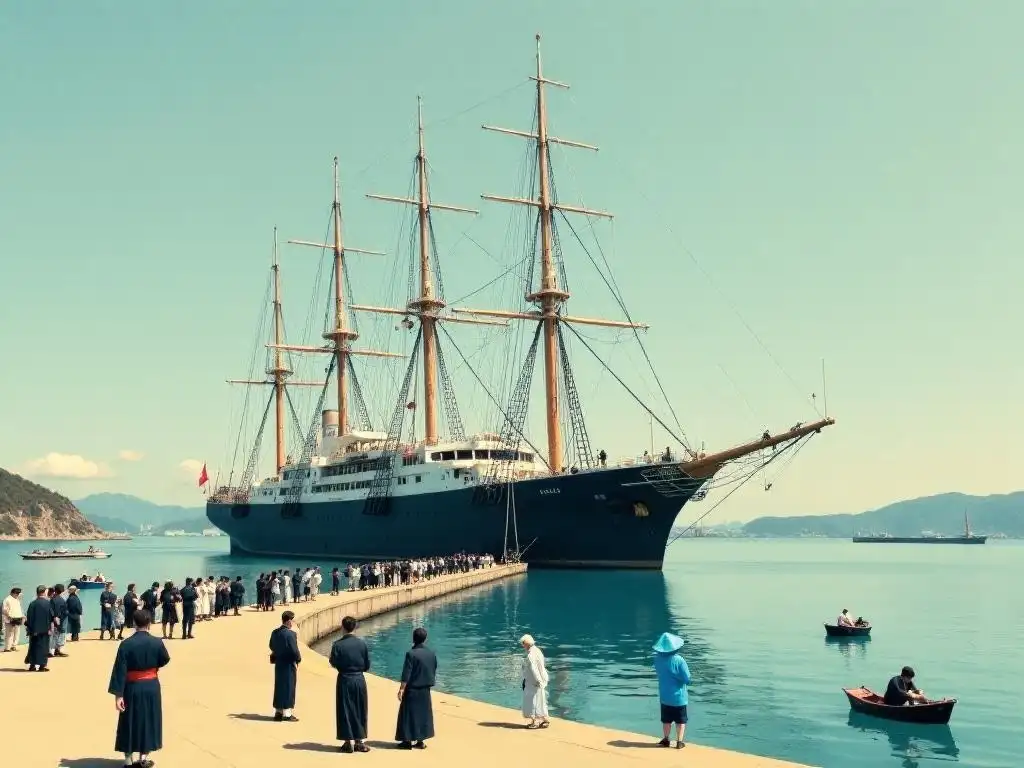
Welcome to Feudal Japan History! Here, we dive deep into the captivating world of Japan’s feudal era, uncovering the intricate tapestry of historical, cultural, and societal aspects that shaped this fascinating period. In our featured article, “Commodore Perry’s Expedition: A Catalyst for Change in Japan,” we explore the profound impact of Commodore Perry on Japan’s foreign relations and the transformative shifts that followed. What sparked this monumental change, and how did it alter the course of Japan's history? Join us as we unravel the layers of this pivotal moment and ignite your curiosity for the rich narratives that await!
- Introduction to Commodore Perry’s Expedition and its Historical Context
- The Expedition: Key Events and Objectives
- The Impact of Commodore Perry on Japan’s Foreign Relations
- Cultural and Societal Changes Triggered by Perry’s Expedition
- Long-term Effects of Commodore Perry’s Expedition on Japan
- Commodore Perry’s Legacy: How His Expedition Shaped Future Relations
- Conclusion: The Lasting Impact of Commodore Perry on Japan’s Transformation
-
Frequently Asked Questions
- What was the significance of Commodore Perry's expedition to Japan?
- How did Japan respond to Commodore Perry's demands?
- What were the broader impacts of Perry's expedition on Japanese society?
- How did Perry's arrival influence Japan's modernization?
- What role did international relations play in Japan's transformation post-Perry?
- Final Reflection: The Lasting Impact of Commodore Perry on Japan
- Unveil the Impact of Perry’s Expedition on Japan!
Introduction to Commodore Perry’s Expedition and its Historical Context
The arrival of Commodore Matthew Perry in Japan during the mid-19th century marks a pivotal moment in the nation's history, serving as a catalyst for profound change that would ultimately reshape its trajectory. Before Perry's expedition, Japan had maintained a strict isolationist policy, closing its doors to foreign influence for over two centuries.
This article delves into the impact of Commodore Perry on Japan, examining how his expedition not only opened Japan to the West but also initiated a series of transformations in its political, social, and cultural landscapes. Understanding this historical context sheds light on the dynamics between Japan and Western powers, illustrating the significance of international relations in shaping modern Japan.
The Importance of Commodore Perry in Japan's History
Commodore Perry's expedition, which culminated in the signing of the Treaty of Kanagawa in 1854, is often viewed as a turning point in Japanese history. His arrival was not merely a diplomatic mission; it represented the forceful entry of Western powers into a nation that had prided itself on its seclusion. Key aspects of Perry's significance include:
- Breaking Isolation: Perry's fleet, comprising four warships, arrived in Tokyo Bay, signaling to the Japanese that they could no longer remain isolated from the global community. This encounter forced Japan to confront the realities of international politics, trade, and diplomacy.
- Technological Advancement: The display of American naval power highlighted the technological gap between Japan and the West. Perry's steamships and modern weaponry not only intimidated the Japanese but also sparked interest in adopting Western technology.
- Cultural Exchange: Perry's expedition opened the door to cultural exchange, leading to the introduction of Western ideas, customs, and lifestyles that would influence Japan in the years to come.
Perry's actions set in motion a series of events that would lead to significant political and social reforms in Japan, paving the way for the Meiji Restoration.
Overview of Japan's Isolationist Policies Before Perry's Arrival
Before Commodore Perry's arrival, Japan had adopted a policy of sakoku, or "closed country," which was established during the Edo period (1603-1868). This policy was characterized by several key features:
- Limited Foreign Trade: Japan allowed only a few foreign entities to engage in trade, with the Dutch and Chinese being the primary trading partners. All other foreign interactions were heavily restricted.
- Cultural Preservation: The isolationist policies were aimed at preserving Japanese culture and preventing the influence of foreign ideologies, particularly Christianity, which was seen as a threat to the social order.
- Internal Stability: By limiting foreign interaction, Japan sought to maintain internal stability and control over its population, avoiding the unrest that could accompany foreign influence.
The isolationist policies created a unique cultural environment in Japan, but they also left the country unprepared for the rapid changes that would follow Perry's expedition. As the nation grappled with the implications of opening its doors to the West, the impacts of Perry's arrival would resonate throughout Japan’s history.
The Expedition: Key Events and Objectives
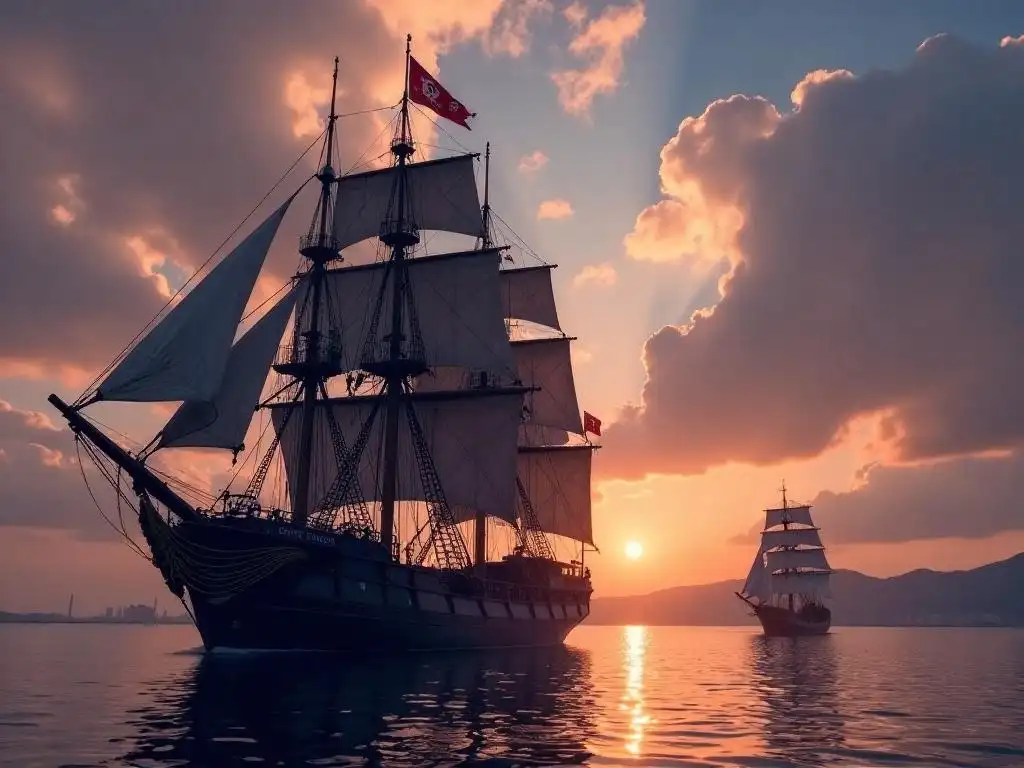
The expedition led by Commodore Matthew Perry in the mid-19th century marked a pivotal moment in Japanese history, effectively ending over two centuries of self-imposed isolation. This section outlines the key events and objectives that defined Perry's mission, shedding light on its profound impact on Japan's trajectory.
The Arrival of Commodore Perry in 1853
Commodore Perry's arrival in Japan on July 8, 1853, was a significant event that set the stage for the transformation of Japanese society and international relations. Leading a fleet of four ships, famously known as the "Black Ships," Perry's mission was clear: to establish trade relations with Japan and open its ports to American vessels.
- Initial Encounter: Perry's fleet anchored in Tokyo Bay, presenting a stark contrast to the traditional Japanese maritime environment. The arrival of these steam-powered ships symbolized technological advancements of the West, which Japan had largely remained unaware of during its isolationist policies.
- Diplomatic Diplomacy: Perry's approach was both assertive and strategic; he delivered a letter from President Millard Fillmore, urging Japan to open its ports for trade. This diplomatic overture was met with a mix of curiosity and apprehension by Japanese officials, who were wary of foreign influence.
- Cultural Exchange: The arrival of Perry and his crew also prompted a cultural exchange, with Japanese observers fascinated by the Western technology and customs. This initial contact ignited interest in Western knowledge and practices among Japanese scholars and officials.
Perry’s expedition can be seen as a catalyst for change, as it compelled Japan to reassess its isolationist stance and consider the advantages and disadvantages of engaging with the Western world.
The Black Ships: Symbolism and Impact
The "Black Ships" became a powerful symbol of Western imperialism and the technological superiority that characterized the era. Their appearance in Japan not only represented foreign intrusion but also signified the inevitable changes that would sweep through Japanese society.
- Technological Superiority: The Black Ships were equipped with steam engines and advanced naval armaments, starkly contrasting with Japan’s traditional wooden vessels. This technological gap highlighted Japan's need to modernize its military and industrial capabilities.
- Psychological Impact: The sight of these imposing ships instilled a sense of urgency among Japanese leaders. The fear of colonization, common among many Asian nations during this period, fueled debates about the necessity of reform and modernization within Japan.
- Symbol of Change: The Black Ships were not merely warships; they represented the broader changes that Japan would undergo in the following decades. They prompted discussions about national sovereignty and the future direction of Japanese foreign policy.
The arrival of the Black Ships catalyzed a reevaluation of Japan's position in the world, leading to the eventual end of the Tokugawa shogunate and the Meiji Restoration.
Objectives of the Expedition: Open Ports and Trade
The primary objectives of Commodore Perry's expedition were to open Japanese ports to American trade and establish a formal diplomatic relationship. Understanding these goals provides insight into the broader implications of Perry’s mission.
- Opening of Ports: Perry sought to secure agreements that would allow American ships to access Japanese ports for supplies and trade. The Treaty of Kanagawa, signed in 1854, marked the first significant step in this direction, establishing two ports—Shimoda and Hakodate—for American vessels.
- Trade Agreements: The expedition aimed to initiate trade relations that would benefit both countries. The potential for economic exchange promised growth opportunities for Japan, which had been largely cut off from international commerce.
- Cultural Exchange and Influence: Beyond trade, Perry's objectives included fostering cultural exchange and understanding. The arrival of Western ideas and technology would eventually influence Japanese society, leading to significant reforms in education, military, and industry.
The objectives of Commodore Perry’s expedition went beyond mere economic interests; they were a strategic move to integrate Japan into the global economy and reshape its future. The impact of Commodore Perry on Japan was profound, paving the way for modernization and greater engagement with the world.
The Impact of Commodore Perry on Japan’s Foreign Relations
The arrival of Commodore Matthew Perry in 1853 marked a pivotal moment in Japan's foreign relations, fundamentally altering the trajectory of the nation. Prior to this, Japan had adhered to a strict isolationist policy under the Tokugawa shogunate for more than two centuries, known as sakoku. Perry's expedition not only challenged this isolation but also introduced Japan to the broader world, leading to significant diplomatic, economic, and cultural transformations. The impact of Commodore Perry on Japan can be observed through several key developments that emerged as a result of this historic encounter.
Shift from Isolationism to Engagement with the West
The initial engagement with Commodore Perry symbolized a dramatic shift from Japan's longstanding isolationist stance. Before Perry’s arrival, Japan had minimal contact with foreign nations, allowing only limited trade with the Dutch and Chinese. However, the presence of Perry's "Black Ships," equipped with advanced technology, underscored the military and industrial superiority of the West, compelling Japanese leaders to reconsider their foreign policy.
- Reasons for Change:
- Military Threat: The display of naval power by Perry was a stark reminder of the potential threat posed by Western nations.
- Economic Opportunities: Recognizing the possibilities for trade and modernization, many Japanese officials began to advocate for engagement with the West.
- Cultural Exchange: The arrival of Western ideas, technologies, and practices began to seep into Japanese society, influencing everything from military organization to educational systems.
This shift laid the groundwork for future treaties and interactions with Western nations, marking the beginning of Japan's transformation into a modern state.
Initial Reactions from Japanese Officials and the Shogunate
The initial reactions from the Tokugawa shogunate and various Japanese officials to Perry's expedition were mixed and complex. While some leaders recognized the necessity to engage with the West, others were hesitant and fearful of the consequences.
- Factions within the Shogunate:
- Pro-Engagement: Some officials, particularly those advocating modernization, saw the potential benefits of trade and technology exchange.
- Isolationists: Conversely, conservative factions feared that opening Japan would lead to cultural dilution and loss of sovereignty.
- Public Sentiment: The arrival of Perry sparked widespread debate among the populace. Many were curious about the foreign presence, while others were alarmed at the prospect of losing traditional values and practices.
This internal conflict ultimately influenced the shogunate's decision-making process concerning how to respond to Perry's demands and the subsequent international pressure.
The Treaty of Kanagawa: Terms and Significance
The culmination of Perry's expedition was the signing of the Treaty of Kanagawa in 1854, which marked a significant turning point in Japan's foreign relations. The treaty established formal diplomatic relations between Japan and the United States and set the stage for future international agreements.
- Key Terms:
- Opening of Ports: The treaty stipulated the opening of two ports, Shimoda and Hakodate, for American trade.
- Protection of American Whalers: It ensured the safety of American ships and their crews, allowing for the rescue of shipwrecked personnel.
- Consular Relations: The agreement included provisions for the establishment of a U.S. consulate in Japan, facilitating further diplomatic engagement.
- Significance:
- End of Isolation: The Treaty of Kanagawa effectively ended Japan's isolationist policies, setting a precedent for other Western powers to seek similar agreements.
- Modernization Efforts: The treaty spurred Japan's rapid modernization as the nation sought to strengthen itself against Western influence, leading to the Meiji Restoration in 1868.
The impact of Commodore Perry on Japan was profound, leading to a significant realignment of foreign relations and setting Japan on a path toward modernization and engagement with the global community. This expedition not only transformed Japan's diplomatic landscape but also initiated a broader cultural exchange that would shape the nation for years to come.
Cultural and Societal Changes Triggered by Perry’s Expedition
Introduction of Western Technology and Ideas
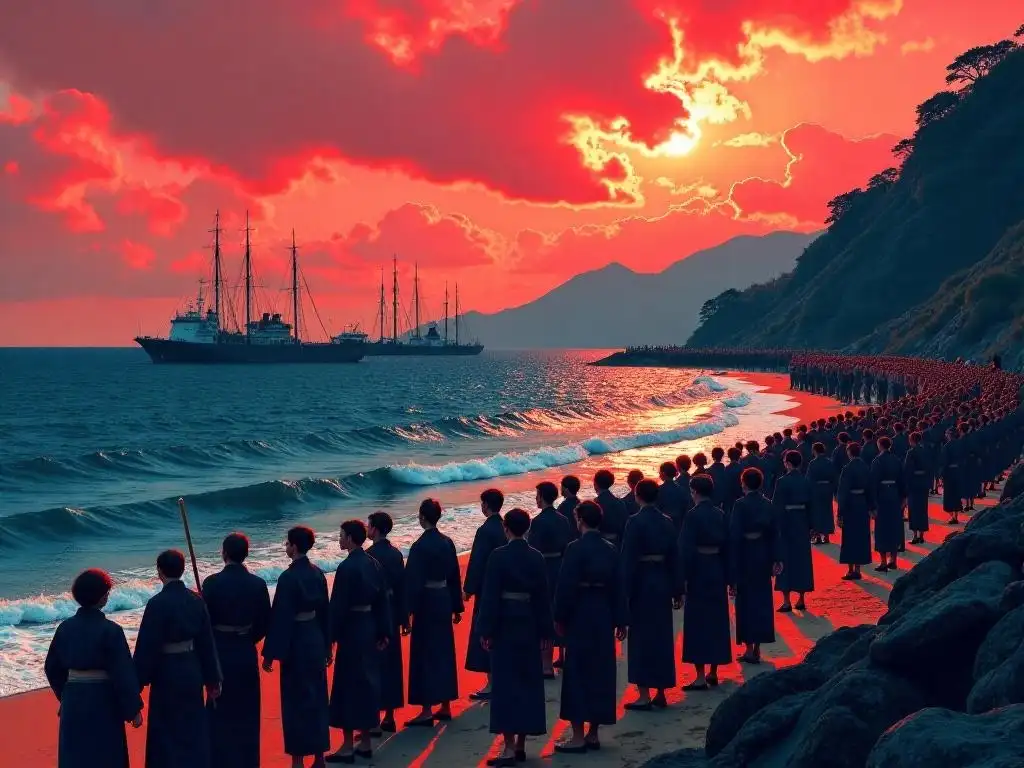
Commodore Perry's expedition in 1853-1854 marked a pivotal moment in Japan's history, initiating a wave of change that would forever reshape the nation. One of the most significant impacts was the introduction of Western technology and ideas, which influenced various aspects of Japanese life.
- Technological Advancements:
- The presence of Western naval vessels and their advanced engineering prompted Japan to reevaluate its own maritime capabilities.
- Notable innovations included steamships and modern weaponry, which rapidly replaced traditional Japanese methods. For instance, the adoption of steam power not only revolutionized naval warfare but also had far-reaching effects on transportation and industry.
- Scientific Inquiry and Education:
- Perry’s expedition acted as a catalyst for the establishment of modern educational institutions in Japan. The Japanese began to adopt Western scientific methods, leading to a surge in technological education.
- The Meiji Restoration, which followed Perry’s visit, saw the introduction of Western-style universities and vocational schools, focusing on science, engineering, and technology.
- Cultural Exchange:
- Perry’s arrival also initiated a flow of Western literature, philosophy, and art into Japan. The exposure to new ideas created a cultural dialogue that encouraged Japanese intellectuals to explore concepts such as democracy, individualism, and human rights, which were largely foreign to traditional Japanese thought.
Changes in Japanese Society: Urbanization and Modernization
The impact of Commodore Perry’s expedition extended beyond technology and ideas; it also spurred significant changes in Japanese society, particularly in urbanization and modernization.
- Rise of Urban Centers:
- As trade with the West expanded, cities like Yokohama and Kobe grew rapidly into bustling urban centers. This urbanization was driven by increased commerce and the influx of foreign merchants, which transformed local economies.
- The population shift from rural areas to cities marked a significant change in lifestyle, with many individuals seeking new opportunities in the burgeoning urban landscapes.
- Modern Infrastructure Development:
- The need to accommodate Western trade and influence led to the construction of modern infrastructure, including railways, telegraph lines, and improved roads. These developments were essential for facilitating communication and transportation across the growing nation.
- The introduction of Western architectural styles began to reshape the urban landscape, blending traditional Japanese aesthetics with modern design principles.
- Social Stratification and Change:
- The influx of Western ideas also prompted shifts in social structures. The samurai class, once dominant, began to lose its status as new social classes emerged, including a burgeoning merchant class that gained wealth and influence through trade.
- This transformation contributed to a more dynamic and fluid social structure, ultimately leading to the dissolution of long-standing feudal hierarchies.
The Role of Media in Shaping Public Perception of the West
The media played a crucial role in shaping public perception of the West during and after Commodore Perry's expedition, influencing how Japanese society responded to foreign ideas and culture.
- Printed Materials and Literature:
- The introduction of Western printing techniques allowed for the dissemination of literature that discussed Western customs, technologies, and ideologies. This influx of information helped to cultivate a fascination with the West among the Japanese populace.
- Journals, books, and pamphlets began to feature translations of Western texts, which made complex ideas more accessible to the educated elite.
- Art and Imagery:
- Visual media, such as ukiyo-e (woodblock prints), incorporated Western perspectives and techniques, reflecting a growing interest in Western culture. This artistic adaptation not only showcased the foreign influence but also offered a new lens through which to view Japan's place in the world.
- Artists began to experiment with perspective and light, merging traditional Japanese art forms with Western styles, leading to a unique cultural fusion.
- Public Discourse and Debate:
- The media became a platform for public discourse regarding the implications of Westernization. Intellectuals and writers debated the merits and challenges of adopting Western practices, fostering a dialogue that would influence political and social movements in Japan.
- This engagement with media helped to shape a national identity that was increasingly aware of global dynamics, setting the stage for Japan’s eventual emergence as a modern nation-state.
The impact of Commodore Perry’s expedition in Japan was profound and multifaceted, leading to significant cultural and societal changes that laid the groundwork for Japan's modernization and integration into the global community.
Long-term Effects of Commodore Perry’s Expedition on Japan
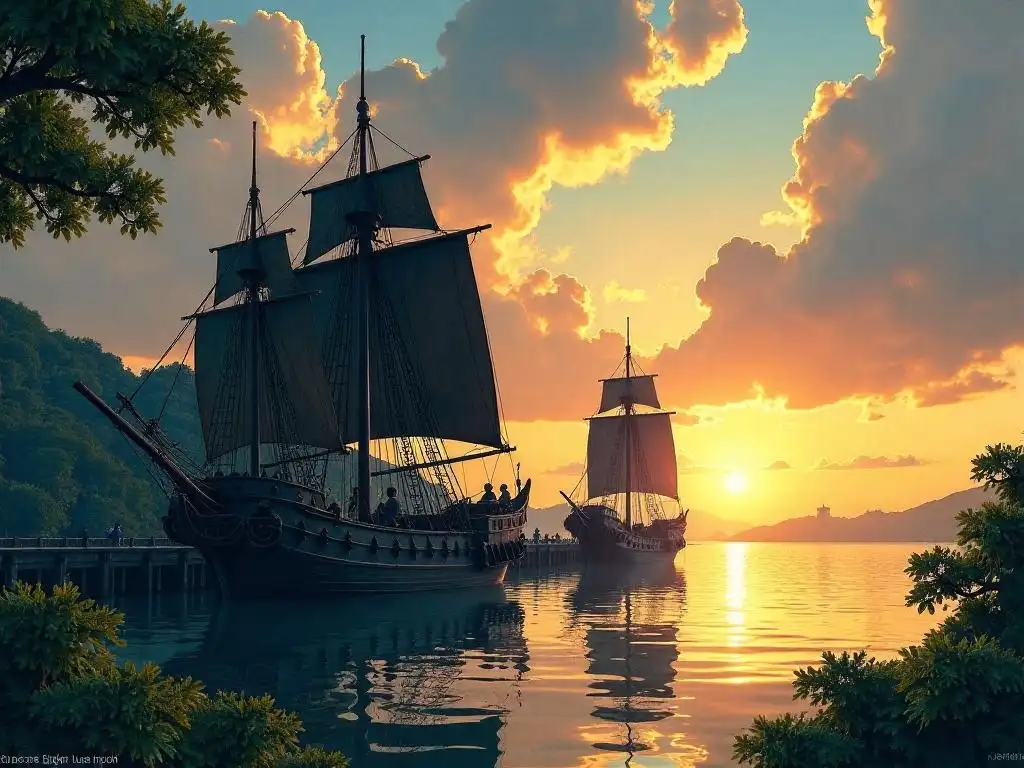
The arrival of Commodore Matthew Perry in Japan in 1853 marked a pivotal moment in Japanese history, leading to profound long-term effects that transformed the nation. Perry's expedition is often viewed as the catalyst for Japan's rapid modernization and integration into the global community, fundamentally altering its societal structure, political landscape, and international relations.
The Meiji Restoration: A Direct Result of Perry’s Influence
The Meiji Restoration of 1868 can be directly linked to the events surrounding Commodore Perry's expedition. Faced with the threat of Western imperialism and the realization that Japan could no longer isolate itself from the world, the Tokugawa shogunate was compelled to adapt.
- End of Feudalism: The Restoration marked the end of the feudal system in Japan. The centralized government that emerged sought to abolish the privileges of the samurai class, redistributing power and land.
- Political Reform: The new Meiji government implemented significant political reforms, including the establishment of a constitution and a parliamentary system, which were influenced by Western models.
The impact of Perry’s arrival was not just immediate but resonated throughout the following decades, as Japan sought to modernize and reinforce its sovereignty against foreign powers.
Transformation of Japan into a Modern Nation-State
Commodore Perry's expedition initiated a wave of transformation that propelled Japan into becoming a modern nation-state.
- Industrialization: The Meiji government prioritized industrial development, leading to the establishment of factories, railroads, and telegraph lines. By the late 19th century, Japan had transformed from a primarily agrarian economy to an industrial powerhouse.
- Education and Westernization: The Japanese recognized the need for a modern education system to compete with the West. They adopted Western science, technology, and military practices, leading to a significant cultural and intellectual renaissance.
- Cultural Exchange: This period saw an influx of Western ideas and cultural practices, which blended with traditional Japanese culture, resulting in unique art forms, literature, and social customs.
Japan's transformation into a modern nation-state was not merely a response to Perry's expedition but also a calculated effort to ensure its survival in a rapidly changing world.
Impacts on Japan’s Foreign Policy and Military Expansion
The changes initiated by Commodore Perry's expedition had significant implications for Japan's foreign policy and military posture.
- Shift from Isolationism: Japan shifted from its policy of sakoku (self-isolation) to active engagement in international relations. The Treaty of Kanagawa, signed in 1854, opened several ports to American trade and set the stage for future treaties with Western nations.
- Military Modernization: Recognizing the need for a strong military to defend against foreign threats, Japan began a comprehensive modernization of its armed forces. This included adopting Western military techniques and technologies, which enabled Japan to become a formidable military power in the region.
- Imperial Expansion: As Japan gained confidence in its military capabilities, it embarked on a series of imperialistic endeavors, including the First Sino-Japanese War (1894-1895) and the Russo-Japanese War (1904-1905). These conflicts demonstrated Japan's emergence as a global power and its willingness to assert its influence.
The impact of Commodore Perry on Japan was profound and far-reaching, setting in motion a series of transformations that would shape the nation's trajectory for decades to come. These changes not only marked the end of feudal Japan but also laid the groundwork for its emergence as a modern nation-state engaged in the global arena.
Commodore Perry’s Legacy: How His Expedition Shaped Future Relations
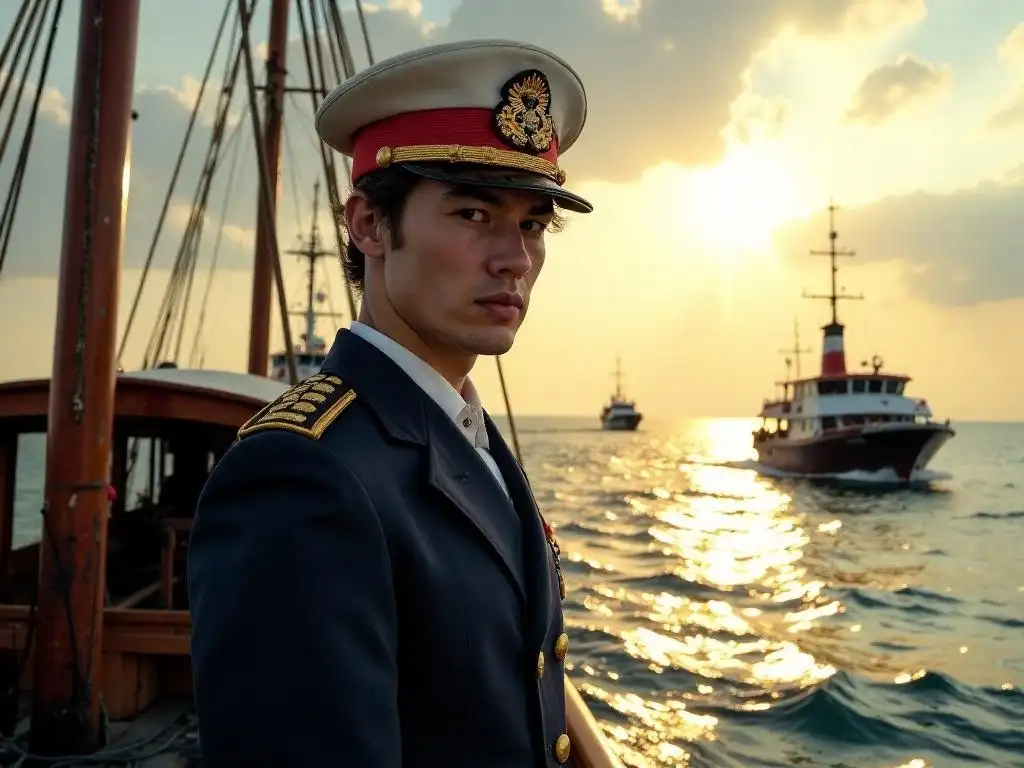
Commodore Matthew Perry's expedition to Japan in 1853-1854 marked a pivotal moment in the nation's history, fundamentally altering its trajectory and international relations. Perry's arrival with a fleet of "Black Ships" not only forced Japan to open its ports to American trade but also set off a chain reaction that significantly impacted Japan's socio-political landscape and its interactions with Western powers.
The most immediate outcome of Perry's expedition was the signing of the Treaty of Kanagawa in 1854, which established diplomatic relations between Japan and the United States. This treaty effectively ended over two centuries of Japanese isolationism known as sakoku, permitting American ships to refuel and resupply at Japanese ports. The implications of this treaty were profound, ushering in an era of modernization and reform as Japan sought to engage with the world on its own terms.
The Enduring Influence on Japan-West Relations
The influence of Commodore Perry's expedition is still felt in Japan's foreign relations today. His actions initiated a series of treaties with other Western nations, often referred to as "unequal treaties," which further opened Japan to international trade and influence. These treaties, while initially perceived as humiliating, prompted Japan to adopt a more proactive stance in its diplomacy and to reform its governmental and military structures.
Key Impacts of Perry's Expedition:
- Opening of Ports: Japan's ports were opened to Western trade, significantly boosting its economy and facilitating the exchange of ideas and technology.
- Modernization Efforts: The need to compete with Western powers led to the Meiji Restoration in 1868, a period characterized by rapid modernization and industrialization.
- Cultural Exchange: The influx of Western culture, ideas, and technology transformed Japanese society, leading to significant changes in education, industry, and governance.
Perry's expedition served as a catalyst for change, compelling Japan to transform from an isolated feudal society into a modern state capable of engaging with the global community. The resulting shift not only altered Japan's internal dynamics but also shaped its approach to foreign relations for generations to come.
Historical Perspectives: How Perry’s Expedition is Viewed Today
The legacy of Commodore Perry's expedition is viewed through various lenses in contemporary historical discourse. While some historians regard Perry as a harbinger of progress, others critique the imperialistic undertones of his mission.
Different Interpretations:
- Progressive View: Many scholars argue that Perry's actions were instrumental in Japan's rapid modernization, allowing it to emerge as a significant player on the global stage by the late 19th century.
- Critical View: Conversely, critics highlight the coercive nature of Perry's expedition, seeing it as an example of American imperialism that disregarded Japan’s sovereignty and cultural integrity.
Modern Reflections:
- Educational Reforms: Today, the Japanese education system includes the study of this period to understand the complexities of international relations and the impact of Western influence.
- Cultural Identity: There is an ongoing discourse about how Perry's expedition and subsequent Westernization have shaped modern Japanese identity and its global interactions.
The assessment of Commodore Perry's expedition continues to evolve as historians and scholars analyze its multifaceted impacts on Japan's transformation and its lasting effects on Japan-West relations. The expedition remains a critical point of reference for understanding Japan's journey into modernity and its ongoing engagement with the world.
Conclusion: The Lasting Impact of Commodore Perry on Japan’s Transformation
The arrival of Commodore Matthew Perry in 1853 marked a significant turning point in Japanese history, leading to profound changes that reshaped the nation. His expedition, driven by the desire to open Japan to Western trade, initiated a series of events that dismantled the long-standing isolationist policies of the Tokugawa shogunate. This transformation laid the groundwork for modern Japan, redefining its identity and role on the global stage.
Summary of Key Points on Commodore Perry's Influence
- Opening of Japan:
- Perry's "Black Ships" forced Japan to confront the realities of Western naval power.
- The Treaty of Kanagawa (1854) established formal relations and opened two ports to American vessels, marking the end of Japan's isolation.
- Cultural Exchange:
- The influx of Western ideas, technologies, and cultures began to permeate Japanese society.
- Schools were established to teach Western sciences, leading to the modernization of education in Japan.
- Political Reformation:
- The pressure from foreign powers catalyzed political changes, culminating in the Meiji Restoration of 1868.
- The shogunate was overthrown, and the Emperor was restored to power, initiating a period of rapid modernization.
- Economic Transformation:
- Perry's expedition highlighted Japan's need to modernize its economy to compete with Western powers.
- The shift from a feudal economy to an industrialized nation began, with significant investments in infrastructure and technology.
- Military Modernization:
- The need for a strong military presence became evident, leading to extensive reforms in Japan’s armed forces.
- The establishment of a modern navy and army allowed Japan to emerge as a regional power.
Reflection on the Change in Japan's Identity and Global Role
The impact of Commodore Perry's expedition extended far beyond immediate diplomatic relations; it fundamentally altered Japan's identity. Previously viewed as a secluded feudal society, Japan transformed into an emerging industrial power eager to engage with the world.
-
Cultural Identity:
The encounter with Western cultures prompted a renaissance in Japanese art, literature, and philosophy. Traditional practices began to blend with foreign influences, creating a unique hybrid culture that characterized the Meiji era.
-
Global Role:
Japan transitioned from a nation isolated from international affairs to an active participant in global politics. The successful adaptation of Western technology and governance allowed Japan to assert itself as a formidable power, culminating in victories in conflicts such as the First Sino-Japanese War (1894-1895) and the Russo-Japanese War (1904-1905).
The impact of Commodore Perry on Japan was profound and multifaceted, ushering in an era of transformation that laid the foundation for Japan's emergence as a modern nation. This pivotal moment in history not only changed Japan's internal dynamics but also redefined its position within the global community, highlighting the enduring legacy of Perry's expedition.
Frequently Asked Questions
What was the significance of Commodore Perry's expedition to Japan?
Commodore Perry's expedition in 1853 forced Japan to open its ports to Western trade, ending over two centuries of isolation and paving the way for modernization.
How did Japan respond to Commodore Perry's demands?
Japan initially resisted Perry's demands but ultimately agreed to sign the Treaty of Kanagawa in 1854, which established formal relations with the United States and opened two ports for American ships.
What were the broader impacts of Perry's expedition on Japanese society?
Perry's expedition led to significant political, social, and economic changes in Japan, including the decline of the Tokugawa shogunate and the rise of the Meiji Restoration.
How did Perry's arrival influence Japan's modernization?
The opening of Japan to Western influence encouraged rapid industrialization and adoption of Western technologies, which transformed Japanese society and economy.
What role did international relations play in Japan's transformation post-Perry?
Post-Perry, Japan sought to strengthen its international relations to avoid colonization, leading to increased diplomacy and the establishment of treaties with various countries, fostering its emergence as a modern nation.
Final Reflection: The Lasting Impact of Commodore Perry on Japan
The expedition of Commodore Perry was not merely a historical event; it was a pivotal moment that reshaped Japan's trajectory and its place in the world. Today, as we navigate an increasingly interconnected global landscape, the implications of Perry's expedition resonate more than ever. The opening of Japan to the West marked the beginning of profound transformations that continue to influence international relations and cultural exchanges. Understanding this impact is crucial as we reflect on how history shapes our present and future.
Commodore Perry's expedition serves as a powerful reminder of the forces that drive change within societies. The cultural and social upheaval that followed his arrival in Japan laid the groundwork for modernization and reform, ultimately leading to Japan's emergence as a global power. This historical moment illustrates the complexity of cultural exchange and the often tumultuous path toward progress. Change is the law of life. And those who look only to the past or present are certain to miss the future.
- John F. Kennedy. This quote encapsulates the essence of Perry's impact, urging us to recognize the importance of embracing change while learning from history.
As we reflect on the lessons of Commodore Perry's expedition, I invite you to consider how you can apply these insights in your own life. What changes are you facing, and how can you harness them to foster growth and understanding? Embrace the spirit of exploration and openness that Perry's journey represents, and let it inspire you to seek new perspectives and opportunities in your own journey. The past may inform us, but it is our actions today that will shape the future.
Unveil the Impact of Perry’s Expedition on Japan!
Thank you for diving into the fascinating world of Commodore Perry’s expedition and its transformative effects on Japan. Your curiosity about this pivotal moment in history opens the door to deeper understandings of cultural exchanges and global shifts. Now, it’s your turn to take action!
Here’s how you can further explore this significant period and share your insights:
- Engage in a discussion: Join our forum to connect with fellow history enthusiasts and share your thoughts on how Perry’s visit reshaped Japan’s future.
- Dive deeper: Read our recommended resources that highlight the broader implications of Western contact in Japan and its effects on global dynamics.
- Spread the word: Share this article with friends and on social media to spark conversations about cultural exchange and diplomacy in history.
What aspect of Perry's expedition are you most curious about, and how do you think it shaped modern Japan's identity? Your insights could ignite a rich discussion!