
The Turning Tide: Commodore Perry's Arrival and the End of Sakoku

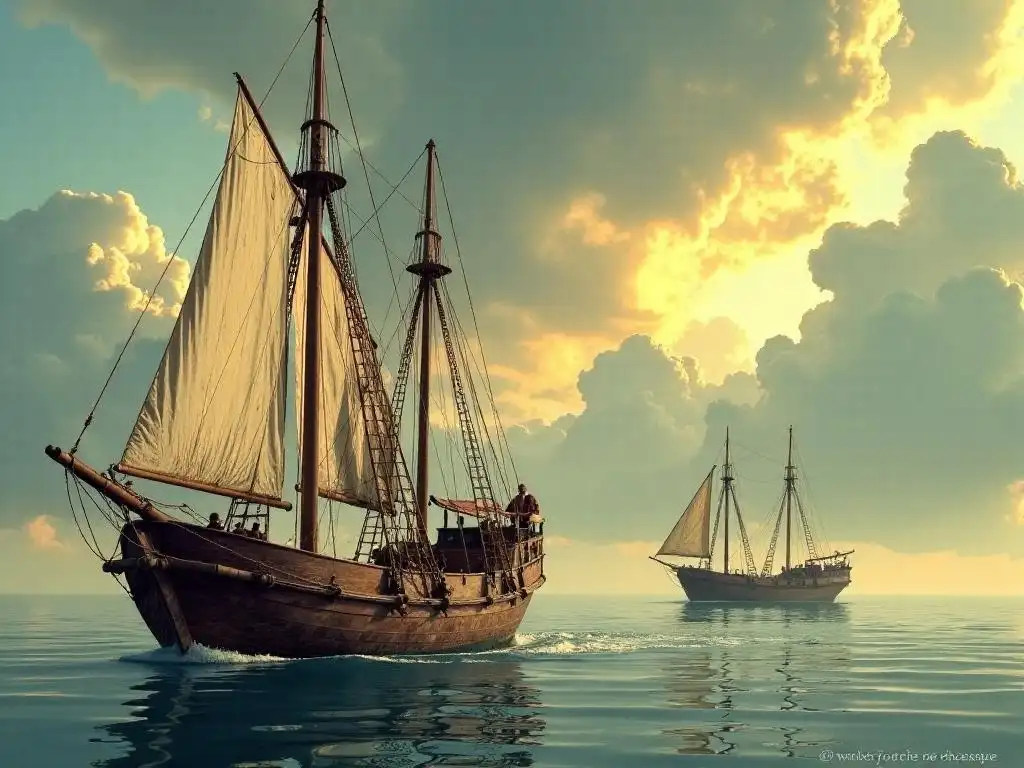
Welcome to Feudal Japan History, where we embark on a captivating journey through the intricate tapestry of Japan's feudal era. In this exploration, we shine a light on pivotal moments that reshaped the nation, such as Commodore Perry's arrival and its profound impact on the end of Sakoku. What drove this American naval officer to Japan, and how did his actions forever alter the course of Japanese history?
Prepare to delve deeper into the fascinating interplay of foreign relations and cultural shifts that defined this transformative period. Your adventure into the heart of feudal Japan starts here—read on to uncover the secrets of its past!
Introduction to Commodore Perry and Japan's Sakoku Policy
The arrival of Commodore Matthew Perry in 1853 marked a pivotal moment in Japan's history, signaling the end of over two centuries of national isolation known as the Sakoku policy. This era of seclusion had profound implications on Japan's social, economic, and cultural fabric, creating a society that was both insular and self-sufficient.
As the world underwent significant changes during the 19th century, Japan found itself at a crossroads, caught between the desire to preserve its traditional ways and the pressure to engage with foreign powers. This article delves into the intricate dynamics of Commodore Perry's expedition, examining how his arrival not only reshaped Japan's foreign relations but also paved the way for modernization and transformation within the nation.
Overview of Sakoku: Japan's Isolationist Policy
The Sakoku policy, established in the early 17th century under the Tokugawa shogunate, was a comprehensive set of laws that severely restricted foreign influence and trade. Key aspects of this policy included:
- Limited Trade: Japan engaged in limited trade only with the Dutch and Chinese, primarily through the port of Nagasaki.
- Travel Restrictions: Japanese citizens were forbidden from traveling abroad, and those who returned after being overseas faced severe penalties.
- Religious Prohibition: Christianity was banned, and foreign missionaries were expelled, reflecting the shogunate's concerns over foreign influence undermining its authority.
This isolationist stance allowed Japan to cultivate its unique culture and traditions, yet it also left the country vulnerable to the technological advancements and imperial ambitions of Western powers.
The Historical Context of Commodore Perry's Mission
In the early 19th century, global maritime trade began to expand, and Western nations sought new markets and coaling stations for their ships. The United States, particularly after the War of 1812, recognized the strategic importance of Japan for trade routes across the Pacific. Commodore Perry's mission arose from this context, driven by multiple factors:
- Economic Interests: The U.S. aimed to secure access to Japanese ports for American whaling ships and trade in goods.
- Geopolitical Strategy: Establishing relations with Japan was crucial for American interests in the Asia-Pacific region.
- Humanitarian Concerns: There was also a desire to rescue shipwrecked American sailors and provide them with consular protection.
Perry's expedition was not merely a military endeavor; it was a complex diplomatic mission that sought to balance force and negotiation.
Commodore Perry's Expedition to Japan
The Background of Commodore Perry: A Key Figure in Japan's History
Commodore Matthew Perry was a career naval officer whose strategic insight and determination would leave an indelible mark on Japan's history. Born in 1794, Perry had a distinguished career in the U.S. Navy, participating in various campaigns and becoming an advocate for steam-powered naval technology. His appointment to lead the expedition to Japan was a culmination of his experiences and ambitions, positioning him as a pivotal figure in the shift of Japan's foreign relations.
The Naval Fleet: Technology and Strategy Behind Perry's Arrival
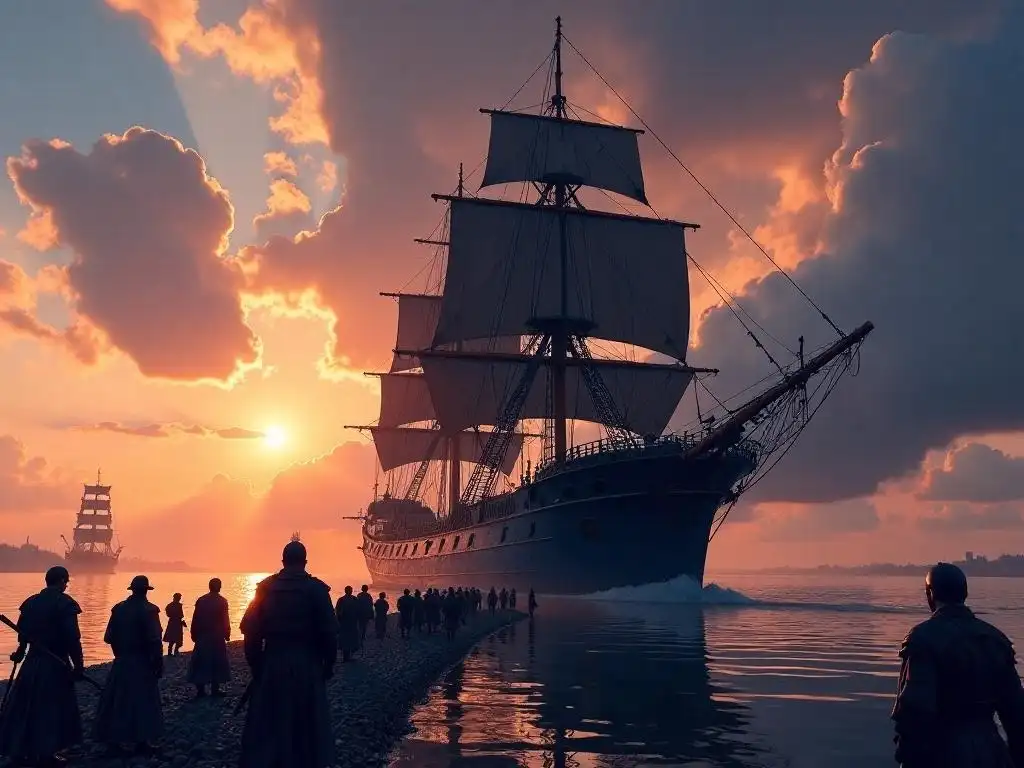
Perry's fleet, known as the "Black Ships" due to their black hulls and steam power, consisted of four vessels: the USS Mississippi, USS Plymouth, USS Saratoga, and USS Susquehanna. The technological advancements of these ships marked a significant contrast to Japan's wooden vessels, illustrating the disparity in naval capabilities. Key elements of Perry's strategy included:
- Show of Force: The impressive display of naval power was intended to intimidate Japanese authorities and demonstrate American resolve.
- Diplomatic Engagement: Perry carried a letter from President Millard Fillmore, emphasizing the need for Japan to open its ports to American trade, thus blending military presence with diplomatic overtures.
The Reception of Commodore Perry by Japanese Authorities
Perry's arrival in July 1853 was met with a mixture of curiosity and apprehension from the Japanese. The shogunate, unprepared for such an encounter, faced internal debates on how to respond. Initial meetings between Perry and Japanese officials were characterized by cautious diplomacy, as the shogunate sought to maintain its authority and control over foreign relations while assessing the intentions of this foreign power.
The interactions set the stage for subsequent negotiations, ultimately leading to the signing of the Treaty of Kanagawa in 1854, which formally ended Japan's isolationist policy and opened its ports to American trade. This moment was not only a turning point in Japan's foreign relations but also a catalyst for the profound transformations that would reshape the nation in the following decades.
The Impact of Commodore Perry on Japanese Society
Commodore Matthew Perry's arrival in Japan in 1853 marked a pivotal moment in Japanese history, signaling the end of the country's isolationist policy known as sakoku. This period of enforced seclusion had lasted for over two centuries, during which Japan limited foreign influence and trade. Perry's expedition not only paved the way for diplomatic relations but also transformed various aspects of Japanese society. The impact was profound, leading to significant political, economic, and cultural changes that reshaped the nation.
The arrival of Perry and his "Black Ships" challenged the traditional views held by the Tokugawa Shogunate and sparked a wave of modernization in Japan. The encounter forced Japanese society to confront the realities of a rapidly changing world, one that was increasingly influenced by Western powers. As a result, discussions around modernization, national identity, and the need for reform began to take center stage.
Commodore Perry's Demands: Trade and Diplomacy
Commodore Perry arrived with a clear agenda: to establish trade relations between the United States and Japan. His demands included the opening of Japanese ports to American ships, the assurance of safety for shipwrecked sailors, and the establishment of a formal diplomatic presence. Perry's approach was both strategic and intimidating; he presented Japan with a letter from President Millard Fillmore, which underscored the necessity for Japan to engage with the outside world.
Perry's insistence on trade was not just aimed at economic gain for the U.S. but was also intended to provide a gateway for American influence in Asia. The negotiations that followed his arrival, culminating in the Treaty of Kanagawa in 1854, marked Japan's first step towards international engagement. This treaty opened two ports—Shimoda and Hakodate—for American vessels and laid the groundwork for future treaties with other Western powers.
Reactions from the Tokugawa Shogunate: Political Implications
The Tokugawa Shogunate faced a crisis following Perry's arrival. The sudden pressure to open Japan created a rift within the ruling class, highlighting divisions between those who favored engagement with foreign powers and those who wished to maintain traditional isolation. The shogunate's initial response was one of caution, opting to negotiate rather than confront Perry militarily. This decision was met with criticism from many factions, including samurai and emerging nationalist groups who believed that engaging with the West would compromise Japan's sovereignty.
The political implications of Perry's arrival were far-reaching. The shogunate's inability to effectively respond to foreign demands led to a loss of credibility and authority. Over the next few years, internal dissent grew, culminating in events like the Boshin War, which pitted pro-imperial forces against the shogunate. Ultimately, Perry's expedition not only altered Japan's foreign relations but also set the stage for the Meiji Restoration, a significant turning point that would lead to the modernization of Japan.
The Role of Japanese Citizens during Perry's Arrival
While much of the discussion around Perry's arrival focuses on the shogunate and elite political figures, the role of ordinary Japanese citizens was also significant. Many were initially unaware of the full implications of Perry's arrival, but as news spread, public sentiment began to shift. Citizens expressed a mix of fear and curiosity about the foreign ships and their crew, which were unlike anything they had seen before.
As tensions mounted, local populations began to engage in discussions about Japan's future. Some supported the government's attempts to negotiate, while others feared that foreign influence would undermine their cultural identity. The impact on various social classes, from merchants to samurai, illustrated a burgeoning awareness of nationalism and the desire for a cohesive response to external threats. This period of uncertainty ultimately contributed to a growing sense of urgency for reform and modernization among the populace.
The End of Sakoku: Consequences of Commodore Perry's Arrival
The end of sakoku was not just a political shift but a comprehensive transformation of Japanese society that had lasting consequences. Commodore Perry's arrival opened the door to foreign relations, leading Japan into a new era of global interaction. The ramifications of this transition were evident across various dimensions of Japanese life, from politics to economics and culture.
The Shift in Foreign Relations: Opening Japan to the West
Perry's expedition effectively dismantled Japan's isolationist policies, setting the stage for a series of treaties with Western nations. Following the Treaty of Kanagawa, Japan signed additional agreements with countries such as Britain, France, and Russia. This shift marked a significant departure from centuries of isolation and introduced Japan to a network of international trade and diplomacy.
The opening of Japan led to the establishment of foreign legations in the capital, Edo (now Tokyo), and the introduction of Western ideas and technologies. This newfound engagement with the West fostered a sense of globalization that would dramatically alter Japan's trajectory. The shift also created tensions as traditionalists resisted foreign influence, leading to a complex interplay between modernization and the preservation of cultural identity.
The Economic Effects of Commodore Perry’s Expedition
The economic landscape of Japan transformed rapidly in the wake of Perry's arrival. The opening of ports facilitated trade with Western nations, introducing new goods, technologies, and economic practices. This influx of foreign commerce stimulated domestic industries and led to the emergence of a capitalist economy.
However, the economic changes were not without challenges. As Western products flooded the market, many traditional artisans and merchants struggled to compete. The government recognized the need for economic reform and began to modernize its infrastructure, focusing on transportation and communication systems. The economic implications of Perry's arrival laid the groundwork for Japan's eventual industrialization, significantly altering the country’s economic structure and global standing.
Cultural Exchanges: Western Influence on Japanese Society
Perry's arrival heralded an era of cultural exchange that would profoundly impact Japanese society. As Western ideas, customs, and technologies began to seep into Japan, they inspired a reevaluation of traditional practices. The introduction of Western education systems, scientific advancements, and artistic styles contributed to a cultural renaissance in Japan.
Japanese citizens began to adopt and adapt Western practices, leading to the modernization of various aspects of daily life, from fashion to cuisine. This cultural mingling also sparked a desire to preserve and revitalize Japanese traditions in the face of foreign influence. The resulting synthesis of Eastern and Western elements ultimately contributed to the unique cultural landscape that defines modern Japan today, illustrating the enduring legacy of Commodore Perry's arrival.
The Legacy of Commodore Perry in Japan's History
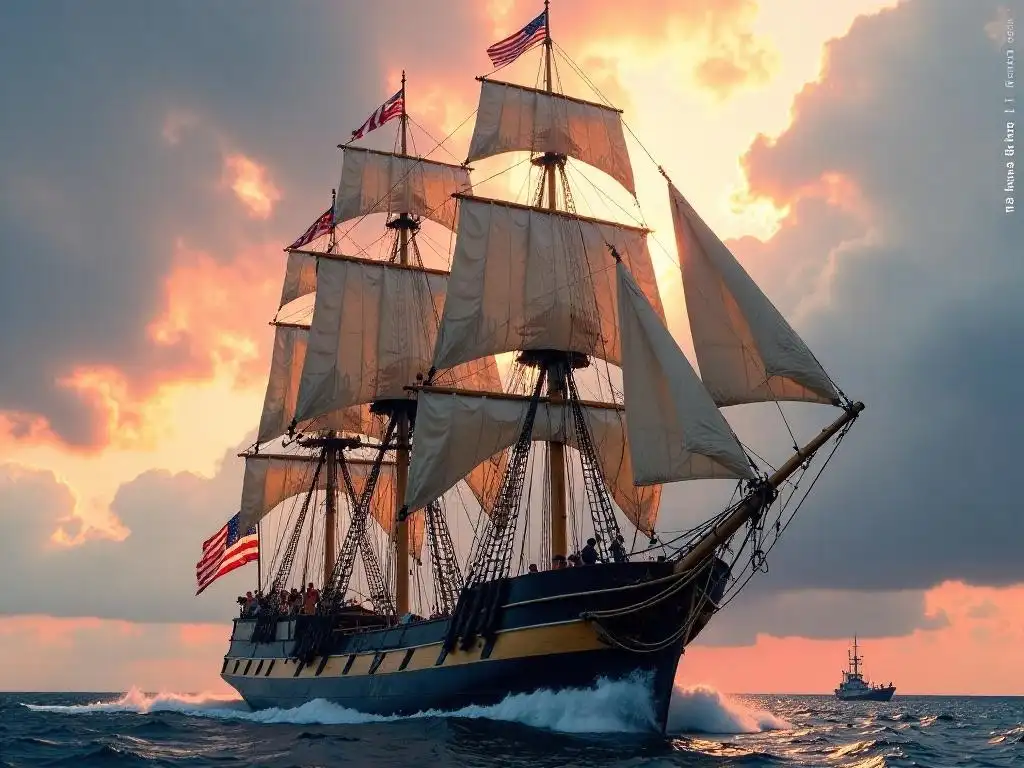
Commodore Matthew Perry's arrival in Japan in 1853 marked a pivotal moment in the nation's history, signaling the end of over two centuries of self-imposed isolation known as Sakoku. His expeditions, which were characterized by a show of naval power and diplomacy, forced Japan to confront the realities of a rapidly changing world. The legacy of Perry extends beyond his immediate actions; it encompasses a profound transformation in Japan's political, economic, and cultural landscape.
Perry's efforts ultimately catalyzed the opening of Japanese ports to foreign trade, leading to the establishment of treaties that would reshape Japan's foreign relations. This period not only influenced Japan's trajectory towards modernization but also instigated a cultural exchange that would redefine Japanese society. As Japan transitioned from an isolated feudal society to a more globalized nation, Perry's legacy became a cornerstone of Japan's historical narrative, often viewed through the prism of both admiration and resentment.
Commodore Perry's Role in the Meiji Restoration
Commodore Perry's arrival can be seen as a direct precursor to the Meiji Restoration of 1868. The forced opening of Japan to Western influence exposed the weaknesses of the Tokugawa shogunate and ignited a sense of urgency among Japanese leaders to modernize. Perry's display of military might served as a wake-up call, prompting reformist factions within Japan to push for significant changes in governance and society.
The Meiji Restoration sought to consolidate power under the emperor and dismantle the feudal structure that had dominated Japan for centuries. It led to the establishment of a centralized government and the implementation of sweeping reforms across various sectors, including the military, education, and industry. Perry's influence thus acted as a catalyst for these transformations, propelling Japan towards becoming a modern nation-state capable of competing on the world stage.
Long-Term Effects of Perry’s Arrival on Japan's Global Position
The long-term effects of Commodore Perry's arrival on Japan's global position are profound and multifaceted. Following the opening of Japan, the nation rapidly industrialized, adopting Western technologies and practices. This transformation allowed Japan to emerge as a significant player in international affairs, culminating in victories in conflicts such as the Russo-Japanese War (1904-1905).
Perry's actions not only initiated Japan's modernization but also set the stage for its imperial ambitions in Asia. As Japan expanded its influence, it began to redefine its role in regional and global geopolitics. The shift from isolation to participation in international diplomacy and trade marked Japan's evolution into a world power by the early 20th century. This trajectory highlighted the complexities of Japan's relationship with the West, leading to both cooperation and conflict in the decades that followed.
Reflection on Commodore Perry's Impact on Japanese Identity
Commodore Perry's impact on Japanese identity is a topic of considerable reflection and discussion. His arrival signified a dramatic shift from a homogenous, insular society to one that was forced to engage with diverse cultures and ideas. This encounter created a duality within Japanese identity, as traditional values clashed with new Western influences.
The reaction to Perry's arrival also fostered a sense of nationalism among the Japanese populace. As Western powers sought to exert control over Asia, many Japanese began to view their identity through the lens of resistance and adaptation. The tension between embracing modernization and preserving cultural heritage became a defining characteristic of Japan's evolving identity. Ultimately, Perry's legacy is intertwined with Japan's journey of self-discovery and assertion on the world stage.
Conclusion: The Turning Point in Japan's Foreign Relations
The arrival of Commodore Perry was undeniably a turning point in Japan's foreign relations, marking the end of Sakoku and the beginning of an era characterized by engagement with the outside world. His expeditions compelled Japan to reassess its policies and interactions with foreign nations, leading to significant diplomatic and trade agreements.
As Japan navigated this new landscape, it became increasingly aware of the geopolitical dynamics at play, leading to a more proactive and strategic approach to foreign relations. The consequences of Perry's arrival reverberated throughout Japanese history, shaping its diplomatic engagements and international identity for generations.
Summary of Commodore Perry’s Contribution to Modern Japan
Commodore Perry's contribution to modern Japan is multifaceted and far-reaching. His role in ending Sakoku facilitated Japan's transformation from an isolated feudal society into a modern nation-state. By exposing Japan to Western influences, he laid the groundwork for the Meiji Restoration and the subsequent rapid modernization that followed.
Perry's actions not only altered Japan's domestic landscape but also positioned the nation within the global context, enabling it to emerge as a formidable power. His legacy continues to be a subject of study and discussion, reflecting the complexities of Japan's historical narrative.
The Lasting Significance of Commodore Perry in Japan's Historical Narrative
The lasting significance of Commodore Perry in Japan's historical narrative cannot be overstated. He represents a critical juncture in Japanese history, embodying the tension between tradition and modernity. His arrival is often viewed as both a challenge and an opportunity, prompting Japan to evolve in response to external pressures.
Perry's legacy is embedded in the collective memory of the Japanese people, influencing contemporary discussions about national identity, foreign relations, and modernization. As Japan continues to navigate its place in the world, the lessons drawn from Perry's arrival serve as a reminder of the impact of historical encounters on national trajectories. Through this lens, Commodore Perry remains a pivotal figure in understanding the complexities of Japan's journey into the modern era.
References and Further Reading on Commodore Perry and Japan History
Exploring the arrival of Commodore Perry and its significant impact on Japan’s foreign relations and internal dynamics is crucial for understanding the broader context of Japanese history. Below are curated references and resources that provide a comprehensive view of this transformative period.
Suggested Books and Articles for In-Depth Understanding
-
"The Opening of Japan: Commodore Perry and the Treaty of Kanagawa" by John W. Dower
This book delves into the implications of Perry's expedition, analyzing how his arrival marked the beginning of Japan's engagement with the West. Dower provides a nuanced perspective on the cultural and political ramifications of this encounter.
-
"Commodore Perry in the Land of the Shogun" by Rhoda Blumberg
Aimed at younger audiences, this book offers an engaging narrative of Perry's journey, making it accessible while still retaining historical accuracy.
-
"The Last Samurai: The Life and Battles of Saigo Takamori" by Mark Ravina
While focusing on a figure from the Meiji Restoration, this book provides context about the societal changes that followed Perry's arrival. It outlines the clash between traditional samurai culture and modernizing forces in Japan.
-
"Japan: A Modern History" by James L. McClain
This comprehensive history book covers the transition from isolation to modernization, with detailed sections on Perry’s influence and the subsequent treaties that reshaped Japan's foreign relations.
-
"The American Encounter with Japan" by John W. Dower
This article examines the broader implications of American-Japanese interactions during the 19th century, contextualizing Commodore Perry's role within these events.
Online Resources for Further Exploration of Commodore Perry and Japan's Foreign Relations
-
National Archives of Japan
This online resource provides access to historical documents related to Commodore Perry's expeditions, including treaties and correspondence. Researchers can find primary sources that offer direct insights into the era.
-
The Japan Society
The Japan Society hosts a wealth of articles, lectures, and podcasts focused on Japan's history, including the events surrounding Perry's arrival. Their resources provide valuable perspectives from historians and cultural experts.
-
The U.S. Navy’s Official Website
The U.S. Navy features a section dedicated to the history of Commodore Perry's voyages. This resource includes timelines, maps, and educational materials that outline the significance of his mission.
-
The Asia-Pacific Journal: Japan Focus
This online journal publishes scholarly articles on various aspects of Japanese history and society, including detailed analyses of Perry’s impact and Japan's transition from isolation to engagement with the world.
-
Smithsonian Institution - Commodore Matthew Perry
The Smithsonian provides an engaging overview of Commodore Perry’s life and achievements, linking to exhibitions and educational resources that explore his role in Japan’s history.
These references and resources will enrich your understanding of Commodore Perry's contributions to Japan's foreign relations and the end of the Sakoku period, providing a solid foundation for further exploration of this pivotal moment in history.
- Introduction to Commodore Perry and Japan's Sakoku Policy
- Overview of Sakoku: Japan's Isolationist Policy
- The Historical Context of Commodore Perry's Mission
- Commodore Perry's Expedition to Japan
- The Impact of Commodore Perry on Japanese Society
- The End of Sakoku: Consequences of Commodore Perry's Arrival
- The Legacy of Commodore Perry in Japan's History
- Conclusion: The Turning Point in Japan's Foreign Relations
- References and Further Reading on Commodore Perry and Japan History
Frequently Asked Questions
What was the Sakoku policy in Japan?
The Sakoku policy was a period of isolation in Japan (1635-1853) where the country limited foreign influence and prohibited international trade, except with the Dutch and Chinese.
Who was Commodore Perry?
Commodore Perry was a United States naval officer who is best known for his expedition to Japan in 1853, which aimed to open Japan to trade with the West and ultimately ended the Sakoku policy.
How did Perry's arrival impact Japan?
Perry's arrival in 1853 marked a significant turning point in Japanese history, leading to the end of isolation and the eventual opening of Japan to foreign trade and influence.
What were the consequences of the end of Sakoku?
The end of Sakoku led to rapid modernization and industrialization in Japan, as well as significant social and political changes that would ultimately contribute to the Meiji Restoration.
How is Commodore Perry viewed in Japanese history?
Commodore Perry is often viewed as a controversial figure; while he opened Japan to the world, his methods are sometimes criticized for being aggressive and coercive.
Final Reflection: The Ripple Effects of Commodore Perry's Arrival
The arrival of Commodore Perry in Japan marked a pivotal moment in history, signaling the end of the Sakoku period and opening the nation to the world. This event not only transformed Japan's political landscape but also reshaped its cultural identity and economic trajectory. As we reflect on this significant turning point, it becomes clear that the implications of Perry's expedition extend far beyond the shores of Japan, influencing global dynamics and interactions that resonate even today.
The impact of Commodore Perry's arrival is still felt in contemporary society, as it initiated a wave of modernization and cultural exchange that continues to define Japan's role in the world. The transition from isolation to engagement with foreign powers fostered a unique blend of tradition and innovation that has become a hallmark of Japanese culture.
As the historian John W. Dower aptly stated, "> The encounter with the West was not merely a clash of civilizations; it was a catalyst for profound change." This ongoing dialogue between East and West serves as a reminder of the importance of adaptability and openness in an ever-evolving world.
As we contemplate the lessons from Commodore Perry's journey, let us embrace the spirit of exploration and understanding in our own lives. Consider how you can engage with diverse perspectives and foster connections that enrich your understanding of the world. In doing so, we honor the legacy of a moment that reshaped a nation and reminds us that the tides of history are ever-turning, inviting us to navigate our own paths with curiosity and courage.
Unveil New Perspectives on Japan's Transformation!
Thank you for exploring the remarkable journey of Commodore Perry's arrival and the end of Japan's isolationist policy, known as Sakoku. Your curiosity is essential for understanding this pivotal moment in history! Now, it’s time to take that newfound knowledge and transform it into action.
Here are some engaging steps you can take right now:
- Join a discussion group focused on the Meiji Restoration to deepen your understanding and share insights with others.
- Explore further by reading primary sources or biographies related to Commodore Perry's expedition to enhance your perspective on this historical turning point.
- Share this article with friends or on social media to spark conversations about how history shapes our world today.
Now, we’d love to hear from you! What aspect of Commodore Perry’s mission do you believe had the most significant impact on Japan's future? Share your thoughts in the comments below!