
The Legacy of Commodore Perry: How One Man Changed an Entire Nation

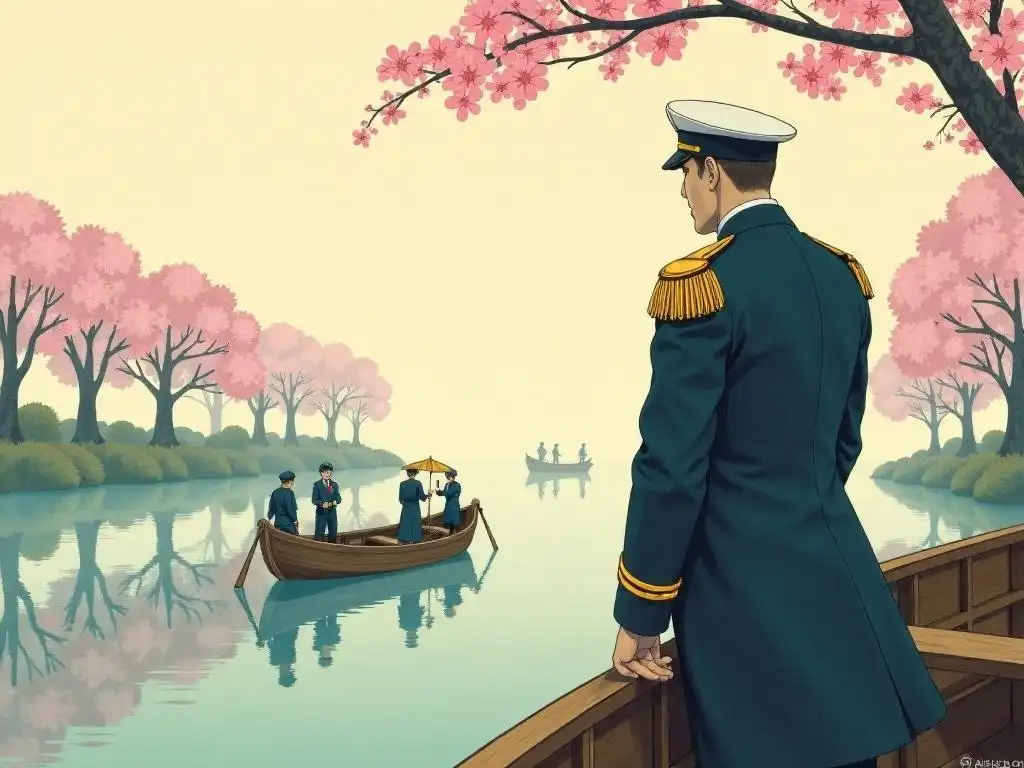
Welcome to Feudal Japan History, where we invite you to embark on a captivating journey through the intricate tapestry of Japan's feudal era. In our featured article, "The Legacy of Commodore Perry: How One Man Changed an Entire Nation," we delve into the profound impact this pivotal figure had on Japan's foreign relations, setting the stage for a transformative period in history. What drove Commodore Perry to sail into Japanese waters, and how did his actions ripple through time to reshape an entire nation?
Join us as we uncover the layers of history, culture, and society that define this fascinating epoch. Your exploration begins here!
Introduction to Commodore Perry's Impact on Japan
The arrival of Commodore Matthew Perry in Japan in 1853 marked a pivotal moment in the nation's history, catalyzing profound change that would resonate through the centuries. Perry, an officer of the United States Navy, is often credited with ending Japan's isolationist policies, which had been in place for over two centuries. His mission was not merely a military endeavor; it symbolized the clash between Western imperialism and Eastern tradition.
This article delves into the multifaceted impact of Commodore Perry on Japan, exploring how his actions not only opened Japan to the world but also initiated a series of transformations that would redefine its cultural, political, and economic landscapes. As we examine Perry's legacy, we will uncover the historical context that set the stage for his arrival and the consequences that followed, ultimately revealing the significance of Commodore Perry's impact on Japan.
Historical Context of Japan Before Perry's Arrival
To fully grasp the magnitude of Commodore Perry's impact on Japan, it is essential to understand the historical context of the nation prior to his arrival. Japan had maintained a strict isolationist stance since the early 17th century, a policy known as sakoku (鎖国), which limited foreign influence and trade. This period fostered a unique Japanese culture but also left the country vulnerable to external pressures and changes.
Japan's Isolationist Policies
During the Edo period (1603-1868), Japan's isolationist policies were largely motivated by the desire to preserve its cultural identity and political stability. The ruling Tokugawa shogunate implemented a series of measures, including:
- Limited Trade: Japan restricted foreign trade to a few designated ports, most notably Nagasaki, and only with select countries such as the Netherlands and China.
- Religious Prohibition: Christianity was banned, and foreign missionaries were expelled to prevent Western influences from undermining traditional Japanese beliefs.
- Strict Social Hierarchy: The feudal system maintained a rigid social structure, limiting mobility and fostering a sense of national unity.
These policies created a self-contained society, but they also meant that Japan was largely unaware of the rapid developments occurring in the rest of the world, particularly in the realms of technology and military power.
The Global Landscape in the Mid-19th Century
The mid-19th century was a time of significant change globally, marked by industrialization and expansion of imperial ambitions among the Western powers. Key factors included:
- Technological Advancements: The Industrial Revolution had transformed Western nations, equipping them with advanced military technology that far outpaced Japan's own capabilities.
- Expansionist Policies: Countries like the United States and European powers were actively seeking new markets and territories, leading to increased tensions and conflicts in Asia.
- Geopolitical Interests: The U.S. aimed to establish trade relations with Japan to facilitate commerce with China and to provide coaling stations for its whaling fleet in the Pacific.
These global dynamics set the stage for Commodore Perry's expedition, as he arrived in Japan with a powerful fleet of "black ships" (as they were called due to their steam-powered nature), representing both a military threat and an opportunity for Japan to engage with the world.
Commodore Perry's Voyage to Japan
Commodore Matthew Perry's voyage to Japan in 1853 marked a pivotal moment in both Japanese history and U.S. foreign relations. Tasked with opening Japan to the outside world, Perry led a fleet of four warships, famously known as the "Black Ships," into Tokyo Bay, challenging Japan's centuries-long policy of isolation.
The expedition was not merely a naval display; it symbolized America's growing interest in expanding trade and establishing diplomatic relations with Asian nations. Perry's journey was meticulously planned, reflecting a blend of military might and diplomatic strategy aimed at impressing upon the Japanese the necessity of engaging with Western powers.
The voyage itself was fraught with challenges, from navigating the treacherous waters of the Pacific to overcoming the political complexities of international diplomacy. Perry's determination was evident in his approach; he was not only a skilled naval commander but also an astute diplomat. His interactions with Japanese officials were marked by a mix of firmness and respect, recognizing the need to honor Japan's sovereignty while also pushing for a change in its isolationist stance. This delicate balance was crucial in laying the groundwork for future relations between Japan and the United States.
The Black Ships and Their Arrival
The term "Black Ships" refers to the black-hulled steam warships that Perry commanded during his expedition. Their arrival in Japan was a dramatic spectacle, contrasting sharply with the traditional wooden vessels that dominated Japanese waters at the time. On July 8, 1853, Perry's fleet anchored in Uraga, just outside of Tokyo, sending shockwaves through the Japanese government and society. This unprecedented sight of Western technology and naval power represented a direct challenge to Japan's isolationist policies.
The Japanese were initially taken aback by the imposing presence of the Black Ships, which symbolized the might of Western nations. Perry's arrival prompted immediate concern among Japanese officials about the potential military threat posed by foreign powers. The sight of the ships, along with their advanced weaponry and steam propulsion, served as a vivid reminder of the technological gap between Japan and the West. This momentous event catalyzed discussions within Japan regarding modernization and the need to respond to foreign influences.
Key Objectives of Perry's Expedition
Perry's expedition was driven by several key objectives that had far-reaching implications for Japan. Firstly, he aimed to establish diplomatic relations between the United States and Japan, which had remained largely closed to foreign nations since the early 17th century. By advocating for trade, Perry sought to secure American commercial interests in Asia, driven by the growing demand for goods and resources.
Another critical objective was to ensure the safety of American sailors and shipwrecked sailors in Japanese waters. Perry emphasized the need for humane treatment and assistance for American citizens, which resonated with the Japanese due to their own cultural values surrounding hospitality and honor. Additionally, Perry sought to promote the idea of free trade, arguing that an open Japan would benefit both nations economically and culturally.
Finally, Perry's expedition was also about showcasing American naval power. By demonstrating the United States' maritime capabilities, he aimed to assert America's position on the global stage, particularly in the context of European imperialism in Asia. This multifaceted approach combined military, diplomatic, and economic strategies that ultimately altered Japan's trajectory.
The Immediate Impact of Perry's Arrival
Commodore Perry's arrival in Japan had immediate and profound effects on the nation, reshaping its political landscape and societal structures. The initial shock of the Black Ships catalyzed a reevaluation of Japan's foreign relations, leading to significant changes in its domestic policies.
Diplomatic Negotiations and the Treaty of Kanagawa
Following Perry's initial visit, diplomatic negotiations ensued, culminating in the Treaty of Kanagawa in 1854. This landmark agreement marked the first formal treaty between Japan and a Western nation, effectively ending over two centuries of self-imposed isolation. The treaty opened two Japanese ports, Shimoda and Hakodate, to American ships for trade and established a framework for future negotiations.
The Treaty of Kanagawa was significant not only for its immediate economic implications but also for the symbolic shift it represented. It marked Japan's acknowledgment of the necessity to engage with foreign powers, leading to a broader reevaluation of its isolationist policies. The treaty also set a precedent for other Western nations to follow suit, as they sought to establish their own trade agreements with Japan in the years that followed.
Commodore Perry's Influence on Japanese Society
Perry's influence on Japanese society extended beyond diplomatic agreements; it instigated a cultural awakening and a rethinking of Japan's identity in a rapidly changing world. The arrival of the Black Ships and the subsequent opening of Japan to foreign trade introduced new technologies, ideas, and cultural practices that began to permeate Japanese life.
The exposure to Western customs and innovations spurred discussions about modernization within Japan. Intellectuals and reformists began to advocate for adopting Western technologies and governmental practices as a means of strengthening Japan against potential foreign domination. This burgeoning desire for modernization ultimately led to the Meiji Restoration in 1868, a period characterized by rapid industrialization and significant societal transformation.
Moreover, the encounter with Perry's fleet initiated a transformation in Japan's perception of its place in the world. No longer isolated, Japan began to navigate its identity as a modern nation-state, balancing traditional values with the demands of international relations. This legacy of Commodore Perry's expedition remains evident in Japan's ongoing evolution as a global power.
Long-term Effects of Commodore Perry's Mission

Commodore Matthew Perry's arrival in Japan in 1853 marked a profound turning point in the nation's history. His mission did not merely open Japan to the West; it catalyzed a series of transformations that reshaped the very fabric of Japanese society. The long-term effects of Perry's mission can be observed across various dimensions, including economic, political, and cultural realms.
The initial shock of Perry's black ships ignited a sense of urgency within Japan, leading to a reevaluation of its isolationist policies. As a result, the Meiji Restoration commenced in 1868, ushering in an era of modernization and reform. Japan began to adopt Western technologies and political structures, fundamentally altering its trajectory. This period of rapid change laid the groundwork for Japan to emerge as a global power by the early 20th century.
Economic Transformation in Japan
One of the most significant long-term effects of Commodore Perry's mission was the economic transformation that ensued. The ending of Japan's isolationist policies opened up new avenues for trade and commerce. Initially, foreign trade was limited, but as Japan signed treaties with Western powers, including the Treaty of Kanagawa in 1854, the economy began to flourish. The influx of goods, ideas, and technologies from the West stimulated various sectors, including:
- Industry: The introduction of Western manufacturing techniques led to the establishment of factories and the growth of industries such as textiles, shipbuilding, and mining.
- Infrastructure: Investments in infrastructure, such as railways and telegraph lines, facilitated better communication and transportation, further enhancing economic activities.
- Agriculture: The adoption of Western agricultural practices improved crop yields and efficiency, contributing to food security and economic stability.
The shift towards a free market economy also encouraged entrepreneurship and innovation, ultimately transforming Japan into one of the world's leading economies by the late 19th century.
Shift in Japan's Foreign Relations
Perry's expedition significantly altered Japan's foreign relations, moving the country from a state of seclusion to one of engagement with the international community. The initial treaties signed under duress set a precedent for future diplomatic relations. Over time, Japan began to establish itself as a sovereign nation on the global stage.
- Treaties and Alliances: Japan signed multiple treaties with Western nations, which allowed for increased trade and diplomatic recognition. These agreements often favored foreign powers, but they also provided Japan with the opportunity to learn from Western practices.
- Military Modernization: Recognizing the need to strengthen its military to compete with Western powers, Japan embarked on a comprehensive modernization program. The adoption of Western military technology and tactics enabled Japan to participate in global conflicts and assert its interests.
- Cultural Exchange: The influx of Western ideas, philosophies, and technologies fostered a cultural exchange that enriched Japanese society. This interaction led to the development of a hybrid culture that blended traditional Japanese elements with Western influences.
The transformation of Japan's foreign relations was pivotal in establishing the nation as a formidable player in international politics.
Commodore Perry's Legacy in Historical Perspective
The legacy of Commodore Perry is viewed through varied lenses, with his impact on Japan being both profound and complex. While some regard him as a harbinger of modernization and progress, others criticize the coercive nature of his diplomacy. Understanding Perry's legacy requires a nuanced examination of the reactions to his actions and the lessons drawn from them.
Reactions to Perry's Impact in Japan
The Japanese response to Perry's mission was multifaceted, as it triggered a spectrum of emotions and reactions across different segments of society.
- Government Response: The Tokugawa shogunate faced significant pressure to respond to Perry's demands, which ultimately led to the opening of Japan. This decision was contentious and contributed to growing dissatisfaction with the shogunate, leading to its eventual downfall.
- Public Sentiment: Many Japanese felt a mix of fear and fascination regarding the West. While some embraced the idea of modernization and learning from foreign powers, others viewed the intrusion as a threat to Japan's sovereignty and cultural identity.
- Intellectual Discourse: The arrival of Perry sparked debates among scholars and intellectuals about Japan's future. Some advocated for embracing Western ideas to strengthen Japan, while others called for a return to traditional values and isolation.
These reactions shaped the national conversation about Japan's identity and direction in a rapidly changing world.
Lessons Learned from Commodore Perry's Diplomacy
Perry's approach to diplomacy offers valuable lessons that resonate beyond his time. His mission underscores the complexities of international relations and the importance of cultural sensitivity.
- The Use of Force vs. Diplomacy: Perry's use of military intimidation to achieve his goals raises questions about the efficacy and morality of coercive diplomacy. While it may achieve immediate results, the long-term consequences can be detrimental to relationships between nations.
- Cultural Understanding: Perry's mission highlights the necessity of understanding cultural differences in diplomatic engagements. Successful diplomacy often relies on mutual respect and the willingness to find common ground.
- Adaptability and Modernization: Japan's response to Perry's mission illustrates the importance of adaptability in the face of external pressures. The ability to learn from others while retaining one's identity is crucial for navigating the complexities of a globalized world.
Commodore Perry's impact on Japan serves as a critical chapter in the nation's history, prompting significant changes that continue to shape its identity and role in the world today. Understanding this legacy provides insight into the dynamics of international relations and the challenges of modernization.
Conclusion: The Enduring Legacy of Commodore Perry
Commodore Matthew Perry's expedition to Japan in the mid-19th century marks a pivotal moment in Japanese history, fundamentally altering the course of the nation and its place in the world. His forceful approach and the signing of the Treaty of Kanagawa in 1854 ended over two centuries of Japanese isolation, opening the country to Western influence and trade. This monumental shift not only transformed Japan's political landscape but also instigated a profound societal transformation that resonated through the Meiji Restoration and beyond.
The legacy of Commodore Perry is evident in several key areas:
- Political Transformation: Perry's arrival pressured the Tokugawa shogunate to reconsider its isolationist policies, leading to the eventual restoration of imperial rule in 1868. This shift laid the groundwork for Japan to emerge as a modern nation-state.
- Cultural Exchange: The opening of Japan to the West facilitated an influx of foreign ideas, technologies, and cultural practices. This exchange significantly influenced Japanese art, architecture, education, and even cuisine, creating a hybrid culture that persists today.
- Economic Development: The end of isolationism allowed for increased trade, which spurred economic growth. Japan transitioned from a feudal economy to an industrialized powerhouse, establishing itself as a formidable player on the global stage.
- Military Modernization: In response to the perceived threat of Western powers, Japan undertook significant military reforms, adopting Western techniques and technologies. This modernization paved the way for Japan's military successes in the late 19th and early 20th centuries.
Commodore Perry's impact on Japan is a testament to how one individual's actions can resonate through history, shaping a nation's trajectory for generations. His legacy serves as a reminder of the complexities of international relations and the profound effects of cultural exchange.
Call to Action: Exploring Further into Japan's Feudal Era
As we reflect on the transformative legacy of Commodore Perry, we invite you to delve deeper into the rich tapestry of Japan's feudal era. Understanding this period provides essential context for the seismic shifts that followed Perry's arrival. Here are some engaging topics to explore:
- The Tokugawa Shogunate: Learn about the political structure and societal norms that defined Japan during its isolationist period.
- Cultural Practices: Discover the art, literature, and philosophies that flourished in feudal Japan, influencing both traditional and modern Japanese culture.
- The Meiji Restoration: Investigate how the Meiji Restoration not only transformed Japan but also set the stage for its rise as a global power.
- Western Influence: Explore how Western ideas and technologies were integrated into Japanese society and their lasting effects on culture and industry.
By immersing yourself in these aspects of Japan's feudal history, you can gain a more comprehensive understanding of Commodore Perry's impact on Japan and the enduring changes that emerged from this critical period. Join us on this journey through time as we uncover the intricacies of Japan's past and the legacy that continues to shape its future.
- Introduction to Commodore Perry's Impact on Japan
- Historical Context of Japan Before Perry's Arrival
- Commodore Perry's Voyage to Japan
- The Immediate Impact of Perry's Arrival
- Long-term Effects of Commodore Perry's Mission
- Commodore Perry's Legacy in Historical Perspective
- Conclusion: The Enduring Legacy of Commodore Perry
- Call to Action: Exploring Further into Japan's Feudal Era
Frequently Asked Questions
What was Commodore Perry's primary mission in Japan?
Commodore Perry's primary mission was to open Japan to international trade by persuading the Japanese government to sign a treaty with the United States. His efforts marked a significant shift in Japan's foreign relations.
How did Perry's arrival affect Japan's isolationist policies?
Perry's arrival in 1853 challenged Japan's long-standing isolationist policies, leading to the end of its self-imposed seclusion. This pivotal moment opened the door for other nations to engage with Japan.
What treaty resulted from Perry's expedition?
The Treaty of Kanagawa, signed in 1854, was the outcome of Perry's expedition. It established formal relations between Japan and the United States, allowing for trade and the establishment of consulates.
What were the broader implications of Perry's actions for Japan?
Perry’s actions triggered the Meiji Restoration, a period of rapid modernization and industrialization in Japan. It transformed the nation from a feudal society into a modern world power.
How is Perry viewed in contemporary Japan?
In contemporary Japan, Commodore Perry is often seen as a controversial figure. While recognized for his role in modernization, he is also critiqued for imposing Western influence on Japan’s sovereignty.
Final Reflection: The Enduring Impact of Commodore Perry on Japan
The legacy of Commodore Perry is not just a historical footnote; it is a powerful reminder of how one individual can dramatically reshape a nation's trajectory. Today, as we navigate a world increasingly defined by globalization and cultural exchange, Perry's impact on Japan serves as a poignant illustration of the complexities of international relations and the profound consequences of cross-cultural encounters. His arrival in Japan marked the beginning of a transformative era, one that continues to influence diplomatic and cultural dynamics between nations.
Commodore Perry's expedition opened Japan to the world, igniting a period of modernization and change that has left an indelible mark on its society. The repercussions of his actions can still be felt today, as Japan stands as a testament to resilience and adaptation in the face of external pressures.
As historian John Dower aptly noted, “The encounter with the West was not just a matter of opening ports; it was a profound cultural upheaval.” This ongoing evolution invites us to reflect on how historical events shape our present and future, urging us to consider the delicate balance between tradition and progress.
As we contemplate the lessons of Commodore Perry's journey, let us embrace the opportunity to learn from history and apply its insights to our lives. I invite you to reflect on how encounters—whether personal or cultural—can lead to growth and transformation. Consider the ways in which you can engage with the world around you, fostering understanding and connection in a time when division often prevails. By doing so, we honor the legacy of those who came before us and pave the way for a more interconnected and harmonious future.
Embrace History: Take Action Today!
Thank you for exploring the profound impact of Commodore Perry on Japan's transformation. You've gained insights into how one figure can reshape an entire nation and the delicate balance between isolation and engagement with the world. Now, it's time to translate that inspiration into meaningful action!
- Dive deeper into the events that followed Perry's arrival by visiting our extensive archive of articles on the Meiji Restoration.
- Join the conversation by sharing your thoughts on how Commodore Perry's actions resonate in today's global diplomacy on our community forum.
- Explore further by reading biographies of other influential figures in Japan's history to uncover their roles in shaping modern society.
What are your thoughts on how the balance between isolation and engagement influences nation-building in today's world?