
Commodore Perry's Arrival: The Prelude to Japan's Industrial Revolution

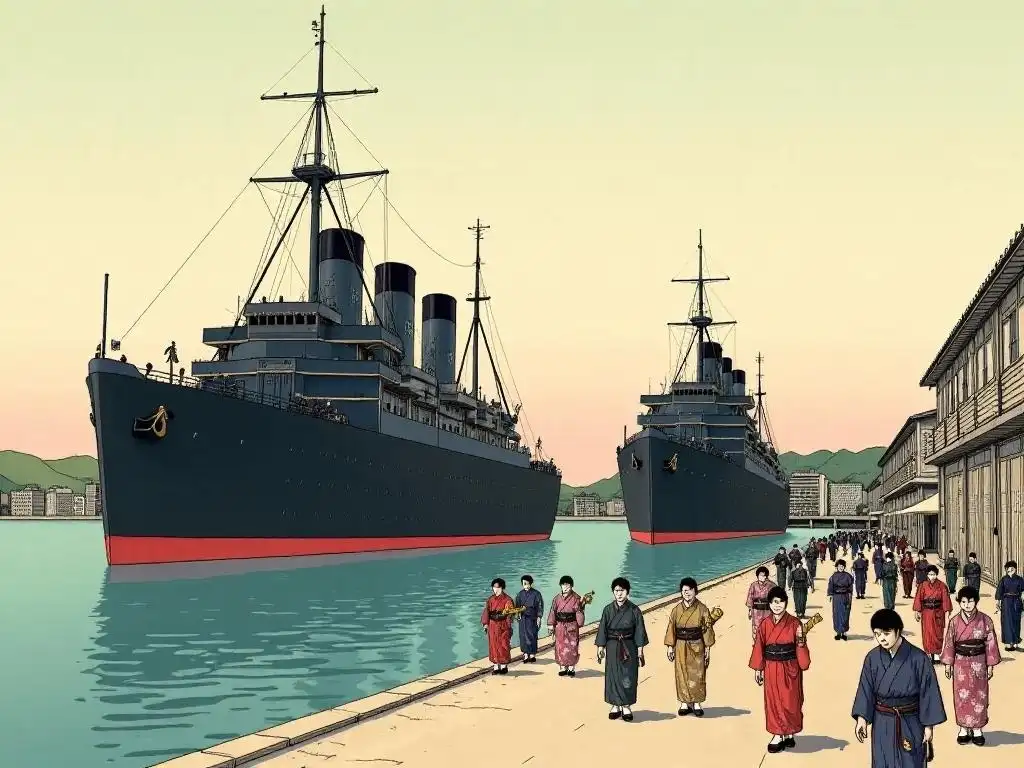
Welcome to Feudal Japan History, where we embark on a captivating journey through the intricate tapestry of Japan’s feudal era. In this exploration, we delve into the pivotal moment marked by Commodore Perry's arrival, a turning point that ignited the flames of industrialization in Japan. What led to this monumental shift in foreign relations, and how did it reshape a nation poised on the brink of transformation?
Join us as we unravel the threads of history, culture, and society, encouraging your curiosity to soar as you discover the profound impacts of this era. Dive deeper to uncover the fascinating dynamics that changed the course of Japan forever!
The arrival of Commodore Matthew Perry in Japan in 1853 marked a pivotal turning point in the country's history, setting the stage for rapid industrialization and modernization. This event did not merely signify a foreign incursion; it represented a profound transformation in Japan's societal, cultural, and political landscapes. For over two centuries, Japan had maintained a policy of isolation, known as Sakoku, which limited foreign influence and trade.
However, the unexpected arrival of Perry and his "Black Ships" challenged this status quo, forcing Japan to confront the realities of a changing world. This article delves into the historical significance of Perry's arrival, exploring its impact on Japan's path toward industrialization, the cultural exchanges that ensued, and the broader implications for Japan's foreign relations.
The Background of Commodore Perry's Mission
Commodore Perry's mission to Japan was primarily driven by the United States' need for new markets and resources, as well as the desire to establish diplomatic relations with the isolated nation. In the context of the mid-19th century, the United States was undergoing its own transformations, characterized by westward expansion and increasing industrial capabilities. Perry's instructions were clear: he was to secure the safety of American sailors shipwrecked on Japanese shores, establish trade relations, and ultimately open Japan to the world.
The political climate in Japan at the time was complex, with the Tokugawa shogunate facing internal strife and social unrest. As Perry's fleet approached the shores of Edo (modern-day Tokyo), tensions mounted. The shogunate recognized the potential threat posed by foreign powers, yet it was also aware of the need to adapt to new realities. Perry's arrival would prompt a critical reevaluation of Japan's foreign policy and domestic structures, leading to the eventual collapse of the shogunate.
The Arrival of the "Black Ships"
On July 8, 1853, Commodore Perry and his four ships, nicknamed the "Black Ships" due to their dark hulls, entered Tokyo Bay. This dramatic entrance was not only a military maneuver but also a display of technological superiority. The sight of steam-powered vessels contrasted sharply with Japan's traditional wooden ships, symbolizing the advancements that had taken place in the world beyond its shores.
Perry's initial visit was marked by diplomatic engagements, where he presented a letter from U.S. President Millard Fillmore, urging Japan to open its ports to American trade. The shogunate, caught off guard by the show of force and the implications of Perry's demands, was faced with a dilemma. Resistance meant potential conflict, while compliance could lead to significant changes in Japan's way of life.
The Response and Its Consequences
The shogunate's eventual decision to engage in negotiations was not merely a response to Perry's demands but reflected broader societal pressures. As news of Perry's arrival spread, factions within Japan debated the merits of opening the country to foreign trade versus maintaining isolation. This internal conflict highlighted the tensions between traditionalists and reformists, ultimately leading to a period of upheaval.
The signing of the Treaty of Kanagawa in 1854, which established trade relations between the United States and Japan, marked the beginning of the end for Japan's isolationist policies. This treaty not only opened Japanese ports to American ships but also laid the groundwork for similar agreements with other Western powers. As a result, Japan began to absorb Western technologies and ideas, catalyzing its industrial revolution and transforming its society.
The Impact on Japan's Industrialization
Commodore Perry's arrival and the subsequent treaties initiated a series of changes that would propel Japan into the modern era. The influx of Western technology, ideas, and culture led to significant advancements in various sectors, including transportation, communication, and manufacturing. This period of industrialization was characterized by:
- Infrastructure Development: The construction of railways and telegraph lines facilitated communication and commerce.
- Economic Transformation: Traditional agrarian practices began to shift towards industrial production, fostering economic growth.
- Cultural Exchange: The introduction of Western education and culture began to influence Japanese society, leading to a blend of Eastern and Western philosophies.
As Japan embraced these changes, it emerged as a formidable power on the world stage, setting the foundation for its future as a leader in the global arena.
Through this exploration of Commodore Perry's arrival and its significant implications, we gain insight into the complexities of Japan's transformation during the 19th century. Understanding this pivotal moment is crucial for comprehending the broader narrative of Japan's industrialization and its evolving foreign relations in the modern age.
- The Background of Commodore Perry's Mission
- The Arrival of the "Black Ships"
- The Response and Its Consequences
- The Impact on Japan's Industrialization
- What was the significance of Commodore Perry's arrival in Japan?
- How did Perry's expedition change Japan's foreign relations?
- What impact did Western technology have on Japan during this period?
- How did Japanese society respond to the changes brought by Perry's arrival?
- What were the long-term effects of Commodore Perry's actions on Japan?
Introduction to Commodore Perry's Mission
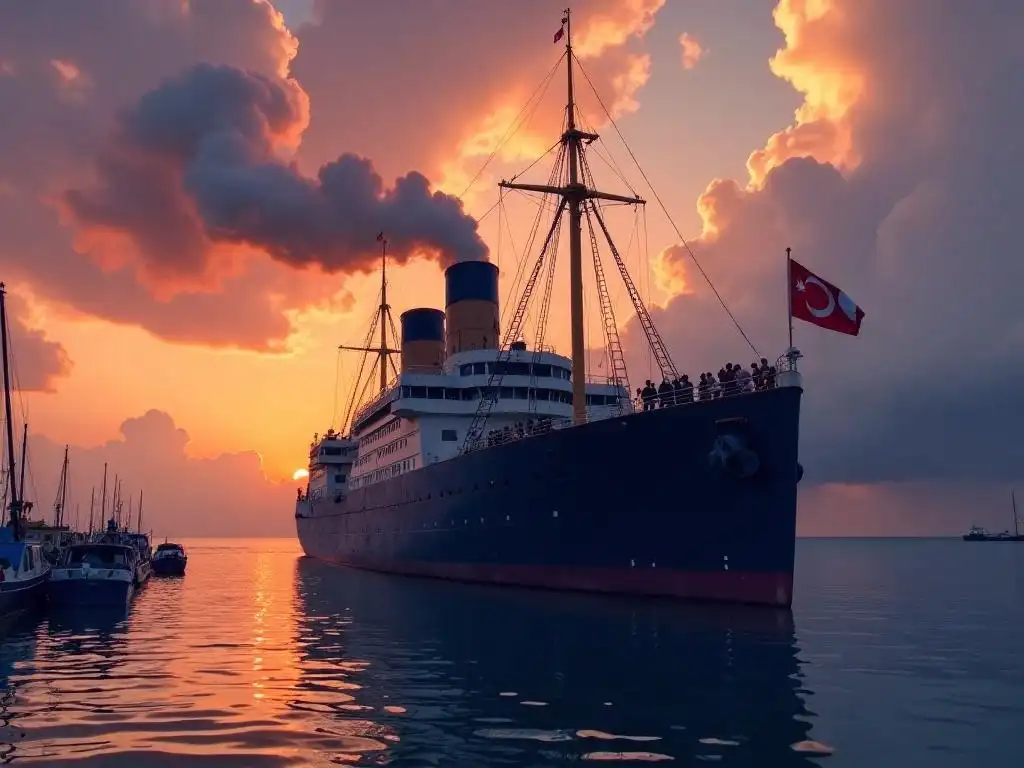
Commodore Matthew Perry's mission to Japan in the mid-19th century marked a pivotal moment in the nation's history, serving as a catalyst for the eventual industrialization of Japan. His arrival in 1853 with a fleet of "Black Ships" not only challenged Japan's long-standing isolationist policies but also opened the door to foreign influence and trade. This section explores Perry's background and the complex context of U.S.-Japan relations during this transformative period.
Overview of Commodore Perry's Background
Matthew Perry was born on April 10, 1794, in South Kingston, Rhode Island. His naval career began at a young age, and he quickly rose through the ranks due to his strategic acumen and dedication. Known for his pragmatic approach, Perry was instrumental in several naval engagements and played a crucial role in developing the U.S. Navy during the early 19th century.
Perry's background was not just limited to military service; he was also an advocate for modernization within the Navy. His experiences during the Mexican-American War and in the Caribbean helped shape his views on the importance of establishing international trade relationships. This perspective was vital when he was appointed to lead an expedition to Japan, a nation largely closed off from foreign influence.
Perry's mission was not merely a military endeavor; it was rooted in a broader vision of opening Japan to the world, promoting trade, and securing coaling stations for American ships in the Pacific. His understanding of navigation and maritime commerce positioned him as an ideal figure to undertake this delicate mission.
The Context of U.S.-Japan Relations in the 19th Century
The mid-19th century was a time of significant geopolitical change, with Western powers seeking new markets and resources. Japan, under the Tokugawa shogunate, had maintained a policy of sakoku, or closed country, for over two centuries, limiting foreign contact and trade primarily to the Dutch and Chinese. This isolationist stance was increasingly at odds with the expansionist policies of Western nations.
In the United States, there was growing interest in establishing trade with Japan. The U.S. aimed to secure not only economic opportunities but also to promote humanitarian concerns, such as ending the practice of shipwrecked sailors being treated as criminals in Japan. The failure of previous attempts to engage with Japan, including the 1846 expedition of Commodore James Biddle, set the stage for Perry's more forceful approach.
The geopolitical landscape also played a role in Perry's mission. The United States was eager to expand its presence in the Pacific, particularly in light of the California Gold Rush and the increasing demand for resources. The threat of European powers, particularly Russia and Britain, further motivated the U.S. to secure a foothold in Japan before other nations could.
Perry's arrival in 1853 was thus not an isolated event but the culmination of decades of mounting pressure for Japan to open its ports. His insistence on a treaty and the use of naval power to underscore his demands illustrated the changing dynamics of international relations. This moment set in motion a series of events that would ultimately lead Japan to embrace modernization and industrialization, dramatically altering its trajectory in the years to come.
The Arrival of Commodore Perry in Japan
Commodore Matthew Perry's arrival in Japan in 1853 marked a pivotal moment in the nation's history, initiating a series of events that would ultimately culminate in Japan's rapid industrialization. This momentous occasion not only altered Japan's isolationist stance but also set the stage for profound changes in its political, social, and economic landscape.
Initial Encounters: The Black Ships
The "Black Ships," as they were ominously referred to, were the steam-powered vessels that Commodore Perry brought with him when he sailed into Tokyo Bay. The first encounter took place on July 8, 1853, when Perry's fleet, consisting of four ships, arrived unexpectedly, showcasing advanced naval technology that Japan had never encountered.
- Vessels Involved:
- USS Mississippi
- USS Plymouth
- USS Saratoga
- USS Powhatan
Upon arrival, Perry's intentions were clear: to open Japan to international trade and end its period of seclusion. The Japanese were initially taken aback by the sight of the Black Ships, which contrasted starkly with their traditional vessels. Perry's use of steam power represented a significant technological advancement.
The arrival of the Black Ships was like a thunderclap, awakening Japan from its deep slumber.
- Historian's quote
During this initial encounter, Perry delivered a letter from President Millard Fillmore, requesting that Japan open its ports to American trade. The Japanese response was cautious; they recognized the potential threat posed by Perry's modern fleet but were also intrigued by the prospect of Western goods and technology. The tension between these two opposing sentiments would shape Japan's response in the years to come.
The Significance of Perry's Arrival in Japanese History
The arrival of Commodore Perry was significant not only for its immediate effects but also for its long-term implications on Japan's trajectory. Several key outcomes stemmed from this encounter:
- End of Isolation:
- Perry's expedition effectively brought an end to Japan's self-imposed isolation (sakoku) that had lasted for over two centuries. This shift opened Japan's doors to foreign influences, including trade, technology, and ideas.
- Treaty of Kanagawa:
- In 1854, following Perry's return with a larger fleet, the Treaty of Kanagawa was signed, establishing formal diplomatic relations between Japan and the United States. This treaty allowed for the opening of two Japanese ports to American vessels, paving the way for further international engagement.
- Industrialization Catalyst:
- The exposure to Western technology and ideas catalyzed Japan's industrial revolution. Following Perry's arrival, Japan began to modernize its military and economy, adopting Western industrial practices and technologies, which would eventually lead to its emergence as a global power.
- Cultural Exchange:
- Perry's arrival marked the beginning of significant cultural exchanges between Japan and the West. This interaction included the introduction of Western education, scientific knowledge, and even culinary influences, profoundly changing Japanese society.
| Impact of Perry's Arrival | Description |
|---|---|
| End of Isolation | Shift from sakoku to openness to foreign trade |
| Treaty of Kanagawa | Formal diplomatic relations established |
| Industrialization | Beginnings of modernization and technological adoption |
| Cultural Exchange | Introduction of Western ideas and practices |
Commodore Perry's arrival in Japan was a watershed moment that not only disrupted the status quo but also initiated a transformative journey towards industrialization. The implications of this encounter extended far beyond trade, reshaping Japan's identity and place in the world. The keyword "Commodore Perry Japan industrialization" encapsulates the essence of this transformative period, highlighting how foreign relations became a critical factor in Japan's rapid modernization.
The Impact of Commodore Perry on Japan's Industrialization
The arrival of Commodore Matthew Perry in 1853 marked a pivotal turning point in Japanese history, directly influencing the nation’s path toward industrialization. Prior to Perry's expedition, Japan had maintained a policy of sakoku, or isolation, which had restricted foreign influence and trade for over two centuries. This isolationist stance not only shaped Japan's cultural and political landscape but also left the nation technologically behind its Western counterparts. Perry's expedition acted as a catalyst, igniting significant changes that would lead Japan to embrace modernization and industrialization.
The Opening of Japan: From Isolation to Engagement
In the mid-19th century, Japan's isolationist policies were becoming increasingly untenable, especially as Western powers expanded their reach across Asia. Commodore Perry's arrival with a fleet of "Black Ships" in 1853 was emblematic of this shift. The explicit intent of Perry's mission was to establish trade relations and open Japan to American commerce. As a result, Japan was compelled to reconsider its foreign policy and engage with the outside world.
- Treaty of Kanagawa: The negotiations culminated in the signing of the Treaty of Kanagawa in 1854. This agreement marked the end of Japan's isolation and opened two ports, Shimoda and Hakodate, to American vessels. The treaty not only facilitated trade but also set a precedent for subsequent agreements with other Western nations.
- Cultural Exchange: The influx of foreign ideas and technologies began to reshape Japanese society. Western tools, methods, and ideologies started to permeate Japanese culture, leading to a gradual transformation in various sectors, including agriculture, manufacturing, and military organization.
- Shift in Mindset: The encounter with Perry and the subsequent treaties sparked a realization among Japanese leaders that in order to compete with Western powers, Japan needed to modernize. This shift in mindset was crucial as it marked the beginning of a collective determination to reform and industrialize.
How Perry's Expedition Triggered Japan's Industrial Revolution
Perry's expedition can be directly linked to the onset of Japan's industrial revolution through several critical developments:
- Introduction of Western Technology: With the opening of trade, Japan gained access to advanced Western technologies. This included steamships, railroads, and telegraph systems, which were vital in the modernization of Japanese infrastructure.
- Economic Reforms: The pressure to compete with industrialized nations led to significant economic reforms. The Meiji Restoration of 1868, which was partially inspired by Perry's actions, implemented a series of reforms that transformed Japan from a feudal economy into a modern industrial one. These reforms included:
- Land Tax Reform: This allowed for more efficient agricultural practices and increased productivity.
- State-sponsored Industrialization: The government actively promoted the establishment of factories and railroads, leading to rapid urbanization and industrial growth.
- Education and Workforce Development: Recognizing the need for a skilled workforce, Japan overhauled its education system. The introduction of Western educational models and curricula laid the groundwork for a literate and technically proficient population that could support industrial activities.
- Cultural Transformation: The exposure to Western ideas and practices also led to a cultural renaissance in Japan, fostering a spirit of innovation and entrepreneurship. This cultural shift supported the emergence of new industries and business practices, further accelerating industrialization.
Commodore Perry's arrival was not merely a diplomatic event; it set in motion a series of developments that redefined Japan's trajectory. The transition from isolation to engagement opened the floodgates for modernization, leading to transformative changes that propelled Japan into the ranks of industrial nations by the turn of the 20th century. The legacy of Perry's expedition is evident in the rapid advancements that characterized Japan’s industrial revolution, marking a significant chapter in the nation's history.
Cultural Reactions to Commodore Perry's Arrival
Japanese Society's Response to Foreign Influence
The arrival of Commodore Matthew Perry in 1853 marked a pivotal moment in Japanese history, triggering profound reactions within Japanese society. As the first Western power to directly engage with Japan, Perry's mission to open Japan to international trade and diplomacy created a dichotomy of responses among the populace.
-
Initial Shock and Fear
The sudden appearance of Perry's "black ships" was met with shock and apprehension. Many Japanese people viewed these vessels as harbingers of foreign aggression. The Tokugawa shogunate, which had maintained a policy of isolation (sakoku) for over two centuries, faced immense pressure to adapt. The fear of colonization loomed large, as reports from other Asian nations under foreign domination circulated among the populace.
-
Intellectual Discourse and Debate
Intellectuals and officials engaged in heated debates regarding the implications of foreign contact. The rangaku (Dutch learning) movement had already introduced select Western knowledge, but Perry's arrival pushed many scholars to reconsider Japan's insular stance. Proponents of engagement argued that learning from the West was essential for Japan's survival and modernization, while traditionalists warned against abandoning Japan's cultural heritage.
-
Emergence of Nationalism
Perry's arrival ignited a sense of nationalism among certain factions. Many began to perceive the need for Japan to strengthen itself against foreign powers. This sentiment would later lead to the Meiji Restoration, where the rallying cry became one of revitalizing Japan through modernization while preserving its unique cultural identity.
-
Cultural Resilience and Adaptation
Rather than a complete rejection of foreign influence, Japanese society began to exhibit cultural resilience. Elements of Western culture started to permeate Japanese life, from fashion to education. For instance, Western-style schools began to emerge, reflecting a growing acceptance of new ideas.
The Role of Cultural Exchange in Japan's Transformation
Cultural exchange in the wake of Perry's arrival was instrumental in shaping Japan's trajectory towards industrialization. This exchange fostered a dynamic environment where Western innovations could be assimilated and adapted to fit Japanese needs.
-
Introduction of Western Technologies
One of the most significant impacts of cultural exchange was the influx of Western technologies. Japanese officials were quick to recognize the advantages of modern machinery, transportation, and communication systems. For example, the adoption of steam-powered ships and railways revolutionized Japan's infrastructure, facilitating internal trade and mobility.
-
Educational Reforms
The need for a modernized educational system became apparent during this period. The Tokugawa shogunate initiated reforms that included the establishment of Western-style universities, emphasizing science, mathematics, and engineering. This educational shift was crucial in developing a skilled workforce capable of driving industrial growth.
-
Culinary and Artistic Influences
Cultural exchange extended beyond technology and education. Japanese cuisine began incorporating Western elements, while artistic movements started to reflect a blend of traditional and Western styles. The Yōga (Western painting) school emerged, showcasing how Japanese artists adapted Western techniques while maintaining their cultural narratives.
-
Social Changes and Women's Roles
The arrival of foreign ideas also prompted discussions about women's roles in society. As Western notions of gender equality and education spread, women began to gain more access to schooling and participation in public life. This shift laid the groundwork for future movements advocating for women's rights in Japan.
The cultural reactions to Commodore Perry's arrival were complex and multifaceted, laying the foundation for Japan's rapid industrialization. By embracing certain aspects of foreign influence while retaining core elements of their identity, Japanese society navigated this transformative period, ultimately leading to the emergence of a modern nation-state.
The Treaty of Kanagawa: A Turning Point
The Treaty of Kanagawa, signed on March 31, 1854, marked a significant turning point in Japan's history, effectively ending over two centuries of isolation under the Tokugawa shogunate. This pivotal agreement between Japan and the United States was not merely a diplomatic formality; it set in motion a series of changes that ultimately paved the way for Japan's rapid industrialization.
The treaty was primarily a response to Commodore Matthew Perry's expedition, which aimed to open Japan to foreign trade. His arrival in 1853 with a fleet of "black ships" demonstrated the military and technological superiority of the West, compelling Japanese leaders to reconsider their isolationist policies. The Treaty of Kanagawa, therefore, can be seen as both a reaction to external pressure and a catalyst for internal transformation.
Key Provisions and Implications of the Treaty
The Treaty of Kanagawa consisted of several key provisions that had immediate and long-term implications for Japan:
- Opening of Ports: The treaty stipulated the opening of two Japanese ports—Shimoda and Hakodate—to American ships for supplies and repairs. This marked the first time in over two centuries that Japan engaged in trade with a foreign power.
- Consular Relations: It established a framework for diplomatic relations by allowing the United States to appoint a consul in Shimoda. This move was crucial for fostering a more significant American presence in Japan and the establishment of further diplomatic ties.
- Protection of American Citizens: The treaty included provisions for the protection of American citizens in Japan, paving the way for the establishment of extraterritorial rights, which would later extend to other foreign nationals.
- Trade Agreements: Although the initial treaty was limited in scope, it set the stage for subsequent trade agreements that would expand foreign access to Japanese markets, ultimately leading to an influx of foreign goods and ideas.
- Shift in Power Dynamics: The treaty signaled a shift in power dynamics within Japan, as it exposed the weaknesses of the Tokugawa shogunate and intensified internal debates about modernization and reform.
The implications of these provisions were profound. The opening of Japan to foreign trade not only introduced new technologies and ideas but also challenged traditional societal structures, leading to the eventual decline of the samurai class and the rise of a new merchant class.
How the Treaty Laid the Groundwork for Industrialization
The Treaty of Kanagawa acted as a catalyst for Japan's industrialization in several ways:
- Introduction of Western Technology: With the influx of foreign goods, Japan began adopting Western technologies, including steam power, railroads, and telegraph systems. This technological transfer was crucial for modernizing Japanese infrastructure and industry.
- Economic Transformation: The treaty enabled Japan to participate in global trade, which stimulated economic growth. The demand for raw materials and manufactured goods increased, leading to the establishment of factories and the development of various industries.
- Cultural Exchange: Exposure to Western ideas about governance, education, and science prompted Japanese intellectuals and leaders to advocate for reforms. The adoption of Western education systems and scientific methods played a vital role in Japan’s rapid development.
- Political Reforms: The realization that Japan needed to modernize to compete with Western powers led to significant political changes, including the Meiji Restoration of 1868. This period was characterized by the dismantling of the feudal system and the establishment of a centralized government focused on industrial growth.
- Military Modernization: The treaty highlighted the need for a modern military to protect Japan's sovereignty. This realization led to substantial investments in military technology and training, further facilitating industrial advancements.
The Treaty of Kanagawa was a critical juncture in Japan's history, with far-reaching implications that laid the groundwork for the country's industrial revolution. By opening Japan to foreign influence, the treaty not only altered the course of its foreign relations but also initiated a profound transformation within Japanese society and its economy.
The Ripple Effects of Commodore Perry's Arrival
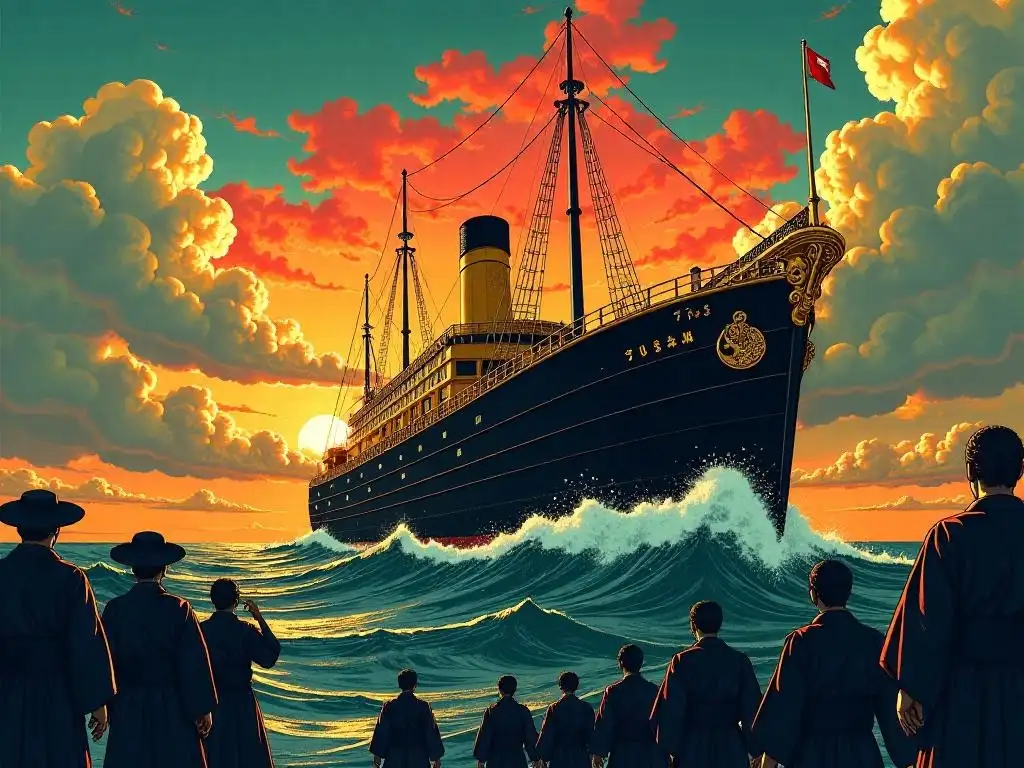
Commodore Matthew Perry's arrival in Japan in 1853 marked a significant turning point in Japanese history, setting in motion a series of profound changes that would culminate in the country's eventual industrialization. The ripples of this momentous event extended far beyond mere diplomatic relations, influencing various facets of Japanese life, including politics, governance, and technological advancements.
The Influence on Japanese Politics and Governance
The arrival of Commodore Perry was not just a diplomatic mission; it was a catalyst for political upheaval in Japan. The forced opening of Japan to Western trade and influence triggered a reevaluation of the existing power structures within the country.
- End of Isolationism: Prior to Perry's arrival, Japan had maintained a policy of sakoku, or self-isolation, for over two centuries. This policy limited foreign interaction and trade. Perry’s expedition challenged this status quo, leading to the eventual abandonment of isolationism and a more open stance toward foreign nations.
- Rise of the Meiji Restoration: The pressure from Western powers, highlighted by Perry's actions, contributed directly to the fall of the Tokugawa Shogunate. In 1868, the Meiji Restoration restored power to the emperor and initiated a series of reforms aimed at modernizing Japan. The new government sought to learn from the West, both politically and economically.
- Formation of New Policies: The new Meiji government implemented policies that embraced modernization, including the adoption of Western legal systems, military organization, and bureaucratic structures. This was a significant shift from the feudal system that had dominated Japan for centuries, allowing for a more centralized and effective governance structure.
- Nationalism and Identity: The encounter with Perry and subsequent treaties with Western powers fostered a sense of nationalism among the Japanese. This new identity was crucial in uniting the country under the Meiji government, as citizens rallied around the idea of strengthening Japan to compete with Western powers.
The Acceleration of Technological Advancements in Japan
Commodore Perry's arrival not only reshaped the political landscape but also acted as a springboard for technological advancement in Japan. The exposure to Western technologies and practices prompted significant changes across various sectors.
- Industrial Revolution Beginnings: Following Perry's arrival, Japan witnessed the beginnings of its own industrial revolution. The government recognized the need to modernize its economy to compete globally, leading to investments in infrastructure, including railroads, telegraph lines, and factories.
- Adoption of Western Technology: The Meiji government actively sought to import Western technology and expertise. Engineers, architects, and industrialists from Europe and America were invited to Japan to share their knowledge, leading to the establishment of modern industries, such as textiles and shipbuilding.
- Education and Innovation: The need for a skilled workforce prompted major educational reforms. Technical schools and universities were established, emphasizing science and engineering. This shift in education fostered an environment of innovation, producing a generation of Japanese who were adept at utilizing and advancing technology.
- Cultural Exchanges: The influx of Western ideas and practices not only accelerated technological advancements but also influenced Japanese culture. The adoption of Western styles in art, architecture, and even everyday life reflected a broader cultural shift towards modernization.
Commodore Perry's arrival in Japan served as a critical juncture in the nation's history, influencing both its political framework and technological landscape. The changes initiated by this event laid the groundwork for Japan's rapid industrialization and integration into the global economy, ultimately transforming it into a modern nation. The legacy of Perry's expedition continues to resonate in Japan's historical narrative, marking the end of an era and the beginning of a new chapter in its development.
Comparing Japan's Industrialization with Other Nations
How Japan's Path to Industrialization Differs from Western Nations
Japan's industrialization, notably influenced by Commodore Perry's arrival in 1853, presents a unique trajectory distinct from that of Western nations. While many Western countries experienced industrialization through gradual changes stemming from the Agricultural Revolution and the subsequent rise of factory systems, Japan's transition was both rapid and multifaceted, influenced heavily by external pressures and internal reforms.
- Speed of Change:
- Japan's industrial revolution unfolded in a mere few decades, particularly during the Meiji Era (1868-1912). In contrast, many Western nations, such as Britain, underwent industrialization over a century, allowing for gradual societal adjustments.
- State-Driven Initiatives:
- Unlike Western countries where private enterprise often spearheaded industrial growth, Japan's government played a crucial role. The Meiji government actively promoted industrialization through policies that supported infrastructure development, education, and technology transfer from the West.
- Cultural Adaptation:
- Japan's approach to adopting Western technologies involved a unique blend of preservation and innovation. While Western nations often imposed their cultural narratives, Japan integrated foreign influences while retaining its cultural identity, leading to a distinctive form of modernization.
- Focus on Military and Infrastructure:
- Japan prioritized military modernization as a means of asserting itself on the global stage. This focus drove industrialization, as advancements in weaponry and transportation laid the groundwork for a robust industrial economy, contrasting with Western nations where industrialization often began in consumer goods sectors.
- Labor Dynamics:
- The labor market dynamics in Japan differed significantly. The samurai class's transition to bureaucratic roles provided a unique workforce structure that contrasted with the labor movements in Europe and the United States, where industrial labor was primarily drawn from rural agrarian communities.
Lessons Learned from Commodore Perry’s Engagement
Commodore Perry's expedition to Japan serves as a pivotal moment in understanding Japan's industrialization process. His arrival not only marked the end of Japan's isolationist policies but also provided critical lessons that shaped the nation’s modernization efforts.
- Importance of Adaptability:
- Perry’s demand for trade and diplomatic relations forced Japan to confront its vulnerabilities. The ability to adapt to external pressures became a cornerstone of Japan's industrial strategy, highlighting the necessity of flexibility in policy-making and technological adoption.
- Strategic Diplomacy:
- Japan learned the value of strategic diplomacy, negotiating terms that would allow for controlled interaction with Western powers. This approach enabled Japan to selectively adopt foreign technologies and ideas while maintaining sovereignty.
- Investment in Education and Technology:
- The realization that technological advancement was essential for national strength led to significant investments in education and research. Japan established universities and technical schools to cultivate a skilled workforce capable of driving industrial growth.
- Cohesion and Unity:
- The national response to Perry's arrival fostered a sense of unity among various factions within Japan. The realization that industrialization was crucial for national survival encouraged collaboration across previously competing social classes and political factions.
- Cultural Resilience:
- One of the most profound lessons was the ability to retain cultural identity amid modernization. Japan's industrialization process demonstrated that modernization does not necessitate the abandonment of traditional values but can coexist with them, leading to a rich, hybrid culture that continues to influence its development today.
The industrialization of Japan, catalyzed by Commodore Perry's arrival, was marked by a distinct approach that diverged from Western models. By learning from this engagement, Japan crafted a unique strategy that facilitated rapid modernization while preserving its cultural heritage, setting a precedent for future nations navigating the complexities of industrialization.
Conclusion: Commodore Perry's Legacy in Japan's Industrial Revolution
Summarizing the Transformative Effects of Perry's Mission
Commodore Matthew Perry's arrival in Japan in 1853 marked a pivotal moment in the nation's history, setting the stage for profound transformations that would ultimately lead to Japan's industrialization. The impact of Perry's mission cannot be overstated, as it catalyzed a series of events that forever altered Japan's socio-economic landscape.
Perry's display of military might and technological superiority forced Japan to confront the realities of the modern world. The initial encounter with the "black ships" led to the signing of the Treaty of Kanagawa in 1854, which effectively ended over two centuries of national seclusion (sakoku). This treaty opened Japanese ports to American vessels, initiating a flow of foreign ideas, technology, and trade that had previously been restricted.
Key Transformative Effects:
- End of Isolation: The Treaty of Kanagawa dismantled Japan's isolationist policies, allowing for increased foreign interaction.
- Introduction of Western Technology: The influx of Western innovations in transportation, communication, and industry began to reshape Japan's economic framework.
- Cultural Exchange: The opening of Japan led to a blend of Eastern and Western cultures, influencing art, education, and societal norms.
- Political Reforms: The pressure from foreign powers, notably Perry, contributed to internal political changes, culminating in the Meiji Restoration of 1868.
These changes laid the groundwork for the Meiji era, during which Japan embarked on a rapid industrialization process, adopting Western practices and technologies to strengthen the nation and compete on the global stage.
The Lasting Impact on Japan’s Journey into Modernity
The legacy of Commodore Perry extends far beyond his initial visit; it fundamentally reshaped Japan's trajectory toward modernity. As Japan embraced industrialization, the nation transformed from a feudal society into a burgeoning imperial power. This transformation had profound implications not only for Japan but also for the broader geopolitics of the region.
Long-Term Impacts:
- Economic Growth: Japan's industrialization spurred economic development, leading to the establishment of factories, railways, and a modern banking system.
- Social Change: The shift from agrarian to industrial society resulted in significant social changes, including urbanization and the emergence of a working class.
- Military Modernization: To protect its newfound status, Japan modernized its military, adopting Western military strategies and technologies, which would later play a crucial role in its imperial expansion.
- Cultural Renaissance: The blending of Western and Japanese elements fostered a cultural renaissance, influencing literature, philosophy, and the arts.
The echoes of Perry's expedition resonate in Japan's contemporary identity as a leading global power. The initial encounter with Perry served as a catalyst for change, enabling Japan to navigate the complexities of modernization while retaining its unique cultural heritage. Thus, Commodore Perry’s legacy is not merely about the opening of Japan; it is about the profound and enduring journey that propelled a nation into the modern era.
Frequently Asked Questions
What was the significance of Commodore Perry's arrival in Japan?
Commodore Perry's arrival in 1853 marked the end of Japan's isolationist policies and opened the nation to foreign trade, igniting the process that led to Japan's industrialization.
How did Perry's expedition change Japan's foreign relations?
Perry's expedition resulted in the Treaty of Kanagawa, which established diplomatic relations between Japan and the United States, paving the way for more international engagement.
What impact did Western technology have on Japan during this period?
The introduction of Western technology and practices prompted Japan to rapidly modernize its military, transportation, and industries, which were crucial for its industrial revolution.
How did Japanese society respond to the changes brought by Perry's arrival?
Japanese society experienced a mix of resistance and acceptance as people navigated the balance between tradition and the need for modernization, leading to significant social transformations.
What were the long-term effects of Commodore Perry's actions on Japan?
The long-term effects included the rapid industrialization of Japan, its emergence as a global power, and the eventual rise of imperial ambitions in the late 19th and early 20th centuries.
Final Reflection: The Catalyst of Change in Japan's Industrialization
Commodore Perry's arrival in Japan marked a pivotal moment that not only opened the nation to the West but also ignited a transformative journey towards industrialization. The implications of this encounter resonate profoundly in today's globalized world, where the interplay of cultures and economies continues to shape nations. Perry's expedition was not merely a diplomatic mission; it was a harbinger of change that propelled Japan into a new era, illustrating how external forces can catalyze significant internal transformations.
Consider how Perry's influence has shaped Japan's cultural and social landscape, leading to a unique blend of tradition and modernity. The impact of this encounter is evident in Japan's rapid industrial growth and its ability to adapt and innovate in the face of global challenges. As historian John Dower aptly stated, Japan's response to the West was not one of passive acceptance but rather an active engagement that redefined its identity.
This observation underscores the ongoing relevance of Perry's arrival, as it serves as a reminder of how nations can harness external influences to forge their own paths.
As we reflect on the lessons from Commodore Perry's expedition, let us consider how we can apply this spirit of adaptability and resilience in our own lives. Embrace the challenges and opportunities that come your way, and remember that change often begins with a single encounter. Whether in personal growth or professional endeavors, let the story of Japan's industrialization inspire you to seek out new experiences, engage with diverse perspectives, and transform challenges into stepping stones for your own journey.
Unveil the Future: Ignite Change in Japan's Legacy!
Thank you for exploring the transformative arrival of Commodore Perry and its monumental role in Japan's journey toward industrialization. You've unlocked valuable insights about this pivotal moment in history—now it's time to take action!
Here are a few steps you can take to deepen your understanding and share the impact of this historical event:
- Dive Deeper: Explore related topics by reading additional articles on our site; discover how various global interactions shaped Japan's modernization.
- Start a Discussion: Share your thoughts on social media or in the comments below—how do you believe Perry's arrival altered Japan's trajectory?
- Engage with History: Visit a local museum or library to uncover primary sources or artifacts related to the Meiji Restoration.
What profound changes do you think Japan would have faced if Commodore Perry had never arrived? Let’s discuss!