
Perry's Treaty: The Beginning of a New Era in Japanese Diplomacy

Welcome to Feudal Japan History, where we invite you to embark on a captivating journey through the intricate tapestry of Japan’s feudal era. In our featured article, “Perry's Treaty: The Beginning of a New Era in Japanese Diplomacy,” we delve into the profound impact of Perry's Treaty on Japan, a pivotal moment that reshaped its foreign relations and marked the dawn of modernization. What transformations awaited a nation on the brink of change?
Discover the rich historical context and cultural shifts that followed this groundbreaking agreement, and let the allure of Japan's past spark your curiosity to explore further. Your adventure into the depths of feudal history begins now!
- Introduction to Perry's Treaty and Its Significance
- The Arrival of Commodore Perry
- The Negotiation Process of Perry's Treaty
- Perry's Treaty Impact on Japan
- Long-term Consequences of Perry's Treaty
- Myths and Realities Surrounding Perry's Treaty
- Conclusion: Perry's Treaty as a Catalyst for Change
- Frequently Asked Questions
- Final Reflection: The Lasting Impact of Perry's Treaty on Japan
- Embrace a New Era: Take Your Exploration Further!
Introduction to Perry's Treaty and Its Significance
The arrival of Commodore Matthew Perry in Japan during the mid-19th century marked a pivotal moment in the nation’s history, leading to profound changes in its diplomatic relations and social structure. Perry's Treaty, formally known as the Treaty of Kanagawa, not only ended Japan's period of isolation but also initiated a new era of international engagement.
This article delves into the impact of Perry's Treaty on Japan, examining how it reshaped the country's foreign relations, influenced its modernization efforts, and altered its societal dynamics. By understanding the intricacies of this treaty, we can gain insight into the broader implications it had on Japan's trajectory in the global arena.
Overview of Perry's Treaty
The Treaty of Kanagawa, signed in 1854, was the first formal agreement between Japan and the United States. It was a significant outcome of Perry's expedition, which aimed to open Japan to Western trade after more than two centuries of self-imposed isolation under the Tokugawa shogunate. The treaty established the following key points:
- Opening of Ports: Japan agreed to open the ports of Hakodate and Shimoda to American vessels, allowing for limited trade and refueling opportunities.
- Protection of American Citizens: Provisions were included to ensure the safety and rights of American citizens within Japanese territory.
- Establishment of a U.S. Consulate: The treaty facilitated the establishment of a U.S. consulate in Japan, marking the beginning of formal diplomatic relations.
The significance of Perry's Treaty extends beyond mere trade agreements; it symbolized Japan's first steps into the modern world, compelling the nation to confront and adapt to the realities of Western imperialism.
Context of Japanese Diplomacy Before Perry's Arrival
Prior to Perry's arrival, Japan had pursued a policy of sakoku, or "locked country," which effectively isolated the nation from foreign influence. This policy, established in the early 17th century, was designed to maintain political stability and preserve Japanese culture by limiting contact with foreign powers. The diplomatic context before Perry included:
- Limited Foreign Trade: Japan engaged in restricted trade with the Dutch and Chinese at the port of Nagasaki, but interactions were tightly controlled.
- Cultural Isolation: The isolationist policies contributed to a unique cultural development within Japan, with minimal exposure to Western ideas or technologies.
- Political Structure: The Tokugawa shogunate maintained strict control over foreign relations, with the ruling class wary of external influences that could disrupt their authority.
As a result, Japan found itself ill-prepared for the pressures of Western expansion, making Perry's arrival a shocking and transformative event that would challenge the established order and lead to significant changes in Japanese diplomacy and society.
The Arrival of Commodore Perry
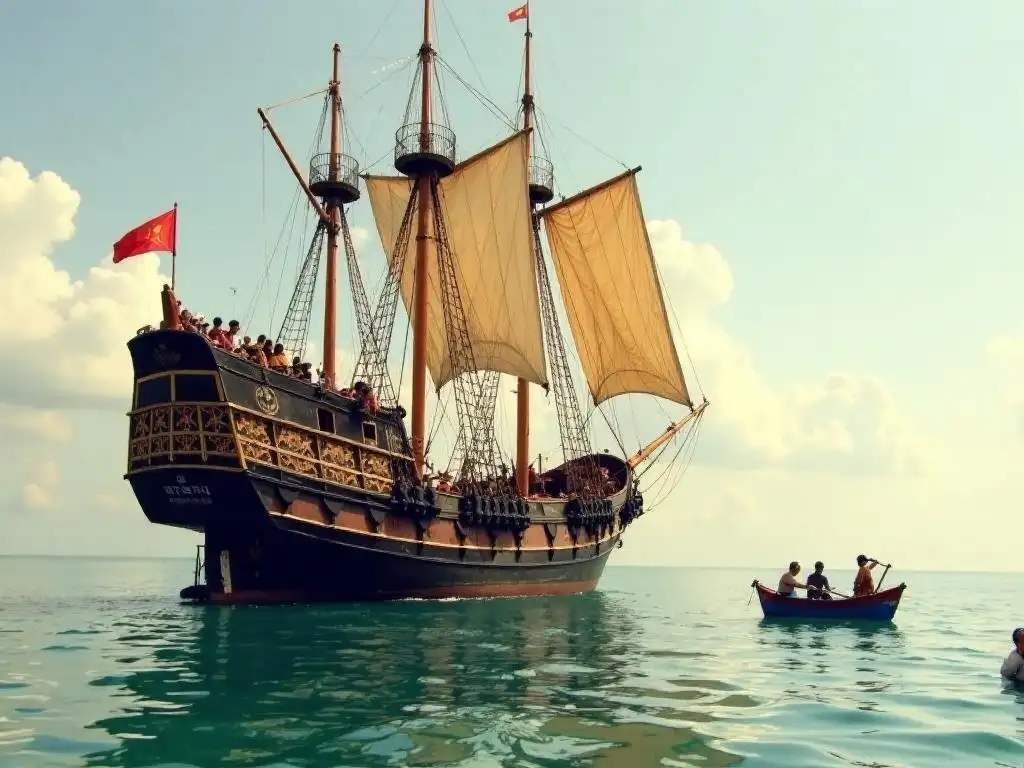
The arrival of Commodore Matthew Perry in Japan during the mid-19th century marked a pivotal turning point in the country’s foreign relations, ultimately leading to the end of its centuries-long policy of isolation. Arriving in 1853 with a fleet of "black ships," Perry's mission was not only to open Japan to trade but also to establish diplomatic relations and ensure the safety of American sailors in Japanese waters. This section delves into the key events leading to Perry's expedition and the objectives he aimed to achieve in Japan.
Key Events Leading to Perry's Expedition
The backdrop to Perry's expedition was characterized by several significant developments that set the stage for his arrival.
- Isolationist Policies: For over two centuries, Japan had maintained a strict sakoku (closed country) policy, limiting contact with foreign nations and allowing trade only with the Dutch and Chinese through the port of Nagasaki. This isolationism bred both stability and stagnation within Japan.
- Increased Western Influence: The mid-19th century saw Western powers aggressively expanding their influence across Asia. The United States, motivated by a desire for economic expansion and strategic positioning, recognized Japan as a key player in the region.
- The Opium War: The First Opium War (1839-1842) between the British Empire and China highlighted the vulnerabilities of Asian nations against Western imperialism. The resulting Treaty of Nanking opened several Chinese ports to foreign trade, serving as a warning to Japan of the potential consequences of continued isolation.
- American Whaling Interests: American whalers, often stranded on the Japanese islands, reported harsh treatment and lack of assistance from the Japanese authorities. This stirred concern among American merchants and the government about the need for a more favorable relationship with Japan.
- Perry's Preparations: Recognizing the strategic importance of Japan, President Millard Fillmore dispatched Perry to negotiate a treaty that would open Japan to American trade. The expedition was meticulously planned, involving military might and diplomatic outreach.
The culmination of these events led to Perry’s arrival in 1853, initiating a series of negotiations that would change Japan's diplomatic landscape forever.
Perry's Objectives in Japan
Perry's mission had clear and multifaceted objectives that aimed to reshape Japan's position in the global arena.
- Opening Trade: A primary goal was to secure a treaty that would allow American ships access to Japanese ports for trade. This was critical for enhancing trade routes and ensuring that American merchants could benefit from Japan’s resources.
- Establishing Diplomatic Relations: Perry sought to establish formal diplomatic ties between the United States and Japan. This was significant for legitimizing American interests in the region and fostering a framework for future negotiations.
- Ensuring the Safety of American Citizens: Reports of mistreatment of shipwrecked sailors prompted Perry to insist on protections for American citizens. He aimed to ensure that shipwrecked sailors would receive humane treatment and that the Japanese would recognize American sovereignty.
- Preventing European Domination: With the increasing presence of Western powers in Asia, one of Perry's objectives was to prevent Japan from falling under the control of European nations. By establishing an American foothold, he hoped to create a counterbalance to European influence.
- Cultural Exchange: Perry envisioned a broader cultural exchange between Japan and the United States, fostering mutual understanding and cooperation. He believed that through trade and diplomacy, both nations could benefit from each other’s advancements.
Perry's expedition was not merely about opening Japan to trade; it was a strategic initiative aimed at reshaping Japan's role on the global stage, ensuring American interests, and preventing the encroachment of European powers. The subsequent treaties and agreements would ultimately lead to profound changes within Japan, laying the groundwork for its emergence as a modern nation.
The Negotiation Process of Perry's Treaty

The negotiation process of Perry's Treaty, officially known as the Treaty of Kanagawa, was a pivotal moment in Japan's history, marking the transition from isolation to engagement with the international community. This process began with Commodore Matthew Perry's arrival in Japan in 1853, bringing with him not only a naval fleet but also the power dynamics of Western imperialism.
The Initial Encounter: Tensions and Expectations
The initial encounter between Commodore Perry and Japanese officials was fraught with tension. Perry arrived in Edo Bay (now Tokyo Bay) on July 8, 1853, with four warships, intending to establish diplomatic relations. The Japanese were taken aback by the show of military force and the presence of foreign ships in their previously isolated waters.
The expectations on both sides were markedly different. Perry sought to open Japan for trade and ensure safety for shipwrecked American sailors, while the Japanese government, particularly the Tokugawa shogunate, was aware of the threat posed by Western powers and aimed to maintain their isolationist policies.
Perry's demands included the establishment of a coaling station and the opening of Japanese ports to American vessels. The Japanese, recognizing the military superiority of Perry's fleet, were compelled to negotiate, albeit reluctantly. This initial encounter set the stage for further negotiations, illustrating the stark power imbalances and the cultural misunderstandings that would shape the treaty discussions.
Key Figures Involved in the Treaty Negotiations
Several key figures played crucial roles in the negotiations surrounding Perry's Treaty.
- Commodore Matthew Perry: The American naval officer who led the expedition to Japan. His strategic use of military intimidation and diplomacy was instrumental in persuading the Japanese to engage in negotiations.
- Shogun Tokugawa Ieyoshi: The reigning shogun at the time of Perry's arrival. His leadership was characterized by a cautious approach toward foreign relations, reflecting the internal divisions within the shogunate regarding how to deal with the encroaching Western powers.
- Japanese Officials: Notable figures included High Councillor Abe Masahiro, who represented the shogunate during the negotiations. His role was pivotal in balancing the interests of various factions within the government, some of whom were more resistant to foreign influence than others.
- Interpreter and Cultural Mediators: Individuals like the Dutch-speaking Japanese officials, who had prior experience interacting with Westerners, facilitated communication and understanding between Perry and the Japanese authorities.
These figures' interactions underscored the complexities of the negotiation process, marked by cultural differences, power dynamics, and the urgent need to address the challenges posed by Western imperialism.
Major Terms of Perry's Treaty
The Treaty of Kanagawa, signed on March 31, 1854, included several major terms that significantly impacted Japan's foreign relations and internal policies:
- Opening of Ports: Japan agreed to open two ports, Shimoda and Hakodate, to American ships for supplies and provisions. This marked the beginning of Japan's engagement with international trade.
- Assurance of Safety for Shipwrecked Sailors: The treaty included provisions ensuring the humane treatment and safety of American shipwrecked sailors, which was crucial for establishing trust between the two nations.
- Limited Trade Regulations: While the treaty did not establish full trade relations, it set forth the framework for future commercial treaties by allowing American merchants to trade under certain conditions.
- Consular Rights: The establishment of American consulates in Japan was stipulated, which allowed for a legal framework for American citizens within Japanese territory.
- Most-Favored-Nation Clause: This clause ensured that any privileges granted to other nations would also be extended to the United States, setting a precedent for future negotiations with other Western powers.
The signing of Perry's Treaty marked a significant shift in Japan's foreign policy, leading to increased interaction with Western nations and laying the groundwork for modernization efforts in the subsequent Meiji era. The treaty's impact on Japan was profound, opening the door to both opportunities and challenges that would shape the nation's trajectory in the years to come.
Perry's Treaty Impact on Japan

The signing of Perry's Treaty in 1854 marked a significant turning point in Japanese history, fundamentally altering its societal structure, economy, and cultural landscape. This treaty, officially known as the Convention of Kanagawa, was the first formal agreement between Japan and the United States, effectively ending over two centuries of national seclusion (sakoku). As Japan began to engage with foreign powers, the impacts of this treaty were profound and multifaceted, setting the stage for modernization and a dramatic shift in Japan's diplomatic relations.
Immediate Effects on Japanese Society and Governance
The immediate aftermath of Perry's Treaty saw notable shifts in Japanese governance and societal organization. The Tokugawa shogunate, which had maintained strict control over Japan's foreign relations, found its authority challenged.
- Political Instability: The treaty ignited a wave of discontent among various factions within Japan, leading to increased criticism of the shogunate. The inability to prevent foreign intervention was seen as a severe failure, fueling the desire for a more nationalist and modern government.
- Rise of the Meiji Restoration: The dissatisfaction with the shogunate's handling of foreign relations laid the groundwork for the Meiji Restoration in 1868, which sought to restore imperial rule and modernize Japan. This period emphasized the importance of adapting to Western powers, both politically and militarily.
- Social Changes: The opening of Japan to foreign trade and ideas began to dissolve the rigid class structures that had defined feudal society. As merchants gained wealth and influence, traditional samurai roles were challenged, and a new social order began to emerge.
These changes catalyzed a transformation in Japanese society, leading to a gradual, albeit tumultuous, shift towards modernization and reform.
Economic Changes Induced by Perry's Treaty
Perry's Treaty had significant economic implications that reshaped Japan's economy and trade practices. The treaty opened up several ports for American trade, introducing new commodities and economic practices.
- Trade Expansion: The establishment of ports, such as Yokohama and Kanagawa, allowed for increased foreign trade. Japan began to import goods, technologies, and ideas that were previously unavailable. This influx sparked changes in domestic industries as Japan sought to compete with Western powers.
- Economic Modernization: The need to engage with foreign markets led to the modernization of Japan's infrastructure. Railways, telegraphs, and shipping routes were developed to facilitate trade, which helped integrate Japan into the global economy.
- Impact on Agriculture: The introduction of Western agricultural techniques and crops changed traditional farming practices. Farmers began to adopt new methods, which increased productivity but also led to social challenges as rural communities adapted to market demands.
These economic shifts were crucial in laying the foundation for Japan's rapid industrialization in the late 19th and early 20th centuries, propelling the nation into the modern era.
Cultural Exchange and Western Influence
The cultural ramifications of Perry's Treaty were profound, leading to a dynamic exchange between Japan and the West that influenced various aspects of Japanese society.
- Introduction of Western Ideas: The opening of Japan facilitated the influx of Western philosophies, science, and educational practices. Intellectuals began to study Western literature, political thought, and technology, which contributed to a growing desire for reform.
- Art and Aesthetics: Western art styles and techniques began to permeate Japanese culture, influencing various artistic movements. The fusion of Western and traditional Japanese art forms led to the emergence of new styles, as seen in the works of artists like Yoshitoshi.
- Social Reforms: The exposure to Western ideas prompted discussions on social issues, including women's rights and education. Advocates began to push for reforms that would improve the status of women and expand educational opportunities for all citizens.
This cultural exchange not only enriched Japanese civilization but also helped to foster a sense of national identity that would prove vital during the age of modernization.
The impact of Perry's Treaty on Japan was extensive, ushering in an era marked by profound social, economic, and cultural transformations. The treaty's legacy continues to be felt in Japan's ongoing evolution as a modern nation-state.
Long-term Consequences of Perry's Treaty
The signing of Perry's Treaty in 1854 marked a pivotal turning point in Japanese history, setting in motion a series of long-term consequences that would reshape the nation’s foreign relations, societal structures, and cultural exchanges. The implications of this treaty extended far beyond the immediate context of international diplomacy, laying the groundwork for Japan's transformation in the late 19th century.
Shift in Japanese Foreign Relations Post-Treaty
Following the signing of Perry's Treaty, Japan experienced a significant shift in its foreign relations. The previously isolationist nation began to engage with Western powers, leading to a series of treaties that would redefine its diplomatic stance.
- Increased Diplomatic Engagement:
- Japan entered into treaties with various Western nations, including the United States, Britain, France, and Russia. These treaties often favored the Western powers, reflecting the unequal power dynamics of the period.
- The Treaty of Kanagawa (1854) served as a precedent, establishing Japan's first formal diplomatic relations with the United States and allowing for the opening of ports for American trade.
- Emergence of New Alliances:
- Japan sought to establish new alliances to counterbalance Western influence. This included engaging with other Asian nations and exploring potential partnerships.
- The growing awareness of the need for modernization influenced Japan to adopt Western practices in diplomacy and governance.
- Crisis of Legitimacy and Internal Conflict:
- The rapid changes in foreign relations led to internal strife, as factions within Japan debated the merits and dangers of opening up to the West. This division would eventually contribute to the political upheaval that accompanied the Meiji Restoration.
The End of Isolation: Opening of Japan to the World
The end of Japan's isolationist policy, which had been in place for over two centuries, was a direct result of Perry's Treaty. This opening had profound implications for Japan's economy, society, and culture.
- Economic Transformation:
- The influx of foreign goods and ideas stimulated Japan’s economy, leading to the establishment of new industries and modernization of existing ones.
- Trade agreements allowed Japan to import technology and expertise from the West, facilitating economic growth.
- Cultural Exchange:
- The opening of Japan led to a significant cultural exchange, with Western literature, art, and science beginning to influence Japanese society.
- This cross-cultural interaction not only enriched Japanese culture but also spurred a reevaluation of traditional practices.
- Social Change:
- With the introduction of Western education systems, Japan began to reform its educational institutions, emphasizing the importance of science and technology.
- The shift towards a more open society led to changes in social structures, as new ideas about governance and individual rights began to take root.
Impact on the Meiji Restoration
The consequences of Perry's Treaty ultimately culminated in the Meiji Restoration, a transformative period that redefined Japan's national identity.
- Political Reforms:
- The dissatisfaction with the Tokugawa shogunate's handling of foreign relations spurred a movement to restore power to the emperor, leading to the overthrow of the shogunate in 1868.
- The new Meiji government focused on centralizing power and implementing sweeping reforms to modernize Japan.
- Industrialization and Modernization:
- The Meiji Restoration set the stage for rapid industrialization, as Japan sought to compete with Western nations on equal footing.
- The government actively promoted infrastructure development, including railroads, telegraphs, and factories, which facilitated economic growth.
- Military Expansion:
- Recognizing the importance of military strength in international relations, Japan invested heavily in modernizing its armed forces, adopting Western military strategies and technologies.
- This military modernization played a crucial role in Japan’s emergence as a regional power, evidenced by victories in conflicts such as the First Sino-Japanese War (1894-1895).
Perry's Treaty had far-reaching effects on Japan, ushering in an era characterized by unprecedented engagement with the global community. The shift in foreign relations, the end of isolation, and the subsequent Meiji Restoration collectively transformed Japan into a modern state, setting the stage for its future as a significant player on the world stage.
Myths and Realities Surrounding Perry's Treaty
The signing of Perry's Treaty in 1854 marked a significant turning point in Japan's foreign relations and ultimately led to the end of the Sakoku period, a time characterized by Japan's self-imposed isolation. While the event is often shrouded in myths and misconceptions, a closer examination reveals the complex realities of its impact on Japan and its diplomatic landscape.
Common Misconceptions About the Treaty
-
Perry's Treaty Was Solely a Forced Agreement
One prevalent myth is that Perry's Treaty was entirely coercive, imposed under the threat of military action. While it is true that Commodore Matthew Perry's arrival with his "black ships" was intimidating, the treaty itself was negotiated and signed. Japan's leaders recognized the need to engage with Western powers to prevent colonization and maintain sovereignty.
-
The Treaty Opened Japan to Unconditional Trade
Another misconception is that the treaty immediately opened Japan to unrestricted foreign trade. In reality, the Treaty of Kanagawa primarily established limited trade relations with the United States, allowing only two ports (Shimoda and Hakodate) for American ships. Broader trade agreements were developed later, leading to a gradual opening of Japan to other nations.
-
Perry's Treaty Led to Instant Modernization
Many believe that the signing of Perry's Treaty was the sole catalyst for Japan's rapid modernization. While it did serve as a wake-up call, Japan's modernization was a multi-faceted process influenced by various factors, including internal reforms and the Meiji Restoration that followed in 1868. The treaty merely set the stage for these developments.
Historical Realities: What Really Changed for Japan
The historical realities surrounding Perry's Treaty reveal a more nuanced picture of its impact on Japan.
-
End of Isolation
The treaty marked the beginning of the end for Japan's isolationist policies. With the realization that Western powers were eager to engage in trade, Japan began to reassess its position in the world. This shift ultimately led to the end of the Sakoku period, bringing Japan into the fold of global politics and commerce.
-
Diplomatic Engagement
Perry's Treaty opened the door for Japan to establish diplomatic relations not only with the United States but also with other Western nations. This engagement was crucial in shaping Japan's foreign policy and allowed it to negotiate subsequent treaties, which would further influence its international standing.
-
Internal Reforms
The treaty acted as a catalyst for internal change within Japan. As awareness of Western advancements grew, the need for reform became apparent. This realization led to a series of changes in governance, military organization, and education, laying the groundwork for the Meiji Restoration.
-
Cultural Exchange
The impact of Perry's Treaty extended beyond politics and economics; it also initiated a cultural exchange between Japan and the West. This interaction introduced new ideas and technologies, which influenced various aspects of Japanese life, from fashion to art, and ultimately contributed to Japan's modernization.
Perry's Treaty was a pivotal moment in Japanese history, characterized by both myths and realities. Understanding these nuances helps clarify the profound impact the treaty had on Japan's transition from isolation to engagement with the global community.
Conclusion: Perry's Treaty as a Catalyst for Change
Perry's Treaty, formally known as the Treaty of Kanagawa, marked a critical turning point in Japan's foreign relations and its movement towards modernization. This treaty, signed in 1854, not only ended Japan's isolationist policies but also set the stage for profound social, political, and economic transformations that would shape the nation for generations to come. The impact of Perry's Treaty on Japan can be observed through various lenses, including its influence on modernization efforts, international relations, and the eventual emergence of Japan as a global power.
Reflection on Perry's Treaty Impact on Japan's Modernization
The arrival of Commodore Matthew Perry and the subsequent signing of the Treaty of Kanagawa had immediate and far-reaching consequences for Japan's modernization. Prior to Perry's expedition, Japan had maintained a policy of sakoku, or closed country, which severely limited foreign interactions. The treaty forced Japan to open its ports to American ships, marking the first time in over two centuries that foreign vessels were welcomed into Japanese waters.
- Economic Changes:
- The opening of Japan’s ports initiated a series of economic reforms that transformed the Japanese economy. Increased trade led to the introduction of new goods, technologies, and ideas, which spurred domestic industries and commerce.
- The influx of foreign products and the establishment of trade relations necessitated advancements in infrastructure, including the development of railways and telegraph systems, facilitating faster communication and transportation.
- Political Reforms:
- The acknowledgment of the need to engage with the world led to the decline of the Tokugawa shogunate. It prompted a reevaluation of governance and military structures, leading to the Meiji Restoration in 1868, which aimed to strengthen Japan against Western powers.
- The establishment of a centralized government replaced the feudal system, promoting nationalism and a sense of identity among Japanese citizens.
- Cultural Exchange:
- Western influence permeated Japanese society, leading to significant cultural exchanges. The adaptation of Western educational systems, legal frameworks, and even fashion reflected a broader acceptance of foreign ideas.
- The introduction of new philosophies and scientific advancements fostered a spirit of inquiry and innovation, which became foundational to Japan’s rapid modernization.
The Legacy of Perry's Treaty in Contemporary Japan
The legacy of Perry's Treaty continues to be felt in contemporary Japan, where the foundations laid during the mid-19th century have evolved into a complex and dynamic relationship with the rest of the world.
- Diplomatic Relations:
- Japan’s approach to diplomacy today can be traced back to the principles established by the Treaty of Kanagawa. The treaty opened Japan to international relations, allowing it to navigate the complexities of global politics effectively.
- Modern Japan actively engages in diplomatic negotiations and maintains robust economic partnerships with nations worldwide, reflecting the initial steps taken in the wake of Perry's arrival.
- Cultural Identity:
- The blending of Western and Japanese cultures initiated by the treaty has created a unique cultural identity that is both traditional and modern. This duality can be seen in various aspects of contemporary Japanese life, from pop culture to cuisine.
- Japanese society's ability to adapt and integrate foreign influences while maintaining its heritage is a direct result of the changes initiated by Perry's Treaty.
- Economic Power:
- Today, Japan stands as one of the largest economies in the world, a position that can be attributed to the economic transformations triggered by the treaty. The integration into global trade networks has enabled Japan to become a leader in technology and manufacturing.
- The lessons learned from the initial challenges posed by Western powers continue to inform Japan's economic policies and international strategies.
Perry's Treaty was not merely a diplomatic agreement but a catalyst for change that propelled Japan into the modern era. Its impact on Japan's modernization, along with its enduring legacy in contemporary society, underscores the significance of this pivotal moment in Japanese history.
Frequently Asked Questions
What is Perry's Treaty?
Perry's Treaty, also known as the Treaty of Kanagawa, was signed in 1854 between the United States and Japan, marking the end of Japan's isolationist policy and opening the country to foreign trade.
How did Perry's Treaty impact Japan's foreign relations?
The treaty significantly shifted Japan's diplomatic landscape, leading to increased interactions with Western nations and eventually resulting in the Meiji Restoration and modernization efforts.
What were the societal changes in Japan following Perry's Treaty?
Following the treaty, Japan experienced rapid industrialization and social reforms, transforming its feudal society into a modern state and fostering a sense of national identity.
Did Perry's Treaty have any cultural effects on Japan?
Yes, the treaty initiated a period of cultural exchange where Western ideas, technologies, and customs began to infiltrate Japanese society, influencing everything from art to education.
How is Perry's Treaty viewed in the context of Japanese history?
Perry's Treaty is often seen as a catalyst for Japan's transformation from a secluded feudal nation to a modern power, marking the start of a new era in Japanese diplomacy and international relations.
Final Reflection: The Lasting Impact of Perry's Treaty on Japan
Perry's Treaty marked a pivotal moment in Japanese history, as it opened the nation's doors to the world and initiated a profound transformation in its diplomatic relations. Today, as we navigate an increasingly interconnected global landscape, the implications of this treaty resonate more than ever. The shift from isolation to engagement not only altered Japan's trajectory but also set a precedent for how nations interact in an era defined by globalization.
Culturally and socially, the impact of Perry's Treaty continues to shape Japan's identity and its role on the world stage. The treaty catalyzed Japan's rapid modernization and industrialization, leading to a unique blend of tradition and innovation that characterizes the nation today. As noted by historian John W. Dower, Japan's encounter with the West was not merely a matter of adaptation but a profound transformation that redefined its very essence.
This ongoing evolution invites us to reflect on how historical events can influence cultural narratives and national identities for generations.
As we consider the lessons of Perry's Treaty, I invite you to reflect on your own interactions with the world. How can you embrace change and foster connections in your personal or professional life? Just as Japan emerged from isolation to engage with diverse cultures, we too can seek opportunities for growth and understanding in our global community. Let Perry's Treaty serve as a reminder that embracing new perspectives can lead to profound transformation and a richer, more interconnected existence.
Embrace a New Era: Take Your Exploration Further!
Thank you for diving into the rich history of Perry's Treaty and its pivotal role in shaping Japanese diplomacy! Your interest in this transformative event opens the door to a broader understanding of Japan’s journey. Now, let’s take impactful steps together to deepen your knowledge and engagement.
- Explore related topics on our website, such as the Meiji Restoration and the influence of Western powers in Asia. Each article will enhance your understanding of this fascinating period!
- Join our community by sharing your thoughts on how Perry's Treaty has influenced modern diplomacy. Your voice is essential in our discussions!
- Consider visiting a local museum or historical site that highlights Japan's diplomatic history. Experiencing history firsthand can ignite a passion that books alone cannot replicate.
What aspect of Perry's Treaty surprised you the most, and how do you think it shapes today's international relations? Share your insights below!