
The Art of Negotiation: How Commodore Perry Outmaneuvered Japanese Diplomats

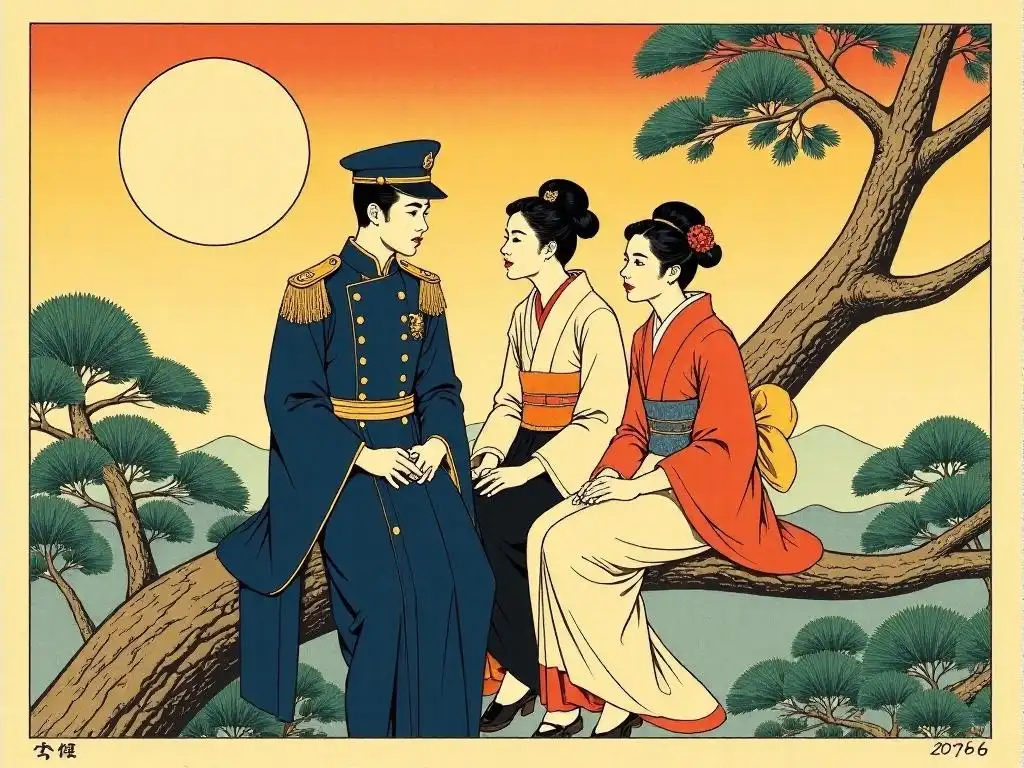
Welcome to Feudal Japan History, where we delve deep into the intricate tapestry of Japan’s feudal era. In our featured article, "The Art of Negotiation: How Commodore Perry Outmaneuvered Japanese Diplomats," we uncover the fascinating dynamics of Commodore Perry's Japan diplomacy—a pivotal moment that reshaped the course of Japanese history. What strategies did Perry employ to navigate the complexities of foreign relations? Join us as we unravel the layers of historical intrigue and cultural significance, sparking your curiosity to explore the rich narratives that lie ahead.
Introduction to Commodore Perry and Japanese Diplomacy
The arrival of Commodore Matthew Perry in Japan during the mid-19th century marked a pivotal moment in the history of Japanese foreign relations. His mission, driven by the United States' desire to open Japan to trade, not only altered the course of Japanese diplomacy but also initiated a profound transformation in its societal structure.
This article delves into the intricate art of negotiation employed by Perry, showcasing how he effectively outmaneuvered Japanese diplomats, leading to the signing of the Treaty of Kanagawa in 1854. Understanding this historical event requires a deep dive into the context of Perry's arrival and the diplomatic landscape of feudal Japan, an era characterized by isolationism and a complex web of political relationships.
Overview of Commodore Matthew Perry's Role in Japanese History
Commodore Matthew Perry, a seasoned naval officer, is often credited with breaking Japan's centuries-old policy of isolationism. His expeditions in 1853 and 1854 brought the foreign presence into stark contrast with Japan’s long-held traditions. Perry’s approach was a blend of diplomacy and show of military might, leveraging the technological superiority of his "Black Ships" to impress upon the Japanese the necessity of engaging with the outside world. His negotiations, shrouded in both coercion and persuasion, were crucial in establishing Japan as a player on the global stage and set the foundation for future diplomatic relations.
Significance of Diplomacy in Feudal Japan
Diplomacy during feudal Japan was a complex affair, heavily influenced by the rigid social hierarchies and the shogunate's authority. The art of negotiation was often nuanced, requiring a deep understanding of cultural norms and the intricate balance of power among the various feudal lords (daimyōs). The arrival of Commodore Perry introduced a new dimension to this diplomatic landscape, challenging the existing conventions and forcing Japan to reassess its isolationist stance. Understanding the significance of Perry's diplomatic maneuvers provides insight into the broader implications of foreign relations in an era marked by rapid change.
Historical Context of Commodore Perry's Arrival
To fully appreciate the impact of Commodore Perry’s arrival in Japan, it is essential to consider the historical context that preceded it.
Japan's Isolationist Policies Before Perry's Arrival
For over two centuries, Japan adhered to a strict policy of isolationism under the Tokugawa shogunate, known as sakoku. This policy limited foreign influence and trade, allowing only a few authorized Dutch and Chinese merchants limited access to Japanese ports. The rationale behind this isolation was to maintain social order and prevent the disruptive influences of foreign religions and ideas. However, as global powers expanded their reach in the mid-19th century, the efficacy of such policies came into question.
Global Political Climate in the Mid-19th Century
The mid-19th century was characterized by significant political upheaval and expansionism among Western powers. The United States, in particular, was looking to extend its commercial interests across the Pacific, driven by the burgeoning concept of Manifest Destiny. The industrial revolution had also amplified military capabilities, making it imperative for nations to secure trade routes and resources. Amidst this global backdrop, Perry's arrival was not merely a diplomatic mission; it was a calculated move that reflected the shifting dynamics of power, setting the stage for Japan’s eventual emergence as a modern nation-state.
Through this exploration of Commodore Perry's strategic negotiation tactics and their historical significance, we aim to unravel the intricate threads of diplomacy that defined this transformative period in Japan's history.
The Strategy Behind Commodore Perry's Diplomacy
Commodore Matthew Perry's approach to diplomacy with Japan was marked by a keen understanding of both American objectives and Japanese customs. His strategy was not merely to impose American will but to engage in a calculated interplay of power, cultural sensitivity, and strategic timing. Perry recognized that Japan was at a pivotal moment in its history, having remained isolated for over two centuries under the Tokugawa shogunate. His main goal was to establish trade relations and ensure the safety of American sailors, which he pursued by leveraging military might alongside diplomatic negotiation.
Perry's strategy involved a dual focus on showmanship and subtlety. He understood that Japan's leaders valued honor and face-saving, which he skillfully navigated. By presenting an image of strength through the display of warships, Perry was able to convey the seriousness of American intentions while simultaneously allowing Japan a degree of autonomy in the negotiation process. This delicate balance was crucial in fostering a climate where negotiations could proceed, even if under tension.
Moreover, Perry's strategic use of timing played a significant role in his diplomacy. His arrival in 1853 coincided with geopolitical shifts in the region, including the expansion of Western influence in Asia. By positioning himself as a harbinger of progress and modernity, Perry framed his mission as beneficial for Japan, suggesting that engagement with the West could lead to prosperity and security. This approach not only appealed to the practical considerations of Japanese leaders but also aligned with their aspirations to modernize and strengthen their nation.
Understanding the Japanese Political Structure
To effectively negotiate with Japan, Perry had to navigate a complex political landscape dominated by the Tokugawa shogunate, a feudal military government that had centralized power while allowing the emperor to remain a symbolic figure. The shogunate's governance was characterized by a rigid hierarchy and a strong emphasis on maintaining social order and isolationist policies. The ruling class was primarily composed of samurai, who upheld strict codes of conduct and loyalty.
Perry's understanding of this structure allowed him to identify key players in the negotiation process. The shogun, as the de facto leader, held the ultimate authority, but local daimyōs (feudal lords) also wielded considerable influence. Perry recognized that winning over the shogunate would require not only direct negotiations with the shogun but also securing support from influential daimyōs who could sway public opinion and policy.
Furthermore, the internal divisions within the Japanese political system, particularly between those favoring isolation and those advocating for openness to foreign trade, provided Perry with opportunities to exploit these factions. By presenting his mission as advantageous to Japan’s modernization, he aimed to align with those who were already advocating for change, thereby strengthening his negotiating position.
Key Negotiation Tactics Used by Commodore Perry
Commodore Perry employed several effective negotiation tactics that ultimately led to successful outcomes in his dealings with Japanese diplomats. One of his primary tactics was the use of cultural diplomacy, where he demonstrated respect for Japanese customs and traditions, despite the power dynamics at play. This included adopting a formal approach to meetings and showcasing an understanding of Japanese etiquette, which helped build rapport with his counterparts.
Another notable tactic was Perry's use of information asymmetry. He arrived in Japan with comprehensive knowledge about Western technologies and military capabilities, which he strategically communicated to Japanese officials. By emphasizing the advantages of engaging with the West, Perry created a narrative that framed his demands as not only necessary but beneficial for Japan's future.
Furthermore, Perry's team utilized demonstrative diplomacy by showcasing the power and technology of the U.S. Navy. The impressive display of steam-powered warships, along with their capabilities, was a pivotal element of his negotiations. This show of force was intended to impress upon Japanese diplomats the futility of resisting American demands while also signaling the potential consequences of non-compliance.
Perry also recognized the importance of incremental concessions. Rather than overwhelming his counterparts with demands, he strategically introduced issues one at a time, allowing for manageable discussions and gradual acceptance of American terms. This tactic helped to create a sense of progress, making it easier for Japanese leaders to agree to concessions over time.
The Role of Military Presence in Diplomatic Negotiations
The military presence of Commodore Perry's fleet played a critical role in shaping the diplomatic negotiations with Japan. His arrival with a formidable squadron of four warships, including the steam frigate USS Mississippi and the sailing frigate USS Saratoga, sent a clear message about American power and technological superiority. This display was not merely for show; it was a calculated strategy to compel Japanese leaders to take the U.S. demands seriously.
The presence of Perry's ships served multiple functions. Firstly, it acted as a psychological tool, instilling a sense of urgency among Japanese officials about the potential consequences of inaction. The Japanese had heard of the might of Western powers through various accounts, and seeing the vessels firsthand reinforced these narratives, making the option of confrontation appear increasingly untenable.
Secondly, the military presence provided Perry with leverage during negotiations. It allowed him to ensure compliance with his demands by implying that failure to negotiate could lead to forceful repercussions. Perry's ability to pivot between diplomacy and the threat of military action created a unique dynamic that pressured Japanese officials to engage seriously in discussions.
Lastly, the presence of military forces facilitated the establishment of communication channels. Perry's ships became crucial platforms for dialogue and exchange between American and Japanese officials, ensuring that negotiations could proceed effectively even amidst the tensions inherent in the situation. The fleet thus became a symbol of both power and possibility, embodying the duality of threat and opportunity that characterized Perry's diplomatic strategy.
The Negotiation Process: Key Events and Outcomes
The negotiation process between Commodore Perry and Japanese diplomats unfolded through a series of key events that ultimately culminated in the Treaty of Kanagawa. Each event played a significant role in shaping the trajectory of U.S.-Japan relations, moving from initial confrontation to formal agreement.
Initial Encounters Between Perry and Japanese Diplomats
The initial encounters between Perry and Japanese diplomats occurred in July 1853, when Perry first arrived in Tokyo Bay. His initial meeting with Japanese officials was marked by both formality and tension, as the Japanese were unaccustomed to direct engagement with foreign powers. Perry presented a letter from President Millard Fillmore, outlining the desire for trade and the protection of American sailors.
The Japanese response was cautious; they were concerned about the implications of opening their borders. However, Perry's tactical use of military presence and his respectful demeanor helped to ease some of the initial apprehensions. Over the course of several meetings, Perry and his team engaged in discussions that highlighted the potential benefits of trade, positioning it as a pathway to modernization and security for Japan.
The Japanese diplomats, notably those representing the shogunate, were caught between their commitment to isolation and the undeniable reality of Perry's military might. This tension was palpable during the negotiations, as both sides maneuvered to protect their interests while seeking a resolution. The initial encounters set the stage for deeper discussions, revealing the complexities of Japanese politics and the challenges of formulating a cohesive response to Perry's overtures.
The Treaty of Kanagawa: Terms and Implications
The culmination of Perry's diplomatic efforts was the signing of the Treaty of Kanagawa on March 31, 1854. This landmark agreement marked a significant turning point in Japan's foreign relations and is often credited with ending over two centuries of isolationist policies. The treaty established several critical terms that would shape future relations between Japan and Western powers.
Key provisions of the Treaty of Kanagawa included:
- Opening of Ports: The treaty mandated the opening of the ports of Shimoda and Hakodate to American vessels, allowing for trade and refueling.
- Protection of Shipwrecked Sailors: It included assurances that shipwrecked American sailors would receive assistance and protection from the Japanese authorities.
- Establishment of a Consulate: The agreement allowed for the establishment of an American consulate in Japan, facilitating ongoing diplomatic relations.
The implications of this treaty were profound. It not only represented a significant shift in Japan’s foreign policy but also served as a catalyst for further Western encroachment. The successful negotiation underscored the effectiveness of Perry's strategy and highlighted the vulnerabilities of the Tokugawa shogunate, ultimately leading to increased internal dissent and contributing to the eventual collapse of the feudal system in Japan.
In a broader context, the Treaty of Kanagawa opened the door for subsequent treaties with other Western nations, marking the beginning of Japan's transformation from an isolated feudal society into a modern nation-state engaged with the global community.
Commodore Perry's Legacy in Japanese Diplomacy

Commodore Matthew Perry's arrival in Japan in 1853 marked a pivotal moment in Japanese diplomacy, forever altering the course of the nation's foreign relations. His expedition, often characterized by its use of naval power to enforce diplomatic agendas, signaled the end of Japan's isolationist policies, known as Sakoku. Perry's legacy is evident not only in the treaties that followed his arrival but also in the profound transformation of Japan's diplomatic posture.
Perry's approach combined strategic military presence with effective negotiation tactics. His insistence on establishing trade relations with the United States introduced Japan to Western economic practices and political structures. As a result, Perry is often credited with opening Japan to the world, leading to an era of modernization. The Treaty of Kanagawa, signed in 1854, established Japan as a player in international diplomacy, setting a precedent for future negotiations with Western powers.
Moreover, Perry's legacy influenced subsequent diplomatic strategies in Japan. The need to respond to foreign pressures and the realization of Japan's vulnerability led to a rethinking of its foreign policy, ultimately steering the nation towards modernization and engagement with global powers. This shift laid the groundwork for Japan's emergence as a formidable international player in the late 19th and early 20th centuries.
Long-Term Effects of Perry's Arrival on Japan
The long-term effects of Perry's arrival on Japan are multifaceted, impacting political, economic, and cultural spheres. One of the most significant outcomes was the dismantling of the Tokugawa shogunate, which had maintained strict isolationist policies for over two centuries. The Treaty of Kanagawa not only facilitated trade but also exposed the shortcomings of the shogunate's governance, leading to its eventual downfall and the restoration of imperial rule in 1868.
Economically, Perry's actions initiated Japan's integration into the global market. The influx of Western goods and ideas stimulated domestic industries and encouraged modernization efforts, such as the Meiji Restoration. The adoption of Western technology and practices transformed Japan’s economy, allowing it to become an industrial power.
Culturally, Perry's arrival precipitated a dramatic exchange between Japan and the West. This cultural interaction led to the introduction of new ideas, customs, and technologies, which significantly influenced Japanese art, education, and societal norms. The blending of Eastern and Western cultures created a unique environment that fostered creativity and innovation, shaping Japan's identity in the modern world.
Changes in Japanese Society and Governance Post-Treaty
Following the Treaty of Kanagawa, Japanese society underwent significant changes that reshaped its governance and social structures. The sudden exposure to Western political ideas prompted a move away from feudalism towards a more centralized government. The Meiji Restoration, which began shortly after Perry's arrival, aimed to modernize Japan's political system, incorporating Western legal and administrative practices.
Socially, the end of the feudal class system allowed for greater mobility and the emergence of a new middle class. This shift facilitated educational reforms, promoting literacy and the adoption of Western sciences and philosophies. The introduction of compulsory education played a crucial role in transforming Japan into a modern nation-state.
Additionally, the changes brought about by Perry's diplomacy influenced Japan's military strategies. The need to protect its sovereignty against Western powers led to significant military reforms, culminating in the establishment of a modernized army and navy. This newfound strength would later enable Japan to assert itself on the international stage and engage in imperial expansion.
Conclusion: The Art of Diplomacy in the Context of Commodore Perry
Commodore Perry's diplomatic endeavors illustrate the complexities and nuances of international relations during a time of significant change. His ability to navigate the delicate balance between coercion and cooperation exemplifies the art of negotiation. The impact of his actions continues to resonate in Japan's diplomatic strategies and relationships with other nations.
Lessons from Commodore Perry's Diplomatic Approach
One of the key lessons from Commodore Perry's approach is the importance of preparedness and adaptability in diplomacy. Perry's combination of military strength and diplomatic negotiation highlights the effectiveness of a multifaceted strategy. His ability to recognize the need for compromise while maintaining a firm stance showcases the necessity of flexibility in international relations.
Furthermore, Perry's experience underscores the significance of cultural understanding in diplomacy. His efforts to communicate and negotiate with Japanese leaders, despite the language barrier and cultural differences, exemplify the need for empathy and respect in diplomatic exchanges. This approach can foster trust and lead to more productive outcomes, a lesson that remains relevant in modern diplomacy.
Reflection on the Evolution of Japan's Foreign Relations
The evolution of Japan's foreign relations since Commodore Perry's arrival is a testament to the transformative power of diplomacy. From a nation isolated from the world, Japan has emerged as a key player in global affairs, demonstrating resilience and adaptability. The early interactions with Western powers laid the foundation for Japan's proactive engagement in international diplomacy, as seen in its participation in organizations like the United Nations and its role in global trade.
Reflecting on Perry's legacy, it becomes clear that diplomacy is not merely about negotiation but also about understanding and responding to the changing dynamics of power and culture. Japan's journey from isolation to engagement serves as a powerful reminder of the enduring impact of diplomatic actions and the importance of strategic negotiation in shaping a nation's trajectory.
Further Reading on Commodore Perry and Japanese Diplomacy
Delving deeper into the intricacies of Commodore Perry's influence on Japanese diplomacy reveals a wealth of information that can enhance one’s understanding of this pivotal moment in history. Below are some recommended resources that provide comprehensive insights into Perry's negotiations and the broader context of foreign relations during Japan's feudal era.
Recommended Books and Articles on Commodore Perry
-
"Commodore Perry in the Land of the Shogun" by Rhoda Blumberg
This engaging book offers a detailed account of Perry's expeditions to Japan, highlighting his strategies and the cultural impact of his visits. Blumberg’s narrative is accessible for both young adults and general readers interested in history.
-
"The Opening of Japan: Commodore Perry and the Treaty of Kanagawa" by Charles R. S. McCullough
This scholarly work examines the political and diplomatic maneuvers that led to the Treaty of Kanagawa in 1854. McCullough provides a thorough analysis of the negotiations, emphasizing the implications for Japan's future.
-
"Perry's Expedition to Japan: A Historical Narrative" by John W. Dower
Dower's book is a critical exploration of Perry's expedition, focusing on the cultural exchanges and conflicts that arose during this period. The narrative is rich with detail and provides a nuanced understanding of Perry's tactics.
-
"Japan's Encounter with the West: A Study in Cultural Exchange" by Edward Seidensticker
While not exclusively focused on Perry, this book offers valuable context regarding Japan's interaction with Western powers. Seidensticker discusses the broader implications of Perry's arrival and the subsequent changes in Japanese society.
-
"The Treaty of Kanagawa: A Turning Point in Japanese History" - Journal of Asian Studies
This article analyzes the Treaty of Kanagawa's significance, exploring how Perry's diplomatic efforts shaped Japan’s entry into the modern world. It is a vital resource for understanding the treaty's long-term effects.
Additional Resources on Feudal Japan and Foreign Relations
- Online Archives of Feudal Japan: Various universities and institutions have digitized collections of documents related to Japan's feudal era, including treaties, letters, and diplomatic correspondence. These archives serve as primary sources for researchers and enthusiasts alike.
- Japan National Museum: The museum's website features exhibitions and articles related to the history of Japan's foreign relations, including the era surrounding Perry's arrival. Their resources can provide visual and contextual understanding through artifacts and historical documents.
- Academic Journals: Journals such as "The Journal of Japanese Studies" and "Monumenta Nipponica" often publish articles on topics related to Japanese history and diplomacy. Searching their archives can yield insightful studies on Commodore Perry and his impact on Japanese foreign relations.
- Documentaries and Lectures: Platforms like YouTube and educational websites host documentaries and recorded lectures featuring historians discussing Perry's role in Japanese diplomacy. These multimedia resources can offer engaging perspectives on historical events.
By exploring these recommended readings and resources, individuals interested in Commodore Perry and Japanese diplomacy can gain a more profound understanding of the complexities surrounding this transformative period in Japan's history.
- Introduction to Commodore Perry and Japanese Diplomacy
- Historical Context of Commodore Perry's Arrival
- The Strategy Behind Commodore Perry's Diplomacy
- The Negotiation Process: Key Events and Outcomes
- Commodore Perry's Legacy in Japanese Diplomacy
- Conclusion: The Art of Diplomacy in the Context of Commodore Perry
- Further Reading on Commodore Perry and Japanese Diplomacy
Frequently Asked Questions
What was the significance of Commodore Perry's arrival in Japan?
Commodore Perry's arrival in 1853 marked the end of Japan's isolationist policies. His diplomatic efforts opened Japan to international trade and relations, reshaping its future.
How did Commodore Perry utilize negotiation tactics?
Perry employed a mix of military presence and diplomatic dialogue to influence Japanese officials. His strategic approach involved showcasing American naval power to gain leverage.
What were the outcomes of Perry's negotiations with Japan?
The negotiations led to the Treaty of Kanagawa in 1854, which established formal ties between the U.S. and Japan. This treaty allowed for trade and diplomatic relations, fundamentally altering Japan's global position.
How did Japanese diplomats respond to Perry's demands?
Japanese diplomats faced a challenging situation, caught between national pride and the pressure of Western powers. Their response involved cautious negotiations, balancing the desire for sovereignty with the need for modernization.
What impact did Perry's diplomacy have on Japan's future?
Perry's diplomacy set in motion a series of events that contributed to Japan's Meiji Restoration. This period saw rapid industrialization and modernization, transforming Japan into a major world power by the early 20th century.
Final Reflection: The Enduring Legacy of Commodore Perry's Diplomacy
The art of negotiation remains a crucial skill in today's interconnected world, where understanding cultural nuances can lead to transformative outcomes. Commodore Perry's strategic maneuvering in Japan serves as a timeless reminder that diplomacy is not merely about power, but also about the ability to listen, adapt, and forge connections across cultural divides. His actions not only opened Japan to the West but also set a precedent for future diplomatic engagements that continue to resonate in international relations today.
Commodore Perry's expedition was not just a historical event; it was a catalyst for change that reshaped the cultural and social landscape of Japan and the world. The ripple effects of his negotiations can still be felt today, as nations navigate the complexities of diplomacy in a globalized society. As we reflect on this pivotal moment in history, we are reminded of the words of former U.S. Secretary of State Henry Kissinger: Diplomacy is the art of restraining power.
This observation underscores the importance of strategic negotiation, emphasizing that true strength lies in the ability to engage thoughtfully and respectfully with others.
As you consider the lessons from Commodore Perry's diplomatic endeavors, I invite you to reflect on your own interactions and negotiations in daily life. How can you apply the principles of understanding, respect, and adaptability in your own negotiations? Embrace the opportunity to learn from history, and let it inspire you to become a more effective communicator and negotiator. In doing so, you not only honor the legacy of Commodore Perry but also contribute to a more harmonious and cooperative world.
Master the Art of Negotiation Today!
Thank you for exploring the fascinating world of Commodore Perry and his strategic dealings in Japan. We hope you gained valuable insights into negotiation tactics that transcend time and culture. Now, it's your turn to take action and enhance your own skills!
- Harness the key lessons from Perry's strategies: Reflect on a recent negotiation you encountered and consider how you can apply his techniques to achieve better outcomes.
- Join our community: Share your thoughts and experiences about negotiation in our forum, or connect with others who are eager to learn and exchange ideas.
- Explore resources: Discover books, podcasts, and workshops on negotiation to further expand your knowledge and boost your confidence.
What negotiation challenges are you facing today, and how can the lessons from history help you overcome them? We invite you to share your thoughts with us!