
Gender Roles in Trade: Women’s Contributions to JapaneseKoreanChinese Commerce

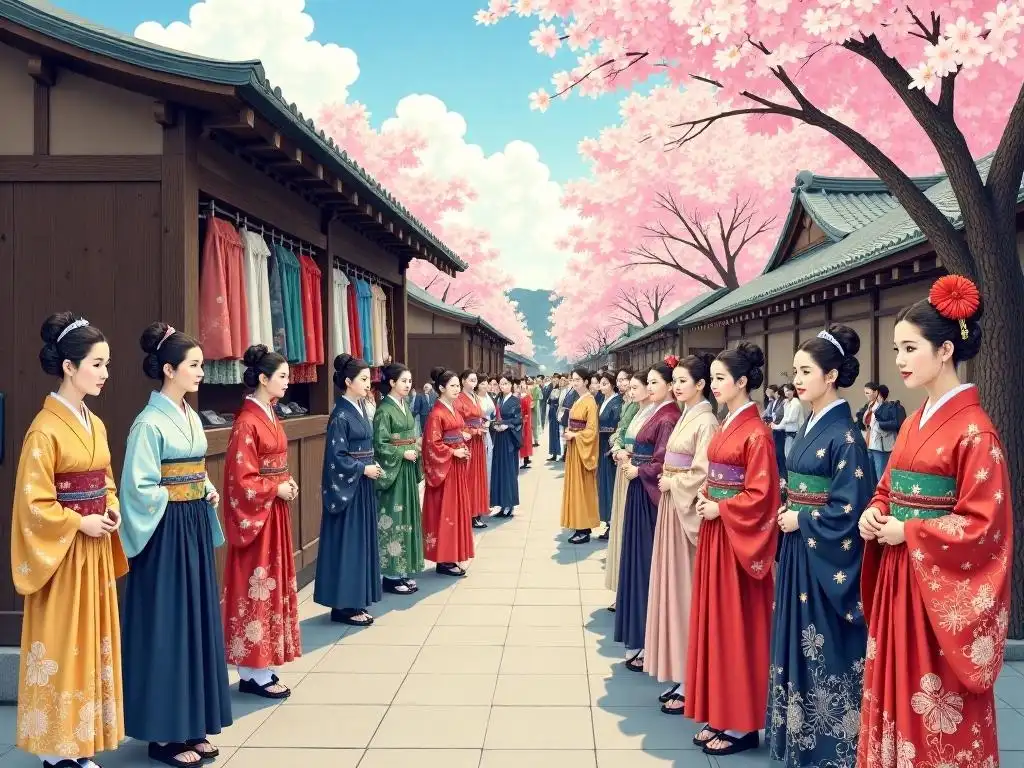
Welcome to Feudal Japan History, where we invite you to embark on an enlightening journey through the intricate tapestry of Japan’s feudal era. In this realm of historical depth and cultural richness, our featured article dives into the often-overlooked yet vital role of women in Japanese trade history. Discover how these remarkable women shaped not only commerce but also the very fabric of foreign relations with Korea and China. What secrets lie behind their contributions? Join us as we unravel their stories and explore the profound impact they had on trade dynamics. Your exploration begins now!
Introduction to Women in Japanese Trade History
The contributions of women in Japanese trade history, particularly during the feudal era, represent a vital yet often overlooked aspect of economic activities. While much of the historical narrative has centered on male figures and their roles in trade, women played a significant part in shaping the economic landscape of Japan, especially in the context of commerce with neighboring Korea and China.
This exploration aims to illuminate the roles women undertook in trade, shedding light on their influence in various economic activities, from informal market exchanges to formal trade agreements. Understanding these contributions not only enriches our comprehension of Japan’s feudal era but also challenges traditional perceptions of gender roles in economic spheres.
Overview of Gender Roles in Feudal Japan
In feudal Japan, gender roles were deeply entrenched within societal norms, dictating the responsibilities and opportunities available to women. Generally, women were relegated to domestic roles, managing households and raising children. However, this simplified view overlooks the complexities of their involvement in trade and commerce.
- Household Management: Women often managed family businesses, particularly in the context of small-scale trade.
- Market Participation: Many women engaged in local markets, selling goods ranging from textiles to foodstuffs.
- Cultural Exchange: Women also played a role in cultural exchanges that facilitated trade, acting as intermediaries between different communities.
Despite societal constraints, women demonstrated resilience and adaptability, carving out spaces for themselves within the economic framework of their time.
Importance of Women in Economic Activities
The significance of women in economic activities during Japan's feudal era cannot be understated. Their contributions were instrumental in sustaining local economies and fostering trade relationships with Korea and China.
- Economic Agents: Women acted as key economic agents, particularly in rural areas where they engaged in agricultural production and trade.
- Craftsmanship and Trade: Skilled women artisans produced goods that were highly sought after in both domestic and international markets.
- Networking: Women often established networks that facilitated trade routes, helping to connect different regions and communities.
The active participation of women in these economic activities underscores their critical role in shaping the trade dynamics of the era.
Historical Context of Trade Relations
Understanding the historical context of trade relations between Japan, Korea, and China provides a backdrop for examining the contributions of women in commerce. These relationships were characterized by a rich tapestry of cultural exchanges, economic dependencies, and shifting political landscapes.
Evolution of Trade with Korea and China
The trade relationships between Japan and its neighbors, Korea and China, evolved significantly over the centuries. Initially rooted in the exchange of goods such as ceramics and textiles, these trade routes expanded as diplomatic relations developed.
- Early Interactions: The earliest trade interactions were primarily informal, with women often acting as facilitators of these exchanges.
- Formal Trade Agreements: As Japan established more formalized trade agreements, women's roles began to shift, influenced by changing political and economic climates.
- Impact of Cultural Exchange: Cultural exchanges facilitated by women contributed to the diversification and expansion of trade goods, enhancing Japan's economic landscape.
This evolution highlights the dynamic nature of trade relations and the integral part women played in its development.
Societal Structures Influencing Gender Roles in Trade
The societal structures of feudal Japan significantly influenced the roles women occupied within trade. Understanding these structures is crucial to appreciate the context in which women operated.
- Class Distinctions: Social class often dictated the extent of women’s involvement in trade, with merchant class women having more opportunities than those from peasant backgrounds.
- Legal Restrictions: Legal frameworks imposed restrictions on women’s rights to own property and engage in trade, yet many navigated these obstacles creatively.
- Cultural Norms: Cultural norms surrounding femininity and masculinity shaped perceptions of women’s capabilities in economic activities, often relegating them to the shadows of historical narratives.
By examining these societal structures, we gain insight into the complexities of women’s roles in trade and their enduring impact on Japan’s economic history.
Women's Roles in Japanese Trade History
In the context of Japanese trade history, women have played a significant yet often overlooked role. While traditional narratives frequently highlight male merchants and samurai, women participated actively in trade, particularly during the Edo period (1603-1868). They were involved in various economic activities, ranging from managing family businesses to engaging in textile production and retail. Women’s contributions were crucial to local economies and facilitated the exchange of goods not just within Japan but also with Korea and China.
Women in Japanese trade history were often responsible for the day-to-day operations of family-run shops and markets. They took on roles as traders, artisans, and peddlers, which illustrates their adaptability and resourcefulness in navigating a male-dominated economic landscape. The historical records indicate that women, particularly in merchant families, were educated in business practices, enabling them to manage finances and negotiate trade deals effectively. This active involvement challenges the conventional view of gender roles during the feudal era and highlights the importance of women in the economic development of Japan.
Key Contributions of Women in Commerce
Women contributed to Japanese trade history through various avenues, significantly impacting local and international commerce. One of their primary contributions was in the textile industry, where women produced silk and cotton goods that were in high demand both domestically and abroad. This not only provided them with economic independence but also positioned them as crucial players in the trade networks extending to Korea and China.
Additionally, women played a vital role in the production and sale of traditional crafts such as pottery, lacquerware, and paper. Their expertise in these areas allowed them to participate in trade fairs and markets, where they sold directly to consumers or intermediaries. By managing these trades, women helped sustain their families and contribute to the local economy.
Moreover, women were instrumental in the establishment of trade routes. They often acted as intermediaries, using their social networks to facilitate trade relationships with neighboring countries. This role was particularly important in cross-cultural exchanges, where women could leverage their familial ties to negotiate trade agreements and foster diplomatic relationships.
Prominent Female Figures in Trade
Throughout history, several women have emerged as notable figures in Japanese trade. One such figure is Murasaki Shikibu, who, although primarily known for her literary contributions, also engaged in trade activities through her family connections. Her work in the Heian period allowed her to influence the cultural aspects of trade, particularly in terms of literature and poetic exchanges that were often commodities themselves.
Another prominent figure is Hana Shōten, a 17th-century merchant who expanded her family's trading business by forging connections with Chinese and Korean traders. Her ability to navigate the complexities of international trade, while also managing her household, showcases the dual roles many women held.
These historical figures serve as examples of how women were not only participants but also leaders in trade, demonstrating their adaptability and influence in a rapidly changing economic landscape.
Case Studies of Women's Involvement in Trade
Examining specific case studies provides deeper insights into women's roles in Japanese trade history. For example, the Okinawan trade women known as "Tōhō" were integral in the export of sugar and textiles to Japan and China in the 16th century. They effectively managed trade routes and established networks that facilitated the commercial exchange between the islands and the mainland.
Another notable case is that of the Kōbō Shōten, a family business run by women that specialized in kimono production and trade. This enterprise thrived during the Edo period, showcasing how women could build successful businesses and engage with broader markets despite societal constraints.
These case studies highlight the diverse ways women contributed to trade, challenging the perception that commerce was solely a male domain.
Cultural Influences on Women's Participation in Trade
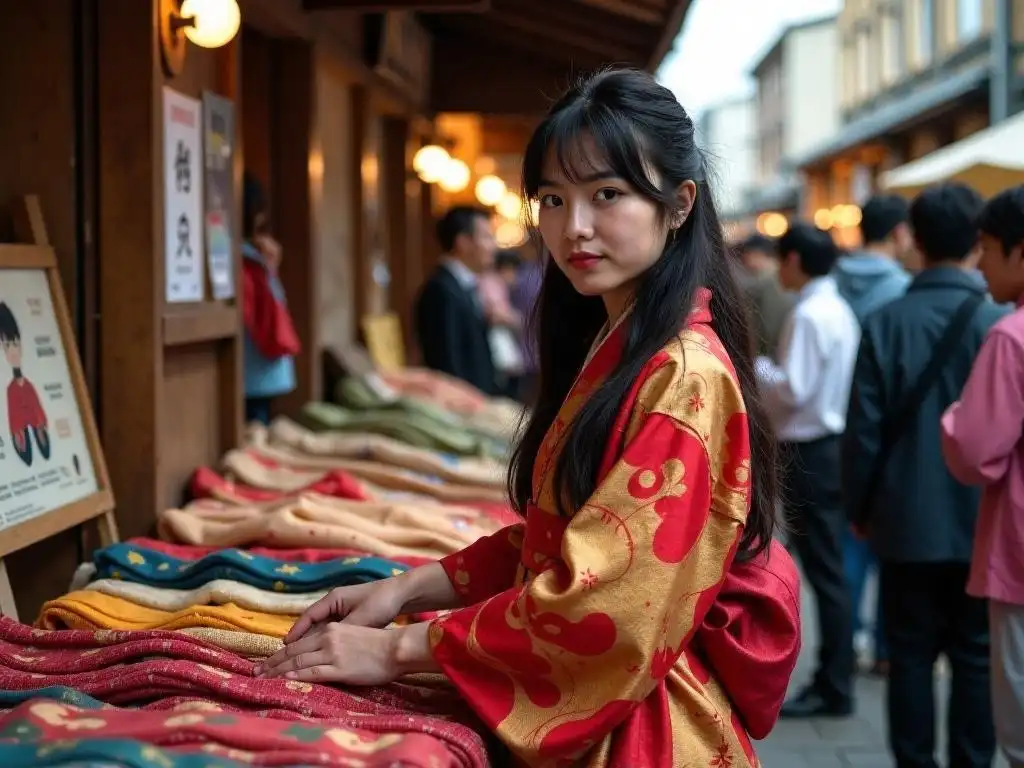
The cultural context of feudal Japan significantly shaped women's roles in trade. Understanding these influences is essential to appreciate the complexities surrounding gender and commerce during this era.
Traditional Gender Expectations and Economic Roles
Traditional Japanese society placed women in a subordinate position, primarily responsible for household duties. However, these expectations did not wholly restrict their economic participation. Many women found ways to engage in trade while adhering to societal norms. Their roles often blended domestic responsibilities with commercial activities, as they managed family businesses from their homes or participated in local markets.
The duality of their roles allowed women to carve out a space in the economic landscape, challenging traditional gender norms while fulfilling societal expectations. This balance of responsibilities often led to women becoming key economic players in their communities.
Impact of Confucianism on Women’s Trade Activities
Confucianism, which heavily influenced Japanese society, promoted patriarchal values and prescribed strict roles for women. The emphasis on familial loyalty and domesticity often relegated women to supportive roles in trade rather than primary decision-makers. However, the practical necessities of trade sometimes forced a reevaluation of these roles.
In regions where trade was essential for survival, women often assumed more prominent positions, negotiating and trading in ways that contradicted Confucian ideals. The coexistence of these cultural values and the need for economic participation created a unique environment where women could assert their influence, albeit within the constraints imposed upon them.
The exploration of women's contributions to trade in Japanese history reveals a rich tapestry of involvement that challenges traditional narratives. By recognizing their roles, we gain a more comprehensive understanding of the economic history of Japan and the significant impact women had on trade relations with Korea and China.
Economic Contributions of Women
Women played a pivotal role in the economic landscape of feudal Japan, particularly in the realm of trade with Korea and China. Their contributions were not merely ancillary; they were integral to the survival and expansion of trade networks. Women engaged in various commercial activities, from managing household finances to directly participating in trading operations. This dual role allowed them to influence economic decisions both at home and in broader trade contexts.
In urban areas, women often operated as merchants, selling goods ranging from textiles to food products. In rural settings, they contributed by producing items for trade, such as pottery and handicrafts. The economic contributions of women extended beyond mere participation in trade; they also helped establish the social networks necessary for commerce. Through familial and social connections, women facilitated transactions and negotiations, thereby enhancing local economies.
Women as Merchants and Traders
Historically, women held significant positions as merchants and traders in Japan’s feudal society. They were actively involved in the retail market, often running shops or engaging in street vending. Women in merchant families were educated in trade practices, which equipped them with the necessary skills to manage businesses effectively. Many women inherited businesses from their fathers or husbands, ensuring continuity within trade families.
In addition to domestic trade, women also played a role in international commerce, particularly in dealings with Korea and China. They engaged in the import and export of goods such as silk, ceramics, and spices. Some women, known as "kōnin," became well-respected traders who crossed cultural boundaries to facilitate commerce. Their ability to navigate different cultural contexts made them invaluable assets in trade negotiations.
The Influence of Women on Supply Chains
Women were instrumental in shaping supply chains during the feudal era. Their roles extended beyond direct trade to encompass the entire process of production and distribution. In many cases, women were involved in the agricultural sector, producing goods that were later traded. This involvement was crucial in ensuring that the supply of goods met the demands of both local and international markets.
Furthermore, women managed logistics, coordinating the movement of goods and ensuring timely deliveries. Their intimate knowledge of local markets allowed them to identify trends and adjust supply accordingly. This adaptability made women key players in the efficiency of trade networks, influencing pricing and availability of goods.
Women’s Role in Local and International Markets
In local markets, women established themselves as essential figures, often holding stalls in bustling marketplaces where they sold their goods. They often specialized in specific products, leveraging their knowledge to attract customers. This specialization not only helped them succeed but also enriched the local economy by diversifying available goods.
On the international stage, women were often the bridge between cultures. They facilitated trade with neighboring countries such as Korea and China, navigating the complexities of language and customs. Their ability to communicate and build relationships across cultural lines was critical in establishing trust and securing favorable trading terms. Women traders not only contributed economically but also fostered cultural exchange, influencing the spread of ideas and practices across borders.
Challenges Faced by Women in Trade
Despite their significant contributions, women in feudal Japanese trade faced myriad challenges. The societal expectations of women often limited their opportunities in commerce, and they had to navigate a landscape rife with obstacles.
Societal and Legal Barriers
Women encountered numerous societal barriers that restricted their participation in trade. Traditional gender roles often confined women to domestic spheres, limiting their mobility and independence. Legal frameworks also posed challenges; women had limited rights regarding property ownership and business operations. In many cases, they had to rely on male relatives to act as proxies in business dealings, which diminished their autonomy and decision-making power.
The intersection of gender and class further complicated women's roles in trade. While women from merchant families might enjoy slightly more freedom, those from lower classes faced harsher restrictions. Their economic contributions were often overlooked, and their work undervalued, reinforcing existing gender inequalities in the trade sector.
Gender Discrimination in Commercial Practices
Gender discrimination was prevalent in commercial practices during feudal Japan. Male traders often dominated market spaces, and women faced bias that questioned their credibility and capabilities. This discrimination manifested in various forms, including lower prices for goods sold by women and exclusion from certain trade networks.
Moreover, the perception of women as less competent traders created additional hurdles. Male counterparts frequently received preferential treatment, securing better deals and access to resources. Women had to work harder to establish their reputations and prove their worth in a male-dominated trade environment.
Coping Mechanisms and Strategies of Women Traders
To navigate the challenges they faced, women employed various coping mechanisms and strategies. Many formed alliances with other women traders, creating networks of support that allowed them to share resources and information. These networks were crucial for pooling knowledge and negotiating better trading terms.
Additionally, women often relied on their familial relationships to bolster their positions in trade. By leveraging connections with male relatives or influential community members, they could gain access to markets and opportunities that would otherwise be unavailable to them.
Resilience was key for women traders. They adapted to changing market conditions and found innovative ways to market their goods. This adaptability not only ensured their survival in the trade sector but also laid the groundwork for future generations of women in commerce. Through their contributions, women played a vital role in shaping Japan’s trade history, leaving a legacy that continues to influence modern commerce.
Changing Dynamics in Gender Roles within Trade
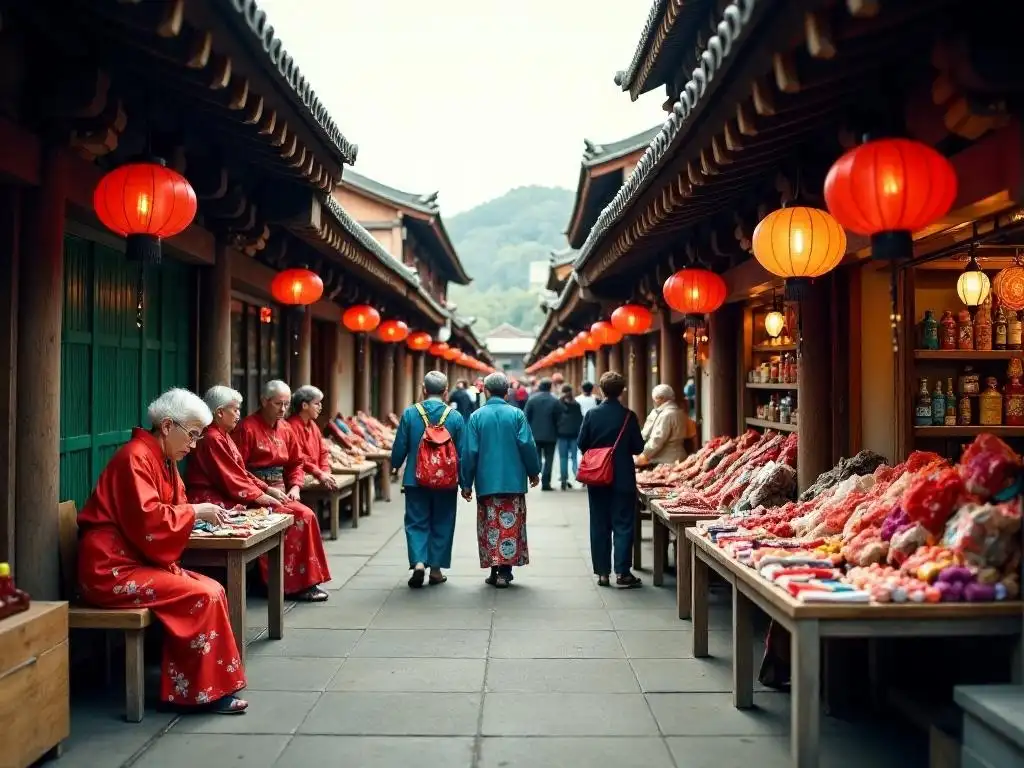
The role of women in trade during the feudal era of Japan, Korea, and China underwent significant transformations, reflecting broader societal changes and evolving economic needs. Traditionally, women were often relegated to domestic roles, but as trade expanded, their contributions became increasingly vital. Women began to navigate the complexities of commerce, not only within their communities but also across borders. Their involvement ranged from managing family businesses to participating in trade guilds, marking a shift in how gender roles were perceived in the economic sphere.
As the demand for goods grew, women started to play crucial roles as traders, artisans, and even negotiators. Their participation was not merely a byproduct of necessity; it was a recognition of their skills and the unique perspectives they brought to trade practices. This evolution in gender dynamics illustrates a broader narrative of empowerment and agency among women during a time when societal norms often constrained their opportunities.
Transformation of Women's Roles Over Time
Historically, the roles of women in trade were influenced by various factors, including class, region, and the prevailing socio-political climate. In Japan, during the Edo period (1603-1868), women started to emerge as significant players in local markets and the burgeoning urban economies. They engaged in the sale of textiles, food, and artisan crafts, often working alongside male family members. The establishment of merchant families allowed women to assume roles that were previously dominated by men, particularly in the management of family businesses and finances.
In Korea, women also contributed to trade through their involvement in agriculture and handicrafts. The introduction of new trade routes with China opened opportunities for women to engage in cross-border commerce. Their ability to produce goods that were in high demand, such as silk and pottery, positioned them as vital contributors to the economy.
In China, during the Ming and Qing dynasties, women were actively involved in household economies, which often extended to trade. The rise of female merchants, particularly in coastal cities, exemplified the changing landscape of commerce. Women not only participated in trade but also played a role in financial management, such as lending and borrowing, which was critical for sustaining commerce.
Modern Perspectives on Women in Japanese Trade History
Today, historians and scholars are reassessing the contributions of women in Japanese trade history, recognizing their roles as essential to the economic fabric of society. This reevaluation has highlighted the importance of female traders, not only as participants in commerce but as agents of cultural exchange and social change.
Modern perspectives emphasize the intersectionality of gender, class, and ethnicity in understanding women's roles in trade. As researchers delve into historical records and personal accounts, they uncover the diverse experiences of women across different regions and periods. This scholarship sheds light on the complexities of their contributions, revealing how women adapted to and shaped the trade landscape amidst societal constraints.
Furthermore, contemporary discussions around gender equity in economics often draw parallels with historical practices, highlighting the need to acknowledge and integrate women's contributions into broader narratives of trade and commerce. This insight fosters a greater appreciation for the legacy of female traders and their enduring impact on today's economic systems.
Conclusion: Legacy of Women in Japanese Trade
Summary of Key Contributions
The legacy of women in Japanese trade history is marked by resilience, innovation, and adaptability. From managing family businesses in local markets to engaging in cross-border trade with Korea and China, women played a pivotal role in shaping the economic landscape of their time. Their contributions included:
- Market Management: Women effectively managed family businesses and local markets, ensuring the successful operation of trade activities.
- Artisan Production: Many women were skilled artisans, producing textiles and crafts that were highly sought after in both domestic and international markets.
- Cultural Exchange: As traders, women facilitated cultural exchanges, bringing diverse goods and ideas into their communities, thus enriching societal practices.
These contributions not only bolstered local economies but also laid the groundwork for future generations of women in commerce.
The Continuing Impact of Female Traders on Contemporary Commerce
The influence of female traders from Japan's feudal era continues to resonate in contemporary commerce. Today, women remain at the forefront of various industries, contributing to economic growth and innovation. Their historical involvement in trade serves as a powerful reminder of women's enduring resilience and adaptability in the face of challenges.
In modern commerce, the lessons learned from the past inspire current efforts to promote gender equality in business. Women entrepreneurs today are increasingly recognized for their contributions to economic development, drawing on the legacy of their predecessors. Initiatives aimed at supporting female entrepreneurs echo the historical significance of women in trade, fostering a more inclusive economic landscape.
As we reflect on the contributions of women in Japanese trade history, it becomes clear that their legacy shapes not only the past but also the future of commerce, advocating for a more equitable and diverse economic environment for generations to come.
References and Further Reading
The study of women's contributions to trade in feudal Japan, particularly in relation to Korea and China, is a nuanced topic that has garnered attention from various scholars. This section provides a curated list of recommended books, articles, and online resources that offer in-depth insights into the role of women in Japanese trade history.
Recommended Books and Articles on Women in Japanese Trade History
-
"Women and Commerce in Japan: 1600–1900" by Mona K. Baker
This book examines the intricate roles women played in the commercial landscape of Japan from the Edo period to the Meiji Restoration, highlighting their impact on trade networks.
-
"Gender and Commerce in Japan: The Cultural Politics of Trade" by Takashi N. Yamaguchi
Yamaguchi's work focuses on the intersections of gender, commerce, and culture, exploring how women's roles in trade were perceived and constructed within society.
-
"The Role of Women in Japanese Trade with Korea and China" (Journal Article)
This scholarly article delves into specific case studies of women involved in trade during the Kamakura and Muromachi periods, illustrating how their contributions shaped economic exchanges.
-
"Merchant Women of Japan: A Historical Perspective" by Shikiko Tanaka
Tanaka provides a comprehensive overview of the lives of merchant women, their family roles, and their influence on trade practices across Japan, Korea, and China.
-
"Women's Trade Networks in Early Modern Japan" by Hiroko Matsumoto
This article discusses the informal trade networks established by women and how they operated within the male-dominated commercial sphere, including cross-border trade with neighboring nations.
Online Resources for Further Exploration of Gender Roles in Commerce
-
National Diet Library of Japan
The digital collections of the National Diet Library contain historical documents and resources that provide insights into women's roles in trade during different periods of Japanese history.
-
Women in Japanese History: A Scholarly Resource
This online database compiles various articles, essays, and historical documents that focus on the contributions of women in various sectors, including commerce.
-
Digital Museum of Women in Japan
An interactive platform that showcases the achievements of women in Japanese history, highlighting their roles in trade and economy through virtual exhibitions and educational materials.
-
Asian Studies Association of Australia
The association’s website offers access to conferences, papers, and publications focused on Asian studies, including topics on gender roles in commerce across Japan, Korea, and China.
-
Japan Focus: The Asia-Pacific Journal
This online journal publishes articles on various aspects of Japanese history, including gender studies and economic history, providing a platform for contemporary scholarship.
These resources serve as a foundation for anyone looking to further understand the significant yet often overlooked contributions of women in Japanese trade history, particularly in the context of relations with Korea and China.
- Introduction to Women in Japanese Trade History
- Historical Context of Trade Relations
- Women's Roles in Japanese Trade History
- Cultural Influences on Women's Participation in Trade
- Economic Contributions of Women
- Challenges Faced by Women in Trade
- Changing Dynamics in Gender Roles within Trade
- Conclusion: Legacy of Women in Japanese Trade
- References and Further Reading
- What were the roles of women in Japanese trade during the feudal era?
- How did societal norms affect women's involvement in trade?
- Were women involved in trade with other countries, such as Korea and China?
- What impact did women have on the economy during the feudal period?
- How has the perception of women in trade evolved over time?
Frequently Asked Questions
What were the roles of women in Japanese trade during the feudal era?
Women played crucial roles in Japanese trade, often managing family businesses and participating in local markets. Their contributions were essential in maintaining economic stability during feudal times.
How did societal norms affect women's involvement in trade?
Societal norms often restricted women's roles, but many still found ways to engage in commerce. Women were sometimes viewed as key facilitators in trade, especially in the management of family-run enterprises.
Were women involved in trade with other countries, such as Korea and China?
Yes, women in Japan participated in trade with Korean and Chinese merchants, contributing to the cultural exchange and economic ties between these regions. Their involvement was often overlooked but significant.
What impact did women have on the economy during the feudal period?
Women's contributions to trade had a significant economic impact, as they helped sustain local markets and facilitated the flow of goods. Their involvement ensured that the economic fabric of society remained strong.
How has the perception of women in trade evolved over time?
The perception of women's roles in trade has shifted from overlooked to increasingly recognized. Modern historians now emphasize their contributions and significance in trade history, highlighting their importance in shaping Japan's economy.
Final Reflection: Recognizing Women's Vital Role in Japanese Trade History
The contributions of women in Japanese trade history are not only significant but also essential to understanding the broader narrative of commerce in East Asia. As we delve into the rich tapestry of trade between Japan, Korea, and China, it becomes increasingly clear that women's roles have often been overlooked yet remain pivotal in shaping economic landscapes. This recognition is crucial today, as we strive for a more inclusive understanding of history that honors the diverse contributions of all individuals.
The impact of women's involvement in trade transcends mere economic contributions; it has fostered cultural exchanges and social transformations that continue to resonate in contemporary society. Women have historically navigated the complexities of trade networks, breaking barriers and establishing connections that laid the groundwork for future generations. As we reflect on this legacy, we are reminded of the words of historian Joan Wallach Scott: Gender is a primary way of signifying relationships of power.
This insight underscores the importance of acknowledging women's roles not just as participants but as influential agents within the trade narrative.
As we look to the future, let us commit to amplifying the voices and stories of women in Japanese trade history. I invite you to explore the contributions of women in your own field or community, recognizing the often-unseen labor that drives progress and innovation. By honoring these stories and advocating for inclusivity, we can create a richer, more equitable narrative that celebrates the diverse tapestry of our shared history. Together, let us ensure that the legacy of women in trade is not only remembered but also celebrated and built upon for generations to come.
Celebrate and Advocate for Women in Trade!
Thank you for exploring the significant contributions of women to the commerce of Japan, Korea, and China! Your interest enhances our understanding of gender roles in trade history, highlighting the resilience and achievements of these remarkable women. Now, it’s time to take action and further support this empowering narrative.
- Share this article with friends, family, or on social media to illuminate the often-overlooked impact of women in trade.
- Engage with our community by joining discussions in the comments section; your insights and questions could inspire others!
- Explore related resources available on our site to deepen your knowledge and connect with advocacy efforts celebrating women's contributions in trade.
How do you believe that understanding women’s roles in trade can reshape our perspective on historical commerce and its relevance today?