
The Enigma of the Namban Trade: Western Influence through East Asian Relations

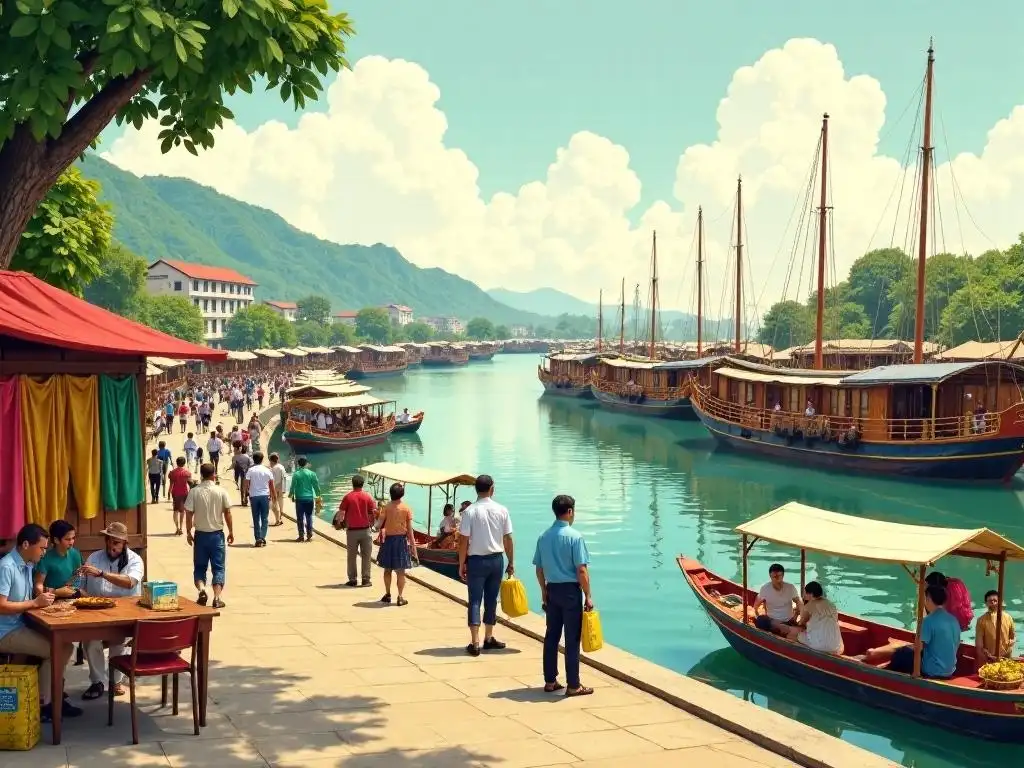
Welcome to Feudal Japan History, where we embark on an intriguing journey through the captivating tapestry of Japan’s feudal era. Dive deep into the Namban trade historical significance, a phenomenon that not only reshaped Japan’s economic landscape but also marked the beginning of profound cultural exchanges between East and West. What secrets did the arrival of foreign traders unveil, and how did these interactions influence Japan's identity? Join us as we unravel the enigma of the Namban trade and its lasting impact on Japan’s foreign relations. Your adventure into the past begins here!
Introduction to Namban Trade Historical Significance
The Namban trade, often shrouded in layers of historical complexity, marks a pivotal chapter in Japan's feudal era, revealing the intricate tapestry of interactions between Japan and Western nations during the 16th and 17th centuries. This period not only catalyzed economic exchanges but also facilitated cultural and technological influences that would shape Japan's trajectory for centuries to come.
As merchants from Portugal, Spain, and later the Dutch and English navigated Japanese waters, they brought with them a wealth of goods, ideas, and cultural practices that would leave a lasting imprint on Japanese society. Understanding the historical significance of the Namban trade is crucial to grasp the broader narrative of Japan's foreign relations, particularly in the context of its interactions with neighboring East Asian countries like Korea and China.
The Context of East Asian Trade Relations
The landscape of trade in East Asia during Japan's feudal period was marked by a complex network of relationships that transcended mere commerce. The Namban trade emerged against this backdrop, where the dynamics of trade were shaped by both regional and global forces.
Overview of Trade Dynamics in Feudal Japan
In feudal Japan, trade was not just an economic activity but a vital component of political and social life. The emergence of the Namban trade can be traced back to several key developments:
- Emergence of the Sengoku Period: The Sengoku, or "Warring States," period (1467–1603) fostered a climate of competition among daimyōs (feudal lords), leading to increased demand for foreign goods and weapons.
- Introduction of European Goods: The arrival of Western traders introduced a variety of commodities, including firearms, textiles, and new agricultural products, which transformed local markets and consumption patterns.
- Cultural Exchange: This era witnessed a remarkable exchange of ideas, where Western religion, philosophy, and science began to permeate Japanese society, influencing local customs and practices.
The interplay of these factors underlines the significance of the Namban trade, not only as a commercial enterprise but also as a conduit for cultural transformation.
The Role of Korea and China in Namban Trade
Korea and China were not merely passive observers in the Namban trade; their roles were critical in shaping the trade dynamics between Japan and the West.
- Korean Intermediaries: Korea acted as a crucial intermediary, facilitating trade routes and cultural exchanges. The Korean peninsula was instrumental in the transfer of goods and ideas between Japan and China, making it a vital player in the regional trade network.
- Chinese Influence: China, being a dominant power in East Asia, significantly impacted Japan's foreign trade policies and practices. The trade of silk, porcelain, and other luxury items with China established Japan's economic capacity and desire for foreign goods.
- Diplomatic Relations: The interactions with Korea and China also set the stage for Japan's own diplomatic strategies, influencing how it engaged with Western powers during the Namban period.
The Namban trade serves as a fascinating lens through which to explore Japan's historical significance in the context of foreign relations, particularly with its East Asian neighbors. The intricate web of trade, cultural exchange, and political maneuvering during this time laid the groundwork for the future of Japan as it navigated its place in a rapidly changing world.
Historical Background of Namban Trade
The Namban trade refers to the interactions and commerce between Japan and European traders, primarily the Portuguese and Spanish, during the late 16th and early 17th centuries. This era marked a significant shift in Japan's foreign relations, as it opened the door to Western influence and commodities that were previously unknown in the archipelago.
The term "Namban," meaning "Southern barbarian," was used by the Japanese to describe these foreign traders, who entered Japan through the southern islands. The arrival of these Europeans not only facilitated trade but also introduced new cultural dynamics and ideas that would leave a lasting impact on Japanese society.
During this period, Japan was still in the midst of a tumultuous transition, moving away from the Sengoku period of civil wars toward the unification under the Tokugawa shogunate. It was a time characterized by a desire for stability and the consolidation of power, which made the new foreign relationships both intriguing and complex. The Namban trade can therefore be seen as a catalyst for change, intertwining Japan's historical narrative with that of Europe in ways that were previously unimaginable.
The Arrival of the Portuguese and Spanish Traders
The initial contact with European traders began in 1543 when a Portuguese ship, blown off course, landed on the island of Tanegashima. This event marked the first recorded arrival of Europeans in Japan. The Portuguese, eager to establish trade routes, quickly recognized the potential of Japan's markets for various goods, including silk, spices, and precious metals. Following the Portuguese, Spanish traders also sought to engage with Japan, particularly through their colonies in the Philippines.
Both groups of traders brought with them not only goods but also new technologies and ideas. The introduction of firearms, for instance, had a profound effect on Japanese warfare, altering strategies and even influencing the political landscape. The enthusiasm for trade was met with curiosity from the Japanese, leading to a relatively open attitude toward these foreign merchants initially. This openness allowed for a rich exchange of culture, religion, and technology, laying the groundwork for the complex interactions that would follow.
Early Encounters: Cultural Exchange and Influence
The Namban trade was characterized by significant cultural exchange between Japan and the West. The influx of European traders brought new ideas, customs, and religious beliefs, notably Christianity, which made its way into Japanese society during this period. Jesuit missionaries, particularly those led by Francis Xavier, played a crucial role in introducing Christianity to Japan. They not only sought to convert the Japanese but also documented the culture and society of their hosts.
This cultural exchange was not one-sided; Japanese artisans and intellectuals were also influenced by Western ideas. The introduction of Western painting techniques, for example, led to the development of unique styles in Japanese art. Additionally, the fascination with foreign goods resulted in the production of Namban art, a genre that depicted Westerners in Japan, showcasing the blending of cultural elements.
The Evolution of Namban Trade Routes
The Namban trade routes evolved significantly over the decades as the demand for Japanese products, such as silver and textiles, grew in Europe. Initially, trade was conducted through direct exchanges in port cities like Nagasaki, which became the primary hub for Namban trade. The Portuguese established a trading post there, which later attracted Spanish traders as well.
As trade expanded, the routes became more complex, incorporating regional networks that connected Japan with Southeast Asia and beyond. This network facilitated not only the exchange of goods but also the movement of ideas and cultural practices across borders. The Namban trade routes thus reflect a significant chapter in Japan’s history, emphasizing the interconnectedness of global trade even in the 16th century.
Key Features of Namban Trade
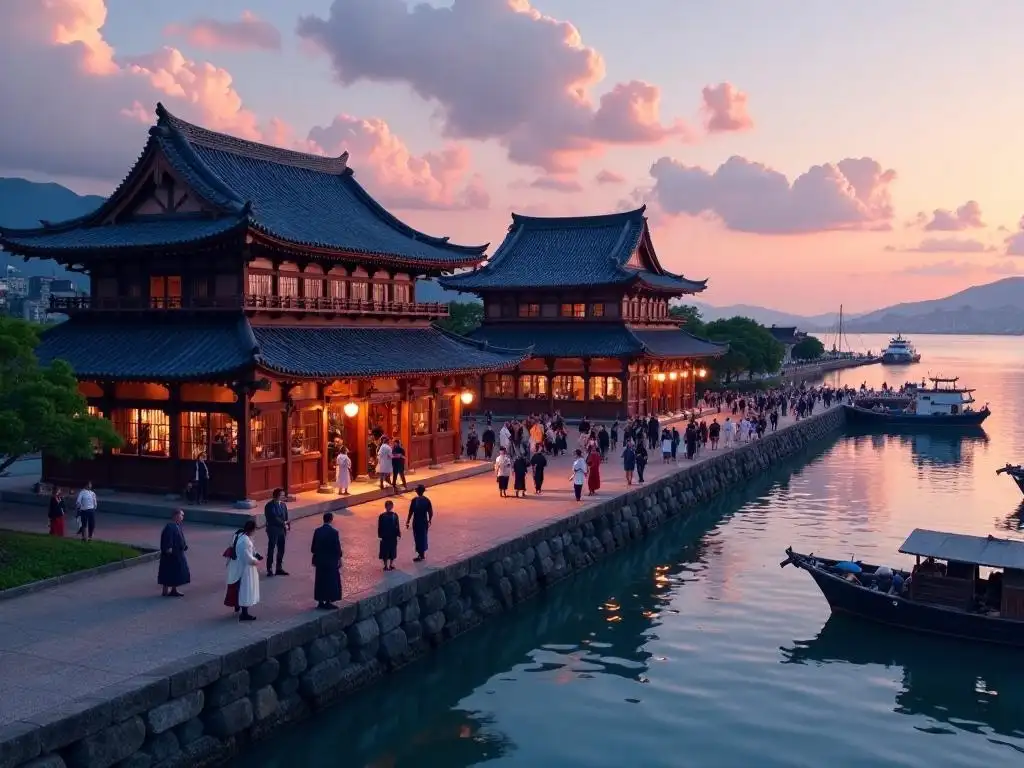
Goods Traded during the Namban Period
The Namban trade was marked by a diverse array of goods exchanged between Japan and Europe. From the Japanese perspective, valuable exports included:
- Silk and Textiles: Highly sought after in European markets.
- Precious Metals: Japan's abundant silver became a major export, particularly to China and Europe.
- Ceramics and Artwork: Japanese craftsmanship gained international acclaim.
Conversely, Europeans introduced a variety of goods to Japan, including:
- Firearms and Gunpowder: Revolutionizing Japanese warfare.
- Tobacco: Quickly became a popular commodity in Japan.
- Wine and Spirits: Introduced new culinary practices and preferences.
This exchange of goods not only catered to the material needs of both parties but also enhanced cultural appreciation and innovation.
Influence of Western Technology and Ideas
The introduction of Western technology during the Namban trade had a transformative effect on Japanese society. The most notable impact was in the area of military technology, particularly with the adoption of firearms. The Japanese quickly adapted these weapons and integrated them into their warfare practices, which ultimately influenced the power dynamics within Japan.
Additionally, Western navigational techniques and shipbuilding methods led to advancements in Japanese maritime capabilities. This not only bolstered trade but also expanded Japan's reach in terms of exploration and interaction with other nations. The exchange of ideas extended beyond technology; philosophical and scientific ideas from the West began to permeate Japanese thought, contributing to the gradual modernization of Japanese society.
The Impact on Japanese Art and Culture
The Namban trade significantly influenced Japanese art and culture, giving rise to a unique genre known as Namban art. This style often depicted Western figures, such as traders and missionaries, in a manner that combined Japanese artistic techniques with European aesthetics. Artists like Kano Naonobu created works that reflected this cultural amalgamation, showcasing the fascination with foreign subjects and styles.
Moreover, the introduction of Western themes and materials paved the way for the evolution of various art forms, including ceramics and textiles that incorporated European designs. The cultural exchange also fostered an interest in Western literature and philosophy, which began to find a place in Japanese intellectual circles.
The Namban trade was not merely an exchange of goods; it represented a profound shift in Japan's cultural landscape, influencing art, technology, and societal values in ways that would resonate for centuries to come.
The Societal Impact of Namban Trade
The Namban trade, which refers to the interaction and exchange between Japan and Western nations, particularly the Portuguese and Spanish, during the 16th and 17th centuries, significantly influenced various facets of Japanese society. This period marked a transformative era characterized by the introduction of new goods, ideas, and cultural norms that reshaped Japan's traditional societal structures.
The arrival of Western merchants brought not only exotic products such as tobacco, textiles, and firearms but also new technologies and knowledge that would have lasting implications for Japan's development. The societal dynamics began to shift as these influences permeated various aspects of life, leading to changes in everyday practices, social hierarchies, and cultural expressions.
Changes in Japanese Society due to Western Influence
The infusion of Western culture through the Namban trade initiated profound changes within Japanese society. One of the most significant changes was the introduction of firearms, which altered the nature of warfare and power dynamics among the feudal lords (daimyōs). With the advent of gunpowder weaponry, traditional samurai combat techniques evolved, leading to new military strategies and changing the balance of power among competing factions.
Moreover, the exposure to Western philosophies, art styles, and scientific knowledge began to challenge and enrich Japan's existing cultural paradigms. For instance, Western painting techniques and styles influenced Japanese artists, leading to the development of new genres and aesthetics. The incorporation of Western ideas into the fabric of Japanese society also spurred debates about modernity, governance, and international relations that would resonate through subsequent centuries.
The Rise of the Merchant Class in Feudal Japan
As the Namban trade thrived, it catalyzed the emergence of a robust merchant class in Japan, fundamentally altering the socio-economic landscape. Unlike the samurai class, whose status was traditionally linked to land ownership and military service, the merchants gained wealth through trade, leading to a shift in societal values that began to prioritize commerce.
This rise of the merchant class challenged the rigid class system of feudal Japan, allowing for greater social mobility. Wealthy merchants began to sponsor cultural and artistic endeavors, contributing to the flourishing of urban culture and the development of cities like Nagasaki and Osaka as commercial hubs. The merchant's influence extended beyond economics, as their newfound status allowed them to engage in cultural patronage, further intertwining commerce with cultural development.
Namban Trade and Religious Exchange: Christianity’s Role
The Namban trade also facilitated significant religious exchanges, most notably the introduction of Christianity to Japan. Jesuit missionaries, arriving alongside traders, sought to spread their faith, leading to the establishment of Christian communities in various regions. The conversion efforts were initially met with success, resulting in thousands of Japanese adopting Christianity, drawn by its promises of spiritual salvation and social justice.
However, this religious exchange was not without conflict. The growing influence of Christianity raised concerns among Japanese authorities, leading to a crackdown on the faith by the Tokugawa shogunate in the early 17th century. The suppression of Christianity culminated in the persecution of Christians, reflecting the complexities of cultural exchange where the benefits of trade were often accompanied by tensions and societal challenges.
Namban Trade's Historical Significance
The Namban trade stands as a pivotal moment in Japan's history, with far-reaching implications that extended well beyond the immediate economic benefits. Its historical significance can be analyzed through various lenses, particularly focusing on its long-term effects on Japan's economic development, foreign relations, and cultural legacy.
Long-term Effects on Japan's Economic Development
In the long run, the Namban trade laid the groundwork for Japan's economic evolution. The introduction of Western trade practices and goods stimulated local markets and fostered competition among merchants. This increased commercial activity contributed to the growth of a cash economy, ultimately paving the way for a more integrated national economy.
Additionally, the technological innovations brought by Western traders—such as shipbuilding techniques and navigation improvements—enhanced Japan's maritime capabilities. This not only bolstered domestic trade but also positioned Japan favorably for future engagements with Western powers, leading to a more pronounced role in regional and global trade networks.
Influence on Japan's Foreign Relations Strategy
The engagements of the Namban trade period significantly influenced Japan's approach to foreign relations. The initial openness to Western influence gradually transformed into a more cautious stance as the Tokugawa shogunate sought to maintain control over foreign interactions. The duality of trade and cultural exchange, juxtaposed with the fear of colonialism and religious influence, led to policies that prioritized national sovereignty.
This complex relationship with the West during the Namban trade laid the foundations for Japan's later foreign policy decisions, particularly during the Meiji Restoration when Japan actively sought to modernize while navigating its identity in the context of global power dynamics.
The Legacy of Namban Trade in Modern Japan
The legacy of the Namban trade is embedded in modern Japan, where the cultural exchanges initiated during this period continue to resonate. The early interactions with Western countries fostered a unique blend of Eastern and Western influences that can be seen in contemporary Japanese art, cuisine, and philosophy.
Furthermore, the historical narrative of the Namban trade serves as a reminder of Japan's capacity for adaptation and resilience in the face of foreign influences. This period not only reshaped Japan's historical trajectory but also set the stage for its emergence as a significant player on the global stage, reflecting the intricate interplay of culture, commerce, and diplomacy that characterizes Japan's ongoing relationship with the world.
Conclusion: The Lasting Effects of Namban Trade
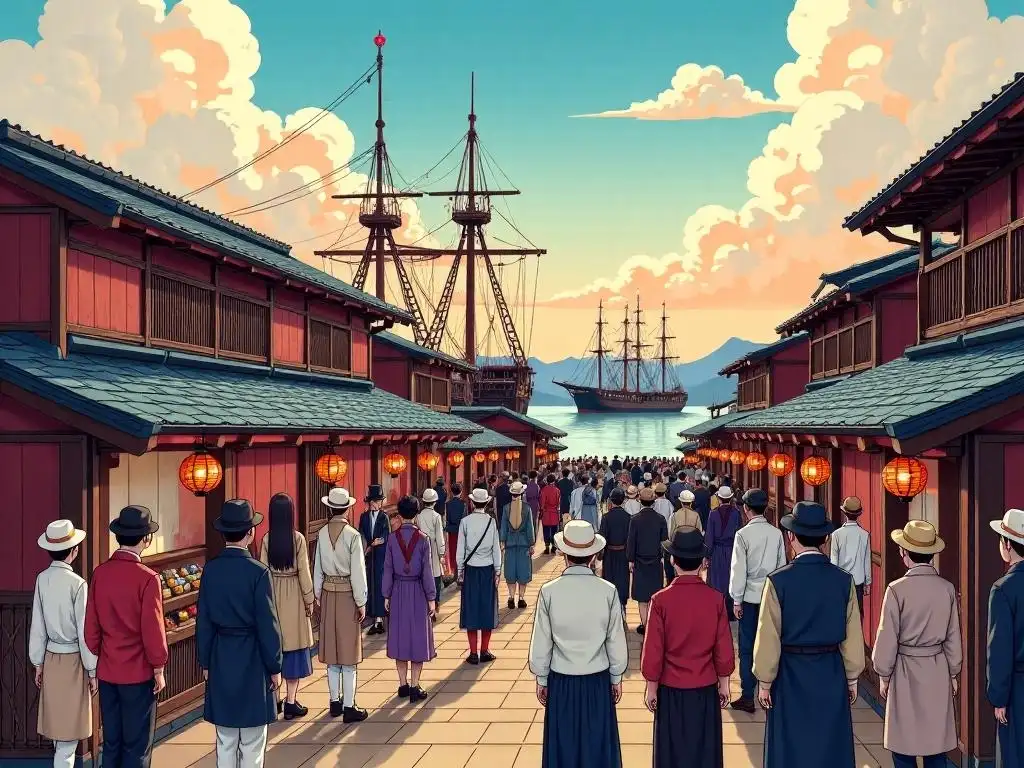
The Namban trade represents a pivotal chapter in Japan’s history, characterized by the influx of Western influence during the late 16th to early 17th centuries. This period not only facilitated the exchange of goods but also ideas, technologies, and cultural practices. Its lasting effects can be seen in various facets of Japanese society, including religion, art, and even cuisine.
The introduction of European goods, such as firearms and textiles, transformed the local economy and warfare strategies. Additionally, the Jesuit missionaries who accompanied traders brought Christianity to Japan, leading to significant cultural exchanges. However, as Japan moved towards isolation in the early Edo period, the Namban trade left a complex legacy that continued to influence Japan’s engagement with the West in subsequent centuries.
Summary of Key Points on Namban Trade Historical Significance
- Economic Transformation: The Namban trade introduced new products and trade routes, fostering economic growth and diversification in Japan.
- Cultural Exchange: Western art, literature, and religious beliefs entered Japan, enriching its cultural tapestry but also leading to tension as traditional values were challenged.
- Technological Innovation: The introduction of firearms and shipbuilding techniques significantly altered Japanese warfare and naval capabilities.
- Religious Impact: The spread of Christianity through missionary activities marked a notable shift in the spiritual landscape of Japan, influencing local practices and beliefs.
- Political Ramifications: The interactions with Western powers contributed to shifts in political dynamics, eventually leading to Japan’s carefully calculated isolation policy known as Sakoku.
Reflection on the Importance of East Asian Relations in History
The Namban trade is a testament to the intricate web of East Asian relations and their historical significance. It highlights how trade can act as a conduit for cultural and ideological exchange, shaping nations in profound ways. The interactions between Japan, Portugal, and Spain during this period exemplify the broader patterns of engagement that defined East Asia's historical landscape.
In understanding the Namban trade, we gain insights into the complexities of globalization, even in an era long before modern communication. The relationships formed and the exchanges that occurred during this time laid the groundwork for future interactions between East and West, influencing Japan's trajectory and its eventual emergence as a global power. The study of these historical dynamics not only enriches our understanding of Japan’s past but also provides valuable lessons for contemporary global relations.
- Introduction to Namban Trade Historical Significance
- The Context of East Asian Trade Relations
- Historical Background of Namban Trade
- Key Features of Namban Trade
- The Societal Impact of Namban Trade
- Namban Trade's Historical Significance
- Conclusion: The Lasting Effects of Namban Trade
- Summary of Key Points on Namban Trade Historical Significance
- Reflection on the Importance of East Asian Relations in History
Frequently Asked Questions
What was the Namban trade?
The Namban trade refers to the period of European influence in Japan during the 16th to 17th centuries, marked by interactions with Western nations such as the Portuguese and Spanish.
How did the Namban trade impact Japanese culture?
The Namban trade significantly affected Japanese culture, introducing Western goods, Christianity, and new artistic techniques, which blended with local traditions, leading to unique cultural exchanges.
What were the main goods exchanged during the Namban trade?
Key exports from Japan included silk and ceramics, while imports included firearms, tobacco, and various Western technologies, enriching both sides of the trade.
What is the historical significance of the Namban trade?
The historical significance of the Namban trade lies in its role in shaping Japan's foreign relations and cultural identity, marking a critical transition towards a more global perspective.
How did the Namban trade influence Japan's isolationist policies?
The Namban trade led to increased foreign influence, which ultimately contributed to Japan's isolationist policies in the early 17th century, as the government sought to control and limit Western interactions.
Final Reflection: The Enduring Legacy of the Namban Trade
The Namban trade serves as a powerful reminder of the intricate web of cultural exchanges that have shaped our world today. As we navigate an increasingly interconnected global landscape, the historical significance of this trade route highlights the profound impact of cross-cultural interactions. The Namban trade not only facilitated the exchange of goods but also ideas, beliefs, and technologies, illustrating how commerce can transcend borders and foster mutual understanding.
The influence of the Namban trade continues to resonate in our modern society, shaping our perceptions of cultural diversity and global interconnectedness. The rich tapestry of interactions between East and West during this period laid the groundwork for contemporary dialogues on globalization and cultural appreciation. As historian John W. Hall aptly stated, The past is never dead. It's not even past.
This quote encapsulates the ongoing relevance of historical events like the Namban trade, reminding us that our current realities are deeply intertwined with the legacies of those who came before us.
As we reflect on the lessons from the Namban trade, let us embrace the spirit of curiosity and openness that characterized this era of exchange. I invite you to consider how you can foster connections in your own life, whether through learning about different cultures, engaging in meaningful conversations, or supporting initiatives that promote global understanding. By doing so, we honor the historical significance of the Namban trade and contribute to a future where cultural exchange continues to enrich our lives and communities.
Unveil the Secrets of Namban Trade and Shape Your Journey!
Thank you for exploring the fascinating world of the Namban Trade with us! Your curiosity has taken you one step closer to understanding how Western influences shaped East Asian relations. Now, it's time to apply this knowledge and delve deeper into this intriguing historical narrative.
Here’s how you can take action now:
- Dive Into Further Research: Explore related articles and documentaries to expand your understanding of this intricate period.
- Engage with Our Community: Join our forum to discuss your insights and findings with fellow history enthusiasts who share your passion.
- Share Your Thoughts: Consider writing a reflection or a blog post on what you’ve learned and how it influences your view of modern global relations.
What aspect of the Namban Trade fascinates you the most, and how do you think such historical exchanges shape our world today?