
The Opium Wars: Japan's Observations and Reactions to Western Imperialism

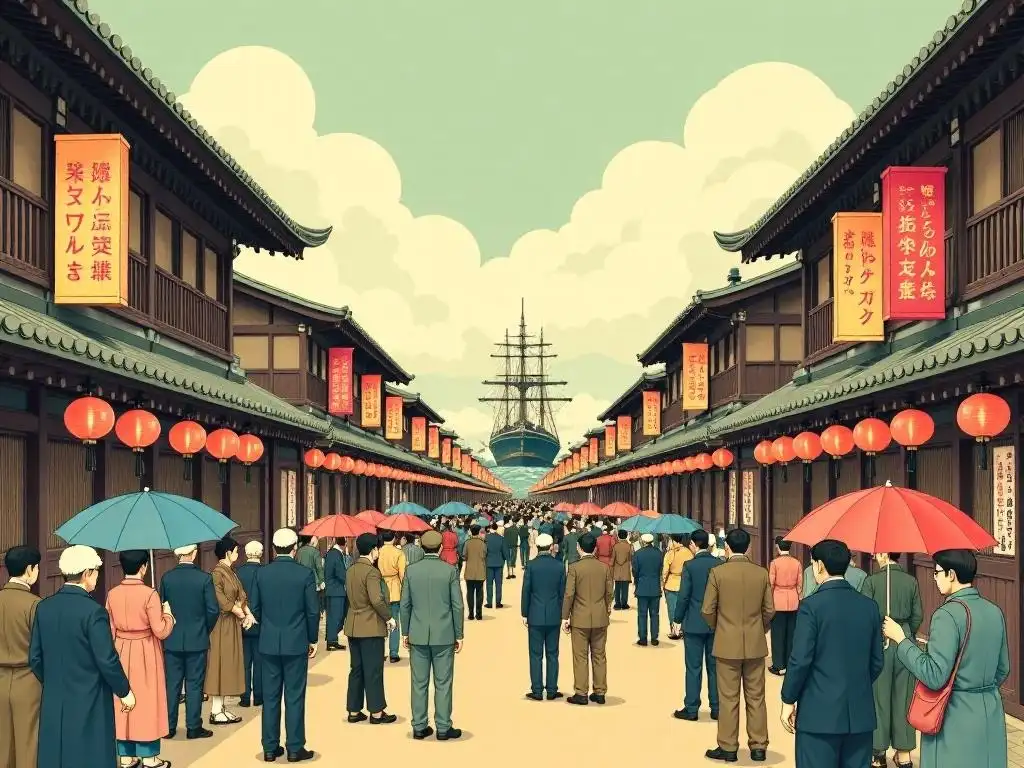
Welcome to Feudal Japan History! Step into the captivating world of Japan’s feudal era, where history, culture, and society intertwine to create a rich tapestry of experiences. In this exploration, we delve into "Japan's response to Western imperialism," a pivotal moment that shaped the nation's future. Discover how Japan observed and reacted to the tumultuous events of the Opium Wars, and uncover the profound implications these encounters had on its foreign relations. Curious about the intricate dynamics at play? Join us as we unravel the past and its lasting influence on Japan today!
The Opium Wars marked a pivotal period in the history of East-West relations, particularly influencing the trajectory of Japan's interactions with Western powers. Spanning from the mid-19th century, these conflicts not only reshaped the geopolitical landscape of Asia but also served as a catalyst for Japan's own response to the growing threat of imperialism.
As the Western nations expanded their reach, Japan found itself at a crossroads, facing unprecedented challenges to its sovereignty and cultural identity. This article delves into Japan's observations and reactions to the Opium Wars, shedding light on how these events influenced its policies and attitudes towards Western imperialism, ultimately paving the way for significant transformation within the nation.
Introduction to the Opium Wars
Overview of the Opium Wars
The Opium Wars, primarily fought between China and Britain in the mid-19th century, were ignited by Britain's trade of opium in China, leading to widespread addiction and social upheaval. The First Opium War (1839-1842) resulted in the Treaty of Nanking, which imposed unequal terms favoring the British, while the Second Opium War (1856-1860) further solidified Western dominance in the region. These wars highlighted the aggressive tactics employed by Western powers to expand their influence in Asia, a phenomenon that did not go unnoticed by neighboring nations, including Japan.
Significance of the Opium Wars in Global History
The Opium Wars are often viewed as a stark illustration of the clash between imperial ambitions and national sovereignty. They exposed the vulnerabilities of Asian states against Western imperialism and served as a wake-up call for many nations, including Japan. The conflicts catalyzed a series of reforms in China and prompted Japan to reassess its own position in the global arena. The repercussions of these wars extended far beyond their immediate aftermath, influencing international relations and trade practices for decades to come.
Japan's Initial Response to Western Imperialism
Early Encounters with Western Powers
Japan's initial encounters with Western powers were marked by a cautious approach, stemming from a long-standing policy of isolation known as sakoku. However, as news of the Opium Wars and their outcomes reached Japanese shores, the government recognized the need to adapt to a rapidly changing world. The arrival of Commodore Matthew Perry in 1853, with his "Black Ships," further underscored the urgency for Japan to engage with Western nations, prompting a reevaluation of its diplomatic and trade strategies.
The Impact of Western Trade on Japan
The influx of Western trade and ideas had a profound impact on Japanese society. While the government grappled with the implications of opening its borders, merchants and intellectuals began to explore the potential benefits of Western technology and knowledge. This period of transition set the stage for the Meiji Restoration, where Japan would ultimately embrace modernization while navigating the complexities of its identity in a world dominated by Western imperialism. The lessons learned from observing the Opium Wars would profoundly shape Japan's policies and its quest for equality among the global powers.
Observations of the Opium Wars from Japan
During the Opium Wars of the mid-19th century, Japan closely observed the unfolding events, which served as a critical turning point in its understanding of Western imperialism. The conflicts between China and Western powers, particularly Britain, were indicative of the larger trends of colonial aggression and exploitation that Japan would soon face. These observations prompted a reassessment of Japan's own national policies and its stance towards foreign interactions. The Opium Wars highlighted the vulnerabilities of Asian nations to Western imperial ambitions, pushing Japan to critically evaluate its own geopolitical position and the necessity of modernization.
Japanese Awareness of the Opium Trade
Japan's awareness of the opium trade was initially limited, yet it grew significantly as information about the conflicts in China filtered through to Japanese scholars and officials. The influx of Western literature and reports from foreign merchants helped to illuminate the detrimental effects of opium on Chinese society and the economy. This awareness was compounded by the realization that Western nations were willing to use military force to protect their trade interests, including the lucrative opium trade.
Japanese intellectuals began to analyze the moral implications of the opium trade, leading to a broader discourse on the nature of Western capitalism and its impact on Asian societies. The stark contrast between Japan's own cultural values and the exploitative practices of Western powers became a point of reflection that influenced Japan's policy decisions in the ensuing years.
Analysis of Western Imperialism Through Japanese Eyes
The Opium Wars provided Japan with a lens through which to analyze Western imperialism critically. Japanese scholars and policymakers began to perceive Western powers not merely as trading partners but as aggressive imperialists driven by economic gain. This realization prompted a deeper investigation into the motivations behind Western expansion and the strategies employed to subjugate other nations.
Japan’s intellectual circles engaged in debates about the potential threats posed by Western imperialism, which led to a growing sense of urgency regarding national sovereignty and self-preservation. The events in China served as a cautionary tale, demonstrating the dire consequences of failing to respond adequately to Western encroachment. As a result, Japan's leadership recognized the necessity for reform and modernization to avoid a similar fate.
Japan's Strategic Responses to Western Imperialism
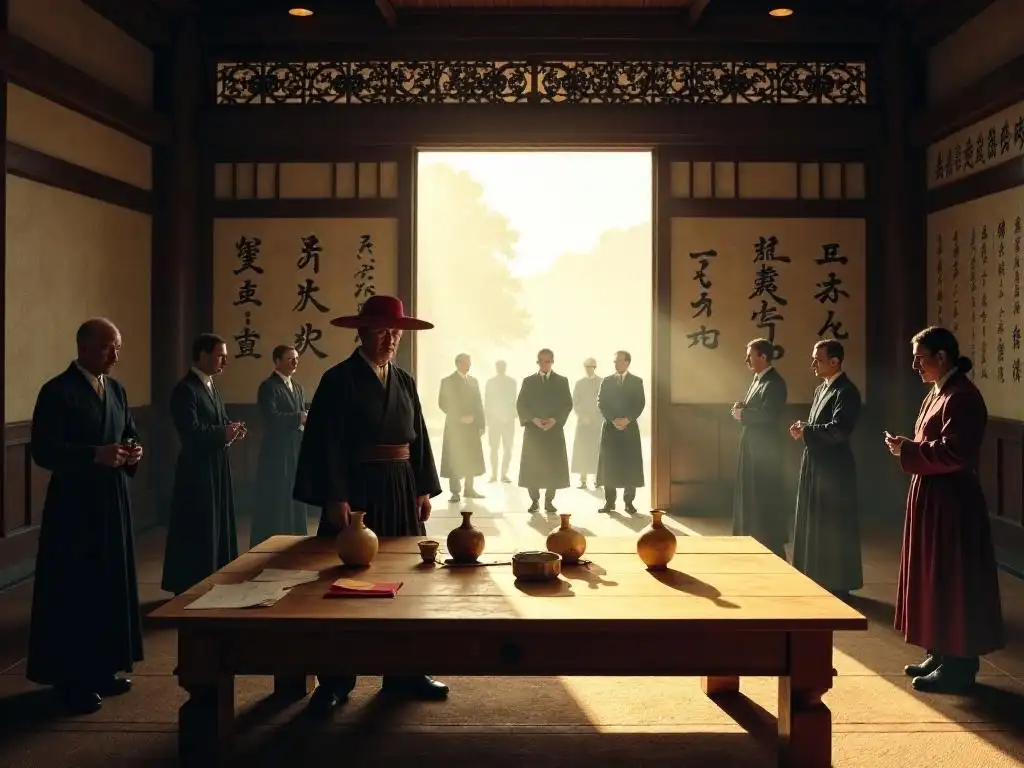
In response to the observations gleaned from the Opium Wars, Japan embarked on a series of strategic initiatives aimed at countering Western imperialism. These responses were multifaceted, encompassing both diplomatic and military strategies designed to safeguard the nation's interests and sovereignty.
Diplomatic Strategies Adopted by Japan
Japan's diplomatic strategy during this period was characterized by a dual approach: cautious engagement with Western powers alongside a commitment to preserving national integrity. The signing of treaties with Western nations, albeit often under duress, was viewed as a necessary step to avoid conflict and to learn from the technological and military advancements of these powers.
Japanese diplomats sought to negotiate favorable terms, emphasizing the importance of mutual respect and non-interference. This diplomatic engagement was crucial in providing Japan with insights into Western political systems and military strategies, which would later inform its own modernization efforts during the Meiji Restoration.
Military Preparedness in the Face of Western Threats
Recognizing the military might of Western powers, Japan prioritized military preparedness as a critical component of its response to imperialism. The Opium Wars underscored the need for a strong military to defend national sovereignty. Consequently, Japan initiated a comprehensive military reform program, inspired in part by the military practices of Western nations.
This included the modernization of its navy and army, adopting Western technologies, and restructuring its military organization. By investing in military preparedness, Japan aimed to deter potential aggressors and assert its position as a formidable power in the region. The lessons learned from the Opium Wars would ultimately shape Japan's approach to foreign relations and its emergence as a significant player on the world stage.
Cultural Reactions to Western Influence
The Opium Wars had profound implications not only for China but also for Japan, which was closely observing these events as they unfolded. Japan's response to Western imperialism was multifaceted, encompassing cultural, intellectual, and societal shifts. As Western powers began to exert their influence in Asia, Japanese society experienced a growing awareness of the need to adapt and respond to external pressures.
As the Western presence intensified, traditional Japanese cultural practices began to merge with foreign influences. The excitement and trepidation surrounding Western technology, fashion, and ideas led to a complex cultural dialogue. Many Japanese artists and literati began to experiment with new styles and forms, integrating Western aesthetics with traditional Japanese art. This cultural syncretism created a vibrant environment where both innovation and preservation coexisted, ultimately shaping a unique Japanese identity in the face of imperial threats.
Shifts in Japanese Society and Culture
The exposure to Western ideas during the period of the Opium Wars sparked significant shifts in Japanese society. Traditional structures, such as the samurai class, started to face challenges as new social classes emerged. The merchant class, previously marginalized, gained wealth and influence, leading to a re-evaluation of social hierarchies.
Education also underwent a transformation; Western-style schools began to emerge, promoting a curriculum that included science and technology, contrasting sharply with the Confucian-based education system that had dominated for centuries. This educational shift enabled a new generation of Japanese to gain knowledge that would later be crucial in modernizing the country.
Moreover, cultural practices began to adapt to new realities. Traditional festivals and customs saw the introduction of Western elements, creating a unique blend of old and new. This cultural amalgamation reflected a society in transition, grappling with the implications of modernization while striving to maintain its heritage.
The Role of Intellectuals in Shaping Japan's Response
Intellectuals played a pivotal role in Japan's response to Western imperialism during and after the Opium Wars. Figures such as Fukuzawa Yukichi and Nishi Amane advocated for the adoption of Western science and philosophy, arguing that embracing modernity was essential for Japan's survival in a rapidly changing world. They emphasized the need for Japan to learn from the West to avoid the fate of China, which had struggled against foreign encroachment.
Debates among scholars and political leaders about how to approach Western influence became increasingly common. While some called for outright rejection of foreign ideas, others recognized the necessity of adaptation. This intellectual discourse contributed to a growing national consciousness, fostering a sense of urgency that would eventually lead to significant reforms.
Intellectual movements, such as the "Civilization and Enlightenment" (Bunmeikaika), encouraged the dissemination of Western ideologies, promoting individualism and liberal thought. These ideas permeated society, influencing not only the elite but also the broader populace, thereby laying the groundwork for the transformations that would follow.
The Meiji Restoration: A Turning Point
The Meiji Restoration, which began in 1868, marked a significant turning point in Japan's history, fundamentally altering the nation's trajectory in response to Western imperialism. This period of rapid modernization and reform was directly influenced by the earlier observations and reactions to the Opium Wars.
The realization that Japan needed to strengthen itself to resist foreign domination was a driving force behind the Restoration. As the government sought to centralize power and modernize the military, it looked to the West for inspiration, adopting new technologies and administrative practices that would enable the nation to compete on the global stage.
Factors Leading to the Meiji Restoration
Several factors contributed to the emergence of the Meiji Restoration, including the economic challenges posed by foreign trade and the internal strife caused by the unequal treaties imposed on Japan. The dissatisfaction with the Tokugawa shogunate's inability to effectively deal with foreign powers galvanized various factions, including the samurai and merchant classes, to push for change.
In addition, the exposure to Western ideologies and technologies during the Opium Wars instigated a desire for national rejuvenation. The realization that strength lay in modernization prompted leaders to seek a collective response to foreign threats, leading to the formation of the Meiji government, which prioritized industrialization and military reform.
How the Opium Wars Influenced the Meiji Reforms
The Opium Wars acted as a catalyst for Japan's Meiji reforms by highlighting the dangers of stagnation and isolation. Observing the consequences of China’s inability to effectively respond to Western aggression, Japanese leaders recognized the urgency of implementing sweeping changes.
Key reforms during the Meiji era included the establishment of a conscript army, the creation of a modern education system, and the promotion of industrial development. The government actively pursued Western technologies and methodologies, leading to significant advancements in infrastructure, industry, and military capabilities.
Moreover, the Meiji Constitution of 1889 can be seen as a culmination of these efforts, reflecting a desire to create a sovereign state capable of negotiating on equal terms with Western powers. The lessons learned from the Opium Wars informed Japan's strategy of modernization, allowing it to emerge as a formidable power in Asia by the early 20th century.
Comparative Analysis: Japan vs. Other Asian Nations
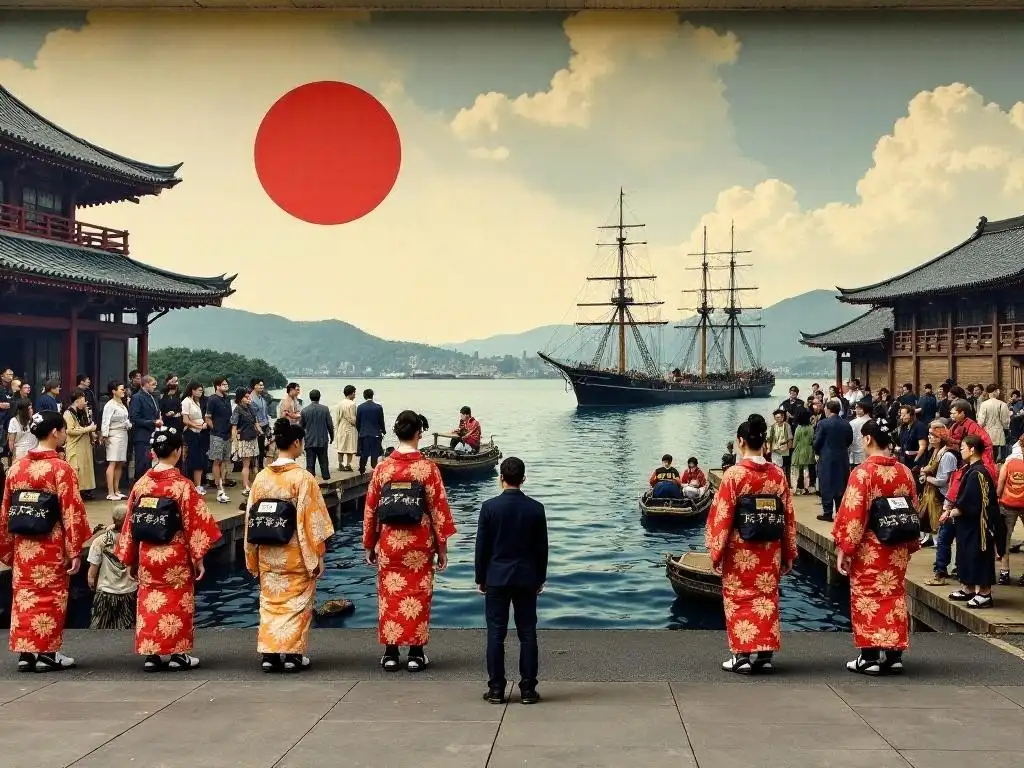
The Opium Wars, fought between Britain and China during the mid-19th century, serve as a critical backdrop for understanding Japan's response to Western imperialism. While Japan remained largely isolated under the Tokugawa shogunate, its geographic and historical context positioned it differently compared to other Asian nations, especially China.
In contrast to China, which was severely weakened by the Opium Wars and subsequently forced into unequal treaties, Japan adopted a more proactive stance. Recognizing the threat posed by Western powers, Japan began to reassess its isolationist policies. The Meiji Restoration of 1868 marked a significant turning point, as Japan sought to modernize its military, economy, and society to avoid the fate that befell China. This contrast highlights Japan's unique approach to Western imperialism, characterized by a blend of adaptation and resistance.
Moreover, while countries like Korea and Vietnam struggled with the pressures of Western encroachment, Japan emerged as a sovereign nation that engaged in imperialism itself. This shift from a passive to an active participant in international relations reflects a critical divergence in how Japan and other Asian nations navigated the complexities of Western imperialism.
Japan's Unique Approach to Western Imperialism
Japan's response to Western imperialism was marked by a notable combination of cautious observation and strategic reform. Unlike many of its Asian neighbors, Japan opted not to confront Western powers through military engagement initially; instead, it chose to learn from their advancements. The arrival of Commodore Matthew Perry in 1853 with his "Black Ships" served as a wake-up call for Japan, prompting the shogunate to reconsider its long-standing isolationist policies.
The subsequent Treaty of Kanagawa in 1854 marked Japan's first step toward international engagement. This treaty opened Japanese ports to American trade and established diplomatic relations, setting a precedent for further treaties with Western nations. Japan's willingness to engage rather than resist outright allowed it to maintain a degree of sovereignty that many other nations could not preserve.
Moreover, the Meiji Restoration catalyzed a cultural and technological renaissance in Japan. The government actively sought to adopt Western technologies and organizational methods while simultaneously fostering a sense of nationalism. This dual approach—embracing modernization while retaining cultural identity—ultimately distinguished Japan from many of its counterparts in Asia, allowing it to emerge as a formidable power by the late 19th century.
Lessons Learned from Other Nations' Responses
Japan's observations of China and other Asian nations' responses to Western imperialism provided valuable insights that informed its own strategies. The failure of the Qing dynasty to effectively resist foreign influence and the subsequent loss of sovereignty served as a cautionary tale for Japanese leaders. They recognized that passive resistance could lead to dire consequences, prompting a more dynamic approach to international relations.
Additionally, Japan studied the colonial experiences of Southeast Asian nations, which faced varying degrees of success in resisting Western control. The struggles of countries like Vietnam against French colonialism highlighted the importance of national unity and modernization in the face of external threats.
By assimilating these lessons, Japan implemented a series of reforms across various sectors, including military, education, and industry. The adoption of Western technologies, coupled with a robust educational system that emphasized science and engineering, positioned Japan favorably in the international arena. This strategic blend of learning from others while forging a unique path allowed Japan to navigate the complexities of Western imperialism effectively.
Conclusion: Legacy of Japan's Response to Western Imperialism
Japan's response to Western imperialism, particularly in the context of the Opium Wars, left an indelible mark on its historical trajectory and foreign relations. By choosing a path of modernization and engagement rather than outright confrontation, Japan not only preserved its sovereignty but also laid the groundwork for its emergence as a global power.
Long-term Effects on Japan’s Foreign Relations
The legacy of Japan's response to Western imperialism is evident in its subsequent foreign relations. The successful modernization efforts during the Meiji era enabled Japan to assert itself on the global stage, culminating in victories such as the First Sino-Japanese War (1894-1895) and the Russo-Japanese War (1904-1905). These victories established Japan as a formidable imperial power in its own right, altering the balance of power in Asia and reshaping regional dynamics.
Moreover, Japan's unique trajectory fostered a sense of pride and nationalism that influenced its foreign policy decisions well into the 20th century. The desire to be recognized as an equal among Western powers drove Japan to pursue aggressive expansionist policies, particularly in East Asia, which would have profound implications for international relations in the years to come.
Reflection on Japan’s Historical Perspective on Western Engagement
Japan's historical perspective on Western engagement is one of cautious pragmatism. The initial shock of Western imperialism prompted a realization that adaptation was essential for survival. This perspective is reflected in Japan's continuous efforts to balance modernization with the preservation of its cultural identity.
Over time, Japan's experience with Western powers shaped its approach to diplomacy and international relations. The lessons learned during this tumultuous period influenced Japan's post-World War II policies, steering it toward a path of economic cooperation rather than military confrontation. As Japan navigates its role in the modern world, the historical context of its response to Western imperialism continues to resonate, serving as a reminder of the delicate balance between tradition and progress.
References
Key Sources for Further Reading on Japan’s Response to Western Imperialism
-
"The Making of Modern Japan" by John Dower
This seminal work provides a comprehensive overview of Japan's transformation during the late 19th and early 20th centuries, including the influences of Western imperialism and how Japan responded to these challenges.
-
"Japan's Response to the West: 1853-1912" by Peter Duus
Duus explores Japan's diplomatic and military strategies in response to Western powers. This book is essential for understanding the political maneuvers that characterized Japan's efforts to maintain sovereignty during a time of increasing foreign pressure.
-
"Japan in World History" by James L. McClain
McClain's work situates Japan's history within a global context, highlighting the implications of Western imperialism on Japanese society and governance.
-
"The Opium War and the Treaty of Nanjing" by D. K. Hsu
While focused on China, this book contextualizes the Opium Wars within Asia and provides insights into how these events resonated in Japan, influencing its policies and perceptions of Western powers.
Suggested Literature on the Opium Wars and Their Impact on Asia
-
"The Opium War: Drugs, Dreams, and the Making of China" by Julia Lovell
Lovell delves into the Opium Wars' broader implications for China and its neighbors, including Japan, exploring how these conflicts marked a shift in regional dynamics.
-
"The First Opium War: The Conflict between Great Britain and China" by John W. Chaffee
This book presents a detailed account of the First Opium War, emphasizing its causes, major events, and consequences, including its impact on Japan's foreign relations.
-
"Empire of the Sun: The Making of the Modern World" by J. G. A. Pocock
Pocock examines the global context of imperialism during the era of the Opium Wars, providing a lens through which to view Japan's reactions as a burgeoning power in Asia.
-
"Opium and Empire: The Lives and Careers of William Jardine and James Matheson" by Harry S. Stout
This book looks into the British merchants who played significant roles in the Opium trade and their interactions with Asian markets, including Japan. It provides a unique perspective on how trade and imperialism influenced Japan's economic strategies.
- Introduction to the Opium Wars
- Japan's Initial Response to Western Imperialism
- Observations of the Opium Wars from Japan
- Japan's Strategic Responses to Western Imperialism
- Cultural Reactions to Western Influence
- The Meiji Restoration: A Turning Point
- Comparative Analysis: Japan vs. Other Asian Nations
- Conclusion: Legacy of Japan's Response to Western Imperialism
- References
- What were the Opium Wars and their significance in Japan's history?
- How did Japan respond to Western imperialism during the 19th century?
- What role did Western technology play in Japan's reactions to imperialism?
- How did the Treaty of Kanagawa affect Japan's stance on imperialism?
- In what ways did Japan's experience with Western imperialism differ from that of China?
Frequently Asked Questions
What were the Opium Wars and their significance in Japan's history?
The Opium Wars were conflicts between China and Western powers over trade imbalances and drug trafficking. Japan observed these events closely, which influenced its perceptions of Western imperialism.
How did Japan respond to Western imperialism during the 19th century?
Japan's response involved a rapid modernization and industrialization process, known as the Meiji Restoration, to strengthen the nation and avoid the fate of other imperialized countries.
What role did Western technology play in Japan's reactions to imperialism?
Western technology significantly impacted Japan, leading to the adoption of military and industrial advancements. This helped Japan to build a stronger national identity and assert itself against Western powers.
How did the Treaty of Kanagawa affect Japan's stance on imperialism?
The Treaty of Kanagawa in 1854 opened Japan to Western trade, which revealed the need for reform and propelled Japan into a period of modernization to resist further imperialistic pressures.
In what ways did Japan's experience with Western imperialism differ from that of China?
Unlike China, Japan embraced modernization and avoided colonization by adapting Western practices while retaining its cultural identity, ultimately becoming an imperial power itself in the 20th century.
Final Reflection: Understanding Japan's Response to Western Imperialism
The Opium Wars serve as a pivotal moment in history, illustrating the complex dynamics of power and resistance during the age of Western imperialism. Today, as we navigate a world still grappling with the legacies of colonialism, the lessons drawn from Japan's response to Western encroachment resonate profoundly. The resilience and adaptability demonstrated by Japan during this tumultuous period remind us that nations can reclaim agency even in the face of overwhelming odds.
The cultural and social landscape of Japan was irrevocably altered by its observations of the Opium Wars, leading to a profound transformation in its national identity and policies. This historical episode not only spurred Japan to modernize but also instilled a sense of urgency in its leaders to engage with the world on their own terms.
As historian John W. Dower poignantly stated, "> The Japanese response to Western imperialism was not merely reactive; it was a complex interplay of adaptation, resistance, and transformation." This ongoing influence continues to shape Japan's diplomatic strategies and cultural exchanges today, as the nation balances its rich heritage with the demands of a globalized world.
As we reflect on the lessons of Japan's response to Western imperialism, let us consider how these insights can inform our own actions in a contemporary context. How can we, as individuals and communities, learn from Japan's journey to assert our identities and values in a rapidly changing world? I invite you to engage with this history, not just as a distant memory, but as a source of inspiration for fostering resilience and adaptability in your own life. Embrace the spirit of inquiry and action, and let the past guide you toward a more empowered future.
Unveil Japan's Resilience Against Imperialism!
Thank you for exploring the significant observations and reactions of Japan during the Opium Wars. Your interest in this pivotal moment in history highlights the resilience and adaptability of cultures in the face of external pressures. Now, it’s time to take that knowledge and turn it into action!
- Explore further: Delve into Japan’s strategic responses to Western pressures and discover how these actions helped shape modern Japan.
- Join the conversation: We invite you to share your thoughts in the comments below or connect with fellow history enthusiasts in our forum.
- Spread the word: Share this article with your friends to highlight the importance of understanding historical contexts in today’s world.
What insights have you gained that could inform contemporary discussions about imperialism and sovereignty?