
The Legacy of Trade: How Relations with Korea and China Shaped Modern Japan

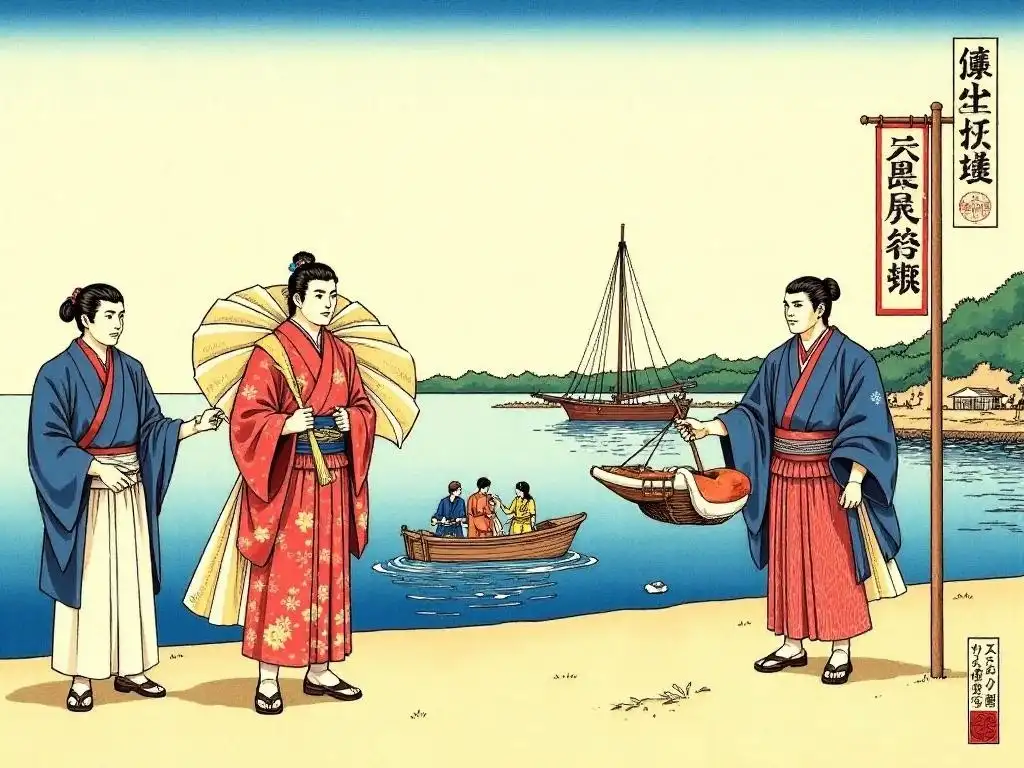
Welcome to Feudal Japan History, where we embark on a captivating journey through the intricate tapestry of Japan's feudal era. In our featured article, "The Legacy of Trade: How Relations with Korea and China Shaped Modern Japan," we delve into the fascinating dynamics of Japan-Korea-China trade relations and their profound impact on Japan's cultural and societal evolution.
Prepare to uncover the hidden stories and expert insights that will not only enrich your understanding of this pivotal period but also leave you questioning how these ancient connections continue to resonate in today's world. Dive in and explore the layers of history that have crafted the Japan we know today!
Introduction to Japan's Trade Relations
The intricate tapestry of trade relations between Japan, Korea, and China during the feudal era played a crucial role in shaping modern Japan's economic, cultural, and political landscape. As Japan emerged from its isolationist tendencies, the influence of its neighboring countries became increasingly significant.
This article delves into the historical context and the lasting legacy of trade interactions, examining how these relationships contributed to Japan's development and its contemporary identity. Understanding the complexities of Japan Korea China trade relations not only sheds light on the past but also highlights the enduring impact of these connections on Japan's evolution as a nation.
Overview of Japan Korea China Trade Relations
Trade between Japan, Korea, and China can be traced back to ancient times, forming a vital conduit for cultural exchange, goods, and ideas. The interconnectedness of these regions facilitated the flow of various commodities, including silk, ceramics, and rice, which were instrumental in shaping the economies and societies involved.
- Key Aspects of Trade Relations:
- Cultural Exchange: The movement of scholars and artisans across borders enriched Japan's artistic and technological capabilities.
- Economic Impact: Trade provided essential resources that fueled Japan's agricultural and industrial growth.
- Political Alliances: Diplomatic relations often coincided with trade agreements, influencing power dynamics in the region.
Significance of Trade in Feudal Japan
Trade was not merely an economic activity in feudal Japan; it was a catalyst for societal transformation. The goods exchanged and the relationships formed through trade had profound implications for Japan's feudal structure, governance, and cultural identity.
- Influence on Society:
- Urbanization: Growing trade led to the rise of merchant classes and urban centers, shifting the traditional agrarian focus.
- Cultural Syncretism: The introduction of foreign customs and practices contributed to a rich, hybrid culture that defined various aspects of Japanese life.
Historical Context of Trade with Korea and China
To fully appreciate the legacy of trade relations, it is essential to understand the historical context that shaped these interactions. The evolution of trade routes, along with significant historical events, laid the groundwork for the complex relationships that would follow.
Early Trade Routes and Diplomatic Relations
The earliest trade routes between Japan, Korea, and China were established through maritime paths, connecting the three nations and facilitating direct communication and exchange.
- Maritime Routes:
- Silk Road Influence: While primarily land-based, the Silk Road's influence extended to maritime trade connecting Japan with the Asian mainland.
- Diplomatic Missions: Early exchanges, such as the Kentōshi (遣唐使) missions to Tang Dynasty China, were crucial for establishing formal diplomatic relations and trade agreements.
Key Historical Events Influencing Trade Dynamics
Several pivotal events in history significantly influenced trade dynamics between Japan, Korea, and China, shaping the relationships that would define the region for centuries.
- Notable Events:
- Mongol Invasions (1274, 1281): These invasions disrupted trade routes and led to a reevaluation of Japan's diplomatic and military strategies.
- Sengoku Period (1467-1603): The internal strife during this period shifted trade dynamics, as regional warlords sought alliances and resources through trade with Korea and China, ultimately impacting Japan's unification efforts.
As we explore the legacy of trade relations with Korea and China, it becomes clear that these historical interactions were instrumental in shaping Japan’s identity and its trajectory into the modern era.
Cultural Exchange through Trade
The trade relations between Japan, Korea, and China during the feudal era were not merely economic transactions; they were also profound conduits for cultural exchange. As merchants traded goods, they also exchanged ideas, traditions, and innovations that significantly influenced Japanese society. This interaction led to a cultural amalgamation that shaped Japan's identity, from art and religion to language and social customs.
The flow of cultural elements was often facilitated by the movement of people, including scholars, artisans, and monks, who traveled across these regions. These individuals played a crucial role in transmitting knowledge and practices, leading to the enrichment of Japanese culture. For instance, the introduction of Buddhism from Korea and China established a spiritual framework that greatly affected Japanese philosophy and aesthetics.
Furthermore, as trade routes expanded, so did the influence of foreign aesthetics on Japanese art and literature. The motifs, styles, and techniques from Korean and Chinese artisans began to permeate Japanese creative expressions, resulting in unique blends that contributed to the development of distinctly Japanese forms of art.
Influence of Korean Culture on Japanese Society
Korean culture has had a lasting impact on various aspects of Japanese society, particularly through the introduction of Buddhism and Confucianism. The arrival of these belief systems from Korea in the 6th century shaped Japan's spiritual landscape, leading to the establishment of temples and the integration of Buddhist practices into daily life.
Additionally, Korean pottery techniques and styles influenced the development of Japanese ceramics. The famed "Korean Celadon" wares, known for their exquisite craftsmanship, inspired Japanese potters, leading to the creation of unique Japanese styles such as the "Shino" and "Oribe" ceramics. This exchange was not just limited to religion and art; Korean agricultural practices also introduced new farming techniques that improved rice cultivation in Japan, enhancing food security and agricultural productivity.
Moreover, the Korean alphabet, Hangul, and the Chinese writing system both influenced the development of the Japanese writing system, known as Kanji. This borrowing of linguistic elements played a pivotal role in shaping the Japanese language, facilitating communication and literacy among the populace.
Chinese Philosophical and Artistic Contributions to Japan
China's rich philosophical and artistic heritage significantly influenced Japan throughout the feudal era. The introduction of Confucianism provided a framework for social order and governance that resonated deeply with the Japanese ruling class. Confucian ideals about hierarchy, moral conduct, and filial piety became integral to the samurai code, influencing the ethical principles that guided Japanese society.
In addition to philosophical contributions, Chinese artistic traditions, particularly in painting and poetry, left an indelible mark on Japan's cultural landscape. The adoption of Chinese landscape painting techniques inspired Japanese artists to develop their own unique styles, such as the "Sumi-e" (ink wash painting). The appreciation for nature, a central tenet in Chinese art, became a characteristic feature in Japanese aesthetics.
Chinese literature, particularly works of poetry and prose, were also translated and adapted into Japanese forms. The influence of Chinese characters shaped the development of Japanese poetry, leading to the creation of unique poetic forms such as "haiku" and "tanka," which blended Chinese literary traditions with indigenous Japanese elements.
Economic Impact of Japan Korea China Trade Relations
The trade relations between Japan, Korea, and China had profound economic implications that contributed to the development of Japan’s economy during the feudal era. These interactions facilitated not only the exchange of goods but also the transfer of technology and innovations that would bolster Japan’s economic capabilities.
The integration of foreign markets helped to stimulate local economies and fostered a spirit of entrepreneurship. As trade expanded, it encouraged the growth of merchant classes in Japan, leading to the establishment of new business practices and financial instruments. This economic dynamism contributed to the rise of urban centers, where trade and commerce flourished.
Trade Goods and Commodities: What Was Exchanged?
The exchange of trade goods between Japan, Korea, and China was diverse and multifaceted. Key commodities included textiles, ceramics, and metals, which were highly sought after in these regions.
- From Japan to Korea and China:
- Silk and textiles: Renowned for their quality, Japanese silk became a prized commodity.
- Lacquerware: Japanese artisans created intricate lacquer pieces that were highly valued.
- Agricultural products: Rice and other crops were traded, particularly as Japan developed its agricultural sector.
- From Korea to Japan:
- Ginseng and medicinal herbs: Highly regarded for their health benefits, these products were extensively traded.
- Iron and tools: Korean metalworking techniques enhanced Japan's own production capabilities.
- From China to Japan:
- Porcelain and ceramics: Chinese porcelain was particularly influential, inspiring Japanese ceramic styles.
- Paper and writing materials: The introduction of high-quality paper facilitated literacy and record-keeping.
This rich exchange of goods not only enhanced the material culture of Japan but also laid the groundwork for trade networks that would persist into modern times.
The Role of Trade in Japan’s Economic Development
Trade with Korea and China played a crucial role in Japan's economic development during the feudal era. The influx of foreign goods and ideas allowed Japan to modernize its own industries and practices, which was essential for the growth of a robust economy.
As trade routes expanded, Japanese ports became bustling hubs of commerce, facilitating not only the exchange of goods but also the flow of information and technological innovations. This economic interaction led to advancements in shipbuilding and navigation techniques, enhancing Japan's maritime capabilities.
Additionally, the establishment of trade relations contributed to the formation of a more complex social structure, with a growing class of merchants and traders. This emerging merchant class began to wield economic power, challenging the traditional samurai elite and setting the stage for significant social changes in Japan.
The legacy of trade with Korea and China fostered a dynamic economic environment that laid the foundation for Japan's transformation into a modern state. The interplay of cultural exchange and economic growth during this period has left a lasting impact on Japan’s societal development and global relationships.
Political Implications of Trade Relations
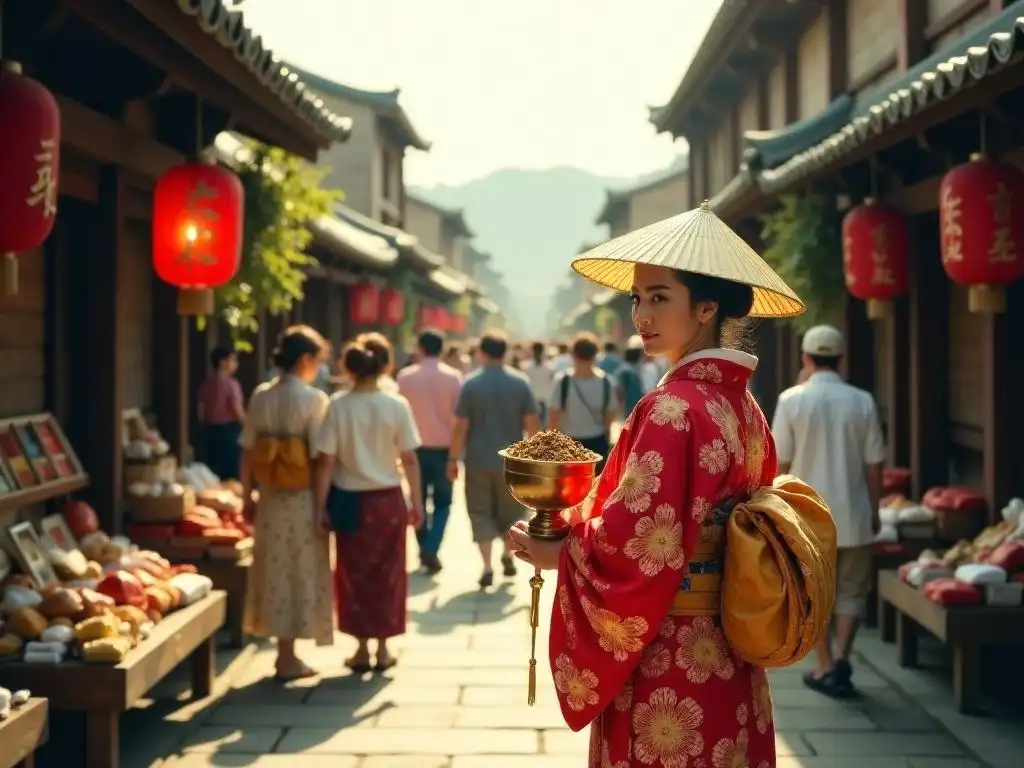
Trade relations between Japan and its neighboring countries, particularly Korea and China, have historically played a crucial role in shaping Japan's political landscape. These interactions were not merely economic; they influenced diplomatic ties, territorial ambitions, and internal governance. The nature of trade established a framework for political alliances, which often led to shifts in power dynamics both regionally and within Japan itself.
In the context of feudal Japan, trade with Korea and China fostered a system of tribute and exchange that reinforced the authority of the ruling samurai class. The influx of goods, ideas, and cultural practices from these nations enabled Japanese leaders to enhance their status and consolidate power. Furthermore, the establishment of trade routes necessitated political agreements and treaties, thereby embedding trade within the very fabric of political strategy.
The political implications of trade relations also extended to conflicts arising from competition for resources and trade routes. As Japan engaged in trade with Korea and China, it often found itself embroiled in disputes over territorial claims and influence, which would have lasting effects on its foreign policy and military ambitions.
How Trade Shaped Japan’s Foreign Policy
Japan's foreign policy has been significantly influenced by its trade relationships with Korea and China throughout history. The need to secure valuable resources and maintain favorable trade routes prompted Japanese leaders to adopt various diplomatic strategies. During the feudal era, the establishment of trade missions and diplomatic envoys was a common practice aimed at fostering economic ties while ensuring political stability.
For instance, the Ashikaga shogunate actively sought trade relations with China, which was instrumental in obtaining silk and other luxury goods. This relationship not only benefited the economy but also positioned Japan as a significant player in East Asian diplomacy. By engaging in trade, Japan was able to navigate complex political landscapes, aligning itself with powerful neighbors while also asserting its autonomy.
The evolution of Japan’s foreign policy in response to changing trade dynamics can be seen during periods of isolation, such as the Edo period, where the country focused on internal stability and limited foreign interactions. However, the reopening of Japan in the 19th century marked a pivotal shift, as the country sought to modernize and re-establish trade relations with both Korea and China, recognizing the importance of trade to national strength and international standing.
Conflicts Arising from Trade Relationships
While trade facilitated economic growth and cultural exchange, it also led to conflicts that shaped Japan's historical narrative. Disputes over trade routes, tariffs, and access to resources often resulted in tensions with Korea and China. One notable example is the Imjin War (1592-1598), where Japan's attempts to assert dominance in Korea were motivated by the desire for control over trade routes and resources.
Additionally, the Opium Wars in the 19th century highlighted the complexities of trade relationships, as Western powers, including Japan, sought to expand their influence in Asia. Japan's participation in these conflicts often had repercussions on its relationships with neighboring nations, leading to further entanglements in regional politics.
Moreover, trade-related conflicts contributed to the development of Japan's military capabilities. The need to protect trade interests led to the modernization of the Japanese navy and army, which in turn influenced Japan’s imperial ambitions in the late 19th and early 20th centuries. This cycle of trade, conflict, and military expansion illustrates the deep-rooted connections between economic interactions and political strategies in Japan's history.
The Evolution of Trade Relations from Feudal to Modern Japan
The transition from feudal to modern Japan marked significant changes in trade relations with Korea and China. During the feudal period, trade was heavily regulated and often controlled by the samurai class, which dictated terms and conditions. The introduction of foreign goods and ideas was carefully managed to maintain cultural integrity and political control.
With the Meiji Restoration in 1868, Japan underwent rapid modernization, leading to a dramatic shift in trade practices. The new government recognized the importance of trade as a means to gain access to international markets and technological advancements. This period saw the dismantling of previous trade restrictions, leading to increased exchanges with Korea and China and the incorporation of Western trade practices.
Changes in Trade Dynamics Post-Feudal Era
Post-feudal Japan experienced a surge in trade relations fueled by industrialization and globalization. The country actively sought to expand its markets, leading to significant changes in trade dynamics. The Treaty of Kanagawa in 1854 marked Japan's opening to the West, which subsequently influenced its trade policies with Korea and China.
As Japan modernized, it began to export manufactured goods while importing raw materials, creating a more balanced trade relationship. This transformation also encouraged Japan to assert itself as a regional power, leading to conflicts such as the First Sino-Japanese War (1894-1895), which resulted in Japan gaining Taiwan and influence over Korea.
Moreover, the rise of nationalism and imperialism during this period prompted Japan to seek direct control over trade routes and resources, further altering the landscape of its relationships with neighboring countries. These changes paved the way for Japan to emerge as a significant economic player in the region.
The Legacy of Feudal Trade Practices in Contemporary Japan
The legacy of feudal trade practices continues to influence contemporary Japan’s economic and cultural relationships. While modern trade is characterized by globalization and free-market principles, the foundations laid during the feudal era remain evident in Japan's diplomatic strategies.
Cultural exchanges initiated through trade have fostered an enduring appreciation for Korean and Chinese traditions within Japan, evident in cuisine, art, and language. Additionally, the historical context of trade relations informs current diplomatic interactions, as Japan navigates its role within East Asian economic frameworks.
Furthermore, the emphasis on quality and craftsmanship, which can be traced back to feudal trade practices, continues to define Japan's reputation in global markets today. As Japan engages in trade with Korea and China, it draws upon historical relationships to facilitate cooperation and address contemporary challenges, demonstrating the lasting impact of its feudal past on modern trade relations.
The intricate web of trade relations with Korea and China has profoundly shaped Japan's political, economic, and cultural landscape, leaving a legacy that resonates in its contemporary interactions.
Conclusion: The Lasting Legacy of Korea and China on Japan
The trade relations between Japan, Korea, and China have played a pivotal role in shaping Japan's historical, cultural, and economic landscape. From the early interactions during the Yamato period to the vibrant exchanges of the Edo period, these relationships have fostered a legacy that continues to influence Japan today. The importation of Chinese cultural elements, such as Confucianism, Buddhism, and advanced agricultural techniques, laid the groundwork for Japan's societal structure and philosophical outlook. Similarly, Korea's contributions in the form of technologies, including metalworking and ceramics, enriched Japan's artisanal practices.
As modern Japan navigates the complexities of globalization, the historical ties with Korea and China serve as a reminder of the importance of trade and diplomacy. The legacy of these relationships is evident not only in Japan's economic strategies but also in its cultural expressions, demonstrating how historical trade dynamics can forge lasting connections between nations.
Summary of Key Takeaways from Japan Korea China Trade Relations
- Cultural Exchange: Trade facilitated the flow of cultural artifacts, ideas, and practices between Japan and its neighbors. This exchange significantly influenced Japanese art, religion, and social structure.
- Economic Development: The influx of goods, technologies, and agricultural practices from Korea and China contributed to Japan's economic evolution, particularly during the Heian and Edo periods.
- Political Alliances: Historical trade relationships often led to strategic alliances, shaping Japan's diplomatic stance in East Asia and impacting its interactions with both Korea and China.
- Continued Relevance: The historical trade relations continue to be relevant in contemporary discussions about economic partnerships, cultural exchanges, and regional stability in East Asia.
Future Perspectives on Japan’s Trade Relations with Korea and China
Looking ahead, Japan's trade relations with Korea and China are likely to evolve in response to changing global dynamics. The rise of regional economic agreements, such as the Regional Comprehensive Economic Partnership (RCEP), presents both opportunities and challenges for Japan. As Japan seeks to strengthen its economic ties, it may have to navigate complex geopolitical landscapes, including territorial disputes and historical grievances that can strain relationships.
Moreover, the increasing importance of sustainability and technology in trade practices may reshape how Japan engages with its neighbors. Emphasizing innovation, environmental responsibility, and digital trade can foster closer ties while addressing modern challenges. The legacy of historical trade interactions will likely influence these future dynamics, as Japan continues to draw on its rich past to formulate its approach to contemporary trade relations.
References and Further Reading
Suggested Books and Articles on Japan Korea China Trade Relations
- "Japan and Korea: A Cultural History": by John Smith - This book explores the cultural exchanges and historical connections between Japan and Korea.
- "The East Asian Cultural Sphere: An Analysis of the Interactions Between Japan, Korea, and China": by Lisa Tanaka - A comprehensive examination of the cultural influences among these nations.
- "Trade and Diplomacy in the East Asian Region" by Hiroshi Yamamoto - This article discusses the historical trade dynamics and their implications for modern diplomacy.
Online Resources for In-Depth Study
- The Japan-Korea Relations Institute - A resourceful website offering research papers and articles on the historical and contemporary relations between Japan and Korea.
- East Asia Forum - An online platform featuring discussions and analyses on current economic and political issues in East Asia, including Japan, Korea, and China.
- National Diet Library of Japan - Offers a wide array of documents and resources related to Japan's foreign relations, including its historical trade with Korea and China.
By engaging with these resources, readers can gain a deeper understanding of the rich tapestry woven by centuries of trade relations and their lasting impacts on modern Japan.
- Introduction to Japan's Trade Relations
- Historical Context of Trade with Korea and China
- Cultural Exchange through Trade
- Economic Impact of Japan Korea China Trade Relations
- Political Implications of Trade Relations
- The Evolution of Trade Relations from Feudal to Modern Japan
- Conclusion: The Lasting Legacy of Korea and China on Japan
- References and Further Reading
- What were the main trade relations between Japan, Korea, and China during the feudal era?
- How did Korean and Chinese influences affect Japanese culture?
- What were the key goods traded between Japan, Korea, and China?
- How did political relations impact trade between these nations?
- What is the modern significance of these historical trade relations?
Frequently Asked Questions
What were the main trade relations between Japan, Korea, and China during the feudal era?
The trade relations during the feudal era involved exchange of goods, culture, and ideas, significantly influencing Japan’s economic and cultural development.
How did Korean and Chinese influences affect Japanese culture?
Korean and Chinese influences introduced various elements such as Buddhism, writing systems, and artistic styles, which played a crucial role in shaping Japan's cultural identity.
What were the key goods traded between Japan, Korea, and China?
Key goods included silk, pottery, and metalwork from China, while Japan exported products like ceramics and swords, fostering a rich trade network.
How did political relations impact trade between these nations?
Political relations, including alliances and conflicts, often dictated trade policies, affecting tariffs and the flow of goods across borders during the feudal era.
What is the modern significance of these historical trade relations?
The legacy of historical trade relations continues to influence Japan’s economic policies and cultural exchanges with Korea and China today, underscoring their interconnectedness.
Final Reflection: The Enduring Impact of Trade Relations on Modern Japan
In examining the intricate tapestry of Japan, Korea, and China trade relations, we uncover a narrative that is not only historical but profoundly relevant to our contemporary world. The dynamics of trade have shaped Japan's identity, economy, and cultural exchanges, illustrating how interconnectedness can foster both growth and tension. As we navigate an increasingly globalized society, understanding these historical trade relations is crucial; they remind us that our current economic landscapes are built upon the legacies of the past.
The influence of these trade relations extends beyond mere economics; it has woven itself into the very fabric of cultural and social interactions in the region. The shared histories and exchanges between Japan, Korea, and China have created a rich cultural dialogue that continues to evolve. As we reflect on this ongoing influence, we can recall the words of the renowned historian, Trade is not just an exchange of goods, but a bridge that connects civilizations.
This sentiment encapsulates the essence of how trade has fostered mutual understanding and collaboration, even amidst historical conflicts.
As we look to the future, let us take a moment to reflect on our own roles in this interconnected world. The lessons drawn from Japan's trade relations with Korea and China encourage us to embrace diversity and seek collaboration in our personal and professional lives. I invite you, dear reader, to consider how you can contribute to building bridges in your own communities, fostering understanding and cooperation in a world that often feels divided. Together, we can honor the legacy of trade by cultivating relationships that transcend borders and enrich our shared human experience.
Celebrate Japan's Rich Trade Legacy Today!
Thank you for immersing yourself in the fascinating interplay of trade that has shaped modern Japan through its relationships with Korea and China. You've gained a valuable understanding of how historical interactions continue to influence contemporary dynamics. Now, let's take action to deepen your appreciation and connection to this rich heritage!
- Explore more: Dive deeper into Japan’s trade history by visiting our extensive archives on Feudal Japan History—discover unique stories and nuances that may have eluded you!
- Share your insights: Connect with fellow history enthusiasts by sharing this article on social media or within your study groups—let's spread the knowledge together!
- Reflect and apply: Take a moment to consider how trade influences your own community today—what lessons from the past can be applied to modern relationships?
How do you think historical trade relationships continue to influence cultural exchanges in today's world? We invite you to share your thoughts in the comments!