
The Silk Road's Impact on Feudal Japan: Cultural Crossroads of East and West

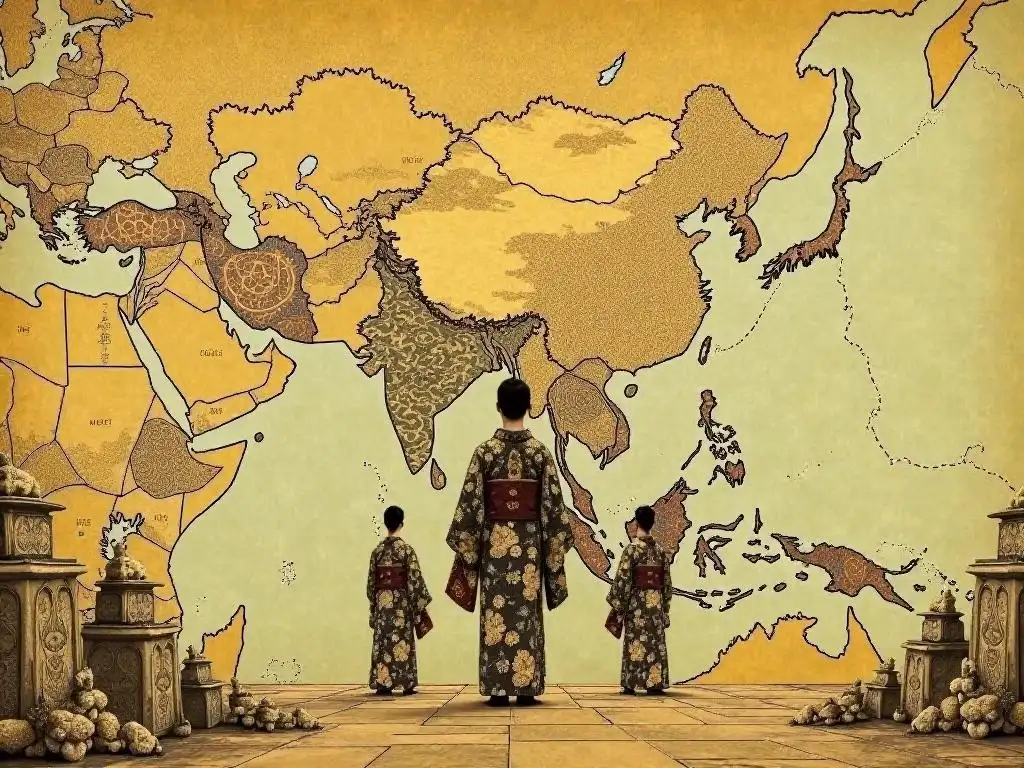
Welcome to Feudal Japan History, where we unveil the intricate tapestry of Japan’s feudal era through the lens of its fascinating historical, cultural, and societal dynamics. In our featured article, “The Silk Road's Impact on Feudal Japan: Cultural Crossroads of East and West,” we delve into the profound influence that this ancient trade route had on shaping Japan's interactions with foreign cultures.
As you embark on this journey of discovery, prepare to uncover the unexpected connections that bridged East and West, transforming the very fabric of feudal society. Are you ready to explore the hidden narratives that lie at this historical intersection?
Introduction to the Silk Road and Feudal Japan
The Silk Road, a vast network of trade routes that connected the East and West, significantly influenced various civilizations throughout history. Among its many impacts, the Silk Road played a pivotal role in shaping the cultural, economic, and social landscape of feudal Japan.
This article delves into the intricate relationship between these two historical phenomena, providing a comprehensive exploration of how the Silk Road's influence on feudal Japan facilitated cultural exchanges that enriched Japanese society. By examining the dynamics of trade, diplomacy, and cultural interchange, we will uncover the profound effects that this ancient trade route had on Japan during its feudal era.
Overview of the Silk Road: A Historical Trade Route
The Silk Road was not merely one route but a complex network of interconnected paths that enabled the exchange of goods, ideas, and cultures across continents. Established during the Han Dynasty around the 2nd century BCE, it facilitated trade between China, Central Asia, the Middle East, and eventually Europe. Key commodities traded along these routes included silk, spices, precious metals, and textiles. However, the significance of the Silk Road extended beyond commerce; it was a conduit for the transmission of knowledge, religion, and art.
- Major Trade Goods:
- Silk
- Spices
- Precious stones
- Textiles
- Ceramics
Through the movement of merchants, diplomats, and travelers, the Silk Road became a melting pot of cultures, fostering interactions that shaped civilizations. The exchange of ideas concerning philosophy, technology, and religion had lasting effects on the societies involved, including Japan.
Introduction to Feudal Japan: Key Characteristics and Timeline
Feudal Japan, which spanned from the late 12th century to the mid-19th century, was characterized by a decentralized government, a warrior class known as the samurai, and a rigid social hierarchy. The political landscape was marked by the shogunate system, where military leaders held significant power.
- Key Characteristics:
- Samurai Class: The noble warrior class that adhered to bushido, a code of honor and ethics.
- Land Ownership: A feudal system where land was exchanged for military service.
- Cultural Developments: Flourishing of arts, literature, and religion, particularly during the Kamakura and Muromachi periods.
During this era, Japan underwent significant transformations influenced by external forces, including those brought by the Silk Road. Understanding these developments is crucial to recognizing how international trade and cultural exchanges shaped Japan’s trajectory.
The Silk Road Influence on Feudal Japan
The interaction between Japan and the Silk Road was not just about trade; it represented a complex web of cultural exchanges that enriched Japanese society. The influences were manifold, affecting everything from religion to art, and often came through intermediaries in regions such as China and Korea.
Understanding the Concept of Cultural Exchange
Cultural exchange is the process by which different cultures share and adapt ideas, customs, and practices through interactions. The Silk Road served as a facilitator for cultural exchange, introducing new concepts and innovations to Japan, which had profound implications for its social fabric and identity.
- Key Aspects of Cultural Exchange:
- Religion: The introduction of Buddhism and other spiritual ideas.
- Art and Architecture: Influences in design and aesthetics from foreign cultures.
- Technological Advancements: Adoption of new agricultural techniques and tools.
These exchanges often led to a synthesis of ideas, resulting in a unique cultural identity that blended indigenous practices with foreign influences.
The Role of the Silk Road in Shaping Japanese Society
The Silk Road's influence on feudal Japan can be seen in various aspects of Japanese life, from artistic expressions to religious practices. The introduction of silk, a luxurious material, elevated the status of Japanese textiles and greatly impacted trade dynamics within Japan.
- Cultural Impacts:
- Artistic Expressions: The emergence of new styles in painting and ceramics.
- Religious Practices: The spread of Buddhism and its integration into Japanese culture.
- Economic Growth: Increased trade and wealth accumulation that contributed to the development of urban centers.
By examining the multifaceted impacts of the Silk Road, we can appreciate how it not only provided material wealth but also significantly enriched the cultural landscape of feudal Japan. This intricate interplay between trade and cultural exchange continues to be a vital area of study for understanding Japan's historical evolution.
Key Cultural Exchanges through the Silk Road
The Silk Road was not just a network of trade routes; it served as a vital conduit for cultural, religious, and artistic exchanges between East and West. Its influence on feudal Japan was profound, shaping various aspects of Japanese society. This section highlights some of the key cultural exchanges that occurred due to the Silk Road, outlining how these interactions contributed to the rich tapestry of Japanese culture.
Introduction of Buddhism to Japan via the Silk Road
Buddhism's introduction to Japan is one of the most significant cultural exchanges facilitated by the Silk Road. The religion traveled from India through Central Asia, reaching China before finally making its way to Japan around the 6th century. The Buddhist monks, who traveled these routes, brought with them not only the teachings of Buddha but also rich artistic traditions, texts, and practices.
As Buddhism took root in Japan, it led to the establishment of numerous temples and monasteries, which became centers of learning and culture. The influence of Buddhism can be seen in various Japanese art forms, such as ink painting and sculpture, as well as in the architectural styles of pagodas. This exchange not only transformed spiritual life in Japan but also had a lasting impact on its cultural and artistic landscape.
Influence of Chinese Art and Literature on Japanese Culture
The Silk Road also facilitated significant exchanges between China and Japan, particularly in the realms of art and literature. Chinese calligraphy, painting, and poetry influenced Japanese artists and writers profoundly. The introduction of Chinese characters (kanji) into the Japanese writing system laid the foundation for Japanese literature, allowing for the development of unique literary forms, including haiku and kana poetry.
Furthermore, the Tang Dynasty's artistic styles significantly impacted Japanese aesthetics. The transmission of painting techniques and motifs, such as landscapes and nature themes, transformed the Japanese artistic scene. By integrating these elements, Japan developed a distinct artistic identity that blended Chinese influences with its indigenous styles, resulting in a rich artistic heritage.
The Adoption of Silk and Textile Techniques in Feudal Japan
The Silk Road facilitated the introduction of luxurious silk textiles to Japan, which had a profound impact on clothing and fashion during the feudal era. The demand for silk prompted the development of local silk production, which became a significant industry in regions such as Kagawa and Yamaguchi.
Moreover, techniques associated with silk weaving and dyeing were adopted and adapted by Japanese artisans. The intricate designs and methods learned through contact with Chinese weavers allowed Japan to create its own unique styles, such as kimono fabrics. This not only influenced fashion but also social status, as silk garments became symbols of wealth and prestige, thus embedding silk deeply into the fabric of Japanese culture.
Economic Impact of the Silk Road on Feudal Japan
The economic ramifications of the Silk Road on feudal Japan were as significant as its cultural impacts. The flow of goods, services, and cultural practices facilitated economic growth and diversification within Japan, shaping its position in the broader Asian trade network.
Trade Goods and Commodities: What Japan Gained
Japan's engagement with the Silk Road allowed for the importation of a variety of goods that enriched its economy and culture. Among the most notable imports were silks, spices, precious metals, and ceramics, which became highly sought after by the Japanese elite.
In exchange for these luxury items, Japan exported its own goods, such as metalwork, swords, and lacquerware, which were valued across the Silk Road. This exchange fostered a burgeoning trade economy, leading to increased wealth for merchants and the rise of influential trading families, which played a key role in the sociopolitical dynamics of feudal Japan.
The Development of Trade Routes within Japan Influenced by the Silk Road
The influence of the Silk Road extended beyond international trade to the development of domestic trade routes within Japan. As merchants sought to distribute imported goods, a network of roads and pathways emerged, linking major cities and rural areas.
This infrastructure facilitated the movement of not only goods but also people and ideas. The rise of market towns and the growth of urban centers can be traced back to these developments, which were influenced by the trading practices established through the Silk Road. As a result, Japan experienced a transformation in its economic landscape, leading to greater connectivity and an eventual shift towards a more market-oriented society.
The Political Ramifications of the Silk Road Influence

The Silk Road was not merely a trade route; it was a complex network that facilitated diplomatic relationships and exchanges of ideas, technology, and culture between East and West. As Japan gradually engaged with the Silk Road, the political ramifications became profound, influencing its governance and international relations. The influx of goods, ideas, and cultural practices from the Silk Road played a crucial role in shaping the political landscape of feudal Japan, encouraging the emergence of new alliances and the strengthening of existing ones.
The introduction of foreign goods, such as textiles and spices, stimulated the Japanese economy, giving rise to a class of merchants who began to wield significant political influence. This shift altered the power dynamics within feudal society, where samurai and aristocrats began to recognize the economic power of trade, leading to a more multifaceted view of governance that incorporated economic considerations alongside military might.
Diplomacy and Foreign Relations: Japan's Engagement with Asia
Japan's engagement with Asia through the Silk Road marked a pivotal moment in its foreign relations. As the archipelago began to open up to traders and envoys from the Asian mainland, it fostered diplomatic ties that were essential for its development. This period saw the establishment of formal relationships with significant countries such as China and Korea, which were integral to the Silk Road.
The flow of ideas and technologies, including Buddhism, Confucianism, and various agricultural techniques, were facilitated by these diplomatic interactions. The Japanese court began to adopt a more centralized form of governance, influenced by Chinese political models, which shaped the bureaucratic structures that characterized the Heian period. These relationships also led to cultural exchanges that enriched Japanese art, literature, and philosophy, creating a tapestry of influences that defined Japanese identity during the feudal era.
The Role of Envoys and Cultural Ambassadors in Feudal Japan
Envoys and cultural ambassadors played a significant role in the dissemination of knowledge and culture, acting as conduits between Japan and other civilizations along the Silk Road. These individuals were not just messengers; they were the bearers of cultural practices, ideas, and technologies. Their journeys across the Silk Road facilitated the introduction of innovations such as papermaking and printing, which had lasting effects on Japanese literature and record-keeping.
One notable example is the missions sent to Tang China, where Japanese envoys absorbed Buddhist teachings and administrative practices. These interactions were crucial in the establishment of Buddhism as a dominant religion in Japan, as well as in the development of Japanese governmental systems. The ambassadors often returned with texts, artworks, and knowledge that would deeply influence Japanese culture, art, and philosophy.
The Lasting Legacy of the Silk Road in Japanese History
The legacy of the Silk Road in Japan is profound and multifaceted, extending far beyond the immediate benefits of trade. Its influence can be traced through various aspects of Japanese society, shaping cultural identities and practices that have persisted through centuries.
How Cultural Exchanges Shaped Japanese Identity
Cultural exchanges along the Silk Road significantly shaped the Japanese identity, infusing it with diverse influences that enriched local traditions. The introduction of foreign artistic techniques and styles led to the development of unique Japanese art forms, such as ukiyo-e woodblock prints and the tea ceremony, which blended Chinese and indigenous practices.
Moreover, the integration of philosophical and religious ideas from the Silk Road, particularly Buddhism, transformed spiritual life in Japan. These exchanges fostered a sense of cultural curiosity and adaptation, allowing Japan to synthesize various elements from different cultures into its own unique identity. This blending of influences is evident in Japanese literature, cuisine, and customs that reflect both indigenous and foreign traditions.
The Continuation of Silk Road Influences Beyond the Feudal Era
The influences of the Silk Road did not cease with the end of the feudal era; rather, they laid the groundwork for Japan's continued engagement with the world. The connections established during the feudal period facilitated Japan's modernization in the late 19th century, as the nation sought to assimilate Western technologies and ideas while retaining its cultural heritage.
This legacy can still be observed today, as Japan continues to balance its rich historical traditions with modern innovations. The blending of Eastern and Western influences remains a defining characteristic of Japanese culture, seen in everything from fashion to cuisine. The Silk Road's impact has thus endured, shaping Japan's identity as a nation at the crossroads of tradition and modernity, illustrating the profound and lasting effects of cultural exchanges initiated centuries ago.
Conclusion: The Enduring Impact of the Silk Road on Feudal Japan
The Silk Road, a network of trade routes connecting East and West, played a pivotal role in shaping the cultural landscape of feudal Japan. Its influence extended far beyond mere economic exchanges; it facilitated a rich tapestry of cultural interactions that infused Japanese society with diverse traditions, philosophies, and artistic expressions. The arrival of Chinese Buddhism, the adoption of Confucian ideals, and the introduction of advanced agricultural techniques exemplify how the Silk Road acted as a conduit for transformative ideas.
Furthermore, the impact of trade with regions along the Silk Road contributed to the evolution of Japan’s social structure, fostering a sense of interconnectedness with the larger world. This exchange not only enriched Japan’s cultural heritage but also laid the groundwork for its future interactions with other nations. The legacy of the Silk Road is evident in the enduring aspects of Japanese culture, from religious practices to artistic endeavors, illustrating how deeply the threads of this ancient trade route wove into the fabric of feudal Japan.
Reflection on the Cultural Crossroads: East Meets West
The Silk Road was not merely a pathway for goods; it was a vibrant junction where East met West, leading to profound cultural exchanges that shaped the identity of feudal Japan. The interaction between Japanese society and foreign influences was marked by a unique synthesis of ideas. For instance, the introduction of Chinese characters influenced the development of the Japanese writing system, enriching the literary tradition and fostering a new realm of expression.
Moreover, the blending of cultural practices can be seen in the adoption of tea ceremonies and the appreciation for arts such as ink painting, which were rooted in Chinese aesthetics. This cross-pollination of cultures created a rich dialogue, where Japanese artisans and thinkers reinterpreted foreign influences to develop distinctly Japanese forms of art, philosophy, and governance. The Silk Road thus stands as a testimony to the power of cultural crossroads in fostering innovation and resilience in the face of change.
Final Thoughts on the Silk Road's Influence on Japan's Historical Narrative
The narrative of feudal Japan is incomplete without acknowledging the significant influence of the Silk Road. This intricate network of trade routes was instrumental in bridging cultural gaps and fostering a shared heritage that transcended geographical boundaries. The infusion of new ideas, technologies, and beliefs transformed Japanese society, allowing it to flourish in ways that may not have been possible in isolation.
As we reflect on the historical trajectory of Japan, it becomes evident that the Silk Road was a catalyst for change, driving the nation toward modernization while preserving its unique identity. The enduring legacy of this cultural exchange continues to resonate in contemporary Japan, reminding us of the profound impact of global interconnectedness. Through understanding the Silk Road's influence, we gain insight into how past interactions shape present realities, offering valuable lessons for navigating the complexities of today's world.
- Introduction to the Silk Road and Feudal Japan
- The Silk Road Influence on Feudal Japan
- Key Cultural Exchanges through the Silk Road
- Economic Impact of the Silk Road on Feudal Japan
- The Political Ramifications of the Silk Road Influence
- The Lasting Legacy of the Silk Road in Japanese History
- Conclusion: The Enduring Impact of the Silk Road on Feudal Japan
- What was the Silk Road's influence on feudal Japan?
- How did trade along the Silk Road impact Japanese culture?
- What role did merchants play in the Silk Road's impact on feudal Japan?
- Were there any specific goods exchanged between Japan and the Silk Road?
- How did the Silk Road contribute to Japan's feudal system?
Frequently Asked Questions
What was the Silk Road's influence on feudal Japan?
The Silk Road facilitated the exchange of goods and cultural ideas, significantly shaping feudal Japan's art, religion, and trade practices.
How did trade along the Silk Road impact Japanese culture?
Trade introduced various cultural elements, including Buddhism, art styles, and technological advancements, enriching Japan's cultural landscape during the feudal era.
What role did merchants play in the Silk Road's impact on feudal Japan?
Merchants were crucial in connecting Japan with other cultures, bringing not only goods but also new ideas and innovations that influenced Japanese society.
Were there any specific goods exchanged between Japan and the Silk Road?
Yes, silk, spices, and ceramics were commonly traded, while Japan exported precious metals and artworks, enhancing its economic stature.
How did the Silk Road contribute to Japan's feudal system?
The Silk Road encouraged the development of a trade-based economy, which influenced the power dynamics of feudal lords and helped establish the social hierarchy in Japan.
Final Reflection: The Enduring Legacy of the Silk Road's Influence on Feudal Japan
The Silk Road's influence on feudal Japan is not merely a historical footnote; it is a powerful testament to the interconnectedness of cultures and the profound impact of trade on societal development. Today, as we navigate a world that is increasingly globalized, the lessons from the Silk Road remind us of the importance of cultural exchange and collaboration. The intricate tapestry of ideas, art, and technology that flowed along this ancient trade route continues to resonate, underscoring the idea that our shared histories shape our present and future.
The cultural and social landscape of Japan was indelibly marked by the exchanges facilitated by the Silk Road. This historical interplay serves as a reminder of how interconnected our world truly is. The influences of Buddhism, art, and even agricultural practices that were introduced during this period have left a lasting imprint on Japanese society. As the historian John K. Fairbank once said, “The past is never dead. It's not even past.” > This quote encapsulates the ongoing relevance of historical interactions, illustrating how the Silk Road's legacy continues to inform our cultural identities today.
As we reflect on the Silk Road's influence on feudal Japan, let us consider how we can apply these lessons of cultural exchange and understanding in our own lives. In a world where divisions often overshadow connections, we are called to embrace diversity and seek out opportunities for dialogue and collaboration.
I invite you to explore the rich tapestry of cultures around you, to learn from them, and to contribute to a more interconnected future. By doing so, we honor the legacy of the Silk Road and pave the way for a world that celebrates the beauty of shared experiences and mutual growth.
Unveil the Legacy of the Silk Road in Your World!
Thank you for exploring the intricate connections of the Silk Road and its influence on Feudal Japan! Your curiosity opens the door to understanding how cultures interweave to create a rich tapestry of history. Now, let’s take the next step to dive deeper into this fascinating legacy.
Here are a few actions you can take right now:
- Explore further: Visit a local museum to discover artifacts from the Silk Road or Feudal Japan that inspire you.
- Join the conversation: Share your thoughts about the Silk Road's impact on Japan in the comments below or on your social media. Let’s foster a community of history enthusiasts!
- Try something new: Cook a traditional Japanese dish influenced by Silk Road culinary exchanges—it's a fun way to taste history!
How has the fusion of cultures along the Silk Road shaped your understanding of the world we live in today?