
The Role of Portuguese Traders in Introducing New Ideas to Japan

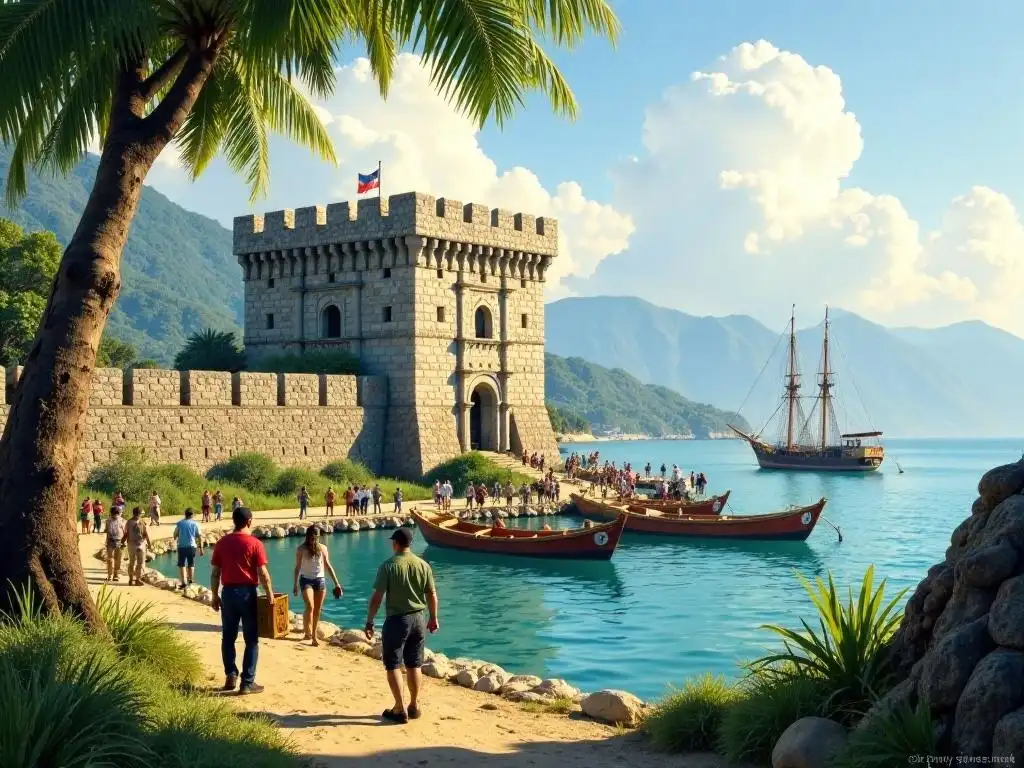
Welcome to Feudal Japan History, where we embark on a captivating journey through the intricate tapestry of Japan's feudal era. Here, we delve into the profound Portuguese influence on Japan, exploring how traders from a distant land introduced groundbreaking ideas that would forever alter the cultural landscape of the archipelago. Join us as we unravel the compelling narratives behind these historical exchanges and discover the lasting impact of foreign relations on Japan's development. Prepare to be intrigued and inspired—your exploration of this pivotal chapter in history begins now!
- Introduction to Portuguese Influence on Japan
- Historical Context of Portuguese Traders in Japan
- The Impact of Portuguese Influence on Japan
- The Role of Religion in Portuguese Influence on Japan
- Trade and Economic Influence of Portuguese Traders
- Comparison of Portuguese Influence with Other Foreign Influences
- The Decline of Portuguese Influence in Japan
- Conclusion: The Lasting Legacy of Portuguese Traders in Japan
- References
-
Frequently Asked Questions
- What was the significance of Portuguese traders in Japan?
- How did Portuguese traders influence Japanese culture?
- What were the main goods traded by the Portuguese in Japan?
- How did the arrival of Portuguese traders affect Japan's relationship with the West?
- What lasting impacts did the Portuguese have on Japanese society?
- Final Reflection: The Lasting Legacy of Portuguese Influence on Japan
- Uncover the Lasting Impact of Portuguese Traders!
Introduction to Portuguese Influence on Japan
The arrival of Portuguese traders in the mid-16th century marked a significant turning point in Japan's feudal era, bringing with them a wave of new ideas, technologies, and cultural influences that would shape the country's trajectory for centuries to come. This period, often characterized by isolation and self-sufficiency, was suddenly opened to foreign elements that not only transformed trade practices but also introduced new religious concepts, scientific advancements, and artistic expressions.
The Portuguese influence on Japan is crucial for understanding the broader scope of cultural exchanges that occurred during this time, illustrating how interactions with foreign traders can foster innovation and change within a society. This article delves into the multifaceted role of Portuguese traders, highlighting their impact on Japan's cultural landscape and the lasting effects of their presence.
Overview of Cultural Exchanges in Feudal Japan
Cultural exchanges during Japan's feudal period were not merely limited to the importation of goods but encompassed a rich tapestry of interactions that influenced various aspects of daily life. The Portuguese, among other foreign traders, played a pivotal role in this dynamic environment.
- Trade of Goods: The introduction of European goods such as tobacco, firearms, and textiles revolutionized existing markets. The nanban trade era saw Japanese merchants eagerly engaging in commerce, leading to a diversification of available products.
- Religious Influence: The arrival of Portuguese missionaries, particularly the Jesuits, facilitated the spread of Christianity in Japan. This religious exchange prompted discussions about spirituality and morality, altering the landscape of religious beliefs within the country.
- Technological Advancements: Knowledge transfer regarding shipbuilding, navigation, and military technology significantly impacted Japanese practices. The adoption of firearms changed the strategies of warfare, as samurai adapted to new combat techniques.
- Art and Culture: The interplay of Portuguese and Japanese art forms led to unique cultural fusions. Influences can be seen in textiles, ceramics, and even the introduction of Western-style painting techniques.
These exchanges created a complex web of interactions that not only enriched the Japanese cultural milieu but also laid the groundwork for future relations with Western nations.
Importance of Foreign Relations in Japanese History
The significance of foreign relations in Japanese history extends beyond mere economic transactions; it encompasses the broader implications of cultural integration and mutual influence. The interactions with Portuguese traders exemplify how foreign relations can serve as catalysts for transformation within a society.
- Strategic Alliances: The Portuguese presence in Japan opened up strategic opportunities for political alliances, particularly during the tumultuous Sengoku period. Local daimyōs recognized the potential benefits of aligning with foreign powers for trade and military support.
- Cultural Renaissance: The influx of new ideas and practices contributed to a cultural renaissance in Japan. This period saw the flourishing of arts, literature, and philosophy, as Japanese intellectuals engaged with new concepts introduced by the Portuguese.
- Global Perspective: The exchange fostered a broader global perspective among Japanese elites, enabling them to envision Japan's place in a world that was rapidly changing. This shift was crucial as Japan would later grapple with modernization and its role on the global stage during the Meiji Restoration.
- Long-Term Impact: The legacy of Portuguese influence can still be observed in contemporary Japan, from culinary traditions to linguistic borrowings, underscoring the enduring impact of these early exchanges.
The Portuguese influence on Japan serves as a compelling case study of how foreign relations can instigate profound changes within a society, shaping its cultural, political, and economic landscapes for generations to come. Understanding this historical context is essential for appreciating the complexities of Japan's interactions with the world.
Historical Context of Portuguese Traders in Japan
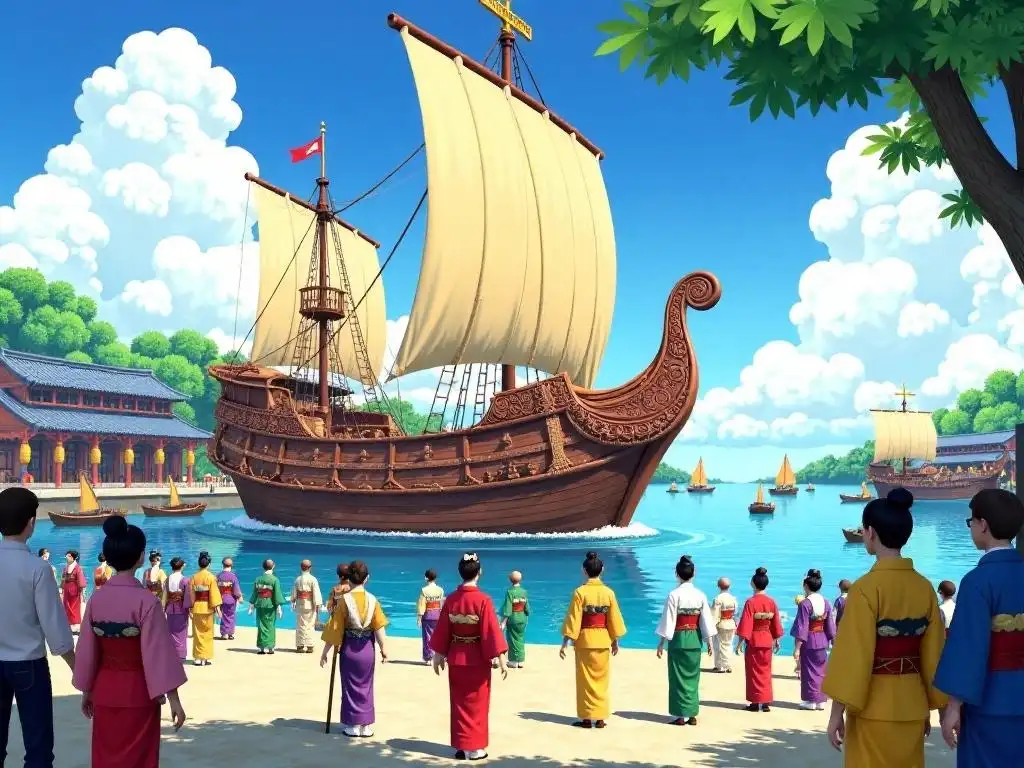
The historical context of Portuguese traders in Japan is essential to understanding the broader narrative of cultural exchanges during the feudal era. The mid-16th century marked a pivotal moment when European powers began to expand their trade networks across Asia. The Portuguese emerged as the first Europeans to establish direct contact with Japan, a significant development that would have lasting impacts on Japanese society, economy, and culture.
The arrival of the Portuguese in Japan coincided with a time of political fragmentation known as the Sengoku period (1467-1603), characterized by civil wars and the rise of powerful Daimyo (feudal lords). This environment created a demand for new technologies, goods, and ideas, making Japan receptive to foreign influences. Portuguese traders, motivated by the lucrative potential of the Asian markets, sought new trade routes and opportunities.
The Arrival of the Portuguese in Japan
The first documented arrival of Portuguese traders in Japan occurred in 1543 when a group of shipwrecked Portuguese landed on Tanegashima, a small island south of Kyushu. This event is often considered the beginning of sustained contact between Japan and the West. The Portuguese introduced various goods, including firearms, which would significantly alter warfare in Japan. The matchlock gun, or teppo, became a game-changer, influencing military strategies and power dynamics among the feudal lords.
In the years following their arrival, Portuguese ships began to regularly visit Japanese ports, establishing trade relations predominantly centered around the exchange of silk and other valuable commodities. The Japanese were particularly interested in European goods, which were seen as exotic and desirable. This exchange not only included material goods but also ideas and technologies that would shape various aspects of Japanese life.
Key Figures in Portuguese Trade and Influence
Several key figures played pivotal roles in the Portuguese endeavor to establish trade and influence in Japan. One of the most notable was Francisco Xavier, a Jesuit missionary who arrived in Japan in 1549. Xavier aimed to spread Christianity but also contributed to cultural exchanges by documenting various aspects of Japanese society and introducing Western education and science.
Another significant figure was Tadatoshi Matsura, a Japanese Daimyo who recognized the potential of Portuguese trade. He established a mutually beneficial relationship with Portuguese traders, facilitating the exchange of goods and ideas. Matsura's openness to foreign influence exemplified how certain Japanese leaders embraced the advantages that came with such connections.
Additionally, Portuguese traders like Filipe de Andrade were instrumental in navigating the complexities of Japanese politics and trade, helping to solidify relationships between Portugal and various feudal domains. Their efforts laid the groundwork for a unique cultural synthesis between Japanese and Portuguese societies.
The Initial Reception of Portuguese Traders by the Japanese
The initial reception of Portuguese traders in Japan was a mix of curiosity and skepticism. The Japanese were intrigued by the foreigners, their appearance, and their novel technologies. However, they were also cautious, as their previous encounters with outsiders had been limited and often fraught with misunderstandings.
Portuguese traders were often perceived as both potential allies and threats. While some Daimyo quickly recognized the advantages of trade, others viewed the newcomers with suspicion. The introduction of firearms, for instance, was met with both enthusiasm and apprehension, as it fundamentally altered the balance of power among feudal lords.
Moreover, the cultural exchanges facilitated by the Portuguese extended beyond trade. The introduction of Christianity and Western philosophical ideas prompted discussions and debates among Japanese intellectuals, leading to a gradual, albeit limited, acceptance of new worldviews.
The arrival of Portuguese traders in Japan marked the beginning of a significant era of cultural exchange, characterized by the introduction of new ideas, technologies, and trade practices. This initial interaction set the stage for the complex relationships that would develop between Japan and Europe in the years to come, highlighting the profound impact of Portuguese influence on Japan.
The Impact of Portuguese Influence on Japan
Introduction of New Ideas and Technologies
The arrival of Portuguese traders in Japan during the mid-16th century marked a significant turning point in Japanese history. This period, characterized by increased foreign trade, led to the introduction of a variety of new ideas and technologies that would leave a lasting impact on Japanese society. The Portuguese influence on Japan encompassed various domains, from maritime navigation to agricultural techniques, each playing a crucial role in shaping Japan's development during the feudal era.
Maritime Techniques and Navigation
One of the most profound contributions of Portuguese traders was in the realm of maritime techniques. The Portuguese were renowned for their advanced shipbuilding and navigation skills, which were introduced to the Japanese.
- Caravel Ships: The introduction of the caravel, a small, highly maneuverable ship, allowed Japanese traders to enhance their maritime capabilities. These vessels were equipped with lateen sails, enabling them to sail against the wind more effectively.
- Navigational Instruments: Tools such as the astrolabe and magnetic compass were also introduced, significantly improving navigation accuracy. This facilitated longer sea voyages, expanding trade routes and contributing to Japan's integration into international maritime commerce.
The adoption of these techniques not only advanced Japan's maritime prowess but also strengthened its economy through enhanced trade and exploration.
Agricultural Innovations and Crops
In addition to maritime advancements, Portuguese traders introduced various agricultural innovations and new crops that transformed Japanese farming practices.
- New Crop Varieties: The introduction of crops such as sweet potatoes and corn played a crucial role in diversifying Japan's agricultural output. These crops were well-suited to Japan’s climate and contributed to food security during times of famine.
- Farming Techniques: Techniques for crop rotation and improved irrigation systems were also shared, leading to increased agricultural productivity. This shift not only supported population growth but also stimulated local economies, allowing for the development of urban centers.
The integration of these agricultural innovations created a more resilient and productive society, aligning with the broader trends of the period.
Influence on Japanese Culture and Society
The Portuguese influence on Japan extended beyond practical technologies and innovations; it also reshaped cultural and societal norms. This cultural exchange introduced new artistic styles and culinary practices that would leave an indelible mark on Japan's cultural landscape.
The Adoption of Western Art and Aesthetics
The arrival of Portuguese traders brought with it Western artistic influences that began to permeate Japanese culture.
- Artistic Techniques: Techniques such as oil painting and the use of perspective were introduced to Japanese artists. This led to the emergence of new artistic styles, blending traditional Japanese motifs with Western aesthetics.
- Cultural Artifacts: The introduction of Western artifacts, including textiles and ceramics, enriched Japanese craft traditions. These items were not only valued for their beauty but also for their novel craftsmanship, sparking a curiosity for Western styles.
This fusion of art forms contributed to a vibrant cultural renaissance, facilitating an exploration of identity and expression within Japanese society.
Changes in Culinary Practices
The Portuguese influence also extended to culinary practices, leading to a transformation in Japanese cuisine.
- Introduction of New Ingredients: The Portuguese brought with them a variety of new foods, including the use of spices such as black pepper and the introduction of dishes like tempura. These elements enriched the Japanese palate and diversified local culinary offerings.
- Culinary Techniques: New cooking methods, including frying and baking, were adopted, resulting in innovative dishes that blended Portuguese flavors with traditional Japanese ingredients.
This culinary exchange not only satisfied the growing appetite for variety but also fostered a greater appreciation for global cuisines, influencing dining practices in Japan for centuries to come.
The Portuguese influence on Japan was multifaceted, impacting maritime techniques, agriculture, art, and cuisine. This exchange of ideas and technologies laid the groundwork for significant cultural developments during Japan's feudal era, enriching its societal fabric and facilitating a greater connection to the world beyond its shores.
The Role of Religion in Portuguese Influence on Japan
Introduction of Christianity to Japan
The arrival of Portuguese traders in Japan during the mid-16th century marked a significant turning point in the country's religious landscape. Among the various exchanges facilitated by these traders, the introduction of Christianity emerged as a pivotal aspect of Portuguese influence on Japan. The Portuguese, motivated by both trade and religious zeal, sought to spread Christianity while establishing economic ties.
In 1549, Jesuit missionary Francis Xavier arrived in Japan, becoming one of the first Europeans to actively promote Christianity. His efforts, along with those of subsequent missionaries, led to the establishment of a nascent Christian community in Japan. The Portuguese influence on Japan during this period not only introduced new religious ideas but also reshaped cultural practices and social dynamics within Japanese society.
The Jesuit Missionaries and Their Impact
Missionary Activities and Strategies
The Jesuit missionaries employed a variety of strategies to engage with Japanese society. They learned the Japanese language, studied local customs, and adapted their teachings to resonate with Japanese cultural values. This approach facilitated their acceptance among the Japanese, allowing them to effectively communicate the tenets of Christianity.
- Key Strategies:
- Language Acquisition: Jesuits learned Japanese to facilitate dialogue.
- Cultural Adaptation: They incorporated local customs into their practices.
- Educational Institutions: Establishing schools to educate Japanese youth in Christian teachings.
The Jesuits made a substantial impact, with estimates suggesting that by the early 17th century, there were around 300,000 Christians in Japan, particularly concentrated in regions like Nagasaki.
Conversion Stories and Challenges
The missionary work resulted in numerous conversion stories that highlighted the transformative power of Christianity in the lives of individuals. However, the Jesuits faced significant challenges, including resistance from Buddhist and Shinto leaders, who viewed the new religion as a threat to traditional beliefs.
- Notable Challenges:
- Opposition from Local Authorities: Some daimyos were wary of foreign influence.
- Cultural Resistance: Traditional belief systems saw Christianity as a disruptive force.
Despite these challenges, the Jesuits persisted, leading to a rich tapestry of religious interactions.
The Response of Japanese Society to Christianity
The introduction of Christianity elicited a complex response from Japanese society. While some embraced the new faith, others viewed it with suspicion and hostility.
Acceptance and Integration
Many Japanese found resonance in Christian teachings, particularly in the concepts of compassion and community. The Jesuits’ commitment to education and social welfare contributed to a positive reception in some areas, fostering community engagement and social reform.
- Examples of Acceptance:
- Local Leaders Supporting Christianity: Some daimyos converted, offering protection to missionaries.
- Cultural Integration: Adoption of Christian practices alongside traditional customs.
Rejection and Persecution
Conversely, as Christianity gained followers, it also faced backlash. The Tokugawa shogunate, seeking to maintain social order and unity, viewed Christianity as a potential catalyst for unrest. This led to widespread persecution of Christians in the early 17th century.
- Key Events:
- Severe Crackdowns: The Shimabara Rebellion (1637-1638) was partly fueled by the persecution of Christians.
- Censorship and Bans: The shogunate implemented strict regulations against the practice of Christianity.
The Cultural Exchange Through Religion
The exchanges initiated by the Portuguese did not solely revolve around the mere introduction of Christianity; they also facilitated a broader cultural exchange that influenced various aspects of Japanese life.
Interactions Between Japanese and Portuguese Beliefs
The dialogue between Japanese and Portuguese beliefs led to a unique fusion of ideas. The Jesuits, in particular, engaged with local religious practices, which resulted in a comparative analysis of spirituality and ethics.
- Key Interactions:
- Syncretism: Blending of Christian beliefs with Shinto and Buddhist elements.
- Philosophical Dialogues: Exchanges of ideas on morality and ethics.
These interactions enriched both Portuguese and Japanese spiritual landscapes, allowing for a deeper understanding of each other's cultures.
Lasting Effects of Religious Exchanges
The legacy of religious exchanges during the period of Portuguese influence on Japan is profound. Although Christianity was eventually suppressed, the initial encounters left lasting impressions on Japanese culture, art, and philosophy.
- Long-Term Effects:
- Cultural Artifacts: Christian imagery influenced Japanese art forms, evident in paintings and sculptures.
- Philosophical Thought: Elements of Christian morality permeated Japanese philosophical discussions.
The role of religion in the Portuguese influence on Japan was a multifaceted and dynamic process. It shaped not only the spiritual life of individuals but also contributed to broader cultural transformations within Japanese society. The intricate web of acceptance, rejection, and adaptation continues to resonate in contemporary discussions of Japan's historical interactions with foreign cultures.
Trade and Economic Influence of Portuguese Traders
Economic Relations Between Portugal and Japan
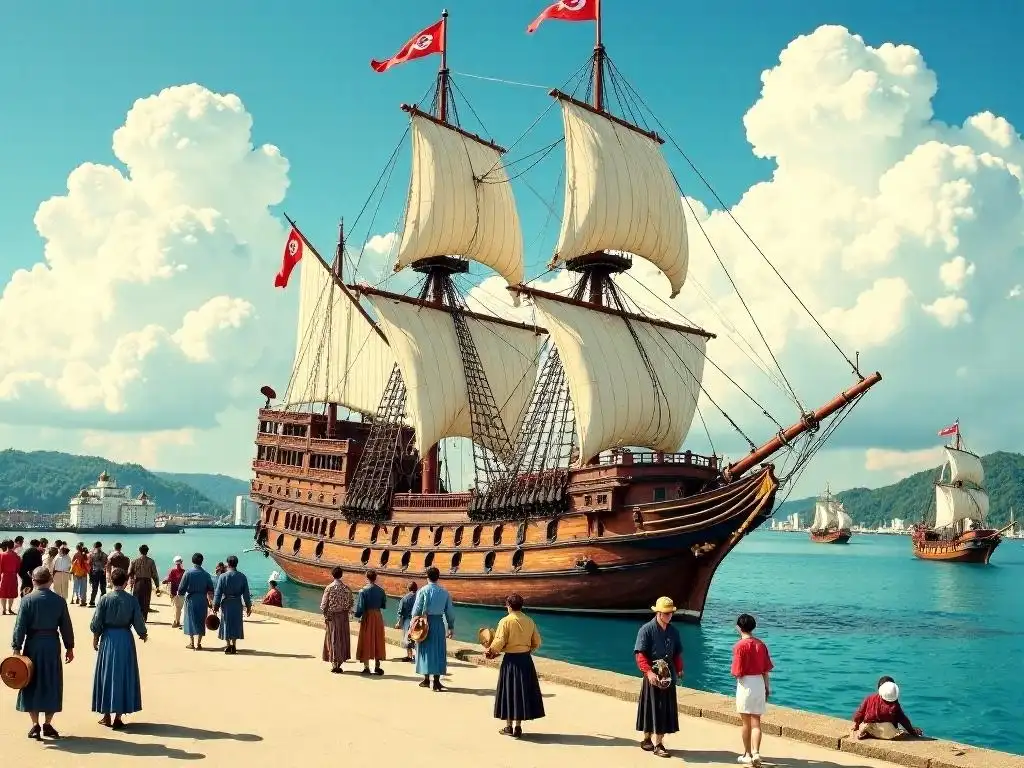
The economic relationship between Portugal and Japan blossomed during the 16th century, particularly after the arrival of Portuguese traders in 1543. This period marked the beginning of the Nanban trade, which facilitated not only commerce but also the exchange of cultural and technological ideas. The Portuguese established a trading post in Nagasaki, which became a pivotal hub for goods flowing between Japan and Europe.
At the heart of this relationship was the lucrative trade in silks, spices, and other commodities. Japan's unique goods, such as silver, were highly sought after in Europe, while Portugal provided a variety of items, including cotton textiles and firearms. This interaction allowed the two nations to create a mutually beneficial economic partnership that significantly impacted Japan's market landscape.
Trade Goods and Commodities Exchanged
The trade goods exchanged between Portuguese traders and the Japanese were diverse and varied in significance. Some key commodities included:
- Silks: Japan imported silks from China, which the Portuguese facilitated, enriching the local textile market.
- Firearms: The introduction of Portuguese matchlocks greatly influenced Japanese warfare, leading to the development of new military strategies.
- Spices: Though not produced in Japan, Portuguese traders brought spices that became essential in Japanese cooking, altering culinary traditions.
- Tobacco: The introduction of tobacco from the Americas through Portuguese channels became popular in Japan, leading to a shift in social habits.
This exchange of goods not only transformed local markets but also introduced new technologies and cultural practices that would shape Japanese society in profound ways.
The Role of the Nanban Trade
The Nanban trade, characterized by the influx of foreign goods and ideas, was pivotal in shaping the economic landscape of Japan during the feudal era. Portuguese traders, often referred to as Nanban, played a crucial role in this exchange.
- Temporal Context: The trade flourished from the mid-16th century until the early 17th century, coinciding with Japan's Sengoku period, a time of intense social and political upheaval.
- Merchant Networks: Portuguese merchants established extensive networks, connecting Japan with other Asian markets, including China and Southeast Asia. This network facilitated the transfer of not only goods but also cultural elements such as religion and technology.
Through the Nanban trade, Japan was introduced to Western customs and innovations, which would later play a significant role in its modernization efforts.
Economic Consequences of Portuguese Influence
The Portuguese influence on Japan had far-reaching economic consequences, reshaping local markets and altering trade dynamics within the region.
Effects on Local Markets and Industries
The influx of new goods and technologies introduced by Portuguese traders caused significant shifts in local markets and industries.
- Agricultural Shifts: The introduction of new crops, including sweet potatoes, transformed agricultural practices and food consumption patterns in Japan.
- Craftsmanship: The demand for foreign goods led to an increase in local production capabilities, especially in the crafting of firearms and textiles, fostering a burgeoning artisan class.
- Market Expansion: The rise in trade with Europe opened new markets for Japanese goods, allowing local artisans and merchants to expand their reach beyond regional borders.
These changes not only stimulated economic growth but also led to increased competition among local producers, driving innovation and efficiency within Japanese industries.
The Shift in Trade Dynamics
As Portuguese traders established their presence in Japan, the dynamics of trade within the region began to shift significantly.
- Emergence of New Players: The Portuguese presence attracted the attention of other European nations, including the Spanish and Dutch, who sought to establish their own trading routes and influence in Japan.
- Decline of Traditional Trade Practices: The introduction of European goods and trading practices began to undermine traditional Japanese trade networks, creating a dependency on foreign imports for certain goods.
- Regulatory Changes: In response to the growing foreign influence, Japanese authorities began to regulate trade more strictly, culminating in the Sakoku policy in the 17th century, which limited foreign interactions and established a period of isolation.
This shift in trade dynamics not only altered the economic landscape of Japan but also influenced its foreign relations and cultural exchanges in the centuries to come.
The Portuguese influence on Japan during the feudal era was profound, leaving a lasting imprint on the economic, cultural, and social fabric of the nation. The legacy of this unique relationship continues to be a point of interest for historians and scholars alike.
Comparison of Portuguese Influence with Other Foreign Influences
The Portuguese influence on Japan during the 16th century was significant, particularly in the realms of trade, religion, and technology. However, to grasp the full extent of this influence, it is essential to compare it with other foreign influences, notably those of the Spanish and Dutch. Each of these interactions introduced unique ideas and practices, shaping Japan's cultural landscape in different ways.
Spanish Influence on Japan
The Spanish influence in Japan primarily emerged through their colonial endeavors in the Philippines, which became a strategic base for Spanish trade in Asia. This influence was marked by several key aspects:
- Missionary Activities: Similar to the Portuguese, the Spanish were heavily involved in missionary work, introducing Christianity to Japan. Jesuit missionaries, such as Francis Xavier, played a crucial role in spreading Catholicism. By 1600, it is estimated that around 300,000 Japanese had converted to Christianity.
- Trade Relations: The Spanish established trade routes between Japan and the Philippines, allowing for the exchange of goods such as silk, silver, and spices. This trade not only influenced Japan's economy but also introduced new materials and products that enriched Japanese culture.
- Cultural Exchanges: Spanish influence extended to various cultural aspects, including the introduction of European music and art forms. Notably, the Spanish baroque style began to permeate Japanese artistic expressions, leading to a unique fusion of styles.
Despite these contributions, the Spanish influence was often overshadowed by the Portuguese due to their earlier arrival and deeper establishment in Japan. The restrictive policies employed by the Spanish crown also limited their impact compared to the more open interactions fostered by the Portuguese.
Dutch Influence on Japan
The Dutch influence on Japan, primarily through the Dutch East India Company, emerged as a distinctive force in the 17th century, particularly during the Edo period. Here are some key features of this influence:
- Trade Monopoly: After Portugal's expulsion from Japan in the early 17th century, the Dutch became the sole European traders allowed to operate in Japan, specifically at Dejima, a small artificial island in Nagasaki. This monopoly allowed them to introduce various goods and technologies, including scientific instruments and Western literature.
- Cultural Exchanges: The Dutch brought with them a wealth of knowledge in fields such as medicine, astronomy, and geography. The introduction of new scientific ideas and technologies was pivotal for Japan, leading to the development of Rangaku (Dutch learning), which significantly influenced Japanese modernization.
- Communication and Language: The Dutch language and Western thought began to permeate Japanese scholarship, leading to a unique blend of Eastern and Western philosophies. This mutual exchange laid the groundwork for Japan's later modernization efforts in the 19th century.
The Dutch influence, while more focused on trade and science, differed from the Portuguese and Spanish approaches by establishing a more pragmatic and less religiously motivated relationship with Japan. This distinction allowed for a more continuous exchange of knowledge and ideas.
Contrasting Cultural Exchanges and Their Significance
The contrasting cultural exchanges between the Portuguese, Spanish, and Dutch highlight the diverse ways in which foreign influences shaped Japan's development during the feudal era.
- Religious vs. Secular Influence: The Portuguese and Spanish interactions were heavily characterized by religious motives, aiming to convert the Japanese to Christianity. In contrast, the Dutch maintained a more secular approach, focusing on trade and scientific exchange, which ultimately had a lasting impact on Japan's technological advancement.
- Methods of Interaction: The Portuguese initially engaged in open trade, which facilitated a variety of cultural exchanges, including culinary innovations like tempura and the introduction of firearms. The Spanish, although influential, faced restrictions that limited their ability to penetrate deeper into Japanese society. The Dutch, however, established a controlled environment that allowed for sustained interactions, paving the way for scientific progress.
- Long-term Implications: The Portuguese laid the groundwork for initial Western contact, while the Spanish contributed to early religious and cultural exchanges. The Dutch, however, had the most significant long-term impact, as their focus on science and trade influenced Japan's eventual modernization.
The Portuguese influence on Japan was profound, but understanding it in the context of Spanish and Dutch interactions provides a comprehensive view of how foreign influences shaped Japan's cultural landscape. Each interaction brought unique contributions that collectively fostered an environment for growth, adaptation, and transformation within Japanese society.
The Decline of Portuguese Influence in Japan

The decline of Portuguese influence in Japan during the late 16th and early 17th centuries marked a significant turning point in the country's foreign relations and cultural exchanges. While the initial arrival of Portuguese traders brought a wealth of new ideas, technologies, and religious beliefs, various factors contributed to their eventual diminishing presence in Japan.
Factors Leading to the Decline
The factors leading to the decline of Portuguese influence in Japan can be categorized into political changes, the rise of isolationist policies, and the shifting dynamics of trade and cultural exchanges.
Political Changes in Japan
The political landscape in Japan was rapidly changing during the late 1500s. The unification efforts led by figures such as Oda Nobunaga and Toyotomi Hideyoshi created a centralized government, which began to assert more control over foreign interactions.
- Consolidation of Power: As the Tokugawa shogunate rose to power in the early 1600s, they established a strict hierarchy that limited foreign influence and regulated trade.
- Anti-Christian Sentiment: The spread of Christianity, brought by Portuguese missionaries, was met with increasing suspicion. The shogunate viewed Christianity as a threat to their authority and a potential source of unrest.
- Banning of Missionaries: In 1614, Christianity was officially banned, and missionaries were expelled, significantly curtailing Portuguese cultural influence.
The Rise of Isolationist Policies
The Tokugawa shogunate implemented a series of isolationist policies, known as sakoku, which effectively sealed Japan off from the outside world.
- Trade Restrictions: By the mid-1600s, the Dutch were favored over the Portuguese for trade, as the Dutch were seen as more compliant and less likely to challenge Japanese authority.
- Limited Contact: The only port open to foreign trade was Nagasaki, where the Dutch were allowed to conduct business under strict regulations, further marginalizing Portuguese traders.
- Cultural Homogeneity: The isolationist policies promoted a sense of cultural homogeneity in Japan, discouraging foreign influences that had initially been welcomed.
Legacy of Portuguese Traders in Japan
Despite their decline, the legacy of Portuguese traders remains significant in various aspects of Japanese culture and society.
Long-term Effects on Japanese Culture and Society
The Portuguese influence on Japan can still be observed today, particularly in the realms of language, technology, and cuisine.
- Linguistic Contributions: Numerous Japanese words were borrowed from Portuguese, especially in areas such as cooking and daily life. Terms like pan (bread) and tempura (a cooking technique) have their roots in Portuguese.
- Culinary Exchange: The introduction of new foods and cooking methods enriched Japanese cuisine, leading to unique fusions that are still enjoyed today.
- Technological Advancements: The Portuguese brought firearms and new shipbuilding techniques, which were incorporated into Japanese warfare and maritime practices, influencing Japan's military capabilities during the feudal era.
Historical Memory of Portuguese Influence
The historical memory of Portuguese influence in Japan is complex, shaped by both positive and negative perceptions.
- Cultural Curiosity: While the shogunate's policies eventually led to a rejection of foreign influences, the initial curiosity about Portuguese culture laid the groundwork for future cultural exchanges.
- Resurgence of Interest: In modern times, there has been a resurgence of interest in the period of Portuguese contact, with efforts to recognize and celebrate this chapter of history through festivals, academic studies, and cultural events.
- Balanced View: Today, historians and scholars acknowledge the duality of Portuguese influence, recognizing both the contributions and the tensions that arose during this period.
While the Portuguese influence on Japan diminished significantly due to political and social changes, its legacy persists in various facets of Japanese culture and continues to be a topic of interest among historians and cultural enthusiasts.
Conclusion: The Lasting Legacy of Portuguese Traders in Japan
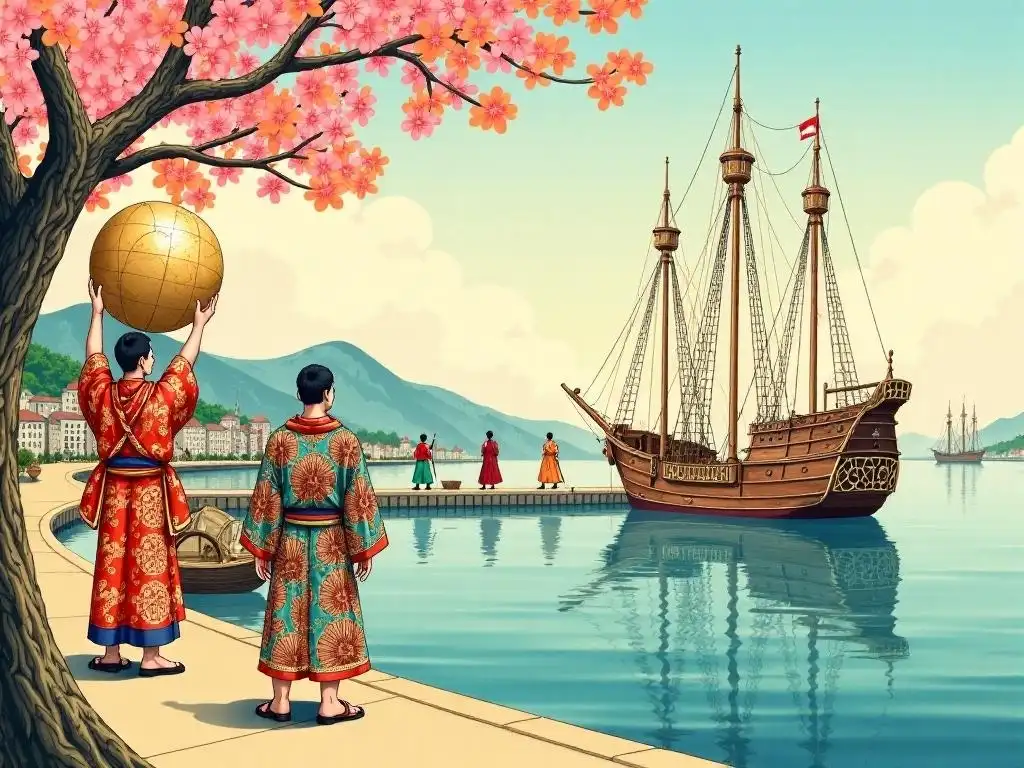
The arrival of Portuguese traders in Japan during the 16th century marked a transformative period in the country's history. This interaction not only introduced new goods and technologies but also significantly influenced Japanese culture, religion, and society. The legacy of Portuguese traders is evident in various aspects of Japan’s development, from the introduction of firearms to the spread of Christianity, and even to culinary exchanges that enriched Japanese cuisine.
The integration of foreign concepts, practices, and goods into Japanese society can be seen as a pivotal moment in the evolution of Japan's feudal era. This blending of cultures contributed to Japan's eventual modernization and opened the door to further international interactions. Overall, the Portuguese influence on Japan is a testament to the profound effects that cultural exchanges can have on a nation’s trajectory.
Summary of Key Points on Portuguese Influence
- Trade and Commerce: Portuguese traders were among the first Europeans to establish trade relations with Japan. They introduced various Western goods, including textiles, metals, and weapons. This influx not only stimulated Japanese industries but also enhanced the variety of products available to the Japanese elite and commoners alike.
- Religious Influence: The arrival of missionaries, particularly the Jesuits, brought Christianity to Japan. Figures like Francis Xavier were instrumental in spreading the faith, leading to the establishment of churches and schools. This religious exchange also fostered intellectual dialogues between Western and Japanese thought.
- Culinary Exchange: The Portuguese introduced new foods and cooking techniques that influenced Japanese cuisine. For example, the introduction of tempura—a method of batter-frying—demonstrates how culinary practices can transcend cultural boundaries.
- Military Technology: The introduction of firearms, particularly the arquebus, revolutionized Japanese warfare. This technological advancement had significant implications for the power dynamics among feudal lords and played a role in the unification of Japan.
- Cultural Artifacts: Portuguese influence extended to art and aesthetics, introducing new styles and techniques in painting, pottery, and crafts. These cultural artifacts reflect a hybridization of Japanese and Portuguese artistic expressions.
Reflection on Cultural Exchanges in Feudal Japan
The cultural exchanges that took place during the feudal era, particularly through the interactions with Portuguese traders, highlight Japan's adaptability and openness to foreign influences. While Japan was known for its insular policies, the period of Portuguese contact was marked by a unique willingness to embrace new ideas and technologies.
This openness not only enriched Japanese culture but also allowed for a complex interplay between tradition and innovation. The Portuguese influence on Japan serves as a fascinating case study of how nations can learn from one another, leading to advancements that shape their histories. The legacy of this exchange is still felt today, as elements of Portuguese culture can be seen in various aspects of modern Japanese society, from cuisine to religious practices.
The Portuguese traders played a crucial role in facilitating cultural exchanges that left a lasting impact on Japan. Their influence serves as a reminder of the importance of international relationships and the potential for mutual growth through shared ideas and practices.
References
Notable Works on Portuguese Influence on Japan
The interaction between Portuguese traders and Japan during the 16th century marked a significant turning point in Japanese history. Below are some notable works that delve into the Portuguese influence on Japan:
- "The Portuguese in Japan, 1543-1640" by M. A. L. de Azevedo
- This book provides a comprehensive analysis of the Portuguese presence in Japan, focusing on trade dynamics, cultural exchanges, and the impact of Portuguese ideas on Japanese society.
- "Japan and the West: The Early Modern Period" by John W. Hall
- Hall explores the broader context of Japan's interactions with Western powers, with specific attention to the role of Portuguese traders in introducing Christianity and new technologies.
- "The Hidden Christian Century: A History of Christianity in Japan" by N. J. O'Neill
- O'Neill examines the influence of Portuguese missionaries, particularly the Jesuits, and their efforts to spread Christianity in Japan amidst the cultural exchanges of the period.
- "Portuguese Encounters in Asia, 1500-1700" by J. R. D. S. Ferreira
- This work contextualizes the Portuguese influence in Japan within their broader Asian trade networks and highlights the cultural and economic exchanges that occurred.
- "The Japanese and the West: An Historical Perspective" by H. C. Chisholm
- Chisholm's book discusses various Western influences, including that of the Portuguese, on Japanese culture, politics, and society during the feudal era.
Suggested Further Reading on Cultural Exchanges in Feudal Japan
For those interested in exploring cultural exchanges in Feudal Japan beyond the Portuguese influence, the following readings offer valuable insights:
- "Cultural Encounters in the Age of Globalization" by K. R. Hasegawa
- This book examines the interactions between Japan and various foreign cultures during the feudal period, addressing key themes of adaptation and resistance.
- "Japan's Cultural Heritage: The Art of the Samurai" by T. S. Yamaguchi
- Yamaguchi discusses the impact of foreign ideas on Japanese art and aesthetics, particularly how the samurai class integrated new concepts into their traditional practices.
- "The Exchange of Ideas: Japan and the West" by Y. Takahashi
- This work focuses on the intellectual exchanges that occurred between Japan and Western countries, analyzing how these interactions shaped Japanese philosophical thought.
- "Trade and Cultural Interactions in the Early Modern Period" by M. K. Tanaka
- Tanaka provides a broader perspective on trade networks, highlighting the significance of cultural exchanges fostered by foreign merchants in Japan.
- "Japan in the Age of European Expansion" by E. S. R. Kimura
- This book offers a detailed account of Japan's response to European expansion, including how cultural exchanges influenced Japanese society and governance during the feudal era.
These works collectively highlight the profound and multifaceted impact of Portuguese and other foreign influences on the cultural landscape of feudal Japan, offering a deeper understanding of the complexities of these exchanges.
Frequently Asked Questions
What was the significance of Portuguese traders in Japan?
Portuguese traders were pivotal in introducing new ideas and technologies to Japan during the 16th century, impacting areas such as trade, religion, and culture.
How did Portuguese traders influence Japanese culture?
The influence of Portuguese traders on Japanese culture included the introduction of Western cuisine, firearms, and Christianity, which led to significant cultural exchanges and shifts in societal norms.
What were the main goods traded by the Portuguese in Japan?
The Portuguese primarily traded silk, spices, and sugar, along with firearms and other technologies that played a crucial role in Japan's military and economic development.
How did the arrival of Portuguese traders affect Japan's relationship with the West?
The arrival of Portuguese traders marked the beginning of Japan's engagement with the West, leading to both trade opportunities and cultural exchanges, although it also sparked conflict with other Western powers later.
What lasting impacts did the Portuguese have on Japanese society?
The Portuguese left a lasting legacy in Japan through the introduction of Christianity, which influenced art, literature, and philosophy, as well as the integration of Western technologies into Japanese life.
Final Reflection: The Lasting Legacy of Portuguese Influence on Japan
**The intricate dance of cultural exchange between Portugal and Japan during the 16th century serves as a powerful reminder of how global interactions can shape societies in profound ways. Today, as we navigate an increasingly interconnected world, the historical influence of Portuguese traders on Japan highlights the importance of embracing diversity and fostering dialogue between cultures. The exchange of ideas, goods, and philosophies not only enriched Japan but also laid the groundwork for future global interactions that continue to resonate in our lives today.
The impact of Portuguese traders on Japan transcends mere trade; it represents a pivotal moment in the cultural and social evolution of Japan. Their introduction of new ideas, technologies, and even religious beliefs sparked a transformation that would influence Japanese society for centuries. As we reflect on this historical relationship, we recognize that the blending of cultures often leads to innovation and growth. Cultural exchange is not a zero-sum game; it enriches all parties involved.
As we look to the future, let us take inspiration from the lessons of the past. Consider how you can be a catalyst for cultural exchange in your own life. Whether through travel, learning a new language, or engaging with diverse communities, each of us has the power to foster understanding and appreciation for different cultures. Embrace the spirit of curiosity and openness, and remember that every interaction has the potential to shape our world in meaningful ways.
Uncover the Lasting Impact of Portuguese Traders!
Thank you for taking the time to explore the fascinating influence of Portuguese traders in shaping new ideas in Japan. By delving into this article, you've uncovered how cultural exchanges transformed societies and fostered innovation. Now, it’s time to take that knowledge a step further and actively engage with this rich history!
Here are some actions you can take to deepen your understanding and share the excitement:
- Dive into further reading: Choose a book or documentary that focuses on historical cultural exchanges and uncover the profound effects they had on various civilizations.
- Join a discussion group: Connect with others who share a passion for history—consider starting or joining a local or online book club that explores the influences of global trade.
- Share your thoughts: Write a summary of your insights from this article and share it on social media or your blog, tagging friends who might be interested in learning more about Japan's vibrant past.
What unique perspectives do you think the arrival of foreign traders brought to Japan’s culture? We would love to hear your thoughts in the comments!