
The Evolution of Martial Arts: CrossCultural Influences in Feudal Japan

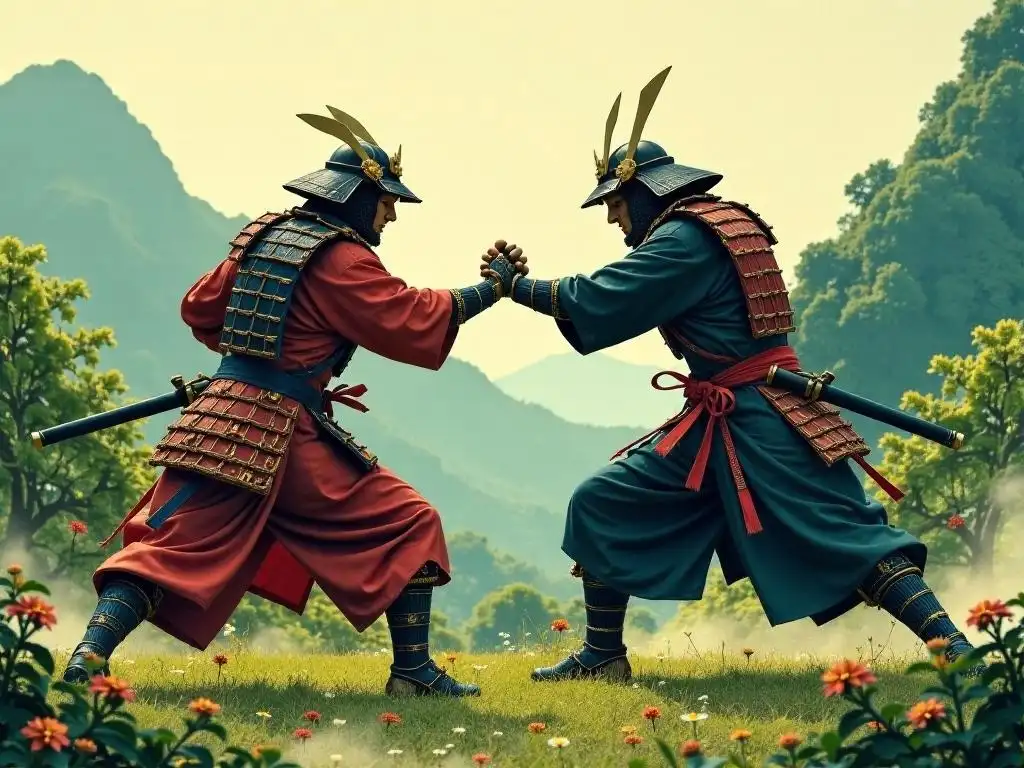
Welcome to Feudal Japan History, where we embark on an exhilarating journey through the intricacies of Japan's feudal era. Delve into the captivating world of martial arts in feudal Japan, a topic that not only reveals the physical prowess of warriors but also unveils the profound cultural exchanges that shaped this remarkable period. As you explore our in-depth article, "The Evolution of Martial Arts: Cross-Cultural Influences in Feudal Japan," you’ll discover how foreign influences carved the path for Japan’s unique martial traditions.
Get ready to unlock the secrets of a bygone era that resonates with honor, skill, and a rich tapestry of history. Your adventure awaits!
- Introduction to Martial Arts in Feudal Japan
- The Origins of Martial Arts in Japan
- The Role of Feudal Society in Shaping Martial Arts
- Cross-Cultural Exchanges in the Development of Martial Arts
- Major Martial Arts Schools Established During Feudal Japan
- The Influence of Religion and Philosophy on Martial Arts
- The Evolution of Martial Arts Post-Feudal Japan
- Conclusion: The Legacy of Martial Arts in Feudal Japan
-
Frequently Asked Questions
- What are the key influences on martial arts in feudal Japan?
- How did social hierarchy affect martial arts training during feudal Japan?
- What role did religion play in the development of martial arts in feudal Japan?
- Were there any notable martial arts schools in feudal Japan?
- How did martial arts in feudal Japan influence modern Japanese martial arts?
- Final Reflection: The Enduring Legacy of Martial Arts in Feudal Japan
- Unleash Your Inner Warrior: Discover the Path of Martial Arts!
Introduction to Martial Arts in Feudal Japan
The evolution of martial arts in feudal Japan is a captivating journey that intertwines the rich tapestry of Japan's history, culture, and foreign relations. During this era, which spanned from the late 12th century to the mid-19th century, martial arts not only served as a means of combat but also became a significant cultural phenomenon reflecting the values, philosophies, and social structures of the time. This article explores the intricate web of martial arts in feudal Japan, examining its historical context, the vital role of cross-cultural influences, and the ways these exchanges enriched Japan's martial traditions.
Overview of Martial Arts in Historical Context
Martial arts in feudal Japan evolved through various phases, shaped by the socio-political landscape and the need for military prowess. The samurai, the warrior class of Japan, were the primary practitioners of these arts, which included disciplines such as kenjutsu (swordsmanship), jujutsu (unarmed combat), and naginatajutsu (the use of the naginata).
- Key Historical Phases:
- Heian Period (794-1185): The establishment of the samurai class and the beginning of formalized martial training.
- Kamakura Period (1185-1333): Rise of the bushi (warrior) culture, with martial arts becoming essential to samurai identity.
- Muromachi Period (1336-1573): The flourishing of various martial arts schools (koryu), emphasizing both practical combat skills and philosophical teachings.
The development of these martial arts was not solely a domestic affair; it was heavily influenced by interactions with foreign cultures, including the Chinese, who contributed significantly to the philosophical underpinnings and techniques of combat.
Importance of Cross-Cultural Influences
The significance of cross-cultural influences on martial arts in feudal Japan cannot be overstated. These exchanges facilitated the integration of diverse techniques, philosophies, and training methodologies, ultimately leading to a unique martial arts culture that resonated throughout Japan.
- Key Influences:
- Chinese Martial Arts: The introduction of Chan Buddhism (Zen) had a profound impact on the mental discipline required in martial practices.
- European Military Techniques: The arrival of Portuguese traders in the 16th century introduced new firearms and combat strategies that influenced Japanese warfare and martial training.
- Korean and Mongolian Interactions: These interactions brought about additional combat techniques and concepts that enriched the martial arts landscape of feudal Japan.
Understanding these influences not only sheds light on the development of martial arts but also highlights the dynamic nature of cultural exchange during this pivotal period in Japanese history. As we delve deeper into this topic, we will uncover the complexities and nuances of how martial arts in feudal Japan were shaped by both internal and external factors, revealing a legacy that continues to resonate in contemporary martial practices.
The Origins of Martial Arts in Japan
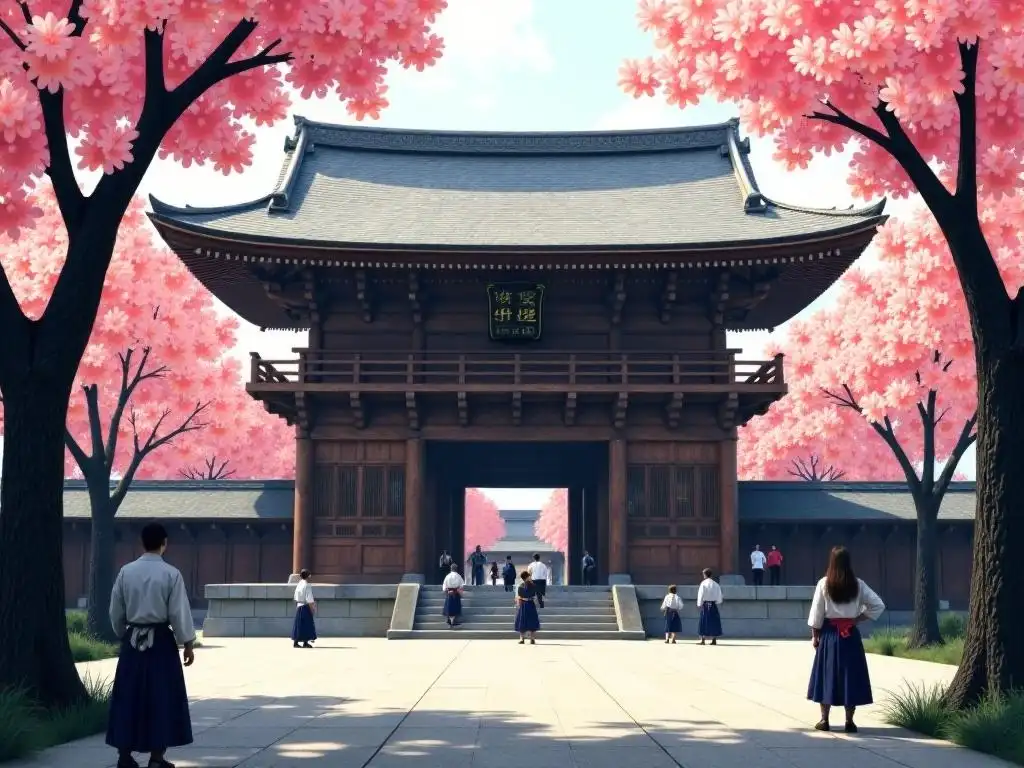
Martial arts in feudal Japan have a rich and complex history that reflects the diverse influences and cultural exchanges of the era. Rooted in the necessity of combat for survival and defense, these practices evolved over centuries, integrating various techniques, philosophies, and traditions. Understanding the origins of martial arts requires a closer look at the early forms of combat and the profound influences from neighboring cultures, particularly China.
Early Forms of Combat and Self-Defense
The earliest forms of combat in Japan can be traced back to the Jomon period (circa 14,000 to 300 BCE), where rudimentary fighting techniques were employed primarily for hunting and self-defense. As society evolved, so did the need for more structured forms of combat.
- Yamato Period (300 - 710 CE): During this time, the introduction of military skills became essential, particularly with the rise of the samurai class. The samurai were not only warriors but also carriers of cultural values, combining combat training with ethical codes.
- Heian Period (794 - 1185 CE): This era saw the formalization of martial techniques. The establishment of the "bushi" (warrior) class led to the development of various fighting styles, which began to resemble more what we consider martial arts today. Two key points of interest include:
- Bojutsu: The art of the staff, which emphasizes distance and timing.
- Kenjutsu: The art of the sword, focusing on precision and technique.
- Kamakura Period (1185 - 1333 CE): As feudal conflicts intensified, the need for effective combat training became paramount. The rise of the samurai as a dominant military force led to the formalization of various schools (ryu) that taught specialized techniques and strategies.
This evolution of martial arts was fueled by the need for both individual and collective self-defense, adapting practices that emphasized discipline, character development, and the mastery of weapons.
Influences from Chinese Martial Arts Traditions
The cross-cultural exchanges that occurred between Japan and China during the feudal era significantly influenced the development of martial arts in Japan. The introduction of Chinese martial arts brought new techniques, philosophies, and training methodologies that were integrated into existing Japanese practices.
- Buddhism and the Martial Arts: The spread of Buddhism from China also played a critical role in shaping martial arts in Japan. Through Zen Buddhism, practitioners began to incorporate meditation and mindfulness into their training, emphasizing mental discipline alongside physical prowess. This led to the development of:
- Kendo: The way of the sword, which has deep philosophical roots in Zen.
- Jujutsu: Focusing on grappling techniques, which drew inspiration from Chinese wrestling styles.
- Adaptation of Chinese Techniques: Various Chinese martial arts styles, such as Shaolin Kung Fu, influenced Japanese systems by introducing new fighting techniques and philosophies. This cultural exchange resulted in the adaptation of:
- Stances and Movements: Many Japanese martial arts adopted stances and movements that were reminiscent of Chinese forms, emphasizing fluidity and balance.
- Weaponry: The use of different weapons, such as the naginata and tanto, saw enhancements from Chinese weaponry techniques.
- Formalization of Martial Arts Schools: The establishment of martial arts schools (koryu) during the Sengoku period (1467 - 1603) was heavily influenced by Chinese philosophies regarding combat and strategy. These schools preserved and transmitted knowledge, leading to a codified structure that would define Japanese martial arts.
The origins of martial arts in feudal Japan are deeply intertwined with both indigenous traditions and external influences, particularly from Chinese martial arts. This rich tapestry of combat practices not only shaped the physical techniques but also the philosophical underpinnings that continue to influence martial arts today. The evolution of these arts is a testament to the dynamic cultural exchanges that characterized feudal Japan, reflecting the complexities of its historical narrative.
The Role of Feudal Society in Shaping Martial Arts
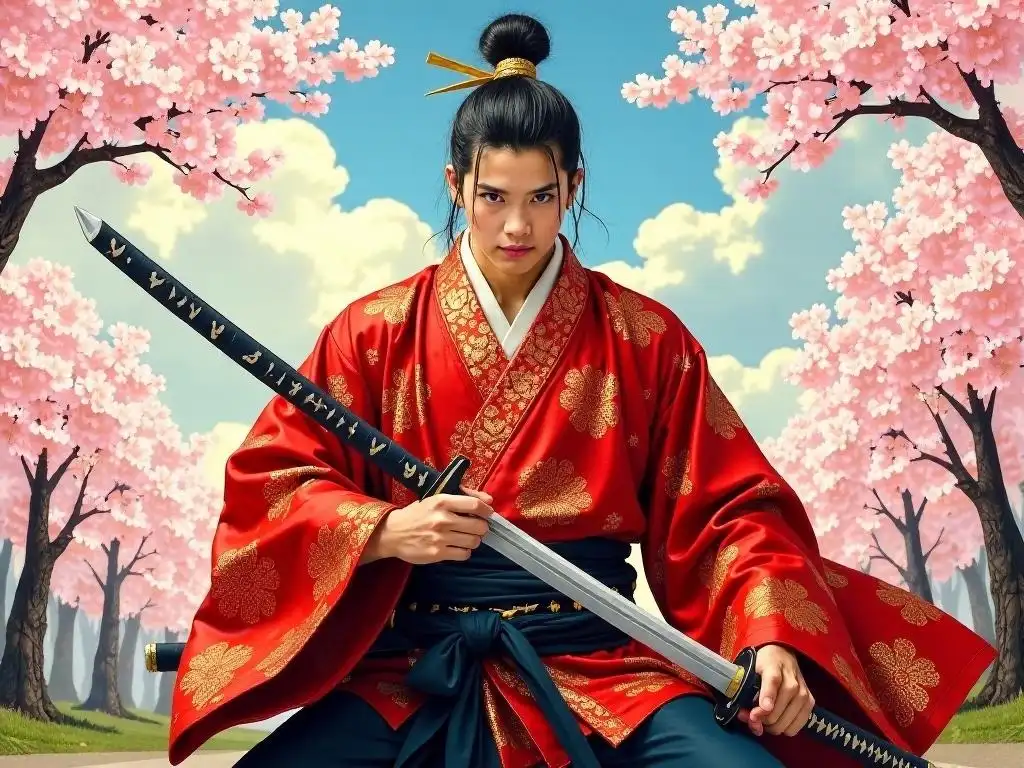
Feudal Japan was characterized by a strict social hierarchy and a warrior-dominated culture that profoundly influenced the development of martial arts. This era, spanning from the late 12th century to the 19th century, saw the emergence of various martial disciplines, which were shaped by the societal structures and cultural exchanges of the time. The division of classes, particularly between the samurai and the peasantry, created a unique environment in which martial skills were not only a means of combat but also a reflection of status, honor, and tradition.
Samurai Culture and the Warrior Ethos
The samurai, or bushi, were the military nobility of feudal Japan, embodying a warrior ethos that emphasized loyalty, honor, and discipline. This culture was pivotal in shaping martial arts, as the samurai were not just fighters but also scholars and poets, blending martial training with philosophical pursuits. The following aspects highlight the significance of samurai culture in the evolution of martial arts:
- Training Regimens: Samurai underwent rigorous training in various martial arts, including kenjutsu (swordsmanship), iaijutsu (quick-draw techniques), and other weapon-based disciplines. This training was as much about physical conditioning as it was about mental fortitude, forming a core component of the samurai's identity.
- Rituals and Traditions: The practice of martial arts was often intertwined with rituals that reinforced the samurai's code of conduct. For instance, ceremonies surrounding the art of the tea ceremony (chanoyu) reflected the importance of discipline and precision, traits that were also essential in martial arts training.
- Mentorship and Lineage: The transmission of martial knowledge was heavily reliant on master-apprentice relationships. This cultural dynamic ensured that techniques and philosophies were passed down through generations, preserving traditional martial arts even as they adapted to changing societal needs.
- Social Status and Identity: Mastery of martial arts was a means for samurai to establish their status within the feudal hierarchy. The skills acquired through years of training were not only for combat but also served as a way to gain respect and admiration from peers and subordinates alike.
The Influence of Bushido on Martial Arts Development
Bushido, the "Way of the Warrior," was a moral code that guided the samurai way of life and had a profound impact on the evolution of martial arts in feudal Japan. This code encompassed principles such as loyalty, honor, and self-discipline, which were integral to both the samurai's conduct and their martial practices. Key elements of Bushido's influence on martial arts include:
- Ethical Framework: Bushido provided an ethical framework that governed the behavior of samurai in both combat and daily life. This framework emphasized the importance of righteousness and integrity, shaping not only their martial techniques but also their approach to conflict resolution.
- Adaptation of Techniques: The principles of Bushido encouraged the continuous refinement of martial techniques. As the samurai sought to embody the ideals of courage and honor, they innovated and adapted their fighting styles, leading to the development of new martial arts forms that reflected these values.
- Philosophical Integration: The philosophical underpinnings of Bushido often drew from Zen Buddhism and Confucianism, influencing the mental aspects of martial arts training. Practitioners were encouraged to cultivate a calm mind and a clear spirit, which would enhance their performance in combat.
- Legacy of Honor: The emphasis on honor and reputation within the Bushido code ensured that martial arts were not merely techniques for warfare but rather a path to personal growth and societal contribution. This legacy fostered a respect for martial arts that persists in modern interpretations and practices.
Through the interplay of samurai culture and the moral imperatives of Bushido, martial arts in feudal Japan evolved into a complex tapestry of techniques, philosophies, and traditions that continue to resonate in contemporary martial practices. The historical context of feudal society not only shaped the physical aspects of martial arts but also imbued them with a rich cultural significance that is recognized worldwide today.
Cross-Cultural Exchanges in the Development of Martial Arts
The evolution of martial arts in feudal Japan is a fascinating tapestry woven from numerous cultural influences. The interactions with neighboring regions and their martial traditions significantly shaped Japanese martial practices. This cross-cultural exchange not only enriched the styles and techniques of martial arts but also contributed to the broader sociopolitical landscape of feudal Japan.
Interaction with Korean and Southeast Asian Martial Arts
The historical ties between Japan and its neighboring countries, particularly Korea and Southeast Asia, have played a crucial role in the development of martial arts in feudal Japan. Various forms of martial arts were exchanged through trade, diplomacy, and migration.
- Korean Influences:
- Taekkyeon: This traditional Korean martial art, characterized by its fluid movements and emphasis on footwork, is believed to have influenced the development of certain Japanese styles, particularly in the late 6th century when cultural exchanges were frequent.
- Hwa Rang Do: Another significant influence comes from the Hwa Rang Do, which emphasizes discipline and moral development alongside combat skills. The philosophical aspects of this martial art resonated with the samurai code of Bushido, promoting a blend of martial prowess and ethical conduct.
- Southeast Asian Connections:
- Silat: The martial arts of Southeast Asia, particularly Silat, share similarities with various Japanese fighting styles, especially in their use of joint locks, throws, and weapon techniques. The maritime trade routes facilitated this exchange, leading to the incorporation of diverse techniques into Japanese martial arts.
- Cultural Syncretism: The interaction with Southeast Asian cultures brought about a melding of techniques and philosophies, influencing the training methods and the spiritual aspects of martial arts practice in Japan.
The flow of knowledge and techniques from these regions contributed to the rich diversity of martial arts in feudal Japan, allowing for a more versatile and comprehensive approach to combat training.
The Impact of European Military Techniques
The arrival of European powers during the late feudal period introduced new military techniques that would leave a lasting mark on Japanese martial arts. The exchange of ideas during this time occurred primarily through trade and military encounters.
- Firearms and Warfare:
- The introduction of firearms, particularly the arquebus, revolutionized Japanese warfare. This led to the adaptation of martial arts to incorporate strategies for dealing with ranged weapons. Samurai began to train not only in traditional hand-to-hand combat but also in tactics that integrated the use of firearms.
- Tactical Reformation: European military tactics emphasized formations and coordinated assaults, which influenced the organization of samurai units on the battlefield. This shift in strategy necessitated changes in training regimens and combat styles.
- Martial Arts Systems:
- Fencing Techniques: The European fencing traditions, particularly the use of the rapier, brought about exchanges in swordplay techniques. Japanese martial arts absorbed elements of footwork, timing, and distance management from these European styles.
- Legacy of Adaptation: The adaptability of Japanese martial arts in response to European influences exemplified a historical pattern of integration and evolution. This adaptability ensured the continued relevance of martial arts in a changing world, allowing practitioners to incorporate new skills while respecting traditional values.
The cross-cultural exchanges that shaped martial arts in feudal Japan illustrate a dynamic interplay of traditions and techniques. The influences from Korea, Southeast Asia, and Europe not only enriched the combat practices of the samurai but also contributed to a broader cultural dialogue that defined the era. The result was a unique martial arts landscape that reflects the historical complexities and rich cultural heritage of feudal Japan.
Major Martial Arts Schools Established During Feudal Japan
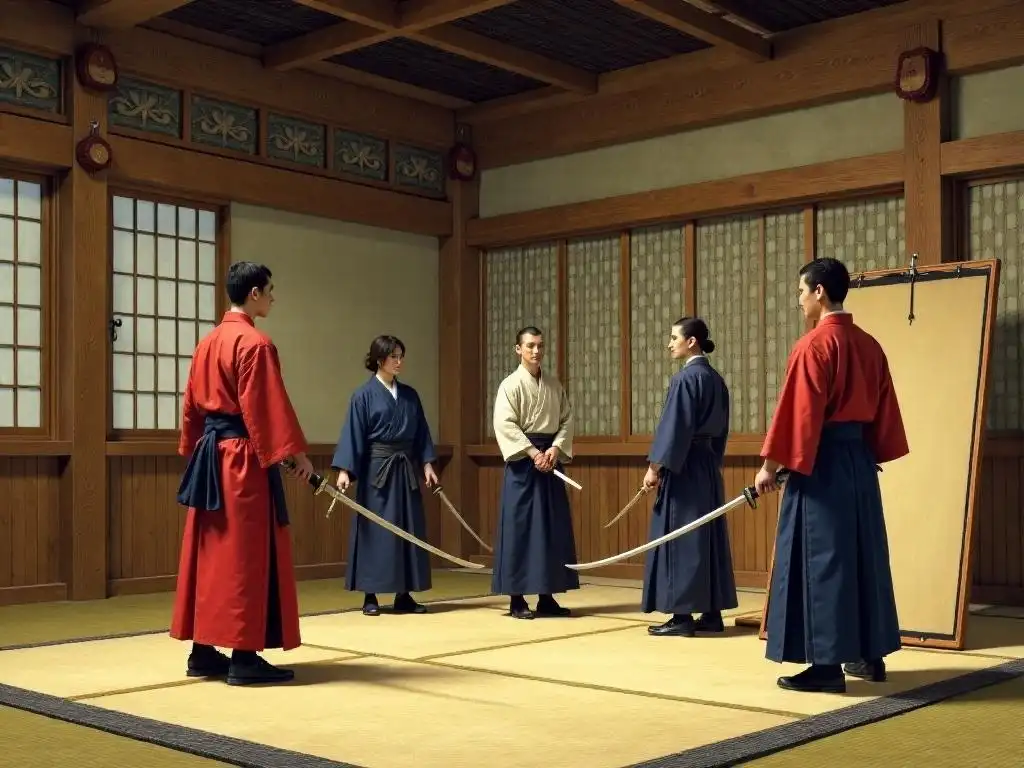
The feudal era of Japan, spanning from the late 12th century to the mid-19th century, witnessed the emergence and establishment of various martial arts schools, collectively known as "koryu." These schools played a pivotal role in shaping the martial landscape of Japan and were characterized by their unique philosophies, techniques, and training methodologies. The interaction between different cultural influences, both internal and external, contributed significantly to the evolution of these martial arts.
The Formation of Koryu (Old Schools)
Koryu, which translates to "old school," refers to the traditional martial arts schools that were established before the Meiji Restoration in 1868. The formation of these schools can be traced back to the need for effective combat techniques during a time when Japan was marked by social upheaval, warfare, and the rise of the samurai class.
- Historical Context:
- The Heian Period (794-1185) laid the groundwork for the samurai ethos, emphasizing loyalty, honor, and combat prowess.
- During the Kamakura Period (1185-1333), the samurai became the ruling class, leading to an increased focus on martial training.
- Key Characteristics of Koryu:
- Pedagogical Approach: Koryu schools emphasized a master-apprentice relationship, often requiring years of dedicated training.
- Techniques and Weapons: These schools developed comprehensive curricula that included various weapons such as swords (katana), staffs (bo), and grappling techniques.
- Prominent Koryu Schools:
- Tenshin Shoden Katori Shinto-ryu: Established in the 15th century, it is one of the oldest martial arts schools, focusing on strategy and battlefield tactics.
- Muso Jikiden Eishin-ryu: Renowned for its iaijutsu techniques, this school emphasizes drawing the sword and striking in one fluid motion.
Notable Styles: Kenjutsu, Iaijutsu, and Jujutsu
The martial arts schools of feudal Japan gave rise to several notable styles, each with distinct techniques and philosophies:
- Kenjutsu:
- Definition: The art of swordsmanship, primarily focusing on the katana.
- Training Regimens: Practitioners engage in paired kata (forms) to develop precision, timing, and distance control.
- Cultural Significance: Kenjutsu was not only a means of combat but also a reflection of the samurai's way of life, embodying the virtues of discipline and respect.
- Iaijutsu:
- Definition: The art of drawing the sword and cutting in a single motion.
- Philosophical Underpinnings: Iaijutsu emphasizes mental clarity and quick reflexes, often practiced in solo kata.
- Influence on Modern Martial Arts: Iaijutsu laid the foundation for contemporary Iaido, which focuses on the mental and spiritual aspects of swordsmanship.
- Jujutsu:
- Definition: A grappling art that utilizes joint locks, throws, and strikes.
- Adaptability: Jujutsu techniques were designed for close combat situations, making it effective against armored opponents.
- Legacy: The principles of jujutsu significantly influenced modern martial arts, including judo and Brazilian jiu-jitsu.
The Role of Dojos in Cultural Exchange
Dojos, or training halls, served as vital centers for the dissemination and exchange of martial arts knowledge during feudal Japan. Their role transcended mere physical training; they fostered cultural interactions among various martial traditions.
- Cultural Melting Pots:
- Dojos often hosted practitioners from different schools, creating an environment conducive to sharing techniques and philosophies.
- This exchange led to the incorporation of diverse martial principles, enriching the practices of individual schools.
- Community Engagement:
- Dojos became community hubs where local samurai and warriors gathered, fostering a sense of camaraderie and shared purpose.
- Events, such as demonstrations and competitions, were organized to showcase skills, drawing participants from various regions and backgrounds.
- Legacy of Dojos:
- The dojo system established during feudal Japan has influenced modern martial arts training environments worldwide.
- Many contemporary martial arts schools continue to uphold the traditions and values originating from these historic dojos, promoting both physical and mental development.
The evolution of martial arts in feudal Japan was profoundly influenced by the establishment of koryu schools, the development of notable styles, and the cultural exchange facilitated by dojos. These elements collectively contributed to a rich martial heritage that continues to resonate in modern practices.
The Influence of Religion and Philosophy on Martial Arts
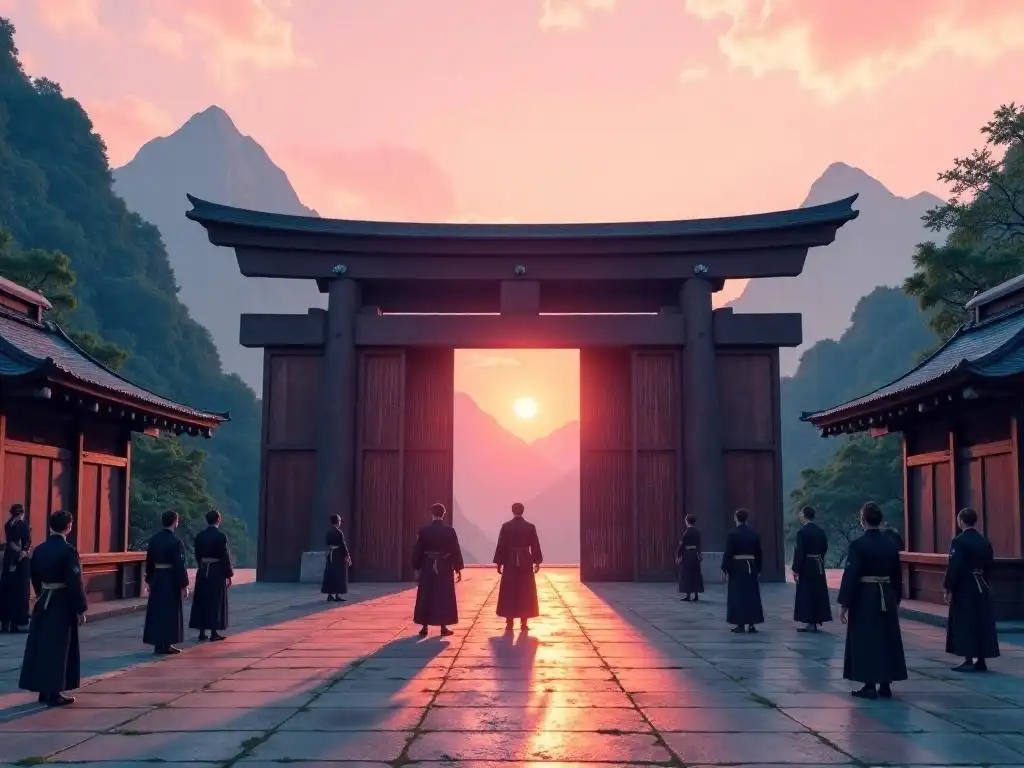
The development of martial arts in feudal Japan was profoundly shaped by various religious and philosophical influences. These elements not only provided a framework for the techniques and strategies of martial disciplines but also infused them with ethical and spiritual dimensions. Understanding the impact of religion and philosophy is crucial to comprehending the complexities of martial arts in feudal Japan.
Zen Buddhism and Its Impact on Martial Arts Training
Zen Buddhism emerged in Japan during the late 12th century and quickly became a significant influence on various aspects of Japanese culture, including martial arts. The principles of Zen, particularly its focus on meditation, mindfulness, and the pursuit of enlightenment, profoundly affected martial training.
- Meditative Practices: Practitioners of martial arts began to incorporate Zen meditation into their training regimens. This practice helped cultivate a calm and focused mind, essential for effective combat. The tranquility achieved through meditation allowed martial artists to respond to threats with clarity and composure.
- Mind-Body Connection: Zen emphasized the unity of mind and body, a concept that became integral to martial arts training. Techniques such as kime (focus) and zanshin (awareness) were developed, promoting an acute awareness of one's surroundings and an ability to react instinctively.
- Philosophy of Non-Attachment: Zen teachings encouraged a philosophy of non-attachment, which influenced martial artists to approach combat not with aggression but with a sense of acceptance. This mindset enabled practitioners to remain flexible and adaptive during confrontations, enhancing their effectiveness in martial engagements.
The integration of Zen principles led to the emergence of schools such as the Katori Shinto-ryu and Tenshin Shoden Katori Shinto-ryu, which emphasized the importance of mental discipline alongside physical prowess.
The Connection Between Shinto Practices and Martial Arts
Shinto, the indigenous spirituality of Japan, also played a pivotal role in shaping martial arts during the feudal era. The beliefs and rituals associated with Shinto provided a spiritual context for martial practices.
- Rituals and Offerings: Many martial arts schools incorporated Shinto rituals into their training. Practitioners would often perform purification ceremonies and make offerings to the kami (spirits) for protection and guidance during combat. This connection to the spiritual world fostered a sense of reverence and responsibility among martial artists.
- Concept of Bushido: The samurai code of conduct, known as Bushido, was heavily influenced by Shinto beliefs. This code emphasized virtues such as loyalty, honor, and bravery, which were paramount for warriors. Martial arts training was seen as a way to cultivate these virtues, aligning physical skills with moral integrity.
- Nature and Spirituality: Shinto's deep reverence for nature influenced martial arts practices. The appreciation for natural elements was reflected in techniques that mimicked animal movements and the flow of water. This connection to nature encouraged practitioners to develop harmony within themselves and their surroundings.
The interplay of Zen Buddhism and Shintoism with martial arts in feudal Japan created a rich tapestry of spiritual and philosophical dimensions that shaped not only the techniques but also the ethical frameworks of martial practice. This intricate relationship underscores the importance of understanding the cultural exchanges that influenced martial arts during this transformative era.
The Evolution of Martial Arts Post-Feudal Japan
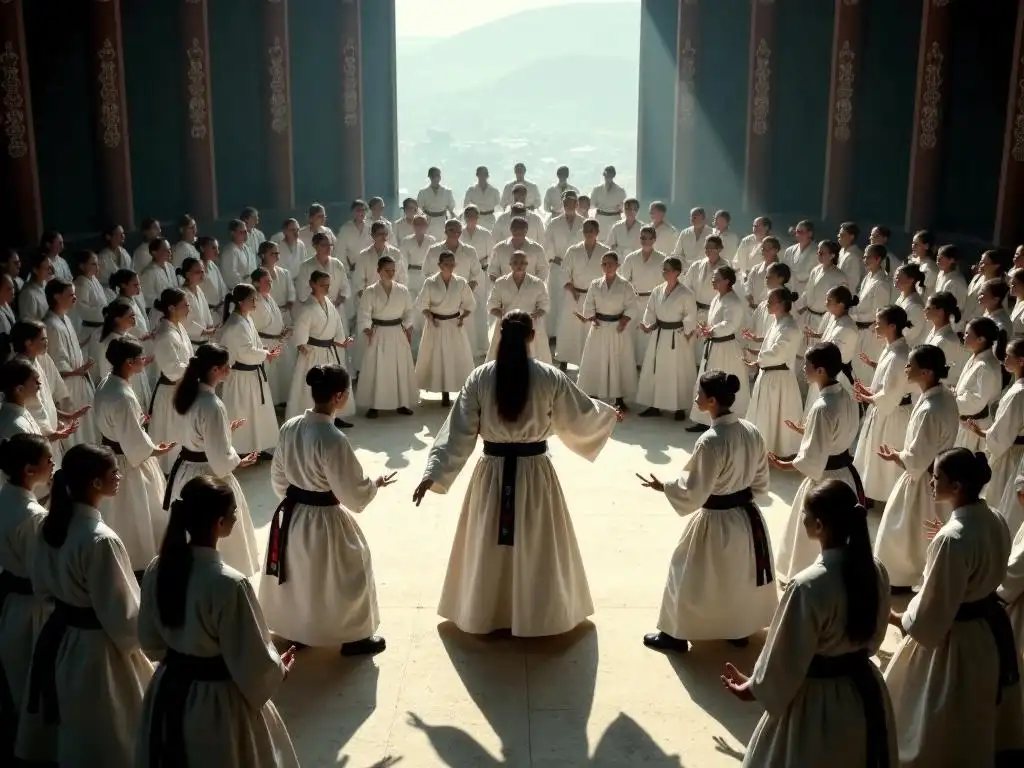
The transition from feudal Japan to the modern era brought significant changes to martial arts, marking the evolution of these practices from their historical roots into contemporary forms. This transformation was influenced by various factors, including cultural exchanges, technological advancements, and shifts in societal values.
Transition to Modern Martial Arts in Japan
The end of the feudal period in the late 19th century heralded the Meiji Restoration, a time when Japan began to modernize and embrace Western influences. During this period, traditional martial arts faced challenges as the samurai class was dismantled, and the focus shifted towards a more modern military framework. Despite these changes, many martial arts styles adapted and evolved.
- Introduction of Western Martial Techniques:
- The integration of Western combat techniques began to influence Japanese martial arts. Styles such as judo and kendo incorporated elements of Western boxing and fencing, adapting their practices to create hybrid forms.
- For example, the development of judo by Jigoro Kano in the late 19th century was not only a response to the need for a practical self-defense system but also reflected the influence of Western educational models.
- Establishment of National Organizations:
- The establishment of organizations, such as the All Japan Kendo Federation in 1952, played a crucial role in standardizing practices and promoting martial arts as a national sport. This helped in preserving the essence of traditional martial arts while making them accessible to the general public.
- These organizations provided a framework for tournaments and competitions, fostering a sense of community and continuity among practitioners.
- Globalization and Cultural Exchange:
- As martial arts gained popularity outside of Japan, they began to adapt to the cultural contexts of other countries. The globalization of martial arts in the late 20th century saw the emergence of various schools and styles, each incorporating unique elements from their respective cultures.
- This cross-cultural exchange not only enriched the martial arts landscape but also created a platform for practitioners worldwide to appreciate and learn from Japanese traditions.
Preservation of Traditional Practices
Despite the modernization and globalization of martial arts, there has been a concerted effort to preserve traditional practices, ensuring that the rich history of martial arts in feudal Japan remains alive.
- Dojo Culture:
- Dojos (training halls) serve as vital centers for the transmission of traditional martial arts. Many dojos emphasize the importance of etiquette, philosophy, and history, providing a holistic approach to training.
- Practitioners are often required to engage in rituals that honor the lineage of their martial art, fostering a deep respect for the traditions established during the feudal era.
- Ryuha (Schools) and Lineages:
- The ryuha, or schools of martial arts, have been pivotal in preserving techniques and teachings that date back to feudal Japan. Each ryuha carries its unique history and philosophy, often tracing its lineage to a specific samurai or martial artist.
- For instance, styles like Aikido and Iaido maintain a close connection to their historical roots, emphasizing the principles of harmony and precision that characterized samurai combat techniques.
- Cultural Events and Festivals:
- Various cultural events and festivals throughout Japan celebrate traditional martial arts, showcasing performances, demonstrations, and competitions. These events not only honor the heritage of martial arts but also engage the community in appreciating its historical significance.
- Examples include the All Japan Kendo Championships and various traditional martial arts exhibitions that attract participants and spectators from around the globe.
The evolution of martial arts post-feudal Japan reflects a dynamic interplay between preservation and adaptation. While the influences of modernization and globalization have transformed martial arts practices, the commitment to uphold the traditions and philosophies of feudal Japan remains strong, ensuring that the legacy of these martial arts continues to thrive in contemporary society.
Conclusion: The Legacy of Martial Arts in Feudal Japan
The legacy of martial arts in feudal Japan is a testament to the intricate web of cultural exchanges that shaped the nation during this era. The evolution of these combat techniques was not solely an indigenous phenomenon; it was heavily influenced by interactions with neighboring cultures, particularly China and Korea. As a result, martial arts became a rich tapestry woven from various traditions, philosophies, and practices, which contributed to their development and sophistication.
Martial arts, such as Kenjutsu (the art of the sword) and Jujutsu (the art of unarmed combat), emerged as essential components of the samurai's training regimen. This training was not only about physical prowess but also emphasized discipline, strategy, and ethics, reflecting the samurai code of Bushido. The fusion of foreign techniques and indigenous practices enriched the martial arts landscape, ensuring their relevance in both combat and cultural expression.
Furthermore, the legacy of martial arts transcends the feudal era, influencing various aspects of Japanese society, including art, philosophy, and education. The principles established during this time continue to resonate in contemporary martial arts practices, highlighting the enduring significance of these historical influences.
Lasting Impact of Cross-Cultural Influences on Modern Martial Arts
The impact of cross-cultural influences on martial arts in feudal Japan is still palpable in today's martial arts landscape. Techniques, philosophies, and training methods that originated from this historical period have evolved and diversified into numerous martial arts styles practiced worldwide. Here are some key aspects of this lasting impact:
- Integration of Techniques: Many modern martial arts, such as Karate and Aikido, can trace their roots back to the blending of techniques from Chinese martial arts, which were introduced to Japan through cultural exchanges. This fusion enriched the combat styles, leading to a variety of techniques and forms that are practiced today.
- Philosophical Foundations: The philosophical underpinnings established during the feudal era, such as the emphasis on respect, honor, and discipline, continue to influence martial arts training. Modern practitioners often incorporate these values into their training regimens, fostering personal growth and character development alongside physical skills.
- Globalization of Martial Arts: The globalization of martial arts has facilitated the spread of traditional Japanese techniques and philosophies beyond Japan's borders. As various styles gained international popularity, they adapted and integrated local influences, leading to new interpretations of traditional practices.
| Modern Martial Arts Styles | Influences from Feudal Japan |
|---|---|
| Karate | Influenced by Okinawan martial arts and Chinese Kung Fu |
| Judo | Developed from Jujutsu techniques, emphasizing throws and grappling |
| Aikido | Incorporates principles of harmony and blending from Japanese martial philosophy |
| Kendo | Evolved from Kenjutsu, focusing on the way of the sword with a modern twist |
The continued evolution of martial arts is a reflection of the dynamic nature of cultural exchanges, showcasing the adaptability and resilience of these practices across generations.
Reflection on the Historical Significance of Martial Arts in Japanese Culture
The historical significance of martial arts in Japanese culture extends far beyond mere combat. During the feudal era, martial arts served as a crucial vehicle for social cohesion, identity formation, and the articulation of cultural values. Here are several key reflections on their importance:
- Cultural Identity: Martial arts became a defining aspect of Japanese identity, particularly among the samurai class. The skills and virtues associated with martial arts were integral to the samurai's status and role within society, reinforcing their image as noble warriors.
- Transmission of Knowledge: The transmission of martial arts knowledge through generations ensured that techniques and philosophies were preserved. Dojos (training halls) became centers for learning, where not only physical skills were taught but also historical context, ethics, and the philosophical dimensions of martial arts.
- Artistic Expression: Beyond their practical applications, martial arts were also seen as forms of artistic expression. The choreography of movement, the aesthetic of combat, and the spiritual aspects of practice allowed martial arts to be appreciated as an art form, intertwining physicality with creativity.
- Community and Camaraderie: Training in martial arts fostered a sense of community among practitioners. The shared experience of discipline, sparring, and mutual respect created bonds that transcended social classes, promoting unity and cooperation within communities.
Martial arts in feudal Japan were not only essential for combat but were also deeply embedded in the cultural and social fabric of the nation. Their legacy continues to be felt, influencing modern practices while reminding us of the rich historical tapestry from which they emerged.
Frequently Asked Questions
What are the key influences on martial arts in feudal Japan?
The evolution of martial arts in feudal Japan was influenced by Chinese, Korean, and indigenous Japanese fighting techniques, blending various styles to create a unique martial culture.
The samurai class, as the ruling elite, had exclusive access to advanced martial arts training, while commoners had limited opportunities, often focusing on practical self-defense techniques.
What role did religion play in the development of martial arts in feudal Japan?
Buddhism and Shinto beliefs significantly influenced martial arts, promoting a philosophy of discipline, harmony, and the spiritual aspect of combat training.
Were there any notable martial arts schools in feudal Japan?
Yes, several renowned schools emerged, such as the Kashima Shinto-ryu and Katori Shinto-ryu, which laid the foundations for various martial arts styles practiced today.
How did martial arts in feudal Japan influence modern Japanese martial arts?
The techniques and philosophies developed during the feudal era directly shaped modern forms like kendo, aikido, and judo, preserving the cultural heritage of Japan's martial traditions.
Final Reflection: The Enduring Legacy of Martial Arts in Feudal Japan
The evolution of martial arts in feudal Japan is not just a historical narrative; it is a testament to the profound influence of culture, philosophy, and tradition on the development of combat techniques. Today, as we navigate a world increasingly defined by globalization and cultural exchange, the lessons learned from the martial arts of feudal Japan resonate more than ever. The intricate dance of adaptation and innovation that characterized this period serves as a powerful reminder of how diverse influences can shape a singular identity.
The rich tapestry of martial arts in feudal Japan continues to inspire contemporary practices and philosophies around the globe. From the disciplined training of practitioners to the ethical codes that govern their conduct, the principles established during this era remain relevant. As noted by martial arts historian Donn F. Draeger, "> The martial arts are not just about fighting; they are a way of life that encompasses discipline, respect, and personal growth." This ongoing influence highlights how the past informs our present, urging us to reflect on the values we carry forward in our own lives.
As we ponder the significance of martial arts in feudal Japan, I invite you to consider how these ancient practices can enrich your own journey. Reflect on the principles of discipline, respect, and resilience that martial arts embody, and think about how you can integrate these values into your daily life. Whether through physical training, mental fortitude, or ethical decision-making, let the legacy of martial arts inspire you to cultivate a deeper understanding of yourself and your place within a diverse world.
Unleash Your Inner Warrior: Discover the Path of Martial Arts!
Thank you for diving deep into the rich history of martial arts and its cross-cultural influences in feudal Japan! You’ve uncovered fascinating insights that can inspire you not just in learning about the past, but in shaping your own journey ahead. Now, it’s time to take those lessons and transform them into action!
Here are a few powerful ways to channel your newfound knowledge:
- Join a local martial arts class to experience the philosophy and discipline firsthand.
- Explore the connections between different martial arts styles and their histories by reading more on specialized blogs or books.
- Share your thoughts or this article with friends on social media, and ignite a discussion about how history shapes modern practices.
What is one lesson from martial arts that you’re excited to apply in your everyday life, and how do you believe it will influence you?