
How Foreign Diplomats Influenced Japanese Court Culture

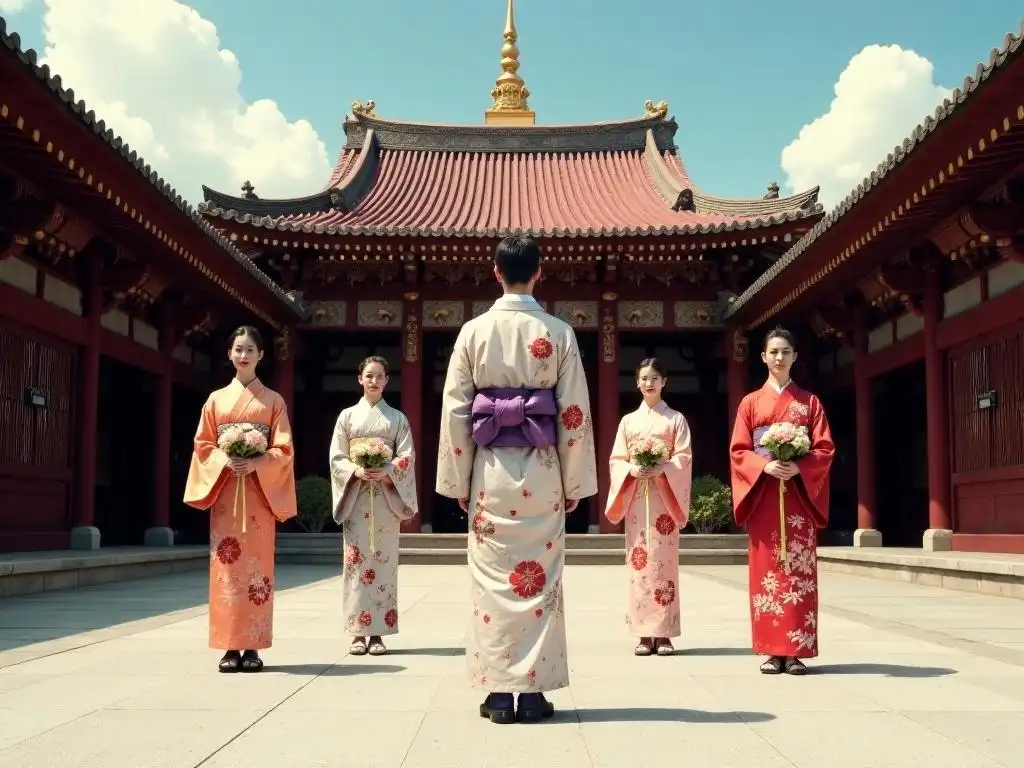
Welcome to Feudal Japan History, where we embark on a captivating journey through the intricate tapestry of Japan’s feudal era. Dive into our latest article, “How Foreign Diplomats Influenced Japanese Court Culture,” and discover the fascinating dynamics that shaped the interactions between foreign diplomats and the elite of the Japanese court. What secrets did these envoys unveil, and how did their presence transform cultural norms? Join us as we unravel these compelling narratives and explore the profound impacts of foreign relations on Japan's history. Your adventure awaits—let's delve deeper!
- Introduction to Foreign Diplomats and Japanese Court Culture
- The Role of Foreign Diplomats in Shaping Japanese Court Culture
- Cultural Exchanges Initiated by Foreign Diplomats
- Diplomatic Missions and Their Impact on Japanese Society
- Language and Communication: Bridging Cultures
- The Evolution of Diplomacy and Its Cultural Implications
- Conclusion: Legacy of Foreign Diplomats in Japanese Court Culture
- Further Reading on Foreign Diplomats and Japanese Court Culture
-
Frequently Asked Questions
- What was the role of foreign diplomats in Japanese court culture?
- How did foreign diplomats impact the political landscape in Feudal Japan?
- What are some examples of cultural exchanges initiated by foreign diplomats?
- Did foreign diplomats face challenges in adapting to Japanese customs?
- How did Japanese court culture evolve due to foreign influence?
- Final Reflection: The Enduring Legacy of Foreign Diplomats in Japanese Court Culture
- Unveil the Rich Heritage of Japanese Court Culture!
Introduction to Foreign Diplomats and Japanese Court Culture
The intricate tapestry of Japan's feudal era is woven with threads of cultural exchange and diplomatic interaction, particularly within the sphere of the Japanese court. This period, marked by the rise of powerful clans and the establishment of the shogunate, also saw the arrival of foreign diplomats who played a pivotal role in shaping court culture.
These diplomats, representing various nations, brought not only political agendas but also a wealth of knowledge, artistic influences, and new ideas that enriched the fabric of Japanese society. By examining the interactions between these foreign diplomats and the Japanese court, we gain valuable insight into how external influences transformed traditions, aesthetics, and diplomatic practices in a time often characterized by insularity.
Overview of Japanese Court Culture in the Feudal Era
Japanese court culture during the feudal era was a vibrant amalgamation of art, literature, and social practices that reflected the values and hierarchies of the time. At its core, the court was an epicenter of political power and cultural refinement, characterized by:
- Hierarchical Structures: The court operated under strict social hierarchies, where rank and status dictated interactions and privileges. The emperor, though often a symbolic figure, was regarded as the ultimate authority, while shoguns and nobles wielded actual power.
- Artistic Expression: The era was renowned for its flourishing arts, including poetry, calligraphy, and the performing arts. The influence of Chinese culture was profound, with the adoption of various artistic forms and philosophies.
- Rituals and Ceremonies: Formal ceremonies played a crucial role in reinforcing social bonds and political alliances. Rituals such as court banquets and seasonal festivals were integral to court life, showcasing the opulence and sophistication of the culture.
The unique characteristics of Japanese court culture were not developed in isolation; rather, they evolved through interactions with foreign diplomats and their respective cultures.
Importance of Foreign Diplomats in Cultural Exchanges
Foreign diplomats were instrumental in mediating cultural exchanges between Japan and other nations during the feudal era. Their influence is underscored by several key factors:
- Introduction of New Ideas: Diplomatic missions often brought with them new philosophies, technologies, and artistic styles. For instance, the introduction of European painting techniques and scientific knowledge had a lasting impact on Japanese art and thought.
- Facilitation of Trade: The presence of foreign diplomats often coincided with trade agreements that allowed for the exchange of goods and ideas. These interactions not only enriched the court culture but also stimulated economic growth.
- Cultural Adaptation: The Japanese court exhibited a remarkable ability to adapt and assimilate foreign elements, integrating them into existing cultural frameworks. This blending of traditions led to the creation of unique art forms, culinary practices, and social customs.
The role of foreign diplomats in shaping Japanese court culture cannot be overstated; their contributions facilitated a dynamic cultural landscape that would influence generations to come. As we delve deeper into specific instances of these cultural exchanges, the profound impact of diplomatic relations during this era will unfold.
The Role of Foreign Diplomats in Shaping Japanese Court Culture
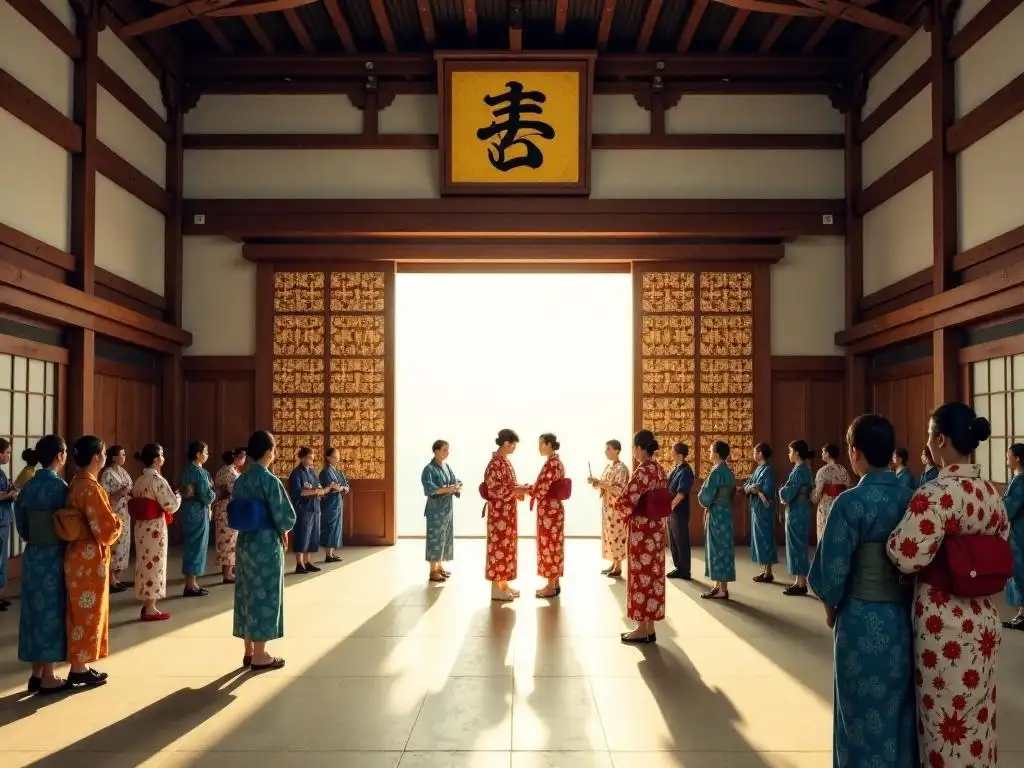
Foreign diplomats played a pivotal role in shaping Japanese court culture during various periods of the feudal era. Their interactions with the imperial court and samurai class not only facilitated the exchange of ideas and customs but also influenced Japan's diplomatic practices, art, and societal norms. Understanding the nuances of these interactions provides valuable insight into how foreign influences were integrated into the fabric of Japanese culture.
Historical Background of Foreign Diplomacy in Japan
The history of foreign diplomacy in Japan dates back to the early interactions with China and the Korean Peninsula. However, it was during the late 16th and early 17th centuries, particularly with the arrival of European powers, that the role of foreign diplomats became more pronounced.
- Key Events:
- 1580s: The arrival of Jesuit missionaries marked the beginning of significant cultural exchanges between Japan and Europe.
- 1600: William Adams, an English navigator, became one of the first foreign diplomats to establish a relationship with the Tokugawa shogunate.
- 1630s: Japan implemented a policy of sakoku (closed country), restricting foreign influence, yet some diplomats continued to operate under strict regulations.
This historical backdrop set the stage for a unique blend of foreign customs and Japanese traditions, leading to a distinctive court culture that reflected both local and international influences.
Key Foreign Diplomats and Their Contributions
Several foreign diplomats made notable contributions to Japanese court culture, each leaving a lasting legacy through their interactions with the ruling elite.
William Adams and Their Influence
William Adams, often regarded as the first Englishman in Japan, arrived in 1600 aboard the ship De Liefde. His relationship with Tokugawa Ieyasu, the founder of the Tokugawa shogunate, was instrumental in establishing diplomatic ties between England and Japan.
- Contributions:
- Cultural Exchange: Adams introduced Western technologies, shipbuilding techniques, and navigational knowledge to Japanese artisans, which had long-term implications on trade and maritime practices.
- Court Influence: His close relationship with Ieyasu allowed him to influence court customs, including the adoption of certain Western practices in governance and military strategy.
- Literary Impact: Adams's accounts of Japan and its culture, including his writings, contributed to the Western perception of Japan during the period, paving the way for future diplomatic relationships.
Paul Georg von Möllendorff and Their Impact on Court Customs
Paul Georg von Möllendorff, a German diplomat and scholar, arrived in Japan in the late 19th century and became a notable figure in Japanese court culture. His expertise in language and culture allowed him to navigate the complexities of Japanese society effectively.
- Contributions:
- Language and Education: Möllendorff played a significant role in the development of language education in Japan, particularly in teaching German to Japanese officials, fostering a greater understanding of Western diplomatic practices.
- Cultural Integration: He promoted the integration of Western customs within the Japanese court, influencing fashion, etiquette, and even the arts. His efforts helped modernize the court culture while respecting traditional practices.
- Diplomatic Relations: Möllendorff's work in diplomacy helped solidify Japan's position in the global arena during a time of significant change, contributing to the nation's modernization efforts.
The influence of foreign diplomats like Adams and von Möllendorff on Japanese court culture underscores the importance of cultural exchanges in shaping national identity and diplomatic relations, highlighting the intricate tapestry of Japan’s feudal history.
Cultural Exchanges Initiated by Foreign Diplomats
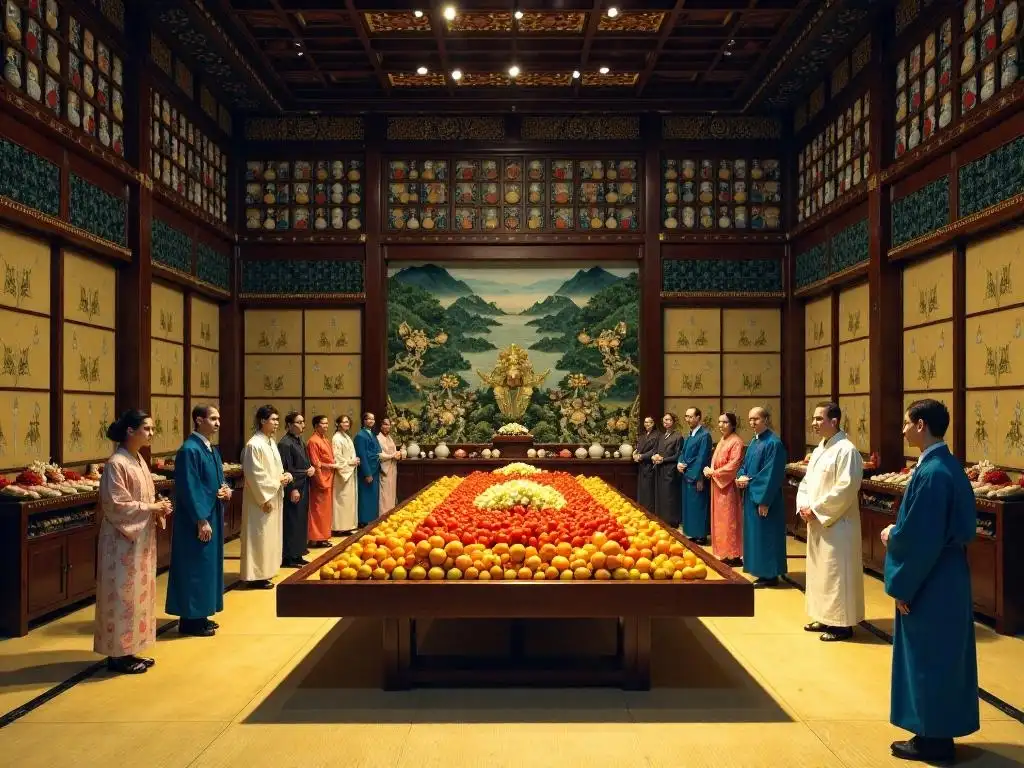
Introduction of Western Art and Literature
The arrival of foreign diplomats during Japan's feudal era marked a significant turning point in the cultural landscape of the nation. As these diplomats sought to establish trade and diplomatic relations, they brought not only goods but also ideas that would permeate various aspects of Japanese life. One of the most profound influences was the introduction of Western art and literature.
In the 16th century, the Portuguese and Spanish missionaries introduced European literature and artistic styles, which contrasted sharply with traditional Japanese aesthetics. Works of art began to reflect Western techniques, such as perspective and chiaroscuro, leading to the emergence of a new genre of painting known as "Nanban art." This artistic movement depicted not only the foreign diplomats themselves but also the cultural exchanges that took place during this period.
Moreover, the written word saw a transformation as well. Translations of Western literary works became popular among the Japanese elite, fostering an appreciation for narrative styles and themes previously unknown. Notably, the introduction of the novel as a literary form can be traced back to these interactions, influencing the development of Japanese literature in the centuries to follow.
Influence on Japanese Aesthetics and Aesthetic Values
The aesthetic values of Japan were undeniably reshaped by the influx of foreign diplomats and their cultures. Prior to these exchanges, Japanese aesthetics were heavily influenced by Zen Buddhism, emphasizing simplicity and natural beauty. However, with the introduction of Western concepts, there was a blending of ideas that gave rise to a more eclectic aesthetic philosophy.
Key Influences:
- Color and Composition: Western art techniques introduced bolder colors and complex compositions, leading to a shift in how beauty was perceived. The vibrant hues and dramatic scenes depicted in Western paintings began to complement the more subdued tones of traditional Japanese art.
- Perspective and Depth: The use of linear perspective revolutionized how space was depicted in art. This technique allowed for more realistic representations and opened new avenues for artistic expression, leading to an evolution in the way landscapes and portraits were created.
- Material and Medium: The introduction of oil painting techniques and European materials allowed Japanese artists to experiment with different textures and finishes, further enriching the visual arts.
This cross-pollination of ideas not only transformed visual arts but also influenced other cultural areas, such as architecture, where Western styles began to coalesce with traditional Japanese designs.
Adoption of Foreign Customs and Practices
As foreign diplomats established their presence in Japan, various customs and practices were gradually adopted into Japanese court culture. These adaptations were not merely superficial; they often resulted in significant shifts in societal norms and practices.
- Culinary Exchange: One of the most noticeable influences was in the culinary arena. The introduction of foreign foods, cooking techniques, and dining customs led to the incorporation of new dishes into the Japanese court's diet. For instance, the use of bread and dairy products found their way into the Japanese menu, altering traditional meal structures.
- Fashion and Attire: The clothing styles of foreign diplomats began to influence Japanese fashion, especially among the elite. The adoption of Western garments, such as suits and dresses, showcased a blend of cultural identities, leading to a unique fashion evolution that resonated through the social strata.
- Social Etiquette and Diplomacy: Diplomatic practices introduced by foreign diplomats also changed the protocols of interaction within the court. The formalities observed during diplomatic meetings influenced the Japanese court's own etiquette, emphasizing the importance of diplomacy, hospitality, and mutual respect.
The cultural exchanges initiated by foreign diplomats during Japan's feudal era had a lasting impact on Japanese court culture, shaping art, aesthetics, and societal customs in ways that continue to be felt in contemporary Japan. The dialogue between Japan and the outside world fostered a rich tapestry of cultural diversity that is a hallmark of Japan's historical narrative.
Diplomatic Missions and Their Impact on Japanese Society
Diplomatic missions have played a crucial role in shaping Japanese society, particularly during the feudal era when exchanges with foreign diplomats brought new ideas, technologies, and cultural practices to the Japanese court. As Japan opened its doors to the world, the interactions between foreign diplomats and Japanese officials significantly influenced court culture, leading to a dynamic fusion of traditions and customs.
The arrival of foreign diplomats often marked the beginning of cultural exchanges that would leave a lasting imprint on Japanese society. These missions not only facilitated trade but also served as a conduit for introducing Western philosophies, art forms, and governance styles. The implications of these diplomatic interactions were profound, as they challenged traditional Japanese beliefs and practices while simultaneously enriching the cultural landscape of the time.
Notable Diplomatic Missions to Japan
Several key diplomatic missions stand out in history for their significant contributions to the evolution of Japanese court culture. Each mission brought with it unique influences that transformed various aspects of society, from arts and literature to political frameworks.
- The Perry Expedition (1853-1854)
- The Iwakura Mission (1871-1873)
- The French Mission (1867)
This list represents only a few of the notable diplomatic missions that shaped Japan's interactions with the outside world.
The Perry Expedition and Its Cultural Significance
The Perry Expedition, led by Commodore Matthew Perry in the mid-19th century, marked a pivotal moment in Japanese history. Arriving in 1853, Perry's fleet was the first to challenge Japan's isolationist policies, compelling the country to open its ports for trade.
- Cultural Exchange: The expedition introduced Western technologies and ideas, including steam power and modern military strategies. This exposure significantly influenced Japanese military and naval advancements.
- Artistic Influences: Perry brought with him various Western art forms, which began to infiltrate Japanese aesthetics. For instance, the introduction of lithography and oil painting led to a blending of styles, evident in the later works of ukiyo-e artists who adapted Western techniques.
- Political Repercussions: The diplomatic pressure exerted by Perry resulted in the Treaty of Kanagawa in 1854, which marked the end of Japan's seclusion. This treaty set the stage for further interactions with Western nations, impacting court culture by prompting a reevaluation of traditional governance and diplomatic practices.
The Effects of the Iwakura Mission on Court Culture
The Iwakura Mission, which spanned from 1871 to 1873, was a significant diplomatic journey undertaken by Japanese statesmen to the United States and Europe. Its primary objective was to gather information on Western institutions, technologies, and culture to aid in Japan's modernization efforts.
- Educational Reforms: The Iwakura Mission's observations led to substantial reforms in Japan's education system. Delegates studied Western-style universities and educational practices, which were later incorporated into Japanese institutions, emphasizing science and technology.
- Cultural Adaptations: Upon returning, the mission members advocated for the adoption of certain Western customs, including diplomatic protocols and social etiquette, which influenced court culture. The blending of Western and Japanese traditions can be seen in various aspects of life, from clothing to dining practices.
- Political Implications: The insights gained from the Iwakura Mission contributed to Japan's emergence as a modern nation-state. The mission's emphasis on diplomacy and international relations influenced the way the Japanese court interacted with foreign powers, fostering a more open and engaged approach to international affairs.
The impact of these diplomatic missions on Japanese court culture was profound, leading to an era of transformation that laid the groundwork for Japan's modernization and integration into the global community. The exchanges initiated by foreign diplomats not only reshaped the cultural landscape but also redefined Japan's position on the world stage.
Language and Communication: Bridging Cultures
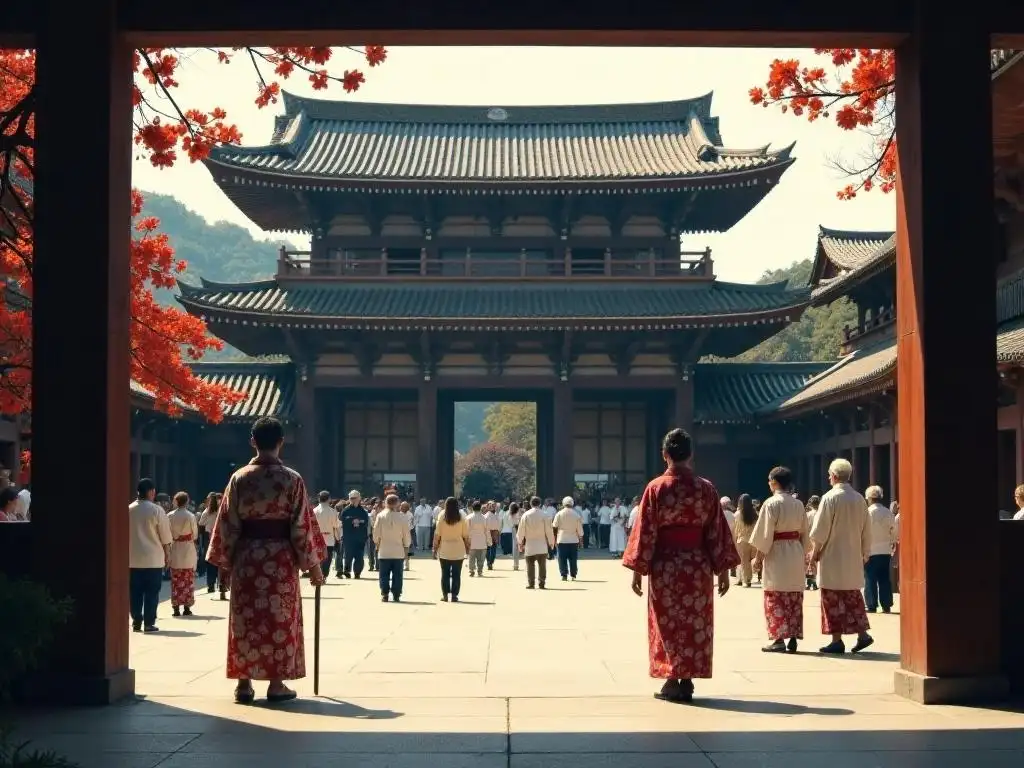
Language has always been a fundamental aspect of diplomacy, serving as both a tool for negotiation and a means of cultural exchange. In the context of feudal Japan, the introduction of foreign diplomats brought about significant shifts in communication practices, which in turn influenced the Japanese court culture. The interaction between Japanese and foreign languages not only facilitated diplomatic discussions but also fostered a deeper understanding of each other's customs and traditions.
The Role of Language in Diplomatic Exchanges
The arrival of foreign diplomats in Japan, particularly during the Edo period, marked a transformative era in the realm of diplomatic exchanges. These diplomats often came from countries such as the Netherlands, Portugal, and later the United States, each bringing their own linguistic nuances and cultural perspectives.
- Bilingualism and Multilingualism: As foreign diplomats engaged with Japanese officials, the necessity for bilingualism became apparent. Japanese courtiers began to learn foreign languages like Dutch and English to communicate effectively. This linguistic adaptation not only aided in diplomacy but also enriched the Japanese language with new vocabulary and phrases.
- Translation and Interpretation: The role of interpreters became crucial during these exchanges. Skilled interpreters were tasked with translating complex diplomatic documents and verbal negotiations. Their work often involved not just direct translation but also cultural interpretation, ensuring that nuances and intentions were accurately conveyed.
- Written Communication: Diplomatic correspondence was another key area where language played a vital role. Letters exchanged between foreign diplomats and the Japanese court were often written in a formal style that reflected the cultural expectations of both parties. The writing systems used, including kanji and hiragana, were adapted to incorporate foreign terms, showcasing the fusion of languages.
Through these linguistic interactions, a framework was established that allowed for more effective diplomatic dialogue, leading to a deeper cultural exchange between Japan and foreign nations.
How Language Influenced Japanese Court Etiquette
The influence of foreign language on Japanese court etiquette is evident in several aspects of ceremonial practices and social interactions within the court. As foreign diplomats introduced new cultural elements, the Japanese court adapted its etiquette to accommodate these influences.
- Incorporation of Foreign Greetings: The formalities of greeting were significantly altered by the introduction of foreign diplomats. For instance, the Western practice of handshaking began to emerge alongside traditional Japanese bows. This blending of customs created a unique hybrid of greetings, which reflected the growing importance of international relations.
- Etiquette Manuals: The interaction with foreign diplomats led to the creation of new etiquette manuals that contained guidelines on how to conduct oneself in the presence of foreigners. These manuals often included sections on appropriate language use, gestures, and the importance of politeness, incorporating elements from both Japanese and foreign cultures.
- Cultural Festivals and Ceremonies: Language also influenced the development of cultural festivals and ceremonies that featured foreign elements. For example, during diplomatic visits, special ceremonies were organized that highlighted the importance of language and communication, showcasing performances that combined traditional Japanese arts with aspects of foreign cultures.
- Changes in Court Hierarchy: The presence of foreign diplomats necessitated adjustments in court hierarchy, where proficiency in foreign languages became a valued skill. Courtiers who could communicate effectively with foreign diplomats often gained prominence, altering established social dynamics within the court.
The interplay of language and etiquette during this period illustrates how foreign diplomats not only facilitated political negotiations but also shaped the cultural fabric of Japanese court life, leaving a lasting legacy on Japan's diplomatic and cultural identity.
The Evolution of Diplomacy and Its Cultural Implications
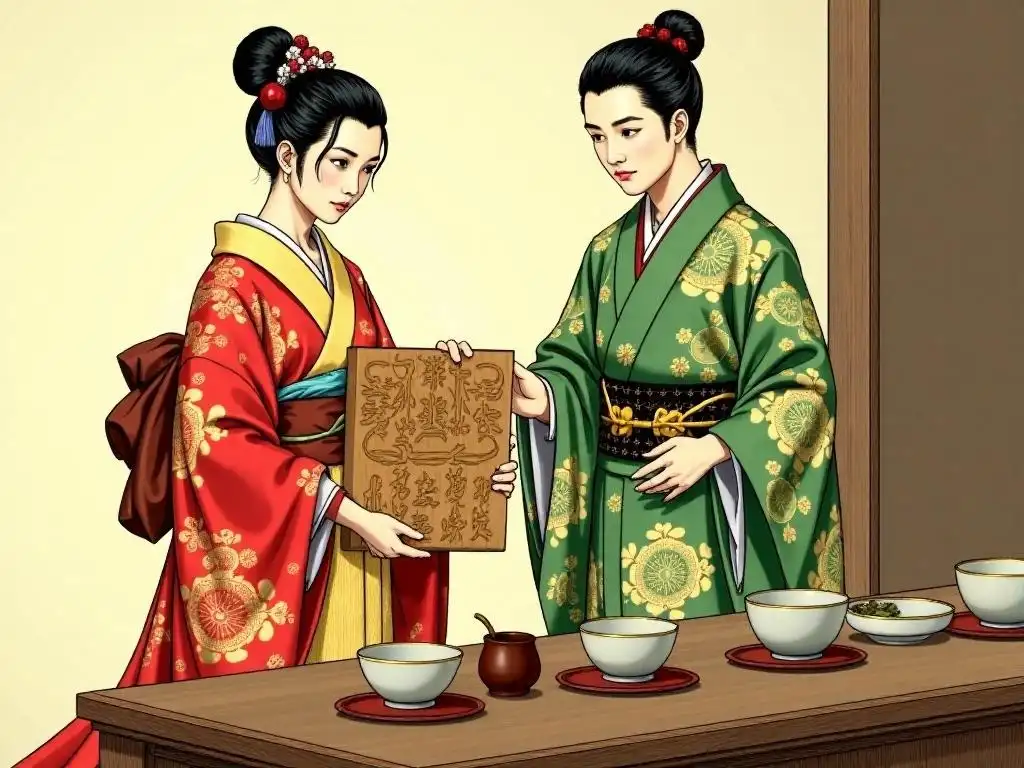
Changes in Foreign Diplomatic Practices Over Time
Throughout Japan’s feudal era, the methods and practices of diplomacy evolved significantly, influenced by both internal dynamics and external pressures. Initially, diplomatic relations were largely informal, characterized by gift exchanges and envoys sent to neighboring states. However, as Japan began to engage more deeply with foreign powers, particularly during the Kamakura and Muromachi periods, these practices became more structured and formalized.
- Early Diplomacy (Asuka to Heian Periods):
- The early diplomatic exchanges, especially with China and Korea, were often centered around trade and cultural exchange. The Japanese court would send emissaries to the mainland, leading to the importation of Buddhism and Chinese writing systems.
- Gift-giving was a common practice, where envoys would bring valuable items to showcase Japan’s wealth and foster goodwill.
- The Rise of Formal Diplomatic Missions (Kamakura Period):
- With the establishment of the Kamakura shogunate, diplomacy took on a military dimension. The Mongol invasions highlighted the need for stronger diplomatic relations to secure alliances.
- Envoys were sent not only to negotiate peace but also to gather intelligence on military strategies and foreign cultures.
- The Sengoku Period and Beyond:
- During the Sengoku period, a time of constant warfare, the necessity for alliances led to more sophisticated diplomatic negotiations.
- The introduction of foreign diplomats from Portugal and Spain in the 16th century marked a significant turning point. These diplomats were not only emissaries but also traders and missionaries, influencing Japanese culture through their interactions.
- Edo Period Diplomacy:
- The Tokugawa shogunate instituted a policy of sakoku (national isolation), limiting foreign contact. However, the limited interactions with Dutch and Chinese diplomats still brought about cultural exchanges, especially in the fields of science and technology.
- The Edo period saw the establishment of a more bureaucratic approach to diplomacy, with specific roles designated for managing foreign relations.
The Long-term Impact of Foreign Diplomats on Japanese Culture
The influence of foreign diplomats on Japanese court culture extends beyond mere diplomatic interactions; it encompasses a wide array of cultural exchanges that have shaped various aspects of Japanese society.
- Cultural Exchange and Adaptation:
- The arrival of European diplomats in the 16th century introduced new ideas, technologies, and cultural practices. The adoption of firearms revolutionized Japanese warfare, while European artistic styles began to permeate Japanese art.
- The impact of Christianity, brought by foreign missionaries, introduced new religious concepts that challenged and interacted with indigenous beliefs, leading to a unique synthesis of ideas.
- Language and Literature:
- Foreign diplomats played a crucial role in introducing new vocabulary and literary forms to the Japanese language. The adaptation of foreign words into Japanese helped enrich the language, leading to the development of new literary genres.
- Translations of foreign texts, especially scientific and philosophical works, not only expanded knowledge but also influenced Japanese intellectual thought.
- Diplomatic Protocol and Court Etiquette:
- The interactions with foreign diplomats necessitated the development of formal diplomatic protocols and court etiquette. This led to a more structured approach to ceremonies and diplomatic receptions, which were influenced by European customs.
- The adoption of certain diplomatic practices, such as formal letters and gifts, became integral to Japanese court culture, reflecting a blend of both foreign and indigenous traditions.
- Artistic Influences:
- The introduction of Western painting techniques and themes led to the emergence of new artistic movements within Japan. Artists began to explore perspective and naturalism, leading to a departure from traditional Japanese styles.
- The influence of foreign textiles and fashion also transformed Japanese clothing styles, merging traditional garments with Western aesthetics.
The interactions between foreign diplomats and Japanese court culture were profound and multifaceted. They not only altered diplomatic practices but also left a lasting impact on Japan's cultural landscape, shaping the development of arts, language, and societal norms during the feudal era.
Conclusion: Legacy of Foreign Diplomats in Japanese Court Culture
The influence of foreign diplomats on Japanese court culture has left a profound legacy that resonates even in contemporary Japanese society. Through various historical interactions, these diplomats introduced new ideas, customs, and artistic expressions that significantly transformed Japan's cultural landscape. From the introduction of Western technologies to the facilitation of trade relationships, foreign diplomats played a pivotal role in shaping the social and political hierarchy of feudal Japan.
Summary of Key Influences on Japanese Society
The engagement with foreign diplomats led to several key influences on Japanese society, including:
- Artistic Innovations: Diplomats introduced various artistic styles and techniques, which were assimilated into traditional Japanese art forms. For example, the incorporation of Western perspective in paintings allowed Japanese artists to explore new dimensions and depth in their works.
- Culinary Exchange: The arrival of foreign diplomats also brought new culinary practices to Japan. Dishes such as curry and bread, which were introduced by European traders, became integrated into the Japanese diet, leading to the creation of unique Japanese variations.
- Philosophical Shifts: Exposure to foreign ideas prompted Japanese scholars and intellectuals to reflect on their own philosophies. This exchange led to the adoption of concepts such as individualism and rationalism, which began to permeate Japanese thought during the Edo period.
- Fashion and Textiles: The influence of foreign diplomats can also be seen in the evolution of Japanese fashion. The introduction of Western fabrics and clothing styles encouraged local artisans to experiment with new designs, resulting in a fusion of traditional and modern attire.
- Language and Literature: Interactions with foreign diplomats enriched the Japanese language, with the introduction of new vocabulary and literary styles. This linguistic exchange not only enhanced communication but also fostered a greater appreciation for diverse literary forms.
Reflection on the Importance of Cultural Exchanges in Diplomacy
Cultural exchanges, particularly through the lens of diplomacy, serve as vital conduits for understanding and cooperation among nations. The interactions between foreign diplomats and the Japanese court highlight the importance of cultural diplomacy in fostering relationships that transcend mere political or economic ties.
These exchanges allowed Japan to navigate its identity amidst external influences, leading to a unique blend of tradition and innovation. The diplomatic engagements of the past remind us that cultural understanding is fundamental in establishing lasting relationships.
The legacy of foreign diplomats within Japanese court culture illustrates the significance of cultural exchanges in diplomacy. By embracing and adapting foreign influences, Japan not only enriched its own cultural heritage but also exemplified the power of diplomacy in fostering mutual respect and understanding among diverse societies.
Further Reading on Foreign Diplomats and Japanese Court Culture
Recommended Books and Articles
To gain a deeper understanding of how foreign diplomats influenced Japanese court culture, the following books and articles are essential reads:
-
"Japan and the United States: A Diplomatic History" by John W. Dower
This book provides an extensive overview of the diplomatic relations between Japan and the United States, tracing the impact of foreign diplomats on Japan's political and cultural landscape.
-
"The World of the Shining Prince: Court Life in Ancient Japan" by Ivan Morris
Morris's work dives into the intricacies of court life during the Heian period, offering insights into how foreign influences shaped artistic and cultural practices.
-
"Feudal Japan: The Emergence of the Samurai" by Stephen Turnbull
This book outlines the socio-political context of feudal Japan, highlighting the interactions between foreign diplomats and the samurai class, which were crucial in the evolution of court culture.
-
"Diplomatic Relations between Japan and the West: 1854-1900" by Michael J. Green
This scholarly article focuses on the period of modernization in Japan and the role of foreign diplomats in transforming court customs and practices.
-
"The Influence of Chinese Culture on Japan" by William H. McCullough
While focusing primarily on Chinese influences, this work provides context for understanding the broader scope of foreign diplomatic impacts on Japanese culture.
Additional Resources on Cultural Exchanges in Feudal Japan
For those interested in further exploring cultural exchanges during the feudal era, the following resources offer valuable information:
-
Online Archives and Databases
Many universities and institutions have digital archives that include primary sources related to foreign diplomats and their interactions with the Japanese court. Examples include the Tokyo National Museum's digital collections and the National Archives of Japan.
-
Documentaries and Educational Videos
Platforms like YouTube feature documentaries that explore the role of foreign diplomats in shaping Japanese culture. These visual resources can enhance understanding through engaging narratives and historical reenactments.
-
Cultural Heritage Programs
Various cultural heritage organizations offer programs that delve into the historical exchanges between Japan and other nations. These programs often include lectures by experts in the field, workshops, and guided tours of historical sites connected to foreign diplomats.
-
Academic Journals
Journals such as "The Journal of Japanese Studies" and "Monumenta Nipponica" publish peer-reviewed articles that frequently address the themes of foreign relations and cultural exchanges in Japan’s feudal era.
By exploring these resources, readers can develop a well-rounded perspective on the significant impact of foreign diplomats on Japanese court culture throughout history.
Frequently Asked Questions
What was the role of foreign diplomats in Japanese court culture?
Foreign diplomats served as intermediaries between Japan and other nations, influencing cultural exchanges and enhancing Japan's understanding of global customs.
How did foreign diplomats impact the political landscape in Feudal Japan?
They introduced new ideas and political practices, which sometimes led to shifts in power dynamics within the Japanese court, affecting diplomatic relations.
What are some examples of cultural exchanges initiated by foreign diplomats?
Foreign diplomats facilitated the introduction of Western arts, literature, and even religions, enriching the cultural tapestry of Japanese society during the feudal era.
Did foreign diplomats face challenges in adapting to Japanese customs?
Yes, they often encountered cultural barriers, as Japanese court etiquette was complex, requiring them to navigate a delicate balance between respecting traditions and expressing their own customs.
How did Japanese court culture evolve due to foreign influence?
The presence of foreign diplomats led to a more cosmopolitan court culture, blending indigenous practices with foreign influences, which ultimately shaped the art, fashion, and rituals of the time.
Final Reflection: The Enduring Legacy of Foreign Diplomats in Japanese Court Culture
The intricate dance of foreign diplomats within Japanese court culture serves as a profound reminder of the power of cross-cultural exchange. As we navigate an increasingly interconnected world, the historical interactions between foreign diplomats and Japanese nobility highlight the importance of diplomacy in shaping societal norms and cultural practices. The influence of these diplomats not only enriched the court's aesthetic and intellectual pursuits but also laid the groundwork for Japan's modern international relations. Understanding this dynamic is crucial as we face contemporary global challenges that require nuanced diplomacy and cultural sensitivity.
Cross-cultural interactions have always been a catalyst for change, and the impact of foreign diplomats on Japanese court culture is a testament to this truth. The blending of ideas, art, and customs from diverse backgrounds fostered a unique cultural tapestry that continues to resonate today. As we reflect on this historical narrative, we are reminded of the words of the renowned diplomat Kofi Annan: We may have different religions, different languages, different colored skin, but we all belong to one human race.
This sentiment underscores the ongoing relevance of diplomatic engagement in fostering mutual understanding and respect among nations.
As we conclude this exploration of foreign diplomats and their influence on Japanese court culture, I invite you to reflect on your own role in promoting cultural exchange and understanding. Consider how you can engage with diverse perspectives in your daily life, whether through travel, literature, or dialogue. By embracing the lessons of history and recognizing the value of diplomacy, we can contribute to a more harmonious and interconnected world, just as those early diplomats did centuries ago.
Unveil the Rich Heritage of Japanese Court Culture!
Thank you for diving into the fascinating world of how foreign diplomats shaped Japanese court culture. We hope you’ve gained unique insights into this intricate tapestry of history! Now, it’s time to take what you’ve learned and put it into action.
Here are some engaging steps you can take to further explore and celebrate this rich heritage:
- Dive deeper: Explore the cultural exchanges between Japan and other nations. Consider reading books or watching documentaries that provide an in-depth look at this captivating subject.
- Share your insights: Discuss your findings with friends or participate in online forums. Start conversations on social media to keep the history alive!
- Visit a museum: Seek out exhibits that highlight Japan’s court history. Engaging with artifacts and artworks can significantly enhance your understanding and appreciation of this cultural legacy.
What aspect of Japanese court culture surprised you the most, and how do you think these influences have shaped modern society?