
The Role of Missionaries in Cultural Exchange: A DoubleEdged Sword


Welcome to Feudal Japan History, where the rich tapestry of Japan’s feudal era unfolds before your eyes. Here, we invite you to delve into the intricate dance of cultural exchange during this fascinating period, highlighted by our in-depth exploration of Missionaries in Japan's feudal era. Discover how these figures played a pivotal role in shaping foreign relations, often acting as a double-edged sword that bridged two worlds while also challenging the very fabric of Japanese society. Prepare to ignite your curiosity and uncover layers of history that continue to influence Japan today!
Introduction to Missionaries in Japan's Feudal Era
The presence of missionaries in Japan's feudal era represents a pivotal chapter in the nation's history, intertwining religion, culture, and politics. These missionaries, primarily from Europe, arrived during a transformative period in Japan, bringing with them new ideas, technologies, and beliefs that would profoundly impact Japanese society. However, this cultural exchange was not without its complexities and challenges, often functioning as a double-edged sword.
While some aspects of their presence fostered growth and enlightenment, others led to significant conflict and resistance. In this article, we will delve into the multifaceted role of missionaries in Japan, exploring their influences, the reactions they provoked, and the broader implications for cultural exchange during Japan's feudal era.
Overview of Japan's Feudal Era
Japan's feudal era, spanning from the late 12th century to the mid-19th century, was characterized by a rigid class structure, the dominance of military leaders (shoguns), and the samurai warrior class. This period saw the rise of powerful clans and the establishment of a decentralized political system, heavily influenced by Confucian and Buddhist philosophies.
- Key Features:
- Social Hierarchy: Society was divided into distinct classes, including the emperor, shogun, daimyo (feudal lords), samurai, peasants, artisans, and merchants.
- Cultural Developments: The era witnessed the flourishing of art forms such as tea ceremonies, calligraphy, and Noh theater, alongside the spread of Buddhism and Shinto beliefs.
- Political Dynamics: The struggle for power among feudal lords often led to conflicts, shaping the political landscape of Japan.
Significance of Cultural Exchange in Historical Context
Cultural exchange during Japan's feudal era played a crucial role in shaping the nation's identity and societal framework. The interactions with foreign missionaries introduced new perspectives and innovations that influenced various aspects of Japanese life.
- Impact on Religion: The introduction of Christianity challenged traditional beliefs and practices, prompting both acceptance and resistance among the populace.
- Technological Advancements: Missionaries brought Western knowledge, including advancements in education, medicine, and agriculture, which contributed to societal improvements.
- Artistic Influences: The cultural exchange fostered by missionaries enriched Japanese art and literature, leading to the incorporation of Western themes and techniques.
The Arrival of Missionaries in Japan
The arrival of missionaries in Japan marked the beginning of a significant cultural dialogue that would have lasting effects on both Japan and the Western world.
Early Contact with Western Missionaries
The first notable contact occurred in the mid-16th century, when Portuguese traders and Jesuit missionaries arrived in Japan. This initial encounter opened doors for further exploration and exchange, as missionaries sought to spread Christianity and establish a foothold in the region.
- Key Events:
- 1549: St. Francis Xavier, one of the founding figures of the Jesuit order, arrived in Japan, marking the start of organized missionary activities.
- 1560s: The establishment of Christian communities in regions such as Kyushu, where missionaries found receptive audiences among local leaders.
Key Figures in Missionary Activities
Several key individuals played critical roles in the missionary efforts during this period:
- St. Francis Xavier: His charismatic approach and deep understanding of local cultures helped him gain trust and followers.
- Father Alessandro Valignano: He significantly influenced the Jesuit approach to missions, emphasizing adaptation to Japanese customs and language.
Motivations Behind Missionary Missions in Japan
The motivations of missionaries were multifaceted, driven by both religious zeal and political aspirations.
- Religious Conversion: The primary goal was to spread Christianity and convert the local population, often viewed as a moral imperative by missionaries.
- Trade Interests: Many missionaries were also involved in commercial activities, seeking to establish trade routes and economic ties between Japan and Europe.
- Cultural Curiosity: The missionaries were often genuinely interested in Japanese culture and sought to learn from and engage with the local populace, leading to a complex relationship that merged faith with cultural exchange.
The role of missionaries in Japan's feudal era was a dynamic interplay of influence, resistance, and transformation, shaping the cultural landscape of Japan in ways that resonate to this day.
The Influence of Missionaries on Japanese Society

The arrival of missionaries in Japan during the feudal era marked a significant turning point in the nation's cultural landscape. Their efforts not only introduced new religious beliefs but also facilitated the exchange of ideas and knowledge between Japan and the West. This influence can be seen in various aspects of Japanese society, including religion, education, and cultural practices.
Introduction of Christianity and Its Impact
Christianity was introduced to Japan in the mid-16th century, primarily through Portuguese Jesuit missionaries like Francis Xavier. Initially, the religion found a receptive audience among certain Japanese feudal lords and commoners, leading to a rapid spread of Christian communities. The missionaries framed Christianity as a path to modernity and enlightenment, which resonated with some Japanese who were eager for new ideas.
As Christianity took root, it began to alter the spiritual fabric of Japanese society. Traditional beliefs were challenged, and new religious practices emerged. The Jesuits not only preached but also engaged in discussions about philosophy, morality, and governance, which had long-term implications for Japanese thought. Despite efforts to integrate Christianity with existing beliefs, the religion often clashed with the established Shinto and Buddhist traditions, leading to tensions that would shape Japan’s religious landscape for centuries.
Changes in Japanese Culture Due to Missionary Efforts
The cultural exchanges initiated by missionaries led to significant changes in various aspects of Japanese life. One notable transformation was in the realm of arts and literature. Christian themes began to appear in Japanese plays and literature, reflecting a blend of Eastern and Western ideologies.
Moreover, Western scientific knowledge, including advancements in astronomy and medicine, was introduced through missionary translations and teachings. This exchange contributed to a gradual shift in Japanese attitudes toward science and technology, which would have lasting effects, particularly during the Meiji Restoration in the late 19th century.
The missionaries also influenced social customs, introducing Western concepts of family structure, gender roles, and individual rights. These concepts began to permeate Japanese society, albeit slowly, leading to discussions about social reform and modernization.
The Role of Missionaries in Education and Literacy
Missionaries played a crucial role in promoting education and literacy in Japan during the feudal era. They established schools that taught not only religious doctrine but also basic literacy, mathematics, and sciences. The Jesuits, in particular, were known for their educational initiatives, which attracted a diverse group of students, including samurai and merchants.
The introduction of the Roman alphabet and Western educational methods significantly impacted Japanese literacy rates. By encouraging the translation of Western texts and facilitating access to new knowledge, missionaries contributed to the intellectual awakening of the Japanese populace. This emphasis on education laid the groundwork for future educational reforms in Japan, ultimately leading to a more literate and informed society.
The Double-Edged Sword of Cultural Exchange
The cultural exchange initiated by missionaries in Japan was a double-edged sword, yielding both positive and negative consequences that would shape the nation’s trajectory for centuries.
Positive Outcomes of Missionary Work in Feudal Japan
One of the most significant positive outcomes of missionary efforts was the introduction of Western science, technology, and education. This knowledge exchange fostered a spirit of inquiry and innovation among Japanese scholars, laying the foundation for Japan’s eventual modernization during the Meiji era.
Additionally, the missionaries' focus on human rights and social justice influenced Japan's evolving views on governance and societal structure. The ideas of equality and the importance of individual dignity resonated with certain factions within Japanese society, prompting discussions that would eventually lead to reforms.
Furthermore, the establishment of hospitals and healthcare practices by missionaries improved public health standards. Their contributions to medical knowledge and practices helped combat diseases and improve overall health in the communities they served.
Negative Consequences of Missionary Influence
Despite the positive impacts, the presence of missionaries also led to significant challenges and conflicts. The growing influence of Christianity was met with resistance from traditionalists who viewed it as a threat to Japan's cultural and spiritual identity. This tension culminated in the eventual suppression of Christianity in the early 17th century, resulting in persecution and the martyrdom of many Japanese Christians.
Moreover, the missionaries' attempts to convert the Japanese sometimes fostered a sense of cultural imperialism, which was resented by some segments of society. This perceived imposition of Western values created a backlash that fueled xenophobia and isolationist sentiments, ultimately contributing to the Sakoku period, where Japan closed its doors to most foreign influences.
While missionaries played a pivotal role in fostering cultural exchange and introducing new ideas in feudal Japan, their influence also sparked conflict and resistance, demonstrating the complexities of cultural interactions during this transformative period.
Case Studies of Missionary Activities in Japan
Missionaries played a significant role in shaping Japan's cultural landscape during the feudal era, offering a unique lens through which to understand the complexities of cultural exchange. Various missionary groups, notably the Jesuits and Protestant missionaries, brought not only religious teachings but also Western knowledge, technology, and cultural practices. Their activities can be studied through specific case studies that highlight their methods, successes, and failures in engaging with Japanese society.
One compelling case is the arrival of Jesuit missionaries in the mid-16th century, which marked the beginning of sustained Christian missionary efforts in Japan. Their approach was characterized by a deep interest in understanding Japanese culture and language, which allowed them to establish strong relationships with local leaders and communities. On the other hand, Protestant missionaries who arrived later in the 19th century had a different focus, prioritizing education and social reform. Their contrasting methodologies provide insight into the broader dynamics of missionary work during this era.
The Jesuits and Their Approach to Cultural Adaptation
The Jesuits, particularly under the leadership of figures like Francis Xavier, were notable for their commitment to cultural adaptation. They understood that to effectively spread Christianity, they needed to engage with Japanese culture rather than impose a foreign framework. This adaptability is evident in their efforts to learn the Japanese language and customs, which facilitated meaningful dialogues with local populations.
The Jesuits also employed a strategy of “inculturation,” where they sought to blend Christian teachings with traditional Japanese beliefs. This approach included the use of local art and practices in their missionary work, making Christianity more relatable to the Japanese. For example, Jesuit missionaries often illustrated biblical stories using traditional Japanese art forms, which made the teachings more accessible and appealing to the local populace.
However, this strategy was double-edged. While it led to a certain level of acceptance and conversion among some Japanese, it also drew the ire of those who viewed the blending of cultures as a threat to traditional values. The eventual ban on Christianity in the early 17th century highlighted the fragile nature of the Jesuits’ successes and the complexities of cultural exchange in Japan.
The Impact of Protestant Missionaries on Japanese Society
Protestant missionaries, arriving in the late 19th century, significantly impacted Japanese society primarily through education and social reform. Unlike their Jesuit predecessors, they focused on establishing schools and universities, promoting literacy and modern education. This emphasis on education led to the founding of numerous institutions that would shape Japan's future leaders and thinkers.
One notable example is the establishment of Keio University in 1858 by the Protestant missionary, Yukichi Fukuzawa. The university became a pivotal institution in advancing Western learning and modern thought in Japan. Protestant missionaries also played crucial roles in social reforms, advocating for women's rights, healthcare improvements, and social justice initiatives, which contributed to the modernization of Japanese society.
However, the influence of Protestant missionaries was not without controversy. Their presence often intersected with Japan's nationalistic movements, leading to tensions as some factions viewed their activities as a challenge to Japanese sovereignty and cultural identity. The legacy of these missionaries is thus a complex interplay of positive social change and contentious cultural encounters.
The Legacy of Missionaries in Japan's Feudal Era
The legacy of missionaries in Japan's feudal era extends beyond their immediate religious activities; it encompasses significant long-term effects on Japanese culture, education, and foreign relations. Understanding this legacy requires a nuanced examination of the transformations that occurred during and after their presence in Japan.
Long-term Effects on Japanese Culture and Religion
The introduction of Christianity by missionaries catalyzed profound changes in Japanese culture and religion. While the immediate impact of conversion was limited due to the eventual suppression of Christianity, the ideas and philosophies introduced by missionaries continued to resonate within Japanese society. Concepts of individual rights, ethical considerations, and humanitarian values began to permeate Japanese thought, influencing various aspects of life.
Furthermore, the blend of Western and Eastern philosophies fostered by missionary activities contributed to a gradual shift in Japanese religious practices. Although Shinto and Buddhism remained dominant, the dialogue initiated by missionaries encouraged a critical reevaluation of traditional beliefs and practices. This exchange laid the groundwork for a more pluralistic approach to spirituality in Japan, allowing for a coexistence of diverse religious influences.
How Missionaries Shaped Japan's Foreign Relations
Missionaries also played a pivotal role in shaping Japan's foreign relations during its transition from isolation to engagement with the world. Their presence facilitated initial contacts between Japan and Western powers, providing a conduit for the exchange of ideas, technologies, and diplomatic relationships.
As Japan opened up to the West in the late 19th century, the groundwork laid by missionaries helped foster a climate of curiosity and adaptation. The knowledge of Western customs, governance, and industry that missionaries imparted significantly influenced Japan’s modernization efforts and diplomatic strategies. This newfound understanding enabled Japan to navigate its foreign relations more adeptly, ultimately leading to its emergence as a formidable player on the global stage.
The role of missionaries in Japan's feudal era exemplifies a complex cultural exchange that was both enriching and contentious. Their legacy is a testament to the intricate dynamics of cultural adaptation, societal transformation, and foreign relations that continue to shape Japan's identity today.
Conclusion: Balancing Cultural Exchange and Preservation
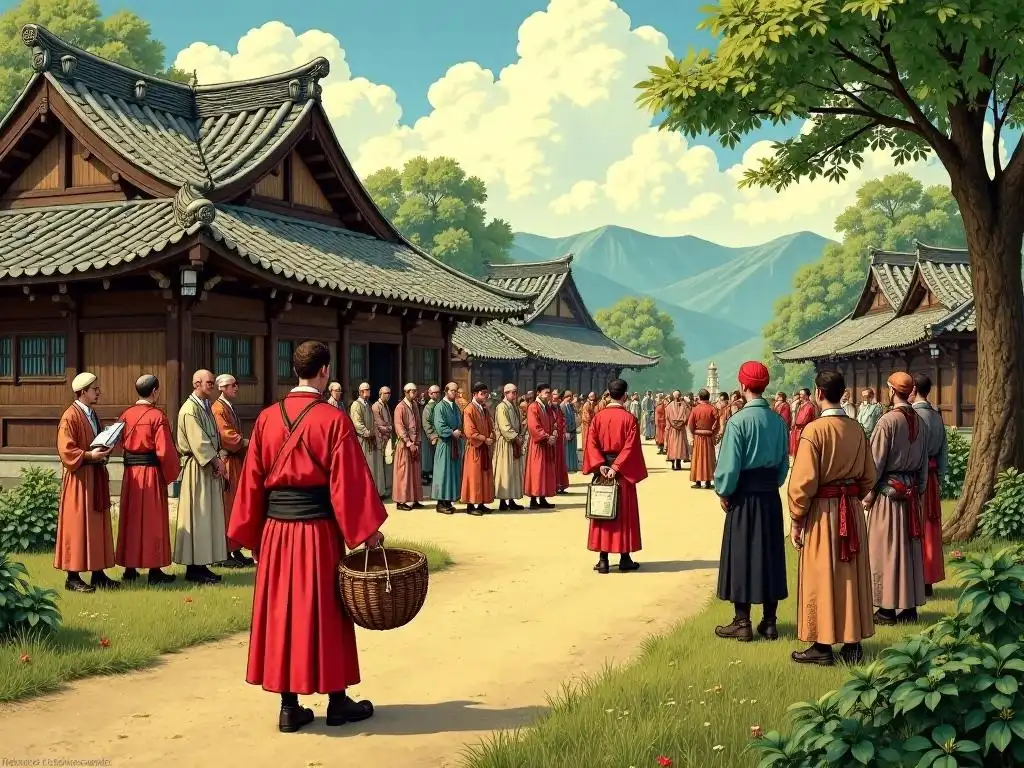
The interaction between missionaries and the Japanese society during the feudal era illustrates a complex relationship marked by both cultural enrichment and conflict. Missionaries, primarily from European countries, brought with them new ideas, technologies, and religious beliefs that significantly influenced Japanese culture, education, and even governance. However, this exchange was not without its challenges. The imposition of foreign ideologies often clashed with traditional Japanese values, leading to resistance and, at times, violent repression.
To truly understand this duality, it is crucial to recognize that cultural exchange is not merely about the adoption of new practices but also about the preservation of existing traditions. The Japanese response to missionaries varied widely, from initial curiosity and acceptance to cautious rejection and outright hostility. This highlights the importance of finding a balance between welcoming new influences and safeguarding cultural identity.
Reflection on the Role of Missionaries in Japan's Cultural History
The presence of missionaries in Japan during the feudal era represented a significant chapter in the nation’s cultural history. The Jesuits, in particular, played a pivotal role in introducing Western education, art, and science. They established schools, translated texts, and facilitated the exchange of knowledge between Japan and the West. This led to advancements in various domains such as astronomy, cartography, and even military technology.
However, the missionaries’ efforts were often viewed through a lens of suspicion and fear by the ruling shogunate, which perceived foreign influence as a threat to its authority. Consequently, the Tokugawa shogunate's subsequent crackdown on Christianity illustrated the precarious nature of cultural exchanges, where the benefits of new knowledge were overshadowed by the risks of losing cultural sovereignty. This historical reflection prompts us to consider how contemporary societies navigate similar tensions between globalization and cultural preservation.
The Importance of Understanding Cultural Exchange Dynamics
Understanding the dynamics of cultural exchange during Japan's feudal era is essential for grasping the complexities of historical interactions between different civilizations. The role of missionaries exemplifies how cultural exchanges can serve as a double-edged sword; they can foster innovation and progress while simultaneously threatening existing cultural frameworks.
By studying these dynamics, historians and scholars can better appreciate the nuanced relationship between culture and power. This understanding is pivotal in analyzing current global interactions, where the lessons of the past can inform present-day discussions about cultural globalization, identity, and conflict. Recognizing that cultural exchange is a multifaceted process encourages a more thoughtful approach to modern interactions, promoting dialogue and respect among diverse cultures.
Further Reading on Missionaries and Cultural Exchange in Feudal Japan
Recommended Books and Articles
-
"The Christian Century in Japan 1549-1650" by J. E. Kidder
This book provides a thorough examination of the impact of Christianity on Japanese society during the crucial years of missionary activity.
-
"Japan and the Jesuits: The First Encounter" by J. M. McGowan
McGowan explores the initial interactions between Jesuit missionaries and the Japanese, highlighting both cultural exchanges and conflicts.
-
"Cultural Exchanges between Japan and the West" by A. U. Tsukada
This collection of essays delves into various aspects of cultural exchange, including the role of missionaries in shaping Japanese perceptions of the West.
Online Resources for Deeper Exploration
-
The Japan Society
Offers a range of articles and resources on the influence of Christianity and missionaries in Japan.
-
The Digital Library of Japanese Historical Texts
Provides access to primary sources and translations related to the missionary period in Japan's history.
-
The Society of Jesus Archives
Features historical documents and insights into the Jesuits’ activities in Japan, providing context for their cultural impact.
By exploring these resources, readers can gain a deeper understanding of the multifaceted role missionaries played in shaping Japan's cultural landscape during the feudal era.
- Introduction to Missionaries in Japan's Feudal Era
- Overview of Japan's Feudal Era
- Significance of Cultural Exchange in Historical Context
- The Arrival of Missionaries in Japan
- The Influence of Missionaries on Japanese Society
- The Double-Edged Sword of Cultural Exchange
- Case Studies of Missionary Activities in Japan
- The Legacy of Missionaries in Japan's Feudal Era
- Conclusion: Balancing Cultural Exchange and Preservation
- Reflection on the Role of Missionaries in Japan's Cultural History
- The Importance of Understanding Cultural Exchange Dynamics
- Further Reading on Missionaries and Cultural Exchange in Feudal Japan
- What was the role of missionaries in Japan's feudal era?
- How did missionaries influence Japanese society during the feudal era?
- Were missionaries welcomed in Japan during this period?
- What were some of the challenges faced by missionaries in Japan?
- How did the missionaries' presence affect Japan's international relations?
Frequently Asked Questions
What was the role of missionaries in Japan's feudal era?
Missionaries played a crucial role in cultural exchange, introducing Western beliefs and practices while also learning about Japanese culture.
How did missionaries influence Japanese society during the feudal era?
They contributed to the introduction of Western education, technology, and religion, which had lasting impacts on Japanese society.
Were missionaries welcomed in Japan during this period?
Initially, missionaries were welcomed, but over time, their presence led to tensions with the ruling class, resulting in persecution of Christians.
What were some of the challenges faced by missionaries in Japan?
Missionaries faced significant challenges, including language barriers, cultural differences, and eventual political opposition, leading to restrictions on their activities.
How did the missionaries' presence affect Japan's international relations?
Their activities opened up diplomatic channels with Western nations but also caused isolationist policies as the government sought to control foreign influence.
Final Reflection: The Dual Legacy of Missionaries in Japan's Feudal Era
The role of missionaries in Japan's feudal era serves as a profound reminder of how cultural exchange can simultaneously foster growth and provoke conflict. As we navigate an increasingly interconnected world, the lessons from this historical period resonate deeply with contemporary discussions about globalization and cultural sensitivity. The impact of missionaries—who brought not only faith but also new ideas and technologies—highlights the complexity of cultural interactions, where the potential for enlightenment is often shadowed by the risk of cultural imposition.
Cultural exchange, as exemplified by the missionaries' presence in Japan, continues to shape our social landscape today. The intricate dance between acceptance and resistance that characterized this era is mirrored in modern interactions between diverse cultures. As we reflect on these dynamics, we are reminded of the words of the historian John W. Dower: Cultural encounters are rarely one-sided; they are dialogues that can lead to both enrichment and misunderstanding.
This observation underscores the importance of approaching cultural exchanges with humility and awareness, recognizing the duality inherent in every interaction.
As we move forward, I invite you to reflect on your own experiences with cultural exchange. Consider how you can engage with different cultures in a way that honors their uniqueness while also sharing your own perspectives. The legacy of missionaries in Japan's feudal era teaches us that every exchange carries the potential for both growth and conflict; it is our responsibility to navigate these waters thoughtfully. Embrace the opportunity to learn from others, fostering a dialogue that enriches both your life and the lives of those around you.
Embrace the Power of Cultural Exchange!
Thank you for exploring the fascinating topic of the missionaries' impact on cultural exchange. Your engagement with this dynamic history highlights the complexity of interactions between cultures during feudal Japan. Now, let’s take it a step further and transform your understanding into action!
- Connect with Others: Share your thoughts on cultural exchange and missionary work in our comments section below or on social media. Your insights could spark important conversations!
- Explore Further: Delve into the histories of various cultural interactions with our extensive resources. Look for articles about trade and diplomacy in feudal Japan on our site.
- Join the Conversation: Subscribe to our newsletter for regular updates and discussions about the historical events that shaped Japan.
How do you think the presence of missionaries influenced modern cultural identities in Japan?