
The Role of Music in Cultural Exchange during Feudal Japan


Welcome to Feudal Japan History, where we invite you to journey through the fascinating tapestry of Japan's feudal era. In our featured article, "The Role of Music in Cultural Exchange during Feudal Japan," we delve into the enchanting melodies that transcended borders and bridged diverse cultures.
Discover how music served not only as a form of expression but also as a powerful tool for diplomacy and connection in a time of social and political complexity. Prepare to uncover the harmonious threads that intertwined Japan with the world beyond its shores, and let your curiosity guide you deeper into this captivating exploration!
Music has always played a pivotal role in shaping cultural identity and facilitating exchanges between nations. In the context of Feudal Japan, the era from the 12th to the 19th centuries, music emerged not only as a form of artistic expression but also as a vital medium for cultural exchange.
This article delves into the significance of music during this period, exploring how it served as a bridge between Japan and its neighboring countries, as well as its impact on Japanese society and culture. By examining the various influences and adaptations of musical traditions, we aim to uncover the rich tapestry of cultural interactions that defined Feudal Japan.
Introduction to Music in Feudal Japan
Overview of Feudal Japan's Historical Context
Feudal Japan was characterized by a complex social structure, with the samurai class at its core, and a political landscape governed by shoguns and daimyos. This hierarchical society fostered unique cultural practices that were heavily influenced by the interactions with neighboring countries, particularly China and Korea. The historical context of this era is essential for understanding how music not only reflected the values and beliefs of Japanese society but also facilitated the exchange of ideas and traditions across borders.
Importance of Music in Japanese Culture
Music in Feudal Japan was more than mere entertainment; it was deeply intertwined with religious, social, and political life. Traditional Japanese music, known as "gagaku," was performed during court ceremonies and religious rituals, highlighting its significant role in maintaining cultural continuity. Additionally, folk music and regional styles emerged, reflecting the diverse experiences of the Japanese people during this time. Music served as a means of storytelling, preserving historical narratives, and fostering a sense of community. In essence, it was a vital component of the cultural identity that thrived amidst the complexities of feudal society.
The Influence of Foreign Music on Japan
Introduction of Chinese Music Traditions
The relationship between Japan and China has been longstanding, and this connection extended to musical traditions. Chinese music, characterized by its distinct scales and instruments, began to influence Japanese music as early as the 7th century. The introduction of court music, such as "gagaku," was heavily derived from Chinese practices, incorporating elements like pentatonic scales and the use of instruments such as the "shō" (a mouth organ) and "koto" (a zither-like string instrument). These influences laid the foundation for a unique Japanese musical identity while acknowledging the profound impact of Chinese culture.
Impact of Korean Musical Styles
Korea also played a significant role in the musical development of Japan during the feudal era. The cultural exchanges between these two nations facilitated the introduction of various Korean musical styles, including "gugak," which contributed to the evolution of Japanese folk music. Instruments such as the "taiko" (drum) and certain vocal techniques were adopted and adapted, enriching the musical landscape of Japan. These exchanges reflect a dynamic interaction that shaped the musical identity of both nations.
Other Influences from the Asian Continent
Beyond China and Korea, Japan experienced musical influences from various regions of Asia, including Southeast Asia and Mongolia. These influences were manifested through trade routes and diplomatic missions, allowing for the sharing of musical instruments, styles, and performance techniques. The incorporation of diverse musical elements contributed to an ever-evolving tapestry of sound, illustrating how music served as a conduit for cultural exchange and adaptation during the feudal period.
The exploration of music in Feudal Japan provides valuable insights into the broader context of cultural exchanges that shaped the nation’s historical narrative.
Traditional Japanese Music Forms
The music of Feudal Japan is a rich tapestry woven from various traditional forms that reflect the diverse cultural influences and societal changes throughout the era. Each genre not only serves artistic purposes but also acts as a conduit for cultural exchange, illustrating the interconnectedness of the Japanese archipelago with its neighbors and the wider world. Traditional Japanese music can be broadly categorized into different forms, each with its distinct characteristics, instruments, and historical significance.
Overview of Gagaku: The Court Music
Gagaku, the ancient court music of Japan, dates back to the 7th century and is one of the oldest forms of orchestral music in the world. Originally imported from China and Korea, Gagaku has evolved into a uniquely Japanese art form. Performed at imperial courts and shrines, Gagaku features a blend of wind, string, and percussion instruments, including the sho, hichiriki, and biwa.
The music is characterized by its slow, stately rhythms and elaborate melodies that reflect the aesthetic values of the time, emphasizing harmony and tranquility. Gagaku performances often accompany traditional dances, creating a cohesive cultural experience that embodies the spiritual and political ideologies of the era. The preservation of Gagaku through centuries showcases its role not just as entertainment but also as a means of maintaining cultural identity amid external influences.
Noh and its Cultural Significance
Noh theatre, which emerged in the 14th century, combines music, drama, and dance, making it a significant cultural expression during Feudal Japan. The music in Noh, performed by a small ensemble using instruments like the flute and drums, supports the narrative and enhances the emotional depth of the performance.
Noh's themes often explore the interplay between the physical and spiritual worlds, reflecting the Buddhist and Shinto beliefs prevalent in society. The art form was patronized by the samurai class, and its performances were integral to cultural life, serving both as entertainment and as a means of conveying moral lessons and historical narratives. Noh's continued relevance today highlights its role in preserving Japanese cultural heritage and fostering an appreciation for traditional arts.
The Role of Shamisen in Folk Music
The shamisen, a three-stringed musical instrument, became prominent in the Edo period and played a pivotal role in the folk music of Japan. With its distinct sound, the shamisen is often associated with various regional folk traditions, storytelling, and theatrical performances, such as Bunraku and Kabuki.
The adaptability of the shamisen allowed it to incorporate diverse musical influences, making it a key element in the cultural exchange between different regions of Japan. The songs performed on the shamisen often tell stories of everyday life, historical events, and folk legends, serving as a medium for community bonding and cultural transmission. Its popularity and versatility illustrate how music can shape and reflect societal values and experiences.
Music as a Medium for Cultural Exchange
Music in Feudal Japan was not merely an art form; it was a vital medium for cultural exchange that transcended geographical boundaries. Through music, different cultural influences were interwoven, fostering communication and understanding between diverse groups. This exchange was particularly evident in diplomatic relations, festivals, and trade practices, where music acted as a unifying force.
Music in Diplomatic Relations
During the feudal era, music played a significant role in diplomatic relations, serving as a tool for fostering goodwill and mutual respect between Japan and neighboring countries. Gagaku performances, for instance, were often included in state ceremonies and visits from foreign dignitaries, symbolizing Japan's cultural sophistication and openness to diplomatic engagement.
These musical exchanges allowed for the sharing of artistic styles and traditions, helping to solidify alliances and promote cultural understanding. The careful selection of music during diplomatic events showcased the importance placed on cultural diplomacy, emphasizing harmony and the desire for peaceful relations.
Festivals and Performances: A Cultural Interface
Festivals in Feudal Japan were vibrant celebrations that brought together diverse communities, and music was at the heart of these events. Traditional music played during festivals not only entertained but also fostered a sense of identity and belonging among participants.
These gatherings provided an opportunity for cultural exchange, as various regional music styles were shared and adapted. The blending of musical traditions during festivals illustrated how music served as a cultural interface, facilitating interactions among different social classes and ethnic groups. This dynamic exchange enriched the cultural landscape of Japan, making festivals a crucial aspect of its musical heritage.
The Role of Music in Trade and Commerce
Music also played a crucial role in trade and commerce during Feudal Japan, acting as both a form of entertainment and a means of communication between merchants and customers. Street performers, often accompanied by traditional instruments, attracted patrons to marketplaces, creating a lively atmosphere that encouraged trade.
Moreover, as merchants traveled between regions, they carried musical traditions with them, leading to the diffusion of musical styles and practices throughout the country. This movement not only helped in the exchange of goods but also facilitated a broader cultural exchange, allowing different regions to share their unique musical identities. The intermingling of musical forms in commercial settings underscores the importance of music as a catalyst for cultural and economic interactions in Feudal Japan.
The Evolution of Music During Feudal Japan
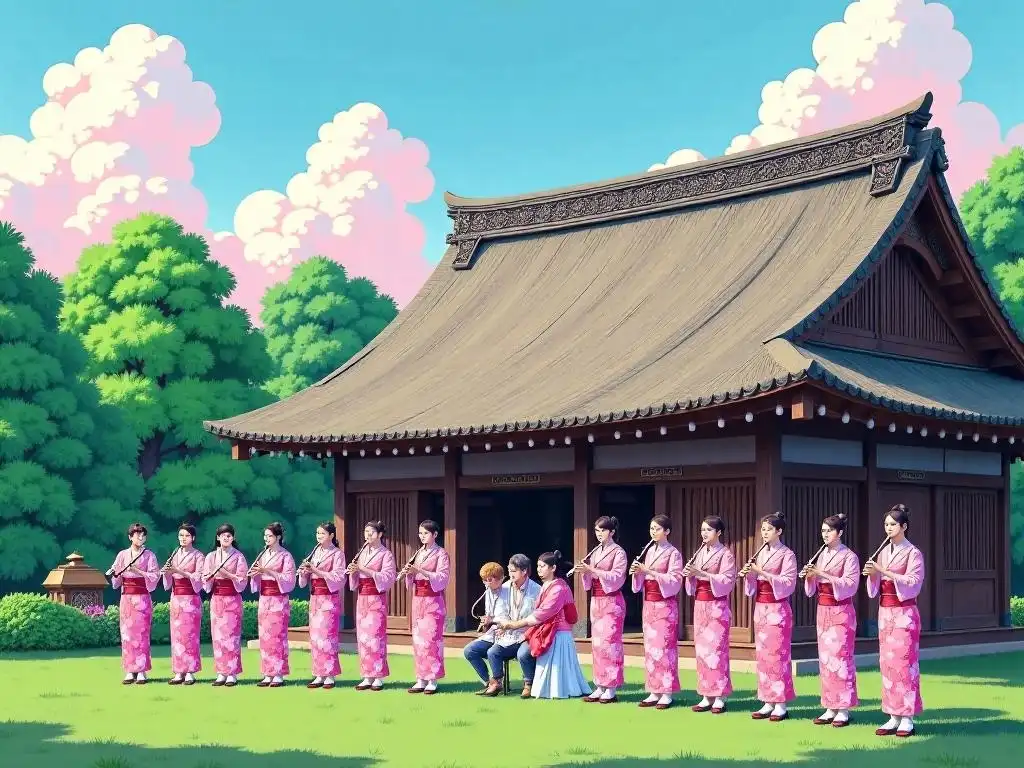
The evolution of music during Feudal Japan is a reflection of the historical and cultural dynamics that shaped the era from the late 12th century to the early 17th century. This period witnessed a rich tapestry of musical forms and styles, influenced by both indigenous traditions and foreign elements. Initially, music served primarily as a means of entertainment and storytelling, with influences stemming from ancient rituals and folk traditions.
As the samurai class rose to prominence, music became an integral part of their culture, intertwining with the values of honor, loyalty, and discipline. Instruments such as the shamisen and koto became symbols of this era, evolving in both construction and playing techniques. Furthermore, the introduction of new styles, such as Noh and Kabuki, highlighted the growing complexity and sophistication of musical expression, showcasing a blending of artistic forms that represented the society's hierarchical structure and aesthetic ideals.
The interplay between music and cultural exchange was profound, with Japan absorbing influences from China and Korea while simultaneously exporting its own musical traditions. This exchange enriched the musical landscape, allowing for the development of unique styles that would define Japanese music well beyond the feudal period.
Changes in Musical Instruments and Techniques
The feudal era saw significant changes in musical instruments and techniques, reflecting the evolving tastes and cultural exchanges of the time. Traditional instruments such as the biwa (a lute-like string instrument) and nohkan (a bamboo flute) were commonly used in performances, but new instruments were introduced, transforming the musical landscape. The shamisen, a three-stringed instrument, became highly popular, especially among the lower classes, and was often used in folk music and theatrical performances.
Techniques for playing these instruments also evolved, with musicians experimenting with different styles and methods of performance. For instance, the koto, a long zither, saw variations in tuning and playing styles that contributed to its distinct sound. Additionally, the emergence of professional musicians, known as geisha and jiuta, brought about formalized teaching methods, which helped to preserve and disseminate these techniques.
The interaction between musicians across regions and social classes facilitated the sharing of techniques and styles. As music became a more prominent aspect of social gatherings and festivities, the blending of local and imported musical traditions led to a diverse and rich musical culture that characterized Feudal Japan.
The Influence of Samurai Culture on Music
Samurai culture had a profound impact on music during Feudal Japan, with music often reflecting the values and ideals of the samurai class. The samurai were not only warriors but also patrons of the arts, and they used music as a means of expressing their identity and cultural heritage. This connection is evident in the themes of loyalty, honor, and bravery that permeated the music of the time.
In particular, the performance of gagaku, a form of court music, was closely associated with the samurai. Its intricate melodies and ceremonial nature underscored the social hierarchy and the importance of tradition. Samurai would often participate in musical performances, showcasing their skills and reinforcing their status within society.
Furthermore, music was utilized in various ceremonial contexts, such as weddings, funerals, and festivals, where it played a vital role in setting the mood and honoring the occasion. The samurai's engagement with music helped to elevate its status, leading to the development of distinct styles that conveyed the complexities of their culture and beliefs.
The Role of Music in Religious and Spiritual Practices
During Feudal Japan, music played an essential role in religious and spiritual practices, serving as a conduit for communication with the divine and enhancing ritualistic experiences. Buddhist chants and Shinto hymns were integral to various ceremonies, where music was believed to purify the soul and create a sacred atmosphere.
The shōmyō, a form of Buddhist chant, exemplifies the spiritual dimension of music in this era. Performed by monks, this vocal tradition was characterized by its unique melodies and harmonies, which were intended to invoke spiritual enlightenment and reflection. Similarly, Shinto rituals incorporated music to honor the kami (gods), with instruments such as the tune and koto used to accompany prayers and offerings.
Additionally, music facilitated communal participation in spiritual practices, allowing individuals to connect with their community and shared beliefs. Festivals, often centered around religious observances, featured music as a central element, fostering a sense of collective identity and reinforcing the cultural significance of music in spiritual life.
Case Studies of Cultural Exchange Through Music
Analysis of Notable Music Festivals in Feudal Japan
Notable music festivals in Feudal Japan served as crucial platforms for cultural exchange, showcasing the rich diversity of musical traditions. One such festival, the Gion Matsuri in Kyoto, celebrated the local deity and featured a variety of musical performances, including traditional folk songs and instrumental ensembles. This annual event attracted participants from various regions, allowing for the blending of musical styles and fostering a sense of community.
Another significant festival was the Shunki Reitaisai, which included performances of gagaku, highlighting the influence of court music on public celebrations. These events not only preserved existing traditions but also allowed for the introduction of new instruments and styles, influenced by interactions with neighboring cultures.
The participation of diverse social classes in these festivals facilitated cultural exchange, as musicians from different backgrounds collaborated and shared their unique traditions. This blending of styles contributed to the evolution of music in Feudal Japan, creating a vibrant and dynamic musical environment.
The Exchange of Musical Knowledge Between Japan and Neighboring Countries
The exchange of musical knowledge between Japan and neighboring countries was a pivotal aspect of cultural exchange during Feudal Japan. Influences from China were particularly significant, as many musical forms and instruments were introduced through trade and diplomacy. The gagaku, for example, was heavily influenced by Chinese court music, incorporating similar instrumentation and performance styles.
Moreover, the introduction of the taiko drum and the shakuhachi flute from the Asian mainland further enriched Japan's musical heritage. As Japanese musicians traveled to China and Korea for study and performance, they brought back new techniques and genres, which were adapted to fit the local context.
The establishment of musical schools during this period facilitated the formalization of musical education, allowing for the structured transmission of knowledge. This not only preserved traditional forms but also encouraged innovation as musicians synthesized elements from various cultures, leading to a unique and evolving musical identity in Feudal Japan.
Conclusion: Legacy of Music in Cultural Exchange
The legacy of music in cultural exchange during Feudal Japan is profound and multifaceted. Music served not just as a form of entertainment, but as a crucial medium for communication and expression that transcended social and geographic boundaries. Through various musical forms—be it the ceremonial Gagaku, the narrative-driven Noh, or the more accessible folk songs—Japanese music adapted and integrated influences from neighboring cultures, particularly China and Korea.
This rich tapestry of sound created a unique cultural identity that continues to resonate in modern Japan. The melodies and rhythms of the past have woven themselves into the very fabric of Japanese cultural heritage, showcasing the enduring power of music as a vehicle for cultural interaction and exchange.
Lasting Impact of Feudal Music on Modern Japanese Culture
The music of Feudal Japan has left an indelible mark on contemporary Japanese culture. Traditional instruments such as the shamisen and koto remain central to various performance arts, while the structures and themes of historical genres like Noh and Kabuki influence modern theater and film. Festivals that celebrate these traditional forms often attract large audiences, fostering a sense of community and continuity with the past.
Furthermore, contemporary musicians frequently draw inspiration from these historical sounds, blending traditional elements with modern genres such as J-Pop and rock, thus keeping the essence of Feudal Japan's musical heritage alive. This fusion not only honors the past but also allows for innovation, ensuring that the music of Feudal Japan continues to evolve and inspire future generations.
Reflection on the Role of Music in Historical Cultural Exchanges
Music has always played a pivotal role in cultural exchanges throughout history, and Feudal Japan exemplifies this phenomenon. The interactions brought about by trade, diplomacy, and migration led to a rich exchange of musical ideas and practices. For instance, the introduction of Chinese musical theories and instruments significantly shaped the development of Japanese music.
Similarly, the circulation of songs and performance styles contributed to a shared cultural vocabulary among diverse communities. These exchanges not only facilitated artistic collaboration but also fostered mutual understanding and respect among different cultures, highlighting music's unique ability to transcend barriers and forge connections. Reflecting on this role underscores the importance of music as a cultural bridge, capable of enriching societies by bringing people together through shared experiences.
References and Suggested Further Reading
To deepen your understanding of the role of music in Feudal Japan and its impact on cultural exchange, the following resources are invaluable:
Key Texts on Music in Feudal Japan
- "The Music of Japan" by John William Caldwell: This book provides a comprehensive overview of Japan’s musical history, focusing on the evolution of different genres and their cultural significance.
- "Japanese Music and Musical Instruments" by David W. Hughes: An examination of traditional Japanese instruments and their contributions to national musical identity.
- "Music in Japan: Experiencing Music, Expressing Culture": by David W. Hughes: A look at how music functions within the cultural context of Japan, including traditional practices and modern interpretations.
Recommended Resources for Understanding Cultural Exchange
- "Cross-Cultural Perspectives on Music" by Francesca A. B. S. T. Devor: This anthology explores how music acts as a medium for cultural exchange across various societies, including Japan.
- "The Cultural History of Music in Japan" by Tohru Takahashi: This resource delves into the historical narratives and exchanges that shaped Japanese music throughout different periods.
- "Cultural Exchange and the Politics of Music" by Miki Tsuruta: This work discusses the implications of music in cultural diplomacy and international relations, with specific examples from Japan's feudal era.
These texts and resources provide a solid foundation for understanding the interplay of music and cultural exchange, enriching our appreciation of Japan's feudal history and its lasting influence on modern society.
- Introduction to Music in Feudal Japan
- The Influence of Foreign Music on Japan
- Traditional Japanese Music Forms
- Music as a Medium for Cultural Exchange
- The Evolution of Music During Feudal Japan
- Case Studies of Cultural Exchange Through Music
- Conclusion: Legacy of Music in Cultural Exchange
- References and Suggested Further Reading
- What was the significance of music in Feudal Japan?
- How did music facilitate cultural exchanges in Feudal Japan?
- What types of musical instruments were popular during Feudal Japan?
- How did musical performances influence societal norms in Feudal Japan?
- What role did music play in spiritual practices during Feudal Japan?
Frequently Asked Questions
What was the significance of music in Feudal Japan?
Music played a vital role in cultural exchange, reflecting the influence of different classes and regions. It served as a medium for storytelling, celebration, and spiritual expression.
How did music facilitate cultural exchanges in Feudal Japan?
Through music, various cultural influences mingled, allowing for the blending of styles and traditions. This fostered a rich tapestry of artistic expression that transcended social and geographic barriers.
What types of musical instruments were popular during Feudal Japan?
Instruments like the shamisen, koto, and taiko drums were widely used, each contributing to the diverse musical landscape of the era and enhancing various cultural events.
How did musical performances influence societal norms in Feudal Japan?
Musical performances often reflected and reinforced social hierarchies. They were integral to ceremonies that underscored the importance of class and tradition in Japanese society.
What role did music play in spiritual practices during Feudal Japan?
Music was essential in spiritual practices, often accompanying rituals and ceremonies. It was believed to enhance communication with the divine and foster a sense of community among participants.
Final Reflection: The Enduring Legacy of Music in Feudal Japan
The exploration of music in Feudal Japan reveals its profound significance in shaping cultural exchange and identity. Today, as we navigate an increasingly globalized world, the lessons from this historical period resonate deeply. Music served not only as a form of entertainment but as a vital conduit for communication and understanding among diverse cultures. In an era where cultural boundaries continue to blur, the role of music remains pivotal in fostering connections and bridging gaps.
Cultural exchange through music has left an indelible mark on our social landscape, influencing everything from art to community bonding. The melodies and rhythms that once echoed through the courts and streets of Feudal Japan continue to inspire contemporary artists and musicians worldwide. As we reflect on this rich heritage, we are reminded of the words of the renowned musician Yo-Yo Ma: Music is a way of communicating that transcends language, culture, and time.
This sentiment underscores the timeless power of music as a universal language that fosters empathy and understanding across cultures.
As we move forward, let us take a moment to reflect on how we can incorporate the lessons learned from the music of Feudal Japan into our own lives. Consider how you can engage with different musical traditions, whether by exploring new genres, attending cultural events, or even learning an instrument. Embrace the opportunity to connect with others through the shared experience of music, allowing it to enrich your understanding of diverse cultures and foster a sense of community. In doing so, we honor the legacy of music in Feudal Japan and contribute to a more harmonious world.
Uncover the Harmonies of Culture!
Thank you for exploring the fascinating intersection of music and cultural exchange during feudal Japan! Your curiosity and engagement highlight the rich tapestry of history where melodies connected diverse traditions. Now, let's transform that insight into action!
Here are some enriching steps you can take next:
- Dive Deeper: Listen to traditional Japanese music and explore its influence on other cultures. Platforms like YouTube and Spotify offer curated playlists to guide you on this melodic journey.
- Share Your Discoveries: Engage with friends or on social media about your findings. Use the hashtag #FeudalJapanMusic to connect with others who are passionate about this vibrant era.
- Get Creative: Try learning a musical instrument associated with feudal Japan, such as the shamisen or shakuhachi. Document your progress and share your experiences with a community of fellow learners!
What aspect of music's role in cultural exchange during feudal Japan resonates with you the most? We would love to hear your thoughts!