
The Lasting Legacy of Cultural Exchanges in Japan's Modern Identity

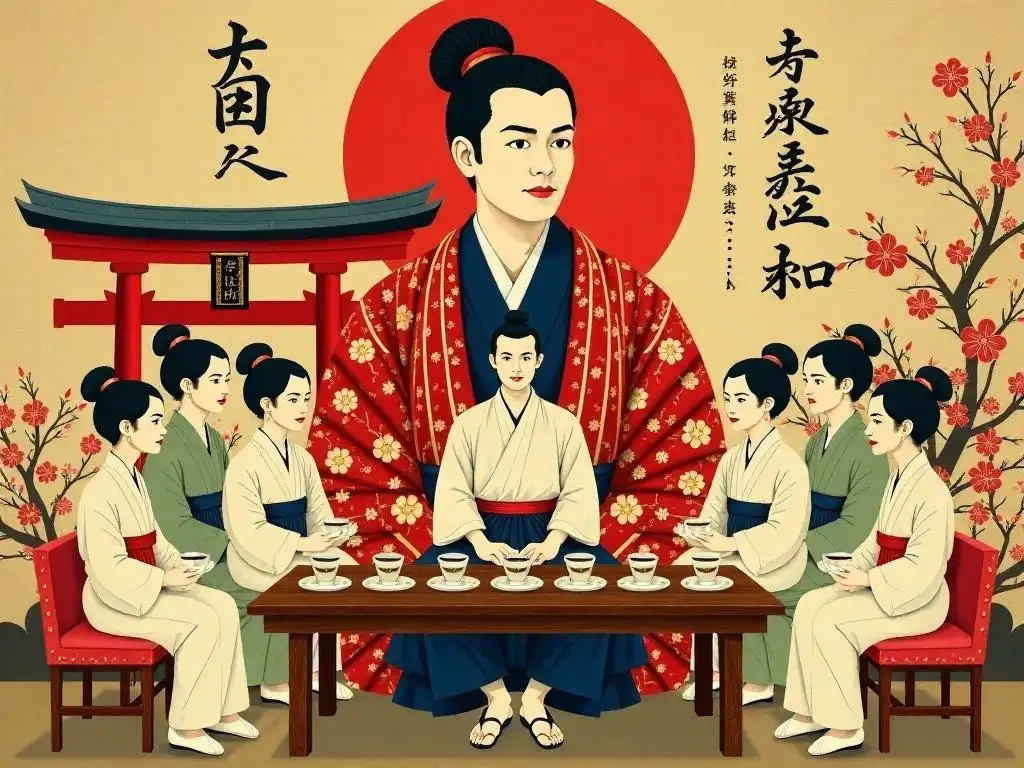
Welcome to Feudal Japan History! Immerse yourself in the rich tapestry of Japan’s feudal era, where every thread tells a story of cultural exchanges that shaped the nation’s identity. In our featured article, "The Lasting Legacy of Cultural Exchanges in Japan's Modern Identity," we delve into the fascinating interplay between foreign influences and local traditions, revealing how these interactions have sculpted Japan's unique character over the centuries.
Curious about how the past continues to resonate in today’s society? Join us as we uncover the layers of history that define modern Japan—your journey into the depths of feudal history starts here!
Introduction to Cultural Exchanges in Japan's History
Cultural exchanges have played a pivotal role in shaping Japan's history, evolving the nation into a unique blend of traditional and modern influences. From ancient times to the present, Japan has been a melting pot of ideas, practices, and knowledge, resulting in a rich tapestry of cultural identity. This article delves into the lasting legacy of these exchanges, particularly focusing on how they have contributed to Japan's modern identity. By examining the historical, cultural, and societal aspects of these interactions, we can better understand the complexities that define contemporary Japanese culture.
Definition of Cultural Exchanges
Cultural exchanges refer to the mutual sharing of ideas, customs, and practices between different societies. These interactions can occur through various means, including trade, diplomacy, migration, and education. In the context of Japan, cultural exchanges have often involved the integration of foreign influences, which have been adapted and transformed over time to fit the Japanese way of life. This dynamic process has facilitated not only the transfer of material culture but also the exchange of philosophical and artistic ideas, leading to a diverse and evolving cultural landscape.
Importance of Cultural Exchanges in Shaping Japan
The significance of cultural exchanges in Japan's history cannot be overstated. They have been instrumental in:
- Innovating Traditional Practices: Many traditional Japanese arts, such as tea ceremonies and flower arrangements, have been influenced by external practices.
- Enhancing Intellectual Thought: The introduction of Buddhism from China and Korea reshaped spiritual and philosophical thought in Japan.
- Fostering Economic Development: Cultural exchanges often accompanied trade, leading to economic ties that further intertwined societies.
- Promoting Artistic Diversity: The influence of Western art movements and techniques is evident in contemporary Japanese art and design.
Understanding these exchanges helps us appreciate how Japan's past continues to resonate in its modern identity.
Historical Context of Cultural Exchanges in Japan
Overview of Japan's Isolation Period
Japan's isolation period, known as Sakoku, lasted from the early 17th century until the mid-19th century. During this time, Japan implemented strict regulations on foreign relations, limiting contact primarily to the Dutch and Chinese. This period, although marked by isolation, did not completely halt cultural exchanges. Instead, it fostered a unique environment where the limited influx of foreign ideas was meticulously curated and integrated into Japanese society.
Early Cultural Influences: China and Korea
The earliest cultural exchanges in Japan can be traced back to its interactions with neighboring China and Korea. Chinese characters were adopted, significantly impacting Japan's writing system. Additionally, Buddhism, which traveled from Korea, profoundly influenced Japanese spirituality, art, and architecture. Key elements such as Confucianism and Chinese poetry also left a lasting impression on Japanese culture, shaping its social structures and literary traditions.
The Impact of European Contact in the 16th Century
The 16th century marked a significant turning point in Japan's cultural exchanges, particularly with the arrival of Portuguese traders and Jesuit missionaries. This contact introduced new technologies, such as firearms and Western-style shipbuilding, alongside Christianity. The exchange of ideas during this period led to a cultural renaissance, as Japan experienced a surge in artistic and intellectual activity. The integration of Western elements into Japanese culture set the stage for future transformations as modernity began to take root in the nation.
Cultural exchanges have been a fundamental aspect of Japan's historical development, influencing its identity and societal structure. Understanding these exchanges offers insights into the diverse and rich culture that characterizes modern Japan.
Key Cultural Exchanges That Shaped Modern Japan
Throughout its history, Japan has been a melting pot of various cultural influences that have significantly contributed to its modern identity. These exchanges began as early as the Yayoi period and intensified during the Nara and Heian periods, leading to the formation of a unique Japanese culture that blends indigenous and foreign elements.
One of the most defining moments in cultural exchange came with the arrival of Buddhism from Korea, which not only influenced religious practices but also art, literature, and philosophy. The introduction of Chinese characters and Confucian ideals further shaped Japanese governance and social structure, laying the groundwork for Japan's cultural identity. Additionally, the influx of Western influences during the Edo period, particularly through trade with the Dutch, introduced new ideas and technologies that would later permeate Japanese society.
In modern times, Japan has continued to engage in cultural exchanges, adopting elements from various cultures while also exporting its own unique identity through art, cuisine, and technology. This dynamic interplay has created a vibrant tapestry that defines Japan today.
The Role of Trade in Cultural Exchanges
Trade has played an indispensable role in facilitating cultural exchanges in Japan's history. The establishment of trade routes, particularly during the Nara and Edo periods, allowed for the importation of goods, ideas, and cultural practices from abroad.
The Silk Road, for instance, was crucial in connecting Japan with the rest of Asia, enabling the exchange of not only silks and spices but also philosophies and religions. The arrival of European traders in the 16th century marked a significant shift, introducing Christianity, firearms, and Western science. The Nanban trade period saw an influx of foreign art and culture, which inspired Japanese artisans and influenced local aesthetics.
Moreover, the Meiji Restoration heralded a new era of trade that opened Japan to Western nations, leading to a profound transformation in Japanese society. This period witnessed the adoption of Western technologies and practices, further enriching Japan's cultural landscape.
Influences of Religion on Japanese Identity
Religion has been a cornerstone of Japanese identity, with Shinto and Buddhism being the predominant faiths that have shaped cultural values and societal norms. The introduction of Buddhism in the 6th century marked a pivotal moment in Japan's cultural evolution. It brought new philosophical frameworks, artistic expressions, and rituals that intertwined with existing Shinto beliefs, creating a syncretic religious landscape.
The influence of Confucianism, primarily through the importation of Chinese texts, also played a significant role in shaping Japanese societal values, particularly in areas such as governance, ethics, and family structure. These religious exchanges fostered a sense of community and moral responsibility that remains integral to Japanese society.
In contemporary Japan, the coexistence of Shinto, Buddhism, and other religious practices continues to reflect the country's historical openness to diverse influences, shaping modern Japanese identity and cultural expressions.
Artistic Exchanges: From Ukiyo-e to Western Art
Art has served as a powerful medium for cultural exchange in Japan, particularly evident in the transition from traditional forms such as Ukiyo-e to the incorporation of Western artistic techniques. Ukiyo-e, a genre of woodblock printing that flourished during the Edo period, depicted landscapes, kabuki actors, and scenes from everyday life. It not only illustrated Japanese aesthetics but also became a source of inspiration for Western artists during the 19th century.
The arrival of Impressionism and other Western art movements significantly impacted Japanese artists, leading to the fusion of Eastern and Western styles. Artists like Yoshida Hiroshi and Takahashi Hiroaki embraced Western methods while retaining traditional Japanese themes, creating a unique blend that resonated with both domestic and international audiences.
In modern Japan, the influence of global art movements continues to be evident, as contemporary Japanese artists engage with diverse cultural elements, showcasing the enduring legacy of artistic exchanges that have shaped Japan's aesthetic identity.
The Evolution of Cultural Exchanges in the Meiji Era
The Meiji Era (1868–1912) was a transformative period in Japan's history, characterized by rapid modernization and cultural exchanges that significantly reshaped the nation.
The Opening of Japan and Its Global Impact
The forced opening of Japan to foreign trade in 1853 under Commodore Matthew Perry marked a turning point in the country's isolationist policies. The subsequent treaties with Western powers led to an influx of foreign ideas, technologies, and cultural practices.
This opening allowed Japan to engage with the global community, resulting in significant advancements in various fields, including industry, military, and education. The adoption of Western legal systems and governance models transformed Japan’s political landscape, ultimately positioning the country as a formidable power on the world stage.
Adoption of Western Practices and Technologies
The Meiji government actively encouraged the adoption of Western practices and technologies to propel Japan into modernity. This included the establishment of a conscript army modeled after Western militaries, the construction of railroads, and the introduction of Western-style education systems.
As a result, Japan experienced a cultural renaissance, blending Western innovations with traditional Japanese values. This integration not only modernized Japan's infrastructure but also influenced its arts, literature, and everyday life, fostering a unique identity that resonated globally.
Educational Reforms and Cultural Exchanges
Education reform during the Meiji Era was a cornerstone of Japan's cultural exchanges. The government implemented a mandatory education system that emphasized Western sciences, mathematics, and humanities, while also promoting Japanese history and culture.
This dual focus allowed for the cultivation of a new generation of thinkers and leaders who were well-versed in both Western and Japanese cultural contexts. Notable figures like Fukuzawa Yukichi, who advocated for Western learning, played a crucial role in shaping modern Japanese education and thought.
The resulting intellectual exchange fostered a spirit of inquiry and innovation, ultimately contributing to Japan's emergence as a modern nation while preserving its rich cultural heritage.
The Influence of Cultural Exchanges on Japan's Modern Identity
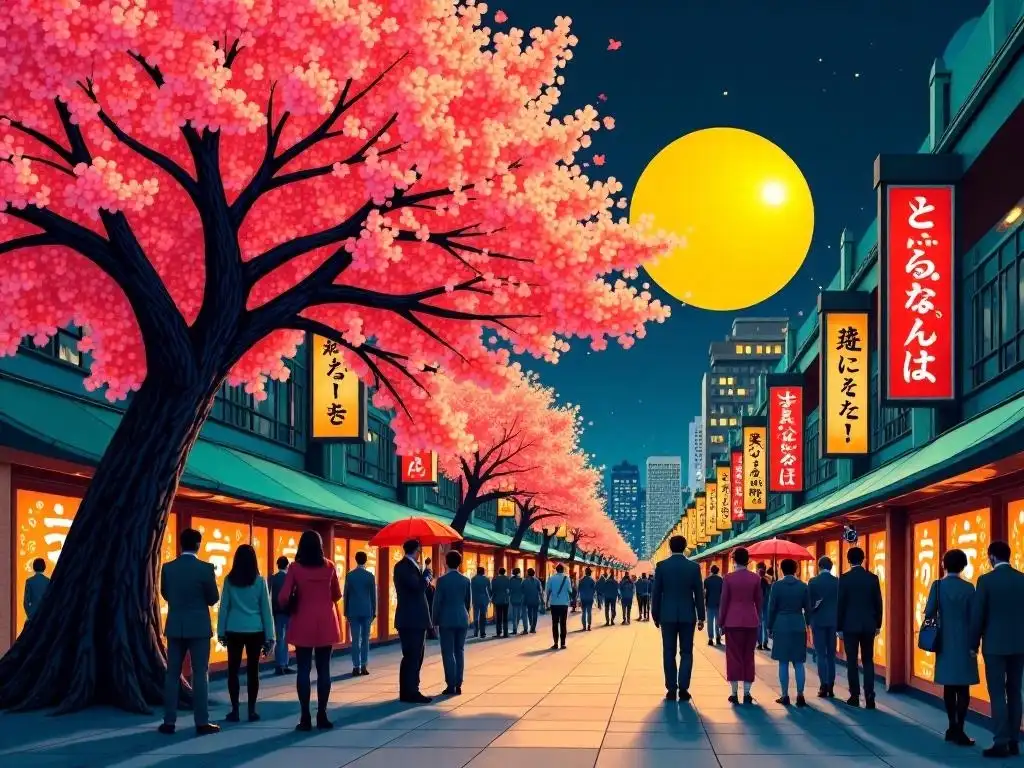
Cultural exchanges have profoundly influenced Japan's modern identity, shaping its societal norms, artistic expressions, and global standing. From the arrival of Portuguese traders in the 16th century to the contemporary flow of information via digital media, Japan has engaged in a dynamic dialogue with various cultures. This ongoing interaction has contributed to a unique identity characterized by a blend of tradition and innovation. The absorption of foreign ideas and practices has not only diversified Japanese culture but has also reinforced its resilience and adaptability in an increasingly globalized world.
One significant aspect of this influence is the way cultural exchanges have enabled Japan to maintain its traditions while integrating new concepts. This duality has allowed Japan to present a modern face to the world, while preserving the rich heritage that forms the backbone of its identity. As Japan continues to interact with various cultures, it cultivates a sense of belonging that is both distinctly Japanese and universally relatable.
How Cultural Exchanges Have Shaped Japanese Society
Cultural exchanges have played a critical role in shaping the fabric of Japanese society. Over the centuries, Japan has welcomed various influences, from Chinese philosophies and Buddhist practices to Western technology and artistic styles. These exchanges have resulted in significant transformations in various aspects of life, including religion, education, and governance.
- Religion and Philosophy: The introduction of Buddhism from China and Korea in the 6th century brought new spiritual perspectives that intertwined with Shinto beliefs, creating a unique religious landscape. Confucian values further influenced social hierarchies and ethics, cementing a moral framework that persists today.
- Education and Science: The Meiji Restoration in the late 19th century marked a turning point as Japan sought to modernize rapidly. The adoption of Western educational models and scientific advancements transformed Japan’s approach to learning, leading to a highly educated populace that embraces innovation while respecting traditional knowledge.
- Social Structures: The influence of foreign ideas has also reshaped societal norms, particularly regarding gender roles and family structures. The interaction with Western cultures introduced new perspectives on individualism and personal freedom, contributing to the evolving dynamics within Japanese families.
The Fusion of Traditional and Modern Cultural Elements
The fusion of traditional and modern cultural elements is a hallmark of Japan's contemporary identity. This synthesis can be observed in various domains, including fashion, cuisine, and art.
- Fashion: Contemporary Japanese fashion often draws inspiration from traditional garments like kimono while incorporating modern designs and materials. This blend creates a unique style that reflects Japan's rich heritage and innovative spirit.
- Cuisine: Japanese cuisine has also evolved through cultural exchanges, incorporating ingredients and techniques from abroad. For instance, the fusion of Western culinary practices with traditional Japanese cooking has led to the popularity of dishes like sushi rolls and ramen burgers.
- Art and Design: In visual arts, traditional techniques such as ukiyo-e (woodblock printing) have influenced modern artists worldwide, while contemporary Japanese art often integrates these age-old methods with new themes and technologies, resulting in a vibrant and diverse artistic scene.
Globalization and Its Effects on Japanese Culture
Globalization has significantly impacted Japanese culture, leading to both challenges and opportunities. The influx of foreign influences has accelerated cultural exchanges, resulting in a more interconnected world.
- Cultural Consumption: The global demand for Japanese media, such as anime and manga, reflects the country's cultural soft power. As these forms of entertainment gain popularity, they simultaneously expose global audiences to Japanese culture, fostering mutual appreciation and understanding.
- Cultural Homogenization: However, globalization also poses risks of cultural homogenization, where unique cultural identities may be overshadowed by dominant global trends. Japan faces the challenge of preserving its distinct cultural heritage while navigating the pressures of a global economy that often prioritizes uniformity over diversity.
- Reinvention of Traditions: In response, Japan has demonstrated remarkable resilience by reinventing traditional practices to fit contemporary contexts. Festivals, art forms, and rituals are often revitalized, blending historical significance with modern relevance, ensuring that they resonate with both locals and global audiences.
Case Studies of Notable Cultural Exchanges
Examining specific instances of cultural exchanges provides deeper insights into their impact on Japan's identity. These case studies highlight the transformative power of interaction between Japan and other cultures throughout history.
The Influence of Western Literature in Japan
The introduction of Western literature in the 19th century marked a significant cultural exchange that reshaped Japanese literary traditions. Authors like Natsume Sōseki and Mori Ōgai were instrumental in blending Western literary techniques with Japanese themes.
- Literary Techniques: The adoption of narrative styles, such as stream-of-consciousness and realism, allowed Japanese writers to explore the complexities of modern life in Japan. This evolution contributed to a rich literary landscape that continues to inspire writers today.
- Themes of Identity: Western literature also introduced new themes, such as individualism and existentialism, prompting Japanese authors to reflect on personal identity amidst societal changes. This introspection has become a defining characteristic of modern Japanese literature.
Japanese Aesthetics in Global Art Movements
Japanese aesthetics have significantly influenced global art movements, particularly during the late 19th and early 20th centuries. The appreciation of ukiyo-e prints and traditional Japanese design elements played a pivotal role in movements like Impressionism and Art Nouveau.
- Impressionism: Artists such as Claude Monet and Vincent van Gogh drew inspiration from Japanese prints, incorporating vibrant colors and innovative compositions into their work. This cross-cultural exchange enriched their artistic expression and helped shape the modern art narrative.
- Contemporary Art: Today, Japanese artists continue to impact global art scenes, exploring themes of technology, nature, and identity within their work. The fusion of traditional techniques with contemporary concepts creates a dialogue that resonates with international audiences.
The Impact of Japanese Pop Culture on the World
Japanese pop culture has emerged as a powerful force globally, influencing music, fashion, and entertainment. The rise of anime, manga, and J-pop has not only captured the imagination of people worldwide but has also fostered cultural exchanges that redefine global youth culture.
- Anime and Manga: The global popularity of anime and manga has led to widespread appreciation for Japanese storytelling, art, and aesthetics. This phenomenon has inspired adaptations and collaborations, bridging cultural divides and fostering a sense of community among fans across the globe.
- Fashion and Lifestyle: The unique fashion trends emerging from Japan, such as Harajuku style, have gained international recognition, influencing designers and fashion enthusiasts worldwide. The blending of traditional elements with avant-garde designs has created a distinct fashion identity that reflects Japan's cultural heritage.
- Cultural Festivals: Events like Anime Expo and Japan Expo celebrate Japanese pop culture and provide platforms for cultural exchange, drawing participants from diverse backgrounds. These gatherings promote interaction and understanding, reinforcing the global impact of Japan's cultural output.
Challenges and Misunderstandings in Cultural Exchanges
Cultural exchanges throughout Japan's history have not been without their challenges and misunderstandings. These interactions, while enriching, often brought about friction between differing worldviews and practices. One significant challenge is the misinterpretation of cultural symbols and practices, which can lead to stereotypes and generalized views of Japanese culture. For instance, Western perceptions of traditional Japanese practices such as tea ceremonies or martial arts can sometimes reduce these complex rituals to mere spectacle, overlooking their deeper philosophical and historical significance.
Another challenge arises from the power dynamics inherent in cultural exchanges. When one culture dominates another, it can lead to cultural appropriation, where elements of a culture are borrowed without understanding or respect. This can create resentment and feelings of cultural dilution among the communities involved. The commodification of Japanese culture, particularly in fashion and art, is a prime example, where traditional motifs are often used in ways that disregard their original meanings.
Furthermore, language barriers can exacerbate misunderstandings. Nuances in communication, expressions, and idioms can be lost when cultures interact, leading to confusion and misrepresentation. This is particularly evident in diplomatic and economic exchanges, where miscommunication can have significant implications.
Cultural Appropriation vs. Cultural Appreciation
The distinction between cultural appropriation and cultural appreciation is crucial in understanding the dynamics of cultural exchanges in Japan's history. Cultural appropriation refers to the unacknowledged or inappropriate adoption of elements from one culture by members of another culture, often without permission and in a manner that exploits or distorts the original context. For example, the use of kimono-inspired designs in Western fashion without acknowledgment of their cultural significance can be seen as appropriation.
In contrast, cultural appreciation involves a respectful acknowledgment and understanding of another culture. This includes recognizing the historical and social contexts of cultural practices and engaging with them in a way that honors their origins. Educational initiatives and cultural exchanges that promote genuine understanding of Japanese customs, arts, and traditions can foster appreciation rather than appropriation.
To navigate the delicate balance between these two concepts, it is essential for individuals and organizations to engage in open dialogues, educate themselves about the cultures they are interacting with, and approach cultural elements with sensitivity and respect.
The Role of Media in Shaping Perceptions
Media plays a pivotal role in shaping perceptions of cultural exchanges, particularly in the context of Japan. Whether through film, television, literature, or social media, the representation of Japanese culture can significantly influence how it is perceived both domestically and internationally.
In the past, media portrayals often focused on stereotypes, such as the "mysterious East" or the "samurai warrior," which contributed to a narrow understanding of Japan’s rich cultural landscape. However, as globalization progressed, there has been a shift towards more nuanced representations. Contemporary Japanese cinema and television now explore diverse themes, including family dynamics, societal issues, and modern life, presenting a more holistic view of Japanese culture.
Social media has also transformed the landscape of cultural exchanges, allowing for real-time sharing and interaction. Platforms like Twitter and Instagram enable individuals to showcase their cultural practices, fostering a sense of community and connection. However, this medium also poses risks, as misinformation can spread rapidly, leading to misrepresentations and perpetuating stereotypes.
As media continues to evolve, it remains a double-edged sword, capable of fostering deeper understanding or reinforcing misconceptions. Educators, content creators, and consumers must therefore be vigilant in their consumption and production of cultural content, striving for authenticity and respect in representations of Japanese culture.
Conclusion: The Enduring Impact of Cultural Exchanges on Japan's Identity
The cultural exchanges that have taken place throughout Japan's history have left an indelible mark on the nation's identity. From the early influences of Buddhism and Confucianism to the modern interactions with Western cultures, these exchanges have shaped Japan's social, political, and artistic landscapes.
Understanding the complex nature of these interactions, including the challenges and misunderstandings involved, allows for a more comprehensive view of how Japan has navigated its identity in the modern world. The legacy of cultural exchanges is evident in Japan's ability to blend tradition with innovation, creating a unique identity that resonates both domestically and globally.
Summary of Key Points
- Cultural exchanges in Japan have faced challenges, including misinterpretations and power dynamics.
- The distinction between cultural appropriation and appreciation is essential for respectful engagement.
- Media plays a critical role in shaping perceptions, contributing to both understanding and stereotypes.
- The legacy of these exchanges has significantly influenced Japan's modern identity, fostering a blend of tradition and innovation.
Future of Cultural Exchanges in Japan's Global Relations
Looking ahead, the future of cultural exchanges in Japan's global relations appears promising yet complex. As Japan continues to engage with other cultures, it is essential to prioritize respectful and informed interactions. Educational initiatives that promote cultural literacy will play a crucial role in bridging gaps and fostering genuine appreciation.
Moreover, the rise of digital platforms offers new opportunities for cultural exchange, allowing for greater accessibility and interaction. However, careful consideration must be given to how cultural elements are shared and represented in these spaces to avoid misunderstandings and appropriation.
In a rapidly globalizing world, Japan's ability to navigate cultural exchanges thoughtfully will not only enrich its identity but also contribute to a more interconnected and understanding global community. As such, fostering mutual respect and awareness will be key to ensuring that cultural exchanges continue to be a source of enrichment for all involved.
- Introduction to Cultural Exchanges in Japan's History
- Historical Context of Cultural Exchanges in Japan
- Key Cultural Exchanges That Shaped Modern Japan
- The Evolution of Cultural Exchanges in the Meiji Era
- The Influence of Cultural Exchanges on Japan's Modern Identity
- Case Studies of Notable Cultural Exchanges
- Challenges and Misunderstandings in Cultural Exchanges
- Conclusion: The Enduring Impact of Cultural Exchanges on Japan's Identity
- What were the main cultural exchanges during Japan's feudal era?
- How did cultural exchanges impact Japanese society?
- What role did trade play in cultural exchanges in Japan?
- How did Western influence affect Japan's cultural exchanges?
- Why is understanding cultural exchanges important in Japan's history?
Frequently Asked Questions
What were the main cultural exchanges during Japan's feudal era?
During the feudal era, Japan experienced significant cultural exchanges primarily with China and Korea, which influenced art, religion, and philosophy.
How did cultural exchanges impact Japanese society?
Cultural exchanges introduced new ideas and technologies, shaping Japanese society's values, aesthetics, and social structures, leading to a unique blend of tradition and innovation.
What role did trade play in cultural exchanges in Japan?
Trade facilitated the flow of goods and ideas, allowing Japan to adopt and adapt various cultural elements, such as food, clothing, and craftsmanship, enriching its cultural tapestry.
How did Western influence affect Japan's cultural exchanges?
In the 19th century, Western influence prompted Japan to modernize, leading to a revival of traditional practices while integrating Western ideas, significantly shaping its modern identity.
Why is understanding cultural exchanges important in Japan's history?
Understanding these exchanges helps to highlight how Japan has evolved, revealing the complex interactions that have shaped its cultural identity and continue to influence its global standing today.
Final Reflection: Embracing the Tapestry of Cultural Exchanges in Japan's Identity
Cultural exchanges in Japan's history have woven a rich tapestry that continues to shape the nation's modern identity. Today, as we navigate an increasingly globalized world, the significance of these exchanges becomes even more pronounced. The blending of traditions, ideas, and practices not only enriches Japan's cultural landscape but also serves as a reminder of the power of collaboration and understanding across borders. In a time where cultural isolationism can threaten diversity, the legacy of these exchanges stands as a beacon of hope.
The influence of cultural exchanges is not merely a relic of the past; it is a dynamic force that continues to shape Japan's social and cultural landscape. From the adoption of Western technologies to the resurgence of traditional arts infused with global perspectives, the interplay of cultures fosters innovation and creativity. As the renowned Japanese author Haruki Murakami once said, The most important thing we learn at school is the fact that the world is full of people who are different from us.
This sentiment underscores the ongoing relevance of cultural exchanges, reminding us that embracing diversity enriches our collective experience and understanding.
As we reflect on the lessons from Japan's history of cultural exchanges, let us take a moment to consider how we can apply these insights in our own lives. I invite you to seek out opportunities for cultural engagement, whether through travel, art, or community interactions. By embracing the beauty of diversity and fostering connections with others, we can contribute to a more harmonious and enriched world. Let us honor the legacy of cultural exchanges by becoming active participants in the ongoing dialogue that shapes our global identity.
Unveil the Power of Cultural Exchange Today!
Thank you for taking the time to explore the intricate legacy of cultural exchanges that have shaped Japan's modern identity. Your interest not only enriches your understanding but also supports the preservation and appreciation of diverse cultural narratives. Now, let's take that knowledge a step further and make an impact!
Here are a few actionable steps you can take right now:
- Engage with local cultural centers: Attend events or workshops that focus on Japanese culture or history to deepen your appreciation and connect with like-minded individuals.
- Share your insights: Discuss your newfound knowledge with friends or on social media—explore how cultural exchanges continue to shape societies today!
- Dive deeper into the history: Explore additional resources on feudal Japan and its cultural influences to further enhance your understanding.
What unique cultural exchange have you experienced that has impacted your perspective on identity? We invite you to share your stories in the comments below!