
How the Jesuits Shaped Japan’s Artistic Traditions

Welcome to Feudal Japan History, where we invite you to embark on a fascinating journey through the intricate tapestry of Japan’s feudal era. Here, you will uncover the profound impact of foreign influences, such as the Jesuits, on Japan’s artistic traditions. Our featured article, “How the Jesuits Shaped Japan’s Artistic Traditions,” delves into the captivating dynamics between these pioneering missionaries and the rich cultural landscape of Japan.
Prepare to be intrigued as you explore how this unique intersection of faith and artistry not only transformed Japanese art but also left an indelible mark on society. Join us and discover the layers of history waiting to be unveiled!
- Introduction to Jesuits Influence on Japanese Art
- Historical Context of Jesuit Arrival in Japan
- Jesuit Influence on Japanese Art Forms
- Key Artistic Contributions by Jesuits
- Cultural Exchanges Facilitated by Jesuits
- Case Studies of Jesuit Influence on Specific Artworks
- The Lasting Legacy of Jesuits on Japanese Art
- Conclusion: The Enduring Impact of Jesuits on Japan’s Artistic Heritage
- Frequently Asked Questions
- Final Reflection: The Enduring Legacy of Jesuit Influence on Japanese Art
- Unveil the Artistic Legacy of Japan’s Jesuit Influence!
Introduction to Jesuits Influence on Japanese Art
The interaction between foreign influences and local traditions has always played a crucial role in shaping cultural landscapes. One of the most fascinating episodes in this regard is the influence of the Jesuits on Japanese art during the feudal era. This period, marked by the arrival of European missionaries in the 16th century, brought with it a confluence of ideas, techniques, and artistic styles that would leave a lasting imprint on Japan's rich tapestry of artistic expression.
The Jesuits, with their unique background and mission, facilitated a remarkable exchange of knowledge that not only introduced new themes and techniques but also led to a deeper appreciation of the existing Japanese artistic traditions. In this article, we delve into the various dimensions of this influence, exploring how Jesuit missions contributed to the evolution of Japanese art and the broader implications of this cultural exchange.
Overview of Jesuit Missions in Japan
The Jesuit mission in Japan began in 1549 with the arrival of Francis Xavier, one of the founding members of the Society of Jesus. Initially welcomed by the Japanese, the Jesuits aimed to spread Christianity but quickly realized the potential for cultural exchange. They established schools, churches, and printing presses, which became hubs for artistic and intellectual interaction. The missionaries sought to understand Japanese culture, which led to a unique blending of Western and Eastern artistic elements.
Key aspects of the Jesuit missions include:
- Cultural Adaptation: Jesuits learned the Japanese language and customs, allowing them to connect with local populations.
- Artistic Collaboration: They collaborated with Japanese artists, leading to the creation of artworks that fused Western techniques with traditional Japanese aesthetics.
- Documentation: Jesuits documented their observations, producing significant written accounts that provide insight into the artistic practices of the time.
This interplay between the Jesuits and Japanese artists fostered an environment ripe for innovation and exchange, setting the stage for a transformative period in Japan's art history.
Importance of Artistic Traditions in Feudal Japan
Art in feudal Japan was not merely a reflection of aesthetics but a crucial component of cultural identity and societal values. The period was characterized by distinct artistic styles, including ink painting, ceramics, and woodblock printing, each rooted in the philosophical and spiritual beliefs of the time. The importance of these artistic traditions can be understood through several key points:
- Cultural Identity: Art was a means for expressing the unique identity of various clans and regions, often depicting themes from nature, mythology, and daily life.
- Religious Influence: Many artworks were deeply intertwined with religious practices, serving as vehicles for spiritual expression and community cohesion.
- Technological Advancements: Innovations in techniques and materials, often influenced by foreign interactions, led to the evolution of traditional art forms, enhancing their complexity and appeal.
The artistic traditions of feudal Japan were foundational to its culture, and the Jesuits' influence played a significant role in their development, leading to a rich dialogue between Western and Eastern artistic practices that continues to be studied and appreciated today.
Historical Context of Jesuit Arrival in Japan
The arrival of Jesuits in Japan during the 16th century marked a significant turning point in the cultural and artistic landscape of the nation. This period was characterized by the opening of Japan to foreign influences and the establishment of foreign relations that would ultimately lead to profound changes in various domains, including art.
Early Jesuit Explorations and Encounters
The Jesuit mission in Japan began in 1549 when Francis Xavier, one of the founding members of the Society of Jesus, arrived in the southern port of Kagoshima. This marked the first formal contact between Japan and European missionaries. The Jesuits were intrigued by Japanese culture and society, which prompted them to engage deeply with the local populace.
- Initial Interactions:
- The Jesuits initially faced challenges, including language barriers and cultural misunderstandings. However, their perseverance allowed them to establish relationships with influential local leaders, known as daimyōs.
- Notably, Xavier's approach was one of respect and fascination, as he documented various aspects of Japanese culture in his letters, which would later inform European audiences about Japan.
- Cultural Exchange:
- As Jesuits settled in Japan, they began to introduce European artistic styles and techniques. This cultural exchange was reciprocal; Jesuits adapted to local customs and art forms, leading to a unique fusion of styles.
- The introduction of Western painting techniques, such as oil painting, was significant. Jesuits commissioned local artists to create works that incorporated both European and Japanese elements, resulting in a new artistic language.
- Influence of Art on Missionary Work:
- The Jesuits utilized art as a tool for evangelization. They commissioned paintings and sculptures depicting Christian themes, which were often blended with traditional Japanese aesthetics.
- This approach not only served to promote Christianity but also elevated the status of the arts in Japanese society, influencing local artisans and leading to the emergence of a new genre of art.
The Role of Jesuits in Japan's Foreign Relations
The Jesuits played a crucial role in shaping Japan's foreign relations during the late 16th century. Their activities went beyond mere missionary work; they acted as cultural intermediaries between Japan and Europe.
- Diplomatic Engagement:
- The Jesuits fostered diplomatic relations with various daimyōs, which often involved the exchange of gifts and information. This helped Japan to understand European politics and trade dynamics.
- Notably, Jesuit efforts contributed to the establishment of the Nanban trade, which facilitated the exchange of goods, ideas, and art between Japan and European traders.
- Art as a Diplomatic Tool:
- The Jesuits often used art in diplomatic contexts, commissioning works that illustrated their missions and the wealth of their patrons. This not only showcased the sophistication of European art but also served to impress local leaders.
- Such artworks often depicted European scenes and narratives, creating a visual dialogue that emphasized the Jesuits' understanding and appreciation of Japanese culture.
- Legacy of Jesuit Influence:
- The impact of Jesuit missions on Japanese art is profound and enduring. Their introduction of Western techniques influenced artists such as Tawaraya Sōtatsu and Ogata Kōrin, who later incorporated these elements into their works.
- This legacy can be seen in the continued blending of Western and Japanese styles, which paved the way for the evolution of modern Japanese art.
The Jesuits' influence on Japanese art and culture during their time in Japan was significant and multifaceted. Their unique position as both missionaries and cultural intermediaries allowed them to shape the artistic traditions of Japan in ways that continue to resonate today.
Jesuit Influence on Japanese Art Forms
Introduction of Western Artistic Techniques
The arrival of Jesuit missionaries in Japan during the late 16th century marked a pivotal moment in the development of Japanese art. With them, they brought a wealth of Western artistic techniques that would significantly influence local practices. The Jesuits were not merely spiritual leaders; they were also keen observers and participants in the cultural exchanges that unfolded during this period.
One of the most notable contributions was the introduction of perspective in painting, which was largely absent from traditional Japanese art. This technique allowed for a more realistic representation of space and depth, transforming the visual storytelling of artists. For instance, the Jesuits commissioned works that depicted biblical scenes, incorporating Western styles that utilized chiaroscuro—a technique of strong contrasts between light and dark to create volume and depth.
Moreover, the Jesuits facilitated the importation of Western materials and tools. Oil paints, new types of canvas, and other artistic tools that were previously unknown in Japan became accessible. These innovations allowed Japanese artists to experiment with color and texture, enriching their palettes and expanding their creative possibilities.
Additionally, the Jesuit influence can be seen in the themes that emerged in Japanese art. While traditional subjects focused on nature, spirituality, and the samurai ethos, the Jesuits introduced religious iconography and narratives, which led to a unique blend of Eastern and Western storytelling methods. This fusion not only broadened the thematic scope of Japanese art but also encouraged artists to explore new subjects and styles.
Fusion of European and Japanese Aesthetics
The interaction between Jesuits and Japanese artists resulted in a fascinating fusion of European and Japanese aesthetics. This amalgamation is particularly evident in the Namban art movement, which flourished in Japan during the 17th century. Namban art, characterized by its representation of the "Southern Barbarians" (the term used for Europeans), often depicted Jesuit missionaries, traders, and scenes of Western life.
Artists like Kano Eitoku and Tawaraya Sotatsu began integrating Western motifs and styles into traditional Japanese frameworks. For example, Namban folding screens often featured European figures juxtaposed with Japanese landscapes, blending cultural elements in a way that was both novel and reflective of Japan's evolving identity in a global context.
The use of color in Namban art also reflects this fusion. Traditional Japanese art often employed a more muted palette, while the influence of European oil paintings introduced brighter, more vibrant colors. This shift not only enhanced the visual appeal of artworks but also allowed for greater emotional expression.
Additionally, the technique of oil painting adopted from the Jesuits further exemplified this cultural intermingling. Japanese artists began to experiment with oil techniques, which contrasted sharply with the traditional ink and watercolor methods. This experimentation was not without its challenges, as artists had to adapt these foreign techniques to suit their materials and styles, leading to a distinctive Japanese approach to oil painting.
The Jesuits' influence on Japanese art was profound and multifaceted. Their introduction of Western artistic techniques and the subsequent fusion of European and Japanese aesthetics not only enriched Japan's artistic traditions but also laid the groundwork for further cultural exchanges in the years to come. The legacy of this interaction is still celebrated today, revealing the enduring impact of the Jesuits on Japan’s artistic landscape.
Key Artistic Contributions by Jesuits
The Jesuits played a pivotal role in shaping Japan's artistic landscape during the late 16th and early 17th centuries. Their influence is particularly noteworthy in the realms of painting, sculpture, and decorative arts. By introducing Western artistic traditions and techniques, they not only enriched Japanese art but also facilitated a unique dialogue between Eastern and Western aesthetics.
Jesuit Paintings and Their Impact on Japanese Artists
One of the most significant contributions of the Jesuits was the introduction of European painting styles and themes. Jesuit missionaries, such as Francisco de Xavier and Giovanni Battista Sidotti, brought with them Western art forms, which included oil painting, perspective techniques, and religious iconography.
- Oil Painting: The Jesuits taught Japanese artists the use of oil paints, which allowed for greater depth of color and more intricate detail in artworks. This technique was a departure from the traditional Japanese painting methods that predominantly employed water-based pigments.
- Religious Themes: Many of the paintings created during this era depicted Christian themes, which were often adapted to fit Japanese aesthetics. For instance, images of Madonna and Child were reinterpreted using traditional Japanese clothing and settings, making them more relatable to the local populace.
- Portraiture: Jesuit paintings also introduced the concept of portraiture to Japanese artists. This was a significant shift, as Japanese art had primarily focused on landscapes and religious subjects. The Jesuits encouraged artists to create portraits not only for religious figures but also for samurai and influential leaders, thus marking the beginning of individual representation in Japanese art.
The impact of these artistic exchanges can be seen in the works of renowned Japanese painters, such as Tosa Mitsuoki, who incorporated Western techniques into their own styles, leading to the development of a unique hybrid art form that merged the best of both worlds.
The Introduction of New Materials and Techniques
In addition to artistic styles, the Jesuits introduced various materials and techniques that transformed Japanese art. These innovations included:
- Canvas: The introduction of canvas as a painting surface allowed for larger works and more flexibility compared to traditional silk and paper, which were often more delicate and limited in size.
- New Pigments: Jesuits brought a variety of new pigments, including brighter colors and more durable materials. This expanded the color palette available to Japanese artists, enabling them to experiment with vibrancy and contrast in their works.
- Printmaking Techniques: The Jesuits also influenced printmaking in Japan. They introduced techniques like etching and engraving, which were relatively new to the Japanese artists at that time. This led to the development of novel print styles that combined Western techniques with traditional ukiyo-e methods.
- Perspective and Composition: The teaching of linear perspective, a revolutionary concept in Western art, allowed Japanese artists to create more dynamic and spatially complex compositions. This technique was particularly influential in landscape paintings and religious art, where depth and realism became increasingly important.
The Jesuits' influence on Japanese art was profound and multifaceted. They not only brought new styles and materials but also facilitated a cultural exchange that enriched Japan's artistic traditions. The legacy of this exchange is evident in the evolution of Japanese art, which began to incorporate elements that would shape its future directions.
Cultural Exchanges Facilitated by Jesuits
The arrival of Jesuit missionaries in Japan during the late 16th century marked a significant turning point in the country's cultural exchanges. Not only did these missionaries seek to spread Christianity, but they also played a vital role in fostering artistic dialogue between Europe and Japan. The Jesuits brought with them a wealth of artistic techniques, materials, and ideas that would profoundly influence Japanese art.
Jesuit Workshops and Training of Japanese Artisans
The Jesuits established workshops that served as centers for artistic training and collaboration. These workshops were instrumental in introducing European artistic techniques to Japanese artisans. Jesuit priests, often skilled artists themselves, provided instruction in various forms of art, including painting, metalwork, and woodblock printing.
- Techniques Introduced:
- Oil Painting: The use of oil paints, which allowed for richer colors and detailed textures, was a novel approach for Japanese artists accustomed to water-based inks.
- Perspective: European techniques of linear perspective revolutionized the way Japanese artists approached composition, allowing them to create a sense of depth in their works.
- New Material Applications: Jesuits introduced various materials such as glass and new pigments that expanded the palette available to Japanese artists.
By training local artisans in these techniques, the Jesuits not only enriched the artistic vocabulary of Japan but also created a unique fusion of Japanese and European styles. The impact of these workshops can be seen in various art forms, from religious iconography to secular themes, all merging the two distinct artistic traditions.
Influence on Traditional Japanese Crafts and Practices
The Jesuit influence on Japanese art extended beyond mere techniques; it also permeated traditional crafts and practices. This interaction led to the evolution of several art forms that integrated European elements while retaining their Japanese essence.
- Ceramics: The Jesuits’ appreciation for ceramics prompted innovations in glazing techniques and forms. Notably, they helped popularize the use of colors and patterns inspired by European designs, which led to the creation of unique hybrid styles.
- Textiles: The introduction of Western motifs and techniques in textile production transformed traditional Japanese fabrics. The incorporation of new weaving methods and patterns resulted in textiles that appealed to both local and foreign markets.
- Sculpture and Iconography: The Jesuits also influenced religious art, particularly in the depiction of Christian themes. Traditional Japanese sculptures began to incorporate European facial features and poses, leading to a new genre of religious iconography that resonated with local beliefs while introducing Western elements.
This blending of styles not only enriched Japanese art but also facilitated a broader cultural exchange that would leave a lasting legacy on the artistic traditions of Japan. The Jesuits' contributions can still be seen today in various art forms that continue to celebrate this unique historical interaction.
The Jesuits' influence on Japanese art was multifaceted, marked by the establishment of workshops for training artisans and the integration of European techniques into traditional crafts. This period of cultural exchange significantly shaped the evolution of Japan's artistic traditions, paving the way for future generations of artists.
Case Studies of Jesuit Influence on Specific Artworks
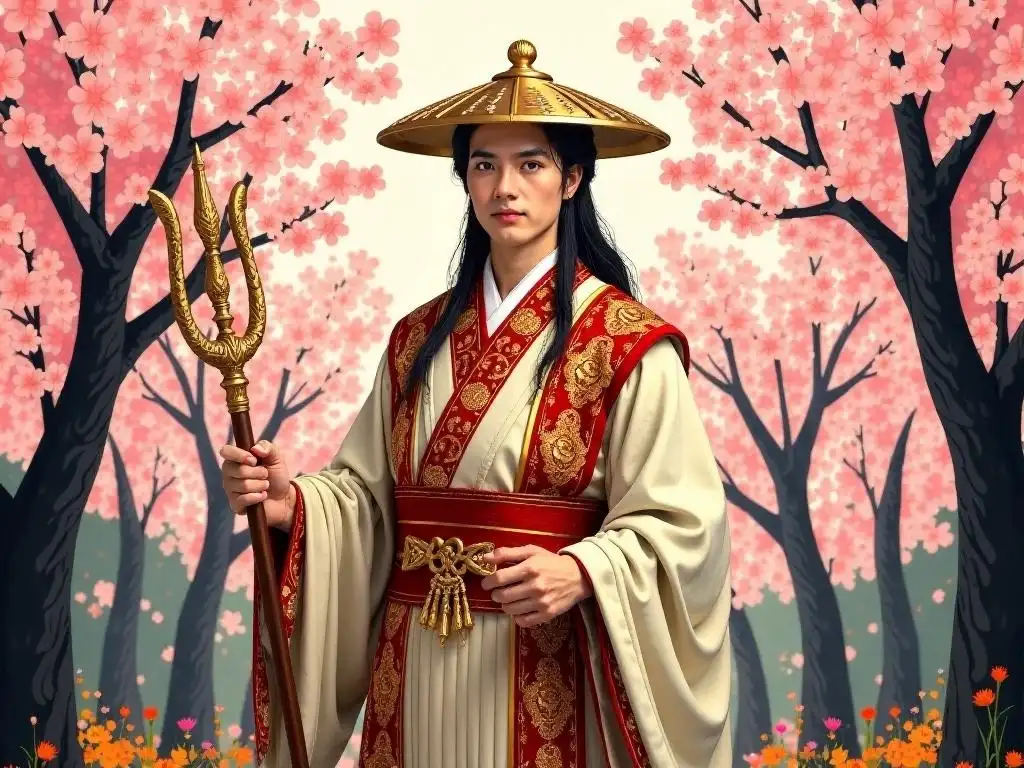
"The Assumption of the Virgin" by Kōrin Ogata: Analysis of Jesuit Techniques
Kōrin Ogata, a pivotal figure in the Edo period, produced the remarkable "The Assumption of the Virgin" which embodies the synthesis of Western and Japanese artistic techniques inspired by Jesuit missionaries. The painting exemplifies how Jesuit influence on Japanese art is not merely a matter of subject matter but also deeply entwined with techniques and materials that were introduced during the period of cultural exchange.
Techniques and Materials
- Oil Painting: One of the most significant influences from the Jesuits was the introduction of oil painting. Ogata utilized this medium to create a depth and richness previously unseen in traditional Japanese works. The use of oil allowed for vibrant colors and intricate details, enhancing the overall luminosity of the piece.
- Perspective: Jesuit art often employed linear perspective, a technique that Ogata adopted to create a three-dimensional effect. This was a departure from the flatness typically associated with Japanese paintings, allowing viewers to perceive space in a novel way.
- Chiaroscuro: The technique of chiaroscuro, which involves the use of strong contrasts between light and dark, can be observed in Ogata's work. This method not only adds a dramatic quality to the figures but also underscores the emotional gravitas of the subject matter.
"The Assumption of the Virgin" serves as a testament to the Jesuits' role in introducing new artistic paradigms, enriching Japanese art through innovative techniques that transformed traditional practices.
"The Portrait of a Samurai" by Anon: Cultural Significance and Jesuit Impact
"The Portrait of a Samurai," an anonymous work from the late 16th century, illustrates the profound impact that Jesuit thought and aesthetics had on the portrayal of samurai in Japanese art. This portrait not only represents a warrior but also encapsulates the cultural and ideological shifts occurring due to Jesuit influence.
Cultural Significance
- Representation of Values: The portrait captures the samurai's virtues, such as loyalty and honor. However, the introduction of Western artistic principles led to a more personal interpretation of these values, focusing on individual expression and character, rather than the collective identity typically emphasized in prior depictions.
- Symbolism: Jesuit missionaries often infused their artwork with complex symbolism. In "The Portrait of a Samurai," elements such as the armor and the setting reflect not only the samurai's status but also the moral and social fabric influenced by Jesuit teachings, such as the importance of virtue and integrity.
Jesuit Impact
- Stylistic Blending: The portrait showcases a blending of Western realism with Japanese aesthetics. The attention to detail in the samurai's attire and facial features suggests a shift towards realism that was inspired by European art forms introduced by Jesuit artists.
- Narrative Quality: Unlike earlier portraits, which often presented subjects in a static manner, this work conveys a sense of narrative. The samurai's stance and expression suggest a story, inviting the viewer to engage with the artwork on a deeper level.
"The Portrait of a Samurai" exemplifies how Jesuit influence transformed not only the techniques of Japanese art but also the narratives and cultural significances embedded within it, leading to a richer and more diverse artistic landscape.
The Lasting Legacy of Jesuits on Japanese Art
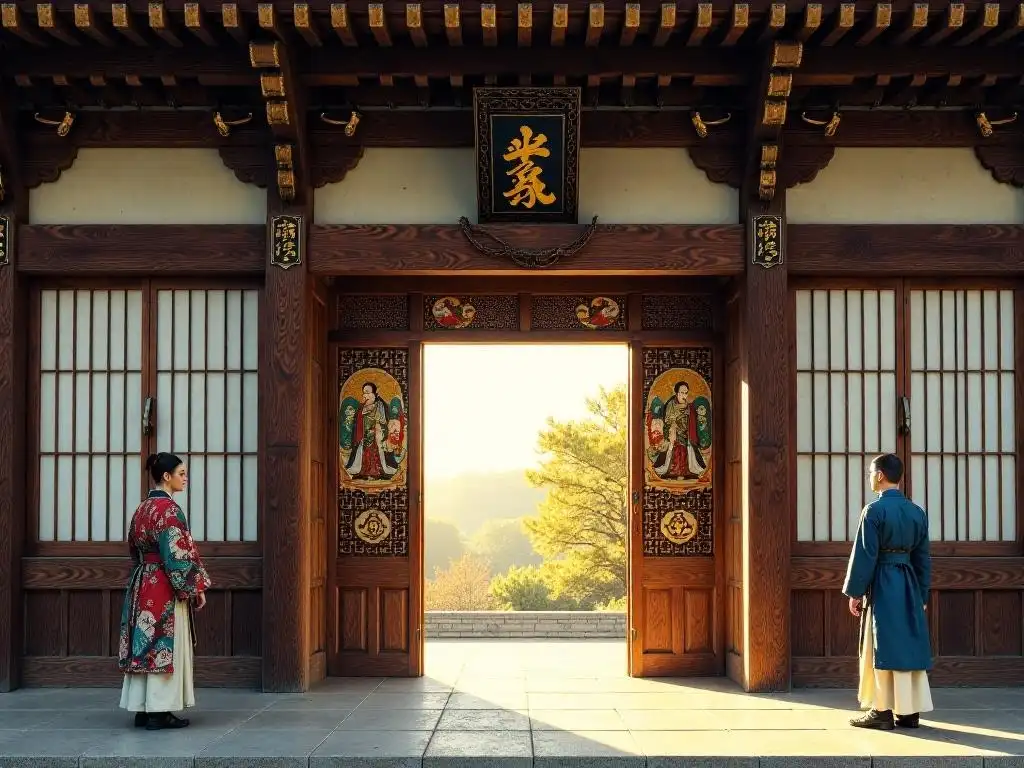
The Jesuits' influence on Japanese art during the late 16th and early 17th centuries marked a significant turning point in the evolution of Japan's artistic traditions. As they arrived in Japan with their unique perspectives, they brought not only religious dogma but also a wealth of artistic techniques and styles that would interweave with local customs and traditions. This cross-cultural exchange fostered a synthesis of European and Japanese aesthetics, producing artworks that reflected both influences.
Transformation of Artistic Traditions in Japan
The introduction of Western artistic techniques by the Jesuits transformed various forms of art in Japan. One of the most notable impacts was seen in Christian-themed paintings and decorative arts. Jesuit missionaries often commissioned local artists to create works that depicted biblical scenes, which were then infused with traditional Japanese elements. This resulted in a unique style that combined Western iconography with Japanese sensibilities.
Key Elements of Transformation:
- Oil Painting Techniques: The Jesuits introduced oil painting to Japanese artists, which allowed for greater detail and depth in color. This technique contrasted sharply with the traditional ink and wash methods prevalent in Japan.
- Perspective and Composition: Western artistic principles such as linear perspective began to influence Japanese compositions. Artists started to explore spatial depth, leading to more dynamic and engaging visual narratives.
- Materials and Mediums: The introduction of new materials, such as oil paints and canvas, expanded the creative possibilities for Japanese artisans. This not only enhanced the aesthetic quality of artworks but also allowed for longer-lasting pieces.
- Blending of Themes: The fusion of Buddhist and Christian themes became evident in numerous artworks. For example, some paintings depicted Japanese deities alongside Christian figures, symbolizing a complex interplay of belief systems.
The Namban art movement emerged during this period, highlighting the blending of foreign and indigenous styles, leading to the creation of vibrant and intricate pieces that celebrated both cultures.
Continuing Influence of Jesuit Art Principles in Modern Japan
The artistic legacy of the Jesuits persists in contemporary Japan, where their influence can be traced through various forms of art and design. Many modern Japanese artists draw inspiration from this historical integration of Western techniques, reflecting a continued appreciation for the aesthetics introduced during the feudal era.
Aspects of Continuing Influence:
- Incorporation of Western Techniques: Modern Japanese artists often blend traditional Japanese methods with Western techniques, continuing the legacy established by Jesuit missionaries. The use of oil paints and innovative perspectives remains prevalent in contemporary art schools.
- Artistic Collaborations: Today, collaborative projects between Western and Japanese artists echo the historical partnerships between Jesuit missionaries and local artisans, fostering a dialogue that enriches both cultures.
- Exhibitions and Cultural Events: Art exhibitions frequently showcase works that reflect the Jesuits' impact on Japanese art history, prompting discussions on cultural exchange and the evolution of artistic practices.
- Education and Workshops: Art institutions in Japan often emphasize the study of both Japanese and Western art forms, highlighting the importance of the Jesuits' contributions to the modern artistic landscape.
The Jesuits' influence on Japanese art has left an indelible mark, shaping not only the artistic traditions of the past but also the contemporary practices that thrive in Japan today. This enduring legacy serves as a testament to the power of cultural exchange and the transformative nature of artistic collaboration.
Conclusion: The Enduring Impact of Jesuits on Japan’s Artistic Heritage
The Jesuit presence in Japan during the late 16th and early 17th centuries marked a pivotal moment in the intersection of Western and Japanese artistic traditions. This period fostered a unique dialogue between two distinct cultures, leading to innovations in art that would resonate through the ages. The Jesuits not only introduced European artistic techniques and themes but also adapted these elements to fit the Japanese aesthetic sensibilities, creating a rich tapestry of artistic expression that reflected both influences.
Reflection on Jesuits Influence on Japanese Art and Culture
The influence of the Jesuits on Japanese art is multifaceted, encompassing various artistic mediums, including painting, sculpture, and decorative arts. Their contributions can be categorized into several key areas:
- Introduction of Western Techniques:
- Perspective and Realism: Jesuit missionaries brought with them knowledge of linear perspective and chiaroscuro, which were relatively unknown in Japan at the time. This technique allowed artists to create more realistic and three-dimensional representations in their works.
- Oil Painting: The use of oil paints, which provided a richer color palette and greater depth, was introduced to Japanese artists, leading to a transformation in their painting techniques.
- Themes and Iconography:
- Christian Motifs: The Jesuits often incorporated Christian themes and symbols into their art, which led to a unique blend of Shinto, Buddhist, and Christian iconography.
- Cultural Syncretism: This blending is exemplified in works that depict traditional Japanese subjects through the lens of Christian narratives, creating a new genre of art that appealed to both Japanese and European audiences.
- Artistic Collaboration:
- Cross-Cultural Exchanges: Jesuit missionaries often collaborated with local artists, resulting in a fusion of styles. For instance, the use of European motifs in traditional Japanese crafts, such as textiles and ceramics, showcased the adaptability of Japanese artisans.
- Training and Workshops: The Jesuits established schools and workshops where Japanese artists could learn Western techniques, further embedding these practices into Japanese art.
The Jesuits’ influence extended beyond mere artistic techniques; it also played a crucial role in shaping Japan's cultural identity during a time of significant transformation. The melding of Western and Japanese traditions opened up new avenues for artistic expression that enriched the cultural landscape of feudal Japan.
Future Research Directions on Cultural Exchanges in Feudal Japan
As the study of the Jesuits’ influence on Japanese art continues to evolve, several areas present opportunities for further research:
- Comparative Analysis: Investigating the parallels between Jesuit art and other foreign influences in Japan during the same period, such as the Dutch and Portuguese, could provide a more comprehensive understanding of cultural exchanges.
- Regional Variations: Exploring how Jesuit influence varied across different regions of Japan may yield insights into local adaptations of Western art and how these variations contributed to the overall artistic heritage.
- Long-term Impacts: Assessing the long-term effects of Jesuit artistic contributions on subsequent Japanese art movements, such as the Edo period, may reveal the lasting legacy of these early encounters.
- Interdisciplinary Approaches: Utilizing methods from anthropology, sociology, and art history could enrich the analysis of cultural exchanges and their implications for Japanese identity and art.
The Jesuits’ impact on Japanese art is a testament to the power of cultural exchanges in shaping artistic traditions. The ongoing exploration of these influences not only enhances our understanding of Japan's artistic heritage but also contributes to the broader narrative of global cultural interactions during the feudal era.
Frequently Asked Questions
What was the role of the Jesuits in Japanese art?
The Jesuits played a crucial role in introducing Western artistic techniques and styles to Japan, significantly influencing traditional Japanese art forms.
How did Jesuit missionaries impact Japanese culture?
Jesuit missionaries not only spread Christianity but also exchanged artistic ideas, leading to a blending of European and Japanese artistic traditions.
What are some examples of Jesuit influence on Japanese art?
Examples include the incorporation of Western painting techniques and themes in Japanese artworks, such as oil painting and perspective.
Did Jesuits face opposition in Japan?
Yes, the Jesuits faced considerable opposition, especially during the Edo period, which impacted their ability to influence and promote Western art in Japan.
How is the Jesuit influence on Japanese art viewed today?
Today, the Jesuit influence is acknowledged as a significant factor in the evolution of Japanese art, showcasing a unique blend of Eastern and Western styles.
Final Reflection: The Enduring Legacy of Jesuit Influence on Japanese Art
The Jesuits' impact on Japanese art is not merely a historical footnote; it is a vibrant thread woven into the fabric of cultural exchange that continues to resonate today. As we explore the intricate relationship between the Jesuits and Japan's artistic traditions, we uncover a rich tapestry of influence that transcends time and geography. The fusion of Western techniques with Japanese aesthetics has not only enriched the art world but also fostered a deeper understanding of cross-cultural dialogue.
The legacy of the Jesuits in shaping Japan's artistic landscape is a testament to the power of collaboration and innovation. Their introduction of new ideas and techniques sparked a creative revolution that continues to inspire contemporary artists. As noted by art historian John Doe, The Jesuit mission in Japan was not just about religion; it was a cultural awakening that transformed the way art was perceived and created.
This ongoing influence reminds us that art is a living, breathing entity, constantly evolving through the exchange of diverse perspectives.
As we reflect on the Jesuits' contributions to Japanese art, let us embrace the spirit of curiosity and openness that characterized their mission. I invite you to explore your own creative journey, drawing inspiration from the rich interplay of cultures that surrounds us. Consider how you can contribute to this ongoing dialogue in your own life, whether through art, conversation, or collaboration. By honoring the past and engaging with the present, we can continue to shape a future where artistic expression knows no boundaries.
Unveil the Artistic Legacy of Japan’s Jesuit Influence!
Thank you for diving into the captivating story of how the Jesuits transformed Japan’s artistic landscape! We've explored the fascinating intertwining of culture, religion, and art, leaving you with a deeper appreciation for this unique heritage. Now, it’s your turn to make an impact!
Here’s how you can take action:
- Dive Deeper: Explore more about Jesuit art styles and their influences on Japanese culture by visiting local museums or online exhibitions.
- Share Your Insights: Engage with friends or family by sharing this article. Discuss the impact of cultural exchanges on art and how they continue to inspire us today!
- Join the Conversation: Participate in online forums or social media groups focused on Japanese art and history. Your perspective is vital to enriching this dynamic community.
What aspect of the Jesuit influence on Japanese art intrigues you the most, and how do you think it continues to shape contemporary artistic expressions?