
Art and Aesthetics: The Exchange of Techniques between Japan and Korea

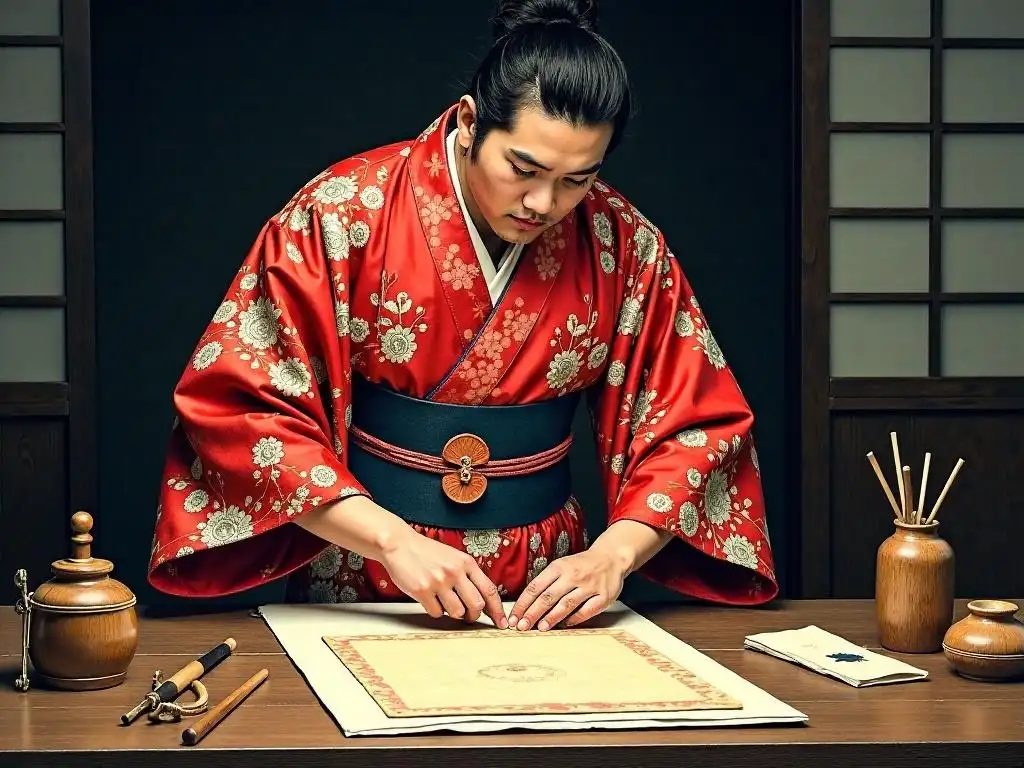
Welcome to Feudal Japan History, where the tapestry of Japan’s feudal era unfolds before your eyes! Dive into our captivating exploration of historical, cultural, and societal elements that shaped this remarkable period. In our featured article, "Art and Aesthetics: The Exchange of Techniques between Japan and Korea," we delve into the fascinating world of Japanese Korean art exchange techniques. Discover how these intricate interactions not only influenced artistic expression but also transformed foreign relations. Are you ready to embark on a journey through time and creativity? Let’s explore!
- Introduction to Japanese Korean Art Exchange Techniques
- Historical Background of Japanese and Korean Art
- Techniques Exchanged between Japan and Korea
- Influences of Japanese and Korean Aesthetics
- Case Studies of Art Exchange
- Conclusion: The Legacy of Japanese Korean Art Exchange Techniques
- References and Suggested Readings
-
Frequently Asked Questions
- What is the significance of the Japanese Korean art exchange techniques?
- How did the art exchange influence Japanese and Korean artists?
- What specific techniques were exchanged between Japan and Korea?
- How did the socio-political context affect the art exchange during the feudal era?
- Are there notable examples of artworks resulting from this exchange?
- Final Reflection: The Enduring Legacy of Japanese-Korean Art Exchange
- Unveil the Beauty of East Asian Artistry!
Introduction to Japanese Korean Art Exchange Techniques
The relationship between Japan and Korea has been shaped by centuries of interaction, including significant exchanges in art and aesthetics that have deeply influenced both cultures. This article delves into the intricate Japanese Korean art exchange techniques, exploring how these two neighboring nations have shared and adapted artistic practices, styles, and philosophies throughout their feudal eras. From the delicate brush strokes of traditional painting to the intricate designs in pottery, the cross-pollination of ideas and techniques has enriched both societies, creating a unique blend of artistic expression that continues to resonate today.
As we explore the historical context of these exchanges, we will uncover the various influences that have shaped the art of feudal Japan and Korea. This investigation not only highlights the aesthetic developments within each culture but also reflects broader themes of diplomacy, trade, and cultural appreciation that have characterized their relationship over the centuries.
Overview of Art and Aesthetics in Feudal Japan and Korea
During the feudal period, both Japan and Korea experienced remarkable artistic growth, influenced by their distinct cultural heritage as well as cross-cultural interactions. In Japan, the Heian period (794-1185) heralded a flourishing of the arts, particularly in literature, painting, and pottery. The emergence of Japanese ink painting (sumi-e) and the popularity of Buddhist art exemplified this era's emphasis on aesthetic refinement and spiritual expression.
Conversely, Korea's artistic development during the Goryeo (918-1392) and Joseon (1392-1910) dynasties showcased a unique blend of native traditions and influences from neighboring regions, including China and Japan. Notable achievements included the creation of exquisite celadon pottery and the evolution of Korean painting, which often emphasized natural landscapes and harmony with nature.
The exchange of techniques between these two cultures was facilitated through various means, including:
- Trade Routes: Active trade routes enabled the flow of goods and artistic ideas.
- Cultural Diplomacy: Diplomatic missions and exchanges fostered mutual appreciation for each other's artistic practices.
- Migration: The movement of artists and craftsmen contributed to the sharing of skills and techniques.
Importance of Cultural Exchanges in Historical Context
Cultural exchanges between Japan and Korea were not merely about the transfer of artistic techniques; they also played a crucial role in shaping the historical narratives of both nations. These interactions contributed to the development of a shared cultural identity, which was particularly significant during periods of conflict and cooperation.
The impact of Buddhism is one prominent example of how cultural exchanges influenced both countries. As Buddhist art spread from Korea to Japan, it brought with it new techniques and styles that enriched Japanese artistic expression. Similarly, Japanese craftsmanship, particularly in ceramics and textiles, found its way into Korean art forms.
Moreover, these exchanges fostered a spirit of innovation, as artists from both countries sought to incorporate and adapt techniques from one another:
- Artistic Techniques: Techniques in painting, calligraphy, and ceramics were exchanged and transformed.
- Philosophical Ideas: Aesthetic philosophies, such as Wabi-Sabi in Japan and Confucian ideals in Korea, influenced artistic expressions.
- Collaborative Projects: Joint projects, such as architectural developments and cultural festivals, showcased the blending of artistic traditions.
Understanding the significance of these exchanges provides valuable insights into the broader context of foreign relations in East Asia, illustrating how art serves as a bridge between cultures, fostering understanding and appreciation through shared creativity.
Historical Background of Japanese and Korean Art
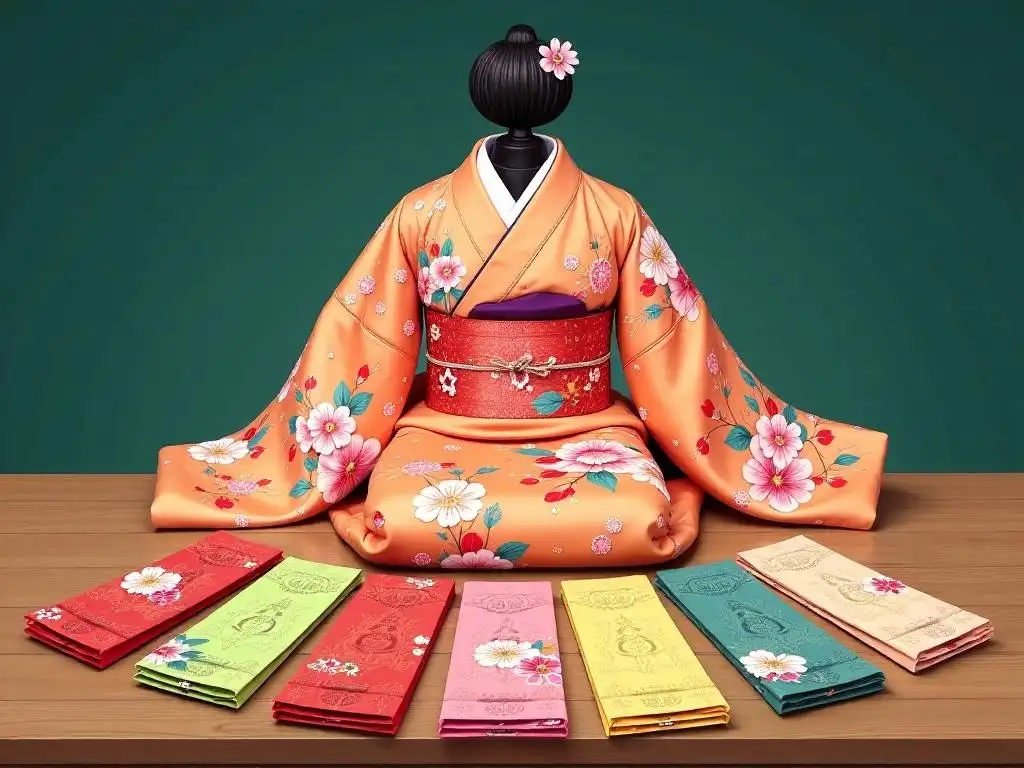
The historical backdrop of Japanese and Korean art is marked by centuries of cultural interaction, trade, and mutual influence. From ancient times, both nations shared proximity and exchanged ideas, leading to a rich tapestry of artistic styles and techniques. Notably, the introduction of Buddhism from Korea to Japan during the 6th century played a crucial role in shaping the spiritual and aesthetic landscape of Japanese art.
Art in both regions evolved under the influence of various dynasties and historical events, such as the Mongol invasions and the subsequent rise of the samurai class in Japan. These events not only influenced the themes and techniques found in the artwork but also fostered a sense of identity that was both unique and interwoven with shared traditions.
The periods known as the Asuka and Nara in Japan correspond with Korea’s Three Kingdoms period, where Buddhist art flourished. The interplay of materials, motifs, and techniques can be traced back to this era, establishing a foundation for the artistic expressions that would follow.
Evolution of Art Techniques in Feudal Japan
The evolution of art techniques in feudal Japan can be categorized into several key periods, each marked by distinct styles and innovations.
- Heian Period (794-1185):
- The Yamato-e style emerged, emphasizing native themes and aesthetics. Techniques like tempera painting became prevalent, showcasing a unique blend of color and line that depicted narratives and landscapes.
- Calligraphy also flourished during this time, with kana scripts being developed, giving rise to a more personal and expressive form of writing.
- Kamakura Period (1185-1333):
- With the rise of the samurai, art began to reflect more martial themes. The introduction of ink painting (sumi-e) laid the groundwork for more expressive and minimalist approaches.
- Sculptural art also saw advancements, particularly in wooden figures representing Buddhist deities, employing intricate carving techniques.
- Muromachi Period (1336-1573):
- This period witnessed the influence of Zen Buddhism, leading to the development of ink wash painting and garden design. The tea ceremony also influenced aesthetic principles, emphasizing simplicity and natural beauty.
- Edo Period (1603-1868):
- The rise of ukiyo-e, or "pictures of the floating world," marked a significant development in woodblock printing techniques. This technique allowed for mass production of art, making it accessible to a broader audience.
- Ceramics and textiles also gained prominence, showcasing intricate designs and vibrant colors influenced by both domestic and foreign techniques.
Development of Art Techniques in Historical Korea
Korean art has a rich heritage influenced by various dynasties and cultural exchanges, particularly during the periods of the Three Kingdoms and the Joseon Dynasty.
- Three Kingdoms Period (57 BC – 668 AD):
- This era saw the emergence of Buddhist art, with the creation of intricate stone carvings and temple architecture. The Silla Kingdom is particularly noted for its gold crowns and ceramics that displayed advanced techniques.
- Goryeo Dynasty (918-1392):
- The development of celadon pottery marked a high point in Korean art. The use of a jade-green glaze and inlaid designs showcased sophisticated craftsmanship.
- Painting techniques were also refined, with the incorporation of Chinese influences leading to a unique style that emphasized both realism and spirituality.
- Joseon Dynasty (1392-1910):
- The focus shifted to Confucian ideals, leading to a proliferation of landscape painting and portraits. Techniques in ink wash and watercolor became more pronounced, with artists like Kim Hong-do and Shin Yun-bok bringing a dynamic realism to their works.
- The period also saw the rise of folk art, with techniques that employed natural dyes and materials to create vibrant textiles and ceramics.
- Modern Era:
- In the late 19th and early 20th centuries, Western influences began to permeate Korean art, leading to a fusion of traditional and modern techniques. Artists started to explore oil painting and other Western styles, while still paying homage to their rich heritage.
Key Artistic Movements Influencing Both Cultures
Throughout history, several key artistic movements have influenced both Japanese and Korean art, facilitating a continuous exchange of techniques and ideas.
- Buddhism: As a profound spiritual influence, Buddhism introduced various artistic techniques, including the use of iconography and the depiction of spiritual themes that resonated in both cultures. The creation of temple art and sculptures became a shared endeavor, with both nations developing unique interpretations of Buddhist motifs.
- Zen Buddhism: Particularly influential in Japan, Zen principles emphasized simplicity and naturalism, impacting Korean ink painting techniques as well. The minimalist approach to art led to a shared appreciation for nature, reflected in the serene landscapes seen in both cultures.
- Confucianism: The rise of Confucian ideals in Korea during the Joseon period led to a more structured approach to art, which influenced Japanese samurai culture as well. The focus on morality and ethics in art found expression in both countries, particularly in portraiture and scholarly themes.
- Modernization: The late 19th and early 20th centuries saw both Japan and Korea grappling with Western influences. This period of modernization prompted artists to adapt and incorporate new techniques, leading to a blending of traditional and contemporary styles that reshaped the artistic landscape of both nations.
The exchange of techniques between Japanese and Korean art has been a continuous process of adaptation, innovation, and mutual influence. The historical context, evolution of art techniques, and key movements collectively illustrate the rich tapestry of cultural interactions that have defined the artistic heritage of both nations.
Techniques Exchanged between Japan and Korea
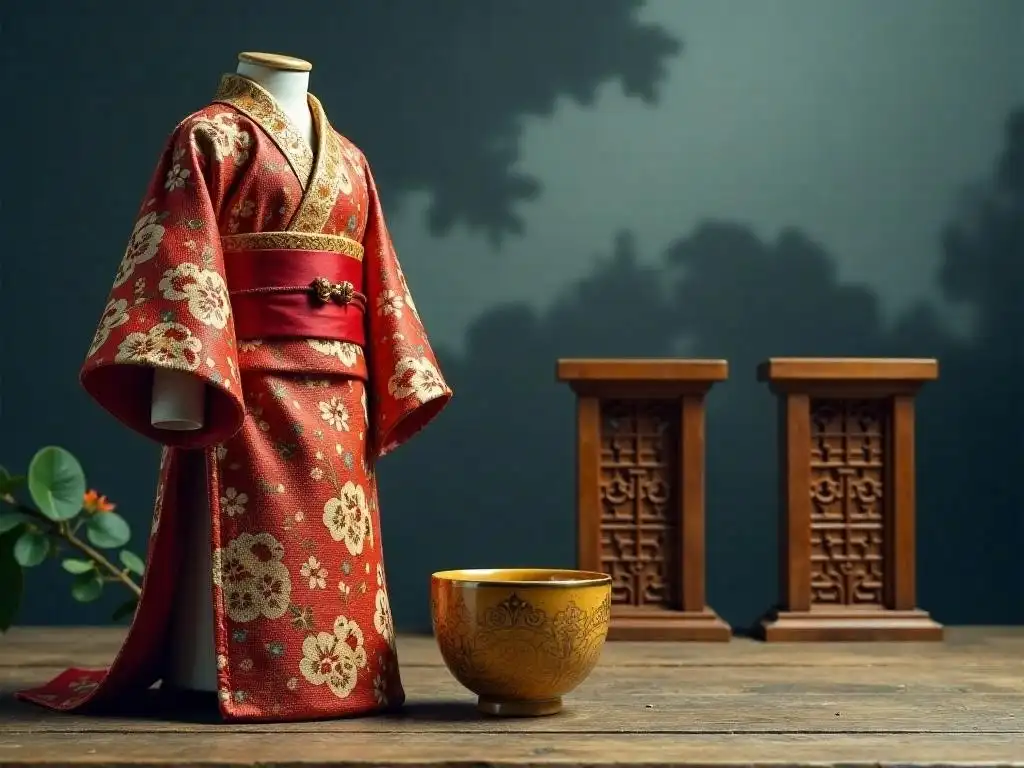
The exchange of artistic techniques between Japan and Korea during the feudal era significantly enriched both cultures, leading to the development of distinctive styles that showcased a blend of influences. This cross-cultural interaction not only enhanced the aesthetic qualities of various art forms but also fostered a deeper understanding of each other's cultural heritage. Below, we delve into specific areas where these exchanges were particularly impactful.
Painting Techniques: Ink and Watercolor
The techniques of ink and watercolor painting represent a crucial aspect of the artistic dialogue between Japan and Korea. Both nations utilized ink as a primary medium, leading to the evolution of unique styles.
- Ink Painting: The Korean tradition of ink painting, known as "Sumukhwa," emphasizes the use of brushstroke techniques that capture the essence of nature. This style influenced Japanese ink painting, particularly during the Muromachi period (1336-1573), where artists adopted similar techniques to create atmospheric landscapes and expressive portraits.
- Watercolor Techniques: The introduction of watercolor techniques in Japan can be traced back to interactions with Korean artists. The blending of watercolors with ink allowed for a softer, more fluid representation of subjects. Japanese artists like Katsushika Hokusai began incorporating these methods, leading to the creation of vibrant and dynamic compositions.
| Technique | Japan | Korea |
|---|---|---|
| Ink Painting | "Sumi-e" style, focusing on simplicity and nature | "Sumukhwa," emphasizing depth and emotion |
| Watercolor Usage | Blend of ink and watercolor for landscapes | Vibrant colors and detailed floral motifs |
Ceramics serve as another significant point of cultural exchange, with both Japan and Korea developing renowned pottery traditions that reflect shared techniques and aesthetics.
- Korean Celadon: Renowned for its jade-green glaze, Korean celadon pottery influenced Japanese ceramic techniques, particularly during the Kamakura period (1185-1333). Japanese potters began to experiment with celadon glazing, adopting similar methods to produce their own unique versions, such as "Shino" and "Oribe" ware.
- Stoneware Techniques: The use of stoneware, particularly in the form of utilitarian pottery, saw a significant exchange of techniques. The Korean "onggi" (traditional earthenware) influenced the Japanese "mizusashi" (water container) designs, leading to innovations in form and function.
| Category | Japan | Korea |
|---|---|---|
| Celadon | Inspired by Korean techniques, leading to "Shino" ware | Famous for its jade-green celadon ceramics |
| Stoneware | Creation of "mizusashi" influenced by "onggi" | Known for practical and artistic "onggi" designs |
Textile Arts: Weaving Traditions and Innovations
The textile arts also reflect a rich tapestry of shared techniques and innovations between Japan and Korea, highlighting the importance of fabric and design in cultural expression.
- Weaving Techniques: The intricate weaving techniques developed in Korea, particularly the use of silk and cotton, significantly impacted Japanese textile production. The introduction of Korean patterns and techniques helped Japanese artisans refine their own methods, leading to the creation of textiles that featured complex designs and vibrant colors.
- Dyeing Methods: The use of natural dyes, such as indigo, was prevalent in both cultures. Korean artists introduced various dyeing techniques that were adapted by Japanese weavers, resulting in unique variations of traditional garments. The Japanese kimono, for instance, began to incorporate these dyeing methods, leading to an explosion of color and pattern innovation.
| Textile Aspect | Japan | Korea |
|---|---|---|
| Weaving Techniques | Development of intricate patterns influenced by Korean textiles | Mastery in silk and cotton weaving |
| Dyeing Methods | Adoption of natural dyes leading to vibrant kimonos | Rich tradition of indigo dyeing |
The exchange of techniques between Japan and Korea during the feudal era was a dynamic and transformative process that enriched the artistic landscapes of both nations. The culmination of shared knowledge in painting, ceramics, and textile arts not only shaped individual artistic identities but also laid the groundwork for future innovations in craftsmanship.
Influences of Japanese and Korean Aesthetics
The artistic and aesthetic principles of Japan and Korea have long been intertwined, reflecting centuries of cultural exchange and mutual influence. This relationship has manifested itself through various art forms, including painting, pottery, and textile arts. Understanding these influences sheds light on how both cultures have evolved and enriched their artistic expressions.
Aesthetic Principles in Japanese Art
Japanese art is characterized by its emphasis on simplicity, nature, and the beauty of imperfection, encapsulated in the concept of wabi-sabi. This principle celebrates the transient nature of life, leading to an appreciation for the beauty found in impermanence. Traditional Japanese aesthetics focus on:
- Nature: The integration of natural elements is fundamental. This is evident in ink wash painting (sumi-e), where landscapes are depicted with a focus on atmosphere rather than detailed representation.
- Minimalism: Japanese art often employs a minimalist approach, where less is more. This is seen in Zen gardens, which use rocks, gravel, and minimal plantings to create tranquil spaces that invite contemplation.
- Asymmetry: A key principle in Japanese aesthetics, asymmetry is often preferred over symmetry as it reflects the natural world. This can be observed in traditional tea ceremony utensils, where each item is intentionally designed to be unique.
- Craftsmanship: High regard for craftsmanship is central to Japanese art. Techniques such as kintsugi, the art of repairing pottery with lacquer dusted or mixed with powdered gold, highlight the beauty of flaws and the history of the object.
Aesthetic Principles in Korean Art
Korean art possesses its own distinctive principles that emphasize harmony, balance, and the spiritual connection to nature. Central to Korean aesthetics are:
- Emphasis on Line and Form: Korean traditional painting, particularly minhwa (folk painting), often uses bold, flowing lines and vibrant colors to express themes of prosperity and happiness.
- Balance and Harmony: Korean art often seeks to achieve a sense of balance and harmony with nature. This can be seen in ceramics, where the beauty of the form is enhanced by the natural glazes used, often with earthy tones that reflect the Korean landscape.
- Symbolism: Korean artworks frequently incorporate symbolic elements that convey deeper meanings. Common motifs include the crane for longevity and the tiger for strength, which are prevalent in traditional paintings and textiles.
- Integration of Spirituality: Much of Korean art is influenced by Buddhism and Confucianism, reflecting the spiritual beliefs of the time. This is vividly illustrated in traditional Buddhist paintings, which serve both decorative and devotional purposes.
Comparative Analysis of Aesthetics in Both Cultures
When comparing the aesthetic principles of Japanese and Korean art, several key similarities and differences emerge:
| Aspect | Japanese Art | Korean Art |
|---|---|---|
| Nature | Deep integration with natural elements | Harmony with the natural environment |
| Simplicity | Emphasis on minimalism (wabi-sabi) | Focus on balance and harmony |
| Symbolism | Subtle, often less direct | Rich in symbolism and cultural motifs |
| Craftsmanship | High regard for unique craftsmanship | Value in traditional techniques and forms |
| Spiritual Influence | Zen philosophy influencing art | Strong influence of Buddhism and Confucianism |
The exchange of artistic techniques between Japan and Korea has led to a rich tapestry of aesthetics that continues to influence contemporary art practices in both cultures. While each has its unique principles, the shared values of nature, craftsmanship, and spirituality create a dialogue that transcends borders, highlighting the beauty of cultural exchange. The ongoing exploration of these influences enriches our understanding of the historical and cultural contexts that shape Japanese and Korean art today.
Case Studies of Art Exchange
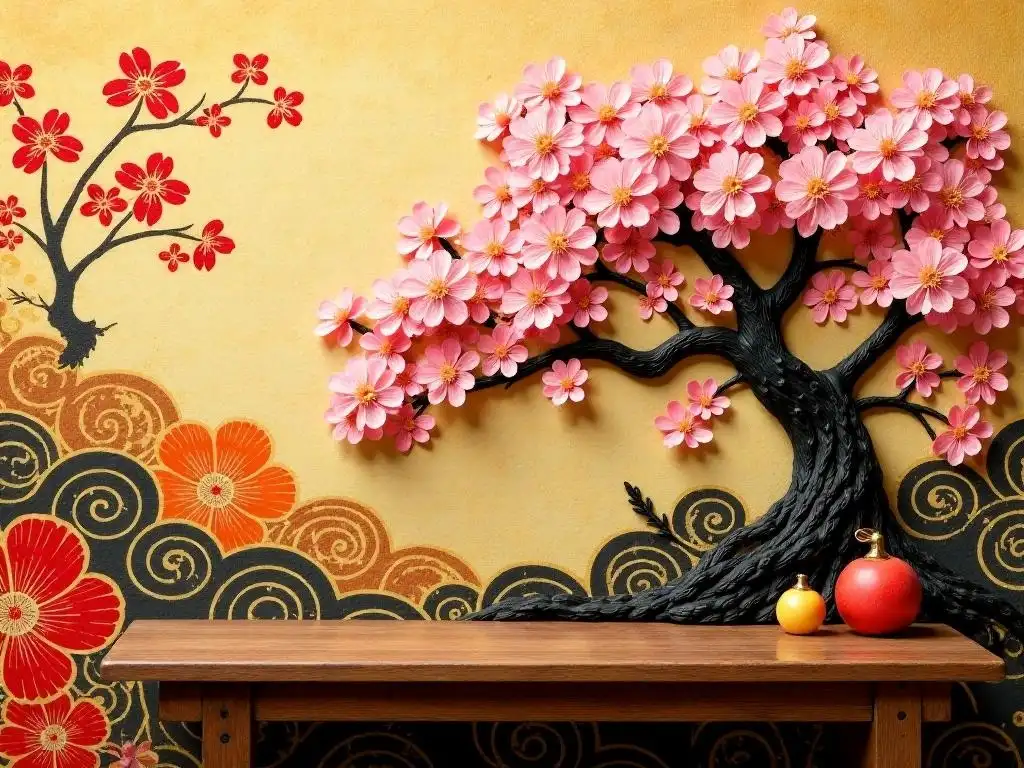
The artistic relationship between Japan and Korea during various historical periods is marked by a series of exchanges that significantly influenced the development of both cultures. These exchanges were not only limited to the techniques and materials used in art but also encompassed broader cultural practices, philosophies, and aesthetics. This section delves into notable artists, specific artworks, and the lasting impact of these exchanges on contemporary practices.
Notable Artists and Their Contributions
Several artists stand out for their innovative contributions to the Japanese-Korean art exchange. Notably, Miyamoto Musashi, the famed Japanese swordsman and painter, incorporated Korean ink techniques into his own brushwork, which offered a unique blend of styles that enriched Japanese painting.
- Lee Ufan, a contemporary Korean artist, has played a pivotal role in bridging these two cultures through his minimalist approach. His works often draw on traditional Japanese aesthetics and techniques, showcasing a dialogue between the two art forms.
- Nihonga Artists, like Yokoyama Taikan, have also embraced Korean influences, integrating these elements into their own interpretations of traditional Japanese painting. Their works exemplify how techniques such as color layering and naturalism were influenced by Korean practices.
These artists exemplify a broader trend in which techniques from one culture were adapted and reinterpreted within the context of another, leading to a rich tapestry of artistic expression.
Specific Artworks Reflecting Cross-Cultural Techniques
Numerous artworks exemplify the exchange of techniques between Japan and Korea. One prominent example is the "Mizuki" series by Korean artist Kim Whanki, which reflects the influence of Japanese ink wash methods.
- "The Red Pine" by Yokoyama Taikan is another significant piece that demonstrates the incorporation of Korean landscape painting techniques, such as the use of vibrant colors and dynamic compositions, which were traditionally Korean but adapted to fit the Japanese context.
- Additionally, ceramics from the Joseon Dynasty, such as blue-and-white porcelain, have profoundly influenced Japanese pottery styles, particularly during the Edo period. Japanese potters adopted and refined these techniques, leading to the creation of unique styles like Imari ware.
These artworks not only showcase a fusion of techniques but also narrate the story of cultural exchange, revealing how artists from both nations contributed to each other's artistic vocabularies.
Impact of Art Exchanges on Contemporary Practices
The influence of Japanese-Korean art exchanges is evident in contemporary practices, where artists increasingly draw from both traditions to create innovative works.
- Collaborative Exhibitions: Recent exhibitions, such as "Waves of Influence", have highlighted the ongoing dialogue between Japanese and Korean artists, fostering a deeper understanding of how traditional techniques can be reinterpreted in modern contexts.
- Art Education: Institutions in both countries are increasingly incorporating cross-cultural studies into their curricula, encouraging new generations of artists to explore and integrate these rich traditions.
- Globalization of Art: The advent of globalization has facilitated a broader exchange of ideas, allowing contemporary artists to merge techniques from Japan and Korea with global art practices, thus enriching the international art scene.
The historical exchange of artistic techniques between Japan and Korea has not only shaped the aesthetic landscapes of both cultures but continues to influence contemporary art practices, fostering a spirit of collaboration and innovation that transcends borders.
Conclusion: The Legacy of Japanese Korean Art Exchange Techniques
Summary of Key Points
The exchange of art techniques between Japan and Korea has left an indelible mark on both cultures, shaping their artistic expressions and influencing various domains, including painting, ceramics, and textiles. Some of the key points of this exchange are:
- Historical Context: The exchanges began as early as the Asuka period (6th to 8th century), with significant interactions through trade, diplomatic missions, and cultural exchanges.
- Influence on Artistic Styles: Korean pottery techniques, such as celadon glazing, significantly influenced Japanese ceramics, while Japanese brushwork and printmaking techniques were adopted and adapted in Korea.
- Mutual Learning: Both cultures borrowed from each other's philosophies and aesthetics, leading to the development of unique styles that blended traditional elements with new influences.
- Notable Periods of Exchange: The Heian period (794-1185) in Japan and the Goryeo dynasty (918-1392) in Korea were particularly notable for their cultural exchanges, resulting in a rich array of art forms that showcased a fusion of techniques.
Future Implications for Cultural Relations and Artistry
The ongoing exploration of Japanese Korean art exchange techniques has significant implications for the future of cultural relations and artistry between the two nations.
- Continued Collaboration: As both countries engage in contemporary art movements, there is a growing opportunity for artists to collaborate, blending traditional techniques with modern practices. This can lead to innovative art forms that resonate with both Japanese and Korean audiences.
- Cultural Preservation: The recognition of shared artistic heritage can foster a commitment to preserve traditional techniques and styles. Collaborative initiatives might emerge to document and teach these practices, ensuring that future generations appreciate their cultural significance.
- Artistic Dialogue: The exchange of techniques encourages a dialogue between artists of both countries. This interaction can lead to a deeper understanding of each other's cultural narratives and artistic philosophies, promoting empathy and respect.
- Global Influence: As Japan and Korea continue to influence global art trends, the shared techniques can serve as a bridge to introduce international audiences to the richness of both cultures. This can enhance the visibility of their art on the world stage, encouraging further appreciation and exploration.
The legacy of Japanese Korean art exchange techniques not only enriches the artistic landscapes of both nations but also paves the way for future cultural interactions that celebrate their shared history and creative expressions.
References and Suggested Readings
Scholarly Articles on Japanese Korean Art Exchange
-
The Influence of Korean Ceramics on Japanese Pottery
This article delves into the intricate relationship between Korean and Japanese pottery styles, focusing on how techniques such as glazing and firing methods were exchanged during the feudal era. The research highlights specific periods where these exchanges significantly impacted Japanese ceramic traditions.
-
Cultural Dialogues: The Impact of Korean Art on Japanese Aesthetics
This scholarly piece examines how Korean art influenced Japanese aesthetics, particularly in the realms of painting and calligraphy. The author presents case studies of prominent Japanese artists who incorporated Korean techniques into their works, showcasing a blend of styles that evolved through cultural exchange.
-
Transcultural Connections: The Role of Trade in Art Exchange
An analysis of the role that trade routes played in the dissemination of artistic techniques between Korea and Japan. The article discusses the socioeconomic factors that facilitated these exchanges and the resulting artistic innovations that emerged from this interaction.
Books on Feudal Era Art Techniques
| Title | Author | Summary |
|---|---|---|
| Korean Influence on Japanese Art | Haruki Tanaka | This book explores the various aspects of Korean influence on Japanese art, providing detailed analyses of techniques and materials used by artists in both cultures during the feudal period. |
| The Art of the Samurai: Japanese Swordsmanship and Aesthetics | Yuki Matsumoto | An in-depth look at the aesthetics of samurai culture, including the techniques borrowed from Korean martial arts that influenced Japanese sword-making and weapon design. |
| Ceramics of Japan: A Historical Overview | Kenjiro Yamamoto | This comprehensive guide covers the history of ceramics in Japan, with dedicated sections on the techniques derived from Korean pottery and their evolution over time. |
Online Resources for Further Exploration
-
Japanese and Korean Art Exchanges: A Digital Archive
A curated collection of articles, images, and videos that document the artistic exchanges between Japan and Korea. This resource is invaluable for those looking to visualize the techniques discussed in historical contexts.
-
The National Museum of Modern Art, Tokyo: Special Exhibits on Korean Influence
This museum regularly updates its exhibitions to include works that showcase the influence of Korean techniques on Japanese art. Their website provides detailed descriptions and educational material related to current and past exhibits.
-
Korea-Japan Relations: Art and Culture
An online platform dedicated to exploring the cultural and artistic exchanges between Korea and Japan through essays, interviews, and videos, shedding light on lesser-known artists and their contributions to both cultures.
This section aims to provide readers with a solid foundation for further exploration into the fascinating interplay of artistic techniques between Japan and Korea during the feudal era. By engaging with these resources, one can gain deeper insights into the cultural exchanges that shaped both nations' artistic heritage.
Frequently Asked Questions
What is the significance of the Japanese Korean art exchange techniques?
The Japanese Korean art exchange techniques played a crucial role in shaping the artistic styles and aesthetic values of both nations during the feudal era, leading to a rich cultural dialogue.
How did the art exchange influence Japanese and Korean artists?
The art exchange allowed artists to adopt and adapt techniques from each other, enhancing their craftsmanship and contributing to a diverse artistic landscape.
What specific techniques were exchanged between Japan and Korea?
Key techniques included ceramics, painting styles, and textile art, which were influenced by cultural interactions and trade between the two regions.
How did the socio-political context affect the art exchange during the feudal era?
The socio-political context, including trade relations and diplomatic ties, significantly impacted the exchange of techniques, fostering collaboration and competition among artists.
Are there notable examples of artworks resulting from this exchange?
Yes, many notable artworks such as ceramic pieces and paintings showcase the blend of Japanese and Korean styles, highlighting the influence of this rich artistic exchange.
Final Reflection: The Enduring Legacy of Japanese-Korean Art Exchange
The exchange of techniques between Japan and Korea is not merely a historical footnote; it is a vibrant dialogue that continues to shape the artistic landscape of both nations today. As we explore the intricate threads woven through centuries of cultural interaction, we recognize that these artistic exchanges are essential in understanding the evolution of aesthetics in East Asia. The richness of this dialogue underscores the importance of collaboration and mutual influence, reminding us that art transcends borders and fosters unity.
Cultural exchanges have always been a catalyst for innovation and creativity, and the artistic relationship between Japan and Korea exemplifies this beautifully. The techniques and styles that have flowed between these two cultures have not only enriched their respective art forms but have also created a shared heritage that resonates deeply with both artists and audiences. Art is the most beautiful of all lies.
This quote encapsulates the essence of artistic expression, highlighting how the blending of techniques can create something profoundly impactful and meaningful.
As we reflect on the lessons gleaned from the Japanese-Korean art exchange, let us embrace the idea of collaboration in our own lives. Consider how you can foster connections, share ideas, and learn from others in your creative endeavors. Whether through art, music, or any other form of expression, remember that the beauty of creativity lies in its ability to bring people together. Take this moment to reflect on your own artistic journey and the ways in which you can contribute to a culture of exchange and understanding, ensuring that the legacy of artistic collaboration continues to thrive.
Unveil the Beauty of East Asian Artistry!
Thank you for immersing yourself in the rich world of art and aesthetics in Japan and Korea! Your exploration of their historical exchange has undoubtedly introduced you to unique techniques and inspirations that define these vibrant cultures. Now, it’s time to apply that knowledge and take your interest to the next level!
Here are a few ways to delve deeper into this captivating subject:
- Visit local exhibitions showcasing Japanese and Korean artworks: Discover nearby galleries or museums that feature this artistic exchange, allowing you to experience the art up close.
- Engage with online communities or social media groups dedicated to East Asian art: Share your insights and connect with fellow enthusiasts who share your passion!
- Create your own artwork inspired by these techniques: Whether through painting, pottery, or calligraphy, unleash your creativity and express what you’ve learned!
What aspect of Japanese or Korean art intrigues you the most, and how do you plan to explore it further?