
How Trade with Southeast Asia Influenced Japanese Cuisine

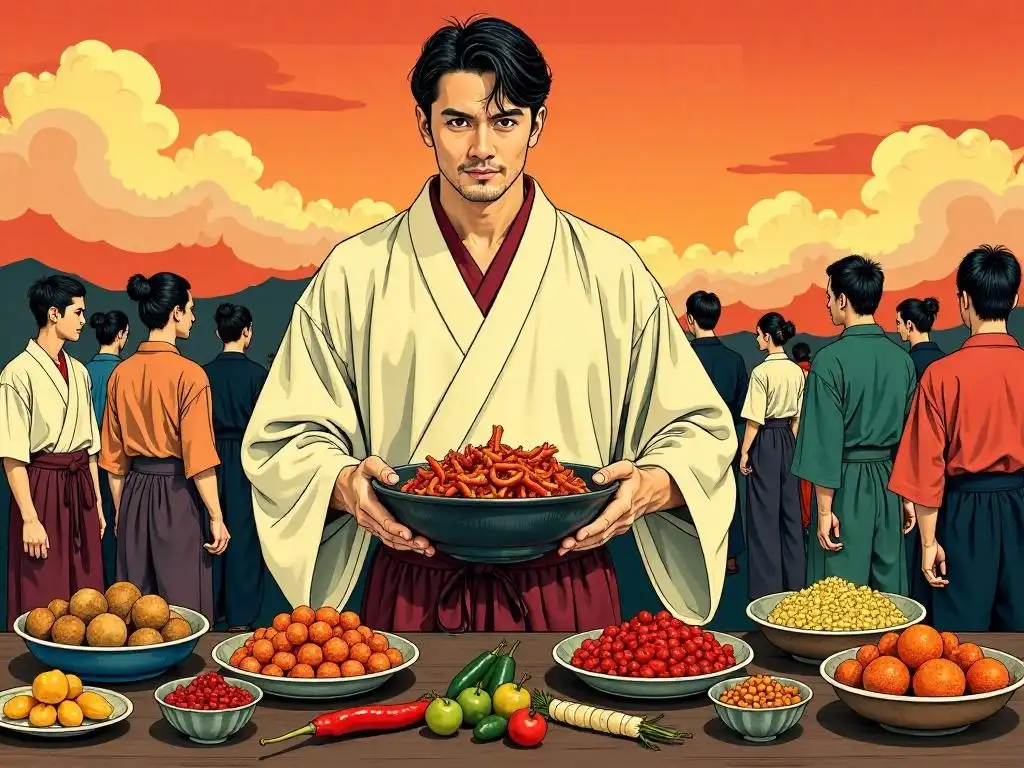
Welcome to Feudal Japan History, where we embark on a captivating journey through the rich tapestry of Japan's feudal era. Here, we delve into the fascinating interplay between culture and trade, exploring how Japanese cuisine was profoundly shaped by its connections with Southeast Asia. In our featured article, "How Trade with Southeast Asia Influenced Japanese Cuisine," we unravel the threads of history that bind these regions together. Join us as we uncover the culinary secrets and historical nuances that lie beneath the surface, sparking your curiosity and inviting you to dive deeper into this intriguing aspect of Japan's past.
- Introduction to Japanese Cuisine and Southeast Asia Trade
- Historical Context of Trade with Southeast Asia
- Key Influences of Southeast Asian Trade on Japanese Cuisine
- Comparative Analysis of Japanese and Southeast Asian Cuisines
- Cultural Significance of Culinary Exchanges
- Conclusion
- Further Reading and Resources
-
Frequently Asked Questions
- What role did trade with Southeast Asia play in Japanese cuisine?
- Which Southeast Asian ingredients are most influential in Japanese cooking?
- How did cultural exchanges shape Japanese culinary practices?
- What are some examples of Japanese dishes influenced by Southeast Asian trade?
- How did the trade routes impact the availability of ingredients in Japan?
- Final Reflection: The Culinary Tapestry of Trade
- 🌏 Explore the Delicious Impact of Southeast Asia on Japanese Cuisine!
Introduction to Japanese Cuisine and Southeast Asia Trade
The relationship between Japan and Southeast Asia has been shaped by centuries of trade, cultural exchange, and mutual influence. This interaction significantly impacted various facets of Japanese society, particularly its cuisine. As Japan transitioned through its feudal era, the influx of ingredients, cooking techniques, and culinary philosophies from Southeast Asia began to enrich Japanese food culture, giving rise to a unique and diverse culinary landscape. Understanding how these exchanges unfolded provides insights not only into the evolution of Japanese cuisine but also into the broader context of historical foreign relations that shaped the nation.
Overview of Japanese Cuisine
Japanese cuisine, known for its emphasis on seasonality, freshness, and presentation, has roots that can be traced back to ancient agricultural practices and local traditions. Key elements include:
- Rice: The staple food and central to most meals.
- Fish and Seafood: With an extensive coastline, Japan has access to a variety of marine resources.
- Vegetables: Seasonal vegetables play a crucial role in the diet, often prepared in a way that highlights their natural flavors.
- Fermented Foods: Items such as miso and soy sauce are staples, contributing to the umami flavor profile that characterizes much of Japanese cooking.
The cuisine is not static; it has continuously evolved, influenced by trade, migration, and foreign interactions. Notable among these influences are the exchanges with Southeast Asia, which introduced new ingredients and cooking styles to Japan.
Importance of Trade in Cultural Exchange
Trade has been a fundamental component in shaping cultural identities and practices across the globe. In the context of Japan and Southeast Asia, trade facilitated the introduction of exotic spices, tropical fruits, and novel cooking techniques. The importance of this exchange can be highlighted through:
- Ingredient Introduction: Items such as coconut, sugar, and various spices enriched the Japanese palate.
- Culinary Techniques: Cooking methods from Southeast Asia, including grilling and stir-frying, found their way into Japanese kitchens.
- Cultural Interactions: Trade routes served as conduits for not just goods, but also ideas, leading to a fusion of culinary traditions that enhanced Japan's gastronomic diversity.
This dynamic interaction underscores how trade acts as a catalyst for cultural evolution, particularly in cuisine, which serves as a reflection of a society's history and identity.
Purpose of the Article
This article aims to explore the multifaceted impacts of trade with Southeast Asia on Japanese cuisine, shedding light on:
- Historical Context: Understanding the timeline and phases of trade interactions.
- Culinary Contributions: Identifying specific ingredients and dishes that emerged from these exchanges.
- Cultural Significance: Analyzing how these culinary influences resonate within modern Japanese cuisine.
By delving into these aspects, we hope to provide a comprehensive understanding of how Japanese cuisine was shaped by its interactions with Southeast Asia, highlighting the intricate web of cultural exchanges that define both regions.
Historical Context of Trade with Southeast Asia
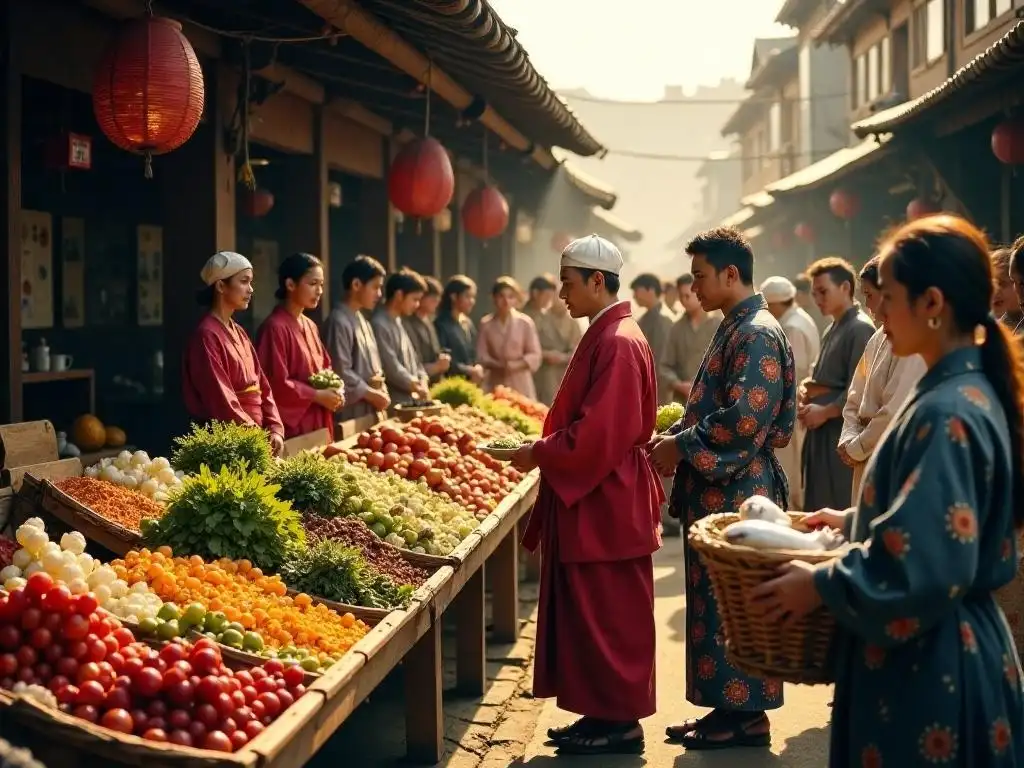
The Rise of Maritime Trade in the Feudal Era
During Japan's feudal era, particularly from the 12th to the 16th centuries, maritime trade began to flourish as a vital means of exchange between Japan and Southeast Asia. This period marked the emergence of powerful samurai clans and the establishment of trade networks that extended beyond the Japanese archipelago. The development of shipbuilding technology and navigation improved the ability to traverse the seas, facilitating more robust trading practices.
The Ashikaga Shogunate (1336–1573) played a significant role in promoting trade with Southeast Asia. The shogunate encouraged foreign interactions to strengthen Japan’s economy and secure military resources. As a result, Japanese merchants began to establish trading posts in regions such as the Ryukyu Islands and along the coasts of China, which acted as intermediaries for trade with Southeast Asian countries.
The demand for exotic goods, including spices, textiles, and precious metals, drove Japanese traders to seek partnerships with Southeast Asian kingdoms. These exchanges not only enriched the economy but also had a profound impact on Japanese culture, particularly in the culinary domain. The introduction of new ingredients and cooking techniques from Southeast Asia began to transform traditional Japanese cuisine.
Key Trade Routes Connecting Japan and Southeast Asia
Several key trade routes facilitated the exchange of goods between Japan and Southeast Asia during the feudal era. These routes were crucial for the movement of merchants and the transportation of commodities.
- The Maritime Route:
- This primary route linked Japan with Southeast Asian ports such as Malacca, Sumatra, and the Philippines. The maritime trade was predominantly conducted by Japanese vessels that navigated the coasts of the region.
- The Ryukyu Islands:
- The Ryukyu Islands served as an important stopover for traders traveling between Japan and Southeast Asia. The islands acted as a cultural melting pot, where Japanese, Chinese, and Southeast Asian influences converged, facilitating a rich exchange of goods and ideas.
- Silk Roads and Land Routes:
- Although primarily maritime, some trade took place via land routes connecting Japan to mainland Asia. These paths included intermediary traders who transported goods overland to ports where they could be shipped to Japan.
These routes not only facilitated the flow of trade but also allowed for the exchange of cultural practices and culinary traditions, enhancing the flavor and variety of Japanese cuisine.
Major Goods Traded between Japan and Southeast Asia
The trade between Japan and Southeast Asia led to the exchange of numerous goods, significantly influencing Japanese cuisine. Below is a detailed overview of some major commodities traded during this period:
| Goods | Description |
|---|---|
| Spices | Southeast Asian spices such as pepper, cloves, and nutmeg were highly sought after for their flavor and preservative qualities. |
| Rice | Japan exported its high-quality rice while importing different rice varieties from Southeast Asia, enhancing local agricultural practices. |
| Textiles | The exchange of textiles, including silk and cotton, enriched Japanese clothing and ceremonial practices. |
| Fish and Seafood | The coastal trade routes allowed for the import of various seafood, which was incorporated into local culinary practices. |
| Cultural Artifacts | Items such as pottery and metalwork were exchanged, influencing Japanese artistic styles and cooking methods. |
The influx of these goods introduced new flavors and ingredients to Japanese kitchens, leading to the evolution of distinct regional dishes that incorporated Southeast Asian influences. Consequently, this trade not only impacted the economy but also shaped the identity of Japanese cuisine, making it more diverse and flavorful.
Key Influences of Southeast Asian Trade on Japanese Cuisine
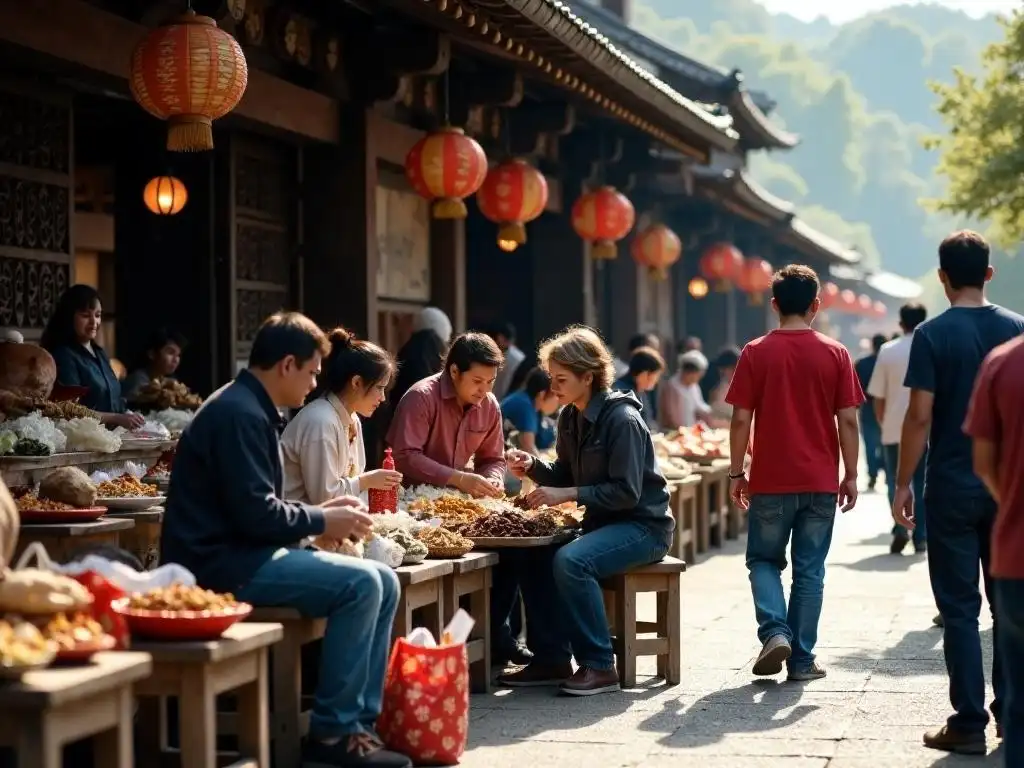
Introduction of New Ingredients from Southeast Asia
The influx of trade between Japan and Southeast Asia during the feudal era significantly transformed Japanese cuisine. As merchants and traders exchanged goods across the region, they introduced a plethora of new ingredients that enriched the Japanese culinary landscape. This exchange not only expanded the variety of flavors available but also influenced the traditional cooking methods of the time.
Spices and Herbs: Flavor Enhancements in Japanese Cooking
One of the most notable impacts of Southeast Asian trade was the introduction of various spices and herbs that enhanced the flavor profile of Japanese dishes.
- Chili Peppers: Originally from Central and South America, chili peppers found their way to Japan through Southeast Asia, adding a new layer of heat to traditional dishes.
- Coriander and Lemongrass: Both herbs became integral in various regional dishes, providing freshness and aromatic qualities that were previously absent in Japanese cuisine.
- Turmeric and Ginger: These spices not only contributed flavor but also offered health benefits, aligning with the Japanese focus on dietary wellness.
The incorporation of these spices led to the creation of unique fusion dishes, where traditional Japanese ingredients merged seamlessly with the new flavors, reflecting the rich tapestry of cultural exchanges.
Exotic Fruits and Vegetables: Expanding the Japanese Palate
The trade routes established during this period also facilitated the arrival of exotic fruits and vegetables that were not native to Japan. This influx allowed Japanese cuisine to evolve and diversify.
- Mangoes and Pineapples: These tropical fruits were introduced and quickly adapted into desserts and refreshing dishes, showcasing the culinary creativity of the Japanese.
- Bitter Melon and Taro: These vegetables became staples in various regional dishes, offering diverse textures and nutritional benefits.
- Coconut: Used for its milk and flesh, coconut added richness to sauces and desserts, blending beautifully with traditional Japanese flavors.
With these new ingredients, Japanese chefs experimented, leading to innovative recipes that delighted the palate and reflected the vibrant cultures of Southeast Asia.
Culinary Techniques Adopted from Southeast Asia
Along with new ingredients, Southeast Asian trade introduced various culinary techniques that shaped Japanese cooking methods.
Cooking Methods: Grilling, Steaming, and Stir-Frying
The influence of Southeast Asian cooking methods provided Japanese cuisine with a broader range of preparation techniques.
- Grilling: While grilling was already a part of Japanese culinary practice, Southeast Asian styles introduced different marinades and seasoning techniques, enhancing the flavors of grilled fish and meats.
- Steaming: Steam cooking, a method popular in many Southeast Asian cultures, became more prominent in Japanese cuisine, particularly with the preparation of dumplings and desserts.
- Stir-Frying: This quick cooking method allowed for the preservation of nutrients in vegetables and proteins. The integration of stir-frying techniques into Japanese cooking has led to dishes that are both healthy and full of flavor.
These methods not only diversified the cooking styles but also encouraged the use of fresh ingredients, aligning with the Japanese emphasis on seasonal produce.
Preservation Techniques: Fermentation and Pickling
The preservation techniques used in Southeast Asia also found their way into Japanese culinary practices, providing innovative ways to enhance flavors and extend the shelf life of ingredients.
- Fermentation: Techniques such as making fish sauce and fermented pastes introduced new umami flavors, which were adapted into traditional Japanese dishes like miso and soy sauce.
- Pickling: The Southeast Asian practice of pickling vegetables became a staple in Japanese cuisine, leading to the creation of tsukemono (Japanese pickles), which accompany meals and offer a burst of flavor.
These preservation methods not only contributed to the complexity of flavors in Japanese cuisine but also aligned with the cultural significance of seasonal eating and food sustainability.
The exchange of culinary practices and ingredients between Japan and Southeast Asia during the feudal era laid the groundwork for the rich and diverse tapestry that is Japanese cuisine today. The enduring influence of this trade continues to be celebrated and recognized in modern Japanese culinary arts.
Comparative Analysis of Japanese and Southeast Asian Cuisines
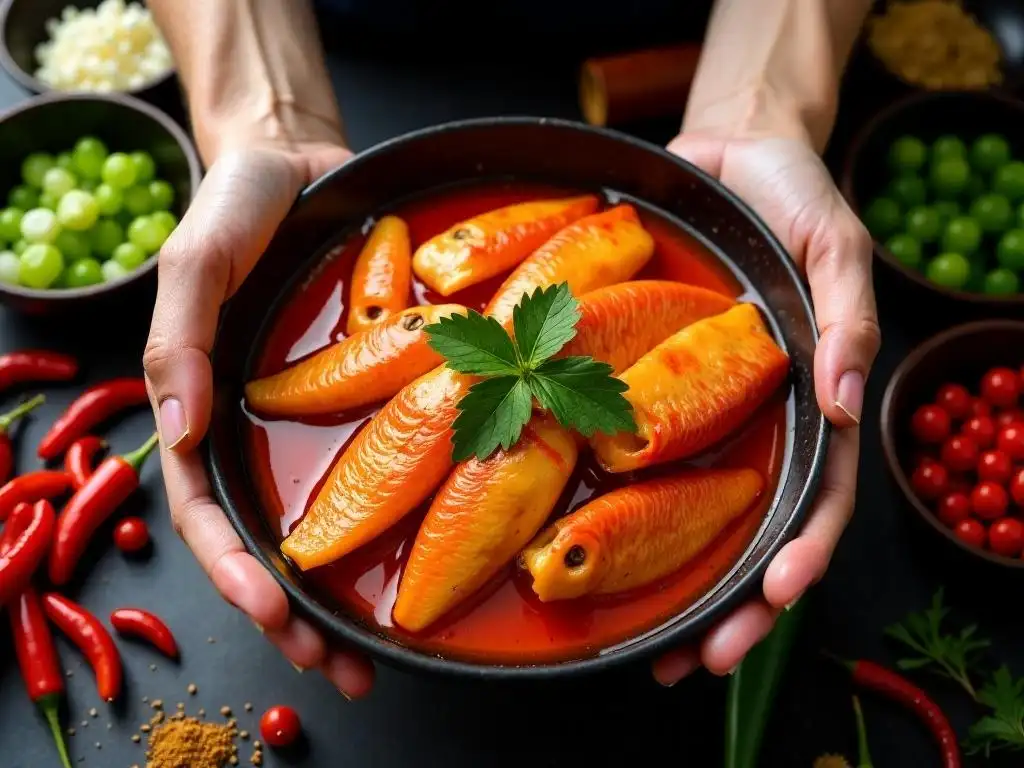
Understanding the culinary landscapes of Japan and Southeast Asia reveals a fascinating tapestry of flavors, techniques, and cultural exchanges that have evolved over centuries. Trade between these regions has played a pivotal role in shaping Japanese cuisine, infusing it with various influences that reflect a blend of local traditions and external tastes. This comparative analysis will delve into the similarities, differences, and the crucial role of rice in both cuisines, highlighting how trade with Southeast Asia has left an indelible mark on Japanese culinary practices.
Similarities in Flavor Profiles
Both Japanese and Southeast Asian cuisines share several flavor components that contribute to their rich and diverse profiles. Notably, the following elements are prevalent across both regions:
- Umami: This fifth taste sensation is a cornerstone of Japanese cuisine, often derived from ingredients like soy sauce, miso, and dashi. Similarly, Southeast Asian dishes frequently incorporate umami-rich elements, such as fish sauce and fermented shrimp paste, enhancing the depth of flavor.
- Sweet and Savory Balance: Many dishes in both culinary traditions exhibit a harmonious balance between sweet and savory flavors. For instance, teriyaki sauce in Japan blends soy sauce with sugar, while Southeast Asian cuisines often use palm sugar with salty ingredients to create a similar effect.
- Herbs and Aromatics: Fresh herbs such as cilantro, basil, and mint are commonly used in both cuisines to elevate dishes. Japanese cuisine utilizes shiso and negi, whereas Southeast Asian cooking prominently features lemongrass and kaffir lime leaves, providing aromatic layers that enhance the overall taste experience.
These similarities underscore the shared appreciation for complex flavor profiles, which have likely been influenced by historical trade routes and cultural exchanges.
Differences in Cooking Styles
Despite their similarities, Japanese and Southeast Asian cuisines exhibit distinct cooking styles that reflect their unique cultural contexts:
- Cooking Techniques: Japanese cuisine often emphasizes techniques that preserve the integrity of ingredients. Methods such as grilling (yakitori), steaming (mushi), and delicate simmering (nitsuke) are prevalent. In contrast, Southeast Asian cooking frequently employs more vigorous methods, such as stir-frying and deep-frying, utilizing high heat to create bold flavors and textures.
- Presentation and Plating: Japanese cuisine is renowned for its aesthetic presentation, often arranged in a way that highlights the natural beauty of the ingredients. Dishes are served in a manner that reflects seasonal changes and regional characteristics. Conversely, Southeast Asian dishes are typically more communal, served family-style, encouraging sharing and interaction, which reflects the social aspect of dining in these cultures.
- Use of Spices: While both cuisines utilize spices, the variety and intensity differ. Southeast Asian dishes are often characterized by their bold and complex spice blends, such as curry pastes and sambals. Japanese cuisine, on the other hand, tends to rely on a more minimalist approach, with subtle seasoning that accentuates the flavors of fresh ingredients without overwhelming them.
These differences showcase how each region's culinary practices are shaped by geographical, historical, and cultural factors, resulting in unique cooking styles that reflect their respective identities.
The Role of Rice in Both Cuisines
Rice serves as a staple food in both Japanese and Southeast Asian cuisines, playing a crucial role in dietary patterns and cultural significance:
- Culinary Foundation: In Japan, short-grain rice, known as uruchimai, is central to meals and is often served plain or as sushi. It is revered for its texture and flavor, forming the basis of many traditional dishes. In Southeast Asia, rice varieties are diverse, ranging from jasmine rice in Thailand to sticky rice in Laos. Each variety carries its own culinary applications and cultural importance.
- Cultural Significance: Rice is not merely a food item; it carries deep cultural symbolism in both regions. In Japan, rice is associated with purity and prosperity, often featured in rituals and ceremonies. Similarly, in Southeast Asia, rice is a symbol of life and fertility, with numerous festivals celebrating its cultivation and harvest.
- Diverse Preparations: Both cuisines showcase a variety of rice preparations. Japanese cuisine features onigiri (rice balls) and donburi (rice bowls), while Southeast Asian cuisines include dishes such as nasi lemak (coconut rice) and fried rice variations. These preparations highlight the versatility of rice as a key ingredient that adapts to various flavors and cooking styles.
The role of rice in Japanese and Southeast Asian cuisines exemplifies its importance as both a staple and a cultural symbol, reflecting the shared agricultural heritage and historical exchanges that have influenced their culinary evolution.
Cultural Significance of Culinary Exchanges
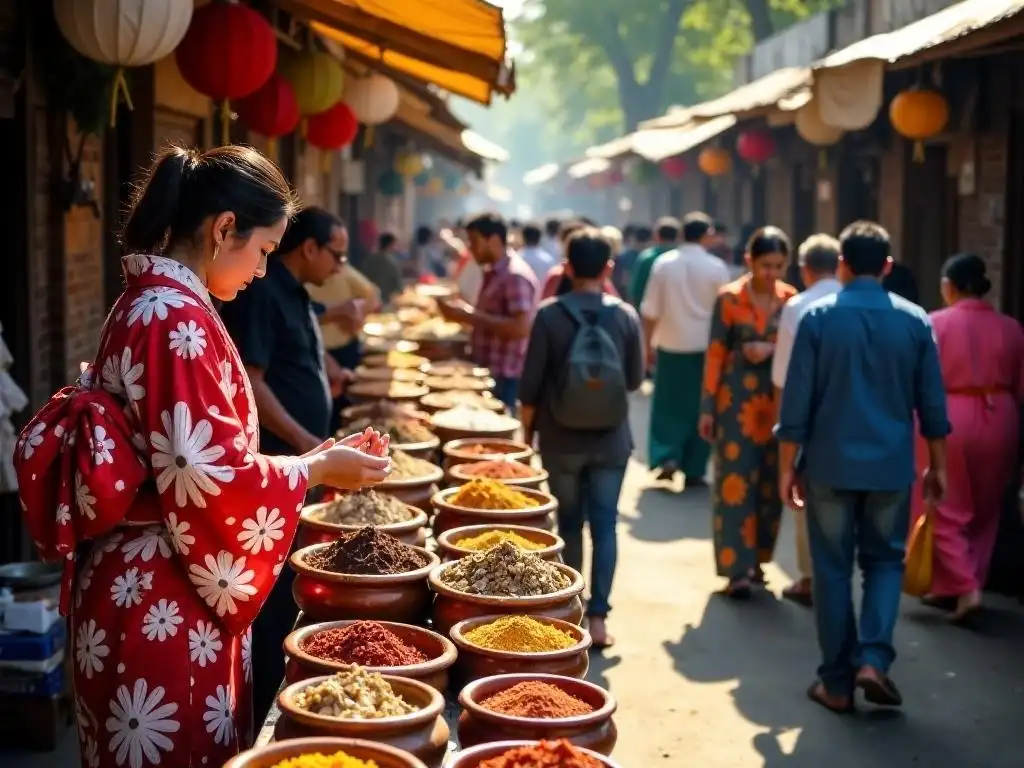
The cultural significance of culinary exchanges throughout history cannot be overstated, particularly in the context of Japan's feudal era. As trade routes expanded and interactions with Southeast Asia increased, so too did the diversity and depth of Japanese cuisine. The fusion of flavors, techniques, and ingredients from Southeast Asia helped to shape Japanese food culture, making it a rich tapestry of influences that continues to evolve today.
How Trade Shaped Japanese Food Culture
During the feudal period, Japan established several key trade routes with Southeast Asian nations, including the Philippines, Malaysia, and Indonesia. These interactions facilitated the exchange of not only goods but also culinary practices.
- Introduction of New Ingredients: Southeast Asia brought a variety of new ingredients to Japan. Spices such as chili and turmeric, as well as tropical fruits like mango and coconut, began to appear in Japanese cooking.
- Culinary Techniques: Trade also introduced various cooking techniques. For example, the method of grilling fish over an open flame was refined through interactions with Southeast Asian cultures, leading to the popularization of yakitori and other grilled dishes in Japan.
- Preservation Methods: The influence of Southeast Asian trade extended to food preservation techniques. For instance, the method of fermenting fish and vegetables, known as narezushi, was enhanced through contact with local practices from Southeast Asia, contributing to the development of modern sushi.
These culinary exchanges not only diversified the flavors present in Japanese cuisine but also played a critical role in the establishment of food as a cultural identity in Japan.
The Influence of Religion and Beliefs on Cuisine
Religion and beliefs have always played a significant role in shaping cuisine, and this was particularly true during Japan's feudal era. The arrival of Southeast Asian culinary practices brought with it various religious influences that impacted food preparation and consumption.
- Buddhism and Vegetarianism: Buddhism, which spread throughout Asia, including Japan, emphasized vegetarianism and the avoidance of certain meats. The influence of Southeast Asia introduced new vegetarian dishes, such as those made with tofu and an array of vegetables, which became staples in Japanese cuisine.
- Ritual Foods: Festivals and religious ceremonies in Southeast Asia often involved specific foods, which were gradually adopted into Japanese customs. For example, the use of rice in ceremonial dishes was reinforced through these exchanges, leading to the development of various rice-based delicacies in Japan.
- Cultural Syncretism: The blending of local Japanese beliefs with those from Southeast Asia resulted in unique culinary traditions. The incorporation of spices and herbs in dishes served during religious celebrations became a hallmark of Japanese cuisine, showcasing the rich tapestry of cultural influences.
Festivals and Celebrations: Blending Culinary Traditions
Festivals and celebrations in Japan have historically been a melting pot of cultural influences, particularly those stemming from trade with Southeast Asia. These events provided a platform for the exchange and fusion of culinary traditions.
- Food as a Central Element: Festivals often revolve around food, with specific dishes being prepared to celebrate the occasion. For instance, during the Obon festival, the introduction of Southeast Asian desserts, such as coconut milk-based sweets, enriched the traditional offerings.
- Culinary Innovations: The blending of culinary traditions during these festivities led to the creation of unique dishes that reflect both Japanese and Southeast Asian influences. The incorporation of spices and tropical fruits into traditional Japanese sweets illustrates this fusion.
- Cultural Exchange through Festivals: Festivals served as a means for fostering cultural exchange. Local markets during these events showcased goods and culinary delights from Southeast Asia, allowing the Japanese populace to experience a fusion of flavors and techniques.
Through these celebrations, the culinary landscape of Japan was transformed, leading to a richer, more diverse food culture that continues to celebrate its Southeast Asian roots today.
By examining the cultural significance of culinary exchanges, we can appreciate the profound impact that trade with Southeast Asia had on the evolution of Japanese cuisine. This intricate relationship between food, culture, and belief systems highlights the importance of understanding how historical trade interactions shape culinary identities.
Conclusion
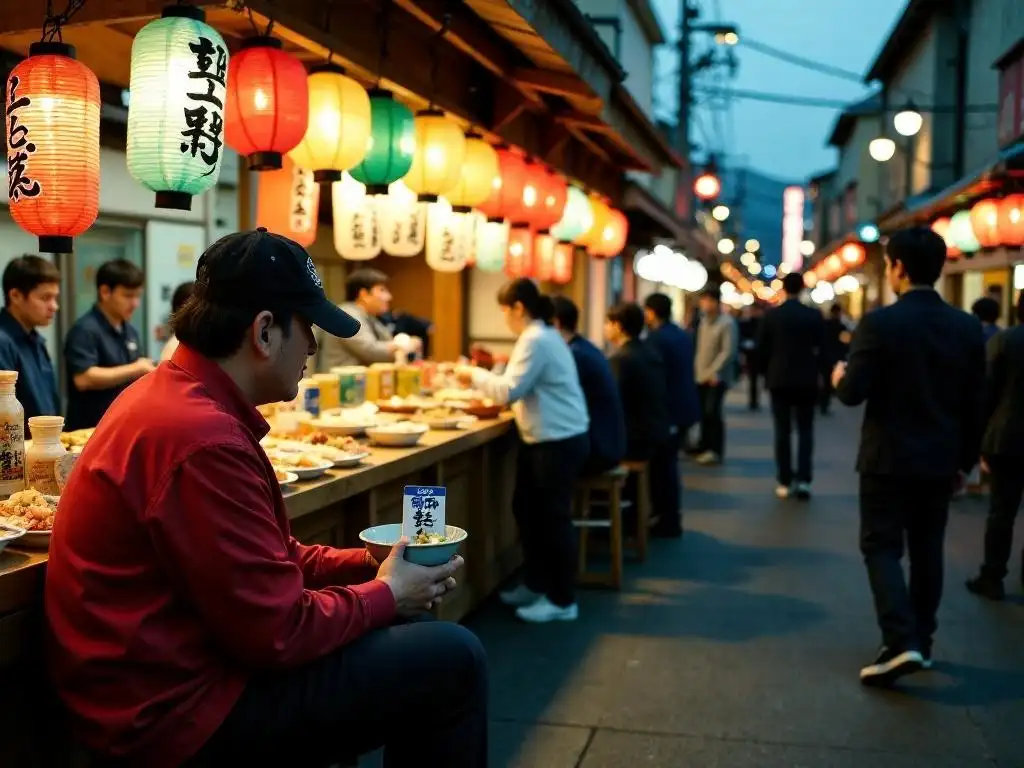
Summary of the Impact of Southeast Asia Trade on Japanese Cuisine
The trade between Japan and Southeast Asia during the feudal era played a vital role in shaping what we now recognize as Japanese cuisine. This exchange was not merely about the transfer of ingredients; it encompassed a rich tapestry of culinary techniques, flavors, and cultural practices.
- Introduction of New Ingredients:
- Spices: Southeast Asia, known for its diverse spices, introduced flavors that were previously unknown in Japan. Spices like nutmeg, cloves, and cinnamon began to find their way into Japanese kitchens, enhancing the complexity of dishes.
- Fruits and Vegetables: Tropical fruits such as mangoes and coconuts, along with vegetables like eggplant and chili peppers, created a more vibrant palate. These ingredients not only diversified meals but also influenced seasonal cooking.
- Culinary Techniques:
- The influence of Southeast Asian cooking methods, such as stir-frying and fermentation, can be observed in several traditional Japanese dishes. These techniques contributed to the development of distinct flavors that characterized regional Japanese cuisines.
- The arrival of new cooking vessels and utensils, often imported through trade, allowed for different preparation methods that further enriched Japanese culinary practices.
- Cultural Fusion:
- The interaction between Japanese and Southeast Asian cultures facilitated the blending of food traditions. For example, the adoption of sushi and sashimi was impacted by the preservation techniques used in Southeast Asian fish dishes.
- Festivals and Celebrations: Certain Southeast Asian festivals introduced new food practices into Japanese culture, leading to the incorporation of unique dishes during celebrations.
The trade with Southeast Asia was pivotal in transforming Japanese cuisine, embedding new tastes, ingredients, and cooking styles that continue to influence the culinary landscape today.
Reflection on the Importance of Cultural Exchanges in Feudal Japan
Cultural exchanges during the feudal period in Japan were instrumental in shaping the nation’s identity. These interactions extended beyond cuisine, impacting various aspects of society, including art, language, and philosophy.
- Enrichment of Cultural Practices:
- The influx of ideas and customs from Southeast Asia significantly enriched Japanese culture. This exchange fostered a spirit of adaptability and innovation, allowing Japanese society to integrate and repurpose foreign concepts into their own unique cultural expressions.
- Economic Growth and Relationships:
- Trade led to economic growth, as the exchange of goods fostered relationships between merchants and communities. This economic interdependence encouraged social cohesion and collaboration across regions, paving the way for more complex societal structures.
- Legacy of Cultural Exchanges:
- The legacy of these exchanges is evident in modern Japanese culture, where many traditional practices can be traced back to interactions with Southeast Asian countries. This history illustrates how cross-cultural connections have the potential to shape and enrich societies over time.
The exploration of trade with Southeast Asia is not just an examination of ingredients and culinary practices; it is a lens through which we can understand the broader implications of cultural exchanges in feudal Japan. These interactions were fundamental in creating a dynamic and evolving cultural landscape, leaving an enduring impact that resonates through history to the present day.
Further Reading and Resources
Recommended Books on Japanese Cuisine and Trade
-
"Japanese Cuisine: A Cultural History" by Naomichi Ishige
This comprehensive work delves into the historical development of Japanese cuisine and its interactions with various cultures, including Southeast Asia. Ishige provides insights into how trade routes facilitated the exchange of ingredients and culinary techniques, enriching the Japanese palate.
-
"The Food of Japan" by Takayuki Kosaki
Kosaki's book is a visual celebration of Japanese culinary traditions, intertwining recipes with historical narratives. It highlights the influence of Southeast Asian ingredients, showcasing how trade shaped the flavors of Japan.
-
"Southeast Asian Cuisine: A Culinary Journey" by Rachael O'Neill
While primarily focused on Southeast Asian food, this book outlines the cultural exchanges between Japan and its southern neighbors. It provides context for understanding how Japanese cuisine absorbed and adapted elements from Southeast Asian culinary practices.
-
"Tastes of Japan: The Culinary Heritage" by Yoshiko G. Matsumoto
Matsumoto explores the evolution of Japanese cuisine with a focus on regional variations and the impact of trade. This book includes valuable sections on the role of Southeast Asian spices and cooking methods in shaping Japanese food culture.
-
"A History of Japanese Food" by Naomichi Ishige
This text offers a detailed account of how Japan's culinary landscape transformed over centuries. It discusses the significant role of trade in introducing new flavors and techniques, particularly from Southeast Asia, that have become integral parts of Japanese cuisine.
Online Resources for Exploring Feudal Japan Culinary History
-
National Diet Library of Japan
A vast repository of resources that includes historical texts on Japanese cuisine, trade routes, and cultural exchanges. Many documents are available in English, making them accessible for non-Japanese readers.
-
Japan National Tourism Organization (JNTO)
This site offers insights into regional Japanese cuisines, highlighting the influence of trade with Southeast Asia. It includes articles on traditional dishes and their historical contexts.
-
The Japan Times
The online version of this long-standing newspaper often features articles on the evolution of Japanese cuisine and its international influences. Searching for terms like “Japanese cuisine Southeast Asia trade” can yield valuable articles.
-
Food Timeline
An online resource that chronicles the history of food, including significant influences on Japanese cuisine from trade with Southeast Asia. It provides timelines and connections that are helpful for understanding the broader context of culinary history.
-
Culinary Historians of New York
This organization hosts talks and discussions regarding the history of food across cultures, including Japan. Their archives may contain relevant materials on the interplay between Japanese and Southeast Asian cuisines.
By exploring these resources, readers can gain a deeper understanding of how trade with Southeast Asia has shaped the rich tapestry of Japanese cuisine throughout history.
Frequently Asked Questions
What role did trade with Southeast Asia play in Japanese cuisine?
Trade with Southeast Asia introduced new ingredients and cooking techniques to Japan, significantly enriching its culinary landscape and contributing to the evolution of Japanese cuisine.
Which Southeast Asian ingredients are most influential in Japanese cooking?
Key ingredients such as spices, rice, and coconut products were introduced through trade, leading to the incorporation of flavors and dishes that were previously unknown in Japan.
How did cultural exchanges shape Japanese culinary practices?
Cultural exchanges facilitated by trade allowed for the fusion of culinary traditions, resulting in unique Japanese dishes that reflect Southeast Asian influences while maintaining traditional Japanese elements.
What are some examples of Japanese dishes influenced by Southeast Asian trade?
Dishes such as curry rice and sushi show the impact of Southeast Asian trade, incorporating spices and preservation techniques that transformed traditional Japanese cooking.
How did the trade routes impact the availability of ingredients in Japan?
The establishment of trade routes allowed for the importation of diverse ingredients, making previously rare items more accessible and enabling chefs to experiment with new flavors and recipes in Japanese cuisine.
Final Reflection: The Culinary Tapestry of Trade
The intricate relationship between trade with Southeast Asia and Japanese cuisine is more relevant today than ever. As globalization continues to shape our culinary landscapes, the flavors and techniques that have traveled across borders remind us of the rich tapestry of cultural exchange. The evolution of Japanese cuisine, influenced by Southeast Asian ingredients and cooking styles, serves as a testament to the power of trade in fostering culinary innovation and diversity.
Cultural exchange through trade has not only enriched Japanese cuisine but has also created a platform for dialogue and understanding among nations. The ongoing influence of these interactions can be seen in the fusion dishes that emerge in contemporary Japanese restaurants, where traditional flavors meet modern interpretations. Food is a universal language that brings people together, transcending borders and cultures.
This quote encapsulates the essence of how trade has woven a narrative of shared experiences and mutual appreciation, ultimately shaping the way we perceive and enjoy food today.
As you reflect on the journey of Japanese cuisine and its Southeast Asian influences, consider how you can embrace this spirit of exchange in your own culinary adventures. Explore new flavors, experiment with fusion recipes, and appreciate the stories behind the ingredients you use. Let the lessons from this article inspire you to celebrate the interconnectedness of our global food culture, reminding us that every dish we create is a reflection of the rich history and relationships that have shaped it.
🌏 Explore the Delicious Impact of Southeast Asia on Japanese Cuisine!
Thank you for diving into the rich tapestry of Japanese culinary history with us! You've uncovered the fascinating influences that trade with Southeast Asia has had on Japan's delightful dishes. Now, it’s time to take that knowledge and savor the experience further.
Here’s how you can continue your journey:
- Try your hand at cooking a dish that fuses Southeast Asian flavors with Japanese techniques. Select a recipe that harmoniously blends these culinary traditions, and share your creation on social media!
- Join culinary forums or local groups to engage in discussions about the evolution of Japanese cuisine and consider organizing a cooking class with fellow food enthusiasts.
- Explore local restaurants that offer dishes inspired by this unique fusion – your taste buds will thank you for the adventure!
What new flavor combinations will inspire your next meal? We invite you to share your thoughts below!