
The Evolution of Japanese Cuisine: Western Influences During the Feudal Era

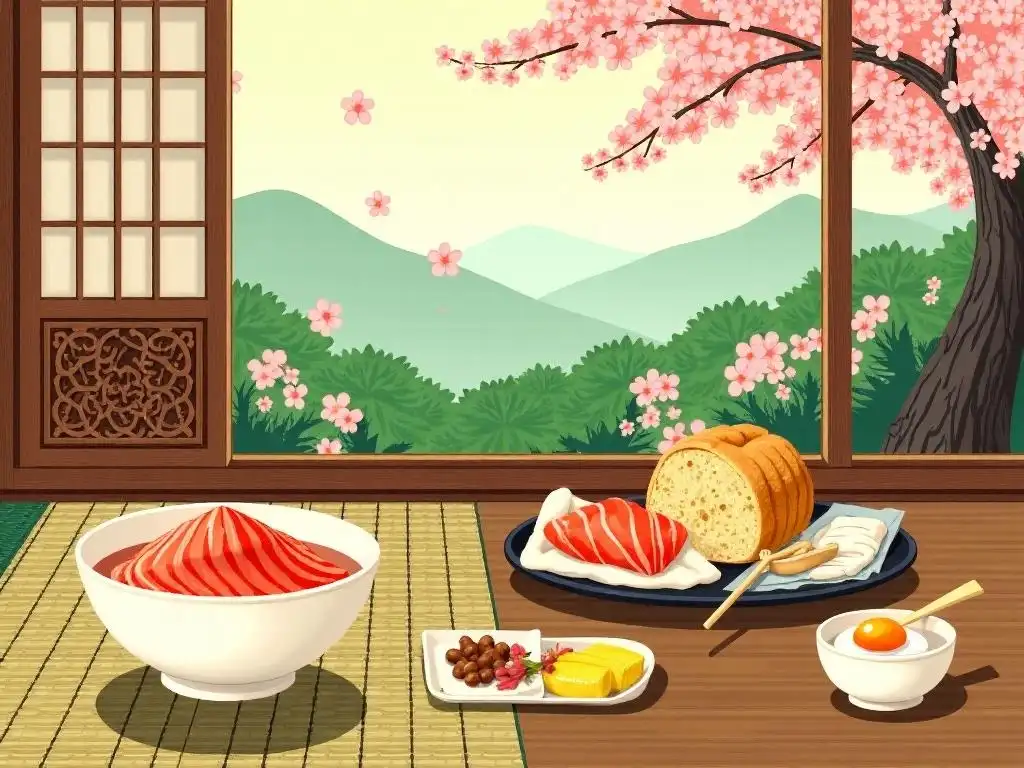
Welcome to Feudal Japan History, where we invite you to embark on a fascinating journey through the intricate tapestry of Japan's feudal era. Delve into the rich historical narratives and cultural dynamics that shaped a nation, as we explore the captivating article on "Western influences on Japanese cuisine." Discover how outside culinary traditions intertwined with local practices to create a unique gastronomic evolution. Prepare to uncover the surprising connections and influences that defined an era, igniting your curiosity to learn more about the culinary landscape of feudal Japan. Join us as we explore the flavors of history!
Introduction to Western Influences on Japanese Cuisine
The evolution of Japanese cuisine is a fascinating journey that reflects the intricate interplay between tradition and external influences. During the feudal era, Japan experienced significant transformations in its culinary landscape, particularly due to Western interactions. This article delves into the Western influences on Japanese cuisine, exploring how these external factors shaped food practices, ingredients, and overall dining culture. As we navigate through this historical context, we will uncover the layers of complexity that define Japanese cuisine today and highlight the pivotal moments of cultural exchange that enriched its development.
Overview of Japanese Cuisine Before the Feudal Era
Prior to the feudal era, Japanese cuisine was primarily influenced by indigenous practices, seasonal ingredients, and social customs. The staple diet consisted mainly of rice, fish, and vegetables, with a strong emphasis on freshness and presentation. Key aspects included:
- Rice Cultivation: Central to Japanese meals, rice was not just food; it held cultural significance and was often associated with fertility and prosperity.
- Seasonal Ingredients: The Japanese diet was closely tied to the seasons, leading to the celebration of various festivals that highlighted seasonal foods.
- Buddhist Influence: The introduction of Buddhism in the 6th century led to vegetarian practices, which shaped many dishes and cooking methods.
As Japan transitioned into the feudal era, these culinary traditions began to encounter new influences that would alter the gastronomic landscape.
Importance of Cuisine in Feudal Japanese Society
Cuisine during the feudal era was not merely about sustenance; it played a vital role in social hierarchy, cultural identity, and even political power. Several factors illustrate the significance of cuisine in this period:
- Culinary Arts as Status Symbols: The preparation and presentation of food became a reflection of social status, especially among the samurai and nobility.
- Religious Practices: Food offerings and rituals were integral to Shinto and Buddhist traditions, intertwining spirituality with culinary practices.
- Culinary Techniques: The feudal period saw the refinement of cooking techniques, which were often passed down through generations, underscoring the importance of culinary heritage.
Historical Context of the Feudal Era
Understanding the historical context of the feudal era is crucial for grasping how Western influences began to permeate Japanese cuisine. This period, which spanned several centuries, was marked by significant social, political, and cultural changes that set the stage for external interactions.
The Timeline of Japan's Feudal Period
The feudal era in Japan, roughly from the 12th to the 19th century, was characterized by the rise of warrior clans and a decentralized government. Key milestones include:
- 1185: Establishment of the Kamakura shogunate, marking the beginning of feudal rule.
- 1336-1573: The Muromachi period, noted for cultural advancements and the flourishing of arts.
- 1603: The Tokugawa shogunate emerges, leading to a long period of relative peace and isolation known as the Edo period.
These timelines are crucial for understanding the conditions under which Western influences began to emerge.
Key Historical Events Influencing Cultural Exchange
Several pivotal events during the feudal era facilitated cultural exchanges between Japan and the West, significantly impacting Japanese cuisine:
- Portuguese Arrival (1543): The arrival of Portuguese traders introduced new ingredients, such as sugar and potatoes, which gradually integrated into Japanese cooking.
- Dutch Trade (1600s): The Dutch East India Company established trade with Japan, allowing for the exchange of not only goods but also culinary knowledge.
- Missionary Activities: Christian missionaries brought with them unfamiliar cooking techniques and recipes, contributing to the diversification of Japanese cuisine.
Through these historical events, we can see how Japan began to incorporate and adapt Western culinary elements, setting the stage for a rich tapestry of flavors and traditions that continue to evolve today.
Western Influences on Japanese Cuisine: An Overview
The evolution of Japanese cuisine has been significantly shaped by various cultural exchanges throughout its history, particularly during the feudal era. One of the most notable influences came from the West, which introduced a variety of new ingredients, cooking techniques, and culinary philosophies to Japan. This interaction not only enriched the Japanese palate but also laid the groundwork for the diverse culinary landscape that characterizes modern Japanese cuisine. Understanding the nuances of these Western influences is essential for grasping how Japan's feudal society adapted and integrated foreign elements into its culinary practices.
Introduction of Western Ingredients
During the feudal era, particularly from the mid-16th century onwards, Western merchants and missionaries began to arrive in Japan, leading to the introduction of various new ingredients. Among the most significant were:
- Potatoes: Brought by Portuguese traders, potatoes became a staple food in some regions, particularly in the colder climates.
- Tomatoes: Also introduced by the Portuguese, tomatoes were initially met with skepticism but eventually found their place in the Japanese diet.
- Cacao: The introduction of cacao from Europe later influenced the development of sweet treats and desserts in Japan.
These ingredients transformed Japanese cooking, allowing for the development of new dishes and culinary styles that combined traditional Japanese practices with Western flavors. The integration of these ingredients reflected a broader trend of adaptation and innovation, showcasing the ability of Japanese cuisine to evolve while maintaining its core identity.
Adoption of Cooking Techniques from the West
In addition to ingredients, Western cooking techniques also made their way into Japanese kitchens during the feudal period. Notable techniques included:
- Frying: The introduction of deep-frying methods, particularly through the influence of Portuguese cuisine, led to the creation of dishes like tempura, which blended local flavors with Western frying techniques.
- Baking: Western-style baking was introduced, allowing for the creation of various breads and pastries that complemented traditional rice-based foods.
- Sauce Preparation: The use of sauces, especially those based on cream and butter, became more common, leading to a fusion of flavors that enhanced the richness of Japanese dishes.
These techniques not only diversified the culinary practices in Japan but also demonstrated the adaptability and creativity of Japanese cooks in blending Western methods with traditional Japanese ingredients.
The Role of Trade in Culinary Exchange
The exchange of culinary knowledge and ingredients between the West and Japan was heavily influenced by trade. During the feudal era, maritime trade routes opened up new possibilities for cultural exchange, facilitating the flow of goods and ideas.
Maritime Trade Routes and Their Impact
Maritime trade routes were crucial to the dissemination of Western culinary influences across Japan. These routes connected Japan with various Western nations, particularly Portugal and the Netherlands, which played pivotal roles in introducing new ingredients and cooking techniques. Key aspects of this trade included:
- Port Cities: Key port cities like Nagasaki became centers of trade where Western merchants and local Japanese could interact, exchange goods, and share culinary practices.
- Cultural Exchange: As Western traders settled in Japan, they brought not only ingredients but also culinary traditions, which influenced local cooking practices and vice versa.
- Adaptation and Innovation: The trade fostered a spirit of culinary innovation, where Japanese cooks began to adapt Western recipes to suit local tastes and available ingredients.
This dynamic exchange between Japan and Western traders was vital in shaping the culinary landscape of the time, allowing for a rich tapestry of flavors and techniques that reflected the interconnectedness of cultures.
Key Western Traders and Their Contributions
Several key Western traders made significant contributions to the evolution of Japanese cuisine during the feudal era. Their roles included:
- Portuguese Traders: Often credited with introducing various foodstuffs, such as sugar and potatoes, the Portuguese also influenced cooking styles, particularly with the introduction of frying techniques that led to dishes like tempura.
- Dutch Traders: The Dutch were instrumental in introducing European scientific knowledge, including culinary practices. They helped facilitate the introduction of new spices and ingredients, which were crucial in diversifying the Japanese diet.
- Spanish Influence: Spanish missionaries and traders also contributed to the culinary landscape, particularly with the introduction of new fruits and the concept of using wine in cooking.
These traders not only brought goods but also fostered a cultural exchange that allowed for the blending of culinary traditions, ultimately enriching Japanese cuisine and paving the way for future culinary developments.
Specific Western Influences on Japanese Dishes
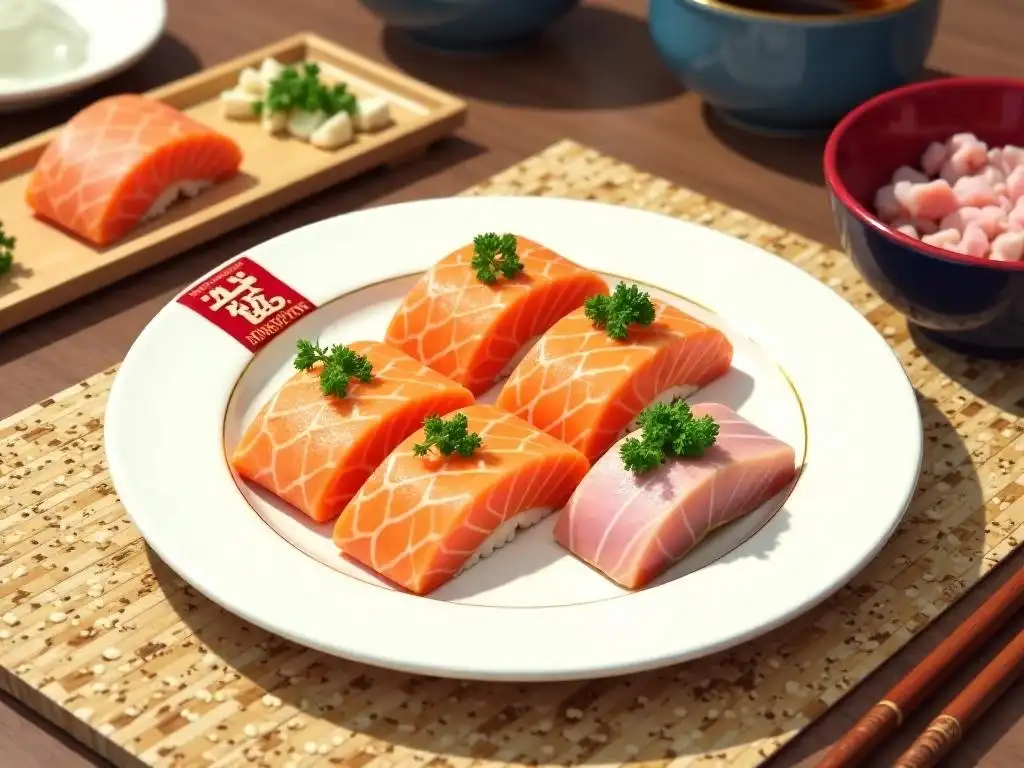
The evolution of Japanese cuisine during the feudal era was significantly shaped by Western influences. These interactions introduced various ingredients and cooking techniques that transformed traditional Japanese dishes, leading to the emergence of new culinary practices. The influence of Western cuisine can be seen in the incorporation of specific food items, preparation methods, and flavor profiles that were previously uncommon in Japan.
Introduction of Bread and Dairy Products
One of the most notable Western influences on Japanese cuisine was the introduction of bread and dairy products. Prior to these influences, rice was the staple carbohydrate in Japanese diets. However, through trade and cultural exchanges, particularly in the late feudal period, Western-style bread began to make its way into Japan.
- Types of Bread: The most significant form was the European-style loaf, which contrasted with traditional rice. This led to the development of unique bread varieties, such as the popular shokupan (a soft, square loaf).
- Dairy Products: Alongside bread, dairy products such as butter and cheese were introduced. Initially met with skepticism, these ingredients gradually found their place in Japanese kitchens, especially as they were adapted to local tastes.
The use of bread and dairy not only diversified the Japanese diet but also paved the way for new culinary techniques, such as baking and creamy sauces that are now integral to modern Japanese cuisine.
Influence of Western Sauces and Seasonings
The arrival of Western sauces and seasonings also played a pivotal role in reshaping Japanese culinary practices. Western explorers and traders brought with them a variety of condiments that enriched the flavor profiles of traditional dishes.
- Soy Sauce and Beyond: While soy sauce remained a staple, Western sauces like Worcestershire sauce and ketchup began to be utilized, leading to a unique blend of flavors.
- New Seasonings: The introduction of herbs and spices such as basil, oregano, and black pepper expanded the seasoning palette available to Japanese cooks, allowing for more complex flavor combinations.
These Western influences led to a culinary renaissance, where traditional Japanese dishes began to incorporate new tastes and textures, reflecting a fusion of Eastern and Western culinary philosophies.
Fusion Dishes: Examples of Western and Japanese Culinary Blends
As Western influences permeated Japanese cuisine, several fusion dishes emerged, illustrating the blending of culinary traditions. These dishes often combined Western ingredients with Japanese cooking techniques, creating unique flavors that appealed to a broader audience.
- Katsu (Cutlet): Originally influenced by the Western concept of breaded and fried meats, katsu became a staple in Japanese cuisine, often served with a tangy sauce that reflects both Western and Japanese flavors.
- Curry Rice: The introduction of curry from British colonial influences created a dish that is now iconic in Japan. Japanese curry, characterized by its sweeter and milder taste compared to its Indian counterpart, became a beloved comfort food.
- Omurice: A fusion of Western omelette and Japanese fried rice, omurice exemplifies how Western cooking techniques can be seamlessly integrated into Japanese culinary traditions.
These fusion dishes highlight the adaptability of Japanese cuisine and its ability to evolve while maintaining cultural integrity.
Cultural Reception of Western Culinary Practices
The reception of Western culinary practices in Japan was complex and multifaceted. While some embraced the new flavors and techniques, others were more hesitant, reflecting broader societal attitudes towards foreign influence.
Initial Reactions to Western Food
When Western food first began to appear in Japan, reactions varied significantly. Some individuals viewed Western cuisine with curiosity and enthusiasm, eager to explore new flavors and cooking methods.
- Curiosity and Skepticism: Many were intrigued by the unfamiliar ingredients and cooking styles. However, there was also skepticism, particularly among traditionalists who viewed Western foods as a threat to Japanese culinary heritage.
- Cultural Barriers: The differences in dining etiquette and food presentation between Western and Japanese cultures led to initial misunderstandings. For example, the use of utensils and the concept of dining in courses contrasted sharply with Japanese meal structures.
Despite these initial reactions, the allure of Western cuisine gradually won over many Japanese, leading to a more open embrace of culinary diversity.
Integration of Western Cuisine into Japanese Culture
Over time, Western cuisine became more integrated into Japanese culture, resulting in a unique culinary landscape that combined elements from both traditions.
- Adaptation and Innovation: Japanese cooks began to adapt Western recipes, modifying them to suit local tastes and ingredients. This innovation led to the establishment of Western-style restaurants and cafés throughout Japan, particularly in urban areas.
- Culinary Education: The inclusion of Western cooking techniques in culinary schools reflected the growing acceptance and appreciation of these influences. Chefs trained in both Western and Japanese styles emerged, further enriching the culinary scene.
Ultimately, the integration of Western cuisine into Japanese culture not only diversified the food landscape but also fostered a spirit of creativity and innovation that continues to define Japanese cuisine today.
The Impact of Religion and Philosophy on Culinary Evolution
The evolution of Japanese cuisine during the feudal era was profoundly shaped by various religious and philosophical influences. This period marked a significant transformation in food practices, driven not only by the interaction with Western cultures but also by the entrenched beliefs of Buddhism and Shintoism. These ideologies dictated dietary choices, food preparation methods, and the overall perception of nourishment in society.
The Role of Buddhism and Shintoism in Food Practices
Buddhism, introduced to Japan in the 6th century, had a profound impact on the nation’s culinary practices. A key tenet of Buddhist philosophy is the principle of non-violence, which encouraged the consumption of vegetarian diets among adherents. This shift led to the development of dishes centered around grains, vegetables, and legumes, diversifying the Japanese diet. The practice of “shojin ryori,” or temple cuisine, exemplifies this influence, featuring meticulously prepared vegetarian meals that highlight seasonal ingredients and aesthetic presentation.
In contrast, Shintoism, the indigenous spirituality of Japan, emphasizes purity and the connection between food and the divine. Rituals surrounding food offerings to kami (spirits) influenced seasonal eating and the use of local ingredients. The incorporation of rice, a staple in Shinto rituals, further solidified its central role in Japanese cuisine. This blend of Buddhist vegetarianism and Shinto purity created a rich tapestry of culinary practices, setting the stage for subsequent interactions with Western cultures.
Western Philosophical Influences on Dietary Choices
As Japan began to open up to Western influences in the late 19th century, the philosophical underpinnings of Western dietary practices started to permeate Japanese cuisine. Ideas stemming from Enlightenment thinkers who emphasized reason and scientific inquiry began to challenge traditional food beliefs. This shift led to an increasing interest in nutrition, dietary balance, and the incorporation of new ingredients and cooking techniques.
The introduction of Western dietary concepts, such as meat consumption for health and strength, began altering the Japanese palate. Meat, previously consumed sparingly due to Buddhist influences, became more accepted. The adoption of Western cooking methods and ingredients, such as dairy products and wheat-based foods, sparked a culinary renaissance that would reshape the future of Japanese cuisine.
Long-term Effects of Western Influences on Japanese Cuisine
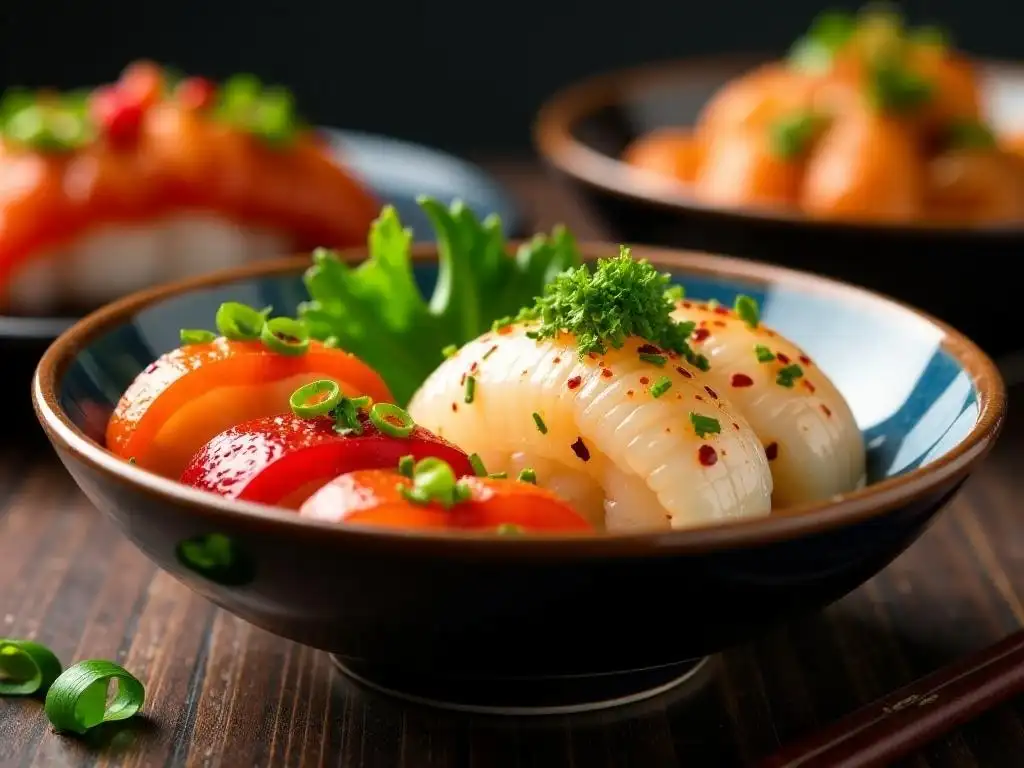
The long-term effects of Western influences during the feudal era laid the groundwork for a modern culinary identity that blends traditional Japanese practices with Western elements. This fusion has not only diversified flavors but also altered perceptions of what constitutes Japanese food, making it more inclusive and varied.
Evolution of Modern Japanese Cuisine
Modern Japanese cuisine reflects a dynamic interplay of tradition and innovation. The fusion of Western ingredients and cooking styles has led to the emergence of unique dishes that are now considered staples in Japan. For instance, "katsu," a breaded and fried cutlet, is a direct result of Western culinary techniques adapted to local tastes. Similarly, "yoshoku," or Western-style Japanese dishes, such as curry rice and omurice, illustrate how Western influences have been integrated into the national diet.
Additionally, the post-World War II era saw an explosion of Western fast food and dining concepts, which further diversified the culinary landscape. This evolution has not only preserved the essence of traditional Japanese cuisine but has also created a new culinary hybrid that appeals to both domestic and international palates.
Continuing Western Influences in Contemporary Japan
In contemporary Japan, Western influences continue to play a significant role in shaping culinary trends. The globalization of food culture has led to the incorporation of various international cuisines alongside traditional Japanese fare. This blend is evident in the popularity of dishes like pizza, pasta, and burgers, which have been localized to suit Japanese tastes.
Moreover, the rise of health consciousness and dietary diversity has prompted a reevaluation of food practices. Many Japanese people now embrace a fusion of healthy Western dietary habits alongside traditional eating practices, reflecting a more holistic approach to nutrition. This ongoing evolution highlights not only the adaptability of Japanese cuisine but also the enduring legacy of Western influences that have enriched its complexity and appeal.
Conclusion: The Legacy of Western Influences on Japanese Cuisine
The legacy of Western influences on Japanese cuisine during the feudal era is both profound and multifaceted. This period marked a significant transition in culinary practices, where traditional Japanese methods began to intertwine with Western techniques and ingredients. The introduction of new food items, such as potatoes, corn, and dairy products, revolutionized the Japanese diet, leading to the development of unique dishes that combined local flavors with foreign elements.
As Japan gradually opened up to the West, particularly during the Meiji Restoration, the culinary landscape continued to evolve, incorporating more Western foods and cooking styles. This transformation set the stage for modern Japanese cuisine, which today reflects a rich tapestry of both indigenous and global influences. The enduring impact of these early interactions is evident in contemporary dishes that showcase a blend of flavors, techniques, and presentations stemming from both Eastern and Western traditions.
Summary of Key Points
- Western influences began to permeate Japanese cuisine during the late feudal era, primarily through trade and cultural exchanges.
- The introduction of new ingredients like potatoes, tomatoes, and dairy led to significant changes in cooking methods and dietary habits.
- Fusion dishes emerged, combining Japanese culinary techniques with Western ingredients and styles, laying the groundwork for modern Japanese cuisine.
- The evolution of Japanese cuisine continued into the Meiji era, further integrating Western culinary practices and expanding the variety of available foods.
- Today, these historical influences are celebrated and reflected in various facets of Japanese culinary culture, from casual dining to haute cuisine.
Reflection on the Ongoing Evolution of Culinary Traditions
The evolution of Japanese cuisine is an ongoing process, continually shaped by cultural exchanges and globalization. As modern Japan interacts with the world, new influences are constantly integrated into its culinary scene. The fusion of traditional and contemporary culinary practices exemplifies how adaptable and resilient Japanese cuisine has become.
The legacy of Western influences serves as a reminder of the dynamic nature of food culture, where traditions are not static but evolve with time, technology, and societal shifts. As new generations of chefs explore and innovate, Japanese cuisine will likely continue to reflect a blend of both its rich heritage and the diverse influences that come from around the globe.
References and Further Reading
Suggested Books and Articles on Japanese Cuisine
-
"Japanese Cooking: A Simple Art" by Shizuo Tsuji
This classic text offers insights into traditional Japanese cooking techniques while addressing the influences of foreign cuisine.
-
"The Food of Japan" by Takayuki Kosaki
A comprehensive guide that traces the historical evolution of Japanese cuisine, including Western influences.
-
"Japanese Food: A Cultural History" by Naomichi Ishige
This book delves into the cultural aspects of Japanese food, highlighting the interactions with Western culinary practices.
-
"Tokyo: A Cultural History" by Stephen Mansfield
Provides a broader context for understanding how Tokyo's culinary scene has been shaped by both domestic and foreign influences.
Links to Related Topics on Japan-West Interactions
- Cultural Exchanges Between Japan and the West
Explore the historical context of cultural exchanges that shaped various aspects of Japanese society.
- The Impact of the Meiji Restoration on Japanese Society
A deeper look into how the Meiji Restoration catalyzed changes in Japan, including culinary adaptations.
- Trade Routes and Their Influence on Japanese Cuisine
An overview of how historical trade routes facilitated the introduction of foreign ingredients and cooking methods into Japan.
- Modern Japanese Cuisine: A Global Perspective:
A discussion on how contemporary Japanese cuisine continues to evolve by incorporating global culinary trends.
- Introduction to Western Influences on Japanese Cuisine
- Historical Context of the Feudal Era
- Western Influences on Japanese Cuisine: An Overview
- The Role of Trade in Culinary Exchange
- Specific Western Influences on Japanese Dishes
- Cultural Reception of Western Culinary Practices
- The Impact of Religion and Philosophy on Culinary Evolution
- Long-term Effects of Western Influences on Japanese Cuisine
- Conclusion: The Legacy of Western Influences on Japanese Cuisine
- References and Further Reading
- What were the major Western influences on Japanese cuisine during the feudal era?
- How did the opening of Japan to the West affect its culinary practices?
- What role did trade play in the evolution of Japanese cuisine?
- Were there any cultural impacts from Western cuisine on Japanese society during this period?
- How can one explore the continued impact of Western influences on modern Japanese cuisine?
Frequently Asked Questions
What were the major Western influences on Japanese cuisine during the feudal era?
During the feudal era, Western influences included the introduction of new ingredients such as bread and dairy products, as well as cooking techniques that gradually altered traditional Japanese dishes.
How did the opening of Japan to the West affect its culinary practices?
The opening of Japan in the late 19th century led to a significant influx of Western culinary practices and techniques, merging with existing Japanese traditions and creating a unique fusion in cuisine.
What role did trade play in the evolution of Japanese cuisine?
Trade with Western countries facilitated the exchange of ingredients and cooking methods, which were integrated into Japanese cuisine, enriching its diversity and complexity.
Were there any cultural impacts from Western cuisine on Japanese society during this period?
Yes, the incorporation of Western cuisine into Japanese society reflected broader cultural exchanges and shifts, influencing dining etiquette, meal structures, and social gatherings.
How can one explore the continued impact of Western influences on modern Japanese cuisine?
To explore this, one can examine contemporary culinary trends, visit fusion restaurants, or study scholarly articles that trace historical developments from the feudal era to present-day Japan.
Final Reflection: Embracing the Fusion of Cultures in Japanese Cuisine
The evolution of Japanese cuisine, particularly through the lens of Western influences during the Feudal Era, highlights the dynamic interplay between tradition and innovation. As we navigate an increasingly globalized world, understanding how these culinary exchanges shaped Japan's gastronomic landscape is crucial. This historical perspective not only enriches our appreciation of Japanese food but also serves as a reminder of the power of cultural exchange in shaping identities and traditions.
The impact of Western influences on Japanese cuisine continues to resonate in contemporary culinary practices, showcasing how food can bridge cultural divides. The blending of flavors and techniques from different cultures has led to a vibrant and diverse culinary scene that reflects the complexities of modern society. As culinary historian Masako Shimizu aptly stated, Food is not just sustenance; it is a narrative of our shared experiences and evolving identities.
This ongoing dialogue between East and West invites us to reflect on our own culinary practices and the influences that shape them.
As you ponder the rich tapestry of flavors that define Japanese cuisine, I encourage you to explore the ways in which your own culinary experiences have been shaped by diverse influences. Consider how embracing these cultural exchanges can enhance your understanding of food and foster a deeper connection to the world around you. Let the story of Japanese cuisine inspire you to celebrate the beauty of fusion, not just on your plate but in your life, as you seek to create meaningful connections through the universal language of food.
Discover the Flavors of History and Unleash Your Culinary Skills!
Thank you for diving into the fascinating world of Japanese cuisine and its evolution during the feudal era! We hope you now appreciate the rich tapestry of flavors and influences that shaped this beloved culinary tradition. The next step is to bring a piece of this history into your own kitchen and share it with others.
Here are some exciting activities to inspire your culinary journey:
- Try your hand at a feudal-era-inspired dish! Look up a recipe that embodies the blend of Western influences in Japanese cooking and prepare it for friends or family.
- Join a local cooking class focused on Japanese cuisine to deepen your understanding and skills with expert guidance.
- Share your experience! Post about your new culinary creation on social media and tag us, or start a discussion in our community forum about your favorite dishes from the feudal era.
As you embark on this delicious adventure, we’d love to hear: What feudal Japanese dish are you most excited to recreate or try for the first time?