
Cultural Currents: The Influence of Korean and Chinese Goods on Japanese Society

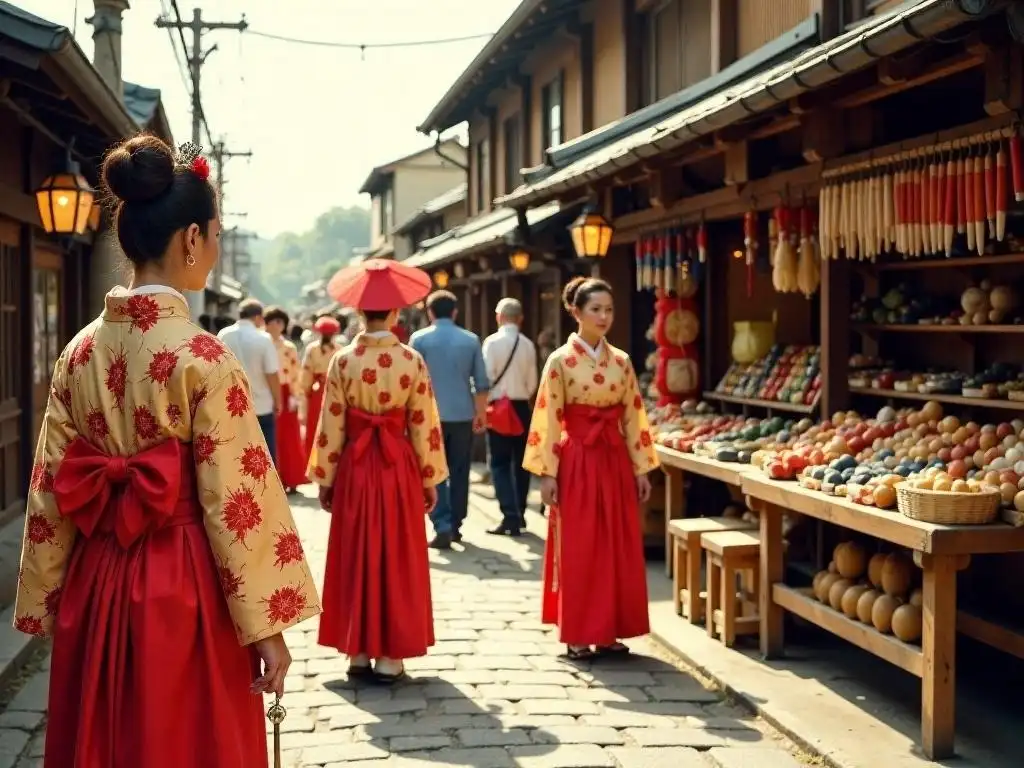
Welcome to Feudal Japan History, where we embark on a fascinating journey through the intricate tapestry of Japan's feudal era. Prepare to uncover the profound cultural currents that shaped Japanese society, particularly through the Korean and Chinese influence on Japan. Our latest article delves into how these foreign goods and ideas not only transformed daily life but also forged pivotal connections between nations. Are you ready to explore the rich interplay of cultures that defined an era? Dive in and discover the hidden stories that await you!
Introduction to Korean and Chinese Influence on Japan
The cultural landscape of Japan has been profoundly shaped by external influences, notably from its neighboring nations, Korea and China. Throughout the feudal era, the exchange of goods, ideas, and technologies not only enriched Japanese society but also facilitated the development of a unique identity that blended various cultural elements. This article delves into the Korean and Chinese influence on Japan, specifically examining how trade and cultural exchanges impacted Japanese customs, art, and societal structures. By exploring the intricate web of relationships forged through commerce, we can gain a deeper understanding of the nuances that defined Japan's historical trajectory.
Overview of Trade Relations in Feudal Japan
Trade relations during the feudal period of Japan were pivotal in establishing economic and cultural ties with Korea and China. The Nara (710-794) and Heian (794-1185) periods were particularly significant, as they marked the beginning of formalized trade agreements and diplomatic missions between these nations. The introduction of Chinese goods such as silk, ceramics, and writing systems had a lasting impact on Japanese society.
- Key features of trade relations included:
- Exchange of Goods: Items such as textiles, metals, and ceramics flowed into Japan from Korea and China.
- Cultural Diplomacy: Diplomatic envoys were sent to China, notably during the Tang dynasty, to foster relations and bring back knowledge.
- Technological Transfers: Innovations in agriculture and architecture were introduced through these trade routes.
Importance of Cultural Exchange in Japanese History
Cultural exchange was not merely a byproduct of trade; it was a transformative force that shaped Japanese identity and societal norms. The Korean and Chinese influence on Japan can be observed in various aspects:
- Religion: Buddhism, which originated in India, was transmitted to Japan through China and Korea, significantly affecting spiritual practices.
- Art and Aesthetics: Chinese calligraphy and painting styles influenced Japanese artists, leading to the creation of unique art forms.
- Cuisine: The introduction of rice cultivation techniques and culinary practices from these countries enriched Japanese cuisine, establishing a foundation that persists today.
Historical Context of Korean and Chinese Goods in Japan
To fully appreciate the impact of Korean and Chinese goods on Japanese society, it's essential to understand the historical context surrounding these exchanges.
Early Trade Routes Between Korea, China, and Japan
The establishment of maritime trade routes during the early feudal era facilitated the movement of goods across the seas. These routes enabled the transport of not only physical goods but also cultural and intellectual ideas. Key trading ports, such as Hakata and Kagoshima, became bustling centers of exchange, connecting Japan with the Asian mainland.
Key Historical Events Influencing Trade Dynamics
Numerous historical events played a crucial role in shaping trade dynamics between Japan, Korea, and China. For instance, the Mongol invasions in the late 13th century disrupted established trade routes, yet simultaneously led to renewed interest in securing trade agreements and alliances. The Sengoku period (1467-1603), marked by internal strife, also saw Japanese feudal lords engaging in trade with foreign nations to procure weapons and resources.
The Role of the Silk Road in Cultural Exchange
The Silk Road was not just a trade route for silk; it was a conduit for cultural exchange that influenced multiple regions, including Japan. Goods and ideas traveled from the vast expanse of China, through Korea, and into the Japanese archipelago. The impact of this exchange can be seen in:
- Technological Advancements: The introduction of new agricultural practices and tools.
- Literature and Philosophy: The dissemination of Confucian and Buddhist texts that shaped Japanese thought.
- Craftsmanship: Techniques in pottery and textile production that were adapted and transformed by Japanese artisans.
Through these historical explorations, we can appreciate the profound and lasting effects of Korean and Chinese goods on Japanese society, illuminating a rich tapestry of cultural currents that have defined Japan throughout the centuries.
Types of Goods and Their Impact on Japanese Society
The trade between Japan, Korea, and China significantly shaped the cultural landscape of Japan during the feudal era. The introduction of various goods not only altered economic structures but also enhanced the artistic, culinary, and social dimensions of Japanese life. This section delves into the specific types of goods that were exchanged and their profound impacts on Japanese society, revealing a tapestry of cultural interconnections.
Korean Goods: Textiles, Pottery, and Crafts
Korean imports played a pivotal role in the evolution of Japanese crafts and domestic industries. Textiles, particularly those woven from silk and cotton, became highly sought after. The vibrant patterns and techniques introduced by Korean artisans influenced local weaving practices, leading to a distinctive Japanese textile culture.
Korean pottery, characterized by its durability and aesthetic appeal, also made waves in Japan. The introduction of stoneware and earthenware techniques encouraged Japanese potters to experiment with glazes and forms, resulting in unique styles such as Raku and Bizen pottery. Additionally, traditional Korean crafts, including metalwork and woodworking, inspired Japanese artisans to adopt new methodologies and refine their craftsmanship.
Chinese Goods: Porcelain, Silk, and Literature
China's influence on Japan was profound, with porcelain, silk, and literature being among the most impactful imports. Chinese porcelain, renowned for its delicate beauty and intricate designs, not only became a staple in Japanese households but also inspired local pottery artisans to develop their own versions, culminating in the famous Imari and Arita porcelain styles.
Silk, another luxury good from China, transformed Japanese clothing and textile industries. Its adoption led to the creation of elaborate garments that showcased the skills of Japanese weavers and dyers, integrating Chinese dyeing techniques and patterns into local practices.
Moreover, the introduction of Chinese literature, particularly Confucian texts and philosophical works, had a significant impact on Japanese education and societal values. This literary exchange fostered a deeper appreciation for scholarship and ethics, influencing Japanese governance and social hierarchies.
The Influence of Imported Technologies and Innovations
The arrival of Korean and Chinese goods was accompanied by technological innovations that greatly influenced Japanese society. For instance, advancements in farming tools and techniques from Korea enhanced agricultural productivity, leading to a more stable food supply. This stability allowed for population growth and urbanization.
In addition, the Chinese invention of printing technology facilitated the spread of knowledge and literature in Japan, paving the way for the emergence of a literate society. The adoption of these technologies not only improved daily life but also stimulated cultural and intellectual growth, marking a significant shift in Japanese society.
Cultural and Societal Changes Induced by Korean and Chinese Influence
The continuous influx of goods and ideas from Korea and China brought about significant cultural and societal changes in Japan. These influences permeated various aspects of life, leading to a dynamic interplay of traditions and innovations that shaped the identity of feudal Japan.
Adoption of Aesthetics in Japanese Art and Architecture
The aesthetic principles derived from Korean and Chinese art profoundly impacted Japanese artistic expression. The emphasis on harmony, balance, and nature found in Chinese landscape painting inspired Japanese artists to develop their own interpretations, resulting in the creation of iconic styles such as Yamato-e.
Architecturally, the introduction of Chinese temple designs and Korean wooden building techniques led to the evolution of Shinto shrines and Buddhist temples in Japan. The incorporation of these styles not only enriched Japan's architectural heritage but also fostered a unique blend of indigenous and foreign elements.
Influence on Japanese Cuisine and Agricultural Practices
The culinary landscape of Japan was significantly enriched by Korean and Chinese influences. The introduction of new ingredients, such as rice and various vegetables, transformed Japanese agricultural practices. Techniques like paddy field cultivation, learned from Korean farmers, improved rice production, which became a staple food in Japan.
Additionally, the infusion of Chinese cooking methods and spices introduced a variety of flavors and dishes, leading to the development of a diverse and refined Japanese cuisine. The popularity of fermented foods, such as kimchi and soy sauce, showcased the cross-cultural culinary exchange that shaped Japan's gastronomic identity.
Shifts in Fashion and Material Culture
The fashion landscape in Japan experienced a notable transformation due to the influence of Korean and Chinese goods. The incorporation of silk garments, influenced by Chinese styles, introduced new aesthetics in clothing. The layering techniques and the use of elaborate patterns became a hallmark of Japanese fashion.
Material culture also evolved, with the introduction of new decorative items, such as intricate ceramics and textiles, which reflected the blending of Korean and Chinese designs with local artistry. The popularity of these goods in the samurai and merchant classes highlighted the socio-economic implications of trade, showcasing a growing appreciation for luxury and refinement.
The Korean and Chinese influence on Japan during the feudal era was multifaceted, leading to significant cultural currents that shaped Japanese society. The exchange of goods not only enriched Japan's artistic, culinary, and social practices but also laid the groundwork for a unique cultural identity forged through interaction and adaptation.
The Interplay of Religion and Philosophy Through Trade
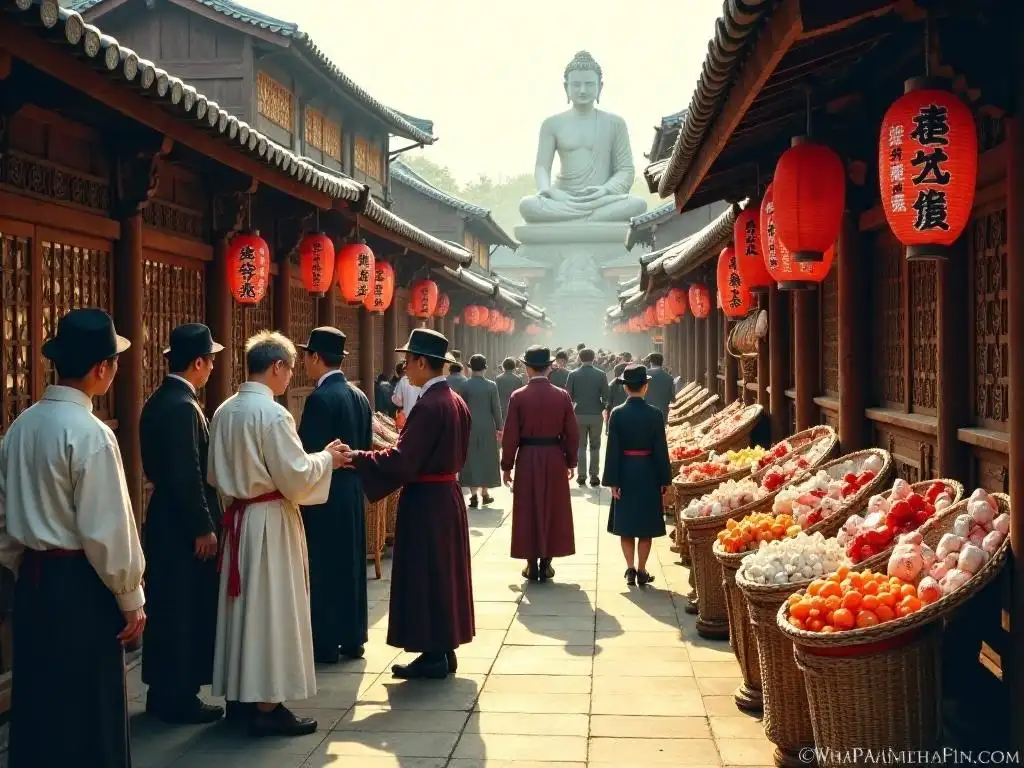
The interplay of religion and philosophy during Japan's feudal era was significantly influenced by the influx of goods and ideas from Korea and China. As trade routes opened, various cultural elements traveled alongside tangible goods, leading to profound transformations in Japanese society. The introduction of religious beliefs and philosophical frameworks through these exchanges played a pivotal role in shaping Japan's spiritual landscape and ethical considerations.
Introduction of Buddhism and Confucianism via Chinese Goods
Buddhism, which originated in India, was transmitted to Japan through China, primarily during the Asuka period (538-710 AD). Chinese merchants and monks facilitated this cultural exchange, introducing Buddhist texts, art, and rituals alongside trade goods. The arrival of Buddhism profoundly impacted Japanese spirituality, providing a structured set of beliefs and practices that emphasized compassion, meditation, and the pursuit of enlightenment.
Confucianism, another significant Chinese philosophical system, was also introduced during this period. It emphasized social harmony, moral ethics, and the importance of hierarchical relationships. The Confucian ideals of loyalty, filial piety, and respect for authority resonated with the existing Japanese societal structures, leading to the integration of Confucian values into Japanese governance and family life. This fusion enriched Japan’s ethical framework and influenced the development of its political systems.
The Role of Korean Shamanistic Practices in Japanese Spirituality
Korean shamanistic practices also played a crucial role in shaping Japanese spirituality. As Korea engaged in trade with Japan, the exchange included not only goods but also spiritual beliefs rooted in shamanism. These practices, characterized by animism and a deep reverence for nature, found their way into Japanese culture, especially in rural areas.
Shamanistic rituals and the worship of kami (spirits) became intertwined with indigenous Japanese beliefs. The incorporation of these practices allowed for a more pluralistic spiritual environment in Japan, where shamanistic rituals coexisted with Buddhism and Shintoism. This blend contributed to a rich tapestry of spiritual expression and an ongoing dialogue between different belief systems, enhancing Japan's cultural diversity.
Resistance and Adaptation: Japanese Response to Foreign Influence
Despite the positive exchanges brought by Korean and Chinese influences, Japan's response to foreign goods and ideas was not uniformly welcoming. The tension between embracing foreign culture and preserving national identity led to a complex relationship characterized by both resistance and adaptation.
Nationalism and Reactions Against Korean and Chinese Goods
As the feudal era progressed, a sense of nationalism began to emerge in Japan, particularly during periods of political upheaval. Certain factions viewed the influx of Korean and Chinese goods as a threat to Japan’s cultural integrity and social order. This sentiment was often linked to the desire to maintain a distinct Japanese identity, leading to resistance against foreign influences.
The backlash against imported goods was manifested in various ways, including the promotion of local products and the valorization of traditional Japanese craftsmanship. This resistance was not merely a rejection of foreign influence but also a rallying cry for unity and national pride, which sought to reinforce a collective Japanese identity.
The Evolution of a Unique Japanese Identity Amidst Foreign Influence
Amidst the challenges posed by foreign influences, Japan was not merely passive; instead, it actively evolved a unique cultural identity that integrated, transformed, and sometimes reinterpreted foreign elements. This dynamic process led to the development of a distinctly Japanese style in art, literature, and philosophy that drew inspiration from Korean and Chinese origins while asserting its uniqueness.
For example, the fusion of Chinese calligraphy and painting with native aesthetics gave rise to a unique Japanese art form that maintained traditional techniques yet expressed distinctly Japanese themes. Similarly, literature flourished with the adoption of Chinese characters, leading to the creation of a rich body of Japanese poetry and prose that reflected local experiences and sentiments.
Through this intricate interplay of adaptation and resistance, Japan emerged with a cultural identity that was both enriched by foreign influences and firmly rooted in its traditions, showcasing the resilience and creativity of its society.
Conclusion: The Lasting Legacy of Korean and Chinese Influence on Japan
The cultural currents that flowed from Korea and China into Japan during the feudal era have left an indelible mark on Japanese society. This influence is evident in various aspects, ranging from art and literature to philosophy and religion. The introduction of Confucianism and Buddhism, alongside aesthetic principles found in Chinese painting and Korean pottery, helped shape Japan’s cultural identity. Furthermore, the adoption of Chinese characters and the development of a unique Japanese writing system illustrate the profound impact of these foreign goods and ideas.
As Japan evolved, these influences were not merely absorbed but also adapted and transformed, resulting in a distinctive Japanese culture that simultaneously honors its roots while forging its own path. The legacy of this cultural exchange continues to resonate in modern Japan, where the appreciation of both Korean and Chinese heritage remains strong.
Summary of Key Influences on Japanese Culture
Several key influences from Korea and China significantly shaped Japanese culture during the feudal era:
- Philosophy and Religion:
- The introduction of Buddhism from Korea and the incorporation of Confucian ideals from China played a crucial role in shaping Japanese ethical and spiritual thought.
- Art and Aesthetics:
- Chinese painting techniques and Korean ceramics influenced Japanese art forms, leading to the development of unique styles such as the wabi-sabi aesthetic, which embraces imperfection and transience.
- Language and Literature:
- The adaptation of Chinese characters (kanji) into the Japanese writing system facilitated cultural exchanges and the flourishing of literature, including poetry forms like haiku.
- Technology and Agriculture:
- Agricultural techniques and tools, along with advancements in metallurgy from Korea and China, enhanced Japan’s agricultural productivity and craftsmanship.
This multifaceted cultural exchange laid the groundwork for a rich and diverse Japanese heritage that continues to thrive today.
Future Perspectives on Cultural Exchange in Japan
As Japan navigates the complexities of globalization, the historical influences of Korea and China remain relevant in contemporary cultural exchanges. The increasing interconnectivity through trade, technology, and tourism presents new opportunities for cultural dialogue.
In the future, we can expect:
- Continued Interest in Korean and Chinese Culture: The popularity of K-Pop and Chinese cinema among Japanese youth suggests a renewed interest in Korean and Chinese cultural products, which may lead to further exchanges in art and entertainment.
- Collaborative Projects: There may be more cultural collaborations in arts and education between Japan, Korea, and China, promoting mutual understanding and appreciation.
- Research and Academia: Scholars will likely continue to explore the historical impacts of Korean and Chinese influences on Japan, enriching our understanding of these interconnected histories.
These perspectives indicate that the threads of cultural exchange woven throughout history will continue to shape the fabric of Japanese society.
References
Academic References
- D. A. Hinton, The Cultural Exchange Between Japan and China during the Heian Period (Tokyo: University of Tokyo Press, 2019).
- S. K. Lee, Korean Influence on Japanese Culture: A Historical Overview (Seoul: Hanbat University Press, 2020).
- T. S. Matsui, "The Role of Trade in Shaping Japanese Culture," Journal of Asian Studies 78, no. 4 (2021): 1123-1145.
Historical Sources
- Nihon Shoki (Chronicles of Japan) - A key historical text that documents early Japanese history, including interactions with Korea and China.
- The Record of the Three Kingdoms - An ancient Chinese text providing insights into the cultural exchanges between China, Korea, and Japan.
- Archaeological findings from ancient burial sites in Japan, revealing artifacts that illustrate the influence of Korean and Chinese goods on Japanese society.
These references provide a foundation for understanding the intricate tapestry of cultural influences that have shaped Japan throughout its history.
- Introduction to Korean and Chinese Influence on Japan
- Historical Context of Korean and Chinese Goods in Japan
- Types of Goods and Their Impact on Japanese Society
- Cultural and Societal Changes Induced by Korean and Chinese Influence
- The Interplay of Religion and Philosophy Through Trade
- Resistance and Adaptation: Japanese Response to Foreign Influence
- Conclusion: The Lasting Legacy of Korean and Chinese Influence on Japan
- References
- What were the primary Korean and Chinese influences on Japanese culture during the feudal era?
- How did trade facilitate the exchange of goods between Korea, China, and Japan?
- What role did Buddhism play in the influence of Korean and Chinese cultures on Japan?
- Are there specific art forms that reflect Korean and Chinese influence in Japan?
- How did political relations between Japan, Korea, and China affect cultural exchange?
Frequently Asked Questions
What were the primary Korean and Chinese influences on Japanese culture during the feudal era?
The Korean and Chinese influences included artistic styles, religious practices, and philosophical ideas, which were integrated into Japanese society, enriching its cultural landscape.
How did trade facilitate the exchange of goods between Korea, China, and Japan?
Trade routes established during the feudal period allowed for the exchange of goods and ideas, leading to significant cultural assimilation and the introduction of new technologies.
What role did Buddhism play in the influence of Korean and Chinese cultures on Japan?
Buddhism, introduced from Korea and China, became a major religious and cultural force in Japan, significantly shaping its spiritual practices and artistic expressions.
Are there specific art forms that reflect Korean and Chinese influence in Japan?
Yes, ceramics, painting, and poetry during the feudal era show distinct stylistic elements borrowed from Korean and Chinese traditions, highlighting cultural interconnections.
How did political relations between Japan, Korea, and China affect cultural exchange?
Political relations, including alliances and conflicts, influenced the flow of goods and ideas, with diplomatic missions often bringing back cultural innovations that shaped Japanese society.
Final Reflection: Embracing Cultural Exchange in a Globalized World
The intricate relationship between Korean and Chinese goods and their influence on Japanese society is more relevant today than ever. As globalization continues to blur the lines between cultures, we witness an unprecedented exchange of ideas, values, and products that shape our daily lives. This cultural interplay not only enriches our experiences but also challenges our perceptions of identity and belonging in an interconnected world.
Cultural currents are not just historical phenomena; they are living forces that shape our social landscape. The ongoing influence of Korean and Chinese products in Japan reflects a broader trend of cultural hybridization, where traditions and modernity coexist and evolve. As we navigate this dynamic environment, we must recognize the power of these influences in fostering understanding and collaboration among nations. Culture is the widening of the mind and of the spirit.
– Jawaharlal Nehru. This quote encapsulates the essence of cultural exchange, reminding us that embracing diversity can lead to greater enlightenment and unity.
As you reflect on the themes presented in this article, consider how you can engage with and appreciate the cultural currents around you. Take a moment to explore the influences of Korean and Chinese culture in your own life, whether through food, fashion, or entertainment. By actively participating in this cultural dialogue, you contribute to a more inclusive and vibrant society. Let us celebrate the beauty of cultural exchange and strive to build bridges that connect us all in this ever-evolving global landscape.
Embrace the Global Influence – Take Action Today!
Thank you for joining us in exploring the fascinating interplay of Korean and Chinese goods within Japanese society! Your interest not only highlights the rich tapestry of cultural exchange but also empowers you to engage with these themes more deeply.
Now, let’s put that knowledge into action:
- Dive deeper: Visit local museums or cultural centers that showcase East Asian history and artifacts to enrich your understanding.
- Share your insights: Discuss what you’ve learned with friends or on social media to spark conversations about cultural exchange.
- Expand your horizons: Consider trying out traditional Korean or Chinese recipes at home to enhance your firsthand experience of these cultures.
What aspect of cultural exchange resonates most with you, and how do you plan to engage further with this rich history? Your thoughts could inspire others!