
Maritime Exchanges: The Role of Japanese Merchants in East Asian Trade

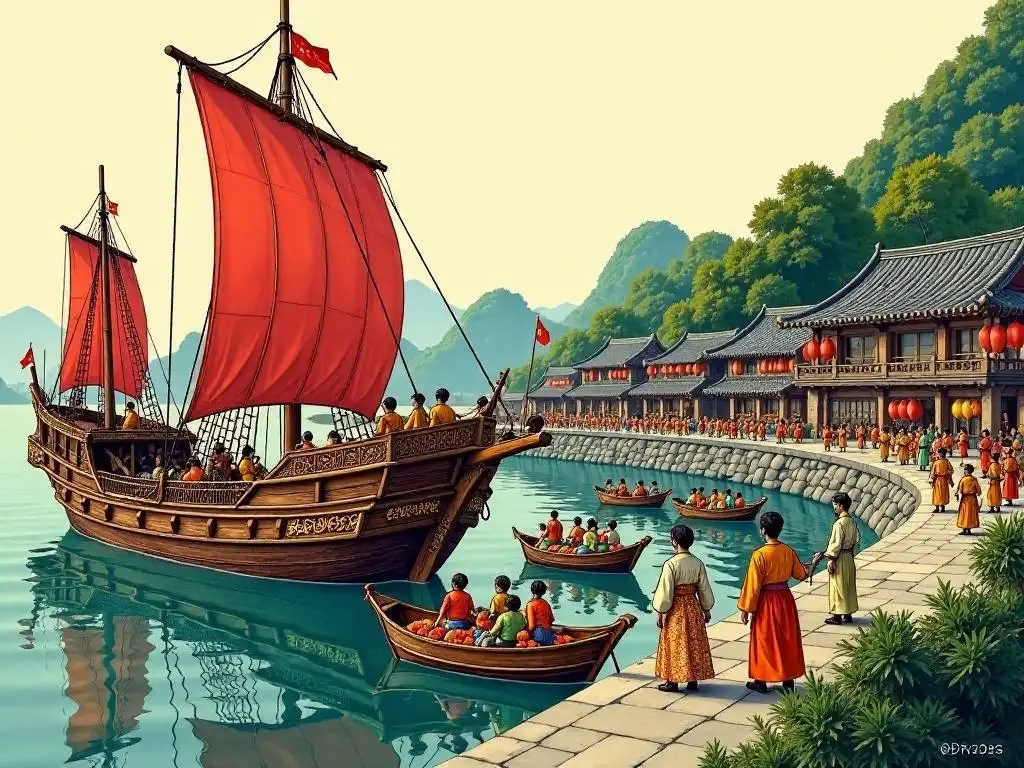
Welcome to Feudal Japan History, where the intricate tapestry of Japan’s feudal era unfolds before your eyes. Here, we delve into the rich cultural, historical, and societal aspects that shaped this remarkable period. Today, we invite you to embark on a fascinating journey through our featured article, "Maritime Exchanges: The Role of Japanese Merchants in East Asian Trade."
Discover how these enterprising merchants navigated the bustling waters of trade, forging connections that transcended borders and cultures. What secrets lie within their exchanges? Join us as we uncover the pivotal role they played in shaping foreign relations during a time of dynamic change.
Introduction to Japanese Merchants in East Asian Trade
The feudal era of Japan is a fascinating period marked by intricate social hierarchies, cultural developments, and significant economic exchanges. Among the pivotal players in this historical narrative are Japanese merchants, whose contributions to East Asian trade were crucial in establishing and enhancing trade networks with neighboring countries, particularly Korea and China. This article delves into the multifaceted roles these merchants played, exploring their activities, the trade dynamics of the time, and the broader implications of their exchanges for Japan's economy and cultural landscape.
Overview of East Asian Trade Networks
The East Asian trade networks were robust systems that fostered economic interconnectivity among various nations, including Japan, Korea, and China. These networks were characterized by:
- Trade Routes: Key maritime routes that facilitated the exchange of goods, ideas, and culture.
- Goods Traded: A variety of items including silk, ceramics, spices, and agricultural products.
- Cultural Exchanges: The movement of not only goods but also cultural practices and technologies.
Japanese merchants, particularly during the Muromachi (1336-1573) and Edo periods (1603-1868), were instrumental in these networks, navigating through complex political landscapes to establish trade relations.
Importance of Maritime Exchanges in Feudal Japan
Maritime exchanges were not merely economic activities; they played a critical role in shaping Japan's feudal society. The significance of these exchanges can be summarized as follows:
- Economic Growth: Increased trade contributed to the wealth of merchant classes, bolstering local economies and enhancing overall prosperity.
- Cultural Influences: The influx of foreign goods and ideas led to innovations in Japanese culture, art, and technology.
- Political Relations: Trade helped to forge diplomatic ties, influencing Japan's foreign policy and interactions with neighboring states.
Historical Context of Japanese Merchants
To fully appreciate the role of Japanese merchants in East Asian trade, it is essential to understand the historical context that shaped their activities. This includes the evolution of trade relations, which were influenced by both domestic and international factors.
The Evolution of Trade Relations with Korea and China
The evolution of trade relations between Japan, Korea, and China can be divided into several key phases:
- Early Contact (Pre-12th Century): Initial exchanges were limited and often informal, involving small-scale trade and cultural interactions.
- Increased Trade (12th to 16th Century): As political stability emerged, particularly during the Kamakura and Muromachi periods, trade began to flourish. Japanese merchants established regular voyages to Korea and China, bringing back valuable commodities.
- Edo Period (1603-1868): With the establishment of a more structured trade system, Japanese merchants became vital in exporting Japanese goods to Korea and China while importing foreign products.
Key Periods of Trade Activity in Feudal Japan
Several key periods stand out in the history of Japanese maritime trade:
- The Kamakura Period (1185-1333): Marked the beginning of organized maritime trade, with merchants establishing routes to Korea and China.
- The Muromachi Period (1336-1573): A significant increase in trade activities, driven by the rise of powerful merchant families.
- The Edo Period (1603-1868): The Tokugawa shogunate's policies led to an unprecedented expansion of maritime trade, with Japanese merchants becoming prominent figures in the East Asian trade networks.
Through these periods, the resilience and adaptability of Japanese merchants paved the way for Japan to become a significant player in East Asian commerce, shaping not only its economy but also its cultural identity.
Types of Goods Traded by Japanese Merchants
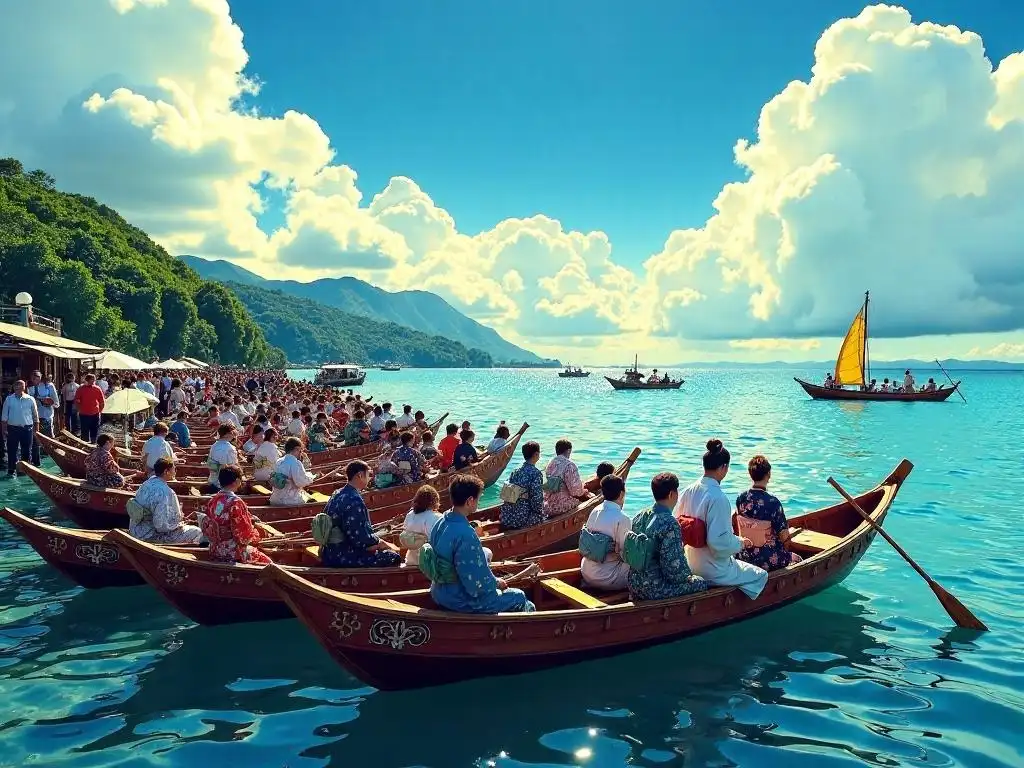
Japanese merchants played a pivotal role in the maritime exchanges of East Asia, significantly shaping trade dynamics through the export of various goods. The types of goods traded were diverse, reflecting Japan's rich agricultural heritage and intricate craftsmanship. Key categories included agricultural products, handcrafted artifacts, and precious metals, each contributing uniquely to the trade network that connected Japan with neighboring regions like Korea and China.
Agricultural Products and Their Role in Trade
Agricultural products were among the primary exports of Japanese merchants. Notably, rice, considered Japan's staple food, was not only crucial for domestic consumption but also served as a valuable trade commodity. Other significant agricultural exports included:
- Tea: Japan's tea, especially matcha, gained popularity in China and Korea, leading to a burgeoning trade.
- Silk: While Japan was not the only producer, its silk was highly sought after due to its quality.
- Fruits and Vegetables: Unique varieties, such as citrus fruits, were traded to enhance the diets of neighboring regions.
The export of these agricultural products facilitated cultural exchanges and fostered economic interdependence among East Asian countries. They were not merely goods but also symbols of Japanese culture and local traditions, which merchants often shared with their trading partners.
Crafts and Artifacts: A Cultural Exchange
Japanese craftsmanship was highly regarded throughout East Asia, with merchants transporting a wide range of artifacts that reflected the intricate artistry of Japanese culture. These included:
- Ceramics: Japanese pottery, especially from regions like Arita and Imari, was prized for its beauty and quality.
- Textiles: Kimono fabrics featuring elaborate designs made their way to China and Korea, influencing local fashions.
- Woodblock Prints: These prints introduced Japanese aesthetics to the broader East Asian art scene, leading to a cultural dialogue through visual arts.
The exchange of crafts and artifacts was not just about trade; it was a means of cultural diplomacy that deepened relationships between Japan and its neighbors, fostering a mutual appreciation for each other’s creative expressions.
The Significance of Silver and Gold in Trade
Silver and gold played a critical role in the economic interactions of Japanese merchants with East Asian countries. Historically, Japan was rich in silver mines, particularly in regions such as Sado Island and the Iwami region. The significance of these precious metals in trade can be summarized as follows:
- Currency for Trade: Silver was used as a medium of exchange, facilitating smoother transactions with Chinese and Korean merchants who preferred silver over barter.
- Wealth Accumulation: The export of silver helped Japanese merchants accumulate wealth, which they reinvested into their trading activities, creating a cycle of economic growth.
- Influence on Trade Relations: The demand for silver in China, particularly during the Ming and Qing dynasties, made Japan a key player in regional trade networks, altering power dynamics within East Asia.
The trade of silver and gold not only enriched individual merchants but also contributed to the broader economic landscape of East Asia, impacting trade routes and relationships.
The Role of Japanese Merchants in East Asian Trade Dynamics
Japanese merchants were integral to the trade dynamics of East Asia, serving as intermediaries who facilitated exchanges between Japan and its neighbors. Their strategic positioning allowed them to influence regional trade patterns significantly, adapting to changing economic landscapes and fostering relationships that extended beyond mere commerce.
Influence of Japanese Merchants on Regional Trade Patterns
The activities of Japanese merchants were pivotal in shaping regional trade patterns. By establishing trade routes and networks, they connected Japan with the vast markets of China and Korea. Key influences included:
- Establishment of Trading Posts: Merchants set up trading posts in strategic locations, allowing for efficient exchanges and serving as hubs of commerce.
- Cultural Integration: The presence of Japanese merchants encouraged cultural integration, as they not only traded goods but also ideas and practices, influencing local customs and trade methods.
- Responsive Trading Strategies: Japanese merchants adapted their trading strategies based on demand fluctuations in neighboring regions, ensuring that they remained relevant and competitive in the dynamic market.
These influences helped create a vibrant trade environment in East Asia, where merchants from different countries interacted and collaborated, shaping the economic landscape of the region.
Contributions to Economic Development in East Asia
The contributions of Japanese merchants to economic development in East Asia were multifaceted. They not only stimulated local economies through trade but also played a crucial role in the broader economic integration of the region. Key contributions included:
- Economic Growth: The influx of goods and precious metals from Japan contributed to economic growth in regional markets, enhancing prosperity in areas like Korea and China.
- Technological Exchange: Japanese merchants facilitated the exchange of technologies and methods, particularly in agriculture and craftsmanship, which improved production techniques in neighboring regions.
- Employment Opportunities: The expansion of trade networks created jobs in various sectors, from shipping to local markets, thus enhancing livelihoods and contributing to social stability.
Overall, the role of Japanese merchants in East Asian trade was instrumental in fostering economic development, cultural exchanges, and regional cooperation, laying the groundwork for the interconnected economies that define the region today.
The successful engagement of Japanese merchants in East Asian trade during the feudal era was heavily reliant on their advanced navigation and maritime techniques. These skills allowed them to traverse the often tumultuous waters of the East China Sea, facilitating trade with neighboring countries such as Korea and China. The combination of shipbuilding innovations and astute navigation methods was pivotal in establishing Japan as a significant player in regional trade networks.
Shipbuilding Innovations in Feudal Japan
During the feudal period, Japanese shipbuilding witnessed remarkable advancements that greatly enhanced maritime trade capabilities. The introduction of the "atakebune," a type of flat-bottomed cargo ship, allowed for greater stability and capacity in transportation. These ships were designed to navigate shallow coastal waters, which was crucial for accessing various ports across East Asia.
Additionally, the use of "sakura" sails—triangular sails that improved wind efficiency—enabled ships to travel faster and more efficiently. The craftsmanship involved in constructing these vessels included the use of durable wood, such as Japanese cedar, which contributed to the longevity and seaworthiness of the ships. As a result, Japanese merchants could transport larger quantities of goods, including rice, textiles, and pottery, fostering increased trade relations with their East Asian counterparts.
Navigation Methods Employed by Japanese Traders
Japanese merchants adopted various navigation methods that demonstrated their adeptness at sea travel. One significant technique was the use of stellar navigation, where sailors relied on the stars to determine their position at sea. By observing celestial bodies, they could plot their course and calculate their latitude, which was essential for long voyages.
In addition to stellar navigation, Japanese traders utilized coastal navigation techniques. This involved closely following the coastline to maintain orientation and avoid hazards. Merchants often kept detailed logs of coastal landmarks and currents, which facilitated safer passage along well-known routes. Furthermore, the integration of compasses in later periods enhanced their navigational accuracy, allowing for more ambitious trade expeditions across broader waters.
Challenges Faced by Japanese Merchants in East Asian Trade
Despite their maritime prowess, Japanese merchants encountered several challenges in the competitive landscape of East Asian trade. These obstacles stemmed from political tensions, social dynamics, and fierce competition from established traders in the region.
Political and Social Obstacles
Political instability and fluctuating relations with neighboring countries posed significant challenges for Japanese merchants. Various periods of conflict, such as the Sengoku period, saw frequent wars and territorial disputes that disrupted trade routes and diminished commercial opportunities. Additionally, changing political landscapes often led to shifting trade policies, which could restrict Japanese merchants' access to foreign markets.
Socially, Japanese merchants faced stigmas associated with their profession. During certain periods, the samurai class held a dominant position in society, and trade was sometimes viewed as a less noble pursuit compared to agricultural or warrior pursuits. This perception could limit the influence and mobility of merchants within society, making it challenging to cultivate relationships with powerful political figures who could facilitate trade.
Competition with Chinese and Korean Merchants
The competitive landscape of East Asian trade was largely dominated by well-established Chinese and Korean merchants. These traders had deep-rooted networks and significant advantages in terms of local knowledge and established trading routes. For example, Chinese merchants benefited from a vast internal market and sophisticated trade practices, while Korean traders had strategic access to the Korean Peninsula's resources and markets.
To compete, Japanese merchants often had to adopt innovative strategies, such as offering unique goods that were not readily available from their competitors. They also engaged in barter trade to establish favorable terms, forming alliances with local traders to bypass competitive disadvantages. Nevertheless, the ongoing rivalry with Chinese and Korean merchants shaped the evolution of Japanese trade practices, pushing them to continually adapt and innovate in order to maintain their foothold in regional commerce.
Case Studies of Notable Japanese Merchants
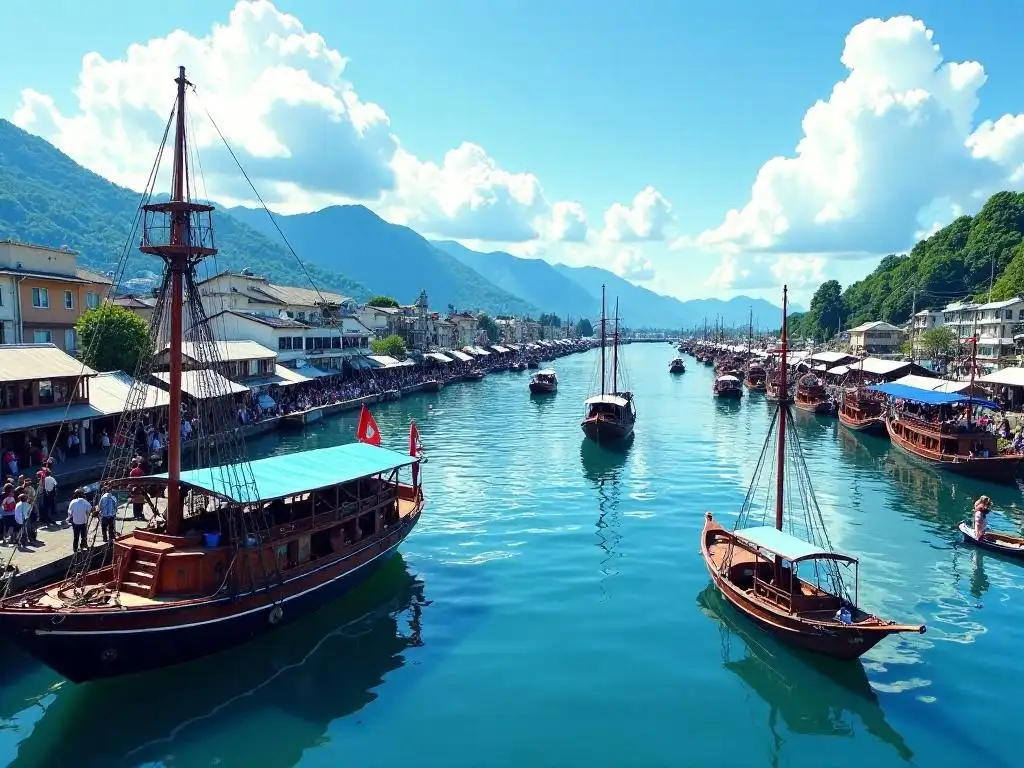
Throughout the feudal era, Japanese merchants played pivotal roles in shaping East Asian trade dynamics. Their endeavors not only facilitated economic transactions but also fostered cultural exchanges that enriched the societies involved. Several notable figures exemplify the influence of Japanese merchants, showcasing their significance in the broader context of trade with neighboring countries, particularly Korea and China.
Example of Matsura Takanobu and Their Trade Impact
Matsura Takanobu, a prominent merchant from Hirado, became a key player in the maritime trade of the 16th century. His strategic positioning allowed him to act as a vital intermediary between Japan and the Asian mainland. Matsura established significant trading routes with China, particularly through the port of Ningbo, where he engaged in the exchange of goods such as silver, silk, and ceramics.
Matsura's influence extended beyond mere commerce; he played a crucial role in fostering diplomatic relations. By building strong ties with Chinese merchants and officials, Matsura enhanced Japan's reputation in the region, allowing for a more robust and sustainable trading environment. His legacy illustrates how individual merchants could impact international relations, facilitating a flow of goods and cultural ideas that benefited both Japan and its trading partners.
Contributions of Yanagisawa Yoshiyasu to East Asian Trade Relations
Yanagisawa Yoshiyasu, another significant figure in the realm of Japanese trade, was instrumental during the Edo period. As a merchant and diplomat, his efforts were pivotal in enhancing trade relations between Japan and Korea. Yanagisawa's ventures were not limited to the import and export of goods; he actively participated in negotiating trade agreements that favored Japanese merchants.
His contributions included the establishment of trade routes that ensured the safe passage of goods, such as rice, textiles, and pottery. Additionally, Yanagisawa helped facilitate the exchange of cultural practices and ideas, leading to a mutual understanding between Japanese and Korean societies. His work exemplifies the dual role of merchants as both economic agents and cultural ambassadors, showcasing how trade relationships could flourish through diplomatic efforts.
Cultural Exchanges Facilitated by Trade
The trade activities of Japanese merchants in East Asia were not solely focused on economic gain. They also acted as conduits for cultural exchanges, allowing for a rich interplay of ideas, art, and customs between Japan and its neighbors. This cultural diffusion was as significant as the material exchanges, profoundly impacting the societies involved.
Spread of Japanese Culture Through Trade
As Japanese merchants traveled to China and Korea, they carried with them elements of Japanese culture, including art, literature, and social practices. The introduction of Japanese pottery and textiles in these regions was particularly influential, as these goods were highly sought after for their quality and craftsmanship. Furthermore, merchants often served as informal ambassadors, sharing stories and traditions that enriched the cultural fabric of their trading partners.
This cultural exchange was reciprocal; as Japanese merchants absorbed influences from Chinese and Korean cultures, they integrated these elements into their own practices. The exchange of ideas regarding governance, philosophy, and art led to a more cosmopolitan society in Japan, where diverse cultural influences began to shape its development.
Influence of Korean and Chinese Cultures on Japan
The impact of Korean and Chinese cultures on Japan, facilitated by the interactions of Japanese merchants, was profound. From the introduction of Confucian ideals, which reshaped social hierarchies and governance in Japan, to the influence of Chinese literature and philosophy, the exchanges were transformative. Merchants played a crucial role in this process, acting as intermediaries who not only traded goods but also shared knowledge and cultural practices.
For instance, the adoption of Chinese characters (kanji) in the Japanese writing system is a direct outcome of cultural exchanges during trade. Similarly, the influence of Korean pottery techniques and design aesthetics can be seen in the evolution of Japanese ceramics. These cultural exchanges highlight the interconnectedness of East Asian societies during the feudal era and underscore the vital role that trade played in shaping cultural landscapes.
Conclusion: Legacy of Japanese Merchants in East Asian Trade
The legacy of Japanese merchants in East Asian trade is profound, shaping not only the economic landscape of the time but also influencing cultural exchanges and diplomatic relations. Throughout the feudal era, these merchants acted as vital conduits between Japan and neighboring regions, particularly Korea and China. Their activities laid the groundwork for future economic interactions and established a framework for maritime trade that would persist well into modern times. By fostering relationships through trade, they contributed to the development of a unique East Asian identity that blended various cultural influences.
The networks established by Japanese merchants also had a significant impact on the evolution of trade practices. They introduced new commodities, technologies, and ideas that transformed local economies. The legacy of their pioneering spirit and adaptability continues to resonate in contemporary trade practices, highlighting the importance of collaboration and mutual benefit in international commerce.
Lasting Impact on Modern Trade Relations in East Asia
The influence of Japanese merchants extends into the present, as their historical trade routes and practices have evolved into modern trade relations in East Asia. Today, Japan remains a crucial player in regional trade, with established partnerships that echo the cooperative spirit of the past. The economic frameworks created during the feudal era serve as a foundation for current trade agreements, including those between Japan, South Korea, and China.
Furthermore, the cultural exchanges initiated by these merchants have fostered a rich tapestry of shared traditions and values that continue to influence East Asian societies. The legacy of their interactions can be seen in the region's modern economic collaborations, where mutual respect and understanding are paramount. This historical context allows for a deeper appreciation of contemporary trade dynamics and highlights the enduring significance of Japanese merchants in shaping the economic landscape of East Asia.
Reflection on the Historical Role of Japanese Merchants
Reflecting on the historical role of Japanese merchants reveals a complex interplay of commerce, culture, and diplomacy. These merchants were not merely traders; they were cultural ambassadors who facilitated the exchange of ideas and practices. Their ability to navigate diverse cultural landscapes allowed them to build trust and foster relationships that transcended national boundaries.
The experiences of Japanese merchants also illuminate the broader historical narrative of East Asia, where trade was often intertwined with political and social developments. By examining their contributions, we gain insights into the evolution of regional interactions and the ways in which commerce can serve as a vehicle for peace and collaboration. This reflection underscores the importance of recognizing the contributions of these merchants in understanding the rich tapestry of East Asian history.
References and Further Reading on Japanese Merchants in East Asian Trade
Suggested Books and Articles
- "The History of Japanese Trade: From Feudalism to Globalization": by [Author Name]: This book provides a comprehensive overview of the evolution of trade practices in Japan and their impact on East Asia.
- "Merchants and Cultural Exchange: Japanese Trade with China and Korea": by [Author Name]: A detailed exploration of the specific interactions between Japanese merchants and their counterparts in neighboring countries.
- "Crossroads of Culture: Maritime Trade in East Asia": by [Author Name]: This article delves into the cultural implications of trade and how it shaped regional identities.
Online Resources for Further Exploration
- National Museum of Japanese History: An online repository of resources related to Japan's historical trade practices and maritime history.
- The Asia-Pacific Journal: A platform that publishes scholarly articles on various aspects of East Asian history, including trade.
- Japan National Tourism Organization: Offers insights on historical trade routes and their significance in contemporary tourism and cultural exchanges.
These resources provide a gateway for readers interested in delving deeper into the fascinating world of Japanese merchants in East Asian trade, enriching their understanding of this pivotal aspect of history.
- Introduction to Japanese Merchants in East Asian Trade
- Overview of East Asian Trade Networks
- Importance of Maritime Exchanges in Feudal Japan
- Historical Context of Japanese Merchants
- Types of Goods Traded by Japanese Merchants
- The Role of Japanese Merchants in East Asian Trade Dynamics
- Navigation and Maritime Techniques Used by Japanese Merchants
- Challenges Faced by Japanese Merchants in East Asian Trade
- Case Studies of Notable Japanese Merchants
- Cultural Exchanges Facilitated by Trade
- Conclusion: Legacy of Japanese Merchants in East Asian Trade
- References and Further Reading on Japanese Merchants in East Asian Trade
- What was the role of Japanese merchants in East Asian trade?
- How did feudal Japan impact maritime trade?
- What types of goods did Japanese merchants trade in East Asia?
- How did cultural exchanges occur through trade in feudal Japan?
- What were the challenges faced by Japanese merchants during this period?
Frequently Asked Questions
What was the role of Japanese merchants in East Asian trade?
Japanese merchants played a crucial role in facilitating trade interactions between Japan and other East Asian countries, contributing to the exchange of goods, culture, and ideas.
How did feudal Japan impact maritime trade?
During feudal Japan, the political structure and regional rivalries influenced maritime trade routes, leading to the emergence of merchant classes that specialized in overseas trade.
What types of goods did Japanese merchants trade in East Asia?
Japanese merchants primarily traded silks, ceramics, and rice, along with unique Japanese products such as swords and lacquerware, which were highly valued in East Asian markets.
How did cultural exchanges occur through trade in feudal Japan?
Trade facilitated cultural exchanges by introducing new ideas, technologies, and customs between Japan and its East Asian neighbors, enriching the cultural landscape of feudal society.
What were the challenges faced by Japanese merchants during this period?
Japanese merchants faced challenges such as political instability, piracy, and strict regulations imposed by feudal lords, which often hindered their ability to trade freely across East Asia.
Final Reflection: The Enduring Legacy of Japanese Merchants in East Asian Trade
The influence of Japanese merchants in East Asian trade is not just a historical footnote; it is a vibrant thread woven into the fabric of modern commerce. As we navigate an increasingly interconnected world, the lessons learned from these early maritime exchanges remind us of the importance of cultural collaboration and economic interdependence. The ability of Japanese merchants to adapt, innovate, and thrive in diverse environments speaks volumes about the potential for trade to bridge divides and foster mutual understanding.
The cultural and social landscapes shaped by these merchants continue to resonate today. Their pioneering spirit and strategic acumen have laid the groundwork for contemporary trade practices, highlighting the significance of relationships built on trust and respect. As we reflect on their contributions, we are reminded of the words of the renowned historian, “Trade is not merely an exchange of goods; it is an exchange of ideas and cultures.” > This sentiment underscores the ongoing relevance of the maritime exchanges that defined an era and continue to influence our global economy.
As we look to the future, let us embrace the lessons of the past and recognize the power of trade as a vehicle for connection and growth. I invite you to reflect on how the legacy of Japanese merchants can inspire your own interactions in today's global marketplace.
Whether through fostering partnerships, embracing cultural diversity, or advocating for sustainable practices, each of us has a role to play in continuing the tradition of collaboration that these merchants exemplified. Together, we can build a future that honors the rich history of maritime exchanges while paving the way for new opportunities and shared prosperity.
Embrace the Legacy: Unlock the Secrets of Maritime Trade!
Thank you for diving into the fascinating world of Japanese merchants and their pivotal role in East Asian trade! Your interest in this rich history serves as a reminder of the interconnectedness of cultures and economies. Now, let’s take meaningful steps to explore and engage with this legacy further.
- Dive deeper into this history: Research a specific Japanese merchant from the period and uncover their story. You may be surprised by the significant impact one individual can have on global trade!
- Join the conversation: Share your thoughts on Japanese maritime trade with fellow enthusiasts in our community forum. Your insights could inspire others!
- Spread the knowledge: Share this article on your social media platforms to keep the dialogue alive. Who knows? You might spark interest in someone else!
What aspects of Japanese maritime trade intrigue you the most, and how do you think they resonate with today's global commerce?