
The Politics of Seclusion: Power Struggles within the Tokugawa Shogunate

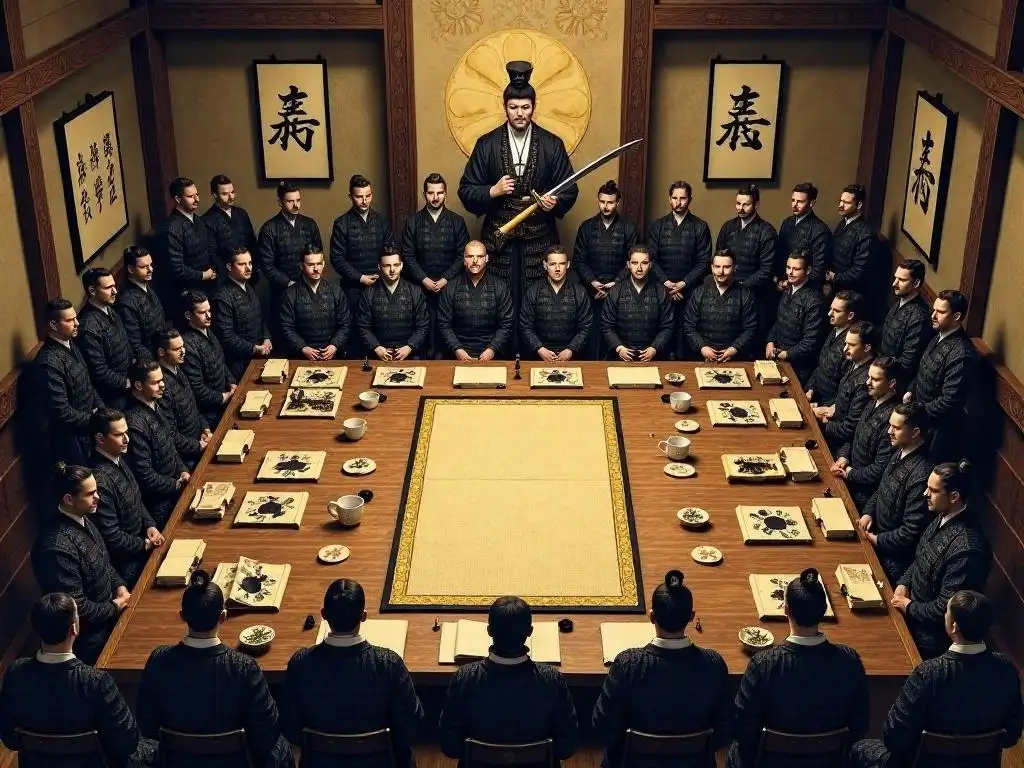
Welcome to Feudal Japan History, where we embark on a fascinating journey through the intricate tapestry of Japan's feudal era. In this corner of history, the Tokugawa Shogunate power struggles serve as a captivating lens through which we can explore the delicate balance of authority, intrigue, and isolation that defined a nation. What forces shaped these power dynamics, and how did they influence foreign relations? Join us as we delve deeper into the politics of seclusion and uncover the secrets that lie within this pivotal period. Your exploration starts here!
Introduction to the Tokugawa Shogunate
The Tokugawa Shogunate, also known as the Edo period, was a pivotal era in Japanese history that lasted from 1603 to 1868. This period is characterized by a unique political structure where the Tokugawa family held power over Japan, implementing a centralized feudal system that fostered stability yet bred underlying tensions.
The political dynamics within this regime were complex and often marked by power struggles that played a significant role in shaping Japan's isolationist policies. Understanding these Tokugawa Shogunate power struggles is crucial for comprehending how Japan navigated its relationships both internally and externally, leading to a prolonged period of seclusion from the global stage.
Overview of the Tokugawa Era
The Tokugawa era is often viewed as a time of peace and cultural flourishing, yet it was also a period rife with political maneuvering and social stratification. The shogunate established a rigid class system that defined social roles and responsibilities, from the elite samurai to the common farmers.
While the initial years under Tokugawa Ieyasu brought stability after centuries of warfare, the power dynamics within the shogunate and among the daimyō (feudal lords) led to intricate conflicts and rivalries. These internal struggles were not merely about power; they were deeply interwoven with Japan's response to foreign influences, ultimately leading to the country’s isolationist stance.
Key Figures in the Tokugawa Shogunate
Several key figures were instrumental in shaping the Tokugawa Shogunate and its policies:
- Tokugawa Ieyasu: The founder of the shogunate, Ieyasu's strategic alliances and military prowess set the groundwork for the Tokugawa regime.
- Tokugawa Iemitsu: The third shōgun, Iemitsu is known for enforcing the sakoku (closed country) policy, which further entrenched Japan's isolationist stance.
- Daimyō: Various daimyō played significant roles in the feudal hierarchy, with their allegiances and rivalries influencing the shogunate's internal politics.
These figures, among others, navigated the turbulent waters of power and influence, shaping the course of Japan's history during this era.
Understanding the Concept of Seclusion
The concept of seclusion during the Tokugawa period was not merely a reaction to external threats but a deliberate policy aimed at consolidating power and maintaining social order.
Definition of Isolationist Policies in Feudal Japan
Isolationist policies in Feudal Japan, particularly during the Tokugawa era, refer to the strategies employed by the shogunate to limit foreign influence and control domestic affairs. This included:
- Restriction on Foreign Trade: Only select ports, like Nagasaki, were open for trade, and only with specific countries, primarily the Dutch and Chinese.
- Control of Christianity: The shogunate viewed Christianity as a threat to its authority, leading to the persecution of Christians and the prohibition of foreign missionaries.
- Cultural Preservation: By minimizing foreign interactions, the Tokugawa Shogunate aimed to preserve Japanese culture and societal norms.
These policies were critical in shaping Japan’s unique identity during a time when many nations were embracing globalization.
Historical Context of Japan's Isolationism
Japan's isolationism can be traced back to various historical factors, including:
- The Sengoku Period: The preceding era of civil strife heightened the shogunate's desire for control and stability.
- European Encroachment: Increasing European presence and the threat of colonialism prompted the shogunate to adopt isolationist measures.
- Cultural Identity: A strong sense of national identity fueled the desire to protect Japanese culture from foreign influence, leading to a self-imposed seclusion.
The intertwining of these elements created a unique environment where power struggles within the Tokugawa Shogunate not only shaped its policies but also defined Japan's position in the world for centuries to come.
The Dynamics of Power Struggles in the Tokugawa Shogunate
The Tokugawa Shogunate, established in 1603, was characterized by a complex web of power dynamics that shaped its governance and societal structure. Central to these dynamics were the ongoing power struggles between the shogunate and various regional powers, particularly the daimyo. The shogunate aimed to consolidate power and maintain stability through strict control and isolationist policies, yet faced constant challenges from rival factions and local lords.
The interplay between authority and rebellion was prevalent as the Tokugawa sought to implement their rule over the diverse and often autonomous domains. The balance of power was delicate; while the shogunate had ultimate authority, the loyalty of the daimyo was crucial for maintaining order. This resulted in a political landscape marked by shifting alliances, betrayals, and a constant undercurrent of dissent among the samurai and their lords.
Internal Conflicts: Daimyo vs. Shogunate Authority
The relationship between the daimyo and the shogunate was fraught with tension, as regional lords often sought to expand their own power at the expense of the central authority. The Tokugawa implemented various strategies to exert control over the daimyo, including the sankin-kōtai system, which required daimyo to reside in Edo every other year, effectively keeping their families as hostages to ensure compliance. However, this did not eliminate internal conflicts; many daimyo retained significant autonomy and often engaged in political maneuvering to assert their influence.
Regional conflicts erupted as some daimyo formed coalitions against perceived injustices or power overreach by the shogunate. These internal power struggles sometimes escalated into open rebellion, challenging the shogunate's authority and creating a climate of instability. The ability of the Tokugawa to navigate these conflicts was crucial to their longevity, but it also highlighted the inherent vulnerabilities in their rule.
The Role of the Samurai Class in Power Struggles
The samurai class played a pivotal role in the power struggles of the Tokugawa era. As the military elite, samurai were both enforcers of the shogunate's will and potential adversaries. They were deeply integrated into the political fabric, often serving as retainers for the daimyo and wielding significant influence in local governance. However, their loyalty was not guaranteed; many samurai were disillusioned by the socioeconomic stagnation that followed the establishment of the Tokugawa regime.
As the shogunate's policies increasingly favored a merchant class and suppressed the traditional warrior lifestyle, discontent among samurai grew. This discontent sometimes manifested in uprisings and challenges to the shogunate's authority, reflecting the complex loyalties and ambitions that defined the samurai's role in Japanese society. Their participation in power struggles not only influenced the political landscape but also contributed to the eventual decline of the Tokugawa Shogunate.
Influence of the Imperial Court on Tokugawa Politics
Though the Tokugawa Shogunate held military power, the Imperial Court in Kyoto maintained a symbolic significance that influenced political dynamics. The emperors, while largely relegated to ceremonial roles, were seen as the legitimate rulers of Japan, and their endorsement was crucial for the shogunate's authority. The shogunate often sought to manipulate this relationship, using the court to legitimize its power while simultaneously keeping it at bay.
Political maneuvering between the shogunate and the Imperial Court included the granting of titles and honors, which were strategic tools to placate the court and reinforce the shogunate's legitimacy. However, this relationship was not without contention; the court's desire for greater autonomy and influence over governance often clashed with the shogunate's need for control. This tension contributed to the broader power struggles within the Tokugawa political landscape, as both entities jockeyed for dominance.
Major Events that Shaped Power Struggles
The history of the Tokugawa Shogunate is marked by various significant events that profoundly influenced power dynamics. These events not only showcased the struggles for power but also highlighted the fragility of the shogunate's authority amid internal and external pressures.
The Sekigahara Battle and Its Aftermath
The Battle of Sekigahara in 1600 was a pivotal moment that established the Tokugawa Shogunate's dominance over Japan. This decisive conflict saw Tokugawa Ieyasu defeat a coalition of daimyo opposed to his rule, effectively unifying Japan under his control. The aftermath of Sekigahara solidified the Tokugawa's power, yet it also sowed the seeds for future struggles, as defeated lords bore resentment and sought opportunities for revenge or rebellion.
The victory at Sekigahara allowed Ieyasu to implement his vision of a centralized government, but the alliances formed during the battle were tenuous. The shogunate's reliance on coercion and diplomacy to maintain power created an environment ripe for future conflicts, as discontent simmered among those who felt marginalized or wronged by the new order.
The Role of the Sankin-kōtai System in Power Dynamics
The sankin-kōtai system, instituted by the Tokugawa, was a crucial mechanism in managing the daimyo and limiting their power. By requiring regional lords to alternate their residence between their domains and Edo, the shogunate effectively curtailed the daimyo's ability to plot against it. This system not only served to keep the daimyo in check but also fostered a culture of loyalty and dependency on the shogunate.
However, while the sankin-kōtai system succeeded in maintaining control, it also had unintended consequences. The economic burden of maintaining two residences strained the daimyo, leading to dissatisfaction. Furthermore, the frequent movements to Edo allowed for the exchange of ideas and alliances among daimyo, which could sometimes lead to conspiracies against the shogunate itself.
Key Rebellions and Their Impact on Governance
Throughout the Tokugawa era, several rebellions challenged the shogunate's authority and highlighted the inherent tensions within Japanese society. Notable uprisings, such as the Shimabara Rebellion in 1637-1638, were fueled by discontent with taxation and social injustice. This particular rebellion, primarily involving Christian peasants, resulted in a brutal crackdown that reinforced the shogunate's commitment to suppress dissent and maintain order.
These rebellions had significant implications for Tokugawa governance. Each uprising prompted the shogunate to tighten control over its domains and implement more stringent regulations. The fear of rebellion led to increased surveillance and repression of dissent, further entrenching the isolationist policies that defined the era. In this way, the power struggles within the Tokugawa Shogunate were not just about authority but also about the very nature of Japanese society and governance during a time of significant change.
The Impact of Foreign Relations on Tokugawa Power Struggles
The Tokugawa Shogunate, established in 1603, was characterized by its strict isolationist policies known as "sakoku," which lasted for over two centuries. These policies aimed to minimize foreign influence and maintain stability within Japan. However, foreign relations significantly impacted the internal power struggles of the shogunate, creating a complex dynamic between maintaining isolation and addressing external pressures. The limited engagement with foreign powers led to various challenges, as the shogunate had to navigate threats from Western nations and internal factions that sought to modernize Japan.
The shogunate's attempt to control foreign trade and interactions often resulted in tension with daimyos (feudal lords) who had their own interests in foreign relations. Some daimyos recognized the potential benefits of engaging with foreign powers, leading to disagreements over policy and strategy. The shogunate's rigid stance on isolationism was increasingly challenged by these factions, who argued for a more open approach to international relations, highlighting the delicate balance between preserving power and adapting to an evolving world.
Western Influence and the Challenge to Isolationism
As Western powers began to expand their influence in Asia during the 19th century, the Tokugawa Shogunate faced mounting pressure to adapt its isolationist policies. The arrival of European traders and missionaries, particularly from the Netherlands and Portugal, introduced new ideas and technologies to Japan. While the shogunate managed to restrict these influences through strict regulations, internal factions, including merchants and progressive daimyos, began advocating for increased trade and diplomatic relations with the West.
This growing desire for engagement with foreign powers posed a direct challenge to the shogunate's authority. The emergence of pro-Western factions within the samurai class threatened the established order, as they sought to modernize Japan's military and economy to compete with Western nations. The ideological rift between isolationists and proponents of foreign relations deepened the power struggles within the Tokugawa government, as factions vied for control over Japan's future direction.
The Arrival of Commodore Perry and Its Consequences
The pivotal moment in the Tokugawa Shogunate's foreign relations came with the arrival of Commodore Matthew Perry in 1853. His expedition, backed by the United States government, aimed to establish diplomatic relations and open Japan to American trade. Perry's show of military strength, including the display of naval power, forced the shogunate to confront the reality of its isolationist policies.
The subsequent signing of the Treaty of Kanagawa in 1854 marked a significant turning point. It opened Japanese ports to American vessels and set a precedent for other Western nations to demand similar concessions. The treaty sparked widespread debate within Japan, exposing the vulnerabilities of the shogunate and intensifying the existing power struggles. Many viewed the shogunate's concessions as a betrayal of traditional values, while others saw it as a necessary step toward modernization.
As a result, the shogunate faced growing dissent from both pro- and anti-Western factions, leading to a loss of legitimacy and authority. The internal conflicts exacerbated by Perry's arrival ultimately contributed to the decline of the Tokugawa Shogunate, culminating in the Meiji Restoration of 1868, which sought to transform Japan into a modern nation-state.
Cultural Aspects of Power Struggles
The power struggles within the Tokugawa Shogunate were not only political but also deeply cultural. The interplay between Confucian philosophy, artistic expression, and literature played a significant role in shaping societal perspectives during this tumultuous period. Cultural developments often mirrored the tensions and conflicts arising from the shogunate's isolationist policies and external pressures.
The Influence of Confucianism and Neo-Confucianism
Confucianism and its later adaptation, Neo-Confucianism, profoundly influenced the ideological landscape of the Tokugawa era. The shogunate adopted Confucian ideals to legitimize its rule, emphasizing loyalty, hierarchy, and moral governance. However, the interpretation of these philosophies often led to differing political agendas among various factions.
While the ruling elite promoted Confucianism to maintain social order, many samurai and intellectuals began to reinterpret these teachings in light of Japan's geopolitical challenges. Some advocated for a return to martial values and the importance of national strength, while others emphasized the need for enlightenment and modernization. This ideological clash created a fertile ground for power struggles, as competing factions sought to align themselves with the prevailing interpretations of Confucian thought.
How Arts and Literature Reflected Political Tensions
The arts and literature of the Tokugawa period served as a powerful medium for expressing the political tensions of the time. Artists and writers often used their work to comment on the social and political climate, reflecting the struggles between traditional values and the push for modernization.
For example, ukiyo-e woodblock prints captured the zeitgeist, illustrating the lives of the samurai, merchants, and commoners, often highlighting the disparities and conflicts within society. Literature, particularly in the form of kabuki theater and novels, provided a platform for critiquing the shogunate's policies and exploring themes of loyalty, rebellion, and identity.
These cultural expressions not only served as a form of entertainment but also as a means of political discourse, allowing individuals to navigate the complexities of their society. As the Tokugawa Shogunate faced increasing challenges from both external forces and internal dissent, the arts became an invaluable outlet for articulating the hopes and frustrations of a society in transition.
Conclusion: Legacy of Power Struggles in the Tokugawa Shogunate
The Tokugawa Shogunate, established in the early 17th century, marked a significant period in Japanese history characterized by political seclusion and power struggles. The internal conflicts among the daimyos, the shogunate's rigid control of the samurai class, and the gradual erosion of power dynamics set the stage for a complex legacy. These power struggles not only influenced the political landscape of the time but also shaped societal structures and cultural developments that persisted long after the shogunate's collapse.
The legacy of these power struggles is palpable in modern Japan. They instilled a sense of centralized governance and social order that continues to influence contemporary political frameworks. The methods of managing dissent and conflict resolution employed by the Tokugawa regime still resonate in Japan's approach to governance today. Thus, understanding these power struggles provides critical insights into the evolution of Japanese society and its governance mechanisms.
Long-term Effects on Japanese Society and Governance
The power struggles within the Tokugawa Shogunate had profound long-term effects on Japanese society and governance. The strict class hierarchy established during this period created a clear social stratification that influenced interactions among the different social classes, including samurai, farmers, artisans, and merchants. This hierarchy fostered a sense of loyalty and duty, which remained a cornerstone of Japanese culture.
Furthermore, the shogunate's isolationist policies led to a stagnation of external influences, allowing for a unique development of Japanese culture, arts, and philosophy. However, this seclusion also meant that Japan was unprepared for the rapid changes that would come with the arrival of Western powers in the mid-19th century. The eventual opening of Japan not only dismantled the Tokugawa system but also triggered a series of social and political changes that would lead to modernization.
The historical context of these power struggles is essential for understanding the development of Japanese governance. The shift from feudalism to a more centralized government in the Meiji Restoration can be traced back to the internal divisions and conflict resolution strategies of the Tokugawa period. The lessons learned from these struggles influenced the reforms initiated during the Meiji era and the establishment of a modern state.
The Transition to Modern Japan and Its Roots in Tokugawa Politics
The transition from the Tokugawa Shogunate to modern Japan was a complex process influenced heavily by the political dynamics of the shogunate itself. As the rigidity of the Tokugawa system became increasingly untenable, factions within the ruling elite began to emerge. These factions, often rooted in the very power struggles that characterized the shogunate, played a crucial role in pushing for reforms and change.
The fall of the Tokugawa Shogunate in 1868, often referred to as the Meiji Restoration, marked a significant shift where the centralized authority established during the Tokugawa era was adapted to create a new form of governance. This transition was characterized by the incorporation of Western ideas and technologies, which were initially resisted during the shogunate's isolationist policies.
Ultimately, the remnants of Tokugawa political structures, including the emphasis on loyalty, hierarchy, and governance, laid the groundwork for the modern Japanese state. The legacy of political seclusion and the management of power struggles became integral to the identity of Japan as it navigated the challenges of modernization and global engagement.
Further Reading and Resources
Recommended Books and Articles on the Tokugawa Shogunate
-
"The Tokugawa World" by James L. McClain
This comprehensive study explores the political, economic, and social aspects of the Tokugawa period, providing insights into the power struggles that defined the era.
-
"Tokugawa Japan: The Cultural Roots of Modern Japan" by John W. Hall
This book examines how the cultural developments during the Tokugawa era influenced Japan's transition into the modern world.
-
"The Making of Modern Japan" by Bruce S. Tsuchida
This text outlines the historical developments leading from the Tokugawa Shogunate to the Meiji era, focusing on political transformations and power dynamics.
-
"Japan in the Tokugawa Period" by David H. Slater
This article provides a concise overview of the key political events and social structures that characterized the Tokugawa Shogunate.
Suggested Research Topics Related to Isolationism and Power Struggles
-
The Role of the Samurai in Tokugawa Politics
Investigating how the samurai class influenced power dynamics and governance during the shogunate.
-
Economic Policies and Their Impact on Power Struggles
A study on how economic strategies employed by the Tokugawa Shogunate contributed to internal conflicts and power shifts.
-
Cultural Responses to Isolationism
Exploring how cultural developments such as literature and art reflected and responded to the policies of seclusion during the Tokugawa era.
-
Comparative Analysis of Tokugawa Isolationism and Other Historical Isolationist Policies
Analyzing the Tokugawa Shogunate's approach to isolationism in relation to other historical examples, such as China and Korea.
These topics offer a wide array of avenues for further exploration into the complexities of the Tokugawa Shogunate and its enduring influence on Japanese history.
- Introduction to the Tokugawa Shogunate
- Understanding the Concept of Seclusion
- The Dynamics of Power Struggles in the Tokugawa Shogunate
- Major Events that Shaped Power Struggles
- The Impact of Foreign Relations on Tokugawa Power Struggles
- Cultural Aspects of Power Struggles
- Conclusion: Legacy of Power Struggles in the Tokugawa Shogunate
- Further Reading and Resources
- What was the Tokugawa Shogunate?
- What were the key power struggles during the Tokugawa Shogunate?
- How did the politics of seclusion affect Japan during this period?
- Who were the main figures involved in the power struggles?
- How did the power struggles contribute to the end of the Tokugawa Shogunate?
Frequently Asked Questions
What was the Tokugawa Shogunate?
The Tokugawa Shogunate was a feudal regime in Japan that lasted from 1603 to 1868, characterized by political stability, isolationism, and a strict social hierarchy.
What were the key power struggles during the Tokugawa Shogunate?
The power struggles involved conflicts among various daimyo (feudal lords), as well as internal disputes within the Tokugawa family, impacting their control over Japan and the balance of power.
How did the politics of seclusion affect Japan during this period?
The politics of seclusion, implemented through the Sakoku policy, limited foreign influence and trade, fostering a unique Japanese culture while also leading to economic stagnation in the long term.
Who were the main figures involved in the power struggles?
Key figures included Tokugawa Ieyasu, the founder, along with influential daimyo such as Toyotomi Hideyoshi and various regional lords, whose ambitions often led to conflict and rivalry.
How did the power struggles contribute to the end of the Tokugawa Shogunate?
The power struggles weakened the Shogunate's authority, leading to civil unrest and ultimately the Meiji Restoration in 1868, which marked the end of feudalism in Japan.
Final Reflection: Understanding the Tokugawa Shogunate Power Struggles
The intricate power struggles within the Tokugawa Shogunate serve as a profound reminder of how political dynamics shape societies and influence historical trajectories. In today's world, where political seclusion and power plays continue to manifest in various forms, the lessons drawn from this period are more relevant than ever. The Tokugawa era illustrates how the interplay of authority, culture, and societal norms can create a complex web of control that resonates through time, reminding us that the past is never truly behind us.
The legacy of the Tokugawa Shogunate is not merely a historical footnote; it has profoundly influenced modern Japanese identity and governance. The struggles for power during this period reflect ongoing themes of authority and resistance that continue to permeate our social and political landscapes. As historian John W. Hall once noted, The past is not dead; it is not even past.
This observation underscores the importance of understanding historical power dynamics, as they inform contemporary issues of governance, societal structure, and cultural identity.
As we reflect on the intricate politics of the Tokugawa Shogunate, I invite you to consider how these historical power struggles resonate in your own life and community. What lessons can we draw from the past to navigate our present challenges? Embrace the opportunity to engage with history not just as a series of events, but as a living dialogue that can inspire action and foster understanding. Let us carry forward the insights gleaned from the Tokugawa era, empowering ourselves to challenge the status quo and advocate for a more equitable future.
Unlock the Secrets of Tokugawa Power Dynamics!
Thank you for diving into the captivating world of the Tokugawa Shogunate with us! Your curiosity about the intricate politics and seclusion during this influential period will not only deepen your understanding but also inspire you to explore further. Now, let’s turn that knowledge into action!
- Explore more about key figures and events in the Tokugawa era by checking out our detailed articles and timelines.
- Join our community by sharing your thoughts on how the politics of seclusion shaped modern Japan—start a discussion in the comments below!
- Consider visiting local museums or exhibits that feature artifacts from the Tokugawa period to experience history up close.
What aspect of the Tokugawa Shogunate intrigues you the most, and how do you think it impacts Japan today?