
Japan’s Cultural Adaptation: Embracing Western Innovations in Art and Science

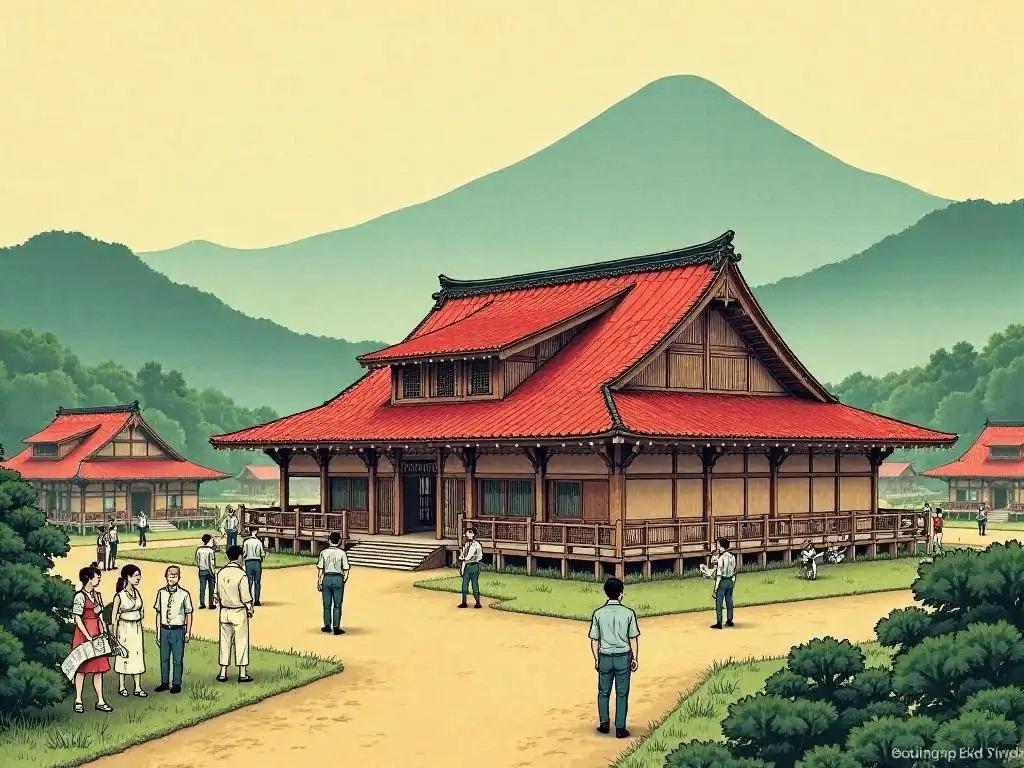
Welcome to Feudal Japan History, where we delve into the rich tapestry of Japan's feudal era. Here, you’ll uncover the fascinating journey of cultural evolution as we explore how Japan embraced Western innovations in art and science. In our featured article, "Japan’s Cultural Adaptation: Embracing Western Innovations in Art and Science," we invite you to discover the transformative impact of foreign relations on Japan’s societal fabric. Are you ready to unlock the secrets of this remarkable adaptation and its lasting legacy? Join us as we embark on this captivating exploration!
- Introduction to Japan's Cultural Adaptation
- Historical Context of Japan's Interactions with the West
- Japan's Adaptation of Western Innovations in Art
- Scientific Advancements: Embracing Western Innovations
- Cultural Exchange: The Fusion of Eastern and Western Ideas
- Challenges Faced During the Adaptation Process
- Conclusion: The Legacy of Japan's Cultural Adaptation
-
Frequently Asked Questions
- What is the main focus of the article on Japan's cultural adaptation?
- How did Japan respond to Western influences?
- What are some examples of Western innovations in Japan's feudal era?
- Why is the adaptation of Western innovations important in Japanese history?
- How does the article contribute to the understanding of Japan's feudal history?
- Final Reflection: Embracing Change in Japan's Cultural Tapestry
- Embrace the Fusion of Cultures!
Introduction to Japan's Cultural Adaptation
Japan's cultural landscape has undergone remarkable transformations, particularly during the feudal era, marked by a complex interplay between tradition and innovation. This period, characterized by the emergence of samurai culture and the establishment of powerful shogunates, also saw Japan's gradual exposure to Western ideas and technologies.
As the globe began to turn towards modernization, Japan found itself at a crossroads, where the need to embrace Western innovations became increasingly apparent. This article delves into the intricate dynamics of Japan's adaptation to Western influences, exploring how this cultural shift not only shaped the nation’s artistic and scientific endeavors but also redefined its identity on the world stage.
Overview of Japan's Feudal Era and Western Influence
The feudal era of Japan, spanning from the 12th to the 19th centuries, was a time when the country was governed by a system of landholding and military service. Under the rule of the samurai class, Japan developed a unique cultural identity, characterized by traditional arts, literature, and philosophy. However, the arrival of Western powers during the 19th century introduced new ideas and technologies that challenged the established norms.
- Early Western Encounters: The initial interactions with Western traders and missionaries in the 16th century laid the groundwork for future exchanges. Jesuit missionaries, for instance, brought not just religion but also European scientific knowledge and artistic techniques.
- The Meiji Restoration: A pivotal moment came in 1868 with the Meiji Restoration, when Japan opened its doors to the West. This marked a significant shift as Japan sought to learn from Western advancements in order to strengthen its own position globally.
The fusion of traditional Japanese practices with Western innovations led to a cultural renaissance, influencing various sectors such as art, architecture, and science.
Importance of Japan Western Innovations Adaptation
The adaptation of Western innovations in Japan was not merely a matter of adopting foreign practices; it was a transformative process that had profound implications for the nation's development. Here are several key reasons why this adaptation is significant:
- Cultural Synthesis: The blending of Western and Japanese elements resulted in a unique cultural synthesis that enriched both art and science. Traditional forms of art, like ukiyo-e, began to incorporate Western techniques, leading to new styles such as shin-hanga.
- Technological Advancements: Embracing Western innovations allowed Japan to modernize its industries rapidly. The introduction of Western machinery and practices facilitated significant developments in manufacturing, transportation, and military capabilities.
- Global Positioning: As Japan adapted to Western innovations, it positioned itself as a formidable player on the international stage. This shift helped Japan emerge as a world power by the early 20th century, challenging colonial narratives and asserting its sovereignty.
- Societal Transformation: The adaptation process also prompted changes in social structures and norms, leading to a more dynamic society that embraced new ideas while still valuing its cultural heritage.
Japan's cultural adaptation to Western innovations was a multifaceted process that played a crucial role in shaping the country’s modern identity. As we explore this fascinating period, we will uncover the intricate ways in which Japan negotiated this transformation, ultimately leading to a unique blend of Eastern and Western influences that continues to resonate today.
Historical Context of Japan's Interactions with the West
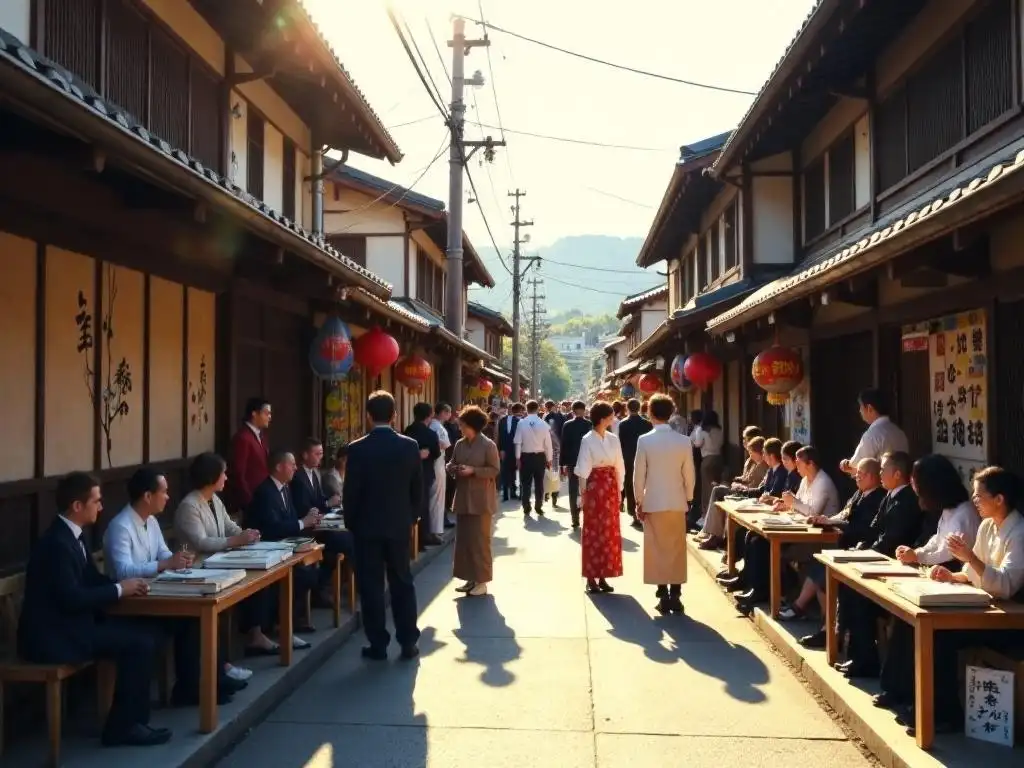
Japan's interactions with the West have been pivotal in shaping its cultural landscape, particularly during the feudal era and beyond. These encounters, often marked by curiosity and caution, laid the groundwork for significant transformations in Japanese society. Understanding this historical context is crucial to appreciate how Japan embraced Western innovations in art and science.
Early Encounters: The Portuguese and Dutch Traders
The arrival of Portuguese traders in the 16th century marked the beginning of Japan's direct engagement with Western culture. In 1543, the first Portuguese ship reached Tanegashima, introducing firearms to the Japanese, which would later revolutionize warfare in Japan. This initial contact opened a conduit for not just trade, but also cultural exchange.
- Trade Goods: The Portuguese brought a variety of goods, including textiles, glassware, and, notably, firearms. These items were highly valued and integrated into Japanese society, signaling the start of a broader trend of adaptation.
- Cultural Exchange: Alongside material goods, ideas and technologies flowed into Japan. The Portuguese introduced Christianity, which, despite facing resistance, influenced various aspects of Japanese culture, including art and philosophy.
The Dutch, arriving shortly after the Portuguese, established their presence in Japan through the trading post at Dejima in Nagasaki. Their approach was notably different; the Dutch emphasized trade without missionary activity, which allowed them to maintain a unique position in Japan's Western interactions.
- Scientific Knowledge: The Dutch brought with them the latest developments in science and technology from Europe. This included advancements in navigation, medicine, and cartography, which were crucial for Japan's own scientific progress.
- Rangaku (Dutch Learning): This term refers to the body of knowledge acquired by the Japanese from the Dutch during the Edo period. Scholars engaged with Western texts, translating them and integrating new scientific concepts into Japanese discourse.
The interactions with both the Portuguese and the Dutch set the stage for a more profound cultural adaptation that would culminate in the Meiji Restoration.
The Meiji Restoration: A Turning Point in Cultural Adaptation
The Meiji Restoration of 1868 was a watershed moment in Japan's history, marking the end of the Tokugawa shogunate and the beginning of a new era characterized by rapid modernization and Westernization. The Restoration was driven by the desire to strengthen Japan against Western imperialism, leading to an aggressive campaign to adopt Western innovations across multiple fields.
- Institutional Reforms: The Meiji government implemented sweeping reforms that transformed the political, economic, and social structures of Japan. This included the establishment of a constitutional government and the introduction of Western legal systems.
- Education and Science: Recognizing the importance of education in modernization, the Meiji government established a national education system based on Western models. This led to a significant influx of Western knowledge in fields such as science, engineering, and medicine. For instance, the Imperial University was founded to promote higher education and foster innovation.
- Art and Culture: The adaptation of Western art forms and techniques was profound. Artists began to experiment with oil painting, perspective, and realism, leading to a fusion of traditional Japanese aesthetics with Western styles. This period saw the emergence of new art movements, such as Yōga (Western-style painting), which flourished and gained popularity among the elite.
- Industrialization: Japan's industrial revolution was heavily influenced by Western technologies. Factories sprung up across the country, and the government actively encouraged the importation of machinery and expertise from the West. This industrialization not only transformed Japan's economy but also its societal structure, leading to the rise of a new urban middle class.
The Meiji Restoration was not merely a political shift; it was a comprehensive cultural adaptation that integrated Western innovations into the fabric of Japanese society. This transformation laid the groundwork for Japan's emergence as a modern nation, capable of navigating the complexities of international relations while retaining its unique cultural identity.
Japan's Adaptation of Western Innovations in Art
Influence of Western Art Movements on Japanese Aesthetics
The late 19th and early 20th centuries marked a pivotal moment in Japan's art scene as Western art movements began to permeate Japanese aesthetics. The Meiji Restoration (1868) initiated a period of intense modernization and engagement with Western cultures, leading to a dynamic fusion of artistic styles. Key Western movements such as Impressionism, Realism, and later Modernism introduced new perspectives and techniques that significantly influenced Japanese artists.
- Impressionism: This movement emphasized capturing light and its changing qualities, which resonated with traditional Japanese art's focus on nature. Artists such as Yokoyama Taikan began experimenting with these principles, integrating them into their work.
- Realism: This movement encouraged artists to portray everyday life and the human condition authentically. Japanese artists, inspired by Western Realism, began to depict scenes of urban life, reflecting the rapid changes in Japanese society during this era.
- Modernism: As Japan continued to modernize, artists explored abstraction and new forms of expression. The influence of Western Modernism led to the emergence of unique Japanese interpretations, blending traditional themes with contemporary techniques.
This cross-pollination of ideas led to a vibrant and diverse art scene in Japan, where Western innovations became a fundamental part of Japan's cultural adaptation.
Integration of Western Techniques in Traditional Japanese Art Forms
The integration of Western techniques into traditional Japanese art forms was not merely a superficial borrowing but rather a profound transformation that redefined established practices. Artists began to adopt and adapt Western methods, leading to a unique synthesis that respected tradition while embracing innovation.
- Oil Painting: Traditionally, Japanese artists used water-based pigments, but the introduction of oil paints allowed for richer color palettes and more complex textures. This shift enabled artists to experiment with depth and perspective, enhancing the three-dimensional quality of their works.
- Perspective and Composition: The Western understanding of linear perspective was gradually absorbed into Japanese art. Artists like Kuroda Seiki played a significant role in this shift, incorporating Western compositional techniques into landscapes and portraits, which resulted in more dynamic and engaging pieces.
- Printmaking Techniques: The adaptation of Western printmaking techniques, such as lithography and etching, allowed Japanese artists to explore new forms of reproduction and distribution. This led to a resurgence in the popularity of print art, making it accessible to a broader audience.
Through these adaptations, traditional Japanese art forms were revitalized, creating a dialogue between East and West that enriched the artistic landscape of Japan.
Case Study: The Impact of Impressionism on Nihonga
The influence of Impressionism on Nihonga, a traditional Japanese painting style, serves as a compelling case study of Japan's cultural adaptation to Western innovations. Nihonga artists began to incorporate Impressionistic techniques and themes, resulting in a distinctive style that blended traditional Japanese aesthetics with Western artistic principles.
- Color and Light: Nihonga artists adopted the Impressionistic focus on capturing light and its effects on color. This shift led to a more vibrant and dynamic use of color in works, allowing artists to explore the interplay of light and shadow in traditional subjects such as landscapes and flora.
- Subject Matter: While Nihonga traditionally emphasized themes rooted in Japanese culture and nature, the influence of Impressionism encouraged artists to depict modern life and urban scenes. This expansion of subject matter reflected the changing dynamics of Japanese society during the Meiji era.
- Regional Variations: Different regions in Japan interpreted Impressionism through their own cultural lenses, resulting in a variety of Nihonga styles that showcased local landscapes and traditions while embracing Western techniques.
The impact of Impressionism on Nihonga exemplifies Japan's ability to absorb and reinterpret Western innovations, leading to a unique and enriched artistic expression that continues to resonate in contemporary Japanese art. This adaptation not only reflects Japan's historical engagement with the West but also highlights the importance of cultural exchange in shaping artistic identities.
Scientific Advancements: Embracing Western Innovations
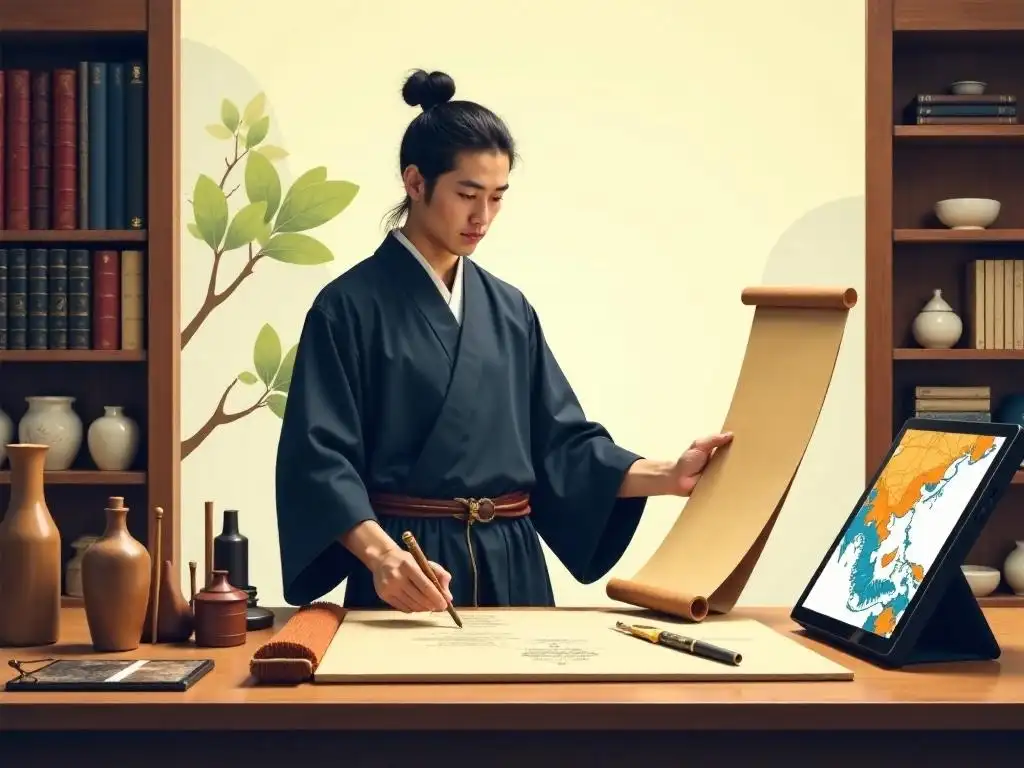
The Role of Western Education in Japan's Scientific Development
The introduction of Western education in Japan during the Meiji Restoration (1868-1912) marked a significant turning point in the nation’s scientific development. Prior to this era, Japan had a well-established system of learning based on Confucian and traditional Japanese philosophies. However, the desire to modernize and compete with Western powers led to a concerted effort to adopt Western methods of education and scientific inquiry.
- Establishment of Western-Style Institutions: The government established universities and technical schools based on Western models. Notable institutions included the Tokyo Imperial University and the Tokyo School of Foreign Languages, which emphasized scientific research and foreign languages.
- Curriculum Overhaul: The curriculum was revamped to incorporate Western sciences, including physics, chemistry, and biology. This shift was crucial in introducing new scientific concepts and methodologies that had previously been absent in the Japanese educational framework.
- Influence of Foreign Scholars: Many foreign scholars were invited to Japan to teach and share their knowledge. For instance, Dutch and British scientists played a vital role in introducing modern scientific practices. Their influence helped bridge the gap between traditional Japanese education and contemporary Western methodologies.
This educational transformation was not just about adopting new subjects; it was a holistic change that encouraged critical thinking and empirical research, allowing Japan to develop its own unique blend of Western and traditional scientific practices.
Key Figures in Japanese Science Who Promoted Western Innovations
Several prominent figures emerged during this period, playing pivotal roles in the integration of Western scientific knowledge into Japanese society. Their contributions laid the groundwork for Japan's rapid advancement in various scientific fields.
- Fukuzawa Yukichi (1835-1901): A prominent educator and the founder of Keio University, Fukuzawa was instrumental in promoting Western learning and ideas. He encouraged the adoption of Western technology and was a strong advocate for modernization, emphasizing the importance of education in achieving national progress.
- Nagayama Kōsuke (1857-1916): As a key figure in the field of medicine, Nagayama studied in Europe and brought back advanced medical knowledge, significantly improving healthcare practices in Japan. His efforts in establishing modern hospitals were critical in enhancing public health.
- Hiraga Gennai (1728-1779): Although he lived before the Meiji era, Gennai's contributions to chemistry and pharmacology influenced later scientists. His work on the synthesis of chemical compounds laid the groundwork for future advancements in agricultural science and medicine.
These individuals not only promoted Western innovations but also adapted them to fit Japan's cultural context, fostering a unique scientific environment that merged traditional Japanese approaches with modern practices.
Comparison of Traditional Japanese Science and Western Methodologies
The evolution of scientific thought in Japan during the Meiji era showcased a stark contrast between traditional Japanese science and Western methodologies. This comparison reveals the transformative impact of adopting Western innovations.
- Philosophical Foundations:
- Traditional Japanese Science: Rooted in natural philosophy and holistic approaches, traditional Japanese science often emphasized harmony with nature and practical applications derived from centuries of observation and experience.
- Western Methodologies: Characterized by empirical research and experimentation, Western science relies on the scientific method, which emphasizes hypothesis formulation, testing, and reproducibility of results.
- Approach to Knowledge:
- Traditional Practices: Knowledge was often passed down through generations, with a focus on apprenticeship and oral traditions. The emphasis was on collective wisdom and the integration of various disciplines.
- Western Practices: Knowledge became more specialized and formalized, with an emphasis on written documentation and peer-reviewed research. This shift fostered innovation and rapid dissemination of new ideas.
- Impact on Society:
- Traditional Japanese Science: While effective in its context, traditional science faced limitations in addressing the challenges posed by industrialization and modernization.
- Western Innovations: The adaptation of Western methodologies enabled Japan to rapidly industrialize and modernize, significantly improving various sectors such as agriculture, medicine, and engineering.
Japan's adaptation of Western innovations in both science and education not only transformed its scientific landscape but also paved the way for its emergence as a modern nation in the global arena. The blend of traditional practices with Western methodologies created a unique approach that continues to influence Japan's scientific community today.
Cultural Exchange: The Fusion of Eastern and Western Ideas
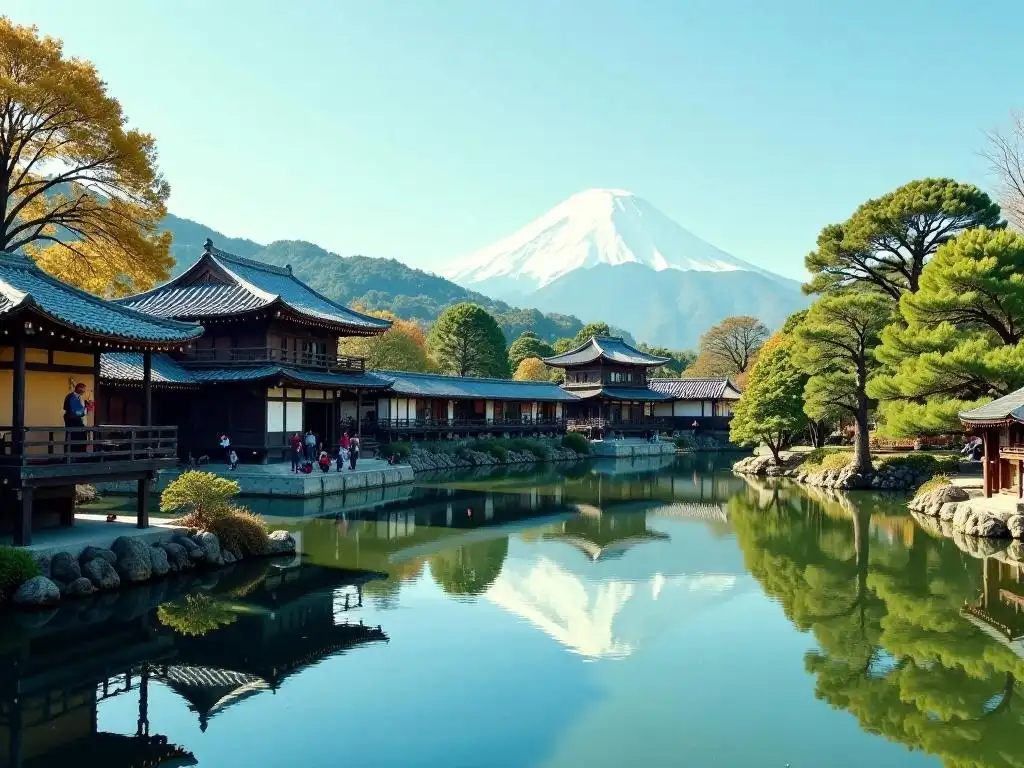
Cultural exchange between Japan and the West has been a dynamic and transformative process, particularly during the Meiji Restoration period (1868-1912). This era marked a significant shift in Japan's approach to foreign influences, leading to a deliberate and systematic integration of Western innovations across various fields, including literature, architecture, and media. Understanding this cultural fusion is essential to appreciate how Japan navigated modernization while maintaining its unique heritage.
The Impact of Western Literature on Japanese Writers
The introduction of Western literature in the late 19th century had a profound impact on Japanese writers. Influenced by the themes, styles, and narrative techniques of Western authors, Japanese literature began to evolve, leading to a renaissance of literary expression. Prominent figures such as Natsume Sōseki and Mori Ōgai were at the forefront of this transformation.
- Translation Efforts: The translation of Western works, particularly from English, French, and German, played a crucial role in this cultural adaptation. Notable translations included works by Shakespeare, Victor Hugo, and Goethe, which introduced new literary forms and ideas.
- New Literary Forms: Japanese authors started experimenting with narrative structures. The rise of the modern novel in Japan can be traced back to these Western influences, leading to the creation of complex characters and intricate plots that diverged from traditional Japanese storytelling.
- Themes of Individualism: Western literature often emphasized individuality and personal struggle, themes that resonated with Japanese writers. Sōseki's "Kokoro" (1914) explored the inner conflicts of the individual, mirroring the existential concerns found in Western literature.
As a result, the fusion of Western literary techniques with Japanese traditions enriched the literary landscape, fostering a new generation of writers who contributed significantly to global literature.
Adaptation of Western Architectural Styles in Japanese Buildings
The influence of Western architectural styles on Japan became evident during the Meiji period, when the government sought to modernize the nation's infrastructure and aesthetic sensibilities. This adaptation process involved a blend of traditional Japanese architectural elements with Western styles, leading to unique architectural expressions.
- Meiji Government Buildings: The construction of government buildings, such as the Tokyo Station and the National Diet Building, showcased a distinctive blend of Gothic and Neoclassical styles with traditional Japanese features. This fusion symbolized Japan's commitment to modernization while honoring its cultural roots.
- Residential Architecture: The introduction of Western-style homes, known as "yōkai," marked a significant departure from traditional Japanese housing. These homes incorporated elements such as large windows, high ceilings, and Western furnishings. The adaptation of Western styles in residential architecture also reflected changing social dynamics in Japan.
- Cultural Significance: The architectural fusion not only served functional purposes but also became a symbol of Japan’s modernization efforts. Buildings like the Rokumeikan, which combined Western and Eastern styles, served as venues for social gatherings, further promoting cultural exchange.
This architectural evolution exemplified how Japan embraced Western innovations while creatively integrating its own cultural identity into the built environment.
The Role of Media in Promoting Cultural Exchange
Media played a pivotal role in facilitating cultural exchange between Japan and the West, particularly through newspapers, magazines, and later, cinema. These platforms became instrumental in disseminating information and ideas, shaping public perception and cultural dialogue.
- Print Media: The establishment of newspapers and magazines in the late 19th century allowed for the circulation of Western ideas and cultural trends. Publications such as "Japan Weekly Mail" featured articles on Western science, politics, and culture, fostering a sense of curiosity and engagement with the outside world.
- Visual Arts and Photography: The introduction of photography and Western artistic techniques influenced Japanese artists. The adaptation of oil painting and perspective in visual arts led to the emergence of a new artistic movement, known as "Yōga," which blended Western methods with traditional Japanese aesthetics.
- Film and Cinema: The advent of cinema in the early 20th century further accelerated cultural exchange. Japanese filmmakers began to incorporate Western storytelling techniques and genres, leading to the development of a unique cinematic language that resonated with audiences both domestically and internationally.
Through these media channels, Japan not only adapted Western innovations but also reinterpreted them within its cultural context, demonstrating a nuanced approach to cultural exchange that continues to influence contemporary Japanese culture.
The cultural adaptation of Western innovations in Japan showcases a remarkable journey of integration and transformation. This dynamic interaction has left an indelible mark on Japan’s literary, architectural, and media landscapes, shaping a modern identity that honors its historical roots while embracing global influences.
Challenges Faced During the Adaptation Process
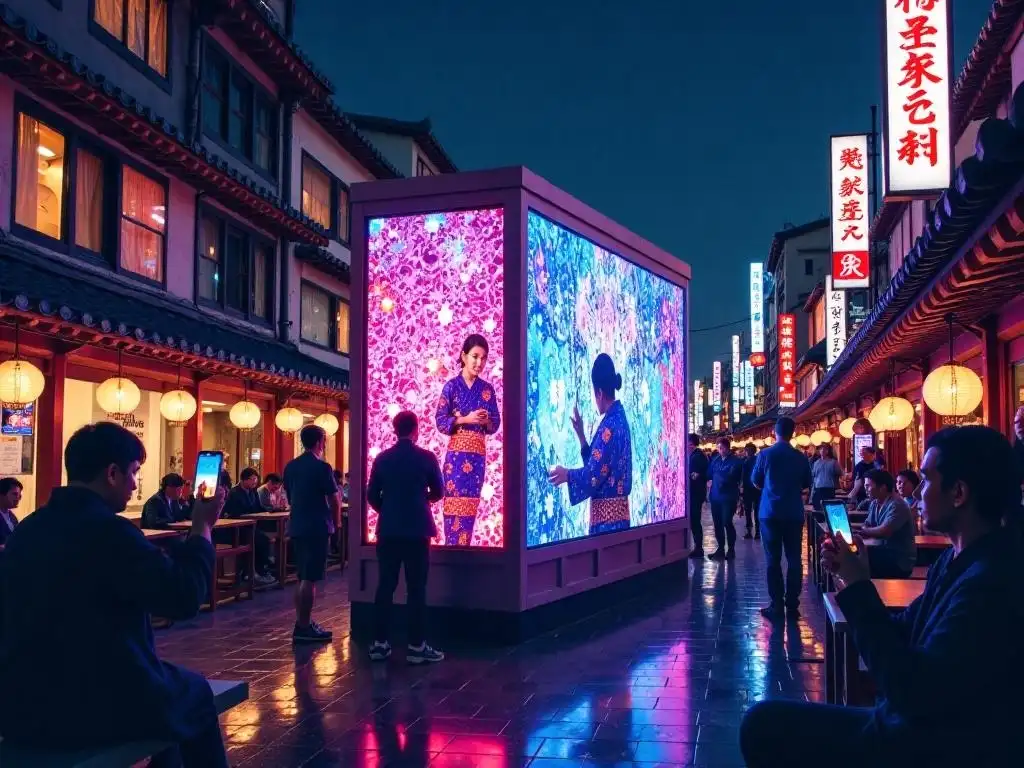
Resistance to Change: Traditional vs. Modern Perspectives
The adaptation of Japan to Western innovations during the late 19th and early 20th centuries was not a seamless transition. Indeed, it encountered significant resistance, primarily rooted in the tension between traditional values and the influx of modern ideas. This period, marked by the Meiji Restoration, ignited a cultural clash that manifested in various societal sectors, including art, education, and philosophy.
- Traditionalists' Concerns: Many traditionalists feared that Western innovations would erode Japan's unique cultural identity. They believed that the adoption of foreign practices in art and science could lead to a loss of historical values and customs. For instance, the samurai class, which had long been a pillar of Japanese society, viewed these changes as a threat to their status and way of life.
- Modernists' Aspirations: Conversely, modernists advocated for the incorporation of Western techniques and ideas as a means of national progress. They argued that embracing these innovations was essential for Japan to compete on the global stage. This group saw the potential for progress and development, particularly in areas such as technology and education.
This dichotomy created a complex societal landscape where individuals and groups were often at odds over the direction Japan should take. The struggle between maintaining cultural heritage and pursuing modernization was pervasive, influencing Japan's artistic expressions and scientific endeavors.
Balancing Cultural Identity with Western Influence
As Japan navigated through the complexities of adaptation, striking a balance between its rich cultural heritage and the allure of Western innovations became paramount. This balancing act was evident across various domains, leading to a unique fusion that characterized Japan's response to Western influence.
- Artistic Integration: In the realm of art, traditional Japanese styles began to incorporate Western techniques. For example, ukiyo-e woodblock printing evolved, blending Western perspective and shading techniques with Japanese themes. Artists like Yoshitoshi and Hokusai experimented with these styles, creating works that resonated with both domestic and international audiences.
- Scientific Advancements: In science, Japan's adaptation was equally significant. The establishment of modern universities and research institutions facilitated the study of Western sciences. The incorporation of Western medicine into Japan's healthcare system exemplifies this balance; traditional practices were not discarded but rather integrated with modern techniques, leading to improved health outcomes.
- Philosophical Synthesis: Philosophically, figures such as Nishida Kitarō sought to reconcile Western thought with Eastern traditions. His works emphasized the compatibility of Western logic and Eastern mysticism, promoting a dialogue that enriched both cultural perspectives. This synthesis allowed Japan to forge a distinct identity that embraced modernity without completely forsaking its roots.
Japan's journey towards embracing Western innovations was fraught with challenges, yet it also yielded a rich tapestry of cultural adaptation. As Japan balanced its historical identity with modern influences, it not only transformed its societal landscape but also established a unique position in the global arena, showcasing how cultures can evolve through interaction and adaptation.
Conclusion: The Legacy of Japan's Cultural Adaptation
Japan's cultural adaptation to Western innovations during the late 19th and early 20th centuries has left an indelible mark on its society, identity, and global standing. This transformation, often referred to as the Meiji Restoration, was characterized by a profound embrace of Western technologies, art forms, and scientific methodologies, ultimately leading to a unique synthesis of Eastern and Western elements. The legacy of this adaptation is visible not only in Japan's technological advancements but also in its cultural expressions, from literature to visual arts.
Lasting Effects of Japan Western Innovations Adaptation on Modern Japan
The integration of Western innovations has significantly shaped modern Japan in various sectors:
- Technological Advancement:
- The introduction of Western industrial techniques revolutionized Japan's economy. The establishment of railways, telegraph systems, and manufacturing industries paved the way for rapid urbanization and economic growth. For instance, the first railway line, connecting Tokyo and Yokohama, was completed in 1872, symbolizing Japan's leap into modernity.
- Art and Literature:
- The adoption of Western artistic styles led to the birth of new forms of expression. The Yōga (Western-style painting) movement emerged, blending traditional Japanese aesthetics with Western techniques. Artists like Kuroda Seiki played a crucial role in this transformation, creating works that bridged the gap between East and West.
- Literature also saw the influence of Western narratives and genres, leading to the emergence of modern Japanese literature. Authors such as Natsume Sōseki integrated Western themes into their works, reflecting the complexities of Japanese identity in a rapidly changing world.
- Education and Science:
- The establishment of a modern educational system, inspired by Western models, facilitated the dissemination of knowledge and scientific thought. Japan's commitment to education resulted in a highly literate society, equipped to engage with global challenges. By the early 20th century, Japan had established numerous universities and research institutions, fostering innovation and intellectual exchange.
- Cultural Exchange:
- The adaptation to Western culture also led to a vibrant exchange of ideas, fostering international relations. Japan's participation in global events, such as the World's Fairs, showcased its achievements and facilitated cultural diplomacy, allowing for a deeper understanding between Japan and the West.
The ramifications of these changes continue to resonate in contemporary Japan, where a blend of tradition and modernity exists harmoniously.
Future Implications of Cultural Interactions in Global Contexts
As we look to the future, the implications of Japan's cultural adaptation to Western innovations can serve as a blueprint for other nations navigating globalization. Key aspects to consider include:
- Cultural Resilience:
- Japan's ability to adapt while maintaining its unique cultural identity highlights the importance of resilience. Other countries can learn from Japan's example, emphasizing the value of preserving cultural heritage while embracing modernization.
- Innovation through Collaboration:
- The fusion of Western and Japanese innovations has historically led to groundbreaking advancements. Future collaborations across cultures can stimulate creativity and drive progress in various fields, including technology, art, and science.
- Global Dialogue:
- Japan's experience underscores the importance of open dialogue in international relations. As cultural interactions become increasingly prevalent, fostering understanding and respect among diverse cultures will be crucial for addressing global challenges.
- Sustainable Practices:
- The integration of Western scientific methods has also prompted a re-evaluation of sustainability practices in Japan. Future cultural interactions may lead to innovative solutions for environmental issues, emphasizing the need for cooperation in addressing climate change.
Japan's adaptation to Western innovations serves as a testament to the potential of cultural exchange in shaping societies. As the world continues to evolve, the lessons learned from this historical period will remain relevant, guiding future interactions and ensuring a continued legacy of collaboration and understanding.
Frequently Asked Questions
What is the main focus of the article on Japan's cultural adaptation?
The article explores Japan's adaptation of Western innovations during its feudal era, highlighting the impact on art and science.
How did Japan respond to Western influences?
Japan embraced Western innovations by integrating them into their cultural practices, leading to a unique blend of traditional and modern elements.
What are some examples of Western innovations in Japan's feudal era?
Key examples include Western art techniques and scientific advancements, which significantly influenced Japanese methods in various artistic and scholarly fields.
Why is the adaptation of Western innovations important in Japanese history?
This adaptation marks a pivotal shift in Japan's cultural evolution, demonstrating the nation's ability to assimilate and innovate, shaping its modern identity.
How does the article contribute to the understanding of Japan's feudal history?
The article provides an in-depth analysis of the cultural exchanges that occurred, offering insights into how these interactions shaped Japanese society and its historical trajectory.
Final Reflection: Embracing Change in Japan's Cultural Tapestry
Japan's journey of cultural adaptation, particularly in embracing Western innovations in art and science, remains profoundly relevant today. As the world becomes increasingly interconnected, the ability to adapt and integrate diverse influences is not just a matter of survival but a catalyst for innovation and growth. The striking reality is that Japan's historical willingness to embrace change has paved the way for a unique cultural synthesis that continues to inspire nations worldwide.
Cultural adaptation has shaped not only Japan's identity but also its role in the global landscape. The blend of traditional Japanese aesthetics with Western techniques has led to groundbreaking advancements in various fields, from technology to fine arts. This ongoing dialogue between cultures reminds us of the power of openness and creativity. In every work of art, the spirit of the time is reflected, and the artist is the medium through which this spirit is expressed.
This quote encapsulates the essence of how Japan has transformed its cultural narrative by embracing external influences while retaining its core values.
As we reflect on Japan's remarkable journey, let us consider how we can apply these lessons in our own lives. Embrace the unfamiliar, seek out new perspectives, and allow yourself to be inspired by the world around you. Just as Japan has thrived by integrating Western innovations, we too can foster growth and creativity by welcoming change and diversity into our personal and professional endeavors. The future is bright for those who dare to adapt and innovate, so take a moment to reflect on how you can contribute to this ever-evolving cultural tapestry.
Embrace the Fusion of Cultures!
Thank you for taking the time to explore the fascinating interplay of traditional Japanese culture and Western innovations in art and science. By delving into this unique historical transformation, you've gained valuable insights into the adaptability and dynamism of cultures.
Now, it’s time to put this knowledge into action:
- Immerse yourself in the art: Visit a local gallery that showcases contemporary artwork blending Japanese and Western styles. Take notes on how these influences manifest in modern creativity.
- Join a discussion: Engage with online forums or social media groups focused on cultural exchanges. Share your thoughts and learn from others' perspectives on how cultures continue to evolve together.
- Explore further: Choose a specific aspect of Western innovation that intrigued you and research a related topic—whether it’s a scientific breakthrough or an artistic movement.
What unexpected connections do you observe between your own culture and those you've learned about? Share your thoughts in the comments below!