
The Marriage of Art and Trade: How Merchants Influenced Japanese Aesthetics

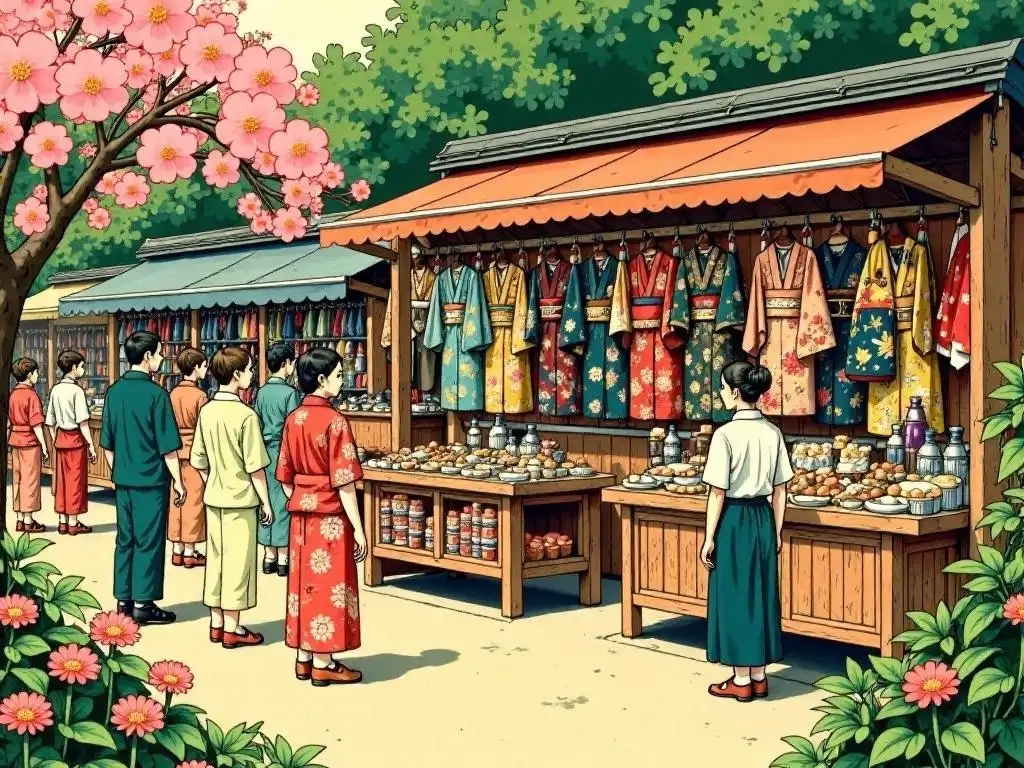
Welcome to Feudal Japan History, where we invite you to embark on a captivating journey through the rich tapestry of Japan's feudal era. Here, we delve into the intricate relationship between Japanese aesthetics and merchant influence, uncovering how trade shaped the art and culture of this fascinating period. What hidden connections between commerce and creativity can you discover?
Join us as we explore the dynamic interplay between art and trade in our featured article, "The Marriage of Art and Trade: How Merchants Influenced Japanese Aesthetics." Prepare to be intrigued and inspired as you uncover the layers of history that continue to influence Japan today!
The interplay between art and commerce during Japan's feudal era is a fascinating subject that unveils the profound impact merchants had on the development of Japanese aesthetics. As trade routes expanded and commerce flourished, merchants began to play a crucial role not only in the economy but also in shaping cultural expressions and artistic trends.
This article delves deep into the intricate relationship between merchants and art, illustrating how their influences transformed the aesthetic landscape of Japan. From the exquisite craftsmanship of ukiyo-e prints to the adoption of foreign styles, the marriage of art and trade serves as a testament to the dynamic exchanges that characterized this period, highlighting the importance of merchant influence in the evolution of Japanese aesthetics.
The Rise of Merchants in Feudal Japan
During the feudal era, Japan witnessed a significant transformation in its social hierarchy. The rise of the merchant class, particularly during the Edo period (1603-1868), challenged traditional norms and facilitated a new economic landscape. Merchants, once regarded with disdain, became pivotal in the fabric of society, accumulating wealth and fostering cultural exchanges. This shift not only altered the perception of trade but also allowed for greater patronage of the arts, leading to a flourishing of artistic expression.
- Economic Power: The merchants gained financial leverage through trade, enabling them to commission artworks and support artisans.
- Cultural Exchange: As they engaged with foreign traders, merchants brought new ideas and styles to Japan, enriching its artistic heritage.
- Social Mobility: The rise of wealthy merchants led to increased social mobility, allowing for the emergence of a new class that could influence artistic trends.
The Influence of Merchants on Japanese Aesthetics
Merchants played a crucial role in shaping Japanese aesthetics through their patronage and the dissemination of new artistic styles. This influence can be observed in various forms of art, including painting, textiles, and ceramics.
- Ukiyo-e Prints:
- Description: Ukiyo-e, or "pictures of the floating world," became immensely popular among the merchant class. These woodblock prints often depicted landscapes, kabuki actors, and beautiful women, reflecting the tastes of affluent merchants.
- Impact: The demand for ukiyo-e prints led to the proliferation of artists like Hokusai and Hiroshige, whose works continue to be celebrated worldwide.
- Textiles and Fashion:
- Kimono Design: The merchant class influenced textile patterns and kimono styles, integrating vibrant colors and innovative designs that represented their wealth and taste.
- Cultural Significance: The evolution of kimono aesthetics mirrored the changing dynamics of society and commerce, as merchants sought to express their status through fashion.
- Ceramics and Craftsmanship:
- Quality and Innovation: Merchants prioritized high-quality ceramics, leading to advancements in techniques and styles, such as Imari and Arita ware, which became highly sought after by collectors.
- Cultural Exchange: The incorporation of foreign motifs and techniques into Japanese ceramics reflected the global influences merchants brought into the country.
Conclusion
The relationship between art and commerce in feudal Japan is a testament to the transformative power of trade and the merchant class. As merchants ascended in status, their influence permeated various aspects of Japanese life, particularly aesthetics. This comprehensive exploration highlights the intricate layers of interaction between merchants and artists, revealing how their collaboration enriched Japanese culture and left an indelible mark on its artistic legacy. Understanding this dynamic not only sheds light on the evolution of Japanese aesthetics but also underscores the importance of economic power in shaping cultural expressions throughout history.
- What role did merchants play in shaping Japanese aesthetics during the feudal era?
- How did trade impact the development of art in feudal Japan?
- What are some key examples of aesthetic elements influenced by merchants?
- How did the relationship between art and commerce evolve in this period?
- Why is understanding the merchant influence on Japanese aesthetics important today?
Introduction to Japanese Aesthetics and Merchant Influence
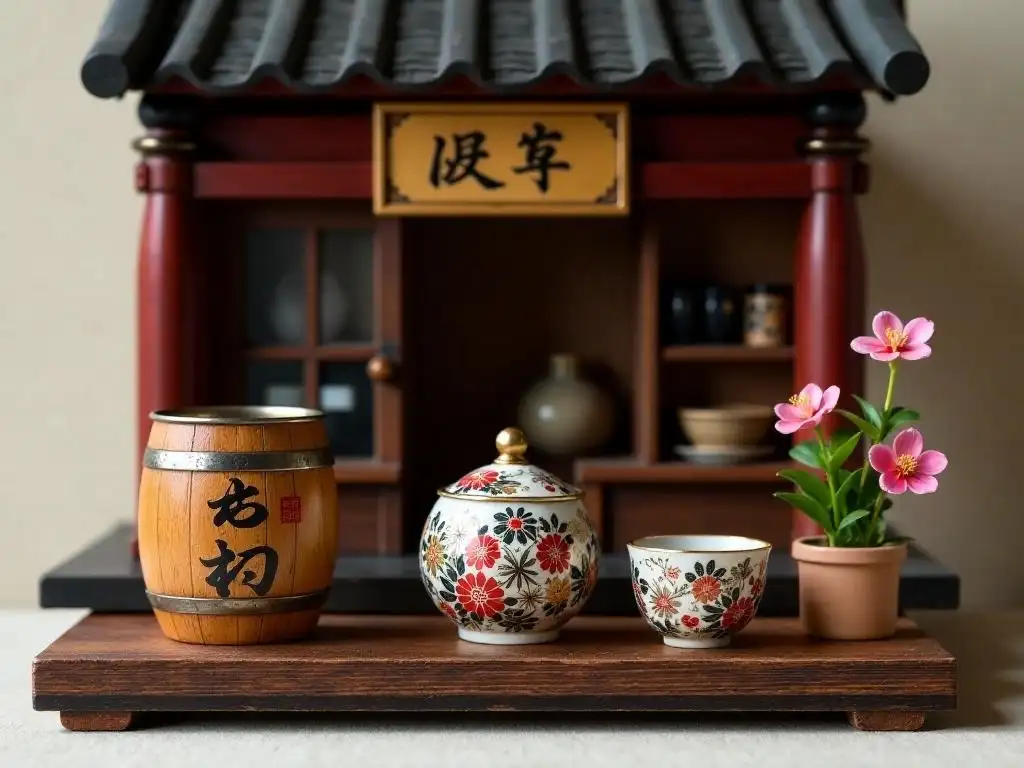
The interplay between merchants and Japanese aesthetics during the feudal era is a fascinating subject that reveals much about the socio-economic and cultural dynamics of the time. As Japan transitioned from a primarily agrarian society to one increasingly influenced by commerce, the aesthetics of art, design, and everyday life began to reflect this shift. Merchants, once viewed with suspicion by the samurai class, became pivotal in shaping the cultural landscape, thus intertwining their economic pursuits with the evolution of Japanese aesthetics.
Overview of Japanese Aesthetics in Feudal Japan
Japanese aesthetics during the feudal period (approximately 1185 to 1868) was characterized by a deep appreciation for nature, simplicity, and subtlety, often encapsulated in the principles of wabi-sabi. This aesthetic philosophy values the beauty found in imperfection and transience, which became evident in various art forms, such as tea ceremonies, landscape paintings, and pottery.
- Wabi-sabi: This concept emphasizes the beauty of natural imperfections and the transient nature of life. It is reflected in:
- Ceramics: Uneven glazes and asymmetrical shapes were celebrated.
- Architecture: Simplicity and natural materials created harmony with the surroundings.
Moreover, the emergence of ukiyo-e (floating world paintings) during the Edo period showcased urban culture and the pleasures of life, often highlighting the lives of merchants, entertainers, and the flourishing of commerce. This genre of art not only depicted scenes of everyday life but also served as a means of communication and cultural exchange, linking the merchant class with the broader spectrum of Japanese aesthetics.
The influence of Chinese aesthetics, particularly through Zen Buddhism, also played a significant role. The infusion of these elements led to a unique synthesis that characterized Japanese art, where nature was not merely a backdrop but an integral part of the aesthetic experience.
The Role of Merchants in Japanese Society
Merchants in feudal Japan held a complex status; while they were often looked down upon by the samurai class, their economic power allowed them to become influential patrons of the arts. This dichotomy led to a unique cultural exchange that significantly shaped Japanese aesthetics.
- Economic Influence:
- With the rise of commerce, cities like Edo and Osaka became cultural hubs, where merchants could sponsor artists, craftsmen, and theaters.
- This financial backing enabled the proliferation of various art forms, including textiles, ceramics, and painting.
- Cultural Patrons:
- Merchants often commissioned works of art for their homes and businesses, which encouraged artisans to innovate and experiment with new styles.
- For example, the demand for elaborate kimono fabrics led to the development of intricate dyeing techniques and patterns that remain influential in contemporary Japanese fashion.
- Social Mobility:
- The success of merchants allowed some to rise in social status, leading to a blending of artistic expressions between the samurai and merchant classes.
- The Bunraku and Kabuki theaters, which depicted stories of everyday life and commerce, were often sponsored by wealthy merchants, further integrating merchant culture into mainstream aesthetics.
- Art as Status Symbol:
- Owning art and luxurious items became a way for merchants to display their wealth and sophistication, influencing trends in aesthetics.
- Objects like lacquerware and folding screens became popular among merchants, showcasing their taste and contributing to the overall aesthetic movements of the time.
While merchants faced societal challenges, their influence on Japanese aesthetics was profound. They not only provided the economic means necessary for artistic endeavors but also shaped the cultural narrative of feudal Japan, melding commerce with creativity in ways that continue to resonate in Japan's artistic heritage today.
Historical Context of Merchants in Japan
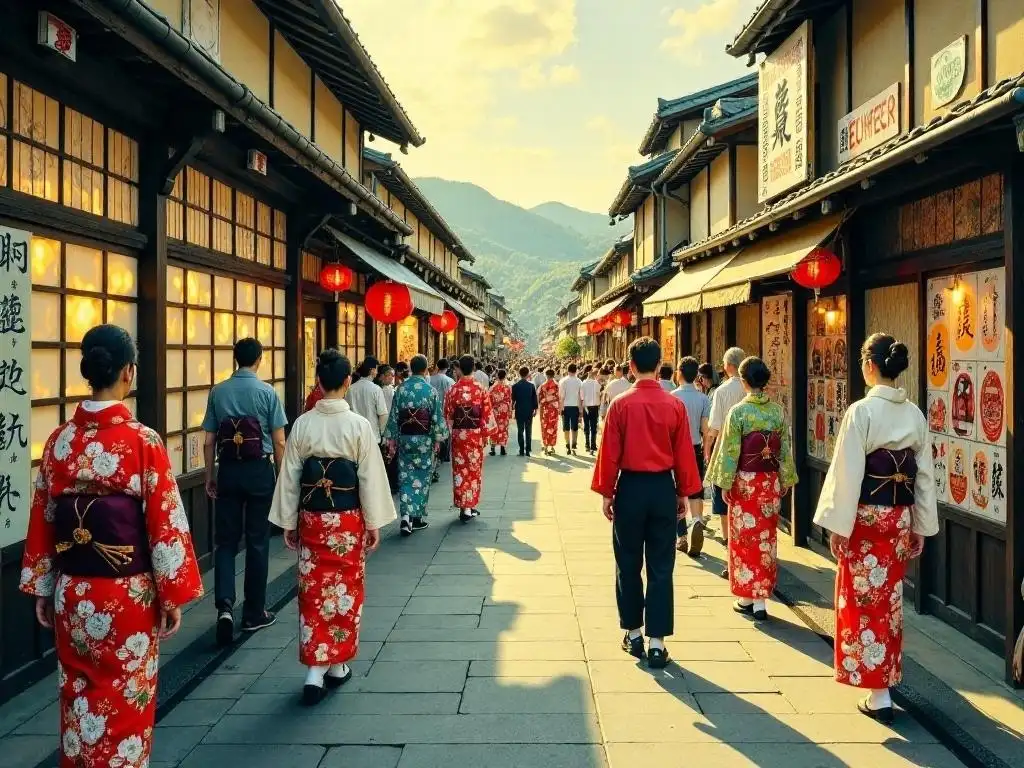
The Rise of Trade in Feudal Japan
Trade in feudal Japan experienced a significant transformation, particularly from the late 12th century onward. As the shogunate system solidified, Japan saw an increase in agricultural production, which in turn boosted local economies and created a surplus of goods. This surplus laid the groundwork for a burgeoning trade network that connected various regions of the archipelago.
During the Kamakura period (1185-1333), trade routes expanded, allowing merchants to transport goods more efficiently. Cities like Kamakura and Nara became vital hubs of commerce, where goods such as silk, rice, and pottery were exchanged. The Muromachi period (1336-1573) further advanced this trend, as the Ashikaga shogunate encouraged trade with foreign entities, including the Portuguese and Chinese, introducing new products and ideas to Japanese culture.
In this context, the Rise of the Merchant Class not only influenced the economy but also began to shape the aesthetics of the time. Merchants commissioned artworks, fostering the development of styles that reflected their tastes and aspirations. This interplay between trade and artistic expression laid the foundation for the unique Japanese aesthetics that emerged during this period.
The Emergence of Merchant Classes
As trade flourished, a distinct merchant class began to emerge, fundamentally altering the social hierarchy of feudal Japan. Traditionally, society was structured around the samurai and agricultural classes, but increasing wealth among merchants allowed them to gain influence and status. This shift was particularly pronounced during the Edo period (1603-1868), when the Tokugawa shogunate established a stable political environment that encouraged commerce.
Merchants, known as 'chonin,' played a crucial role in the economy. They not only facilitated trade but also became patrons of the arts. Their wealth allowed them to invest in cultural pursuits, leading to the rise of ukiyo-e (floating world prints) and Noh theater, which reflected the tastes and lifestyles of urban dwellers.
Moreover, the merchant class's desire for luxury goods contributed significantly to Japanese aesthetics. They sought unique items that conveyed sophistication and status, prompting artisans to innovate in their craft. This dynamic relationship between merchants and artisans resulted in the creation of exquisite textiles, ceramics, and decorative arts that are hallmarks of Japanese aesthetics today.
The emergence of the merchant class in feudal Japan not only reshaped the economic landscape but also had a profound impact on artistic expression. Their influence helped to cultivate a rich cultural heritage that continues to resonate in contemporary Japanese aesthetics.
The Intersection of Art and Trade
The feudal era of Japan witnessed a profound interplay between art and commerce, where merchants played a pivotal role in shaping Japanese aesthetics. As trade routes expanded and economic prosperity flourished, merchants became influential patrons of the arts, facilitating a cultural exchange that enriched the artistic landscape. This section explores how the burgeoning merchant class not only impacted artistic trends but also contributed to the evolution of materials and techniques used by artisans.
How Merchants Shaped Artistic Trends
The rise of the merchant class during the Edo period (1603-1868) marked a significant shift in Japanese society, as wealth became increasingly concentrated in the hands of these traders. This newfound affluence allowed merchants to become patrons of art, commissioning works that reflected their tastes and aspirations.
- Patronage and Commissioning: Merchants commissioned artists to create unique pieces that resonated with their social status. For instance, the ukiyo-e woodblock prints became popular among the merchant class, depicting scenes of urban life, landscapes, and beautiful courtesans. Artists like Hokusai and Hiroshige thrived under merchant patronage, adapting their styles to appeal to the tastes of this influential audience.
- Cultural Exchange: The increase in international trade introduced new artistic influences to Japan. Merchants who traveled abroad brought back foreign artistic styles, materials, and ideas. For example, the incorporation of Western perspective in paintings and the use of vibrant colors were influenced by interactions with European traders. This blending of styles resulted in a unique aesthetic that characterized the late Edo period.
- Art as Status Symbol: Possessing art became a means for merchants to display their wealth and sophistication. The demand for decorative arts, such as ceramics and textiles, surged as merchants sought to adorn their homes and businesses with exquisite pieces, thereby influencing artisans to innovate and refine their craft.
Influence of Trade on Art Materials and Techniques
The evolution of art during the feudal era was not solely about aesthetic trends; it was also significantly shaped by the availability and use of materials influenced by trade. The following aspects highlight how merchants facilitated advancements in art materials and techniques:
- Access to Exotic Materials: Trade opened up access to a variety of materials that were previously unavailable. For instance, the importation of indigo dye from Southeast Asia revolutionized textile production, allowing artisans to create vibrant and durable fabrics, which became integral to Japanese fashion and design.
- Innovation in Techniques: As merchants sought high-quality goods to sell, they encouraged artisans to experiment with new techniques. The introduction of pottery glazing methods from China led to the development of distinctive Japanese ceramics, such as Imari and Arita ware, which became highly prized both domestically and internationally.
- Collaboration Across Disciplines: Merchants often facilitated collaboration among artisans from different fields, prompting cross-pollination of techniques. For example, the blending of calligraphy and painting in sumi-e (ink wash painting) was influenced by the desire to create harmonious art pieces that appealed to the aesthetic preferences of wealthy merchants.
- Sustainability in Materials: The increased demand for art also pushed artisans to explore sustainable practices. The use of locally sourced materials, such as bamboo and natural dyes, became commonplace, reflecting a growing awareness of resource management that was both economically viable and aesthetically pleasing.
The interplay between merchants and the arts during Japan's feudal era highlights a dynamic relationship that significantly influenced Japanese aesthetics. The merchant class not only drove artistic trends through their patronage but also facilitated the exchange of materials and techniques, leading to a rich and diverse cultural landscape that endures in contemporary Japanese art.
Key Artistic Movements Influenced by Merchants
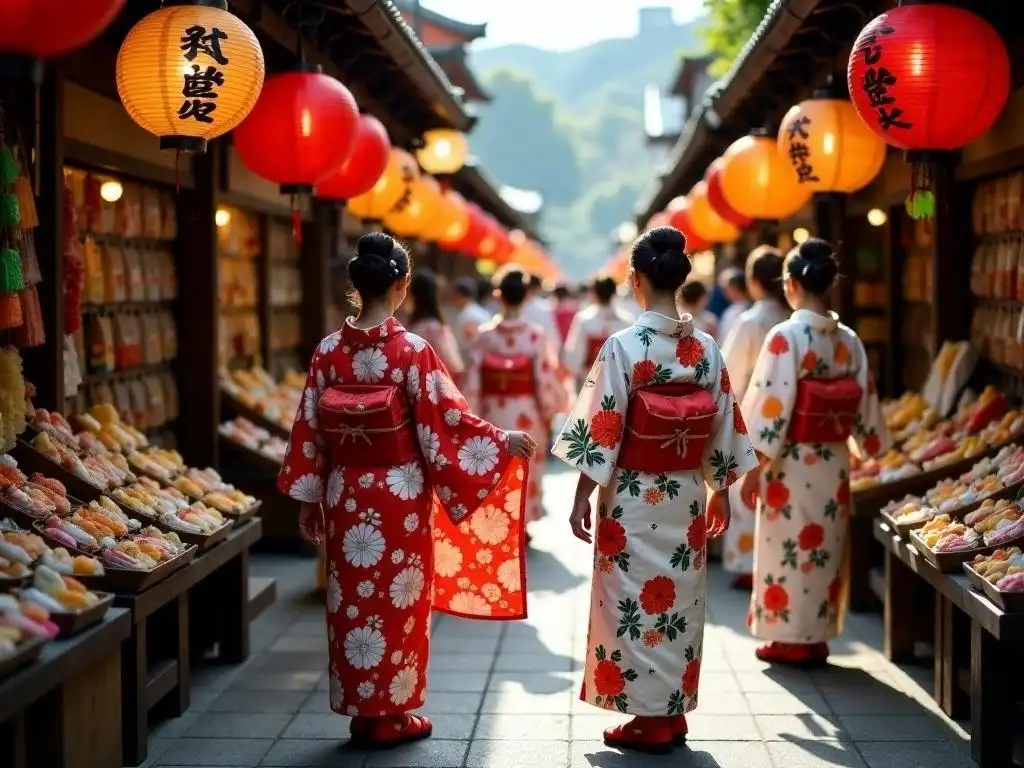
Throughout Japan's feudal era, the relationship between merchants and artistic expression led to the emergence of distinct artistic movements. This dynamic not only transformed Japanese aesthetics but also highlighted the significant role that merchants played in shaping cultural trends. Two pivotal movements, Ukiyo-e and Kabuki theatre, exemplify the profound influence that commerce had on the arts during this period.
The Ukiyo-e Movement and Merchant Patronage
The Ukiyo-e movement, which flourished from the 17th to the 19th centuries, is one of the most celebrated artistic expressions in Japan. Its name translates to "pictures of the floating world," reflecting the transient beauty of urban life, entertainment, and nature. Merchants, often from the rising merchant class in Edo (modern-day Tokyo), played a crucial role in the patronage and dissemination of Ukiyo-e prints.
- Economic Influence:
- The prosperity of merchants enabled them to commission artists like Hokusai and Hiroshige, leading to an explosion of creativity.
- Merchants sought to decorate their homes and shops with art that celebrated their lifestyle and status, thus directly funding artists.
- Cultural Exchange:
- Ukiyo-e prints often depicted scenes from the pleasure districts, landscapes, and kabuki actors, thus intertwining commerce with popular culture.
- These prints became a medium through which merchants could showcase their refined tastes, bridging the gap between art and commerce.
- Global Impact:
- As trade routes expanded, Ukiyo-e prints reached international audiences, profoundly influencing Western artists such as Vincent van Gogh and Edgar Degas.
- The themes of Ukiyo-e, characterized by bold colors and intricate details, began to shape perceptions of Japanese aesthetics beyond its borders.
The Role of Merchants in the Development of Kabuki Theatre
Kabuki theatre, an iconic form of Japanese drama, owes much of its development to the involvement of merchants. Emerging in the early 17th century, Kabuki became a popular entertainment form among the urban populace, particularly in Edo and Osaka, attracting large audiences from various social strata, including the merchant class.
- Financial Support:
- Merchants recognized the profitability of Kabuki shows and invested heavily in theatre productions.
- This investment allowed for elaborate sets, costumes, and talented performers, elevating the overall quality of the performances.
- Cultural Significance:
- Kabuki plays often reflected contemporary societal issues, including the lives and struggles of merchants themselves, thereby fostering a sense of community and shared experience.
- The themes and characters in Kabuki narratives frequently echoed the aspirations and aspirations of the merchant class, making it relatable to audiences.
- Influence on Aesthetics:
- The visual aspects of Kabuki, including the use of vibrant colors, intricate makeup (kumadori), and stylized movements, contributed to the broader discourse on Japanese aesthetics.
- Merchants played a role in popularizing these visual elements, which became ingrained in the cultural fabric of Japan.
The intricate relationship between merchants and these key artistic movements—Ukiyo-e and Kabuki theatre—demonstrates how commerce influenced Japanese aesthetics. Merchants not only provided financial support but also shaped cultural narratives that resonated throughout society, leaving an indelible mark on Japan's artistic legacy.
Case Studies of Merchant Influence on Japanese Aesthetics
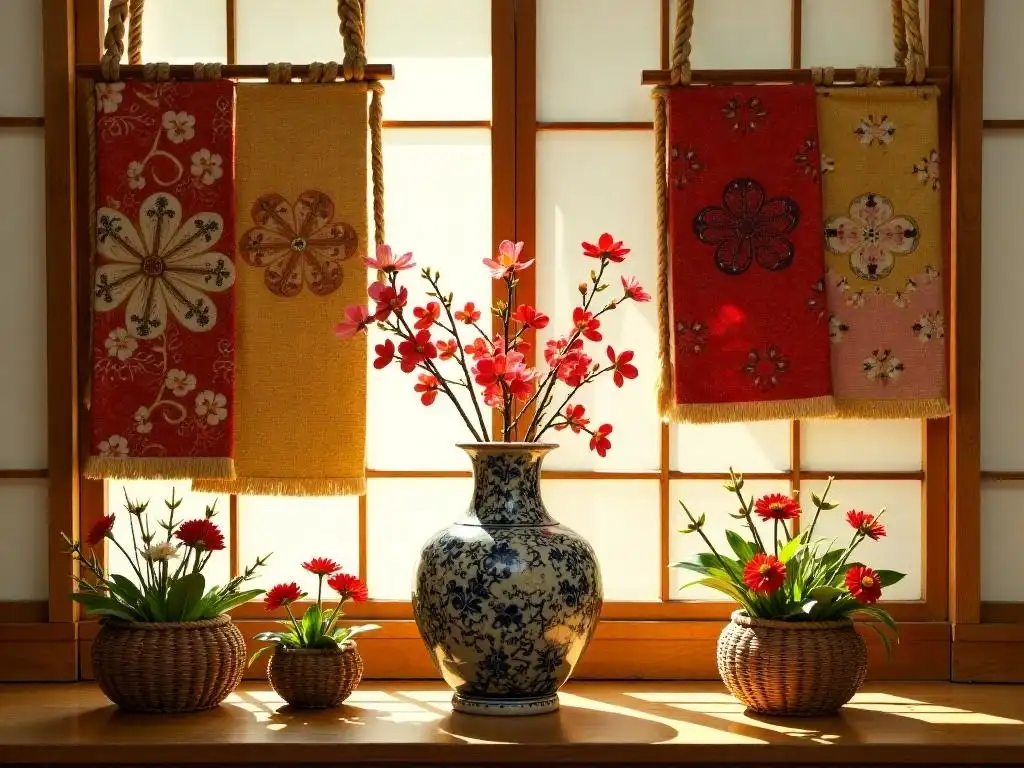
Specific Examples of Merchants as Art Patrons
During Japan's feudal era, the role of merchants transcended mere commerce; they became significant patrons of the arts, shaping Japanese aesthetics in profound ways. Notably, the rise of the Chōnin (townspeople) during the Edo period (1603-1868) marked a shift in the cultural landscape, as affluent merchants sought to distinguish themselves through art.
- The Honma Family: This wealthy merchant family from Sakata was instrumental in supporting ukiyo-e artists. They not only commissioned works but also facilitated the dissemination of these prints, which depicted the pleasures of urban life and beauty. Their patronage enabled artists like Utagawa Hiroshige to flourish, creating iconic works that merged commerce with beauty, such as "The Fifty-Three Stations of the Tōkaidō."
- The Matsumoto Family: Another notable example is the Matsumoto family, who were prominent in the silk trade. They invested heavily in Nihonga (traditional Japanese painting), supporting artists who incorporated natural subjects and traditional techniques. This patronage contributed to the revival and evolution of Japanese painting styles, integrating merchant wealth with aesthetic development.
- The Sōda Family: Renowned for their involvement in the tea trade, the Sōda family also played a crucial role in promoting Chanoyu (Japanese tea ceremony). Their support of ceramics and tea utensils led to the creation of exquisite works that exemplified simplicity and elegance, foundational elements of Japanese aesthetics.
The influence of these merchant families exemplifies how financial support and cultural patronage can intertwine, leading to significant shifts in artistic expression and aesthetic values in Japan.
The Impact of Trade Routes on Artistic Styles
The intricate web of trade routes during Japan's feudal era significantly impacted artistic styles, facilitating the exchange of ideas, materials, and techniques that enriched Japanese aesthetics. Two key aspects highlight this influence:
- Silk Roads and Cultural Exchange: The trade routes connecting Japan with China and Korea were vital in introducing various artistic elements. For instance, Chinese landscape painting techniques were absorbed into Japanese art, resulting in a unique blend that emphasized harmony with nature. The influence of ink wash techniques can be seen in the works of artists like Sesshū Tōyō, whose landscapes reflect a synthesis of Chinese and Japanese aesthetics.
- European Trade and the Nanban Style: The arrival of Portuguese and Dutch traders in the 16th century introduced Western artistic techniques and perspectives. This interaction gave rise to the Nanban style, characterized by vibrant colors and dynamic compositions. The adaptation of Western elements is particularly evident in the works of Tawaraya Sōtatsu, who incorporated new themes and techniques into traditional Japanese art forms, creating a visually stunning amalgamation.
The fusion of artistic influences through trade not only enhanced the richness of Japanese aesthetics but also reflected the broader socio-economic changes occurring during the feudal era. This blending of styles serves as a testament to how merchants, as conduits of culture and commerce, significantly shaped the artistic landscape of Japan.
The Legacy of Merchant Influence on Modern Japanese Art
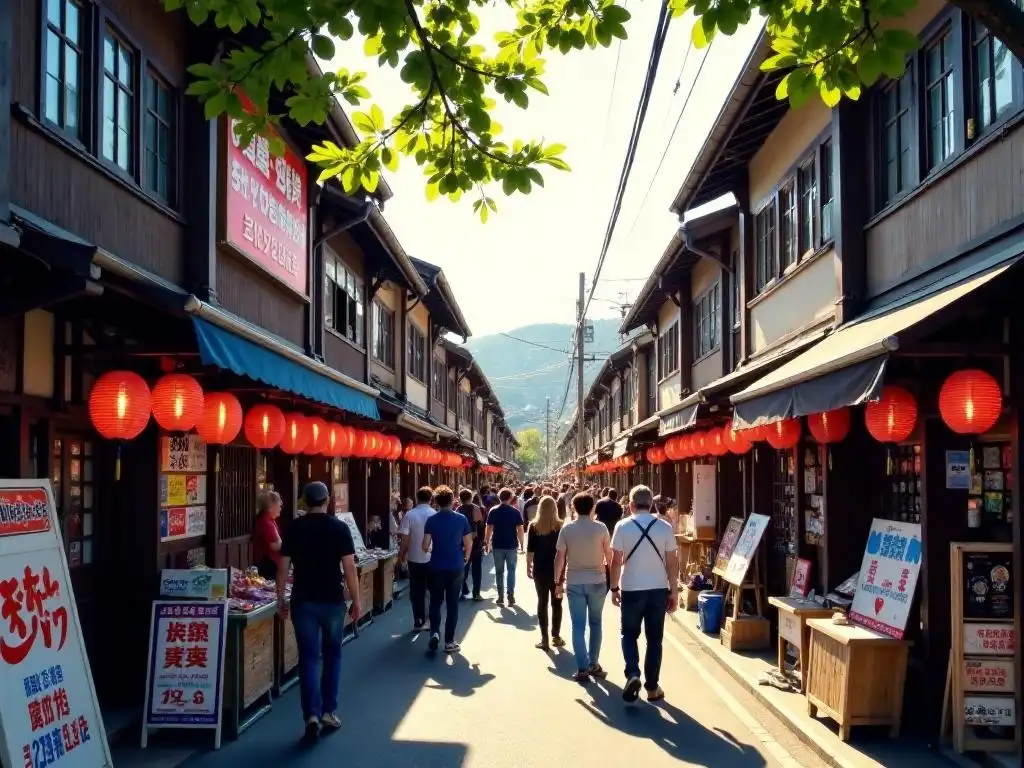
The legacy of merchant influence on modern Japanese art is a rich tapestry woven from centuries of cultural exchange, economic innovation, and evolving aesthetic ideals. The merchants of feudal Japan were not just traders; they were also patrons of the arts, often commissioning works that reflected their tastes and aspirations. This fusion of commerce and creativity laid the groundwork for contemporary Japanese aesthetics, which continues to draw inspiration from the past while embracing modernity.
Continuation of Aesthetic Principles in Contemporary Art
Modern Japanese artists frequently revisit and reinterpret traditional aesthetic principles that were cultivated during the feudal era, particularly those influenced by merchant culture. Key elements such as simplicity, elegance, and natural beauty remain central to contemporary works.
- Wabi-Sabi: This aesthetic philosophy, which appreciates the beauty in imperfection and transience, finds its roots in the tea ceremonies popularized by wealthy merchants. Today, artists like Yoshitomo Nara and Takashi Murakami integrate these principles into their works, showcasing a blend of modern themes with traditional Japanese aesthetics.
- Use of Materials: The feudal merchants were known for their appreciation of fine materials, such as silk and ceramics. Modern artists continue to explore these materials, often using them in innovative ways that pay homage to their historical significance. For instance, contemporary ceramicists may incorporate ancient glazing techniques that were once favored by the merchant class, resulting in pieces that resonate with both past and present.
- Imagery and Themes: The themes prevalent in merchant-sponsored art—such as landscapes, seasonal changes, and daily life—persist in modern art. Artists often draw upon these motifs, reinterpreting them through a contemporary lens. For example, the use of ukiyo-e (floating world) designs in modern graphic design and fashion highlights the enduring influence of merchant aesthetics.
The Relationship Between Art and Commerce in Modern Japan
The interplay between art and commerce in modern Japan is a continuation of the dynamics established during the feudal period. Merchants' roles as patrons of the arts have evolved, but their impact remains evident in various contemporary art forms and practices.
- Art Markets and Fairs: Modern art fairs and exhibitions in Japan serve as a testament to the ongoing relationship between art and commerce. These venues not only showcase artists' works but also facilitate connections between creators and collectors, reminiscent of the merchant networks that flourished in the past. Events like the Tokyo Art Fair highlight the commercial aspect of art, where aesthetics meet economic interests.
- Commercial Collaborations: Many contemporary artists collaborate with brands and corporations, creating pieces that reflect both artistic vision and marketing strategies. This practice can be traced back to the feudal era, where artisans would often produce goods that appealed to the tastes of wealthy merchants. Today, collaborations between artists and brands like Uniqlo or Muji allow traditional aesthetics to reach broader audiences, blending art with consumer culture.
- Cultural Preservation and Innovation: The influence of commerce on modern Japanese art also extends to cultural preservation. Many artisans and artists focus on reviving traditional crafts and techniques, which were once supported by merchant patronage. This trend not only preserves cultural heritage but also adapts it to contemporary contexts, ensuring that Japanese aesthetics continue to evolve while honoring their roots.
The legacy of merchant influence is deeply embedded in modern Japanese art, manifesting through the continuation of aesthetic principles and the dynamic relationship between art and commerce. As contemporary artists navigate this rich history, they create works that resonate with both traditional values and modern sensibilities, ensuring that the influence of feudal merchants remains a vital part of Japan's artistic landscape.
Conclusion: The Lasting Impact of Merchants on Japanese Aesthetics
The intersection of art and trade in feudal Japan produced a unique cultural landscape that continues to influence Japanese aesthetics today. Merchants, often underestimated in their societal roles, emerged as crucial players in the promotion and dissemination of artistic styles. This symbiotic relationship between commerce and aesthetics fostered an environment where creativity thrived, allowing for the flourishing of various art forms, from textiles to ceramics.
Reflections on the Marriage of Art and Trade in Japan
The marriage of art and trade in Japan can be traced back to the Edo period (1603-1868), a time when the merchant class, or chōnin, gained prominence. This era saw a shift in social dynamics, as merchants accumulated wealth and began to influence cultural practices. Their ability to patronize artists and craftspeople enabled a vibrant exchange of ideas and styles, leading to the development of distinctive aesthetics that reflected both local traditions and global influences.
One notable example is the rise of ukiyo-e, or "pictures of the floating world," which depicted scenes of urban life, landscapes, and kabuki actors. These woodblock prints were not only popular among the elite but also accessible to the burgeoning middle class, thanks to merchants who facilitated their production and distribution. The aesthetic qualities of ukiyo-e—characterized by bold colors and dynamic compositions—were directly influenced by the preferences of merchants, who sought to showcase their status and taste through the artworks they collected.
Additionally, the trade routes established by merchants allowed for the exchange of materials and techniques that enriched Japanese art. For instance, the introduction of Western painting techniques and perspective during the late Edo period led to innovations in Japanese aesthetics, merging traditional styles with new influences. This cross-pollination of ideas exemplifies how merchants were instrumental in shaping not only the economy but also the cultural fabric of Japan.
Final Thoughts on the Evolving Nature of Aesthetics and Commerce
As we reflect on the historical influence of merchants on Japanese aesthetics, it becomes clear that this relationship is not static; it continues to evolve. In contemporary Japan, the legacy of merchant-driven aesthetics persists, with modern artisans drawing inspiration from traditional practices while incorporating global trends. The blending of these elements creates a dynamic cultural landscape where Japanese aesthetics and merchant influence remain intertwined.
The impact of merchants on Japanese aesthetics is profound and multifaceted. Their role as patrons and facilitators of art not only enriched the cultural landscape of feudal Japan but also laid the groundwork for future artistic developments. As we explore the ongoing dialogue between commerce and aesthetics, it is essential to acknowledge the historical significance of this relationship and its continuing relevance in shaping Japan's artistic identity today.
Frequently Asked Questions
What role did merchants play in shaping Japanese aesthetics during the feudal era?
Merchants significantly influenced Japanese aesthetics by introducing new materials and techniques, which allowed for the blending of artistic styles and broader cultural expressions.
How did trade impact the development of art in feudal Japan?
Trade facilitated the exchange of ideas and artistic concepts, leading to the emergence of unique styles that reflected both local traditions and foreign influences.
What are some key examples of aesthetic elements influenced by merchants?
Key examples include the use of vibrant colors and intricate patterns in textiles and ceramics, which were heavily influenced by the availability of exotic goods through trade.
How did the relationship between art and commerce evolve in this period?
The relationship evolved as merchants became patrons of the arts, commissioning works that reflected their wealth and status, thereby intertwining artistic expression with commercial success.
Why is understanding the merchant influence on Japanese aesthetics important today?
Understanding this influence helps in comprehending the cultural richness of Japan, showcasing how economic factors can shape art and society in profound ways.
Final Reflection: The Enduring Legacy of Merchant Influence on Japanese Aesthetics
The intricate relationship between art and commerce has never been more relevant than it is today. As we navigate a globalized world, the influence of merchants on Japanese aesthetics serves as a profound reminder of how trade can shape cultural identity and artistic expression. The historical interplay between these two realms not only highlights the evolution of Japanese aesthetics but also emphasizes the importance of understanding our cultural roots in an increasingly interconnected society.
Culture is a living tapestry, woven together by the threads of commerce, creativity, and community. The impact of merchants on Japanese aesthetics is a testament to how economic forces can inspire artistic innovation and cultural exchange. As we witness contemporary artists drawing inspiration from traditional Japanese motifs while incorporating modern techniques, we are reminded of the words of the renowned Japanese artist Katsushika Hokusai: The mind of man is like a vast ocean; it is boundless.
This notion encapsulates the idea that the fusion of trade and art continues to expand the horizons of creativity, reflecting a dynamic cultural landscape that is ever-evolving.
As you reflect on the themes presented in this article, consider how the marriage of art and trade can inspire your own creative endeavors. Embrace the idea that your unique experiences and interactions can contribute to a larger narrative of cultural exchange. Whether you are an artist, a merchant, or simply an admirer of aesthetics, let the lessons of history guide you in fostering connections that celebrate diversity and innovation. The future of aesthetics is not just about preserving tradition; it is about weaving new stories into the fabric of our shared cultural heritage.
Embrace the Fusion of Art and Trade!
Thank you for exploring the fascinating interplay between art and commerce in Japanese history! Understanding how merchants helped shape aesthetics enriches our appreciation of this vibrant culture. Now that you've gained insights, it's time to take action and dive deeper into this captivating subject.
- Visit local galleries or museums that feature Japanese art to witness firsthand the influence of trade on aesthetics.
- Share your newfound knowledge with friends or on social media to ignite conversations about the cultural impacts of trade.
- Consider attending a local market or craft fair to observe contemporary artisans at work, merging traditional influences with modern practices.
What aspect of Japanese aesthetics intrigues you the most, and how do you believe trade continues to shape art today?