
The Role of Daimyo in Shaping Japan's Historical Narrative

Welcome to Feudal Japan History, where we embark on a captivating journey through the intricate tapestry of Japan's feudal era. Here, we delve into the Role of Daimyo in Japan, uncovering the powerful lords who shaped the nation’s political landscape and cultural identity. Discover how these influential figures navigated alliances, warfare, and governance, leaving an indelible mark on Japan's historical narrative. As you explore our in-depth articles, prepare to unlock the secrets of a time filled with intrigue and transformation—your adventure into the heart of feudal Japan begins now!
- Introduction to the Role of Daimyo in Japan's Historical Narrative
- Historical Context of Daimyo in Japan
- Political Influence of Daimyo in Japan
- Cultural Contributions of Daimyo in Shaping Japan
- Economic Impact of Daimyo on Japan's Development
- The Decline of Daimyo Power and Its Historical Significance
- Conclusion: The Lasting Impact of Daimyo on Japan's Historical Narrative
- Frequently Asked Questions
- Final Reflection: The Enduring Legacy of the Daimyo in Japan's Historical Narrative
- Embrace the Legacy of the Daimyo: Take Action Today!
Introduction to the Role of Daimyo in Japan's Historical Narrative
The feudal era of Japan, spanning from the 12th to the 19th century, is a period marked by complex social hierarchies, shifting power dynamics, and the emergence of influential figures known as daimyo. These regional lords played a crucial role in shaping Japan's historical narrative, influencing not only the political landscape but also the cultural and societal aspects of the time.
With the ability to wield considerable military and economic power, the daimyo were instrumental in the governance of their domains, navigating alliances, and rivalries that would ultimately define Japan's journey through feudalism and beyond. This article delves into the significant contributions of the daimyo, exploring their roles, responsibilities, and the lasting impact they had on Japan's history.
Overview of the Feudal Era in Japan
The feudal era in Japan can be characterized by a decentralized political structure where power was held by local lords rather than a central government. This period saw the rise of the samurai class, who served the daimyo in exchange for land and protection. Key features of this era include:
- The Emergence of the Samurai:
- The samurai were not only warriors but also held positions as administrators and land managers for the daimyo.
- Shugo and Daimyo:
- Initially, shugo (military governors) were appointed by the imperial court to manage provinces. Over time, many shugo became independent daimyo, asserting their control over land and resources.
- Land and Agriculture:
- The economy during this period was primarily agrarian, with rice serving as a crucial currency. The daimyo's wealth was largely derived from the agricultural output of their lands.
- Political Fragmentation:
- With the rise of independent daimyo, Japan experienced significant fragmentation, leading to regional conflicts and the eventual Sengoku period—often referred to as the "Age of Warring States."
Importance of Daimyo in Shaping Political Structures
The role of the daimyo extended beyond mere land ownership; they were key players in the political structure of feudal Japan. Their influence can be examined through various aspects:
- Military Leadership:
- Daimyo were responsible for maintaining their own armies, composed of samurai and foot soldiers, which they used to defend their territories or expand their influence through warfare.
- Economic Control:
- Control over land allowed daimyo to collect taxes and manage resources, granting them significant economic power that translated into political leverage.
- Alliance and Rivalries:
- The daimyo often engaged in strategic marriages and alliances, forming coalitions that could either strengthen their position or lead to conflicts with other lords.
- Cultural Patronage:
- Beyond politics and warfare, many daimyo were patrons of the arts, contributing to the cultural richness of the era, including the development of tea ceremonies, Noh theater, and other cultural practices.
The daimyo were not only crucial to the political landscape of feudal Japan but also played a significant role in shaping the cultural and social norms of the time. Their legacy continues to influence modern Japan, making the exploration of their role essential to understanding the country's historical narrative.
Historical Context of Daimyo in Japan
The role of daimyo in shaping Japan's historical narrative is deeply rooted in the socio-political evolution of the country from the Heian period through to the Sengoku period. Understanding this context is essential to grasping how these feudal lords influenced governance, military strategies, and cultural developments throughout Japan's feudal era.
Emergence of the Daimyo During the Heian Period
The term "daimyo" originally referred to the powerful landowners who emerged during the Heian period (794-1185). This era was characterized by a court-centered culture and the dominance of the imperial family in Kyoto. However, the shift towards a more decentralized power structure began as local clan leaders, or gokenin, started to gain influence over their respective regions.
- Land Ownership: The daimyo were primarily landowners who controlled vast estates. Their wealth derived from agricultural production, which was heavily dependent on the labor of peasants.
- Military Role: As the imperial court became increasingly ineffective in governing the provinces, these landowners began to form their own military forces to protect their domains. This marked the beginning of a shift from political loyalty to the emperor to loyalty to local feudal lords.
The emergence of the daimyo during the Heian period laid the groundwork for the fragmentation of power that would characterize subsequent eras.
The Rise of Daimyo in the Kamakura Period
The Kamakura period (1185-1333) saw a significant transformation in the power dynamics of feudal Japan, with the rise of the Kamakura shogunate and the consolidation of power among the daimyo.
- Shogunate Establishment: Minamoto no Yoritomo established the first shogunate, which effectively reduced the emperor's power and centralized military authority under the shogun. This new political structure allowed the daimyo to operate with greater autonomy in their regions.
- Feudal Loyalty: The relationship between the shogun and the daimyo was formalized through a system of reciprocal loyalty, where the daimyo pledged allegiance to the shogun in exchange for military support and protection of their lands.
- Territorial Expansion: As the shogunate solidified its control, many daimyo began to expand their territories, often through military conquests or strategic marriages, further increasing their power and influence.
This period marked a critical juncture in the role of daimyo as they transitioned from mere local leaders to key players in the political landscape of Japan.
The Impact of the Sengoku Period on Daimyo Power Dynamics
The Sengoku period (1467-1615), often referred to as the "Warring States" period, was characterized by intense military conflict and the struggle for power among the daimyo. This chaotic era had profound implications for the role of daimyo in Japan.
- Fragmentation of Power: The Sengoku period saw the fragmentation of Japan into numerous feuding states, with each daimyo vying for control over land and resources. This led to a highly competitive environment, where alliances were often temporary and strategic.
- Military Innovation: Daimyo during this period adopted innovative military strategies and technologies, including the use of firearms, which transformed warfare in Japan. The ability to field large armies became essential for survival and dominance.
- Unification Efforts: Prominent figures such as Oda Nobunaga, Toyotomi Hideyoshi, and Tokugawa Ieyasu emerged as powerful daimyo who sought to unify Japan. Their efforts culminated in the establishment of the Tokugawa shogunate, which would bring relative peace and stability to the country after decades of conflict.
The role of daimyo in Japan evolved significantly through historical contexts, from landowners in the Heian period to powerful military leaders in the Sengoku period. Their influence on Japan's political and social landscapes continues to be a crucial aspect of the country’s feudal narrative.
Political Influence of Daimyo in Japan
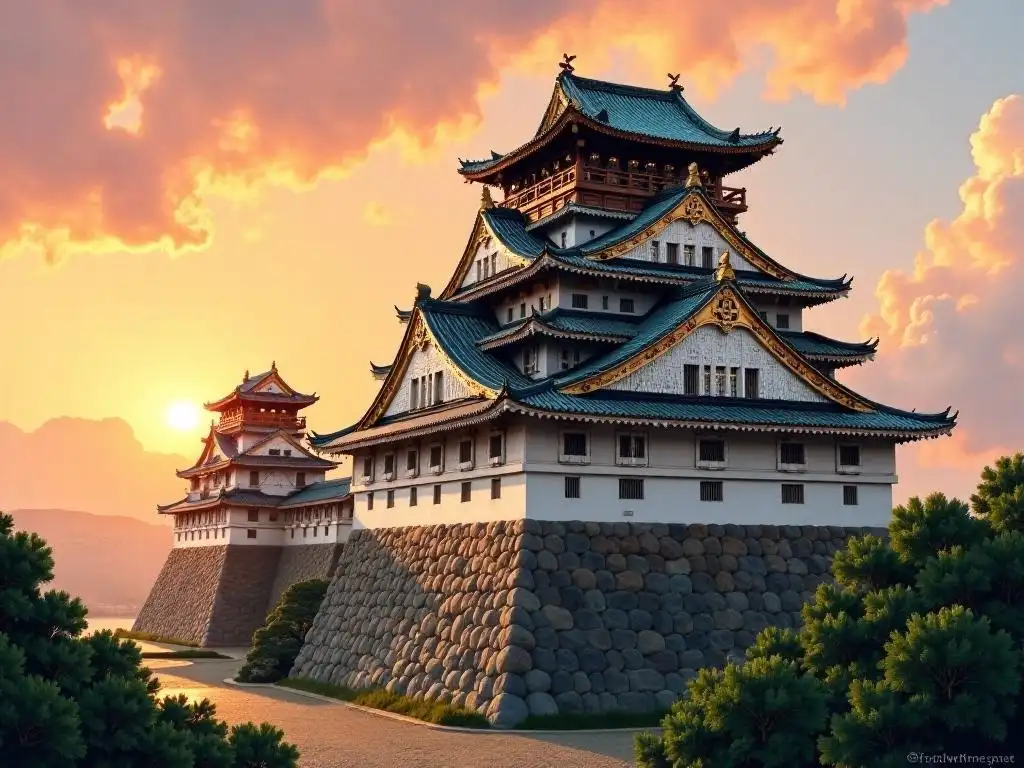
The political landscape of feudal Japan was significantly shaped by the daimyo, who were powerful feudal lords controlling vast domains. Their influence extended beyond mere land ownership; they were key players in the governance, military, and cultural dynamics of their regions. This section explores the multifaceted political influence of the daimyo during Japan's feudal era, focusing on their roles within the broader feudal system, their relationships with the shogunate, and their local governance responsibilities.
Role of Daimyo in the Feudal System
The daimyo held a central position in the feudal system, acting as intermediaries between the shogun and the common people. Each daimyo governed a specific territory, often referred to as a han, where they exercised significant autonomy. Their primary responsibilities included:
- Military Leadership: Daimyo were responsible for raising armies to serve the shogunate during conflicts. They maintained a samurai class that was loyal to them, which was essential in a time marked by military strife.
- Tax Collection: They collected taxes from their subjects, which were used to fund their military endeavors and local infrastructure. The tax system varied but often included rice as a primary currency, reflecting the agrarian economy.
- Land Management: The daimyo implemented agricultural policies to enhance productivity, which was crucial for sustaining their economic power. This included promoting new farming techniques and managing irrigation systems.
The daimyo's significance in the feudal structure was not just in governance but also in maintaining the social hierarchy, where loyalty and service to one's lord were paramount.
Relationships Between Daimyo and the Shogunate
The relationship between the daimyo and the shogunate was complex and often dictated by the prevailing political climate. The shogunate, as the de facto ruling government, relied on the daimyo for stability and military support, while the daimyo sought autonomy and power. Key aspects of this relationship included:
- Vassalage: Daimyo were vassals to the shogun, pledging loyalty in exchange for protection and legitimacy. This relationship was formalized through oaths and ceremonies, reinforcing the hierarchical structure of feudal Japan.
- Political Alliances: Daimyo often formed alliances with each other or with the shogunate to strengthen their position. These alliances could shift rapidly, especially during periods of conflict, such as the Sengoku period, where betrayal and loyalty were constantly in flux.
- Control Measures: The shogunate exercised control over the daimyo through policies such as sankin-kōtai, which required daimyo to spend alternate years in the capital, Edo. This system limited the daimyo's power while ensuring their loyalty to the shogunate.
The dynamics of these relationships were crucial in shaping the political narrative of Japan, as they influenced wars, peace treaties, and the rise and fall of various clans.
The Daimyo's Role in Local Governance and Administration
In addition to their overarching political influence, daimyo played a pivotal role in local governance and administration within their domains. Their responsibilities included:
- Judicial Authority: Daimyo had the authority to administer justice within their territories. They often established local courts to handle disputes, reinforcing their power and control over the populace.
- Infrastructure Development: Many daimyo invested in the construction of roads, castles, and irrigation systems, which improved trade and transportation within their regions. This not only facilitated economic growth but also showcased the daimyo's power and benevolence.
- Cultural Patronage: Daimyo were often patrons of the arts, supporting local craftsmen, artists, and scholars. This led to the flourishing of culture and education in their domains, which contributed to the overall development of Japanese society during the feudal era.
Through these roles, the daimyo not only governed but also shaped the cultural and social fabric of their regions, leaving a lasting legacy in Japan’s historical narrative. The role of daimyo in Japan was thus multifaceted, encompassing military, political, and cultural dimensions that were vital to the country's feudal structure.
Cultural Contributions of Daimyo in Shaping Japan

The daimyo played a significant role not only in the political and military landscape of feudal Japan but also in shaping the cultural fabric of the nation. Their influence extended into various aspects of society, including the arts, architecture, and the promotion of samurai culture. This section delves into the key cultural contributions made by the daimyo, highlighting their enduring impact on Japanese history.
Patronage of Arts and Culture by Daimyo
The daimyo were instrumental in the patronage of arts and culture during the feudal period. Their wealth and status allowed them to support a wide range of artistic endeavors, which significantly influenced the development of Japanese culture.
- Sponsorship of Artists and Craftsmen: Many daimyo commissioned works from renowned artists, artisans, and craftsmen, leading to the flourishing of various art forms such as painting, calligraphy, and pottery. This patronage not only elevated the status of these artists but also enriched the cultural landscape of their domains.
- Cultural Festivals and Events: Daimyo often organized cultural festivals, tea ceremonies, and gatherings that showcased traditional arts. These events helped to preserve and promote cultural practices, allowing samurai and commoners alike to participate and appreciate the arts.
- Literature and Poetry: The daimyo's patronage extended to literature, encouraging the creation of poetry, plays, and literary works. Many daimyo maintained libraries and invited scholars to their courts, fostering an environment where literature thrived.
The result of this patronage was a vibrant cultural scene that contributed to the development of a unique Japanese identity during the feudal era.
Influence of Daimyo on Japanese Architecture and Gardens
Daimyo had a profound impact on the architectural landscape of Japan, leaving behind a legacy of castles, temples, and gardens that reflected their power and aesthetic preferences.
- Construction of Castles: The daimyo built impressive castles as both military strongholds and symbols of their authority. These castles, such as Himeji Castle and Matsumoto Castle, showcased advanced architectural techniques of the time and remain iconic representations of Japanese heritage.
- Gardens as Cultural Expressions: The daimyo also invested in the creation of elaborate gardens that were not only functional but also served as aesthetic retreats. These gardens often incorporated Zen principles, emphasizing harmony and tranquility. The gardens of the Nijo Castle in Kyoto exemplify this influence, blending natural beauty with architectural elements.
- Integration of Traditional Styles: The architectural styles promoted by the daimyo often integrated local traditions with influences from China and Korea, leading to a distinct Japanese architectural language that evolved over time.
Through their architectural endeavors, the daimyo not only fortified their power but also contributed to the cultural and aesthetic development of Japan.
The Role of Daimyo in Promoting Samurai Culture
The daimyo were key figures in the promotion and preservation of samurai culture, which was integral to the social and political structure of feudal Japan.
- Education and Training of Samurai: The daimyo established educational institutions for samurai, emphasizing martial skills, ethics, and the bushido code. This education system ensured that samurai were well-trained and adhered to the values of loyalty, honor, and discipline.
- Cultural Rituals and Practices: Daimyo often hosted events that highlighted samurai traditions, such as kendo tournaments and archery contests. These events not only reinforced the martial prowess of the samurai but also served as public displays of loyalty and allegiance to the daimyo.
- Support for Samurai Arts: The daimyo encouraged the pursuit of the martial arts as well as other forms of artistic expression amongst samurai, including poetry, calligraphy, and tea ceremony. This dual focus on martial and cultural disciplines cultivated a well-rounded samurai class that valued both strength and refinement.
The influence of the daimyo in promoting samurai culture solidified the samurai's role as both warriors and cultural custodians, leaving a lasting legacy that continues to resonate in modern Japanese society.
Economic Impact of Daimyo on Japan's Development
Agricultural Reforms Implemented by Daimyo
The Daimyo played a pivotal role in the agricultural development of feudal Japan, significantly impacting the country’s economy. As regional lords, they were responsible for managing vast tracts of land and were tasked with ensuring the productivity and sustainability of their domains. Here are some of the key agricultural reforms implemented by Daimyo:
- Land Redistribution: Many Daimyo undertook land surveys to assess and redistribute agricultural land. This was often aimed at maximizing output by reallocating land to more efficient farmers or by consolidating smaller plots into larger, more manageable fields.
- Irrigation Projects: To enhance agricultural productivity, Daimyo invested in irrigation systems. They constructed canals and reservoirs, which allowed farmers to cultivate rice and other crops more effectively, especially in regions prone to drought.
- Introduction of New Crops: Some Daimyo encouraged the cultivation of new crops, such as cotton and soybeans, alongside traditional rice farming. This diversification helped stabilize local economies and provided farmers with additional sources of income.
- Promotion of Agricultural Techniques: Daimyo often brought in skilled agricultural advisors to educate local farmers on improved farming techniques. These innovations included crop rotation, fertilizer use, and pest management, which collectively enhanced crop yields.
The cumulative effect of these reforms not only bolstered the local economy but also contributed to the overall stability of Japan during the feudal era, creating a robust agricultural foundation that supported the burgeoning population.
The Role of Daimyo in Trade and Commerce
The Daimyo were not only influential in agriculture but also played a crucial role in shaping trade and commerce in their respective domains. Their policies and practices significantly impacted the economic landscape of Japan during the feudal period. Key aspects include:
- Regional Trade Networks: Daimyo established and maintained trade routes within their territories and beyond. They facilitated market exchanges and regulated trade practices, allowing for the movement of goods such as rice, textiles, and ceramics.
- Support for Craftsmen and Merchants: Many Daimyo actively supported local craftsmen and merchants by providing them with protection and favorable conditions for trade. This support fostered the growth of urban centers, which became hubs of commerce and culture.
- Control of Resources: By controlling valuable resources such as salt, timber, and metals, Daimyo could monopolize trade in these commodities. This control not only enriched their domains but also allowed them to exert influence over neighboring regions.
- Taxation Systems: The economic policies of the Daimyo often included taxation on trade activities. They implemented tariffs and levies that generated revenue for their domains while also allowing for the regulation of commerce, ensuring that trade thrived under their auspices.
Through these mechanisms, the Daimyo contributed to the economic vitality of their regions and facilitated the emergence of a more interconnected Japanese economy.
Economic Policies and Their Influence on Local Populations
The economic policies enacted by the Daimyo had profound implications for local populations, shaping their lifestyles and communities. These policies often reflected the intentions of the Daimyo to stabilize their rule and enhance revenue. Important aspects include:
- Taxation and Labor Obligations: Daimyo implemented various taxation systems that required farmers to pay a portion of their harvest. While this provided necessary funds for the Daimyo, it often placed a heavy burden on the local populace, leading to periodic unrest and dissatisfaction.
- Support for Infrastructure Development: Daimyo frequently invested in infrastructure projects, such as roads and marketplaces, to promote economic activities. These developments not only facilitated trade but also improved access to resources and services for local communities.
- Cultural Patronage: By supporting local artisans and cultural enterprises, Daimyo contributed to the socioeconomic fabric of their regions. Festivals, art, and religious practices flourished under their patronage, enriching the lives of the people.
- Social Stratification: The economic policies of the Daimyo often reinforced social hierarchies, as wealth accumulation was concentrated among a small elite. This led to a clear division between the samurai class and the peasantry, impacting social mobility and community relations.
The economic policies of the Daimyo were instrumental in shaping the livelihoods of the local population, driving both economic growth and social dynamics throughout feudal Japan.
The Decline of Daimyo Power and Its Historical Significance

Factors Leading to the Decline of the Daimyo System
The decline of the daimyo system in Japan was not a sudden event but rather a culmination of various interrelated factors that unfolded over several decades. Understanding these factors provides critical insight into how the political landscape of Japan transformed during the late Edo period and beyond.
- Economic Changes: The Edo period saw a shift from a primarily agrarian economy to one that incorporated increasing trade and commerce. This economic transformation diminished the power of the daimyo, whose wealth was traditionally rooted in land. With the rise of merchant classes, the economic base shifted, leading to a decline in the direct influence of daimyo over the populace.
- Centralization of Power: The Tokugawa shogunate implemented policies that centralised authority and restricted the autonomy of the daimyo. The sankin-kotai system, requiring daimyo to spend every other year in Edo, effectively limited their ability to amass power and resources in their own domains. This system weakened their local influence and tied them more closely to the central government.
- Social Unrest: Discontent among the peasantry and the rise of a new class of wealthy merchants created social tensions. The daimyo were often unable to manage these tensions, leading to uprisings such as the Peasant Revolts. These revolts highlighted the erosion of traditional power structures and the inability of the daimyo to maintain control over their subjects.
- Western Influence and Pressure: The arrival of Western powers in the mid-19th century, particularly the forced opening of Japan by Commodore Perry in 1853, exposed the weaknesses of the Tokugawa regime and the daimyo. The subsequent influx of foreign ideas and technologies challenged the existing feudal structure and prompted calls for modernization.
The Meiji Restoration and the Fate of Daimyo
The Meiji Restoration of 1868 marked a pivotal turning point in Japanese history, leading to the abolition of the daimyo system and the establishment of a centralized government. The end of the daimyo's political power was achieved through several key reforms:
- Abolition of Feudal Domains: The new Meiji government abolished the han (domains) system in 1871, which effectively dissolved the feudal structure that had allowed the daimyo to maintain their power. This was part of a broader effort to centralize authority and create a unified national identity.
- Compensation and Land Redistribution: The government compensated the former daimyo for their lost lands, which were then redistributed to the state. This process was intended to placate the former rulers while simultaneously consolidating land under state control, thereby diminishing the economic power of the daimyo.
- Military Reforms: With the establishment of a conscript army, the reliance on samurai and the military forces of the daimyo came to an end. The new military structure was designed to serve the state rather than individual domains, further eroding the daimyo's influence.
Through these reforms, the Meiji government transformed Japan, fostering a sense of nationalism and paving the way for modernization. The former daimyo were integrated into the new political system, often becoming key players in the rapidly changing society, albeit in roles that were significantly diminished compared to their former status.
Legacy of Daimyo in Modern Japan
The legacy of the daimyo system continues to resonate in modern Japan, influencing various aspects of its culture and society. This historical influence can be observed in several key areas:
- Cultural Heritage: Many of the castles, gardens, and architectural styles associated with the daimyo remain vital parts of Japan's cultural heritage. These structures, such as Himeji Castle and Nijo Castle, serve as tourist attractions and symbols of Japan's feudal past.
- Political Influence: While the daimyo as a class no longer exist, many descendants of daimyo families still hold positions of influence in modern Japan. Their historical ties and social status often translate into a degree of respect and recognition in contemporary society.
- Cultural Practices: Traditional arts, such as tea ceremonies, martial arts, and various forms of craftsmanship, were often patronized by the daimyo. These cultural practices have persisted through generations and continue to be an essential part of Japanese identity.
- Economic Foundations: The economic structure established during the daimyo era laid the groundwork for Japan's later industrialization. The land management practices and agricultural techniques developed under the daimyo influenced modern farming and regional economies.
The role of daimyo in Japan extends far beyond their political authority, shaping various aspects of Japanese life that continue to be relevant today. The decline of their power marked the end of an era, but the legacy they left behind remains an integral part of Japan's historical narrative.
Conclusion: The Lasting Impact of Daimyo on Japan's Historical Narrative
Summary of the Role of Daimyo in Japan's History
The role of daimyo in Japan's feudal era was instrumental in shaping not only the political landscape but also the cultural and social fabric of the nation. These powerful feudal lords wielded significant authority over their domains, commanding armies and collecting taxes, which allowed them to maintain a degree of autonomy from the central government. Their influence peaked during the Sengoku period (1467-1615), a time characterized by constant military conflict and political fragmentation.
Through strategic marriages, military alliances, and territorial expansion, daimyo played a critical role in the unification efforts of Japan under leaders such as Oda Nobunaga and Toyotomi Hideyoshi. These lords not only contributed to the consolidation of power but also influenced the development of samurai culture, which emphasized loyalty, honor, and martial prowess. The daimyo's role extended beyond mere governance; they were also patrons of the arts, fostering cultural advancements that contributed to Japan's rich heritage.
| Aspect | Details |
|---|---|
| Political Power | Controlled vast territories and armies, often acting independently of the shogunate. |
| Cultural Influence | Supported arts and education, leading to the flourishing of literature, theater, and tea ceremonies. |
| Social Structure | Established hierarchical systems that defined relationships between samurai and peasants. |
| Military Strategy | Engaged in warfare, influencing the tactics and strategies that would be used throughout Japan’s history. |
Reflection on the Cultural and Political Legacy of Daimyo in Japan
The cultural and political legacy of the daimyo is deeply embedded in Japan's historical narrative. Their influence is still visible in various aspects of modern Japanese society. For instance, the samurai ethos, which was cultivated under the daimyo's patronage, continues to resonate through Japanese martial arts and popular culture.
The administrative systems established by the daimyo laid the groundwork for Japan's future governance structures. The decentralized power dynamics that characterized the feudal era eventually influenced the establishment of modern governmental systems in Japan, as the country transitioned from feudalism to a more centralized state during the Meiji Restoration in the late 19th century.
Moreover, the cultural contributions of the daimyo, particularly in the arts, have left a lasting imprint. The tea ceremonies, Noh theater, and calligraphy practices that were nurtured by these lords continue to be celebrated as quintessential aspects of Japanese culture today. The historical significance of the daimyo transcends their immediate political power, embedding their legacy within the very identity of Japan.
The role of daimyo in Japan was multifaceted, encompassing governance, cultural patronage, and military strategy. Their enduring impact on the historical narrative of Japan is a testament to their importance during the feudal era and their lasting influence on contemporary Japanese society.
Frequently Asked Questions
What was the role of the Daimyo in feudal Japan?
The Daimyo were powerful feudal lords who governed large territories and played a crucial part in Japan's political landscape during the feudal era.
How did the Daimyo influence Japanese culture?
The Daimyo significantly impacted Japanese culture by patronizing the arts, supporting local traditions, and fostering cultural exchanges between regions.
What was the relationship between the Daimyo and the shogunate?
The Daimyo were vassals to the shogunate, pledging loyalty in exchange for military protection and the right to govern their lands, creating a complex power dynamic.
How did the Daimyo contribute to Japan's military structure?
The Daimyo maintained their own samurai armies, which were essential for defense and territorial expansion, playing a key role in Japan's military history.
What led to the decline of the Daimyo's power?
The Meiji Restoration in the late 19th century resulted in the centralization of power, diminishing the authority of the Daimyo and leading to the establishment of a modern state.
Final Reflection: The Enduring Legacy of the Daimyo in Japan's Historical Narrative
The role of the Daimyo in Japan's history is not merely a relic of the past; it is a vital thread woven into the fabric of Japan's cultural identity today. As we navigate the complexities of modern society, understanding the influence of these feudal lords helps us appreciate the intricate power dynamics that have shaped Japan's political and social landscapes. The legacy of the Daimyo continues to resonate, reminding us that history is not static but a living narrative that informs our present and future.
Culturally, the impact of the Daimyo extends beyond historical texts and into the realms of art, literature, and even contemporary governance. Their stories of power, loyalty, and conflict have inspired countless works, shaping the Japanese ethos and collective memory. As historian John W. Hall once said, The past is never dead. It’s not even past.
This observation rings true as we see how the values and conflicts of the Daimyo era still echo in modern Japan, influencing everything from regional pride to national identity.
As we reflect on the role of the Daimyo, let us consider how their legacies can inspire us in our own lives. Take a moment to think about the leaders in your community—who shapes your narrative today? Whether through acts of service, advocacy, or simply by being a voice for the voiceless, we all have the power to influence the story of our time. Embrace the lessons of history, and let them guide you in crafting a narrative that honors the past while boldly stepping into the future.
Embrace the Legacy of the Daimyo: Take Action Today!
Thank you for diving deep into the fascinating world of the daimyo and their pivotal role in Japan's historical narrative. Your engagement with this topic enriches your understanding of feudal Japan and its influential figures. Now, let’s transform that knowledge into meaningful action!
- Explore further: Delve into additional resources on feudal Japan to broaden your perspective. Consider exploring our curated list of readings and documentaries!
- Connect with fellow history enthusiasts: Join our vibrant online community on social media to share insights and engage in stimulating discussions about the daimyo and their enduring legacies.
- Reflect and share: Think about writing a blog post or creating a video about what you've learned. Highlight the history of a notable daimyo and their impact on Japan's culture.
What insights or connections have you made about the daimyo that could inspire others to explore this rich historical tapestry?