
Samurai, Daimyo, and Beyond: The Essential Vocabulary of Feudal Japan


Welcome to Feudal Japan History, where we invite you to embark on a captivating journey through the rich tapestry of Japan’s feudal era. Our latest article, "Samurai, Daimyo, and Beyond: The Essential Vocabulary of Feudal Japan," serves as your key to unlocking the intricate language that defined this fascinating period. As you delve into our comprehensive vocabulary guide, prepare to discover not just words, but the very essence of a culture steeped in honor, tradition, and artistry.
Let your curiosity lead the way as we explore the linguistic treasures that shaped the lives of samurai, daimyos, and commoners alike. Your adventure into the heart of Feudal Japan begins now!
- Introduction to Feudal Japan Vocabulary Guide
- Key Terms in Feudal Japan: An Overview
- Essential Vocabulary of Feudal Japan
- The Language of Governance and Society
- Everyday Life Vocabulary: Understanding Daily Existence
- Conclusion: Mastering Feudal Japan Vocabulary
- Additional Resources for History Enthusiasts
-
Frequently Asked Questions
- What is the focus of the article "Samurai, Daimyo, and Beyond: The Essential Vocabulary of Feudal Japan"?
- Why is understanding vocabulary important when studying Feudal Japan?
- Who are the samurai and why are they significant in Feudal Japan?
- What role did daimyos play in Feudal Japan?
- How does the article contribute to the understanding of Feudal Japan?
- Final Reflection: Embracing the Legacy of Feudal Japan
- Explore the Richness of Feudal Japan’s Vocabulary!
Introduction to Feudal Japan Vocabulary Guide
Embarking on a journey through the intricate tapestry of Feudal Japan unveils a world rich in history, culture, and societal norms. The era, spanning from the 12th to the 19th century, is marked by the rise of powerful samurai, influential daimyos, and a complex social hierarchy. To truly appreciate the nuances of this fascinating period, a solid grasp of its vocabulary is essential.
This Feudal Japan vocabulary guide aims to equip history enthusiasts with the essential terms that illuminate the lives of those who shaped this remarkable epoch. Through understanding these key concepts, readers can deepen their comprehension of Feudal Japan’s historical significance and cultural richness.
Understanding the Importance of Vocabulary in History
Language is the vessel through which history is recorded, shared, and preserved. Each term carries the weight of its historical context, offering insights into the beliefs, practices, and societal structures of the time. In the case of Feudal Japan, understanding specific vocabulary helps to:
- Enhance comprehension: Knowing terms like bushido (the way of the warrior) or seppuku (ritual suicide) allows for a deeper understanding of samurai culture and its values.
- Connect with historical narratives: Vocabulary serves as a bridge to connect events, figures, and ideologies, enabling a more immersive experience when studying historical texts and literature.
- Facilitate discussions: Mastery of key terms empowers historians, students, and enthusiasts to engage in meaningful discussions, fostering collaboration and shared learning.
By delving into the essential vocabulary of Feudal Japan, history buffs can unlock layers of meaning that might otherwise remain obscured.
Why Learning Feudal Japan Terms is Essential for History Buffs
For those passionate about history, particularly the captivating era of Feudal Japan, familiarizing oneself with its vocabulary is more than just an academic exercise; it is a gateway to understanding the profound intricacies of a bygone age. Here are several reasons why learning these terms is crucial:
- Cultural appreciation: Understanding the terms used during Feudal Japan allows individuals to appreciate the cultural nuances that defined the era, such as art, religion, and social customs.
- Historical accuracy: Knowledge of specific vocabulary ensures that discussions and interpretations of Feudal Japan are grounded in historical accuracy, avoiding misconceptions that can arise from generalizations.
- Connection to broader themes: Many terms and concepts from Feudal Japan resonate with broader themes in world history, such as power dynamics, societal roles, and the impact of warfare on civilization.
- Preparation for further study: For those looking to explore deeper into Feudal Japan, knowledge of its vocabulary lays a strong foundation for more advanced studies, whether through literature, academic research, or historical reenactments.
Learning the vocabulary of Feudal Japan is essential for anyone keen on exploring this rich historical landscape. It not only enhances one’s understanding of the period but also enriches conversations and analyses surrounding its legacy.
Key Terms in Feudal Japan: An Overview

Feudal Japan, spanning from the 12th to the 19th centuries, was a complex era characterized by a distinct social structure, military hierarchy, and cultural developments. Understanding the essential vocabulary of this period is crucial for comprehending its historical significance. This section presents key terms that encapsulate the essence of feudal Japan, providing a solid foundation for history enthusiasts and language learners alike.
Defining Feudal Japan: A Historical Context
Feudal Japan emerged after the Heian period, leading to a decentralized form of governance where power was fragmented among various local lords. The rise of the samurai class marked a transition from imperial authority to military rule, setting the stage for the development of a unique societal framework. The term "feudalism" itself describes a system where land was exchanged for military service and loyalty, creating a web of obligations among various classes.
Key characteristics of feudal Japan include:
- Land Ownership: Land was the primary source of wealth and power. The ownership of land was often tied to status and influence.
- Military Service: The samurai, as the warrior class, were bound by a code of conduct known as Bushido, reflecting their loyalty to their lords.
- Cultural Flourishing: This era also saw the rise of distinct cultural practices, including art, literature, and the tea ceremony, which were influenced by the samurai ethos.
The social structure of feudal Japan was rigid and hierarchical, divided into several distinct classes. The hierarchy can be summarized as follows:
- Emperor: The symbolic leader with little political power.
- Shogun: The military ruler who held the actual power.
- Daimyo: Powerful feudal lords who governed large estates.
- Samurai: The warrior class sworn to serve the daimyo.
- Farmers: Backbone of society, providing food and resources.
- Artisans: Skilled workers who created tools and goods.
- Merchants: Traders who facilitated commerce but were often viewed with disdain.
This structure not only defined social interactions but also influenced the political landscape, as alliances and rivalries shaped the course of Japanese history.
Samurai: The Warrior Class of Feudal Japan
The samurai were the elite warriors of feudal Japan, renowned for their martial skills, discipline, and adherence to Bushido. This code of conduct emphasized values such as loyalty, honor, and bravery. Samurai were not merely warriors; they were also landowners and often served as administrators for their daimyo.
Key aspects of the samurai include:
- Martial Training: Samurai underwent rigorous training in various forms of combat, including swordsmanship, archery, and horseback riding.
- Cultural Contributions: Beyond their military role, samurai contributed to the cultural landscape, engaging in poetry, calligraphy, and the arts.
- Loyalty: A samurai's loyalty to their lord was paramount, often leading to the practice of seppuku, or ritual suicide, to preserve honor in the face of disgrace.
Daimyo: The Feudal Lords and Their Role
Daimyo were powerful feudal lords who controlled large territories and commanded the loyalty of samurai. Their influence extended beyond military might; they played a significant role in local governance, economy, and culture.
Important points regarding daimyo include:
- Land Management: Daimyo were responsible for the management and taxation of their lands, ensuring resources were available for their samurai and peasants.
- Political Alliances: They often formed alliances through marriages and treaties, which could shift the balance of power among feudal lords.
- Cultural Patrons: Many daimyo were patrons of the arts, sponsoring cultural events, and supporting the development of traditional practices such as Noh theater and tea ceremonies.
Shogun: The Military Dictator of Japan
The shogun was the highest military authority in feudal Japan, wielding significant power and authority over the country. Although the emperor was the nominal ruler, the shogun held the real political control, especially during the Kamakura, Ashikaga, and Tokugawa shogunates.
Key attributes of the shogun include:
- Military Leadership: The shogun commanded the samurai and managed the country's military defenses.
- Political Influence: Shoguns shaped national policies and were instrumental in establishing peace and order during their rule.
- Cultural Impact: The shogunate periods saw the flourishing of arts and culture, as shoguns often patronized artists and scholars, leading to a rich cultural legacy.
The vocabulary surrounding feudal Japan is not only rich but also essential for understanding the intricate relationships and societal structures that defined the era. By familiarizing oneself with terms like samurai, daimyo, and shogun, learners can gain deeper insights into Japan’s remarkable history.
Essential Vocabulary of Feudal Japan
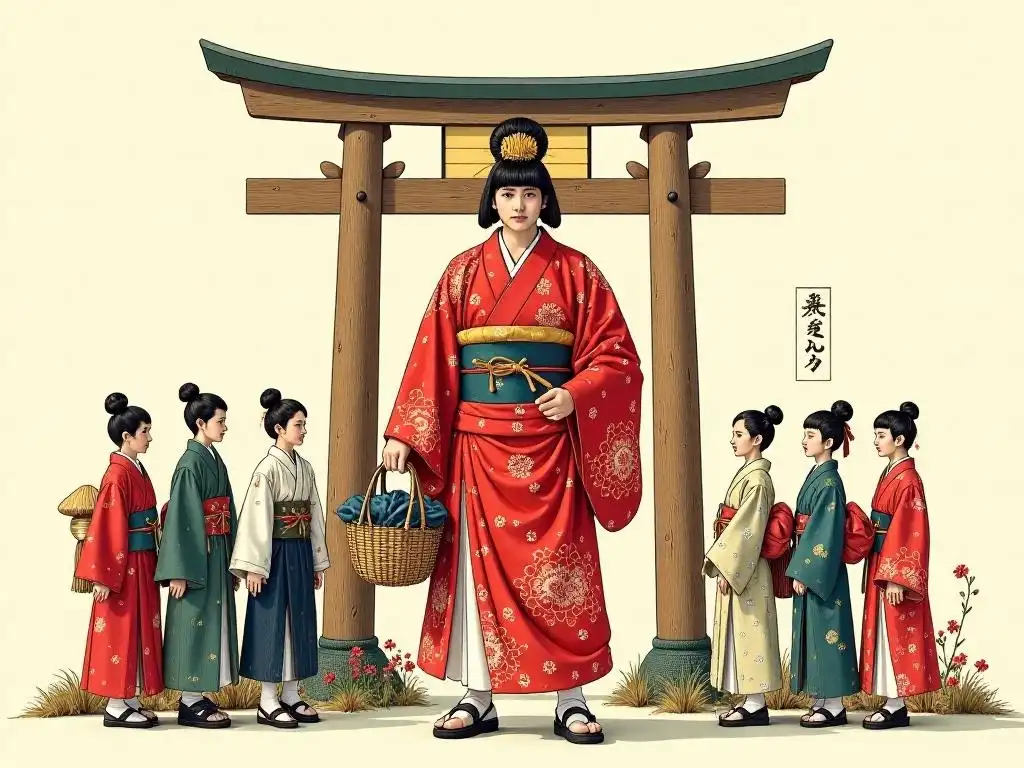
Understanding the vocabulary of Feudal Japan is crucial for anyone delving into its rich history and culture. This vocabulary serves not only as a linguistic tool but also as a lens through which the societal norms, values, and hierarchies of the time can be examined. Below, we explore some of the most significant terms that encapsulate the essence of Feudal Japan.
Common Terms Used in Feudal Japan
Bushido: The Way of the Warrior
Bushido, literally translated as "the way of the warrior," represents a code of conduct and a set of ethical principles that guided the samurai class. This term encompasses values such as loyalty, honor, and personal courage, often emphasizing the importance of discipline and moral integrity.
- Key Aspects of Bushido:
- Loyalty: The samurai's unwavering devotion to their lord, often placing the lord's interests above their own.
- Honor: The reputation and dignity of the individual, which must be preserved at all costs.
- Courage: The bravery to face challenges, including the readiness to die for one's beliefs or lord.
Bushido was not merely a battlefield guide; it influenced various aspects of Japanese life, including art, literature, and even modern Japanese culture.
Ronin: The Masterless Samurai
The term "ronin" refers to a samurai without a master. This status could arise due to various circumstances, such as the death of a lord or loss of favor. Ronin often faced social stigma and struggled to find their place in the rigid hierarchy of Feudal Japan.
- Characteristics of Ronin:
- Social Status: Often viewed with disdain, ronin were considered outcasts, and their lack of a lord rendered them vulnerable.
- Adaptability: Many ronin turned to mercenary work, serving various clans or even becoming bandits.
- Cultural Depictions: Ronin have been romanticized in Japanese literature and film, symbolizing the struggle for identity and purpose.
Seppuku: The Ritual of Honor
Seppuku, also known as hara-kiri, is a form of ritual suicide by disembowelment, performed by samurai to restore honor to themselves or their family after disgrace or failure. This act was deeply embedded in the samurai code and was often seen as a noble choice.
- Significance of Seppuku:
- Restoration of Honor: Seppuku allowed samurai to die with dignity rather than face the shame of defeat or capture.
- Ceremonial Aspects: The ritual was highly formalized, often involving specific attire, weapons, and witnesses.
- Cultural Legacy: The concept of seppuku continues to influence modern perceptions of honor and sacrifice in Japanese culture.
Cultural and Historical Context of Key Terms
Zen Buddhism: Its Influence on Samurai Culture
Zen Buddhism played a significant role in shaping the ethos of the samurai during the Feudal period. Its principles of mindfulness, simplicity, and direct action resonated with the samurai's way of life.
- Impact on Samurai Practices:
- Meditation: Many samurai practiced Zen meditation to cultivate mental discipline and clarity in battle.
- Art and Aesthetics: Zen principles influenced various art forms, including tea ceremonies, calligraphy, and garden design.
- Philosophical Underpinnings: The acceptance of impermanence and the focus on the present moment were essential to the samurai's worldview.
The Role of the Emperor in Feudal Japan
The emperor in Feudal Japan held a unique but often symbolic position. While the emperor was considered the spiritual leader and the embodiment of the state, real political power often resided with the shogunate and the samurai class.
- Historical Context:
- Divine Right: The emperor was viewed as a descendant of the sun goddess Amaterasu, lending a sacred aura to the imperial position.
- Political Dynamics: The rise of the shogunate in the 12th century shifted power away from the emperor, leading to a feudal system where military leaders wielded actual authority.
- Cultural Significance: Despite the loss of political power, the emperor remained a crucial figure in cultural and religious practices, symbolizing continuity and tradition in Japanese society.
The vocabulary of Feudal Japan provides an essential framework for understanding the complex social, cultural, and historical dynamics of the era. Each term carries with it a wealth of meaning and significance, reflecting the values and beliefs of a society steeped in tradition and honor.
The Language of Governance and Society

Feudal Japanese Political Terms
The political landscape of Feudal Japan was complex and nuanced, with a unique vocabulary that reflects the intricate systems of governance and societal organization. Understanding these terms is essential for grasping the historical context of the era. Below are some key political terms that define Feudal Japan's governance.
Bakufu: The Shogunate Government
The term Bakufu refers to the military government established by the shogun, the supreme military leader of Japan. This system emerged during the Kamakura period (1185-1333) and continued to evolve through the Muromachi (1336-1573) and Edo periods (1603-1868). The Bakufu wielded significant power, often overshadowing the emperor, who became more of a ceremonial figure.
- Key Features of Bakufu:
- Military Authority: The shogun held the ultimate military command, leading armies and enforcing law and order.
- Feudal Structure: The Bakufu appointed daimyos (feudal lords) who governed specific regions, maintaining loyalty to the shogun.
- Administrative Divisions: The Bakufu established a bureaucratic system that managed land, taxes, and local governance, ensuring efficient control over the territories.
The prominence of the Bakufu established a new political order that prioritized military power and territorial control, laying the groundwork for the governance of Japan during the feudal era.
Han: The Domain System in Feudal Japan
The term Han refers to the domains ruled by daimyos during the feudal period. Each han was a semi-autonomous region, typically defined by geographical boundaries and economic resources. The han system played a crucial role in the administration and governance of Feudal Japan.
- Characteristics of the Han System:
- Daimyo Authority: Each domain was governed by a daimyo, who exercised significant power over local affairs, including taxation, military service, and land management.
- Land and Resources: The economic viability of a han depended on its agricultural output and resource management, which directly impacted the wealth and power of the ruling daimyo.
- Cultural Identity: Each han often developed its own cultural practices and local governance styles, contributing to the diversity of Feudal Japan.
The han system facilitated a decentralized form of governance that allowed local leaders to maintain control while pledging allegiance to the shogunate, creating a complex web of loyalty and service.
Feudal Japan's society was stratified into distinct classes, each with its own roles and responsibilities. Understanding the vocabulary associated with these social structures is essential to grasping the dynamics of the era.
Peasants: The Backbone of Feudal Society
Peasants, known as hyakusho, were the foundation of Feudal Japan's economy. They were primarily engaged in agriculture, cultivating rice and other crops that sustained both their families and the ruling classes.
- Role and Importance:
- Agricultural Production: Peasants produced the food necessary for the survival of society, making them vital to the feudal economy.
- Tax Obligations: In return for land and protection, peasants were required to pay taxes, often in the form of rice or other goods, to their local daimyos.
- Social Mobility: While generally viewed as low in the social hierarchy, some peasants could rise in status through successful farming or by becoming samurai, especially during times of war.
The contributions of peasants were essential, yet they often faced harsh living conditions and heavy taxation, illustrating the complexities of their role within feudal society.
Merchants: The Economic Drivers of the Era
Merchants, or shōnin, held a unique position in Feudal Japan's social hierarchy. Despite their importance in driving the economy, they were often seen as lower in status compared to the samurai and peasants.
- Functions of Merchants:
- Trade and Commerce: Merchants facilitated the exchange of goods, connecting local economies and enhancing the flow of resources across regions.
- Economic Growth: Their activities contributed to the rise of towns and cities, fostering a burgeoning market economy that began to challenge the traditional feudal system.
- Cultural Exchange: Merchants played a key role in the dissemination of ideas, technologies, and cultural practices, linking various regions of Japan.
Despite their lower social status, merchants were pivotal in shaping the economic landscape of Feudal Japan, highlighting the interconnectedness of social classes within this historical context.
Everyday Life Vocabulary: Understanding Daily Existence

Daily Life Terms in Feudal Japan
In Feudal Japan, daily life was shaped by a complex structure of social hierarchies and cultural practices. The vocabulary surrounding everyday existence reflects this rich tapestry of life. Here are some essential terms that encapsulate the daily routines, practices, and values of the time.
- Tatami: These straw mats were ubiquitous in traditional Japanese homes, serving as flooring and contributing to the aesthetic and functional aspects of living spaces.
- Shoji: Sliding doors made of wood and paper, allowing natural light to filter into homes while providing privacy.
- Chaji: A formal tea ceremony that emphasized etiquette, aesthetics, and social harmony, showcasing the importance of tea culture in daily life.
Life in the home was typically centered around family and community, with terms that denote the roles and relationships within households being crucial for understanding social dynamics.
Katana: The Iconic Samurai Sword
The katana is perhaps the most recognized symbol of the samurai class in Feudal Japan. This curved, single-edged sword is not only a weapon but also a cultural artifact steeped in tradition and craftsmanship.
- Manufacturing: The katana is forged using a unique process that involves folding high-carbon steel to create a strong and flexible blade. This process can take weeks, requiring the skills of master blacksmiths.
- Symbolism: The katana represented more than just a means of combat; it was a symbol of honor and loyalty. Samurai were often judged by their swords, which were passed down through generations as family heirlooms.
- Usage: Beyond warfare, the katana was a tool for seppuku (ritual suicide), emphasizing the samurai's commitment to their code of honor, known as bushido.
The katana's significance extends beyond its physical characteristics; it's also a representation of the samurai spirit and the values of Feudal Japan.
Kimono: Traditional Dress of the Era
The kimono is another iconic element of Feudal Japan, representing the cultural identity and social status of individuals. This traditional garment varies in style, color, and fabric, reflecting the wearer's status, occasion, and season.
- Materials: Kimonos are made from a variety of fabrics, including silk, cotton, and wool, with silk being the most prestigious. Patterns and colors often held specific meanings and were chosen to reflect the season or occasion.
- Styles: Different styles of kimono existed for men, women, and children, with specific cuts and details denoting age and marital status. For example, a furisode is a long-sleeved kimono worn by young unmarried women, symbolizing youth and grace.
- Cultural Significance: Wearing a kimono is often associated with traditional ceremonies, festivals, and celebrations, emphasizing its role in cultural heritage.
The kimono not only serves as a garment but also as a canvas for expressing identity and tradition in Feudal Japan.
Food and Agriculture Vocabulary
The agricultural practices and dietary habits of Feudal Japan were fundamental to its society. This vocabulary highlights the essential components of food production and consumption during the era.
Rice Cultivation: A Vital Aspect of Feudal Society
Rice was the cornerstone of Feudal Japan's agriculture, serving as the primary staple food and a symbol of wealth and status. The cultivation of rice was deeply integrated into the cultural and economic fabric of society.
- Cultivation Techniques: Farmers used a method called paddy farming, which involved flooding fields with water. This technique maximized yield and was essential given Japan's climate and topography.
- Economic Impact: Rice was not only a food source but also a form of currency. Land was often measured in koku, a unit based on the amount of rice needed to feed one person for a year, reflecting the agricultural economy's reliance on rice.
- Cultural Practices: Festivals such as Inaho Matsuri, or rice planting festivals, underscore the cultural significance of rice in community life, celebrating the harvest and expressing gratitude to the rice deities.
Rice cultivation formed the backbone of Feudal Japan's agricultural economy, influencing social structures and cultural practices.
Sake: The Traditional Japanese Rice Wine
Sake is a traditional Japanese rice wine that holds a significant place in the culture of Feudal Japan. It is made through a brewing process that converts the starches in rice into sugars and then into alcohol.
- Production Process: The brewing of sake involves multiple parallel fermentation, a complex process where starch and sugar conversion occurs simultaneously. This requires precision and expertise, often passed down through generations.
- Cultural Importance: Sake is an integral part of various ceremonies and rituals, including weddings and festivals. It symbolizes purity and is often offered to deities during Shinto rituals.
- Varieties: Different types of sake exist, including junmai (pure rice sake) and ginjo (premium sake), each with distinct flavors and brewing techniques. The choice of sake often reflects the occasion and the status of the individuals involved.
Sake is not merely a beverage; it embodies the traditions and communal aspects of Feudal Japan, serving as a bridge between the physical and spiritual realms.
Conclusion: Mastering Feudal Japan Vocabulary

Mastering the vocabulary of Feudal Japan is not just about learning historical terms; it is about understanding the intricate tapestry of a society that shaped modern Japan. By familiarizing yourself with key terms related to samurai, daimyo, and other important figures, you can gain a deeper insight into the cultural, social, and political dynamics of this fascinating era. Each term offers a glimpse into the values, customs, and hierarchies that defined life during feudal times.
As you continue your exploration of Feudal Japan, remember that language serves as a bridge to history. The vocabulary you acquire will enable you to engage more meaningfully with texts, discussions, and interpretations of this rich historical period.
Recap of Essential Terms for History Buffs
Here’s a quick summary of some essential terms to enhance your understanding of Feudal Japan:
| Term | Definition |
|---|---|
| Samurai | The warrior class of feudal Japan, serving the daimyo and bound by bushido. |
| Daimyo | Feudal lords who controlled vast lands and had their own armies of samurai. |
| Shogun | The military ruler of Japan, often the real power behind the emperor. |
| Bushido | The ethical code of the samurai, emphasizing loyalty, honor, and discipline. |
| Ronin | A samurai without a lord or master, often depicted as wandering warriors. |
| Seppuku | A form of ritual suicide by disembowelment, performed by samurai to restore honor. |
| Kamakura | The period from 1185 to 1333, marked by the rise of the samurai and shogunate. |
| Zen Buddhism | A school of Buddhism that influenced samurai philosophy and aesthetics. |
Familiarizing yourself with these terms will not only enhance your discussions about Feudal Japan but also enrich your understanding of its historical narratives and cultural implications.
Further Resources for Learning Feudal Japan Vocabulary
To deepen your knowledge of Feudal Japan vocabulary, consider exploring the following resources. They offer structured learning paths, historical context, and additional terms that can enhance your vocabulary.
Recommended Books and Online Courses
- Books
- "The Samurai: A Military History" by Stephen Turnbull
- "Hagakure: The Book of the Samurai" by Yamamoto Tsunetomo
- "A History of Japan: 1334-1615" by John Whitney Hall
- Online Courses
- Coursera: Offers various courses on Japanese history that include vocabulary lessons.
- edX: Provides classes focused on Japanese culture and language, suitable for understanding historical context.
Language Learning Tools for Historical Vocabulary
- Flashcards: Create your own or use apps like Anki to memorize key terms effectively.
- Language Exchange Platforms: Engage with native speakers or enthusiasts on platforms like Tandem or HelloTalk to practice vocabulary in conversation.
- Podcasts and Audiobooks: Listen to history-themed podcasts or audiobooks that cover Feudal Japan to hear the terms in context.
By utilizing these resources, you can significantly enhance your understanding and retention of Feudal Japan vocabulary, paving the way for a more profound appreciation of this remarkable historical period.
Additional Resources for History Enthusiasts
Suggested Reading for Deeper Understanding
"The Samurai: A New History" by Jonathan Clements
This book provides a comprehensive overview of the samurai's evolution and societal role throughout feudal Japan. Clements meticulously examines the origins of the samurai class, their rise to power, and their influence on Japanese culture and politics. The narrative is enriched with vivid anecdotes and historical analysis, making it an essential read for anyone interested in understanding the complexities of samurai life and their enduring legacy in Japanese history.
"The Culture of Japan as Seen through Its Literature" by Donald Keene
Donald Keene's work offers a unique perspective on Japanese culture, exploring how literature reflects the societal values and historical contexts of different periods, including the feudal era. Keene delves into the works of renowned authors and poets, revealing how their writings capture the essence of feudal Japan's intricacies. This book not only enriches the reader's vocabulary regarding cultural terms but also provides a deeper appreciation for the artistic expressions that flourished during this time.
Online Platforms for Learning Feudal Japan Vocabulary
Language Learning Apps and Websites
For those looking to enhance their knowledge of feudal Japan vocabulary, several language learning platforms cater to this niche. Here are a few notable options:
- Duolingo: While primarily focused on modern Japanese, it offers foundational vocabulary that can be useful for understanding historical terms.
- Anki: This flashcard app allows users to create custom decks, perfect for memorizing specific feudal terminology and key historical figures.
- JapanesePod101: This platform provides audio lessons, including vocabulary related to historical contexts, making it easier to learn pronunciation alongside meaning.
Historical Documentaries and Lectures
Viewing documentaries and lectures is a fantastic way to absorb knowledge visually and contextually. Here are some recommended sources:
- YouTube Channels: Channels like "The Great War" and "History Buffs" often explore themes related to samurai and feudal Japan, providing engaging content that can help reinforce vocabulary in context.
- Coursera and edX: These platforms offer university-led courses on Japanese history, where learners can engage with lectures that include essential vocabulary tied to historical narratives.
- NHK World: Japan's public broadcaster provides a wealth of documentaries and programs that delve into various aspects of Japanese culture, including the feudal era, enhancing vocabulary through rich storytelling.
These resources will equip history enthusiasts with a well-rounded understanding of feudal Japan and its essential vocabulary, enriching their exploration of this fascinating period.
Frequently Asked Questions
What is the focus of the article "Samurai, Daimyo, and Beyond: The Essential Vocabulary of Feudal Japan"?
The article provides a comprehensive exploration of essential feudal Japan vocabulary, focusing on terms related to samurai, daimyos, and other key aspects of the era.
Why is understanding vocabulary important when studying Feudal Japan?
Understanding specific vocabulary helps grasp the historical, cultural, and societal aspects of Feudal Japan, allowing for a deeper appreciation of its complexity and nuances.
Who are the samurai and why are they significant in Feudal Japan?
The samurai were the warrior class in Feudal Japan, known for their code of conduct (Bushido) and significant role in maintaining social order and military power during this period.
What role did daimyos play in Feudal Japan?
Daimyos were powerful feudal lords who controlled large territories and were responsible for governing, protecting, and managing their lands and samurai, significantly influencing the political landscape.
How does the article contribute to the understanding of Feudal Japan?
By providing an in-depth vocabulary guide, the article enhances readers' knowledge of key terms and concepts, making the complex history of Feudal Japan more accessible and engaging.
Final Reflection: Embracing the Legacy of Feudal Japan
The intricate vocabulary of Feudal Japan serves as a powerful reminder of a rich cultural heritage that continues to resonate today. As we delve into the terms and concepts that defined this era, we uncover not only the historical significance but also the enduring influence these words have on our understanding of honor, loyalty, and social structure. The lexicon of Feudal Japan is not merely a collection of terms; it is a gateway into a world that shaped modern values and societal frameworks.
The legacy of the samurai and the daimyos transcends time, influencing contemporary discussions on leadership, ethics, and personal conduct. As we navigate our own lives, the principles embodied in these historical figures remind us of the importance of integrity and commitment to one's duties. > “A samurai is not just a warrior; he is a guardian of peace.” This quote encapsulates the essence of what it means to uphold values in a chaotic world, urging us to reflect on how we can embody similar virtues in our daily interactions.
As you ponder the lessons from Feudal Japan, I invite you to explore how these concepts can inspire your own journey. Consider how the ideals of honor, respect, and loyalty can shape your relationships and decisions. Let the vocabulary of this fascinating era serve as a guide, encouraging you to cultivate a deeper understanding of your own values and the impact they have on the world around you. Embrace the wisdom of the past and carry it forward into a future where these timeless principles can flourish anew.
Explore the Richness of Feudal Japan’s Vocabulary!
Thank you for diving into the fascinating world of Feudal Japan! We hope you’ve discovered the depth of its vocabulary and the cultural significance behind each term. This is just the beginning—there’s so much more to uncover!
To keep your journey going, here are a few actions you can take:
- Dive deeper into the language: Select a term that resonated with you and investigate its historical context or its usage in classical literature.
- Join the conversation: Share your thoughts on your favorite terms in our comments section, and connect with fellow history enthusiasts!
- Try a fun challenge: Write a short story or dialogue that incorporates at least five vocabulary words you learned.
What new insights about Feudal Japan’s culture have inspired you to explore further?