
The Tale of Genji: A Window into Heian Court Life

Welcome to Feudal Japan History, where we invite you to embark on a captivating journey through the intricate tapestry of Japan’s feudal era. Delve into the enchanting world of Heian court life as we unravel the insights captured in "The Tale of Genji," a timeless masterpiece reflecting the cultural richness of this remarkable period. Are you ready to discover how art, politics, and daily life intertwined in the elegant corridors of the Heian court? Join us as we explore the depths of this fascinating era, igniting your curiosity and deepening your understanding of Japan’s vibrant past.
Introduction to The Tale of Genji
The Tale of Genji, penned by the noblewoman Murasaki Shikibu in the early 11th century, stands as one of the most significant literary works from Japan's Heian period. Often regarded as the world's first novel, it offers an unparalleled glimpse into the intricacies of court life during a time when art and culture flourished in Japan.
This masterpiece not only narrates the romantic exploits of its titular character, Hikaru Genji, but also serves as a rich tapestry reflecting the values, aesthetics, and social structures of the Heian court. Through its vivid storytelling and character development, The Tale of Genji captures the essence of an era marked by elegance, intrigue, and deep emotional connections.
Overview of Heian Court Life Insights
Heian court life was characterized by a complex social hierarchy, elaborate rituals, and a profound appreciation for the arts. The court was predominantly populated by the nobility, and their daily existence was steeped in cultural refinement. Here are some key insights into court life during this period:
- Social Hierarchy: The Heian court was structured in a strict hierarchy, with various ranks that dictated one's status and influence. The Fujiwara clan often held significant power, marrying their daughters into the imperial family to secure their position.
- Cultural Practices: The era emphasized aesthetics, with poetry, calligraphy, and music playing vital roles in daily life. Waka poetry, in particular, was a favored form of expression, showcasing the emotional depth and artistic sensibility of the courtiers.
- Fashion and Etiquette: Elaborate clothing, such as the jūnihitoe (a multi-layered kimono), was common among noblewomen. Strict etiquette governed interactions, reflecting the importance of social grace and decorum.
- Leisure Activities: Courtly life included various pastimes, such as flower viewing, moon viewing, and narrative storytelling, which fostered both social bonding and artistic expression.
The insights gleaned from The Tale of Genji provide a window into these aspects of Heian court life, illustrating the delicate interplay between personal relationships and societal expectations.
Significance of Literature in Understanding Heian Society
The literature of the Heian period, particularly The Tale of Genji, serves as a crucial lens through which we can examine the broader societal dynamics of the time. It not only documents the daily lives and emotions of the courtiers but also critiques and reflects the prevailing cultural norms. Some significant aspects include:
- Cultural Reflection: Through its intricate narratives, literature encapsulates the aesthetic ideals and philosophical underpinnings of the Heian era, revealing how these elements influenced courtly behavior and interpersonal relationships.
- Historical Documentation: The novel presents a detailed account of the customs, rituals, and political intrigues of the time, providing historians with invaluable context for understanding the complexities of Heian society.
- Emotional Depth: The character-driven stories allow readers to connect with the emotional landscapes of the past, fostering empathy and a deeper understanding of the human experience during this period.
In summary, The Tale of Genji not only stands as a monumental literary achievement but also serves as a vital resource for gaining Heian court life insights, enriching our understanding of Japan's cultural history.
- Introduction to The Tale of Genji
- Overview of Heian Court Life Insights
- Significance of Literature in Understanding Heian Society
- What is the significance of "The Tale of Genji" in understanding Heian court life?
- How does the article describe the daily life of the Heian court?
- What cultural practices are detailed in the exploration of Heian court life?
- How did gender roles manifest in Heian court society?
- What impact did Heian court life have on Japanese history and culture?
Historical Context of the Heian Period
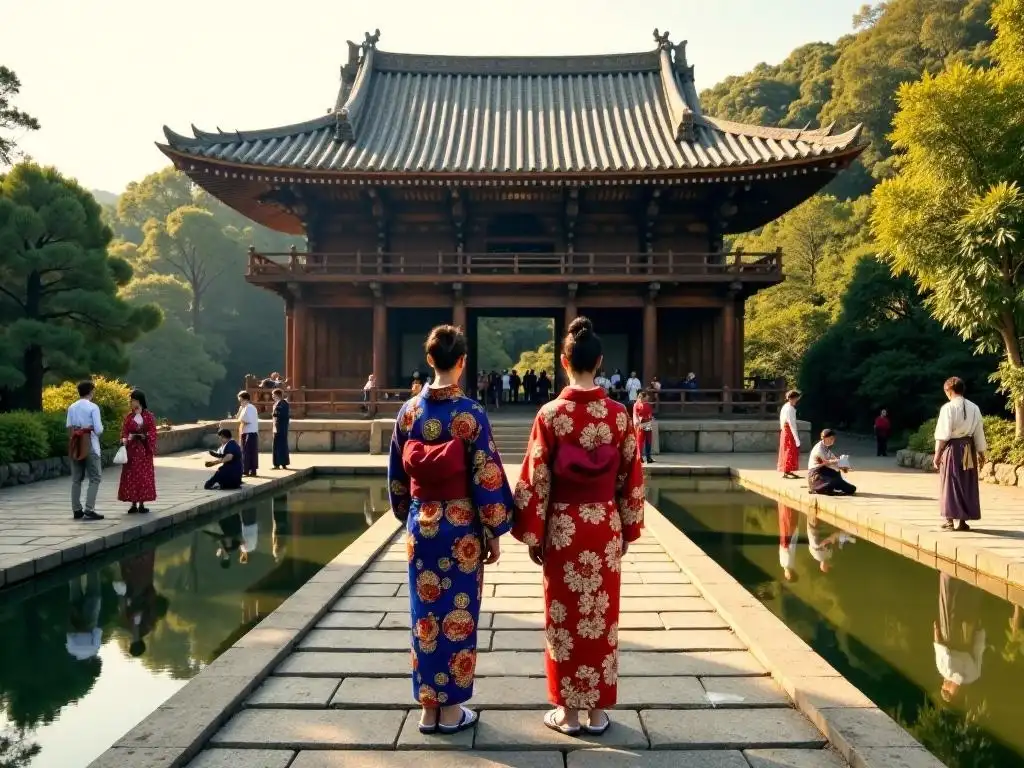
The Heian Period, spanning from 794 to 1185, marked a significant transformation in Japanese history, characterized by the establishment of a distinct cultural identity and sophisticated courtly life. This era was defined by the relocation of the capital to Heian-kyo (modern-day Kyoto) by Emperor Kammu, which facilitated the development of a centralized imperial court. The transition from the Nara Period to the Heian Period signified a movement away from the influence of Chinese culture, allowing Japan to cultivate its own artistic and literary traditions.
During this time, the political structure evolved notably. The emperor was viewed as a divine figure, central to the spiritual and political ethos of the nation. However, real power increasingly shifted to the aristocratic families, particularly the Fujiwara clan, who adeptly maneuvered through marriage alliances and political intrigue. This led to a complex interplay between the emperor’s ceremonial role and the powerful regents who effectively governed the country, resulting in a unique feudal hierarchy that shaped court life.
Political Structure and the Imperial Court
The political landscape of the Heian Period was predominantly governed by the Fujiwara clan, which held significant power through strategic marriages into the imperial family. This political maneuvering placed the Fujiwara in regent positions, such as sesshō (regent for a minor emperor) and kampaku (regent for an adult emperor), allowing them to control the imperial court while maintaining the façade of loyalty to the emperor.
The imperial court itself was a structured entity, with various ranks and offices that dictated the social hierarchy. The court was divided into two main groups: the nobility and the officials. The nobility, primarily composed of the aristocratic families, enjoyed privileges and were responsible for cultural patronage, while the officials managed the bureaucratic functions of governance. This hierarchical structure was vital for maintaining order and facilitating the intricate social dynamics of Heian court life.
The court’s political environment was often characterized by intrigue and rivalry, as noble families vied for influence and favor. The court's activities were further complicated by the emergence of the samurai class, which began to gain prominence towards the end of the Heian Period, setting the stage for the feudal system that would dominate Japan in subsequent centuries.
Cultural Flourishing in the Heian Era
The Heian Period is renowned for its cultural flourishing, particularly in literature, art, and aesthetics. This era saw the emergence of Japanese literature as a distinct form, with The Tale of Genji by Murasaki Shikibu often cited as the world’s first novel. This literary masterpiece not only reflects the complexities of court life but also offers profound insights into human emotions and relationships, encapsulating the essence of Heian sensibilities.
Artistic expression during this time was characterized by a focus on nature and beauty, evident in poetry, painting, and calligraphy. The waka poetry form became immensely popular, allowing courtiers to convey their emotions and reflections on nature in a concise and elegant manner. The aesthetics of mono no aware, or the beauty of transient things, became central to Heian art, emphasizing the impermanence of life and the deep appreciation for fleeting moments.
Furthermore, the Heian court was a hub for the development of Buddhist art and architecture, with the construction of ornate temples and the patronage of religious artworks. This cultural renaissance not only enriched the lives of the courtiers but also laid the groundwork for Japan's artistic heritage, influencing future generations.
Key Figures of the Heian Court
Several key figures emerged during the Heian Period, shaping its cultural and political landscape. Among them, Murasaki Shikibu stands out as a pivotal figure in literature. Her work, The Tale of Genji, is a cornerstone of Japanese literature and provides invaluable insights into the lives and values of the Heian court.
Another significant figure was Sei Shonagon, a contemporary of Murasaki, known for her work The Pillow Book. This collection of essays, lists, and anecdotes offers a vivid portrayal of court life, highlighting the daily routines, aesthetics, and social dynamics at play.
In the political realm, Fujiwara no Michinaga is notable as one of the most powerful regents, exemplifying the political prowess of the Fujiwara clan. His ability to navigate court politics secured his family’s dominance for generations and significantly impacted the governance of the Heian court.
The contributions of these figures, along with many others, collectively illustrate the richness of Heian court life, providing a lens through which we can explore the intricate tapestry of historical, cultural, and societal aspects of this remarkable period in Japanese history.
The Life of Murasaki Shikibu
Murasaki Shikibu, born in the late 10th century, is celebrated as one of Japan's most important literary figures, primarily known for her monumental work, The Tale of Genji. As a court lady, she lived during the Heian period (794-1185), a time characterized by a flourishing of culture, particularly in literature and the arts. Her title, "Shikibu," is derived from her father’s position in the Ministry of Ceremonial, highlighting her noble background and intimate connection with the court.
Murasaki's life in the Heian court was marked by a unique blend of privilege and constraint. She was well-educated, which was unusual for women at the time, and her literary talents emerged as she engaged with poetry and prose. Her skillful writing not only showcased her personal experiences but also provided insights into the intricacies of Heian court life. The nuances of court etiquette, the complex social hierarchies, and the emotional landscapes of its inhabitants are vividly depicted in her narrative, reflecting both her observations and her own lived experiences.
The Role of Women in Heian Court Life
The Heian court was a place where women wielded significant cultural influence, despite their limited political power. Women were often the primary creators of literature, and their contributions were crucial for the flourishing of Japanese culture during this era. The society was notably characterized by its emphasis on aesthetics, emotional expression, and the art of communication, where women's voices resonated through poetry and prose.
In this context, women like Murasaki Shikibu navigated a world that valued subtlety and refinement. They were expected to be educated in the arts of writing, music, and painting, and to participate in the highly ritualized court life. A woman’s status was often linked to her ability to engage in these cultural practices, and her skill in crafting poetry could elevate her standing within the court.
Murasaki's portrayal of women in The Tale of Genji reflects the complexities of their roles. Characters such as Genji's various romantic interests illustrate the social expectations placed on women, highlighting their struggles, desires, and roles within the patriarchal structure of court society. The narrative reveals how women navigated their relationships with men, balancing personal ambition with societal expectations.
Influence of Murasaki Shikibu’s Experiences on the Narrative
Murasaki Shikibu's personal experiences as a court lady directly influenced her narrative style and thematic choices in The Tale of Genji. The novel serves as a semi-autobiographical account that intertwines her observations of court life with fictional elements. Her deep understanding of the social dynamics and emotional intricacies of the court enriches the text, providing readers with a vivid portrayal of Heian court life insights.
Through the lens of Genji's relationships and the lives of the women around him, Murasaki explores themes of love, loss, and the fleeting nature of beauty. The emotional depth and psychological realism found in her characters are indicative of her own experiences and feelings, allowing her to craft a narrative that resonates with authenticity.
Moreover, the rich descriptions of the Heian landscape, seasonal changes, and the subtleties of court rituals are a testament to Murasaki's keen observational skills and appreciation for beauty. Her experiences not only shaped her narrative style but also contributed to the enduring legacy of The Tale of Genji, making it a critical text for understanding the cultural and societal aspects of the Heian period.
Murasaki Shikibu's life and experiences are intricately woven into the fabric of her literary work, offering profound Heian court life insights that continue to captivate readers and scholars alike. Through her writing, she provides a unique window into the complexities of her time, enriching our understanding of feudal Japan's cultural history.
Thematic Elements of The Tale of Genji
The Tale of Genji, often regarded as the world's first novel, serves as a remarkable lens through which to view the intricate tapestry of Heian court life. This literary masterpiece not only narrates the romantic exploits of its protagonist, Hikaru Genji, but also encapsulates the broader cultural, social, and aesthetic values of the time. Within its pages, readers can uncover profound insights into the emotional landscape, aesthetic sensibilities, and hierarchical structures that defined the Heian period.
Exploration of Love and Relationships in Heian Court
The exploration of love and relationships is central to the narrative of the Tale of Genji, revealing the complexities and nuances of courtly romance. The interactions between Genji and the women in his life reflect the intricate dynamics of affection, desire, and social obligation that permeated Heian court life.
- Romantic Idealism: Genji’s relationships often embody the idealized notions of love prevalent during the Heian period. His romances are characterized by a deep emotional connection, yet they are fraught with the constraints of social expectations. For instance, his pursuit of Murasaki, whom he raises from childhood, illustrates both a tender affection and a troubling manipulation of power dynamics.
- Transience of Love: The theme of mono no aware, or the awareness of the impermanence of things, permeates the narrative. Genji's relationships are often fleeting, reflecting the ephemeral nature of beauty and life itself. This philosophy resonates with the melancholic undertones present throughout the novel, as characters grapple with loss and longing.
- Courtly Competition: Love in the Heian court is also depicted as a competitive endeavor. The rivalries among women vying for Genji's affection highlight the social hierarchies and the importance placed on romantic conquests as a reflection of status and desirability.
The Role of Nature and Aesthetics in Heian Literature
Nature and aesthetics play a pivotal role in the Tale of Genji, serving as both a backdrop for the narrative and a means of expressing the emotional states of characters. The Heian period was marked by a profound appreciation for nature, which is intricately woven into the fabric of the story.
- Seasonal Imagery: The novel is rich with seasonal motifs that mirror the characters' experiences and emotions. For example, the blooming of cherry blossoms symbolizes the fleeting beauty of youth and love, while the changing seasons evoke feelings of nostalgia and longing. This connection between nature and personal sentiment underscores the aesthetic values of the Heian court.
- Poetic Expression: Poetry is a crucial element of court life, serving as a medium for expressing emotions and forging connections. The characters' use of waka (traditional Japanese poetry) within their interactions reveals the sophistication of their emotional articulations and the importance of literary skill in romantic pursuits.
- Aesthetic Pleasure: The emphasis on aesthetics is not limited to nature but extends to art, clothing, and decorum. The descriptions of lavish court life, including the elegance of clothing and the intricacies of calligraphy and painting, highlight the Heian court’s dedication to beauty and refinement.
The Tale of Genji offers profound insights into the social hierarchies and court etiquette that dictated life in the Heian period. The interactions among characters reveal the rigid structures that governed relationships and status within the court.
- Rank and Status: The characters in the tale are often defined by their rank, which influences their access to power and resources. Genji himself, a son of an emperor but relegated to commoner status, navigates the complexities of court life with an acute awareness of the implications of his lineage on his relationships and ambitions.
- Court Etiquette: The narrative emphasizes the importance of etiquette and decorum in social interactions. Characters are often judged based on their adherence to courtly manners, which dictate appropriate behavior in love, friendship, and rivalry. This emphasis on etiquette reflects the values of refinement and subtlety that were paramount in Heian society.
- Gender Dynamics: Gender roles are also a significant aspect of the social hierarchy depicted in the Tale of Genji. Women, although often possessing considerable influence through their relationships, are subjected to the whims of male desire and social expectations. The portrayal of female characters provides insight into their agency and the limitations imposed upon them within the patriarchal structure of the court.
The Tale of Genji serves as a rich source of Heian court life insights, illuminating the intricate interplay of love, nature, aesthetics, and social hierarchy that characterized this fascinating era in Japanese history. Through its detailed exploration of themes, the text not only entertains but also educates readers about the cultural fabric of feudal Japan.
Characters as Mirrors of Heian Court Life
Protagonist Genji: A Reflection of Aristocratic Values
The central figure of The Tale of Genji, Hikaru Genji, epitomizes the complex values and ideals of the Heian aristocracy. As the son of an emperor, Genji's royal lineage positions him at the apex of court society, allowing for exploration of themes such as privilege, beauty, and emotional depth. His character not only showcases the aesthetic ideals of the Heian period but also embodies the moral ambiguities that come with power and influence.
Genji is often portrayed as the quintessential nobleman, marked by his exquisite taste and artistic sensibilities. His appreciation for poetry, music, and the nuances of courtly life reflects the cultural sophistication of the era. For instance, his relationships with women serve as a lens through which the reader can understand the intricate social hierarchies and the importance placed on romantic pursuits within Heian court life.
Moreover, Genji’s romantic escapades are symbolic of the transient nature of beauty and love, aligning with the Heian aesthetic of mono no aware, or the "pathos of things." His relationships, often marked by longing and loss, further illustrate the emotional depth prized by the aristocracy, making him a profound representation of the era's values.
Supporting Characters and Their Roles in Court Dynamics
The supporting characters in The Tale of Genji serve to enhance and complicate the narrative of Heian court life, each reflecting different facets of the social hierarchy and cultural norms. Characters such as Lady Fujitsubo and the various court ladies that Genji encounters provide insight into the roles and expectations of women in this society.
Lady Fujitsubo, who is both Genji's lover and the mother of his son, encapsulates the tension between duty and desire. Her position illustrates the limited agency afforded to women in the court, as she must navigate her feelings within the constraints of her role as a royal consort. This dynamic highlights the complex interplay of power and emotion that permeates court relationships.
Other characters, like the youthful and innocent Murasaki Shikibu, reveal the idolization of youth and beauty in Heian society. Murasaki's development from a child into a woman under Genji's tutelage showcases the process of socialization in court life, as well as the often-paternalistic attitudes held by male aristocrats.
Through these characters, The Tale of Genji not only tells a story of individual relationships but also reflects the broader social dynamics, including jealousy, rivalry, and the pursuit of status, that defined the Heian court.
Gender Roles and Representation in The Tale of Genji
The Tale of Genji presents a nuanced exploration of gender roles in Heian court life, revealing both the constraints and the subtle forms of power that women held. While the narrative is centered around male perspectives, the portrayal of female characters offers critical insights into their lives and societal expectations.
Women in the Heian period, as depicted in the tale, were often confined to roles that emphasized their beauty and virtue. They were expected to exhibit grace, poise, and artistic talent, primarily in poetry and music. However, characters such as Lady Akikaze and the aforementioned Murasaki also demonstrate moments of agency, showcasing their intelligence and emotional depth.
The relationships between men and women in The Tale of Genji are characterized by a complex interplay of affection, rivalry, and social maneuvering. For instance, the competition among women for Genji's affection reflects the hierarchical nature of court relationships, where status and lineage dictated one's worth. This rivalry often resulted in deep emotional turmoil, revealing the sacrifices women made for love and prestige.
Furthermore, the narrative challenges traditional gender norms by presenting strong female characters who navigate the intricacies of court life with resilience and cunning. Their stories contribute to a richer understanding of Heian court life insights, emphasizing that while women were often marginalized, they also wielded influence in their own right, shaping the cultural landscape of the era.
The gender dynamics in The Tale of Genji serve as a crucial reflection of Heian court life, illustrating both the limitations imposed on women and their enduring strength within the confines of an aristocratic society.
Cultural Insights Through The Tale of Genji
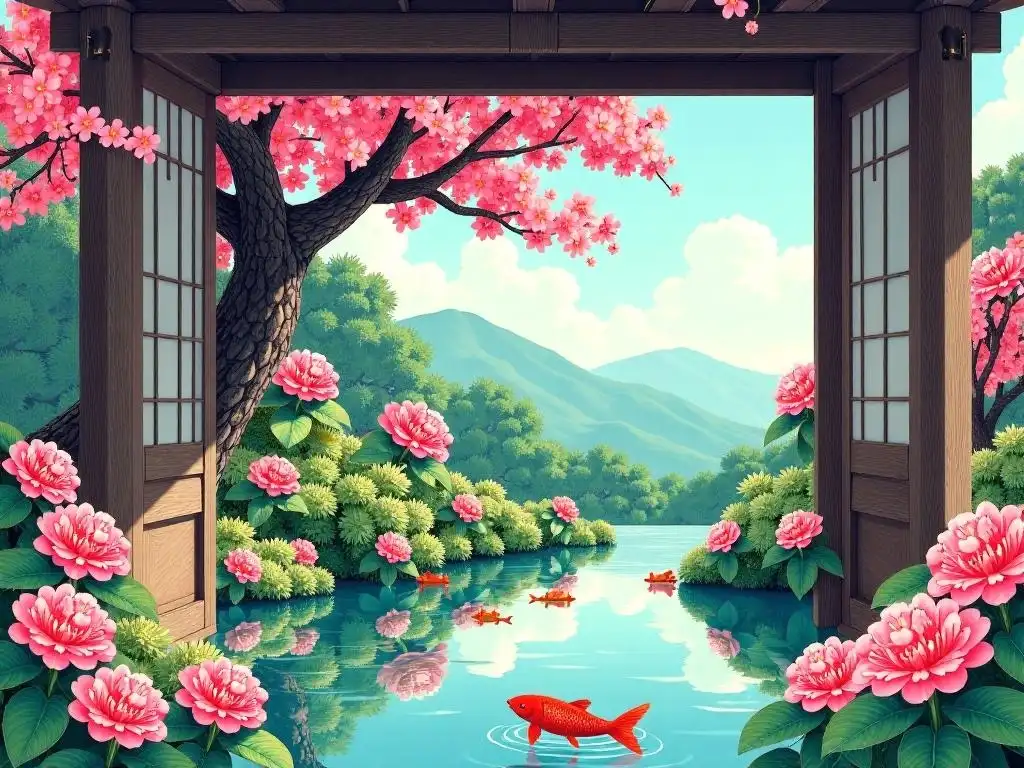
The Tale of Genji, composed by Murasaki Shikibu in the early 11th century, is not just a seminal work of literature; it also serves as a profound lens through which to explore Heian court life insights. Through its rich narrative, the text offers a vibrant portrayal of the cultural, social, and spiritual dimensions of the Heian period, revealing the complexities of relationships, aesthetics, and belief systems. This section delves into the various cultural insights gleaned from the Tale, focusing on festivals, art, and the influence of religious practices.
Festivals and Rituals Depicted in the Tale
The Tale of Genji is replete with references to the various festivals and rituals that characterized Heian court life. These events were not merely social gatherings; they were integral to the spiritual and cultural fabric of the time.
- Seasonal Festivals: The narrative vividly illustrates seasonal festivals such as the Cherry Blossom Viewing (Hanami) and the Moon Viewing (Tsukimi). These events were steeped in poetry and appreciation of nature, reflecting the Heian aristocracy's strong connection to the changing seasons.
- Ceremonial Rites: The portrayal of ceremonial rites, including weddings and coming-of-age ceremonies, highlights the importance of social hierarchy and familial alliances within the court. The meticulous planning and execution of these events served to reinforce status and power dynamics among the nobility.
- Religious Observances: The presence of Shinto and Buddhist rituals within the tale demonstrates how deeply intertwined these practices were with daily life. For instance, characters often engage in prayers and offerings, emphasizing the role of spirituality in navigating personal and political challenges.
Overall, these depictions illustrate not only the grandeur of Heian court life but also the subtleties of interpersonal relationships and societal expectations.
Art and Aesthetics: The Visual Representation of Heian Culture
Art and aesthetics play a pivotal role in the Tale of Genji, reflecting the refined sensibilities of Heian court culture. The narrative is interspersed with detailed descriptions of clothing, architecture, and the natural world, all of which serve to enrich the reader's understanding of the era's artistic achievements.
- Fashion and Textiles: The elaborate clothing worn by characters is a testament to the sophistication of Heian fashion. Fabrics like silk were intricately dyed and patterned, often symbolizing social status. The tale frequently describes the layering of garments, known as jūnihitoe, which showcases the aesthetic values of elegance and complexity.
- Poetic Expressions: The use of poetry throughout the narrative signifies the importance of literary art in Heian society. Characters often communicate their feelings and intentions through poems, reflecting an appreciation for both the spoken and written word. This literary tradition not only conveys personal emotions but also serves as a medium for social commentary.
- Nature and Landscape: The portrayal of landscapes and nature in the Tale of Genji emphasizes the Heian belief in the beauty of the natural world. Descriptions of gardens, rivers, and seasonal changes evoke a sense of harmony and tranquility, showcasing the court's desire to cultivate beauty in both their surroundings and their lives.
These artistic representations provide valuable Heian court life insights, illustrating how aesthetics were woven into the very fabric of society.
The Influence of Buddhism and Shinto on Heian Society
In the context of Heian court life, both Buddhism and Shinto significantly shaped the cultural and spiritual landscape. The Tale of Genji reflects these influences, revealing how religion permeated various aspects of daily life.
- Buddhist Ideals: The principles of Buddhism, particularly the concepts of impermanence and suffering, resonate throughout the narrative. Characters often grapple with the transient nature of love and life, mirroring Buddhist teachings. For instance, the melancholy of lost relationships and the fleeting moments of happiness reflect the Buddhist understanding of life's ephemeral quality.
- Shinto Practices: Shinto, the indigenous spirituality of Japan, also plays a crucial role in the tale. The reverence for nature and ancestral spirits is evident in characters’ interactions with the environment and their respect for rituals that honor deities. The integration of Shinto practices into daily life underscores the significance of spiritual harmony and connection to the land.
- Cultural Syncretism: The coexistence of Buddhism and Shinto in Heian society illustrates a unique cultural syncretism. This blending is evident in the narrative, where characters navigate their spiritual lives by drawing from both traditions. This duality not only enriches the characters' experiences but also provides a broader understanding of the spiritual dimensions of Heian court life.
By examining these religious influences, we gain deeper Heian court life insights into how belief systems shaped societal values, personal identities, and artistic expressions during this remarkable period in Japanese history.
Lessons from The Tale of Genji for Modern Readers
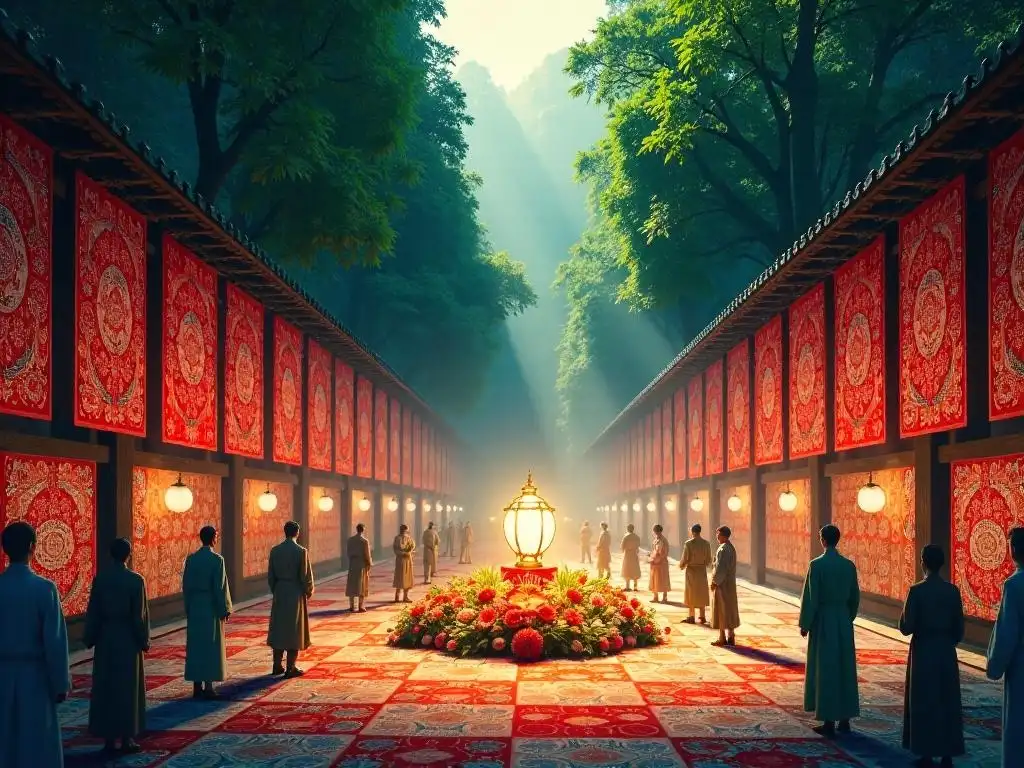
Understanding Historical Context Through Literature
The Tale of Genji, often regarded as the world's first novel, serves as a crucial lens through which modern readers can gain Heian court life insights. Written by Murasaki Shikibu in the early 11th century, this seminal work immerses readers in the intricacies of courtly life during the Heian period, characterized by its refined aesthetics, complex social structures, and nuanced interpersonal relationships.
The narrative unfolds within the royal court of Kyoto, portraying the lives of nobles, particularly the protagonist, Hikaru Genji. Through detailed descriptions of clothing, poetry, and seasonal celebrations, the text provides an authentic representation of the era’s cultural practices. For instance, the elaborate descriptions of hanami (flower viewing) and tsukimi (moon viewing) illustrate the profound appreciation for nature that permeated court life.
Key Elements of Heian Court Life Explored
- Social Hierarchy: The Tale of Genji intricately depicts the rigid social stratifications of the time, where status dictated one's access to power and privilege.
- Art and Aesthetics: Artistry in poetry, calligraphy, and music is celebrated, reflecting the era's emphasis on cultural refinement.
- Gender Roles: The portrayal of female characters, such as Lady Murasaki and Lady Aoi, highlights the complexities of gender dynamics and the limited agency afforded to women.
By delving into these elements, readers not only appreciate the literary artistry of the tale but also garner insights into the societal norms and values of the Heian court, enriching their understanding of Japan’s historical tapestry.
The Relevance of Heian Court Life Insights Today
The insights derived from Heian court life, as portrayed in The Tale of Genji, resonate well beyond their historical context, shedding light on contemporary societal issues. The themes of love, jealousy, and the pursuit of beauty remain relevant, allowing modern readers to draw parallels between past and present experiences.
Contemporary Reflections
- Interpersonal Relationships: The complexities of relationships depicted in the novel, such as the fleeting nature of love and the impact of social status, mirror modern concerns about emotional connections and societal expectations.
- Cultural Appreciation: The emphasis on aesthetics in Heian culture encourages a renewed appreciation for art and beauty in today's fast-paced world. It prompts reflection on how contemporary society often overlooks the significance of emotional and artistic expression.
- Gender Dynamics: The struggles of female characters within the patriarchal court can illuminate ongoing discussions about gender equality and women's roles in society. The Tale of Genji invites readers to consider how historical narratives inform modern gender relations.
Through these reflections, The Tale of Genji not only serves as a historical artifact but also as a living text that continues to inspire dialogue on cultural and societal issues.
How The Tale of Genji Influences Contemporary Japanese Culture
The enduring legacy of The Tale of Genji is palpable in various facets of contemporary Japanese culture, from literature and art to film and fashion. Its profound influence can be seen in the following areas:
Literary Influence
The narrative techniques and character development employed by Murasaki Shikibu have inspired countless authors in Japan and beyond. Modern literature often references the themes of love and loss found in Genji, demonstrating how the text has shaped literary conventions.
Visual Arts and Performance
In addition to literature, The Tale of Genji has inspired countless visual interpretations—paintings, ukiyo-e prints, and even kabuki theater. These artistic renditions not only celebrate the story but also keep the cultural heritage of the Heian period alive, adapting it for contemporary audiences.
Fashion and Aesthetics
The clothing styles depicted in The Tale of Genji have influenced modern Japanese fashion, particularly in traditional garments like kimono. Elements of Heian aesthetics can be seen in contemporary designs that emphasize beauty, elegance, and simplicity.
Popular Media
In the realm of film and television, adaptations of The Tale of Genji continue to captivate audiences. These adaptations not only bring the story to life for new generations but also serve as a bridge connecting contemporary viewers to the rich cultural history of Japan.
The Tale of Genji offers profound Heian court life insights that enrich our understanding of both historical and contemporary cultures, highlighting its relevance in today’s society. Its multifaceted impact continues to be felt across various domains, ensuring its place as a cornerstone of Japanese cultural heritage.
Conclusion: The Enduring Legacy of The Tale of Genji
The Tale of Genji, often hailed as the world's first novel, transcends mere storytelling to provide profound insights into Heian court life. Written by Murasaki Shikibu in the early 11th century, this literary masterpiece not only narrates the romantic exploits of its protagonist, Hikaru Genji, but also serves as a vibrant tapestry that reflects the cultural, political, and social dynamics of the Heian period. Through its intricate characterizations and detailed depictions of court rituals, fashion, and interpersonal relationships, The Tale of Genji remains an essential touchstone for anyone studying the complexities of Heian court life.
The enduring legacy of this work is evident not only in its influence on subsequent Japanese literature but also in the way it continues to shape our understanding of historical Japanese culture. The themes of love, loss, and the fleeting nature of beauty resonate universally, allowing modern readers to connect with the values and experiences of an era long past. The Tale of Genji's intricate narrative structure and rich descriptions offer a window into the lives of noble families, illuminating the subtleties of status, gender roles, and emotional expression that characterized Heian society.
The Importance of Literature in Cultural History
Literature plays a pivotal role in shaping and preserving cultural history, serving as a vehicle for both artistic expression and social commentary. The Tale of Genji exemplifies this by providing a detailed account of the Heian court's customs, aesthetics, and moral dilemmas. Through literature, historians can gain insights into the daily lives of individuals, the societal norms they navigated, and the philosophical ideas that informed their worldviews.
- Cultural Reflection: The themes explored in The Tale of Genji, such as the transience of life and the pursuit of beauty, reflect the core values of Heian society. The work captures the aesthetic sensibilities of its time, from poetry to architecture, showcasing how these elements intertwined with the lives of the court's elite.
- Social Structure: The novel intricately details the hierarchical nature of Heian society. Through its characters, readers can discern the complexities of court life, including the roles of women, the significance of lineage, and the intricacies of political alliances.
- Emotional Depth: Murasaki Shikibu’s portrayal of human emotions offers a timeless exploration of love and heartbreak, enabling readers to empathize with characters across centuries. This emotional resonance ensures that The Tale of Genji remains relevant, providing insights into the human condition that transcend cultural boundaries.
Final Thoughts on Heian Court Life Insights through The Tale of Genji
The Tale of Genji stands as a remarkable lens through which we can explore the nuanced intricacies of Heian court life. As we delve into its pages, we uncover not only the personal stories of its characters but also the broader cultural practices that defined an era. Here are some insights we can draw from this literary work:
- Gender Dynamics: The novel showcases the roles of women in Heian society, illustrating their influence and the limitations imposed upon them. Characters like Lady Aoi and Murasaki no Ue provide a glimpse into the complexities of female identity and relationships within the confines of court life.
- Artistic Expression: The emphasis on poetry, music, and aesthetics within the narrative highlights the cultural importance of artistic pursuits during the Heian period. The characters’ engagements with these art forms reveal the deep connection between creativity and social status.
- Philosophical Undertones: The frequent reflections on impermanence (mono no aware) found throughout the narrative resonate with the Buddhist influences of the time. This philosophical perspective not only informs character motivations but also invites readers to contemplate the nature of existence itself.
The Tale of Genji is not merely a story of romance; it is a profound exploration of Heian court life that offers valuable insights into the cultural history of Japan. Its legacy endures, enriching our understanding of a pivotal era in Japanese history and continuing to inspire generations of readers and scholars alike.
Frequently Asked Questions
What is the significance of "The Tale of Genji" in understanding Heian court life?
The Tale of Genji provides insightful perspectives on the social dynamics and cultural practices of the Heian court, showcasing the intricacies of aristocratic life during this era.
How does the article describe the daily life of the Heian court?
The article highlights the luxurious lifestyle of the Heian court, emphasizing rituals, entertainment, and the important role of aesthetics in daily activities, showcasing their refined tastes.
What cultural practices are detailed in the exploration of Heian court life?
The article discusses poetry, calligraphy, and music as central to the Heian court's cultural identity, reflecting the elegance and sophistication of its members.
How did gender roles manifest in Heian court society?
Heian court life was marked by distinct gender roles, where women often played vital roles in literature and art, yet were also expected to adhere to traditional expectations of femininity.
What impact did Heian court life have on Japanese history and culture?
The Heian period significantly influenced Japan's cultural heritage, laying the groundwork for later literary traditions and establishing norms in art and social structure that resonate to this day.
Final Reflection: The Enduring Legacy of Heian Court Life Insights
The exploration of Heian court life through "The Tale of Genji" remains profoundly relevant today, as it offers a unique lens into the complexities of human relationships and societal structures. In an era where we often seek to understand the intricacies of our own social dynamics, the insights gleaned from this classic work resonate deeply, reminding us of the timeless nature of love, ambition, and the pursuit of beauty. The narrative serves as a mirror reflecting our own lives, urging us to consider how the past shapes our present.
Cultural narratives like "The Tale of Genji" continue to influence our understanding of social hierarchies and interpersonal connections. The elegance and intricacies of Heian court life provide a rich tapestry from which we can draw lessons about the human experience. As noted by literary scholar Edward Seidensticker, The Tale of Genji is not merely a story; it is a profound exploration of the heart and the complexities of human emotion.
This observation underscores the importance of literature in shaping our perceptions and guiding our interactions within our own communities.
As we close this exploration, I invite you to reflect on the lessons of Heian court life and consider how they apply to your own experiences. What insights can you draw from the relationships and societal norms depicted in "The Tale of Genji"? Embrace the opportunity to learn from the past, allowing it to inform your understanding of the present and inspire your actions in the future. Let us carry forward the wisdom of the Heian era, fostering deeper connections and a greater appreciation for the beauty of human experience in our lives today.
Step into the World of Heian Elegance!
Thank you for delving into the captivating narrative of The Tale of Genji! We hope you’ve gained insight into the intricate layers of Heian court life and its timeless influences. Now, it's time to experience this rich cultural tapestry for yourself.
Here are a few ways you can continue your exploration:
- Read a translated edition of The Tale of Genji to fully appreciate its poetic language and complex characters.
- Join an online discussion group or find a local book club that focuses on classical literature – share your thoughts and hear diverse interpretations!
- Explore art and music from the Heian period to deepen your appreciation of this remarkable era in Japanese history.
What aspect of Heian court life fascinates you most, and how do you plan to explore it further?