
The Unseen Costs of Urbanization: Environmental and Social Consequences

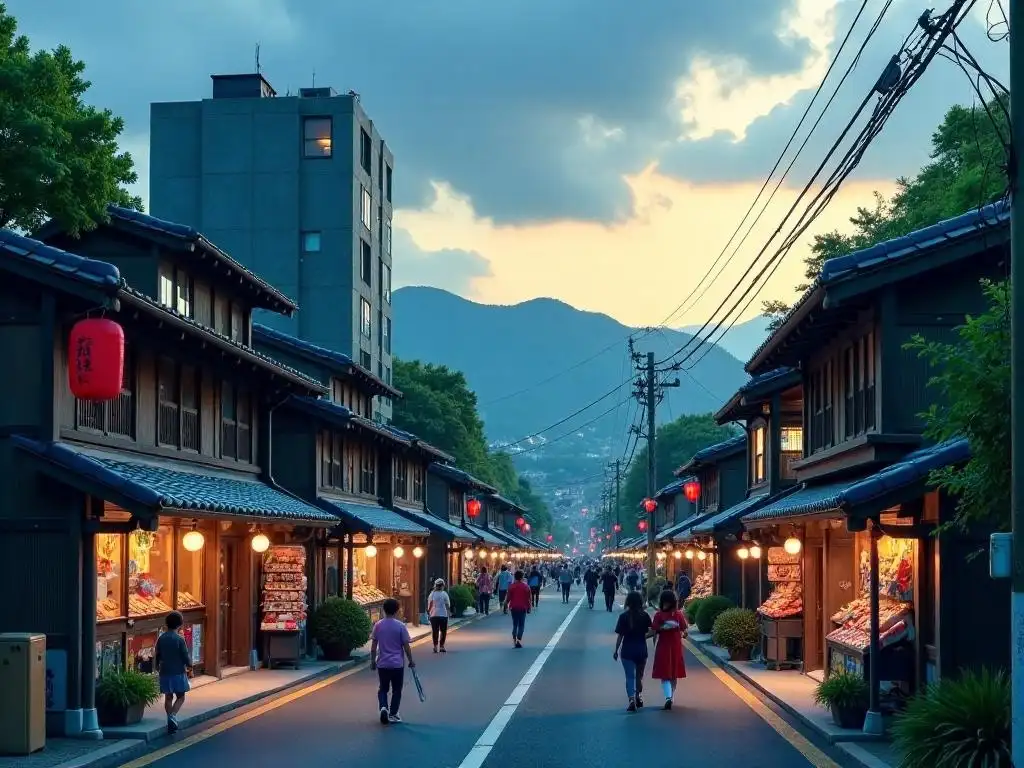
Welcome to Feudal Japan History, where we embark on an intriguing journey through the rich tapestry of Japan's feudal era. Our latest article, "The Unseen Costs of Urbanization: Environmental and Social Consequences," delves deep into the complex interplay between urban growth and its impacts on society and the environment. Ever wondered how the bustling cities of feudal Japan shaped the lives of its inhabitants? Join us as we uncover the hidden narratives that tell the story of urbanization’s effects in Japan, revealing insights that will spark your curiosity and inspire further exploration.
Introduction to Urbanization Effects in Japan
Urbanization has played a pivotal role in shaping the social, cultural, and economic landscape of Japan throughout its history. As cities burgeoned, particularly during the Edo period (1603-1868), profound transformations occurred that not only enhanced economic productivity but also led to significant environmental and social repercussions.
This article delves into the intricate effects of urbanization in Japan, exploring how the rapid growth of urban centers during the feudal era was accompanied by unseen costs that continue to influence contemporary society. By examining the historical context and the driving forces behind urban expansion, we can better understand the delicate balance between progress and its consequences.
Definition of Urbanization in the Context of Japan
Urbanization refers to the increasing population and infrastructure development in urban areas, often characterized by a shift from rural to urban living. In Japan, this phenomenon is marked by the rise of cities and the transformation of the landscape due to economic activities, migration patterns, and social changes. Specifically, urbanization in Japan has involved the concentration of populations in cities like Edo (modern-day Tokyo), where trade, governance, and cultural exchange flourished.
Overview of Japan's Feudal Era and Urban Growth
The feudal era in Japan witnessed a remarkable transformation in urban development, primarily during the Edo period. Cities became vital hubs of commerce, culture, and administration, driven by the policies of the Tokugawa shogunate. The population of urban areas surged as people flocked to cities for economic opportunities and a better quality of life. This urban growth, however, brought about significant challenges, including environmental degradation and social stratification. Understanding these dynamics is crucial to grasping the broader implications of urbanization effects in Japan.
Historical Context of Urbanization in Japan
Urbanization in Japan is not a modern phenomenon; its roots can be traced back to the feudal era. During this period, various factors propelled the rise of urban centers, leading to both advancements and challenges for society.
The Rise of Cities during the Edo Period
The Edo period marked a significant turning point for urbanization in Japan, with cities expanding rapidly. Edo itself became one of the largest cities in the world, boasting a population of over one million by the early 18th century. This growth was fueled by:
- Economic Policies: The Tokugawa shogunate implemented policies that promoted trade and commerce, attracting merchants and artisans to urban areas.
- Cultural Flourishing: Urban centers became cultural epicenters, fostering arts, entertainment, and education, which further incentivized migration.
- Infrastructure Development: The establishment of roads and transportation networks facilitated movement and commerce, linking rural areas to bustling cities.
Key Factors Driving Urbanization in Feudal Japan
Several factors contributed to the urbanization experienced during Japan's feudal era, including:
- Agricultural Surpluses: Improved agricultural practices led to surpluses, prompting rural inhabitants to seek opportunities in urban markets.
- Political Stability: The relative peace of the Edo period allowed for economic growth and the establishment of urban governance structures.
- Population Growth: A rising population necessitated the expansion of cities to accommodate the increasing number of inhabitants.
As we explore the unseen costs of urbanization, it becomes imperative to consider how these historical factors shaped not only the physical landscape of Japan but also its environmental and social fabric.
Environmental Consequences of Urbanization
The process of urbanization in Japan, particularly during the Edo period (1603-1868), brought significant changes to the landscape, economy, and society. However, these developments came at a cost, particularly in terms of environmental degradation. Urban areas expanded rapidly, leading to various negative impacts on the environment that are still relevant in discussions about urbanization effects in Japan today.
Urbanization often results in the conversion of natural landscapes into urban settings, leading to habitat destruction, loss of biodiversity, and altered ecosystems. The rapid growth of cities, coupled with the need for infrastructure, put immense pressure on the natural environment, leading to long-term consequences that can still be observed in contemporary Japan.
Deforestation and Land Use Changes
One of the most immediate environmental consequences of urbanization was widespread deforestation. As cities grew, vast areas of forested land were cleared to make way for residential neighborhoods, commercial establishments, and agricultural land to support the increasing urban population. This deforestation not only destroyed habitats for countless species but also disrupted the delicate balance of local ecosystems.
The land use changes during the Edo period were particularly pronounced. Agricultural practices shifted as demand for food and resources increased, leading to the conversion of forests into farmland. This resulted in soil degradation and erosion, as the protective forest cover was removed. Additionally, the urban heat island effect began to emerge, where urban areas became significantly warmer than their rural counterparts due to the loss of vegetation and increased concrete surfaces.
The long-term impacts of these land use changes are evident today as Japan continues to grapple with the consequences of urban sprawl and the need for sustainable land management practices.
Water Pollution and Its Effects on Ecosystems
The rapid urbanization of Japan also led to significant water pollution, primarily due to industrialization and an increase in population density. As cities expanded, waste management systems struggled to keep pace with the growing urban population, resulting in untreated sewage and industrial waste being discharged into rivers and coastal waters.
This pollution had dire consequences for aquatic ecosystems, leading to the decline of fish populations and other aquatic life. The introduction of harmful substances into water bodies not only affected biodiversity but also posed health risks to communities relying on these water sources for drinking and fishing.
In the Edo period, rivers served as vital transportation routes and sources of water for both people and agriculture. However, as urban areas expanded, the quality of these water resources deteriorated. The effects of urbanization on water pollution continue to resonate in modern Japan, where water quality management remains a critical issue.
Urbanization in Japan did not merely alter the physical landscape; it also had profound social consequences. The migration from rural areas to cities resulted in significant shifts in population dynamics and the structure of communities.
Changes in Population Dynamics and Demographics
The influx of people into urban centers during the Edo period led to notable changes in population dynamics. Cities like Edo (now Tokyo) experienced rapid population growth, resulting in a diverse mixture of social classes, cultures, and lifestyles. This demographic shift altered traditional patterns of living, as rural populations sought opportunities in the burgeoning urban economy.
As urban areas grew, so did the challenges associated with overcrowding, including housing shortages and increased competition for jobs. The demographic changes also led to the emergence of new social groups, which contributed to a vibrant, albeit sometimes volatile, urban culture. The dynamic interactions between different social classes and groups within these urban environments created both opportunities and tensions that shaped the societal landscape of Japan.
The Impact on Traditional Communities and Social Structures
The shift towards urbanization had a profound impact on traditional communities and social structures in Japan. Many rural communities faced decline as younger generations migrated to cities in search of better economic prospects, leading to a loss of traditional agricultural practices and cultural heritage.
Urbanization disrupted established social networks and familial ties, as individuals became more focused on economic survival in fast-paced city life. This shift often resulted in the fragmentation of close-knit communities that had characterized rural life. The traditional roles and responsibilities within families and communities were redefined, leading to changes in social norms and values.
Moreover, the rise of urban centers created a new social hierarchy, often influenced by wealth and occupation, which contrasted sharply with the more egalitarian structures of rural society. This transformation has had lasting effects on Japanese society, as urbanization continues to shape social relationships and cultural identities in contemporary Japan.
While urbanization brought economic growth and development to Japan, it also led to significant environmental and social consequences that warrant careful consideration in discussions about urbanization effects in Japan. Understanding these consequences is crucial for developing sustainable practices that balance growth with the preservation of both the environment and social cohesion.
Economic Implications of Urbanization in Japan
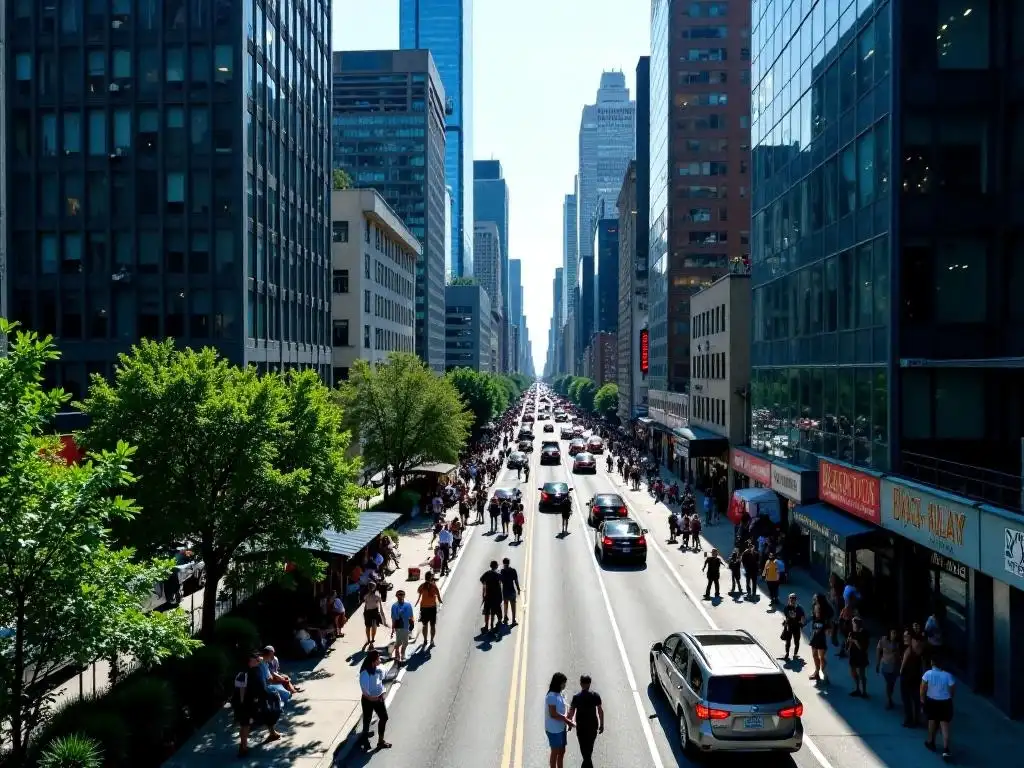
Urbanization in Japan, particularly during the Edo period (1603-1868), significantly transformed the country's economic landscape. As cities grew, they became centers of trade, commerce, and industry, leading to profound economic implications that shaped Japanese society. The shift from rural agrarian economies to bustling urban centers marked a pivotal change in how resources were allocated, labor was organized, and wealth was generated.
The rapid urbanization seen in cities like Edo (now Tokyo) not only stimulated local economies but also integrated them into a larger national framework. This integration facilitated the movement of goods and services, spurred the development of infrastructure, and altered traditional economic practices. Additionally, urbanization influenced social mobility, allowing individuals from rural backgrounds to seek better opportunities in cities, thus reshaping social hierarchies.
As urban centers expanded, they also fostered innovation and entrepreneurship. The growth of merchant classes led to the emergence of new business practices and financial systems, paving the way for modern economic principles. However, these developments also came with hidden costs, including environmental degradation and social fragmentation, which can still be traced in contemporary Japan.
Shift from Agrarian to Urban Economies
The transition from agrarian to urban economies in Japan can be attributed to several factors, including population growth, technological advancements, and changes in agricultural practices. As food production improved, particularly through the introduction of new rice cultivation techniques, the rural population swelled. This led to a surplus of labor that increasingly sought opportunities beyond agriculture.
Cities such as Kyoto and Osaka became vital economic hubs, attracting laborers, artisans, and merchants. This migration was not merely a relocation of people but also a shift in economic focus. The economic activities in urban areas diversified, encompassing not only trade and commerce but also crafts, services, and early forms of manufacturing. The influx of people into cities facilitated the establishment of marketplaces and commercial districts, which became the backbone of urban economic life.
Moreover, the concentration of population in urban areas fostered a competitive environment that encouraged innovation and specialization. Artisans began to perfect their crafts, leading to the production of goods that were not only consumed locally but also traded widely. This shift laid the groundwork for a more complex economic structure that would eventually evolve into the modern economy of Japan.
The Role of Trade and Commerce in Urban Growth
Trade and commerce played a critical role in the urban growth of Japan during the feudal era. The establishment of trade routes, both overland and maritime, enabled the exchange of goods between urban centers and rural areas. These routes facilitated the movement of not only essential commodities such as rice and textiles but also luxury items, including ceramics and silk, which were highly sought after in domestic and international markets.
The rise of merchant guilds further propelled urban economic development. These guilds regulated trade practices and ensured quality control, fostering trust among consumers and contributing to the stability of urban economies. Additionally, the growth of financial institutions, such as moneylenders and early banks, provided the necessary capital for entrepreneurs to invest in their businesses, thus fueling further economic expansion.
Urban centers also became melting pots of culture and innovation as diverse groups of people interacted and exchanged ideas. This cultural exchange enhanced the vibrancy of urban life and contributed to the emergence of distinct urban identities. However, the focus on commerce and trade also led to inequalities, as wealth became concentrated among successful merchants while many laborers remained in precarious positions.
Comparative Analysis of Urbanization Effects in Japan and Other Countries
When examining the effects of urbanization in Japan, it is essential to compare these developments with global trends. Urbanization has been a defining feature of many countries, each experiencing unique outcomes based on their historical, cultural, and environmental contexts.
In Japan, the Edo period's urbanization was characterized by a relatively stable political environment, which allowed for sustained economic growth. In contrast, other countries, such as those in Europe during the Industrial Revolution, experienced rapid urbanization often accompanied by social upheaval, labor exploitation, and environmental degradation. These differences highlight the varied implications of urbanization and the importance of contextual factors in shaping urban development.
Lessons from Global Urbanization Trends
Global urbanization trends provide valuable lessons for understanding the multifaceted impacts of urban growth. For instance, cities around the world have often faced challenges related to infrastructure, housing, and environmental sustainability as they expand. In Japan, the historical experience of urbanization offers insights into managing these challenges effectively.
One key lesson is the importance of planning and governance in urban development. Cities that have implemented comprehensive urban planning frameworks tend to better manage issues such as traffic congestion, pollution, and housing shortages. Japan's experience demonstrates that proactive policies can mitigate some of the adverse effects of urbanization, ensuring that growth is sustainable and equitable.
Moreover, the global focus on sustainability highlights the need for cities to balance economic growth with environmental stewardship. As urban centers continue to grow, the lessons learned from Japan's urbanization journey can inform contemporary policy-making, promoting practices that prioritize both economic vitality and ecological health.
Addressing the Unseen Costs of Urbanization
Urbanization in Japan, particularly during the Edo period, brought about significant transformations in society, economy, and the environment. However, these changes often came with hidden costs that are frequently overlooked in historical narratives. To truly understand the impact of urbanization, it is essential to address these unseen costs, which include environmental degradation, social dislocation, and the erosion of traditional cultural practices.
The rapid growth of cities like Edo (modern-day Tokyo) resulted in extensive deforestation and loss of natural habitats as land was cleared for construction and agriculture. This not only disrupted local ecosystems but also led to increased pollution in waterways and air. Additionally, the influx of people into urban areas created challenges in managing waste and sanitation, which further exacerbated health issues among urban populations.
Socially, the shift towards urban living often displaced rural communities, dismantling traditional kinship networks and community support systems. As people migrated to cities in search of economic opportunities, many found themselves in overcrowded conditions with limited access to resources, leading to heightened social tensions and disparities. Understanding these costs is crucial for creating a comprehensive view of Japan's urban evolution and its lasting implications.
Sustainable Urban Development in Japan
In light of the historical challenges faced during urbanization, Japan has increasingly recognized the importance of sustainable urban development. This approach emphasizes the need to balance economic growth with environmental stewardship and social equity. Sustainable urban development in Japan involves several key strategies:
- Green Infrastructure: Incorporating parks, green roofs, and urban forests into city planning helps mitigate the effects of urban heat islands and improves air quality. Cities like Yokohama have implemented green spaces that serve both ecological and recreational purposes.
- Efficient Public Transportation: Japan's emphasis on developing efficient public transport systems, such as the Shinkansen (bullet train) and extensive metro networks, reduces reliance on automobiles, thereby lowering greenhouse gas emissions and traffic congestion.
- Community Resilience: Engaging local communities in decision-making processes fosters a sense of ownership and responsibility towards urban environments. Programs that encourage community gardening or local resource management contribute to social cohesion and environmental sustainability.
- Waste Reduction Initiatives: Japan has pioneered waste management practices that focus on recycling and reducing landfill use. The "3Rs" (Reduce, Reuse, Recycle) philosophy has been widely adopted, integrating sustainability into the urban fabric.
By prioritizing these sustainable practices, Japan aims to address the environmental and social costs of urbanization while promoting a more resilient urban future.
Community Engagement and Social Responsibility
Community engagement plays a pivotal role in mitigating the social consequences of urbanization in Japan. The involvement of community members in urban planning and development fosters social responsibility and strengthens communal ties. Several initiatives illustrate this engagement:
- Participatory Planning: Local governments often hold public forums and workshops to gather input from residents on urban development projects. This inclusive approach ensures that the voices of diverse community members are heard and considered.
- Cultural Preservation Programs: As urban areas expand, there is a risk of losing traditional cultural practices and identities. Initiatives that promote local festivals, arts, and crafts help preserve these cultural elements while fostering a sense of belonging among residents.
- Volunteer Networks: Grassroots organizations and volunteer networks engage citizens in activities such as neighborhood clean-ups, disaster preparedness training, and social support services. These efforts build community resilience and enhance social capital.
By prioritizing community engagement and social responsibility, urbanization in Japan can evolve into a more inclusive process that not only addresses economic needs but also nurtures social bonds and cultural heritage.
Conclusion: The Complexity of Urbanization Effects in Japan
The effects of urbanization in Japan are complex and multifaceted, encompassing both positive advancements and significant challenges. While urban growth has led to economic vitality and innovation, it has also resulted in environmental degradation and social upheaval. Recognizing these complexities is essential for policymakers, urban planners, and citizens alike as they navigate the future of urban living in Japan.
Summary of Key Points
- Urbanization in Japan, particularly during the Edo period, brought significant environmental and social costs, including deforestation, pollution, and community displacement.
- Sustainable urban development strategies, such as green infrastructure, efficient public transportation, and waste reduction initiatives, are crucial for mitigating these costs.
- Community engagement fosters social responsibility, helping to preserve cultural identities and strengthen communal ties amidst the challenges of urbanization.
The Future of Urbanization in Japan: Challenges and Opportunities
Looking ahead, Japan faces both challenges and opportunities in its urbanization journey. The challenges include addressing climate change, managing aging infrastructure, and ensuring equitable access to resources in increasingly crowded urban areas. However, these challenges also present opportunities for innovation and growth.
For instance, the adoption of smart city technologies can enhance urban management and improve the quality of life for residents. Additionally, fostering partnerships between government, businesses, and communities can lead to collaborative solutions that address both environmental sustainability and social equity.
As Japan navigates its path forward, a holistic approach that considers the unseen costs of urbanization will be vital for creating vibrant, sustainable, and inclusive urban environments for future generations.
- Introduction to Urbanization Effects in Japan
- Historical Context of Urbanization in Japan
- Environmental Consequences of Urbanization
- Social Consequences of Urbanization
- Economic Implications of Urbanization in Japan
- Comparative Analysis of Urbanization Effects in Japan and Other Countries
- Addressing the Unseen Costs of Urbanization
- Conclusion: The Complexity of Urbanization Effects in Japan
Frequently Asked Questions
What are the main effects of urbanization in Japan?
The effects of urbanization in Japan include increased population density, changes in land use, and significant environmental impacts such as pollution and habitat loss.
How did urbanization impact Japanese society?
Urbanization led to the transformation of social structures, with a shift from rural to urban living, resulting in changes in community dynamics, family structures, and cultural practices.
What environmental challenges arose from urbanization in Japan?
Urbanization in Japan resulted in numerous environmental challenges, including increased air and water pollution, loss of green spaces, and heightened vulnerability to natural disasters due to urban sprawl.
How did urbanization influence Japanese culture?
The influence of urbanization on Japanese culture is evident in the rise of pop culture, changes in traditional practices, and the blending of modern and historical elements in urban settings.
What are some solutions to mitigate the negative effects of urbanization in Japan?
To address the negative effects of urbanization, solutions include promoting sustainable development, enhancing public transportation systems, and implementing green urban planning strategies to protect the environment.
The effects of urbanization in Japan are not merely statistics; they are the fabric of our daily lives, woven with the threads of environmental degradation and social upheaval. As cities expand and modernize, the consequences ripple through ecosystems and communities, challenging us to reconsider the true cost of progress. The rapid urban growth we witness today is a clarion call for awareness and action, urging us to confront the unseen costs that accompany our pursuit of development.
Cities are not just concrete jungles; they are living entities that reflect our values and priorities. The ongoing impact of urbanization in Japan serves as a poignant reminder of the delicate balance between growth and sustainability. As we navigate this complex landscape, we must acknowledge the voices of those affected by these changes. The greatest danger in times of turbulence is not the turbulence; it is to act with yesterday's logic.
– Peter Drucker. This quote encapsulates the necessity for innovative thinking as we address the social and environmental challenges posed by urbanization.
As we reflect on the lessons of urbanization, I invite you to consider your role in this narrative. How can you contribute to a more sustainable future in your community? Whether it’s advocating for greener urban policies, supporting local initiatives, or simply being more mindful of your environmental footprint, every action counts. Let us embrace the responsibility to shape our cities in a way that honors both people and the planet, ensuring that the legacy of urbanization is one of resilience and harmony.
Embrace Sustainable Change for Our Cities!
Thank you for taking the time to explore the complex implications of urbanization in this article. Your interest reflects a growing awareness of the unseen costs that affect our environment and society. Now, it’s time to transform that awareness into action!
Here are a few steps you can take to make a real difference:
- Engage with your community: Organize or join local initiatives focused on urban sustainability. Whether it’s a cleanup event or a discussion forum, your involvement can spark meaningful change!
- Advocate for greener policies: Reach out to your local representatives and express your support for sustainable urban planning. Every voice matters in shaping the future of our cities!
- Share your knowledge: Discuss the insights you’ve gained from this article with friends and family. Utilize social media to spread the word and inspire others to recognize the impacts of urbanization.
What are your thoughts on how we can collectively foster a more sustainable urban environment? Join the conversation and share your ideas!